Connect with us

WITNESS RADIO MILESTONES

NITA boss cited in Shs 928m Land Fund mess

Published

on

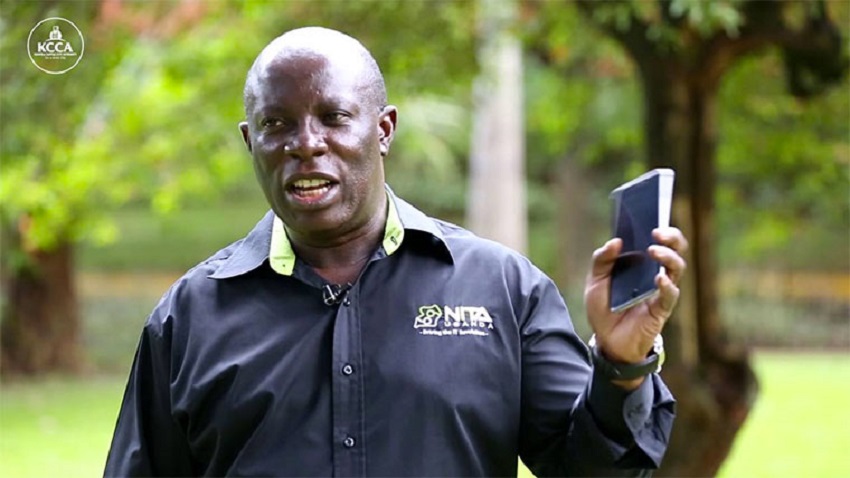
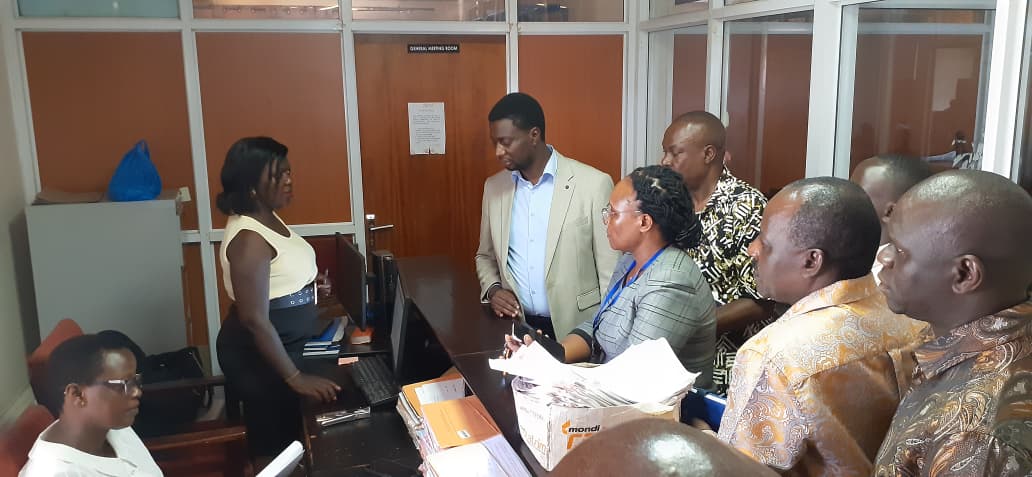
The executive director of the National Information Technology Authority Uganda (NITA-U) James Saaka has come under the spotlight before the Land Probe Commission over the Shs 402 million he received from the Land Fund.
Saaka received the money in 2015 as partial payment of the Shs 928 million for plot 1, block 141 in Buterere-Bugangayizi in Kibaale district measuring about 640 acres.
He appeared before the Commission chaired by Lady Justice Catherine Bamugemereire, which has been investigating the processes in the Land Fund since last week. The Land Fund is a multi-purpose resource envelope meant to serve targeted beneficiaries, including tenants seeking to buy or own land.

Its also meant to finance the purchase of land by government for redistribution to bonafide occupants or resettlement of the landless people among others. Saaka is among a group of individuals, majority being government officials, who have benefited from the Land Fund.

Asked by the Commission’s lead counsel, Ebert Byenkya whether he owned the property in question, Saaka said the land belonged to his late father, Edward Batimbo Ssebuko who passed it to his children including him, the late Benedict Kitanwa, Annet Natuma, Peter Ssebuko and the late Ronald Mark.

Byenkya asked Saaka to explain how his father acquired the land. Saaka said his father acquired the land in 1963 to which Byenkya wondered whether theirs was one of the traditional families in Bunyoro kingdom.
“When I look at Bugangayizi, I see it as one of the lost counties that were returned to Bunyoro [kingdom] in a referendum. Isn’t that so?…So typically I’m expecting to see a traditional family that was granted mailo [land] in 1900 and maybe after the return of the lost counties. So, I would expect to see a title that reflects that history. But when I look at your title, it seems to start with your father” said Byenkya.”My lord, I wouldn’t know how my father acquired this property, I was one-year-old in 1963″, said Saaka.

Saaka explained that the family decided to sell the land to government after they failed to gain access to it. Byenkya wondered why there is no evidence of generic reference to people living on the land in question.

“I’m curious from 1979 to date coz I have been looking at some of the documents and people are referred to as squatters, people are referred to as tenants, but I don’t see any names and this seems to be typical even when you look at valuations.
People are generically referred to. I never see a list of people or homesteads for example counted and identified. I never see any form of identification of who these people are. So am wondering whether you yourself knew them?” Byenkya asked Saaka.
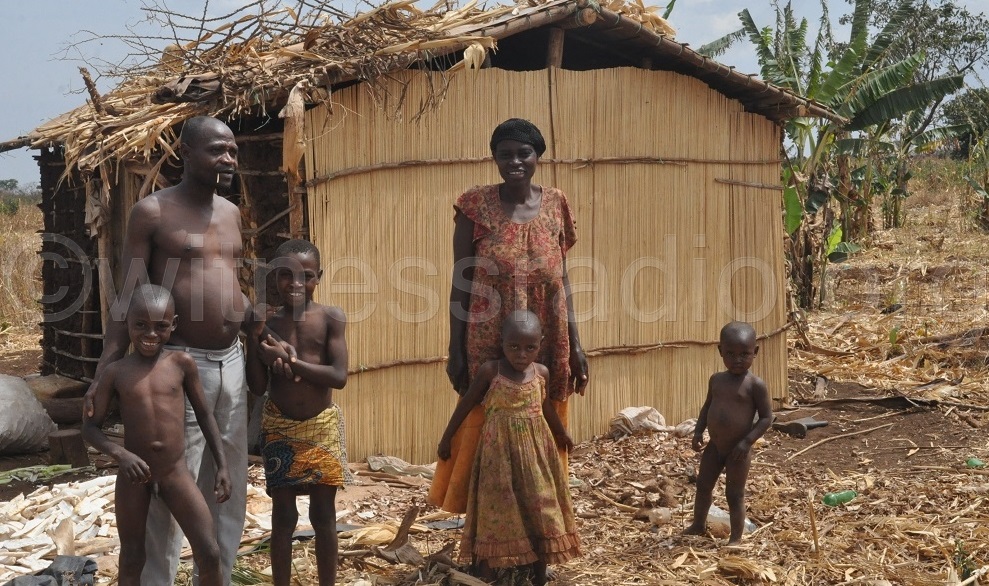
“I think the environment in that area, being an absent landlord it was difficult to bring them together and say identify yourself other than trying to engage them. I knew them [tenants] by face, when I went there I knew some of them, others you would only see cows.” Saaka said.
However, Byenkya said the fact that Saaka knew some of them by face, indicates that he was after all not an absent landlord as he claims. He asked him then why he did not take the next step of registering his tenants.
“It would suggest to me that you’re not an absent landlord. If you could go there, you could talk to them, you knew their faces. Why would you not be able to take the next step and record who these people were?” asked Byenkya.
“As I was in that process, that’s when the late Wilson Mulondo advised me and said; ‘I think there’s a Land Fund which could compensate you for that land since you have difficult in utilising it and I took his advice.” answered Saaka.According to the report of the chief government valuer, 70 per cent of Saaka’s land valued at Shs 448 million is encumbered while the remaining 30 per cent valued at Shs 480 is unencumbered.

The report further indicates that the 30% of the land which was free of occupants has 3 hills and a river making it unusable, a claim Saaka confirmed.

Saaka said that he could not answer for the valuer since he does not know the method that was used. Commissioner Mary Oduka Ochan asked Saaka why he had to sell part of the land that could not be used to government.

“Am talking of you, Mr Saaka, morally speaking, as an upright Ugandan who knows that this land is really not good for anything, you can’t do anything much, why did you think you should sell it to government?” asked Ochan.

“To begin with, it doesn’t really qualify for the Land Fund because it was unencumbered. But even if it did, if its not usable and you couldn’t use it or anybody else couldn’t use it, why do you sell it to government to pay much higher than they were paying for land which would have been more useful had those occupants not been there?”, she further asked.
“Is that morally fair, I would expect that you would be a person of integrity. When you talk of government money, that is taxpayers’ money and this is money which the minister of Lands plus the people of the Land Commission have all come here and said they wish there was more money put into the Land Fund. But we’re seeing as if the Land Fund actually has adequate money. The money has been going to wrong places, it has been going to things for which the Land Fund was never established like for example this. You’re saying you’re still owed money but I don’t think you’re owed much money, really!”

Saaka said that if he knew from the start that part of his land didn’t qualify for compensation from the Land Fund, he would have rejected the valuation. He was then asked if he would accept to be given back his land title and compensation only be given for the land that was encumbered. Saaka said that was not what his agreement with government was saying.

Justice Catherine Bamugemereire also queried why the unusable land was valued highly. She said that the chief government valuer will be summoned to explain the irregularity. Bamugemereire wondered what Uganda Land Commission could be doing with this kind of land that cannot be used.

The Commission’s mandate is to probe efficiency of the laws, policies and processes of land registration, acquisition, administration and management. It is also tasked with scrutinizing the work of relevant bodies in the reservation of wetlands, forests, road reserves, and national parks, among other gazetted spaces.

The probe is mandated to investigate and inquire into the role of the Uganda Land Commission (ULC) in administering public land and the Land Fund.

The commissioners are Frederick Ruhindi, Mary Oduka Ochan, Robert Ssebunnya, Joyce Gunde Habaasa, Dr. Rose Nakayi and George Bagonza.

Source: The Observer

Continue Reading
Click to comment

Leave a Reply

Your email address will not be published. Required fields are marked *

WITNESS RADIO MILESTONES

Karamoja stands on the brink, with nearly half a million people gripped by acute hunger.

Published

on

By the Witness Radio team.

Nearly half a million people in Uganda’s Karamoja sub-region are facing acute hunger as repeated climate shocks, poor harvests and environmental degradation continue to erode food production and livelihoods, according to the latest integrated food security phase classification (IPC) analysis.

The IPC assessment found that 473,000 people, nearly one in every three people assessed, experienced crisis (IPC phase 3) or worse levels of acute food insecurity between April and July 2026. Of these, about 41,000 people were classified in emergency (IPC phase 4), requiring urgent food assistance and livelihood support.

The assessment paints a grim picture: relentless dry spells, sudden floods, and waves of crop and livestock diseases have battered Karamoja, leaving families struggling to recover season after season. Soaring food prices and scarce quality farming supplies have only deepened the crisis.

The IPC also found that only 54.1 percent of households had food stocks at the time of the survey, with supplies in most districts expected to last for less than one month.

The assessment reveals that swarms of crop pests, outbreaks of livestock disease, and wildlife ravaging fields, combined with a shortage of quality seeds, have slashed agricultural yields and left countless families exposed and vulnerable.

In response to the findings, Oxfam sounded the alarm: families in Karamoja are racing through their dwindling food stores and scrambling for safe water. Prolonged drought and vanishing pastures now threaten the livestock that so many depend on for survival.

“People in Karamoja are not just running out of food; they are also running out of options. Climate shocks and long-standing inequalities, including low investment in education and water infrastructure, have steadily stripped away their ability to cope,” Said Francis Shanty Odokorach, Oxfam’s country director in Uganda.

The nutrition outlook is just as dire. The IPC foresees 122,100 children under five needing urgent treatment for acute malnutrition between March 2026 and February 2027, with 30,600 of them facing the most severe cases. An additional 8,000 pregnant and breastfeeding women are expected to need vital nutrition support during this time.

The assessment places Kaabong and Kotido districts in the critical phase of acute malnutrition, underscoring the depth of the crisis. In Kotido, relentless drought has left families desperately searching for enough to eat.

“The ground is all dry and bare. You can visibly see people, especially children, very hungry. Families have run out of food early and are now forced to skip meals. Livestock are also suffering from a lack of water and pasture,” Said Lokiru Musa Hassan, Oxfam project officer working in Napumpum sub-county.

Though the IPC predicts a slight reprieve during the August 2026 to February 2027 harvest, hope remains fragile. Around 352,000 people are still expected to endure crisis or worse, especially in Kaabong, Karenga, Kotido, and Moroto, where relentless climate shocks keep sabotaging recovery.

While acute malnutrition has dipped slightly since 2025, the IPC cautions that these hard-won gains could vanish with the next wave of extreme weather, disease, or funding gaps. Without ongoing aid and real investment in climate resilience, many families may fall even further into hunger.

To confront the crisis, Oxfam has announced a two-phase plan across five districts, delivering emergency food, cash, safe water, drought-resistant seeds, and livestock support. The organization also aims to boost climate-smart farming, water harvesting, livelihood recovery, and local early warning systems.

“This response must be shaped with communities, not simply delivered to them. Women, young people, older people and people with disabilities must be able to access assistance safely, provide feedback and influence the decisions that affect their lives,” Odokorach said.

With climate change tightening its grip on Uganda’s drylands, humanitarian agencies stress that emergency relief alone is not enough. Only lasting investments in resilient agriculture, water systems, and community-driven climate adaptation can help Karamoja escape the cycle of hunger.

Continue Reading

MEDIA FOR CHANGE NETWORK

Uganda moves toward a Bamboo Policy to boost environmental conservation and green growth.

Published

on

By Witness Radio team.


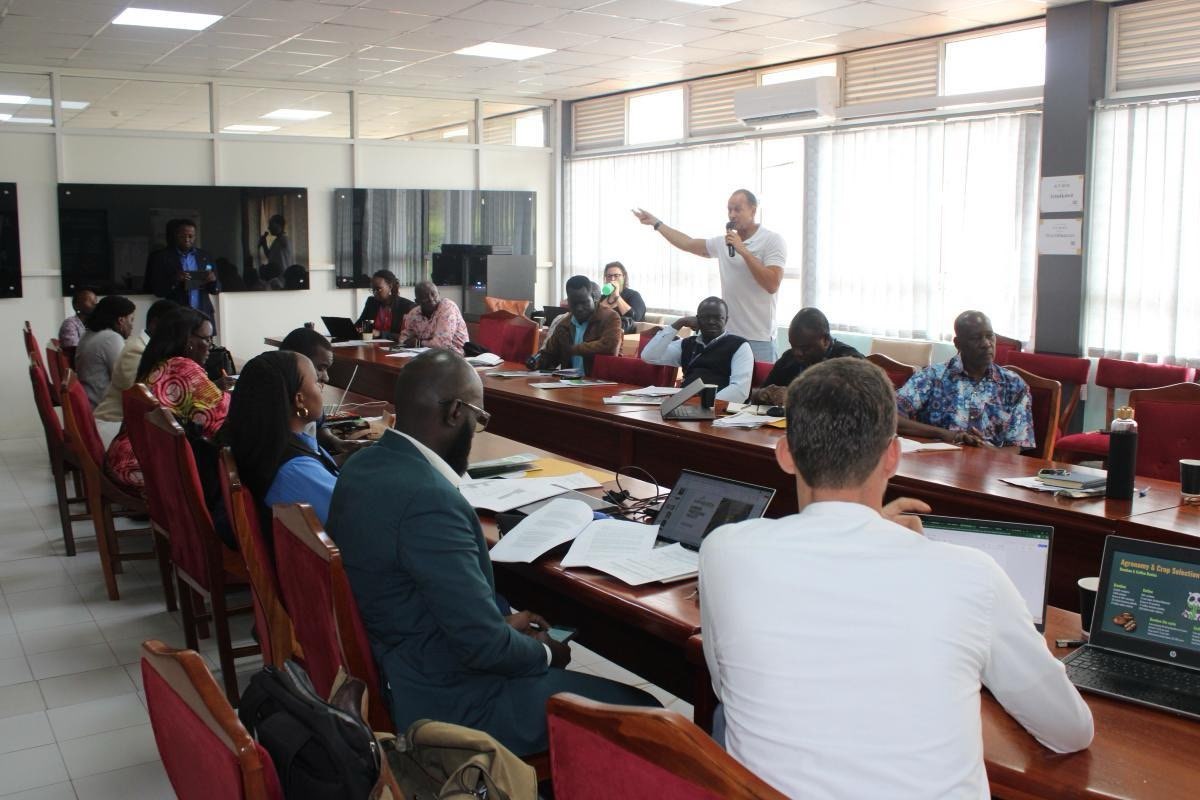
Uganda’s move to develop a national bamboo policy aims to boost environmental conservation and create green jobs, addressing the country’s urgent unemployment issues among the working class.


Bamboo is a critical tool in fighting climate change due to its rapid growth, high carbon sequestration capacity, and ability to produce 35% more oxygen than equivalent trees. As a fast-growing, renewable resource, it restores degraded land, provides sustainable materials that replace emission-intensive products like concrete, and offers a resilient, low-carbon bioenergy source. 


Bamboo’s potential is outlined in the existing National Bamboo Strategy. Still, stakeholders stress that a formal policy involving entrepreneurs, farmers, and processors is essential to remove regulatory uncertainty and foster sector growth.


“The strategy is a good document, but it was developed largely through desk research. It did not fully involve entrepreneurs, farmers, and processors who are already working in the bamboo industry,” said Sjaak de Blois, chairman of Bamboo Uganda, encouraging stakeholders to see their role as vital.


The bamboo policy is currently at an early consultative stage, with no draft yet submitted to the cabinet or parliament. Recent consultations brought together representatives from eight government ministries, private-sector bamboo actors, and development partners to begin aligning the strategy with practical regulatory needs.


“What we have now is the starting point,” De Blois mentioned. “The next step is to take the strategy and make it more practical, more market-driven, and more Ugandan. The next step is to move from having a plan to adopting a policy.


Bamboo currently falls under several regulatory frameworks, with no single authority overseeing the sector. The policy push is being driven in part by Bamboo Uganda, a membership-based organization bringing together bamboo farmers and processors, among others. The organization aims to play a coordinating role similar to that historically played by the Uganda Coffee Development Authority in the coffee sector.


“If you want to make a sector meaningful for a country, you need coordination. Coffee became what it is because of an institution that aligned farmers, traders, exporters, and regulators. Bamboo needs the same kind of coordination.” He said.


The policy process is supported by the Belgian development agency, which is funding consultations and facilitating dialogue between the government and the private sector.

Industry players say the absence of clear regulations has constrained investment despite growing demand.

“At the moment, bamboo is everywhere and nowhere at the same time. As a farmer, you talk to forestry, as a charcoal producer, you talk to energy, as a builder, you talk to works. There is no single framework that enables the industry to function.” De Blois added.


Supporters of the policy argue that bamboo could play a significant role in environmental conservation. Bamboo grows rapidly, regenerates after harvesting, and can be harvested annually for decades, reducing pressure on natural forests.


According to Global Forest Watch (GFW), Uganda lost 1.2 million hectares of tree cover between 2001 and 2024, representing a 15% decline from the 2000 baseline. Bamboo has been identified as a key species for restoration.


“One acre of bamboo that is harvested sustainably can prevent the destruction of hundreds of acres of natural forest,” De Blois said. “If we get this right, bamboo can help reverse deforestation rather than contribute to it.”


Ms. Susan Kaikara, from the Ministry of Water and Environment, emphasized bamboo’s potential to drive Uganda’s green-growth agenda.


“Establishing a coherent national policy framework will strengthen coordination, inspire investment, and unlock bamboo’s full potential as a pillar of Uganda’s green economy,” she said.


Uganda’s charcoal market alone is estimated to be worth hundreds of millions of dollars annually, much of it supplied through unsustainable wood harvesting. Industry actors say certified bamboo charcoal plantations could offer a cleaner alternative.


“If they allow us to certify bamboo charcoal plantations, then we can get a trade license to compete or to work together with the existing market. We will reverse deforestation. We would enter an industry of about 500,000 hectares, creating smart, green jobs. We can digitalize them to make them attractive through bamboo agroforestry. So again, those things need a policy.” He adds.


Bamboo is also viewed as a climate-friendly crop due to its high capacity for carbon sequestration. Its rapid growth enables it to absorb large amounts of carbon dioxide, while its extensive root system improves soil structure and increases long-term carbon storage.


“When you look at carbon sequestration, bamboo offers several advantages. Residues from harvested bamboo can be converted into biochar, locking carbon into the soil for long periods. When you also see the sequestration per acre compared to many other trees, it is five or six times higher. So, we sequester a lot,” De Blois said


Stakeholders say that if the policy process progresses as planned, bamboo could emerge as one of Uganda’s key green growth sectors within the next decade.


“Policy making takes time. But what is important is that we have started the conversation with all the right ministries in the room. From here, it is about taking steady, practical steps.” He concluded.

Continue Reading

WITNESS RADIO MILESTONES

A Global Report reveals that Development Banks’ Accountability Systems are failing communities.
Published

on

By Witness Radio team.

For decades, development projects have been funded to address some of the World’s most pressing problems, including poverty, wildlife conservation, and climate change. However, what unfolds on the ground is sometimes the opposite of development. Instead of benefits, these projects have often harmed the very people they are supposed to support.

The effort to address such harm has led to the establishment of Independent Accountability Mechanisms (IAMs) by various development banks. Yet, communities affected by these projects often face betrayal by national court systems, leaving them feeling overlooked and vulnerable, emotions that underscore the urgent need for effective justice.

According to experts in development financing, since the early 1990s, development banks have sought to address and mitigate harm through IAMs—non-judicial grievance mechanisms that provide a direct avenue for impacted communities to raise concerns, engage with project implementers, and obtain remedies for the harm they have experienced.

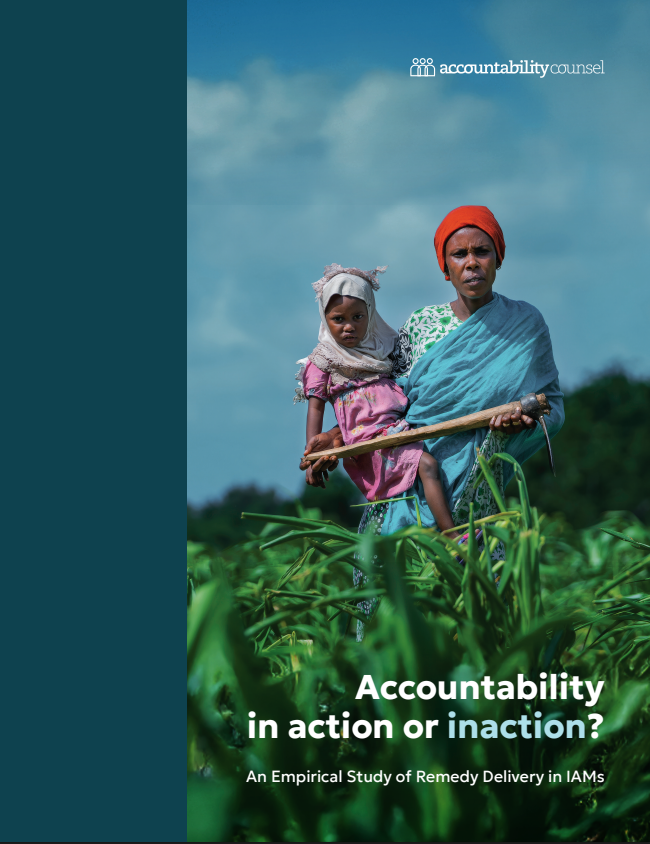
The study, conducted by Accountability Counsel and titled Accountability in Action or Inaction? An Empirical Study of Remedy Delivery in Independent Accountability Mechanisms shows that while IAMs exist, their relevance has fallen short, underscoring the urgent need for reform to restore community trust and hope.

In compiling the report, researchers reviewed 2,270 complaints across 16 IAMs and conducted 45 interviews covering 25 cases globally.

The report reveals a persistent gap between the promise of remedies and their realization, highlighting that only 15% of closed complaints led to commitments, and just 10% achieved full completion, underscoring the urgent need for effective remedies for communities.

The findings highlight ongoing challenges, including inadequate implementation, limited monitoring, and persistent power imbalances, which continue to block communities from accessing meaningful remedies and demand immediate reform.

“The consequences of these institutional gaps are severe. As these cases show, institutional silence can exacerbate risk, while meaningful intervention can help de-escalate it.” The Report adds.

Uganda is among the countries where communities have sought justice using these accountability mechanisms. Between 2006 and 2010, communities in one of the districts of Uganda were brutally evicted by the UK-based Company, which was growing trees in the area.

The company was formerly an investee of the Agri-Vie Agribusiness Fund, a private equity fund supported by the International Finance Corporation (IFC), the private sector arm of the World Bank Group. The community filed a Complaint with the IFC’s accountability mechanism, the Compliance Advisor Ombudsman (CAO).

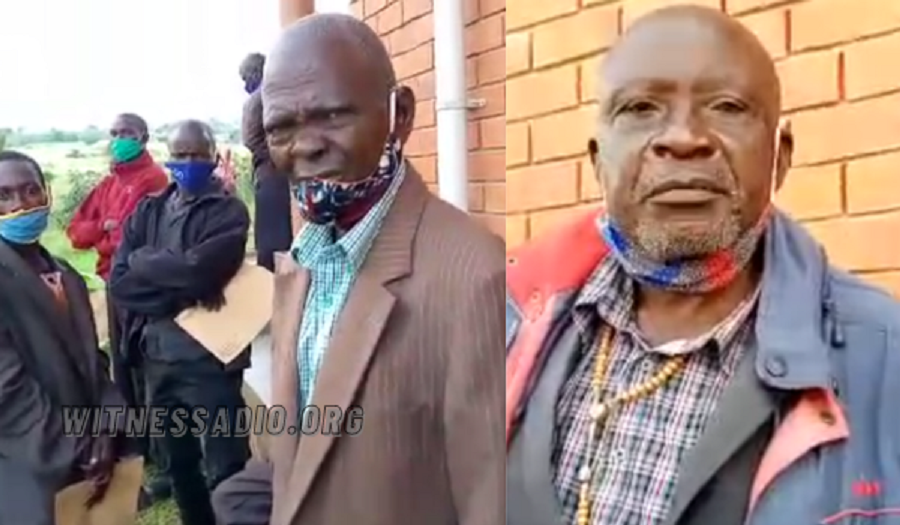
“We complained to this body in 2011, hoping for justice, but over 15 years later our people are still struggling, living miserably, some without homes,” a community land and environmental defender told the Witness Radio team.

According to the affected residents, the CAO process did not lead to success or meaningful compensation, as they had hoped.

Between 2013 and 2014, the communities, with support from the CAO, signed a final agreement with the Company to address the harm. Among other commitments, this included resettlement of the affected communities.

In its 28-page report published in 2015 titled: A Story of Community-Company Dispute Resolution in Uganda, the CAO wrote,” With the agreements concluded, implementation is gathering pace. As agreed, the company has begun extending development assistance to both cooperatives, and the process of restoring and enhancing livelihoods has commenced.

The first step taken by both cooperatives was to acquire land. In late 2013, the Mubende Cooperative bought 500 acres of ‘fertile agricultural land’ in the Mubende district. Their vision was to allocate a certain percentage of the land for resettlement, with the remainder utilized for farming projects.

Reports from the ground indicate that communities remain dissatisfied with the process, claiming it failed to address their concerns fully and highlighting the urgent need for more effective remedy systems.

“When you say that people are well, it is really a total lie. Many people were never compensated or resettled. Even those who got a portion of land say they have never seen a fertile land—I have never seen it, because people are living or cultivating on rocky, infertile lands,” the defender further revealed.

The struggle faced by the Ugandan community is not unique. Their experience mirrors what the Accountability Counsel report identifies worldwide. Despite registering more than 2000 complaints by communities harmed by bank-financed projects globally, there has been no comprehensive system-wide analysis of whether and how often these mechanisms deliver meaningful remedies, defined as tangible, material outcomes that repair harm and improve lives.

In addition to the slow success of such IAMs, the report notes that, across interviews covering 25 complaints, 84% referenced retaliation, violence, or threats of violence-an alarming indicator of the risks faced by communities seeking justice, demanding immediate attention and action.

“Government officials and company representatives were frequently implicated in efforts to suppress dissent. This not only reduces the likelihood of achieving a substantial remedy, but also suppresses the willingness of community members to speak honestly and openly about Complaint outcomes.” The report further adds,

Further, it reveals that communities described a range of retaliatory tactics, including physical clashes, arrests, detentions, fatalities, intimidation and harassment, death threats, and anonymous warning letters, among others.

“Remedy must be reimagined not as a peripheral concern but as a core responsibility of development institutions. It must be adequately resourced, independently monitored, and centered around the needs and voices of affected people,” the report adds.

The report recommends that development banks and IAMs establish a Remedy Framework with clear standards to ensure remedies are timely, adequate, and community-centered, and to encourage stakeholders to prioritize systemic reform for better justice outcomes.

The report also urges development banks and their accountability mechanisms to make remedies a foundational element of responsible finance. Adopting institutional frameworks that prioritize redress, empowering IAMs to oversee and enforce commitments, and incorporating the outcomes of IAM processes into project evaluations and institutional learning.

Continue Reading

Resource Center

Legal Framework

READ BY CATEGORY

Facebook

Newsletter

Subscribe to Witness Radio's news and report updates


Trending

Subscribe to Witness Radio's news and report updates