MEDIA FOR CHANGE NETWORK
In Nepal, women seek ownership rights to the lands they tend
Published
1 month agoon

POKHARA, Nepal — Before Binita Bishwokaarma understood Nepal’s property laws, she understood the work required to sustain a farm.
Growing up in the village of Sindhupalchok, east of the capital, Kathmandu, she spent much of her time helping her mother around the house and in the fields while her father worked in the city. It’s a common scenario in Nepal, where gendered divisions of agricultural labor are widespread.
For Bishwokaarma, that meant she and her mother grew maize, potatoes, garlic and other vegetables. She participated in the entire agricultural cycle, from preparing fields and planting crops to harvesting them. She enjoyed plowing the most, but it was physically demanding because the family lacked modern machinery.
“We didn’t have tractors,” she said. “So, everything, start to ending, we had to do with our own hands. It was really hard.”
It’s what many women and girls experience. And yet, their prospects for owning the land they tend are slim: Despite gender equality under the law, in Nepal, property rights rest mostly with men.
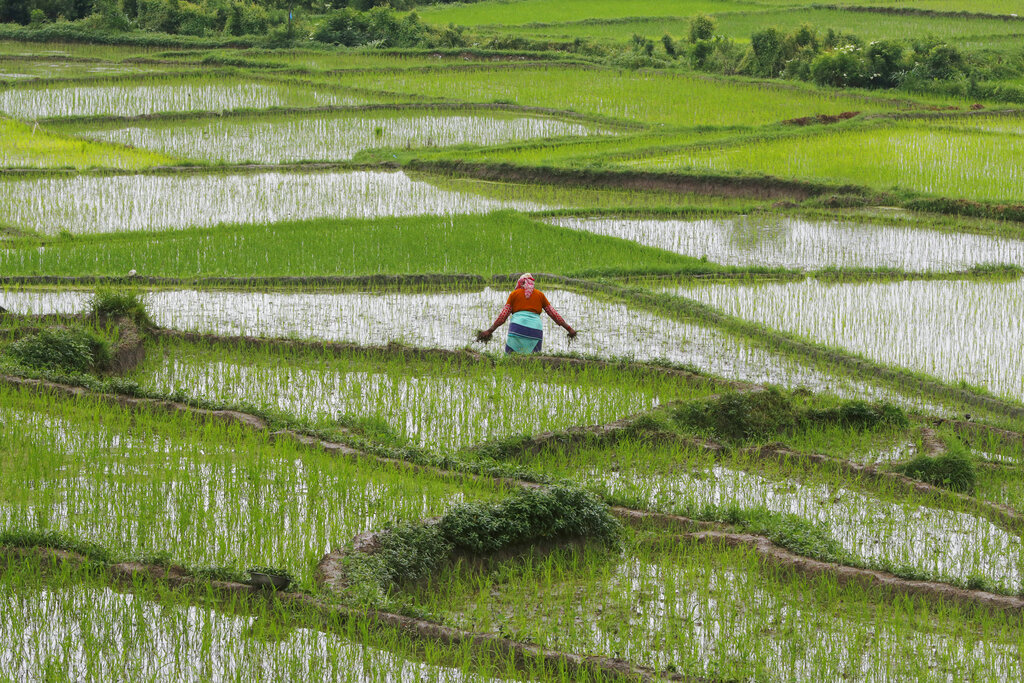
Still, it’s women — accounting for nearly 70% of the country’s farming population — whom Bishwokaarma credits most with caring for the land. Throughout her childhood, she saw how dedicated women were to conserving their environment. She explained that many women learn from childhood how to keep the soil healthy and reduce pests naturally through mixed cropping, crop rotation and intercropping.

But these aren’t the only techniques women in Nepal use to take care of the land they use. Bishwokaarma said women use farmyard manure made from cow or buffalo dung, compost from kitchen waste and plant residues instead of chemical fertilizer. They even use natural pesticides made from neem leaves, garlic, chiles, ash, cow urine or local herbs to reduce insect damage. Around the fields, they plant flowers and local plants that attract bees, butterflies and other pollinators to help increase crop production as well.
To Bishwokaarma, women play a vital role in protecting land through agricultural practices.
“The men don’t know the exact process of farming,” she said. “Women dedicate their life to the land, and I have seen that my mother, aunts, my friends, were all experts in every agriculture process—yet all of the property, our house, our land, everything is in my father’s name.”
The imbalance Bishwokaarma describes extends well beyond her family.
The National Agricultural Census of 2021-22 found that just 20.8% of adult women involved in farming in Nepal have secure ownership rights to agricultural land, compared with 42.9% of men. Traditional gender-based divisions in agricultural work are also still common, although widespread male out-migration has forced a shift in these roles, often increasing the physical burden on women.
The inequalities in land tenure are not unique to Nepal, and they reflect a broader pattern that extends beyond the country’s borders.

Global gender imbalance
Across the Global South, women play a central role in agriculture while continuing to face unequal access to land and property rights. Globally, women account for less than 20% of landholders, and only 37% of countries guarantee equal land rights for women and men, according to U.N. figures.
Yet studies show that women’s access to secure land tenure is linked to higher agricultural productivity, lower food insecurity, reduced poverty and slower environmental degradation. A 2024 global evidence review by the nonprofit Landesa revealed growing evidence that secure land rights also help women adapt to climate change while supporting sustainable forest management and conservation.
George Washington University has reported similar findings. An international law and policy brief covering Ecuador, Mexico, Nepal and Peru stated that secure land ownership is associated with lower deforestation and more successful reforestation. In Uganda and Ethiopia, researchers found landholders with secure tenure were more likely to invest in soil conservation and climate resilience.
Plus, the benefits of land ownership go beyond individual women. “When women have access and rights to land, the economic benefits extend to their households and their communities,” the World Resources Institute reported, pointing to research showing women contribute more of their income to the household than men do, thereby improving education, health and food security for children.
Despite all this, land ownership remains dominated by men, even nonagricultural land. When it comes to Nepal, men are roughly twice as likely to own property, with only about 11% of women owning land overall.
“Even now, the modern law and Constitution give full rights to women, but it’s not implemented properly,” said Tanuja Pariyar, project coordinator in Pokhara, Kaski district, for the Feminist Dalit Organization (FEDO), an NGO dedicated to fighting caste- and gender-based discrimination.

Nepal has introduced a series of legal reforms over the past two decades to reduce gender disparities in land ownership. In 2002, the 11th amendment to the civil code granted daughters a share of ancestral property by birth, but women still lost those rights upon marriage. That was changed in 2017, when legal gender-based discrimination in property inheritance was eliminated.
However, these legal reforms haven’t changed social norms that continue to shape who controls land and who benefits from it. By 2011, about 19% of households reported women owning land or property, but many women remained excluded from key decisions.
“For property decisions from taking a loan to selling something, most of the time the decisions are taken by the man,” Pariyar said.
Pariyar’s comment is bolstered by research that shows gender imbalances in decision-making powers within farming regions can harm not only women — but the community as a whole. “When women lack the tools, information and decision-making authority needed to implement adaptive strategies, the resilience of entire farming systems is compromised,” according to a 2025 study in Frontiers in Sustainable Food Systems.
“Nepal is a patriarchal system because it’s a historical system,” Pariyar said. “This is a male-dominated society, and they don’t want to give power to women because they don’t trust it. That is the first issue.”
Patriarchal expectations
For women like Bishwokaarma, who is now a law student, those norms were learned early.
Although she worked closely with the land, she and many other women were taught from a young age that neither the family home nor the land belonged to them. Instead, all of the property belonged to the men in the family. Since she was raised in a patriarchal household where most major decisions were made by her father, she grew up surrounded by traditional beliefs and social norms that shaped expectations about ownership. Even though women are not legally barred from owning land today, these expectations often discouraged them from pursuing ownership.
As she grew older, Bishwokaarma began to see how those expectations affected her own mother. She said her mother often expressed frustration that despite years of laboring for the family, she remained dependent on her husband because she lacked property and financial security of her own that restricted her from making important financial decisions.
“It’s human nature because when you do lots of hard work and you never get appreciated for that work, obviously you get frustrated,” Bishwokaarma said. “That’s why she told me to get an education and become independent on my own.”
For advocates working on women’s rights in Nepal, that kind of independence begins with schooling.
Rabina G. Rasaily, FEDO executive director, says educating women is important when it comes to land ownership and its benefits. In her view, ownership is about more than legal rights. It can influence access to resources, decision-making power and economic security. Rasaily said that when women gain access to land, the benefits can positively affect future generations through improvements in health, an increase in educational opportunities and an increase in investments in homes and businesses.
These benefits also extend into conservation in Nepal. WRI research shows that in Banpale Community Forest, where women are guaranteed rights to the communal land, women have been inspired to actively participate in sustainable forestry and engage in climate adaptation training. These trainings include forest fire management, water conservation, landslide and soil erosion preventions and human-wildlife conflict avoidance strategies.

Understanding their rights
Realizing those benefits often depends on women understanding the rights available to them — yet many women do not, Rasaily said.
“There were some times when we’d have conversations and they would say, ‘Oh really? We can even own land, or property or a building?’” Rasaily said. “It’s beyond their thinking sometimes.”
However, the lack of individual ownership is not always viewed as a problem by women living within the system. For some, security comes through the family rather than personal ownership, which was the case for 28-year-old Mamta Kaushal.
Kaushal grew up with her two sisters and brother in the rural village of Tadapani in Nepal’s Annapurna region. She married at 18 and moved 50 kilometers (30 miles) to Pokhara city, to live on her husband’s property. The house and land where she now lives are ancestral property that have been passed down through generations. Although the property is not registered in her name, Kaushal said she doesn’t see it as a bad thing — she views it as a shared resource.
“It doesn’t matter, the name or register in which family member it is in,” she said. “Because we are in the same family.”
Kaushal works the family’s land. She grows plants like maize, wheat and potatoes throughout the seasons when the soil isn’t resting from the last crop and raises buffaloes on parts of their land. Kaushal sees her work as her duty to contribute to the family’s financial stability, provide food security to her family and keep the land productive through cultivation in order to preserve it for future generations.
For women who do want to acquire their own property, Kaushal expressed how access to property is less of a concern than it once was. She said she has not personally seen many women struggle to acquire property on their own because women can now earn income through wage labor or selling produce, textiles and clothing.

Kaushal also said women have greater opportunities to purchase land independently through a reduction in property registration fees the Nepal government offers for land registered in a woman’s name. Through this discount, women get 25-50% off fees associated with land purchases or transfers, rather than reducing annual property taxes. The rebate aims to empower women by incentivizing them to hold land ownership.
For Bishwokaarma, however, the issue is not whether women can own land, but whether they are encouraged and supported in doing so.
“Personally, I hope that more women in Nepal will not only have legal rights to property but will feel confident enough to claim and use those rights,” Bishwokaarma said. “I think education, legal awareness and economic opportunities are important in helping bridge the gap in land ownership.”
While Nepal’s laws have improved, Bishwokaarma said social attitudes and family practices must also change if women are to fully benefit from them. In her view, land ownership can provide security, promote independence and give women a stronger voice in family and community decisions.
“When a woman owns land or property, she often has more control over her future and has greater economic stability,” Bishwokaarma said.
Because of that, she said Nepal’s challenge is no longer expanding legal protections, but ensuring existing laws are effectively implemented and understood by the women they are intended to serve. Looking ahead, she said future governments should focus on increasing awareness of property rights, improving access to information and creating greater economic opportunities for women.
“If those areas are improved, the ownership gap may gradually become smaller,” Bishwokaarma said. “But I think social change is often slower than political change, so it may take time to see the full impact.”
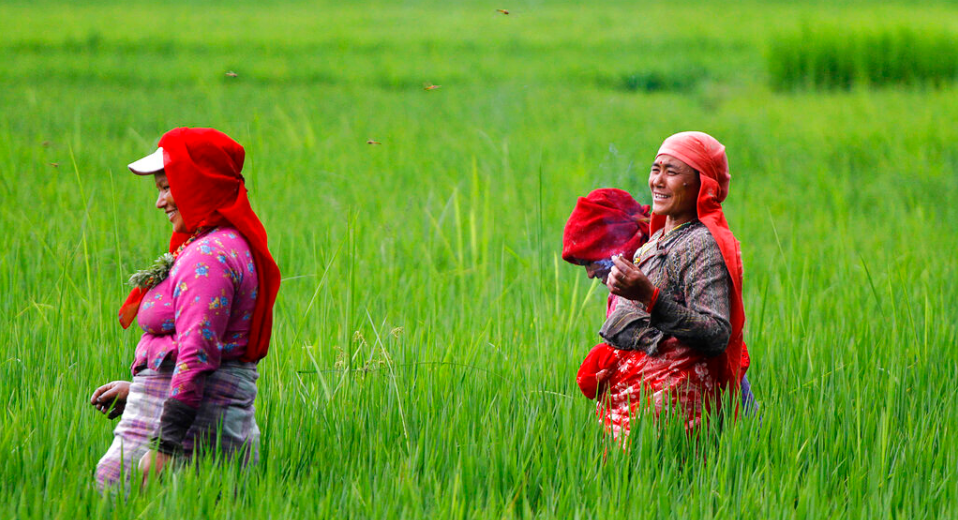
Banner image: Women work in a paddy field at Uttarbahini village, on the outskirts of Kathmandu, Nepal. Although many women work in agriculture, land ownership is largely held by men in Nepal. Image by AP Photo/Niranjan Shrestha.
This story is published through a collaboration between Mongabay and the University of Montana’s School of Journalism. Students traveled to Nepal in May 2026 to report on wildlife, conservation and other environmental issues. You can read more about the program here.
Source: mongabay.com
Related posts:

Indigenous communities in Eastern Nepal accuse the World Bank’s Linked Cable Car Project of rights violations.
Women’s groups demand equality in land tenure security to boost food production.

Statement by Witness Radio- Legal Aid Clinic on International Women’s Day 2026; Scaling Up Investment to Accelerate Access to Justice for Women and Girls Defending Land and Environmental Rights

Upholding Women’s Land Rights in the implementation of development projects will accelerate progress.
You may like
MEDIA FOR CHANGE NETWORK
Farmers’ seed systems take centre stage as the first Eastern African Indigenous Seed Conference opens in Kenya.
Published
9 hours agoon
November 18, 2026
By Witness Radio team.
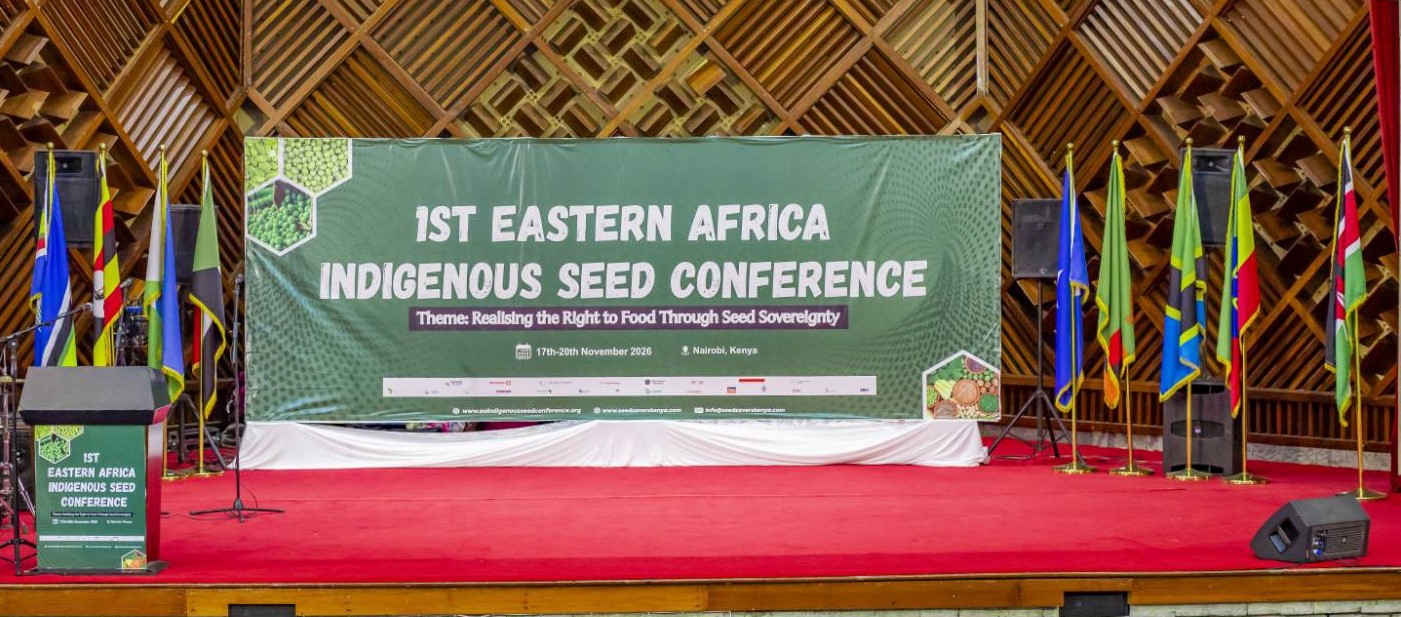
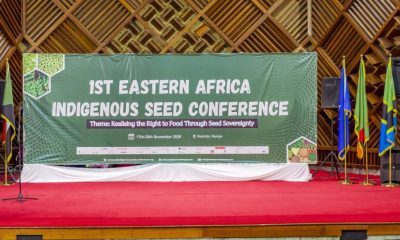
Nairobi, Kenya: Farmers, indigenous communities, researchers, policymakers, and seed-saving practitioners from across Africa and beyond have gathered in Nairobi for the first Eastern African Indigenous Seed Conference, calling for greater recognition and support for farmer-managed seed systems.
The four-day conference, which opened today, November 17, at the Catholic University of Eastern Africa, seeks to strengthen indigenous seed systems, promote seed sovereignty and create space for farmers to influence policies governing seeds and agriculture.
Organized by Seed Savers Network (SSN) and its partners, the gathering comes amid growing concerns over the future of indigenous seeds, local livestock breeds and traditional knowledge systems that communities have relied on for generations.
Opening the conference, Mr. Daniel Wanjama, the Executive Director of Seed Savers Network, said farmers remain central to the region’s seed systems, despite receiving limited recognition in agricultural policies and government support programs.
He said an estimated 80 per cent of the seeds used in the region come from farmers themselves, a contribution he said should be reflected in agricultural policies and investment priorities.
“80 per cent. It means if we cannot have indigenous seeds as we use, it means we cannot have food security. We cannot feed ourselves unless we have indigenous seeds,” Wanjama said.
He argued that governments and development organizations have concentrated much of their attention on the commercial seed sector while overlooking the contribution of farmers who save, exchange and replant seeds within their communities.
According to Wanjama, this has created a disconnect between agricultural policies, government support and the actual practices through which farmers access planting materials.
He also warned that agricultural biodiversity in Africa faces significant threats, arguing that protecting farmer-managed seed systems is important for maintaining the diversity needed to respond to climate change.
“We are facing climate change, and the only way we can survive climate change is through this agricultural biodiversity. Therefore, we cannot afford to lose it because if we lose it, we also lose our life,” he said.
Mr. Wanjama said the conference should provide an opportunity for farmers and organizations across the continent to strengthen their cooperation, exchange knowledge and jointly advocate for policies that recognize indigenous seeds.
He also called for greater farmer participation in policy discussions, saying previous conferences and discussions have not adequately reflected farmers’ experiences and concerns.
He said organizers wanted farmers to form a significant part of the conference and take an active role in discussions, rather than simply attend sessions led by experts and policymakers.
The conference is also taking place against the backdrop of ongoing debates over seed laws and farmers’ rights in Kenya, and East Africa as a region.
Mr. Francis Ngiri, a Kenyan farmer attending the conference, said restrictions on the sharing, exchange and sale of indigenous seeds remain a major concern for smallholder farmers.
In 2025, Ngiri and other farmers won a court case challenging provisions of Kenya’s 2012 Seed and Plant Varieties Act, which restrict farmers from saving, exchanging and sharing seeds. However, the government announced plans to appeal the ruling, arguing that it weakened key provisions of the law.
“We have formally launched an appeal in the Court of Appeal to contest this judgment and restore the legal backing required for strict enforcement of seed quality,” Simon Maina, head of Seed Certification and Plant Variety Protection at the Kenya Plant Health Inspectorate Service (KEPHIS), told The Star in an article published on November 4.
But Ngiri hopes the conference will help strengthen farmers’ efforts to defend their seed-saving practices and push for greater government recognition of community seed banks.
“The government does not support indigenous seed saving. They don’t recognize the seed banks, and we want the conference to tackle that,” he said.
He argued that farmers should be allowed to sell seeds they have saved, provided they receive appropriate training in seed selection and quality management.
“Unless farmers can sell seeds, that is the only time farmers will have seed access. And when they have seed access, they can now have biodiversity. From that, we can have food security,” he said.
Beyond the policy discussions, the conference is also bringing together organizations working on agricultural biodiversity, landscape restoration, agroecology and community-led seed conservation.
Mrs. Catherine Muturi, the Kenya Country Director at Landscape Alliance and Regional Convener for East Africa, said farmers and local communities play an important role in conserving biodiversity, maintaining traditional knowledge and ensuring access to planting materials.
She said efforts to restore landscapes should also recognize the importance of native tree seeds and the communities that conserve them.
“Farmers and local communities are not just beneficiaries of restoration efforts. They are important actors in conserving, managing, and supplying tree seed sources. Their knowledge, participation and leadership must be recognised and strengthened,” Muturi said.
Related posts:

The Indigenous Seeds movement in East Africa is convening in Kenya, with the potential to reshape the region’s food systems.

1st Eastern Africa Indigenous seed conference 2026

1st Eastern Africa Indigenous Seed Conference 2026 | EA-ISC Nairobi
Seed Sovereignty: Most existing and emerging laws and policies on seeds are endangering seed saving and conservation on the African continent.
MEDIA FOR CHANGE NETWORK
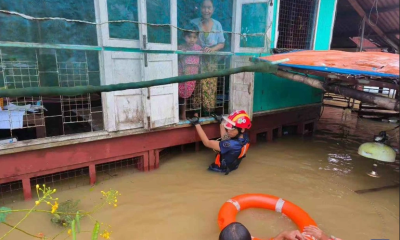
Nearly 90 mln displaced people face severe climate risks
Published
1 week agoon
November 10, 2026
According to UNHCR’s latest report, No Escape III: Displaced Voices on the Frontlines of the Climate Crisis, three in four forcibly displaced people globally face high to extreme exposure to climate-related hazards. Many have already fled conflict, violence and persecution, only to encounter further threats in places where resources to adapt are limited.
The report features the experiences of eight members of displaced communities, highlighting their resilience and the importance of including their voices in climate-related decisions.
“Refugees face a double injustice. Forced to flee conflicts they did not cause, they are now on the frontlines of a climate crisis they have contributed least to,” said Antón Leis García, UNHCR’s Assistant High Commissioner for Operations.
Climate change is also undermining the prospects for lasting solutions. More than two-thirds of refugees who returned home in the first half of 2026 did so to countries highly vulnerable to climate hazards, raising concerns about the sustainability of their return.
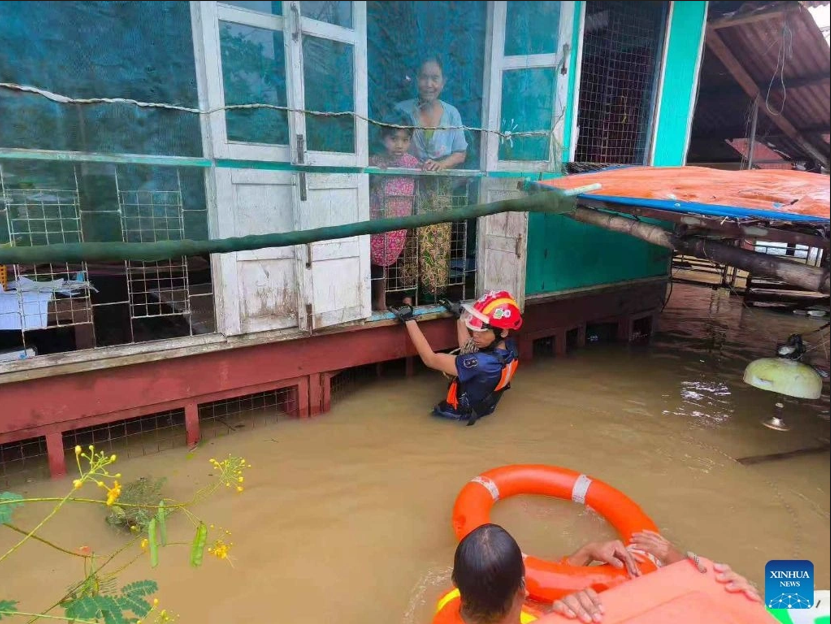
In Syria, where nearly 4 million displaced people have recently returned, declining groundwater levels and severe climate shocks are threatening recovery. Flooding along the Euphrates River in May 2026 damaged homes and forced thousands more people to flee.
Extreme heat poses another growing challenge. By 2050, one in three refugee settlements in sub-Saharan Africa could face at least 100 days of dangerous heat annually. In some settlements in Ethiopia, including Helaweyn, dangerous heat could persist for more than 200 days a year, threatening residents’ health and livelihoods.
Weather-related disasters have triggered more than 255 million internal displacements worldwide over the past decade, equivalent to approximately 70,000 movements a day. In East Africa, severe flooding associated with a very strong El Niño could displace up to 3 million people in Somalia, Kenya, South Sudan and Uganda by the end of 2026, depending on the severity of the floods.
Climate hazards also increase the risk of statelessness. Nearly 90% of the world’s 4.7 million reported stateless people live in countries facing high to extreme exposure to climate risks. Without legal recognition, many struggle to access disaster relief and adaptation support.
Despite these growing threats, fragile and conflict-affected countries receive only around 10% of global climate finance, even though many host large displaced populations and face severe climate impacts. UNHCR says greater investment in adaptation, particularly in areas of return, is essential to support reintegration and make returns safe, voluntary and sustainable.
Displaced people and host communities are already developing climate solutions, including solar-powered water systems in the Sahel, climate-resilient agriculture in Uganda, and land and mangrove restoration in Colombia.
At COP31, UNHCR will urge governments and climate finance institutions to include displaced people in national climate plans, increase long-term adaptation funding for fragile and displacement-affected areas, and support locally led solutions beyond short-term humanitarian assistance.
The agency says the conference, hosted by Türkiye, one of the world’s largest refugee-hosting countries, offers an opportunity to ensure that displaced people and host communities are included in global climate action.
Earlier, Qazinform News Agency reported that the year 2026 could become one of the four warmest years on record, as ocean temperatures continue to rise, glaciers lose ice and global sea levels reach new highs.
Source: europesays.com
Related posts:

FAO warns of severe dry spell
More than 1.1 billion people worldwide face a risk of land eviction – Global report

More than 17,000 people in the Philippines face eviction from their ancestral land for a multimillion-dollar energy project.

The Fight for Climate Justice: African Women at the Forefront
MEDIA FOR CHANGE NETWORK
Negotiations are in motion to forge new international principles that will finally hold oil companies accountable for the scars they leave on people and the planet.
Published
1 week agoon
November 10, 2026
By the Witness Radio team
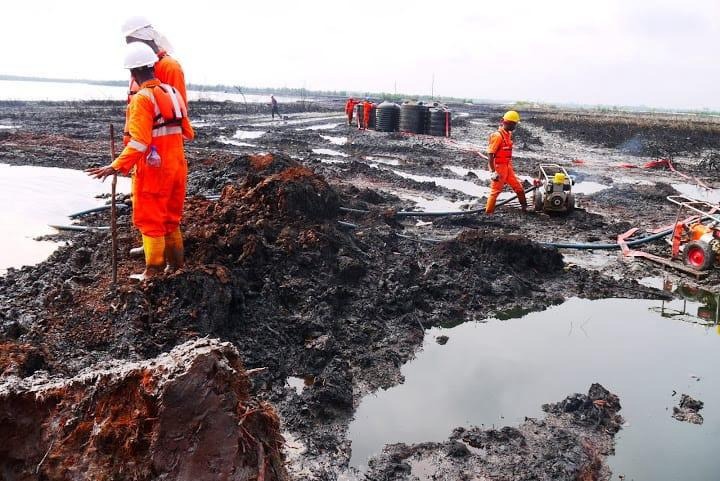
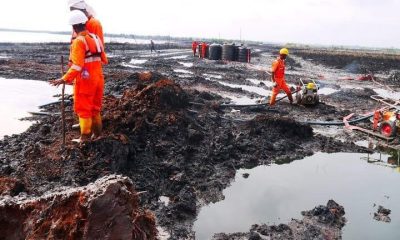
When oil companies pack up after years of drilling, the pollution, scarred landscapes, and shattered livelihoods often linger long after the last rig is gone.
Communities in oil-producing regions are often left to grapple with poisoned water, rusting skeletons of abandoned infrastructure, and lost income from farming, fishing, and other ways of life. Meanwhile, the question of who will foot the bill for restoring the environment hangs in the air.
Now, three international civil society organizations are raising their voices, demanding that oil and gas companies take real responsibility when they shut down operations or hand over their assets to new investors.
The Stakeholder Democracy Network (SDN), the Interamerican Association for Environmental Defense (AIDA) and the Center for Research on Multinational Corporations (SOMO) have submitted the International Principles for Responsible Divestment from Fossil Fuels to the United Nations Working Group on Business and Human Rights.
These principles arrive at a time when countries are under mounting pressure to break free from coal, oil, and gas in the fight against climate change. Yet the organizations warn that companies must not use this transition as an excuse to abandon communities or leave their mess behind.
“Rapid closure and responsible closure of the fossil fuel industry are not mutually incompatible agendas. Both are vital to achieve climate and environmental justice and a just energy transition,” the principles state.
The proposed standards lay out a clear roadmap for what companies must do before walking away from fossil fuel projects, and what governments should demand in return.
According to the principles, companies are expected to inform communities about plans to close operations or sell assets, including when the changes will happen and what environmental and financial obligations remain outstanding.
They should also involve affected people in decisions about their own future, rather than making choices in secret boardrooms.
“This information must include divestment timelines and modalities, as well as full disclosure of all outstanding environmental and financial liabilities. Companies should proactively create spaces for participation and dialogue, so that affected people, regulators and government authorities receive relevant information and can meaningfully influence corporate decision-making.” The principles further state.
Another key demand is that companies must pay for the harm they have caused, from cleaning up polluted lands and waters to safely dismantling infrastructure and restoring damaged ecosystems.
The organizations are also pushing for companies to compensate those whose livelihoods, health, culture, and communities have suffered. This could mean financial payments, restoring sacred cultural sites, and publicly admitting the harm they have done.
When companies sell off their assets, the principles insist they must ensure that new owners have both the resources and expertise to run operations safely and cover all future closure and restoration costs.
The principles also highlight the fate of workers and communities whose lives depend on oil. They call for new livelihood opportunities, job transition programs, and social safety nets for those facing job loss when the wells run dry.
The principles also place the onus on governments, urging them to ensure oil companies do not walk away from environmental damage or leave obligations unresolved when they shut down or sell off their assets.
They urge states to craft clear, transparent plans for phasing out fossil fuel extraction, with affected communities and workers at the table for every decision that could reshape their lives.
Governments are also expected to overhaul their laws and regulations, closing loopholes that let companies slip away from projects without cleaning up pollution, restoring ecosystems, or compensating those harmed.
“States should ensure that their existing legal and regulatory frameworks related to fossil fuel divestment, including investment laws and treaties, are aligned with these Principles and that these Principles are made obligatory for companies by enshrining them in law and effectively enforcing them.” The 4-page document reads
Before any asset sale or project closure gets the green light, the principles say governments should demand independent environmental and social assessments, plus thorough reviews of infrastructure and decommissioning costs.
They also urge states to ensure companies set aside enough money for environmental clean-up and infrastructure dismantling before approving any closure plans.
When assets change hands, governments should scrutinize whether the new buyers have the money, know-how, and management skills to run the facilities safely and meet all environmental obligations left on the table.
The principles sound the alarm against letting companies hand over assets to brand-new businesses or operators with no track record of safe management, which could leave governments and communities footing the bill when disaster strikes.
They also tackle cases where previous owners have already left a trail of environmental damage. Here, governments should ensure new owners handle the clean-up while protecting affected communities’ right to seek compensation and justice from those who caused the original harm.
The organizations are also pressing governments to publish yearly updates on all proposed, approved, and rejected oil and gas asset sales and project closures, including whether companies have kept their environmental and social promises.
These concerns are painfully clear in Nigeria’s Niger Delta, where decades of oil extraction have left communities battling pollution and the collapse of their livelihoods.
Oil spills have poisoned water sources, ruined farmland, and shattered fishing livelihoods, forcing many residents to bear the high cost of an industry that has reaped enormous profits.
A United Nations Environment Program (UNEP) assessment of Ogoniland in 2017 documented extensive oil contamination and recommended a long-term environmental clean-up.
Meanwhile, some international oil companies that once operated in the region are selling off their stakes to new investors, sparking urgent questions about who will shoulder responsibility for pollution and other lingering obligations.
In March 2025, Shell completed the sale of its Nigerian onshore subsidiary, the Shell Petroleum Development Company (SPDC), to Renaissance Africa Energy.
TotalEnergies followed with an agreement announced in January 2026 to sell its 10 percent non-operated interest in the Renaissance joint venture’s licenses to the Nigerian consortium Vaaris.
On October 27, 2026, TotalEnergies announced that it had completed the sale for US$800 million.
The company said it would retain its full economic interest in three gas licenses – OML 23, OML 28 and OML 77 – which currently account for 50 percent of Nigeria LNG’s gas supply. The transaction therefore covers its interest in the joint venture’s oil assets, rather than a complete withdrawal from its Nigerian operations.
Civil society organizations are raising doubts about whether these deals offer enough transparency on outstanding environmental damage, clean-up plans, and compensation for the communities left in the wake.
Dr Isaac ‘Asume’ Osuoka, Director of Social Action, said the people living in oil-producing areas should not be forgotten when companies negotiate the sale of their assets.
“This case is about people, not just oil assets. It is about children growing up with poisoned water, families breathing polluted air, and communities losing their health and livelihoods while international oil companies walk away with decades of profits,” Osuoka said.
He insisted that affected communities must not become corporate sacrifice zones and urged TotalEnergies to prove that its exit will not deepen existing human rights abuses.
Mr. Simon Taylor, co-founder of Hawkmoth, also questioned the transparency surrounding the transaction.
Taylor pointed to TotalEnergies’ previous involvement in the Extractive Industries Transparency Initiative, arguing that the company should be transparent about the public-interest implications of its asset sale.
Related posts:

A multisectoral meeting has kicked off in Kampala to discuss progress in implementing the UN Guiding Principles on Business and Human Rights and other related standards and principles.

Acholi, Adjumani leaders hold final negotiations over disputed Apaa land

African Women forge bold actions for climate justice at the 2024 Women’s Climate Assembly in Senegal.
Rush: Global Scramble for Minerals Wages War on People and Planet
Farmers’ seed systems take centre stage as the first Eastern African Indigenous Seed Conference opens in Kenya.
Drought leaves Bulambuli families struggling for food
Nearly 90 mln displaced people face severe climate risks
Negotiations are in motion to forge new international principles that will finally hold oil companies accountable for the scars they leave on people and the planet.
Environmental and human rights advocates are urging the world to hold global investors accountable for their actions.
Kiryandongo district, a notorious hotspot for land grabs in Uganda: A bitter land dispute spanning 22 years has left residents landless and food-insecure, while the investor anxiously guards his investment.
A coalition of 625 African faith leaders will gather, united in their call for reparations in response to what they describe as the failure of a Gates-backed agricultural model.
African faith leaders are raising their voices for reparations as AGRA’s 20-year legacy faces intense scrutiny.
Innovative Finance from Canada projects positive impact on local communities.
Over 5000 Indigenous Communities evicted in Kiryandongo District

Petition To Land Inquiry Commission Over Human Rights In Kiryandongo District

Invisible victims of Uganda Land Grabs
Resource Center
- CAN AFRICAN FOOD SYSTEMS THRIVE WITHOUT CHEMICAL FERTILISERS
- Land And Environment Rights In Uganda Experiences From Karamoja And Mid Western Sub Regions
- REPARATORY AND CLIMATE JUSTICE MUST BE AT THE CORE OF COP30, SAY GLOBAL LEADERS AND MOVEMENTS
- LAND GRABS AT GUNPOINT REPORT IN KIRYANDONGO DISTRICT
- THOSE OIL LIARS! THEY DESTROYED MY BUSINESS!
- RESEARCH BRIEF -TOURISM POTENTIAL OF GREATER MASAKA -MARCH 2025
- The Mouila Declaration of the Informal Alliance against the Expansion of Industrial Monocultures
- FORCED LAND EVICTIONS IN UGANDA TRENDS RIGHTS OF DEFENDERS IMPACT AND CALL FOR ACTION
Legal Framework
READ BY CATEGORY
Newsletter
Trending
-
MEDIA FOR CHANGE NETWORK2 weeks agoThe African Union recognizes farmers’ vital seed rights, yet national laws can still get in the way, creating hurdles for those who depend on these traditions.
-
MEDIA FOR CHANGE NETWORK1 week agoNegotiations are in motion to forge new international principles that will finally hold oil companies accountable for the scars they leave on people and the planet.
-
MEDIA FOR CHANGE NETWORK2 weeks agoThe economic promise of climate action: How governments, businesses, and communities can join forces for a sustainable future.
-
MEDIA FOR CHANGE NETWORK1 week agoDevelopment finance faces growing scrutiny as industrial livestock farming rapidly spreads across Africa.
-
MEDIA FOR CHANGE NETWORK2 weeks agoGov’t Land Grabbed by Gov’t Officials: Minister Exposes Fraud Inside Lands Ministry
-
MEDIA FOR CHANGE NETWORK1 week agoNearly 90 mln displaced people face severe climate risks
-
FARM NEWS2 days agoDrought leaves Bulambuli families struggling for food
-
MEDIA FOR CHANGE NETWORK9 hours agoFarmers’ seed systems take centre stage as the first Eastern African Indigenous Seed Conference opens in Kenya.