Connect with us

MEDIA FOR CHANGE NETWORK

Rights experts call for an inclusive transition as the East Africa region attracts renewable energy investments.

Published

on

By the Witness Radio team.

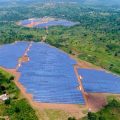
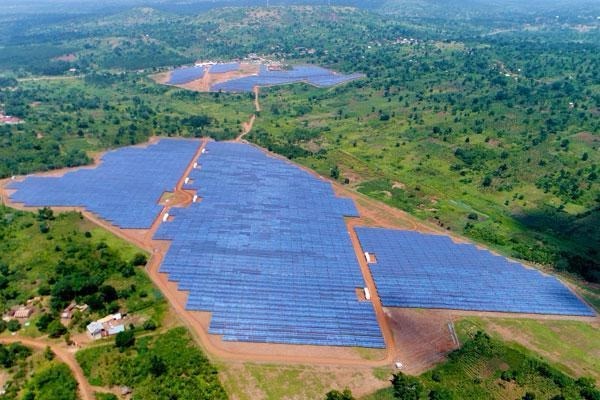
NAIROBI, Kenya: As governments across East and the Horn of Africa accelerate efforts to transition from fossil fuels to renewable energy, experts have warned that the shift could deepen inequality and further trigger human rights violations if affected communities are excluded from decision-making processes.

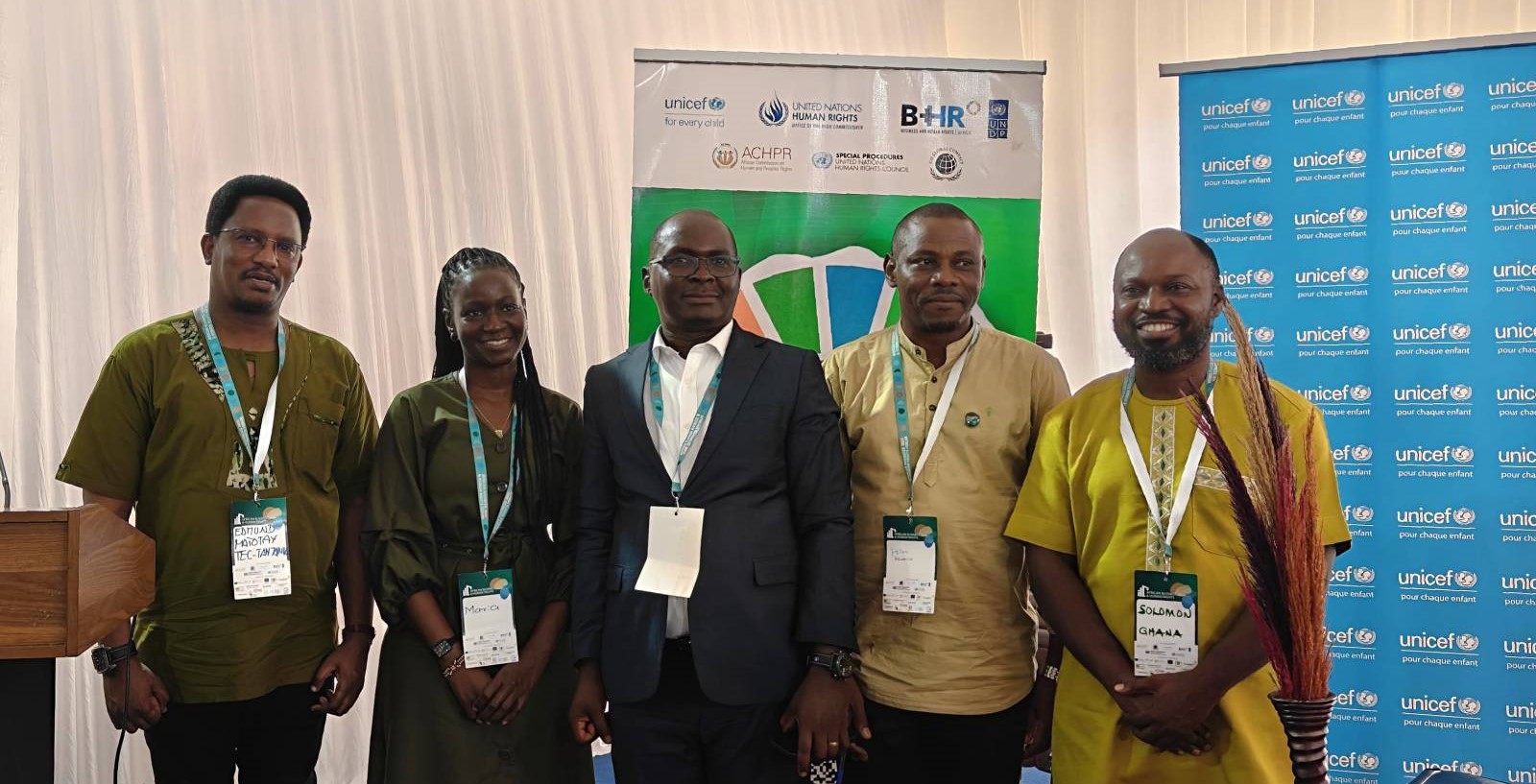
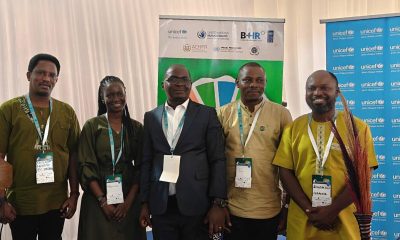
The warning came at the 5th East and Horn of Africa Business and Human Rights Conference in Nairobi, organized by Danchurch Aid and its partners. Climate justice advocates, business leaders, and human rights experts met to discuss how the increasing investments could better align with human rights standards and responsible business conduct.

Just transition was among the key issues discussed during the two-day conference held last week, with experts emphasizing the need for inclusive approaches as East Africa attracts growing investments in renewable energy.

While there is a need and an urgency to address climate change, experts argue that the global race toward clean energy is already producing unintended consequences elsewhere, offering important lessons for Africa.

“The transition to renewable energy is inevitable, whereas justice isn’t,” Mr. Andrew Byaruhanga, the Executive Director of Resource Rights Africa, said during a panel discussion on just transition pathways.

Byaruhanga said governments and investors risk prioritizing energy targets and financial returns over the rights and welfare of communities whose land and livelihoods are affected by transition-related projects.

“The finance sector must be mobilized, not just for returns, but also for impact. Public and private sectors must align their efforts, share risks, and invest in long-term partnerships. The success of this transition, therefore, depends on empowering those most affected. Governments have a role to play in making sure that the financing architecture takes cognizance of these realities,” he added.

His remarks reflected growing concerns that renewable energy projects, despite their climate benefits, can reproduce the same patterns of exclusion and dispossession that have historically accompanied large-scale development projects.

Across the world, communities are increasingly raising concerns about land acquisition, displacement, inadequate compensation, and restrictions on civic space linked to renewable energy infrastructure and critical mineral extraction.

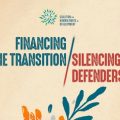
A recent report by the Coalition for Human Rights in Development, Financing the Transition, Silencing Defenders, documented cases across Asia where communities and environmental defenders faced intimidation, arrests, displacement, and violence while opposing energy transition projects.

Among the cases highlighted was the Jalaur River Multipurpose Project in the Philippines, where Indigenous Tumandok communities reportedly faced inadequate consultations and displacement threats linked to the construction of a hydropower dam. In India’s Assam state, local communities opposed a major solar project over concerns that it would displace more than 20,000 Indigenous residents and threaten traditional livelihoods.

Although the cases occurred outside Africa, experts in Nairobi said similar risks are emerging across the continent as governments pursue investments in renewable energy, carbon markets, and climate-related infrastructure.

Florence Shako, Executive Director of the Center for Education Policy and Climate Justice, said the transition must not come at the expense of vulnerable communities.

“We can talk about decarbonization and the fact that it’s important to transition, but we must really think about what inclusivity means for the youth, for persons with disabilities, and for people in the Global South,” she said.

Shako noted that many affected communities lack access to information, legal representation, and affordable mechanisms for seeking justice when their rights are violated. She also warned that transition projects often fail to provide alternatives for people who lose land, jobs, or sources of income.

“We need to think about replacement livelihoods and access to remedies. Otherwise, communities will continue bearing the costs while others reap the benefits.” She added.

The conference also highlighted concerns about youth exclusion from transition discussions.

According to Eric Baeni, Coordinator of the Pan African Youth Alliance on Business and Human Rights (PAYA-BHR), unemployment remains one of the biggest barriers preventing young people from engaging with climate and transition agendas.

“We are the workforce of the continent, but we are unemployed. Unemployment is the key challenge that prevents many young people from understanding and participating in the just transition.” He said.

He called for deliberate efforts to involve young people in policy discussions and ensure they benefit from employment opportunities created by emerging green industries.

The concerns raised in Nairobi come at a time when African governments are under increasing pressure to pursue low-carbon development pathways while tackling poverty, unemployment, and climate vulnerability. African countries emit only a small fraction of global greenhouse gas emissions, but are among the most vulnerable to climate-related disasters such as droughts, floods, and food insecurity.

Experts further argued that this reality requires transition strategies that prioritize local development needs rather than simply replicating models designed elsewhere.

As the conference concluded, experts called for stronger protections for human rights defenders, meaningful community participation, accessible grievance mechanisms, and investment frameworks that place affected communities at the center of decision-making.

They also urged governments to strengthen safeguards around land rights, free, prior, and informed consent, and benefit-sharing arrangements before approving major transition-related projects.

Continue Reading

MEDIA FOR CHANGE NETWORK

African communities demand land rights amid mining expansion

Published

on

Salina Sanou, a Kenyan climate justice Activist (left) and Dr Melania Chiponda, Executive Director, Shine Collab, a global feminist movement of CSOs, CBOs, and Faith based groups.. follow proceedings at the ongoing Ecofeminism 2026 Convening taking place in Harare, Zimbabwe

Community leaders, legal advocates and grassroots organisations meeting in Harare at the ongoing African Ecofeminism Convening  have renewed calls for governments, mining companies and international financiers to respect community land rights as mining and large-scale development projects continue to displace families and threaten livelihoods.

Participants at the meeting shared first-hand experiences from Kenya, Zambia, Zimbabwe, South Africa and other African countries, highlighting how communities are losing ancestral land, facing forced relocations, and suffering from pollution, inadequate compensation and limited participation in decisions that directly affect their lives.

They stressed that communities should not be treated as obstacles to development but as rightful custodians of their land whose voices must be heard before any mining or infrastructure project is approved.

“We cannot continue to see communities paying the price for development while receiving little or no benefit,” Dr Melania Chiponda, Executive Director, Shine Collab, a global feminist movement of CSOs, community groups and Faith groups said during the discussions. “Development must respect people’s rights, culture and dignity. We are demanding that land compensation must in kind and not cash; land for land,” added Dr Chiponda.

Tricia Abwooli, a lawyer working for GreenFaith Africa in Uganda raised several urgent concerns, including forced displacement of families without meaningful consultation, loss of ancestral land, cultural heritage and traditional livelihoods and environmental pollution affecting community health, particularly women and children.

Abwooli noted the compensation packages that fail to account for long-term social, cultural and economic losses, weak enforcement of legal protections and limited access to justice and [lack of transparency around mining licences, geological information and development agreements.

The meeting highlighted examples of the Hanyanya community resistance and successful advocacy. Participants from Hanyanya Community in Bikita, Zimbabwe shared experiences where organised communities used research, documentation, legal action and peaceful mobilisation to delay harmful projects, negotiate improved compensation and secure commitments for schools, clinics and other essential services.

Tapiwa Gorejena,a movement legal advisor in Zimbabwe called for stronger legal action where governments and corporations fail to meet their obligations. Strategic litigation, class actions, administrative justice processes and international legal mechanisms were identified as important tools for protecting community rights.

A key message from the meeting was that affected communities must document evidence of land loss, environmental damage and human rights violations to strengthen future legal cases and advocacy efforts.

The discussions further emphasised the importance of cross-border solidarity among African communities facing similar challenges. Participants agreed that communities can learn from one another by sharing legal strategies, advocacy experiences and successful models for defending land rights.

Concerns were also raised about international investment agreements and development initiatives that often prioritise foreign commercial interests while excluding local communities from decision-making. Participants called for greater transparency, stronger accountability and legally binding commitments that protect African communities.

The meeting concluded with several immediate priorities, including strengthening community awareness of land and environmental rights, expanding access to legal support for affected communities and building stronger networks among grassroots organisations across Africa.

They also called for investigation of legal options for challenging harmful mining and development projects and exploring the establishment of community-led tribunals to ensure the voices of affected people are heard in national and international decision-making.

Community organisations reaffirmed that lasting development can only be achieved when local people are fully consulted, fairly compensated and empowered to participate in decisions affecting their land and future.

Source: kbc.co.ke

Continue Reading

MEDIA FOR CHANGE NETWORK

The untold struggle of community land right defenders in eastern DRC’s three-decade war.

Published

on

By the Witness Radio team.

“My land is among the properties currently being used by rebels. I had purchased a plot right along Route 2, but an M23 officer is now renting it out to traders. He collects the fees for my own land while I suffer here in hiding. I cannot even call him, for fear of exposing myself to further danger.”

These are the words of a community land-right defender from North Kivu Province, eastern Democratic Republic of Congo (DRC), living in hiding after becoming a target for defending community land rights.

According to the defender, defending land rights has come at an enormous cost. He has lost access to his property, his livelihood, and his freedom of movement. A piece of land he legally acquired is now under the control of others, and he remains unable to challenge their occupation because doing so could put his life at risk.

His story reflects a growing reality across eastern DRC, where decades of conflict have made land one of the most contested resources. As armed groups expand territorial control, communities say homes, farms, grazing areas, and commercial properties are being seized, leaving millions displaced and land rights defenders increasingly vulnerable.

Eastern DRC has endured armed conflict for more than three decades. The violence has involved government forces and multiple armed groups competing for political influence, territory, and control over valuable resources.

Since its resurgence in 2021, the March 23 Movement (M23), operating under the AFC/M23 coalition, has captured large areas of North and South Kivu, some of the country’s most strategic and resource-rich provinces.

According to the United Nations Group of Experts on the Democratic Republic of the Congo’s July 2025 report, the control of large parts of North and South Kivu by AFC/M23 secured access to mineral-rich territories and fertile land, while increasing Rwanda’s influence in the DRC.

The report highlights the strategic importance of territorial control in the conflict, where access to natural resources, productive land, and key areas is closely linked to armed groups’ expansion and regional influence.

For communities living in these territories, territorial control has brought displacement, insecurity, and loss of ancestral land.

According to the United Nations, more than seven million people are internally displaced across the Democratic Republic of Congo, making it one of the world’s largest displacement crises.

Many displaced people who spoke to the Witness Radio team say that when fighting forces drive them from their homes, their property often becomes vulnerable to occupation.

“Many people are suffering in silence. Throughout the territory, homes, fields, and plots are being seized by force while people are being driven out so that others can settle in undisturbed. Rwandans are leaving their homes to occupy local owners’ properties. We are helpless and suffering in silence,” he said.

Another defender, whom Witness Radio identifies as Mwamba for security reasons, says his family’s struggle over land has lasted for generations and has been shaped by armed conflict.

Mwamba says his father, a traditional chief, farmer, and landowner in North Kivu, was targeted during the years of rebellion and that their family land, measuring approximately 240 hectares, was taken over.

Before the land was seized, the family ran a farm with livestock, including about 550 cattle, 250 sheep and goats, and 50 pigs.

According to Mwamba, the livestock were looted, houses were destroyed, and the farm was occupied by armed actors linked to the AFC/M23 movement during successive periods of conflict.

“My whole life, there has been conflict over our family’s property. Since the 1990s, we have never been able to use our land in peace,” he said.

The human cost has been greater than the economic losses, leading to the deaths of his family members. He recalls, “In 1997, my three older brothers were captured on the road and killed by the same group that had grabbed our land. When I later tried to organize my family to reclaim what belongs to us, I received death threats too. I had to flee because I believed I would be next.”

Today, his family lives in poverty while watching others profit from land they say has belonged to them for generations.

“All family members left to save their lives. The farm is still in their hands, and we cannot even approach it,” he said.

Also, human rights lawyer Ngoma, whose real name is withheld for safety reasons, says defending victims of land grabbing and other abuses became a threat to his own survival.

For more than a decade, Ngoma represented marginalized communities seeking justice for land seizures, killings, sexual violence, torture, and other abuses committed during the conflict.

But when M23 fighters took control of his area, his work put him in danger.

“I felt constantly at risk, to the point of receiving death threats from the very people against whom we were litigating. I faced numerous threats to my own safety and that of my family. I was forced to change my phone numbers, cut communication with people, and I could no longer move freely as a citizen,” he told Witness Radio in an exclusive interview.

Like many other human rights defenders, Ngoma eventually fled and went into hiding for safety, but the conflict and its far-reaching costs to victims remained. His departure disrupted his life and left many victims without legal representation when they needed it most. For communities whose land had been seized or whose relatives had been killed, lawyers and land defenders are often the only link to justice. When they are forced into exile or silence through threats and intimidation, victims are left with few avenues to challenge abuses, document violations, or pursue accountability.

“When the conflict escalated, that marked the beginning of my ordeal. My life was thrown into turmoil. I was forced to flee and constantly protect my family from possible attacks,” he added.

His experience reflects a wider pattern across eastern DRC, where attacks on lawyers, land defenders, and human rights activists have weakened community efforts to resist land dispossession and seek justice. As those documenting abuses are driven into hiding, armed groups tighten their control over contested territories, while many displaced families are left without the legal and human rights support needed to reclaim their land or defend their rights.

Residents say that when armed groups capture territory and civilians flee, abandoned properties can become vulnerable to occupation. Families who later attempt to return often face intimidation, threats, or the inability to reclaim their land.

Researchers widely agree that the conflict in eastern DRC has multiple overlapping drivers, including competition for political power, ethnic tensions, control of mineral resources, weak governance, and territorial control. Within this broader conflict, land remains a critical source of both livelihoods and strategic influence, making it a frequent point of contestation between armed groups and displaced communities.

Dr. Deborah S. Rogers, the International Outreach Coordinator for the coalition Mobilization for the Safeguarding of Congolese Sovereignty and Autonomy (MOSSAC), told Witness Radio that, in her view, Rwanda’s involvement in eastern DRC is closely linked to territorial expansion.

According to Dr. Rogers, Rwanda’s limited land area and growing population have increased the importance of securing additional territory. She argued that in areas under the control of the AFC/M23, civilians are frequently driven from their homes through violence and intimidation. When displaced families later attempt to return, she said, many discover that their land has already been occupied by people she identifies as Rwandans.

Human rights organizations have repeatedly raised concerns about attacks against those documenting abuses and supporting affected communities.

Between November 2025 and February 2026, several human rights defenders in North and South Kivu were reportedly targeted because of their work, according to the United Nations.

In January 2026, UN human rights experts expressed concern over allegations of attempted killings, kidnappings, torture, sexual violence, and death threats targeting defenders and their families.

The attacks have forced many defenders to choose between abandoning their work and risking their lives.

Despite years of displacement and violence, many affected families still hope to return to their ancestral lands.

“The land belongs to our families. We have lost so much, but we have not lost hope. One day, we believe justice will allow us to return,” Mwemba told our team.

Continue Reading

MEDIA FOR CHANGE NETWORK

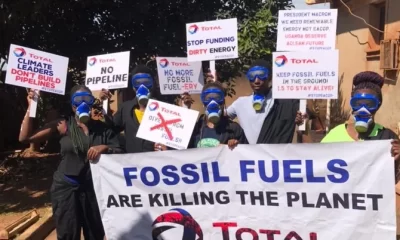
Ugandan farmers take TotalEnergies’ pipeline to UK court

Published

on

Police apprehend a Ugandan activist during a protest against the East African Crude Oil Pipeline (EACOP) plans in Kampala, Uganda, on 15 September, 2023. © Reuters

Four Ugandan farmers filed a case against the East African Crude Oil Pipeline (EACOP) at the UK’s High Court on Tuesday, seeking to have Ugandan constitutional, environmental and climate law applied to EACOP Ltd, the UK-registered company financing the project

Continue Reading

Resource Center

Legal Framework

READ BY CATEGORY

Facebook

Newsletter

Subscribe to Witness Radio's news and report updates


Trending

Subscribe to Witness Radio's news and report updates