Connect with us

MEDIA FOR CHANGE NETWORK

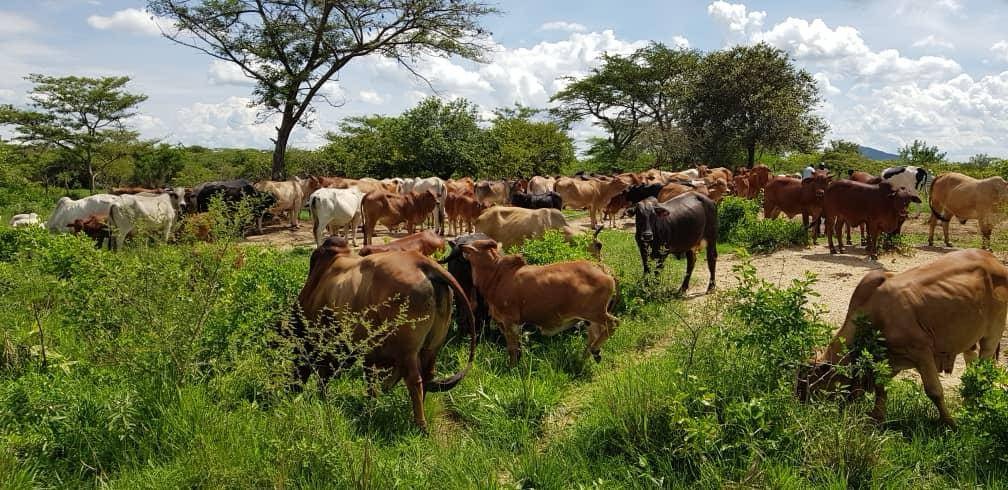
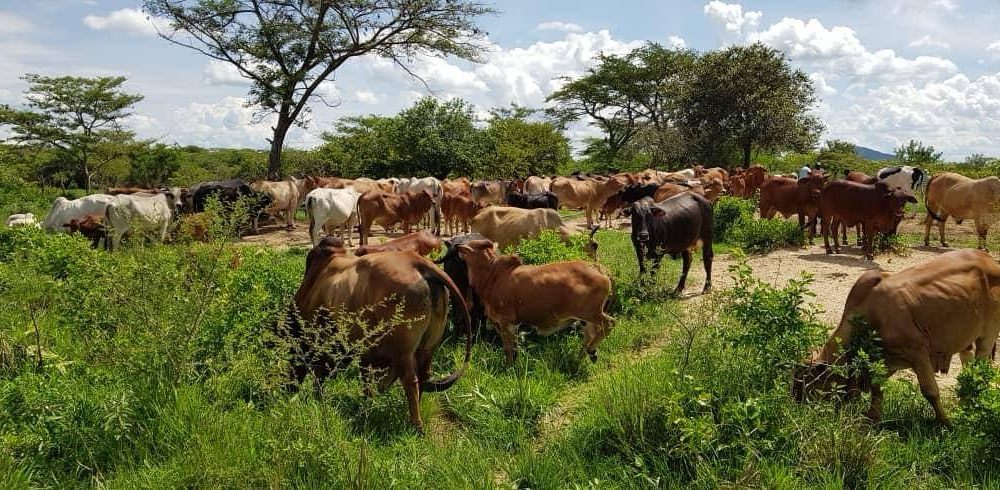
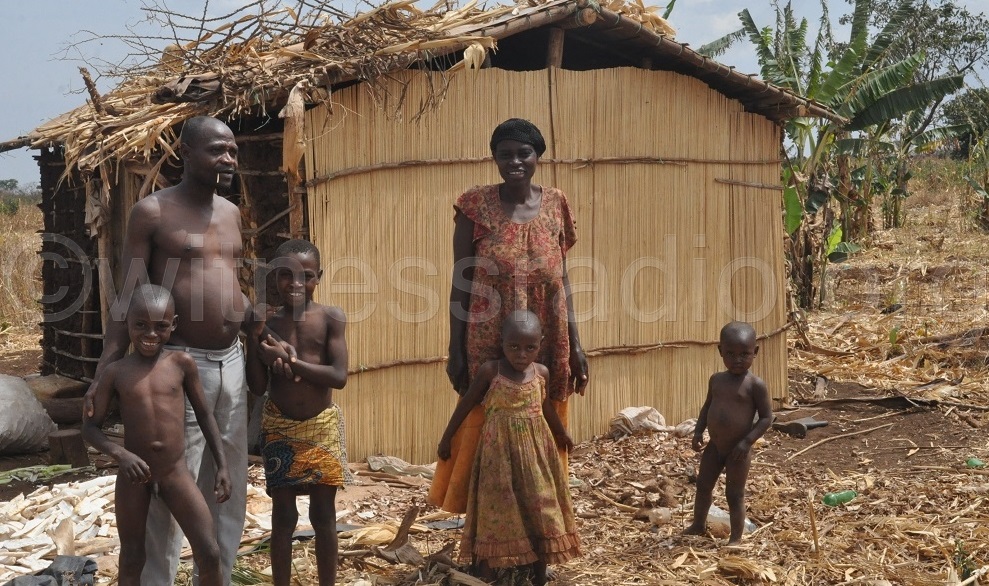
Kiryandongo district, a notorious hotspot for land grabs in Uganda: A bitter land dispute spanning 22 years has left residents landless and food-insecure, while the investor anxiously guards his investment.

Published

on

Special report by Witness Radio Team

In Uganda’s Kiryandongo district, a simmering land dispute has forced residents into a relentless struggle to reclaim ancestral land. They insist their family roots run deep in this soil, now swallowed by a vast agricultural estate purchased by an investor.

But the owners of Kisirizi Excellence Center (EA) Ltd, whose agricultural venture sprawls across 751 hectares, reject the residents’ claims. Renewed calls to return the land have stirred anxiety about the safety of their investment and the well-being of their farm workers.

“We fear violence. We fear for our investment and the lives of the workers on the farm,” Patrick Byabakama Kaberenge, the company’s managing director, told Witness Radio.

Kiryandongo District, nestled in Uganda’s midwest, has become a battleground for land disputes fueled by large-scale agricultural investments. In 2020, Witness Radio and its partners revealed that these projects had uprooted over 35,000 people from their land. The investigation spotlighted Kiryandongo Sugar Limited and Great Seasons SMC Limited, while in 2023, Somdiam joined the list of companies embroiled in controversial land takeovers for sugarcane cultivation.

Drawn by the district’s fertile soil, major agricultural projects have flocked to Kiryandongo, while oil development has only intensified the scramble for land. Against this backdrop, the Buhomoozi Parish dispute raises urgent questions: How are residents’ land rights safeguarded when new owners take over?

In Buhomoozi Parish, Kigumba Sub-county, the land dispute has ignited passionate demands from residents who say their families have called this land home for generations. Meanwhile, the investor now farming the contested property is seeking government protection for what he believes is rightfully his.

At the heart of the conflict are land deals involving businessman Mutebi Amans Kibibi and Byabakama with his partners. Residents allege these transactions triggered the eviction of over 500 people from their homes.

Documents seen by Witness Radio confirm that Byabakama holds a registered title to the property he claims to have bought from Mutebi. Yet residents challenge the registration’s legitimacy, arguing it now covers land their families have lived on for decades.

Asiimwe Moses Mwendwa, representing some affected residents, told Witness Radio that shifting land ownership and altered mapping have tangled claims and erased cherished community land.

Asiimwe maintained that the Church of God of East Africa and a property associated with Captain Omar Muhammed occupied separate parcels, with community land lying between them.

“We cannot now trace our origin. Our land was not titled, but it existed. People were living on it. When the rich men came in 2004, they evicted us and took it,” he said.

Asiimwe described the disputed land as a 500-acre stretch nestled between two registered properties: Plot 30 at Kisirizi Mixed Farm, owned by Captain Omar Muhammed, and a parcel at Kinyoga-Kaduku under the Church of God of East Africa.

Asiimwe recounted that the trouble began when Mutebi Kibibi acquired two titled properties that flanked land occupied by residents without formal titles. Rather than leaving the community land intact, Mutebi allegedly forced out the residents in 2004 and absorbed their land into a single, consolidated property.

Residents say this process wiped away the boundaries of land their families had known for generations, leaving them homeless and dispossessed. They allege that Byabakama and his partners later took over the property, insisting they bought a single registered parcel from Mutebi.

“Some people had occupied the land since the 1930s. It was terrible. People were evicted, some were beaten, and others lost their lives,” he told Witness Radio.

These allegations raise urgent questions about protecting customary land rights, the murky circumstances of land transfers, and the ethical duties of businesses acquiring contested property.

Uganda’s Constitution protects property rights and prohibits torture and cruel, inhuman or degrading treatment. The Land Act, 1998, also recognizes customary tenure, including rights that may arise from family and communal land arrangements. The application of these protections to the disputed property depends on the facts and the relevant legal records.

At the international level, the United Nations Guiding Principles on Business and Human Rights establish that businesses have a responsibility to respect human rights, avoid causing or contributing to adverse impacts and address harms in which they are involved. The principles also emphasize access to effective remedies for people whose rights have been violated.

Desperate for justice, the affected residents petitioned the State House Lands Unit, urging the government to step in and resolve the dispute.

The State House Lands Unit, which handles land matters, became the residents’ last hope. They hoped this intervention would untangle the competing claims and determine whether the investor’s title truly covered their ancestral land.

Mr. Osaja Peter, a 61-year-old community leader and land defender who says he was born on the disputed land, told Witness Radio that a State House team conducted a site visit and made a decision concerning the dispute.

“A locus visit was done by State House and led by counsel Susan Abbo, and the ruling was that Byabakama should go back on the land that he bought,” Osaja said.

Yet the details and current status of the alleged ruling remain unclear.

Peter recalled that his grandfather settled in Kaduku II, Kigumba, back in the late 1930s. He claims his family lost nearly 70 acres in the turmoil of the disputed takeover.

“At that time, over 500 people were evicted from our land, which covered the three villages of Nyama I, Kaduku II and Kinyonga II. We just saw the bullets, and when people see bullets, they run away. Some have remained lame, while others died because of injuries. Many are struggling to rebuild their lives,” he said.

Mr. Byabakama, now 70 and once the acting deputy governor of the Bank of Uganda, said he and 30 partners founded Kisirizi Excellence Center (EA) Ltd with a vision for commercial farming, focusing on animal husbandry.

“We wanted to do commercial farming,” he told Witness Radio.

In 2006, Byabakama and his partners purchased land at Kisirizi, Plot 80, Block 9, measuring about 751 hectares, from Mutebi Kibibi.

According to documents reviewed by Witness Radio, Omari Mohamed had previously mortgaged the land, but allegedly failed to meet the loan obligations. Uganda Development Bank subsequently exercised its powers under the mortgage arrangement and sold the property to Mutebi Kibibi.

Before sealing the deal, Byabakama said he and his partners conducted thorough due diligence, inspected the land, and confirmed its boundaries with local leaders and community members.

“We spent around three days inspecting the land. Apart from the seller, Mr Mutebi, there was no other person occupying the said land,” he said.

Byabakama said an independent surveyor, Angellus Mawa of Geomaps, opened the boundaries in the presence of community members and local leaders, including then Kigumba Sub-county LC III chairperson Mary Matunda and other officials.

He explained that this careful inspection, combined with checks at the land office, reassured the partners that the property was safe to buy.

“Upon confirming that there were no registered encumbrances on the land at the land office, we agreed to buy the land from Mutebi,” he said.

Yet the residents tell a different story. They allege their land once lay between two registered properties, but was swept up into the land Mutebi acquired and eventually passed to Byabakama.

The affected families formally brought the dispute to the State House Lands Unit’s attention.

In a letter dated July 2023, Susan Abbo, Senior Private Secretary to the President in Charge of Land Matters, invited Byabakama to a meeting on allegations that residents occupied land between two registered properties.

The letter identified one property as Plot 30 at Kisirizi Mixed Farm, associated with Omar Mohammed, and the other as Plot 66, Block 9, at Kinyogonya-Kaduku, registered in the name of the Church of God of East Africa.

According to the letter, the petitioners alleged that Mutebi and Byabakama had acquired the two properties, Kisirizi Mixed Farm and the Church of God of East Africa, and incorporated the intervening land occupied by residents, despite the community’s claims that the land had previously existed as a separate area with identifiable boundaries.

The letter further stated that the petitioners did not object to the purchase of the two registered properties but alleged that the intervening community land had been incorporated into them, resulting in the eviction of residents.

In response to the State House letter, Byabakama disputed the allegation that he had acquired multiple parcels or participated in an amalgamation of community land.

In a response submitted on behalf of the investor, his representatives, H&G Advocates, said their client acquired a single registered parcel identified as LRV 1759, Folio 15, Plot 80, Kibanda Block 9, at Kisirizi, along Masindi Port Road.

“Our client does not know about the alleged amalgamation of two land parcels mentioned in your letter or the persons who allegedly occupied an untitled parcel of land between two alleged titled parcels. Our client bought a single parcel of land comprised in LRV 1759, Folio 15, Plot 80, Kibanda Block 9, at Kisirizi, Masindi Port Road, Masindi. This can be verified from the land office,” the response stated.

Byabakama also said that after the company began commercial farming, nine people complained that a previous owner had given them extremely short notice to vacate their homes before the 2006 purchase.

He said the company asked why the complainants had not pursued the previous owner in court but agreed to help them maintain peaceful relations with neighboring communities.

According to the company’s response to State House, the partners agreed between 2006 and 2009 to provide the nine complainants with household resources and some land for cultivation, with the assistance of local leaders. The company said it believed it had no legal obligation to settle the claims.

But this response left the residents’ deeper grievances unresolved, especially their claims about lost boundaries and the absorption of their land into the registered property.

A State House official, who spoke to Witness Radio on condition of anonymity, said the matter remained under investigation.

“People are saying the land had two titles initially, and that Byabakama’s title overlapped with the others. They have no problem with Byabakama; rather, they have an issue with Mutebi, who sold the land to Byabakama. The land in the middle was also titled with the larger part and also got taken,” the official said.

The official explained that authorities plan to retrace the boundaries of the old properties and compare them with the land now under Byabakama’s title.

“We are going to open the boundaries of the former titles and compare them with his title to find out the truth. We will inform you once the investigations are complete,” the official said.

Former Kigumba Sub-county LC III chairperson Mary Matunda, meanwhile, told Witness Radio that the alleged evictions and burning of houses occurred before Byabakama acquired the property.

She said local leaders knew the incidents happened when Mutebi owned the land and argued that Byabakama and its partners should not be blamed for actions that allegedly took place before their purchase.

Byabakama said the company coexisted peacefully with neighboring communities until residents reignited their demands to return the disputed land.

For the families caught in the dispute, this is about far more than lines on a map. It is about ancestral land, lost homes, shattered livelihoods, and community bonds built over generations that are unraveling.

“What we have suffered is enough. Let the injustices that occurred be solved,” the residents said, vowing to continue pursuing their claims.

For Byabakama and his partners, the dispute casts a shadow over an agricultural investment they insist was acquired lawfully and with careful due diligence.

Now, the fate of the land hangs on the State House Land Unit’s findings from its investigation into the tangled history of transfers and boundaries.

Until those questions are resolved, the residents’ demands and the investor’s defense remain in conflict, leaving the future of the disputed land uncertain.



Continue Reading

MEDIA FOR CHANGE NETWORK

Farmers’ seed systems take centre stage as the first Eastern African Indigenous Seed Conference opens in Kenya.

Published

on

By Witness Radio team.

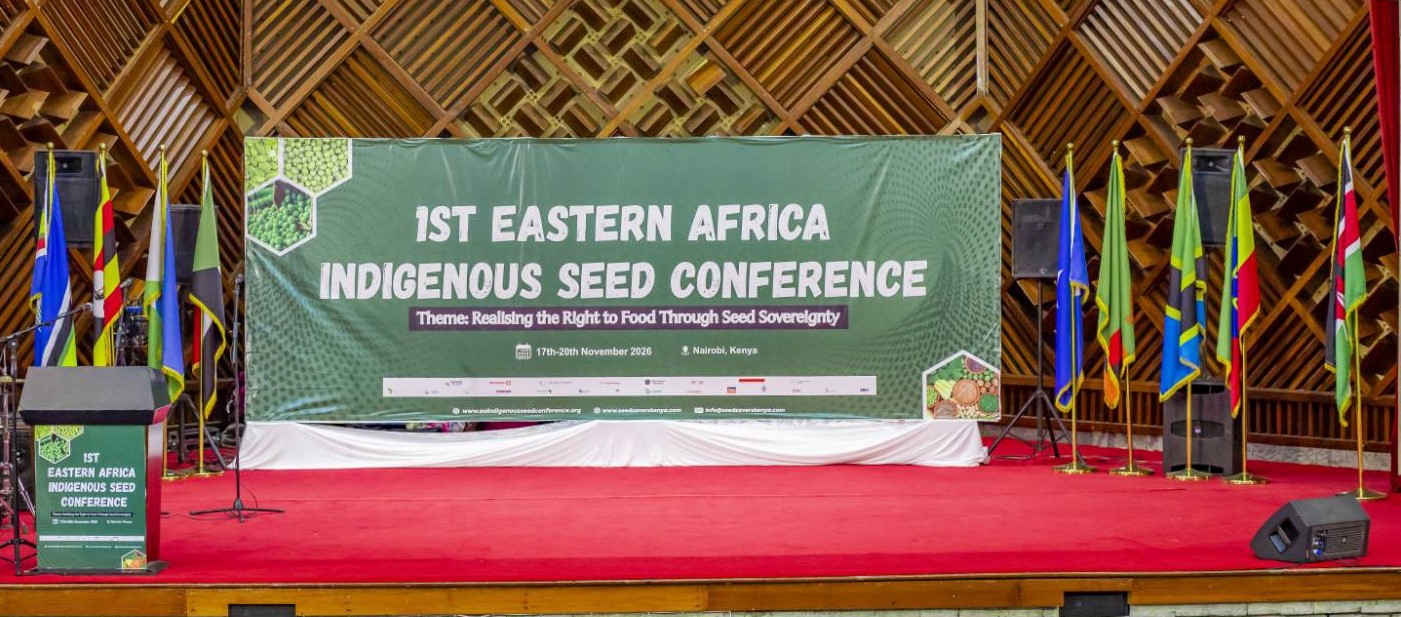
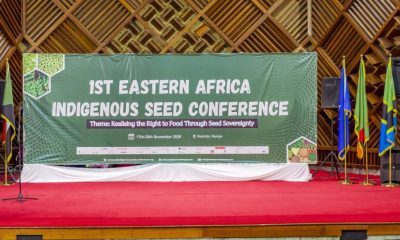
Nairobi, Kenya: Farmers, indigenous communities, researchers, policymakers, and seed-saving practitioners from across Africa and beyond have gathered in Nairobi for the first Eastern African Indigenous Seed Conference, calling for greater recognition and support for farmer-managed seed systems.

The four-day conference, which opened today, November 17, at the Catholic University of Eastern Africa, seeks to strengthen indigenous seed systems, promote seed sovereignty and create space for farmers to influence policies governing seeds and agriculture.

Organized by Seed Savers Network (SSN) and its partners, the gathering comes amid growing concerns over the future of indigenous seeds, local livestock breeds and traditional knowledge systems that communities have relied on for generations.

Opening the conference, Mr. Daniel Wanjama, the Executive Director of Seed Savers Network, said farmers remain central to the region’s seed systems, despite receiving limited recognition in agricultural policies and government support programs.

He said an estimated 80 per cent of the seeds used in the region come from farmers themselves, a contribution he said should be reflected in agricultural policies and investment priorities.

“80 per cent. It means if we cannot have indigenous seeds as we use, it means we cannot have food security. We cannot feed ourselves unless we have indigenous seeds,” Wanjama said.

He argued that governments and development organizations have concentrated much of their attention on the commercial seed sector while overlooking the contribution of farmers who save, exchange and replant seeds within their communities.

According to Wanjama, this has created a disconnect between agricultural policies, government support and the actual practices through which farmers access planting materials.

He also warned that agricultural biodiversity in Africa faces significant threats, arguing that protecting farmer-managed seed systems is important for maintaining the diversity needed to respond to climate change.

“We are facing climate change, and the only way we can survive climate change is through this agricultural biodiversity. Therefore, we cannot afford to lose it because if we lose it, we also lose our life,” he said.

Mr. Wanjama said the conference should provide an opportunity for farmers and organizations across the continent to strengthen their cooperation, exchange knowledge and jointly advocate for policies that recognize indigenous seeds.

He also called for greater farmer participation in policy discussions, saying previous conferences and discussions have not adequately reflected farmers’ experiences and concerns.

He said organizers wanted farmers to form a significant part of the conference and take an active role in discussions, rather than simply attend sessions led by experts and policymakers.

The conference is also taking place against the backdrop of ongoing debates over seed laws and farmers’ rights in Kenya, and East Africa as a region.

Mr. Francis Ngiri, a Kenyan farmer attending the conference, said restrictions on the sharing, exchange and sale of indigenous seeds remain a major concern for smallholder farmers.

In 2025, Ngiri and other farmers won a court case challenging provisions of Kenya’s 2012 Seed and Plant Varieties Act, which restrict farmers from saving, exchanging and sharing seeds. However, the government announced plans to appeal the ruling, arguing that it weakened key provisions of the law.

“We have formally launched an appeal in the Court of Appeal to contest this judgment and restore the legal backing required for strict enforcement of seed quality,” Simon Maina, head of Seed Certification and Plant Variety Protection at the Kenya Plant Health Inspectorate Service (KEPHIS), told The Star in an article published on November 4.

But Ngiri hopes the conference will help strengthen farmers’ efforts to defend their seed-saving practices and push for greater government recognition of community seed banks.

“The government does not support indigenous seed saving. They don’t recognize the seed banks, and we want the conference to tackle that,” he said.

He argued that farmers should be allowed to sell seeds they have saved, provided they receive appropriate training in seed selection and quality management.

“Unless farmers can sell seeds, that is the only time farmers will have seed access. And when they have seed access, they can now have biodiversity. From that, we can have food security,” he said.

Beyond the policy discussions, the conference is also bringing together organizations working on agricultural biodiversity, landscape restoration, agroecology and community-led seed conservation.

Mrs. Catherine Muturi, the Kenya Country Director at Landscape Alliance and Regional Convener for East Africa, said farmers and local communities play an important role in conserving biodiversity, maintaining traditional knowledge and ensuring access to planting materials.

She said efforts to restore landscapes should also recognize the importance of native tree seeds and the communities that conserve them.

“Farmers and local communities are not just beneficiaries of restoration efforts. They are important actors in conserving, managing, and supplying tree seed sources. Their knowledge, participation and leadership must be recognised and strengthened,” Muturi said.

Continue Reading

MEDIA FOR CHANGE NETWORK

Nearly 90 mln displaced people face severe climate risks

Published

on

According to UNHCR’s latest report, No Escape III: Displaced Voices on the Frontlines of the Climate Crisis, three in four forcibly displaced people globally face high to extreme exposure to climate-related hazards. Many have already fled conflict, violence and persecution, only to encounter further threats in places where resources to adapt are limited.

The report features the experiences of eight members of displaced communities, highlighting their resilience and the importance of including their voices in climate-related decisions.

“Refugees face a double injustice. Forced to flee conflicts they did not cause, they are now on the frontlines of a climate crisis they have contributed least to,” said Antón Leis García, UNHCR’s Assistant High Commissioner for Operations.

Climate change is also undermining the prospects for lasting solutions. More than two-thirds of refugees who returned home in the first half of 2026 did so to countries highly vulnerable to climate hazards, raising concerns about the sustainability of their return.

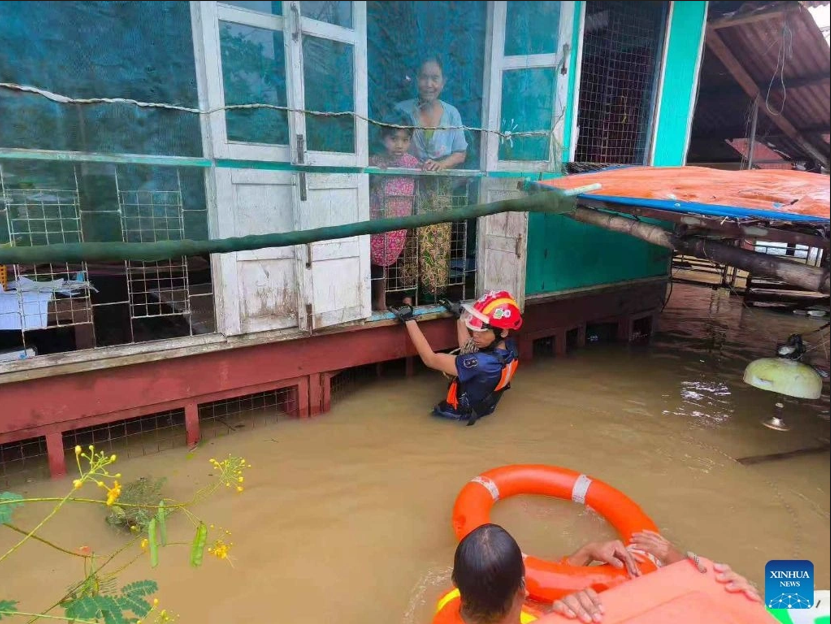
In Syria, where nearly 4 million displaced people have recently returned, declining groundwater levels and severe climate shocks are threatening recovery. Flooding along the Euphrates River in May 2026 damaged homes and forced thousands more people to flee.

Extreme heat poses another growing challenge. By 2050, one in three refugee settlements in sub-Saharan Africa could face at least 100 days of dangerous heat annually. In some settlements in Ethiopia, including Helaweyn, dangerous heat could persist for more than 200 days a year, threatening residents’ health and livelihoods.

Weather-related disasters have triggered more than 255 million internal displacements worldwide over the past decade, equivalent to approximately 70,000 movements a day. In East Africa, severe flooding associated with a very strong El Niño could displace up to 3 million people in Somalia, Kenya, South Sudan and Uganda by the end of 2026, depending on the severity of the floods.

Climate hazards also increase the risk of statelessness. Nearly 90% of the world’s 4.7 million reported stateless people live in countries facing high to extreme exposure to climate risks. Without legal recognition, many struggle to access disaster relief and adaptation support.

Despite these growing threats, fragile and conflict-affected countries receive only around 10% of global climate finance, even though many host large displaced populations and face severe climate impacts. UNHCR says greater investment in adaptation, particularly in areas of return, is essential to support reintegration and make returns safe, voluntary and sustainable.

Displaced people and host communities are already developing climate solutions, including solar-powered water systems in the Sahel, climate-resilient agriculture in Uganda, and land and mangrove restoration in Colombia.

At COP31, UNHCR will urge governments and climate finance institutions to include displaced people in national climate plans, increase long-term adaptation funding for fragile and displacement-affected areas, and support locally led solutions beyond short-term humanitarian assistance.

The agency says the conference, hosted by Türkiye, one of the world’s largest refugee-hosting countries, offers an opportunity to ensure that displaced people and host communities are included in global climate action.

Earlier, Qazinform News Agency reported that the year 2026 could become one of the four warmest years on record, as ocean temperatures continue to rise, glaciers lose ice and global sea levels reach new highs.

Source: europesays.com

Continue Reading

MEDIA FOR CHANGE NETWORK

Negotiations are in motion to forge new international principles that will finally hold oil companies accountable for the scars they leave on people and the planet.

Published

on

By the Witness Radio team

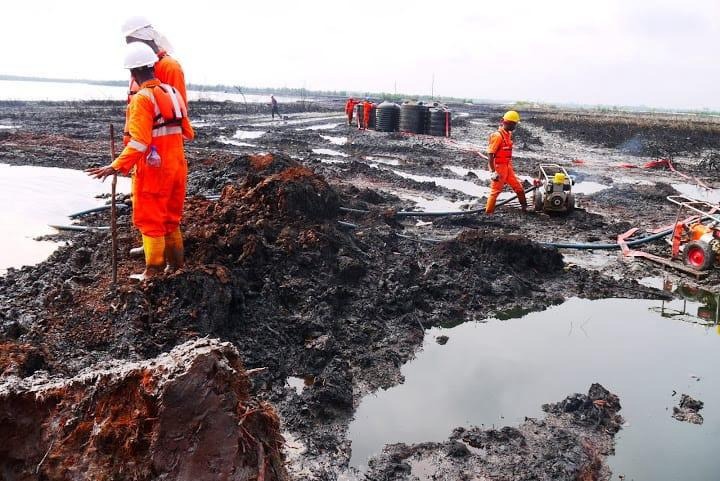
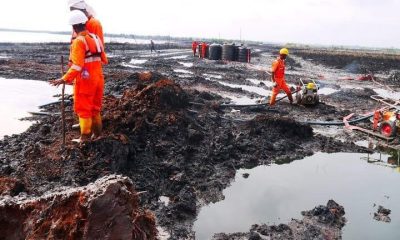
When oil companies pack up after years of drilling, the pollution, scarred landscapes, and shattered livelihoods often linger long after the last rig is gone.

Communities in oil-producing regions are often left to grapple with poisoned water, rusting skeletons of abandoned infrastructure, and lost income from farming, fishing, and other ways of life. Meanwhile, the question of who will foot the bill for restoring the environment hangs in the air.

Now, three international civil society organizations are raising their voices, demanding that oil and gas companies take real responsibility when they shut down operations or hand over their assets to new investors.

The Stakeholder Democracy Network (SDN), the Interamerican Association for Environmental Defense (AIDA) and the Center for Research on Multinational Corporations (SOMO) have submitted the International Principles for Responsible Divestment from Fossil Fuels to the United Nations Working Group on Business and Human Rights.

These principles arrive at a time when countries are under mounting pressure to break free from coal, oil, and gas in the fight against climate change. Yet the organizations warn that companies must not use this transition as an excuse to abandon communities or leave their mess behind.

“Rapid closure and responsible closure of the fossil fuel industry are not mutually incompatible agendas. Both are vital to achieve climate and environmental justice and a just energy transition,” the principles state.

The proposed standards lay out a clear roadmap for what companies must do before walking away from fossil fuel projects, and what governments should demand in return.

According to the principles, companies are expected to inform communities about plans to close operations or sell assets, including when the changes will happen and what environmental and financial obligations remain outstanding.

They should also involve affected people in decisions about their own future, rather than making choices in secret boardrooms.

“This information must include divestment timelines and modalities, as well as full disclosure of all outstanding environmental and financial liabilities. Companies should proactively create spaces for participation and dialogue, so that affected people, regulators and government authorities receive relevant information and can meaningfully influence corporate decision-making.” The principles further state.

Another key demand is that companies must pay for the harm they have caused, from cleaning up polluted lands and waters to safely dismantling infrastructure and restoring damaged ecosystems.

The organizations are also pushing for companies to compensate those whose livelihoods, health, culture, and communities have suffered. This could mean financial payments, restoring sacred cultural sites, and publicly admitting the harm they have done.

When companies sell off their assets, the principles insist they must ensure that new owners have both the resources and expertise to run operations safely and cover all future closure and restoration costs.

The principles also highlight the fate of workers and communities whose lives depend on oil. They call for new livelihood opportunities, job transition programs, and social safety nets for those facing job loss when the wells run dry.

The principles also place the onus on governments, urging them to ensure oil companies do not walk away from environmental damage or leave obligations unresolved when they shut down or sell off their assets.

They urge states to craft clear, transparent plans for phasing out fossil fuel extraction, with affected communities and workers at the table for every decision that could reshape their lives.

Governments are also expected to overhaul their laws and regulations, closing loopholes that let companies slip away from projects without cleaning up pollution, restoring ecosystems, or compensating those harmed.

“States should ensure that their existing legal and regulatory frameworks related to fossil fuel divestment, including investment laws and treaties, are aligned with these Principles and that these Principles are made obligatory for companies by enshrining them in law and effectively enforcing them.” The 4-page document reads

Before any asset sale or project closure gets the green light, the principles say governments should demand independent environmental and social assessments, plus thorough reviews of infrastructure and decommissioning costs.

They also urge states to ensure companies set aside enough money for environmental clean-up and infrastructure dismantling before approving any closure plans.

When assets change hands, governments should scrutinize whether the new buyers have the money, know-how, and management skills to run the facilities safely and meet all environmental obligations left on the table.

The principles sound the alarm against letting companies hand over assets to brand-new businesses or operators with no track record of safe management, which could leave governments and communities footing the bill when disaster strikes.

They also tackle cases where previous owners have already left a trail of environmental damage. Here, governments should ensure new owners handle the clean-up while protecting affected communities’ right to seek compensation and justice from those who caused the original harm.

The organizations are also pressing governments to publish yearly updates on all proposed, approved, and rejected oil and gas asset sales and project closures, including whether companies have kept their environmental and social promises.

These concerns are painfully clear in Nigeria’s Niger Delta, where decades of oil extraction have left communities battling pollution and the collapse of their livelihoods.

Oil spills have poisoned water sources, ruined farmland, and shattered fishing livelihoods, forcing many residents to bear the high cost of an industry that has reaped enormous profits.

A United Nations Environment Program (UNEP) assessment of Ogoniland in 2017 documented extensive oil contamination and recommended a long-term environmental clean-up.

Meanwhile, some international oil companies that once operated in the region are selling off their stakes to new investors, sparking urgent questions about who will shoulder responsibility for pollution and other lingering obligations.

In March 2025, Shell completed the sale of its Nigerian onshore subsidiary, the Shell Petroleum Development Company (SPDC), to Renaissance Africa Energy.

TotalEnergies followed with an agreement announced in January 2026 to sell its 10 percent non-operated interest in the Renaissance joint venture’s licenses to the Nigerian consortium Vaaris.

On October 27, 2026, TotalEnergies announced that it had completed the sale for US$800 million.

The company said it would retain its full economic interest in three gas licenses – OML 23, OML 28 and OML 77 – which currently account for 50 percent of Nigeria LNG’s gas supply. The transaction therefore covers its interest in the joint venture’s oil assets, rather than a complete withdrawal from its Nigerian operations.

Civil society organizations are raising doubts about whether these deals offer enough transparency on outstanding environmental damage, clean-up plans, and compensation for the communities left in the wake.

Dr Isaac ‘Asume’ Osuoka, Director of Social Action, said the people living in oil-producing areas should not be forgotten when companies negotiate the sale of their assets.

“This case is about people, not just oil assets. It is about children growing up with poisoned water, families breathing polluted air, and communities losing their health and livelihoods while international oil companies walk away with decades of profits,” Osuoka said.

He insisted that affected communities must not become corporate sacrifice zones and urged TotalEnergies to prove that its exit will not deepen existing human rights abuses.

Mr. Simon Taylor, co-founder of Hawkmoth, also questioned the transparency surrounding the transaction.

Taylor pointed to TotalEnergies’ previous involvement in the Extractive Industries Transparency Initiative, arguing that the company should be transparent about the public-interest implications of its asset sale.

Continue Reading

Resource Center

Legal Framework

READ BY CATEGORY

Facebook

Newsletter

Subscribe to Witness Radio's news and report updates


Trending

Subscribe to Witness Radio's news and report updates