
MEDIA FOR CHANGE NETWORK
Standard Bank faces complaint over sustainability claims linked to East African Oil Pipeline


- Fossil Free South Africa and its partners have lodged a complaint with the Advertising Regulatory Board, challenging the bank’s environmental and climate related marketing.
- The complaint centres on Standard Bank’s involvement in financing the 1,443 kilometre East African Crude Oil Pipeline, which campaigners say conflicts with its sustainability commitments.
- The complainants are seeking a review of the bank’s environmental claims and want any statements found to be misleading or inadequately supported to be amended or withdrawn.
Standard Bank is facing a formal complaint to South Africa’s Advertising Regulatory Board (ARB) over environmental and climate claims in its corporate reporting and financial services advertising, with campaigners questioning whether its sustainability messaging accurately reflects its involvement in fossil fuel infrastructure.
The complaint was lodged by Fossil Free South Africa (FFSA), represented by Lawyers for Human Rights. They are joined by StopEACOP Coalition, an international coalition of frontline community organisations and civil society groups. It challenges statements in Standard Bank’s 2025 Report to Society, its Climate Related Financial Disclosures and advertising for its energy, infrastructure and sustainable finance services.
According to the complainants, Standard Bank presents itself as a leading provider of sustainable finance and an enabler of Africa’s just energy transition while supporting financing for the East African Crude Oil Pipeline (EACOP). They argue that the bank’s environmental claims should be assessed against the wider impact of the projects it helps finance.
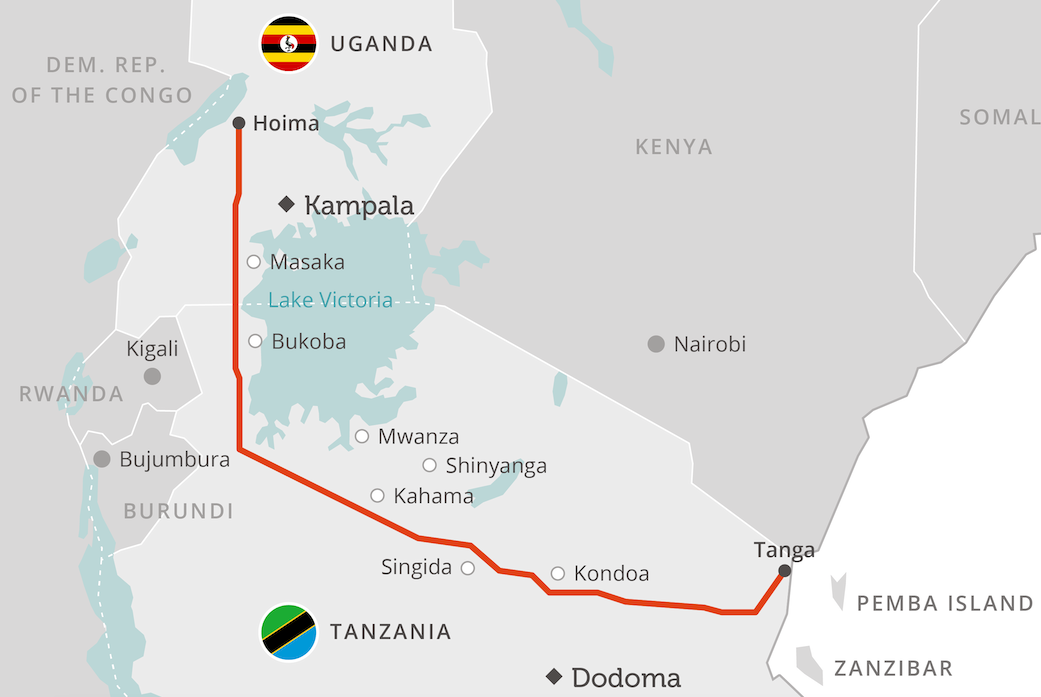
East African Crude Oil Pipeline map. Image credit: EACOP
The 1,443 kilometre pipeline is designed to transport crude oil from Uganda’s oilfields to the Tanzanian coast. The project has attracted international criticism over its potential climate impact, environmental risks and effects on communities along its route.
Peak production is projected to generate up to 34 million tonnes of carbon dioxide equivalent annually at peak production and approximately 379 million tonnes over the project’s lifecycle. Furthermore, the pipeline’s path breaches 158 wetlands in Uganda, eleven rivers and dozens of legally protected, ecologically sensitive areas.
The complainants further raise concerns about reported land loss, economic displacement, compensation disputes and disruption to local livelihoods. They also point to reports of harassment, arrests and intimidation involving environmental and human rights defenders who oppose the project.
Standard Bank’s stated commitments to renewable energy, reduced fossil fuel exposure, water conservation, biodiversity protection and net zero financed emissions by 2050 are central to the complaint. The campaigners argue that these commitments require clear evidence of how the bank’s financing activities align with its public sustainability messaging.
Kholwani Simelane, campaign coordinator and team lead at Fossil Free South Africa, said the complaint seeks to establish whether the bank’s environmental image can withstand scrutiny of the projects it supports.
The complaint also questions Standard Bank’s assertion that EACOP meets the Equator Principles and the International Finance Corporation’s Performance Standards. It asks the bank to substantiate this position and explain how its financing decisions align with its commitments to water conservation and environmental protection, particularly given the pipeline’s proximity to freshwater systems, including the Lake Victoria basin.
The dispute comes amid wider scrutiny of financial institutions involved in fossil fuel infrastructure. According to the StopEACOP Coalition, more than 40 banks and 30 insurers internationally have distanced themselves from EACOP or introduced policies excluding the project or similar developments. South African financial institutions including Absa, FirstRand, Nedbank and Investec have also declined to participate, the coalition says.
Zaki Mamdoo, coordinator of the StopEACOP Coalition, said the concerns extend beyond corporate advertising to the consequences experienced by communities along the pipeline corridor, including pressure on livelihoods and local ecosystems.
The ARB Code requires environmental claims to be substantiated and not mislead consumers through omission, ambiguity, inaccuracy or exaggeration. The complaint asks the regulator to examine Standard Bank’s claims relating to climate alignment, fossil fuel reduction and sustainable finance, and to require amendments or withdrawal of any representations found to be misleading or inadequately supported.
Brighton Aryampa, a Ugandan human and environmental rights lawyer working with communities affected by EACOP, said the complaint was intended to establish whether the bank’s public sustainability messaging provides an accurate account of its financing activities. He noted that financing a fossil fuel project does not automatically negate every renewable energy investment made by a bank, but argued that its overall environmental claims must be assessed in context.
The outcome of the complaint could have implications for how financial institutions communicate their sustainability commitments and environmental performance to customers and the public. It also raises broader questions about the evidence banks should provide when marketing sustainable finance services while maintaining exposure to fossil fuel infrastructure.
The ARB has been asked to scrutinise the claims and determine whether corrective action is warranted.
Author: Bryan Groenendaal
Source: greenbuildingafrica.co.za
Related posts:

 Breaking: Complaint filed with US NCP against insurance broker Marsh over East African pipeline.
 Insurance firms should shun the East African Crude Oil Pipeline
 Uganda: StopEACOP Campaign Condemns Standard Bank’s Decision to Fund EACOP
 Indigenous communities’ complaint against World Bank-linked Nepal Cable Car Project declared eligible for investigation.

MEDIA FOR CHANGE NETWORK
African women will present research findings on indigenous seeds, nutrition, and climate resilience in Nairobi, Kenya.
Related posts:
 Farmers’ seed systems take centre stage as the first Eastern African Indigenous Seed Conference opens in Kenya.
 1st Eastern Africa Indigenous Seed Conference 2026 | EA-ISC Nairobi
 East African women unite and meet in Nairobi to develop strategies to protect communal tenure systems and collectively resist false climate solutions.
 Witness Radio and Seed Savers Network are partnering to produce radio content to save indigenous seeds in Africa.
MEDIA FOR CHANGE NETWORK
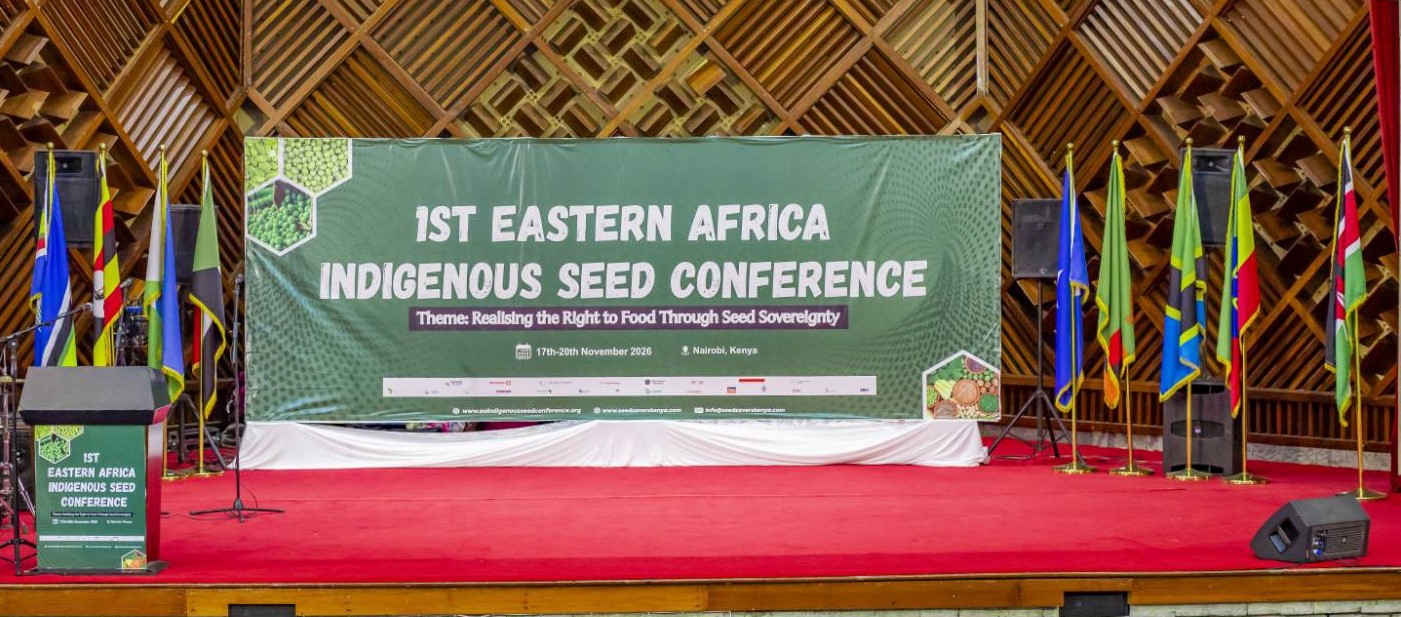
Farmers’ seed systems take centre stage as the first Eastern African Indigenous Seed Conference opens in Kenya.
Related posts:
 The Indigenous Seeds movement in East Africa is convening in Kenya, with the potential to reshape the region’s food systems.
 1st Eastern Africa Indigenous seed conference 2026
1st Eastern Africa Indigenous Seed Conference 2026 | EA-ISC Nairobi
 Seed Sovereignty: Most existing and emerging laws and policies on seeds are endangering seed saving and conservation on the African continent.
Related posts:
 FAO warns of severe dry spell
 More than 1.1 billion people worldwide face a risk of land eviction – Global report
 More than 17,000 people in the Philippines face eviction from their ancestral land for a multimillion-dollar energy project.
 The Fight for Climate Justice: African Women at the Forefront

African women will present research findings on indigenous seeds, nutrition, and climate resilience in Nairobi, Kenya.

Farmers’ seed systems take centre stage as the first Eastern African Indigenous Seed Conference opens in Kenya.

Drought leaves Bulambuli families struggling for food

Nearly 90 mln displaced people face severe climate risks

Environmental and human rights advocates are urging the world to hold global investors accountable for their actions.

Kiryandongo district, a notorious hotspot for land grabs in Uganda: A bitter land dispute spanning 22 years has left residents landless and food-insecure, while the investor anxiously guards his investment.

A coalition of 625 African faith leaders will gather, united in their call for reparations in response to what they describe as the failure of a Gates-backed agricultural model.

African faith leaders are raising their voices for reparations as AGRA’s 20-year legacy faces intense scrutiny.

Innovative Finance from Canada projects positive impact on local communities.
Over 5000 Indigenous Communities evicted in Kiryandongo District

Petition To Land Inquiry Commission Over Human Rights In Kiryandongo District

Invisible victims of Uganda Land Grabs
-
 MEDIA FOR CHANGE NETWORK2 weeks ago
The African Union recognizes farmers’ vital seed rights, yet national laws can still get in the way, creating hurdles for those who depend on these traditions.
-
 MEDIA FOR CHANGE NETWORK1 week ago
Negotiations are in motion to forge new international principles that will finally hold oil companies accountable for the scars they leave on people and the planet.
-
 MEDIA FOR CHANGE NETWORK2 weeks ago
The economic promise of climate action: How governments, businesses, and communities can join forces for a sustainable future.
-
 MEDIA FOR CHANGE NETWORK1 week ago
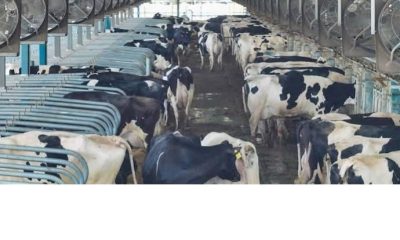
Development finance faces growing scrutiny as industrial livestock farming rapidly spreads across Africa.
-

 MEDIA FOR CHANGE NETWORK2 weeks ago
Gov’t Land Grabbed by Gov’t Officials: Minister Exposes Fraud Inside Lands Ministry
-
 MEDIA FOR CHANGE NETWORK1 week ago
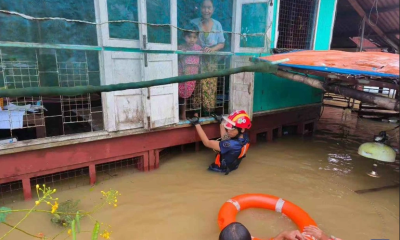
Nearly 90 mln displaced people face severe climate risks
-
 FARM NEWS4 days ago
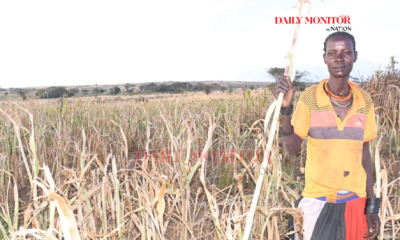
Drought leaves Bulambuli families struggling for food
-
 MEDIA FOR CHANGE NETWORK2 days ago
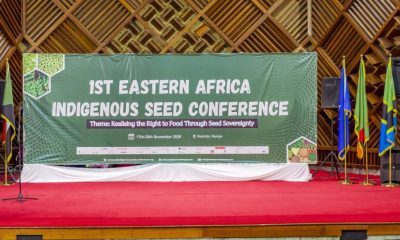
Farmers’ seed systems take centre stage as the first Eastern African Indigenous Seed Conference opens in Kenya.