Connect with us

MEDIA FOR CHANGE NETWORK

Government Seeks Shs8 tn for Land Acquisition Under NDP IV

Published

on

Government says rising land prices and compensation disputes are delaying public infrastructure projects, with a proposed national policy seeking to harmonise valuation, improve resettlement and protect communities affected by land acquisition.

The Draft National Land Acquisition, Resettlement and Rehabilitation Policy 2026 is in its final stages before submission to Cabinet, marking a step towards reforming how government acquires land, compensates owners and resettles communities affected by public infrastructure projects.

The proposed policy seeks to establish a harmonised framework for land acquisition while strengthening safeguards for project-affected people, improving compensation processes and restoring livelihoods for displaced communities.

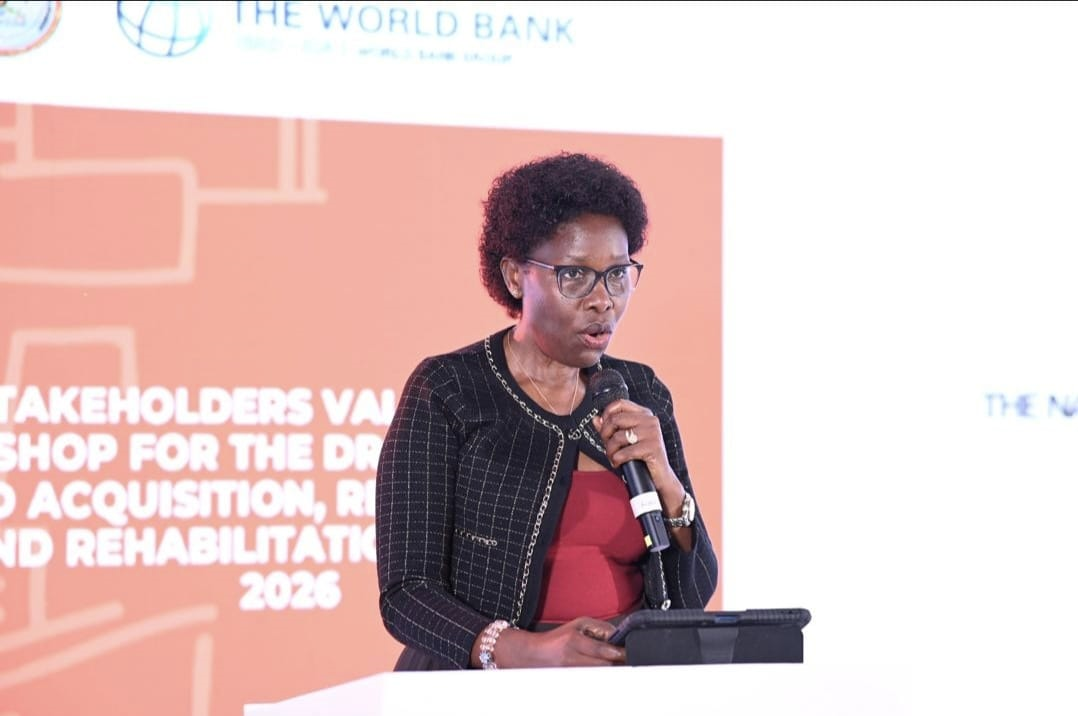
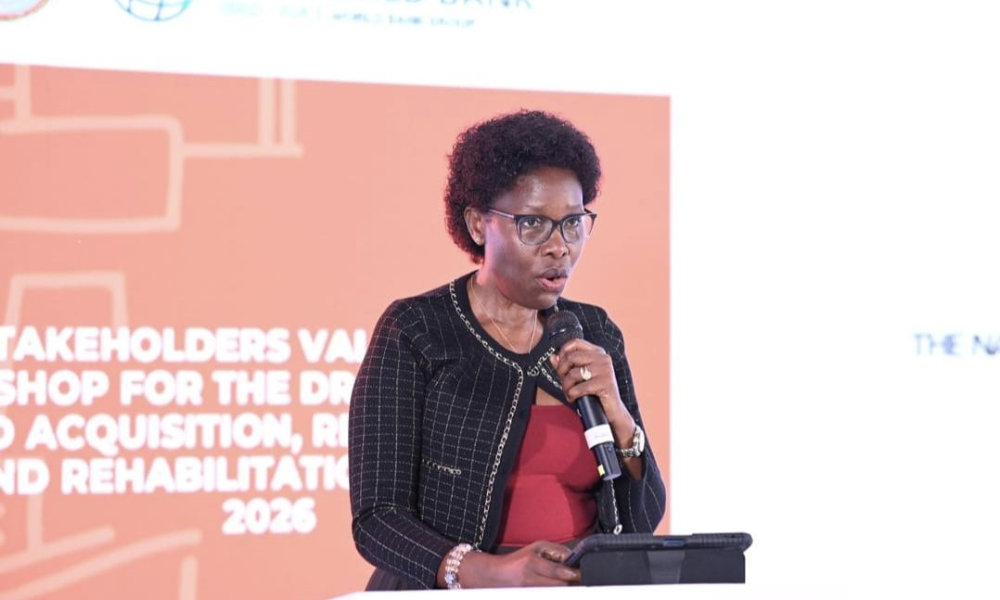
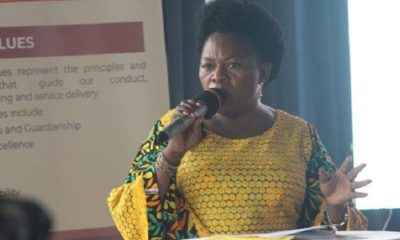
Speaking at a stakeholders’ validation workshop at Hotel Africana in Kampala, Henry Harrison Irumba, the Assistant Commissioner for Policy Analysis at the Ministry of Lands, Housing and Urban Development, said the existing legal framework was outdated and fragmented, with the principal Land Acquisition Act dating back to 1965.

“The existing system has resulted in inconsistencies in land valuation, compensation and community consultations, often contributing to delays in implementing public infrastructure projects,” he said.

Irumba said the proposed policy shifts the focus beyond monetary compensation by introducing measures for resettlement, livelihood restoration and stronger protection for affected communities.

It proposes harmonised valuation standards across government institutions, greater public participation, stronger safeguards for vulnerable groups and more effective mechanisms for resolving compensation disputes.

The draft also provides for consultations involving not only household heads but other affected family members, particularly women, to ensure their interests are considered during compensation and resettlement.

In addition, it proposes safeguards for voluntary land donations and negotiated land transfers, particularly in communities where land is offered for public projects without formal documentation.

According to Irumba, the policy review began in 2017 with a regulatory impact assessment to identify weaknesses in the existing framework.

Consultants were engaged in 2019 with support from the World Bank, followed by nationwide consultations and further reviews to align the policy with emerging land acquisition challenges and national development priorities.

Meanwhile, the Minister of Lands, Housing and Urban Development, Judith Nabakooba, said government requires an estimated Shs8 trillion to acquire land for infrastructure projects under the Fourth National Development Plan (NDP IV).

She warned that rising land prices and compensation disputes had become major obstacles to infrastructure delivery, with government reviews indicating that nearly 90 per cent of public projects are delayed by land acquisition challenges.

“This indeed is unsustainable because in some instances, the cost of acquiring land has exceeded the cost of constructing the projects themselves,” she said.

Nabakooba called for innovative approaches to land acquisition and valuation, including consideration of a betterment levy — a one-time charge on property owners whose land values increase because of public infrastructure investments.

She said the final policy should provide a transparent and practical framework that enables government to acquire land for national development while protecting the rights, livelihoods and dignity of affected communities.

The World Bank welcomed progress on the policy, describing it as a significant milestone in efforts to improve Uganda’s land acquisition system.

Fadzai Mukonoweshuro, the World Bank’s Senior Operations Officer, said an effective and predictable land acquisition framework was essential to Uganda’s infrastructure and economic development ambitions.

“Successful implementation of the policy will require adequate financing, strong institutional capacity and clear accountability mechanisms to ensure land acquisition is carried out in a timely, transparent and equitable manner,” she said.

Mukonoweshuro reaffirmed the World Bank’s commitment to supporting Uganda in strengthening its environmental and social risk management systems as the country advances major infrastructure projects.

Source: nilepost.co.ug

Continue Reading

MEDIA FOR CHANGE NETWORK

African women will present research findings on indigenous seeds, nutrition, and climate resilience in Nairobi, Kenya.
Published

on

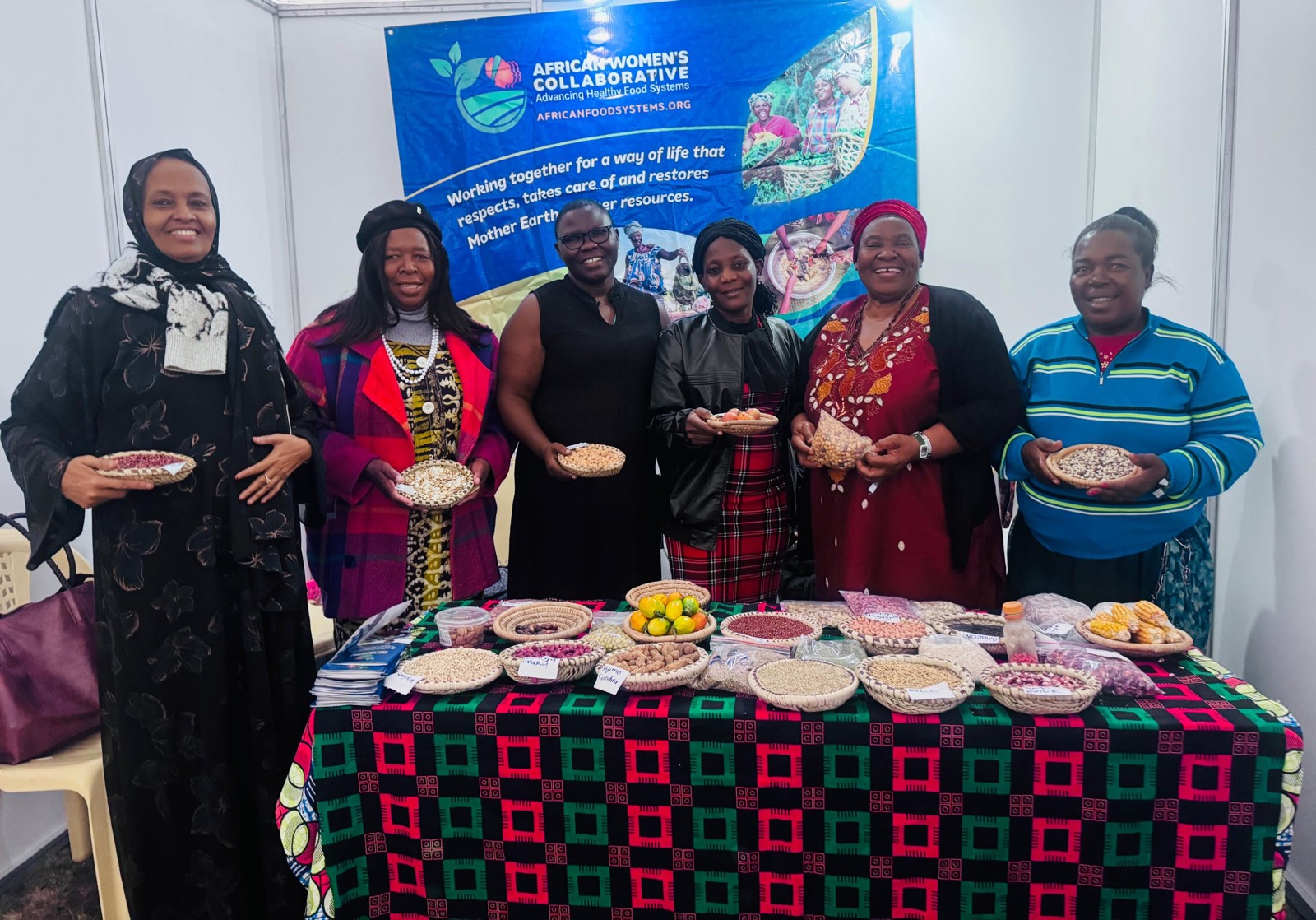
Farmers from 9 African countries who have champiioned the conversation on food and nutrition explain the nutritional benefits of the crops that they grow in their communities at their exhibition stall in Nairobi

By the Witness Radio Team.

Today, Thursday, November 19, the African Women’s Collaborative for Healthy Food Systems will present findings from its farmer-led research on indigenous seeds, African foods, and climate-resilient crops. This will take place during a side event at the First Eastern Africa Indigenous Seed Conference in Nairobi, Kenya.

The event, titled Indigenous Seeds, Nutrition and Resilience: Findings and Recommendations from Farmer-Led Research, will take place from 11:00 am to 12:30 pm at the Catholic University of Eastern Africa in Nairobi.

For those unable to attend in person, Witness Radio will broadcast the event live on its radio platform and social media channels, including YouTube.

The side event will present key findings and recommendations from two research reports: Empirical Study on Nutritional African Foods and Nutritional Assessment of Ten Climate-Resilient Food Crops.

This research documents the nutritional, cultural, economic, and agroecological value of local African foods. It shows how these foods support communities, preserve cultural knowledge, sustain rural livelihoods, and strengthen farming systems suited to their environments.

The event will facilitate discussion on how indigenous foods and climate-resilient crops can strengthen diverse food systems while recognizing the knowledge and practices of farming communities, particularly women who are key stewards of local foods and seeds.

Participants will review the research findings, examine the reports, and collaborate on strategies to support diverse and nutritious food systems resilient to climate challenges.

The African Women’s Collaborative for Healthy Food Systems is a Pan-African initiative that brings together peasant and indigenous women leaders and their organizations. Since 2017, the Collaborative has supported rural and indigenous women in shaping Africa’s food systems.

The Collaborative advocates for women’s rights and recognizes their contributions to food production, seed conservation, agroecology, and promoting nutritious local foods. It acknowledges women farmers as both producers and guardians of indigenous seeds and ancestral knowledge.

Through its Nutritional African Foods Initiative, the Collaborative promotes knowledge about foods grown by African rural women, who use agroecological methods and local resources to feed their communities.

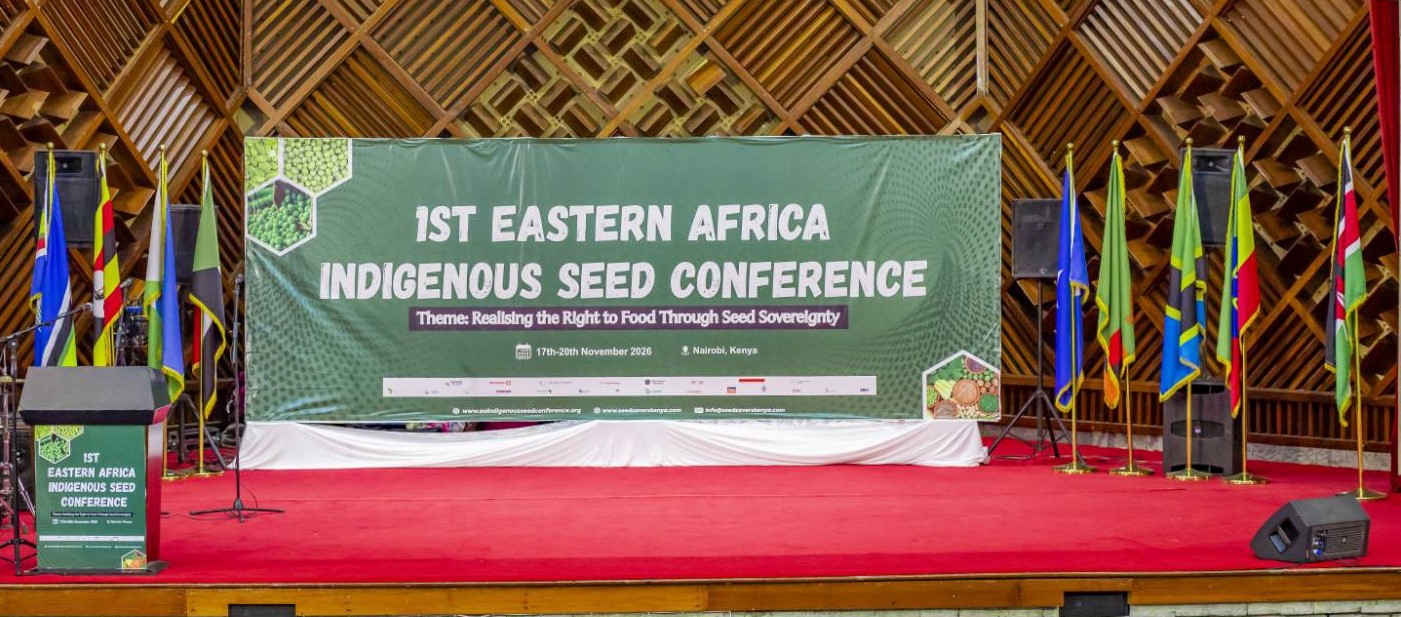
The Nairobi side event brings together farmers, researchers, seed custodians, policymakers, and civil society organizations from Eastern Africa for the inaugural Eastern Africa Indigenous Seed Conference, held from November 17 to 20.

With the theme Realizing the Right to Food through Seed Sovereignty, the conference aims to empower farmer-managed seed systems and highlight farmers’ role in conserving, selecting, saving, exchanging, and using indigenous seeds.

Seed Savers Network organizes this gathering, providing a regional platform to share experiences, address policy challenges, and build alliances to protect indigenous seeds and agricultural biodiversity.

The Collaborative’s side event will contribute to these discussions by highlighting the connections between indigenous seeds, women’s knowledge, nutrition, and the resilience of local food systems.

The event will be broadcast live on Witness Radio and social media platforms on Thursday, November 19, from 11:00 am to 12:30 pm (East Africa Time).

Continue Reading

MEDIA FOR CHANGE NETWORK

Farmers’ seed systems take centre stage as the first Eastern African Indigenous Seed Conference opens in Kenya.

Published

on

By Witness Radio team.

Nairobi, Kenya: Farmers, indigenous communities, researchers, policymakers, and seed-saving practitioners from across Africa and beyond have gathered in Nairobi for the first Eastern African Indigenous Seed Conference, calling for greater recognition and support for farmer-managed seed systems.

The four-day conference, which opened today, November 17, at the Catholic University of Eastern Africa, seeks to strengthen indigenous seed systems, promote seed sovereignty and create space for farmers to influence policies governing seeds and agriculture.

Organized by Seed Savers Network (SSN) and its partners, the gathering comes amid growing concerns over the future of indigenous seeds, local livestock breeds and traditional knowledge systems that communities have relied on for generations.

Opening the conference, Mr. Daniel Wanjama, the Executive Director of Seed Savers Network, said farmers remain central to the region’s seed systems, despite receiving limited recognition in agricultural policies and government support programs.

He said an estimated 80 per cent of the seeds used in the region come from farmers themselves, a contribution he said should be reflected in agricultural policies and investment priorities.

“80 per cent. It means if we cannot have indigenous seeds as we use, it means we cannot have food security. We cannot feed ourselves unless we have indigenous seeds,” Wanjama said.

He argued that governments and development organizations have concentrated much of their attention on the commercial seed sector while overlooking the contribution of farmers who save, exchange and replant seeds within their communities.

According to Wanjama, this has created a disconnect between agricultural policies, government support and the actual practices through which farmers access planting materials.

He also warned that agricultural biodiversity in Africa faces significant threats, arguing that protecting farmer-managed seed systems is important for maintaining the diversity needed to respond to climate change.

“We are facing climate change, and the only way we can survive climate change is through this agricultural biodiversity. Therefore, we cannot afford to lose it because if we lose it, we also lose our life,” he said.

Mr. Wanjama said the conference should provide an opportunity for farmers and organizations across the continent to strengthen their cooperation, exchange knowledge and jointly advocate for policies that recognize indigenous seeds.

He also called for greater farmer participation in policy discussions, saying previous conferences and discussions have not adequately reflected farmers’ experiences and concerns.

He said organizers wanted farmers to form a significant part of the conference and take an active role in discussions, rather than simply attend sessions led by experts and policymakers.

The conference is also taking place against the backdrop of ongoing debates over seed laws and farmers’ rights in Kenya, and East Africa as a region.

Mr. Francis Ngiri, a Kenyan farmer attending the conference, said restrictions on the sharing, exchange and sale of indigenous seeds remain a major concern for smallholder farmers.

In 2025, Ngiri and other farmers won a court case challenging provisions of Kenya’s 2012 Seed and Plant Varieties Act, which restrict farmers from saving, exchanging and sharing seeds. However, the government announced plans to appeal the ruling, arguing that it weakened key provisions of the law.

“We have formally launched an appeal in the Court of Appeal to contest this judgment and restore the legal backing required for strict enforcement of seed quality,” Simon Maina, head of Seed Certification and Plant Variety Protection at the Kenya Plant Health Inspectorate Service (KEPHIS), told The Star in an article published on November 4.

But Ngiri hopes the conference will help strengthen farmers’ efforts to defend their seed-saving practices and push for greater government recognition of community seed banks.

“The government does not support indigenous seed saving. They don’t recognize the seed banks, and we want the conference to tackle that,” he said.

He argued that farmers should be allowed to sell seeds they have saved, provided they receive appropriate training in seed selection and quality management.

“Unless farmers can sell seeds, that is the only time farmers will have seed access. And when they have seed access, they can now have biodiversity. From that, we can have food security,” he said.

Beyond the policy discussions, the conference is also bringing together organizations working on agricultural biodiversity, landscape restoration, agroecology and community-led seed conservation.

Mrs. Catherine Muturi, the Kenya Country Director at Landscape Alliance and Regional Convener for East Africa, said farmers and local communities play an important role in conserving biodiversity, maintaining traditional knowledge and ensuring access to planting materials.

She said efforts to restore landscapes should also recognize the importance of native tree seeds and the communities that conserve them.

“Farmers and local communities are not just beneficiaries of restoration efforts. They are important actors in conserving, managing, and supplying tree seed sources. Their knowledge, participation and leadership must be recognised and strengthened,” Muturi said.

Continue Reading

MEDIA FOR CHANGE NETWORK

Nearly 90 mln displaced people face severe climate risks

Published

on

According to UNHCR’s latest report, No Escape III: Displaced Voices on the Frontlines of the Climate Crisis, three in four forcibly displaced people globally face high to extreme exposure to climate-related hazards. Many have already fled conflict, violence and persecution, only to encounter further threats in places where resources to adapt are limited.

The report features the experiences of eight members of displaced communities, highlighting their resilience and the importance of including their voices in climate-related decisions.

“Refugees face a double injustice. Forced to flee conflicts they did not cause, they are now on the frontlines of a climate crisis they have contributed least to,” said Antón Leis García, UNHCR’s Assistant High Commissioner for Operations.

Climate change is also undermining the prospects for lasting solutions. More than two-thirds of refugees who returned home in the first half of 2026 did so to countries highly vulnerable to climate hazards, raising concerns about the sustainability of their return.

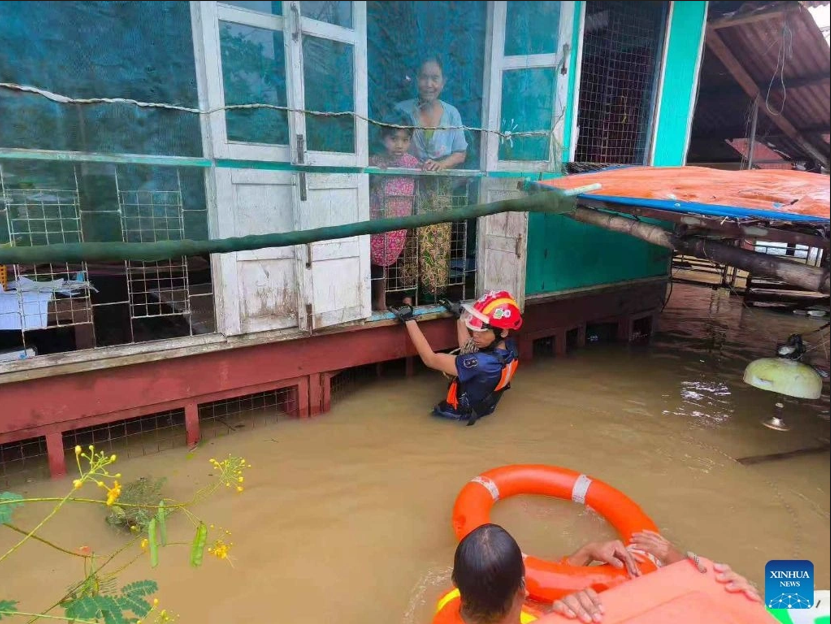
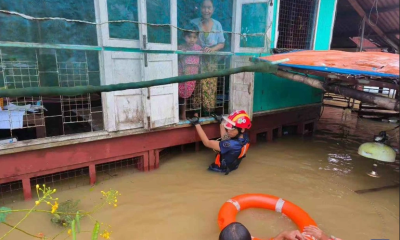
In Syria, where nearly 4 million displaced people have recently returned, declining groundwater levels and severe climate shocks are threatening recovery. Flooding along the Euphrates River in May 2026 damaged homes and forced thousands more people to flee.

Extreme heat poses another growing challenge. By 2050, one in three refugee settlements in sub-Saharan Africa could face at least 100 days of dangerous heat annually. In some settlements in Ethiopia, including Helaweyn, dangerous heat could persist for more than 200 days a year, threatening residents’ health and livelihoods.

Weather-related disasters have triggered more than 255 million internal displacements worldwide over the past decade, equivalent to approximately 70,000 movements a day. In East Africa, severe flooding associated with a very strong El Niño could displace up to 3 million people in Somalia, Kenya, South Sudan and Uganda by the end of 2026, depending on the severity of the floods.

Climate hazards also increase the risk of statelessness. Nearly 90% of the world’s 4.7 million reported stateless people live in countries facing high to extreme exposure to climate risks. Without legal recognition, many struggle to access disaster relief and adaptation support.

Despite these growing threats, fragile and conflict-affected countries receive only around 10% of global climate finance, even though many host large displaced populations and face severe climate impacts. UNHCR says greater investment in adaptation, particularly in areas of return, is essential to support reintegration and make returns safe, voluntary and sustainable.

Displaced people and host communities are already developing climate solutions, including solar-powered water systems in the Sahel, climate-resilient agriculture in Uganda, and land and mangrove restoration in Colombia.

At COP31, UNHCR will urge governments and climate finance institutions to include displaced people in national climate plans, increase long-term adaptation funding for fragile and displacement-affected areas, and support locally led solutions beyond short-term humanitarian assistance.

The agency says the conference, hosted by Türkiye, one of the world’s largest refugee-hosting countries, offers an opportunity to ensure that displaced people and host communities are included in global climate action.

Earlier, Qazinform News Agency reported that the year 2026 could become one of the four warmest years on record, as ocean temperatures continue to rise, glaciers lose ice and global sea levels reach new highs.

Source: europesays.com

Continue Reading

Resource Center

Legal Framework

READ BY CATEGORY

Facebook

Newsletter

Subscribe to Witness Radio's news and report updates


Trending

Subscribe to Witness Radio's news and report updates