
MEDIA FOR CHANGE NETWORK
StopEACOP Coalition demands disclosure of US$3.7 billion in pipeline financing

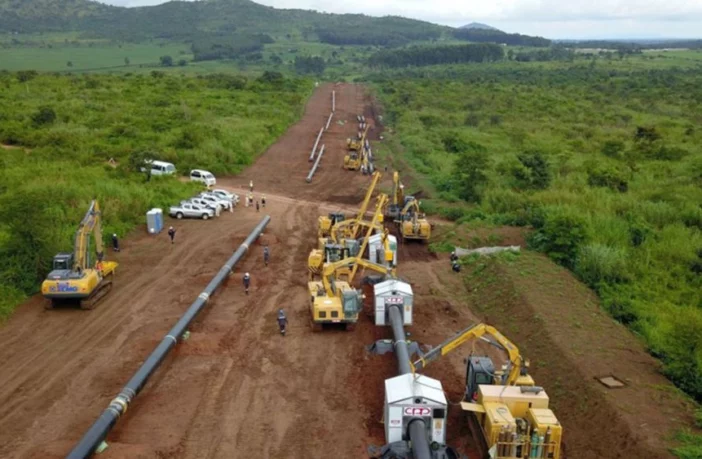
- A coalition of 149 organisations has called on eight African and Middle Eastern financial institutions to disclose their involvement in the East African Crude Oil Pipeline.
- New analysis by Reclaim Finance identified approximately US$3.7 billion in project lending linked to the pipeline between 2025 and 2026, with several lenders yet to publicly disclose their exposure.
- The coalition is demanding greater transparency, a commitment to stop further funding for oil expansion and financial support for communities affected by the project.
The StopEACOP coalition has sent an open letter to eight African and Middle Eastern financial institutions, demanding full disclosure of their financial involvement in the East African Crude Oil Pipeline (EACOP) project and greater accountability for its environmental and social impacts.
Signed by 149 organisations, including representatives of communities affected by the pipeline, the letter follows new analysis by Reclaim Finance that identified approximately US$3.7 billion in project lending linked to EACOP between 2025 and 2026.
The institutions linked to the financing include Afreximbank, KCB Group and KCB Bank Uganda, the Islamic Development Bank Group and the Islamic Corporation for the Development of the Private Sector, NMB Bank Tanzania, Qatar National Bank, Standard Bank Group and Stanbic Bank Uganda, and Uganda Development Bank.
The coalition says the financing has largely come from African and Gulf lenders after more than 40 banks and 30 insurance companies declined to support EACOP or introduced policies restricting their involvement.
Although EACOP Ltd has publicly confirmed some financing involving Afreximbank, Standard Bank, Stanbic Bank Uganda, KCB Bank Uganda and the Islamic Corporation for the Development of the Private Sector, it has not disclosed the amounts involved. The terms and extent of exposure among other institutions, including NMB Bank Tanzania, Qatar National Bank and Uganda Development Bank, also remain undisclosed.
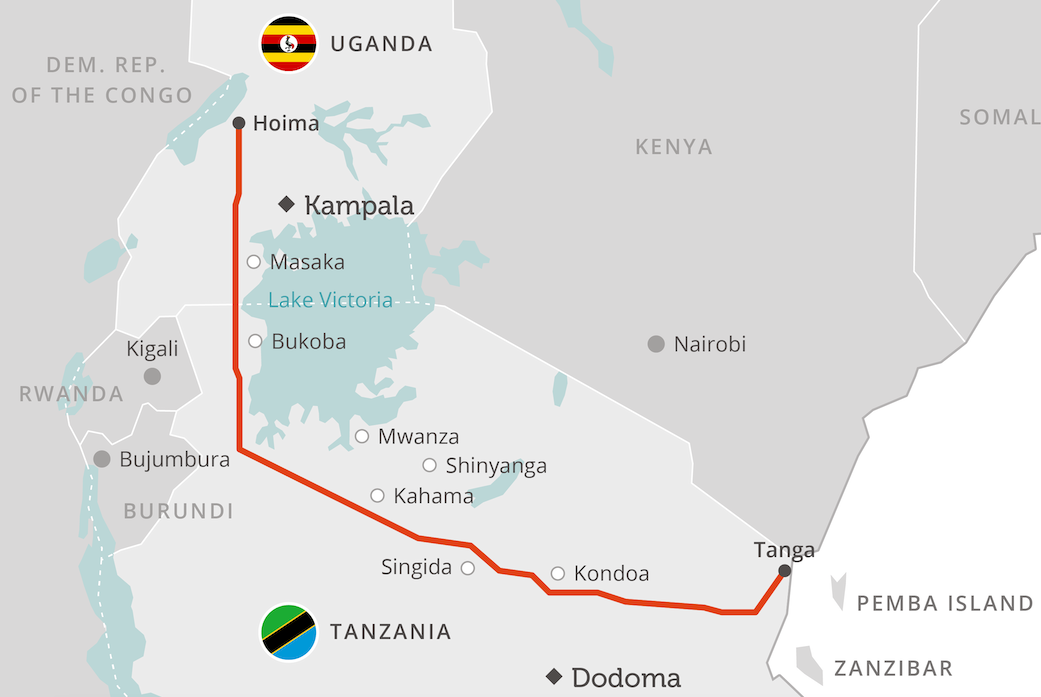
East African Crude Oil Pipeline map. Image credit: EACOP
The demand for transparency comes as the project faces further delays to its expected start of oil production. At African Energy Week, held from 12 to 16 October, Uganda National Oil Company officials said commercial production was now targeted for June 2027. Previous targets had included 2025, June 2026 and July 2026.
Tanzania’s state petroleum company has separately indicated that crude oil could reach Tanga by February 2027, with the first tanker loading expected in March.
EACOP is designed to transport crude oil from Uganda’s oil fields to the Tanzanian coast for export. The project has faced sustained opposition from environmental organisations and community groups concerned about its climate impact, land acquisition, compensation, biodiversity and human rights implications.
In its letter, the StopEACOP coalition is calling on each financial institution to disclose the full scope, structure and terms of its support, including exposure through bonds, guarantees and advisory roles.
The coalition also wants the institutions to commit to providing no further funding for EACOP expansion or related oil and gas development in Uganda’s Albertine Graben region or elsewhere.
A third demand calls for financial contributions towards remedying harm suffered by affected communities. The proposed mechanism would be independent and community led, providing compensation, restoring livelihoods and funding environmental clean up. The coalition says EACOP Ltd and its financial backers should contribute according to their respective roles in the project.
“First oil does not mark an end to the harm caused by EACOP. It escalates and entrenches it,” said Zaki Mamdoo, StopEACOP campaign coordinator.
Mamdoo said financial institutions that had provided billions of dollars to the project must publicly account for their decisions and take responsibility for addressing the damage associated with their investments.
For communities affected by land acquisition and construction, the consequences of the project are already being felt.
“When they took our land, we lost more than the land itself. We lost the means to support our families. Compensation was supposed to help us rebuild our lives, but for some of us, that has not happened,” said Rachael Tugume, an EACOP project affected person.
She questioned whether the banks financing the pipeline understood the impact on the people whose land had made the project possible.
Antoine Bouhey, Defund TotalEnergies campaign coordinator at Reclaim Finance, said financial institutions that had agreed to finance EACOP should be held accountable for the project’s impacts.
He said lenders should contribute to reparative justice for affected communities and commit to excluding new financing for oil and gas expansion in Uganda and elsewhere.
The coalition has also raised concerns about land acquisition and compensation failures, the loss of livelihoods, militarisation and environmental damage along the pipeline route and at the Chongoleani terminal in Tanga, Tanzania. It warns that these risks will persist and could intensify once oil production and exports begin.
The eight financial institutions have been asked to clarify their positions by 16 November. The coalition says it will publish both responses and non-responses after the deadline.\
Author: Bryan Groenendaal
Source: greenbuildingafrica.co.za
Related posts:

 StopEACOP Movement calls for an end to harmful oil projects and demands a just transition.
 #StopEACOP campaign calls on Standard Bank to come clean about its funding of the East African Crude Oil Pipeline
 StopEACOP raises alarm over €1.5bn back door funding for TotalEnergies
 A Financial gap: Can China be stopped from financing the EACOP?

MEDIA FOR CHANGE NETWORK
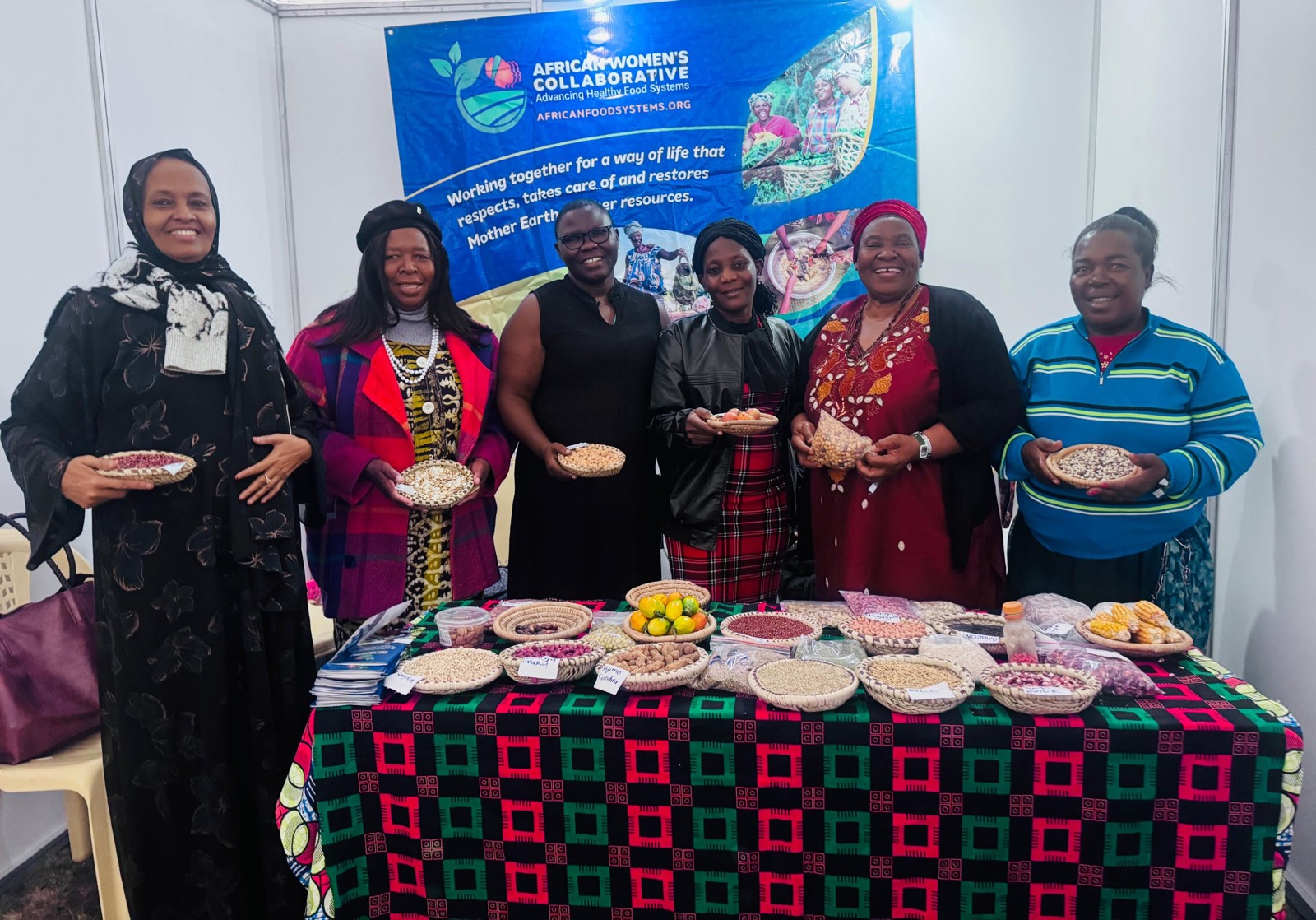
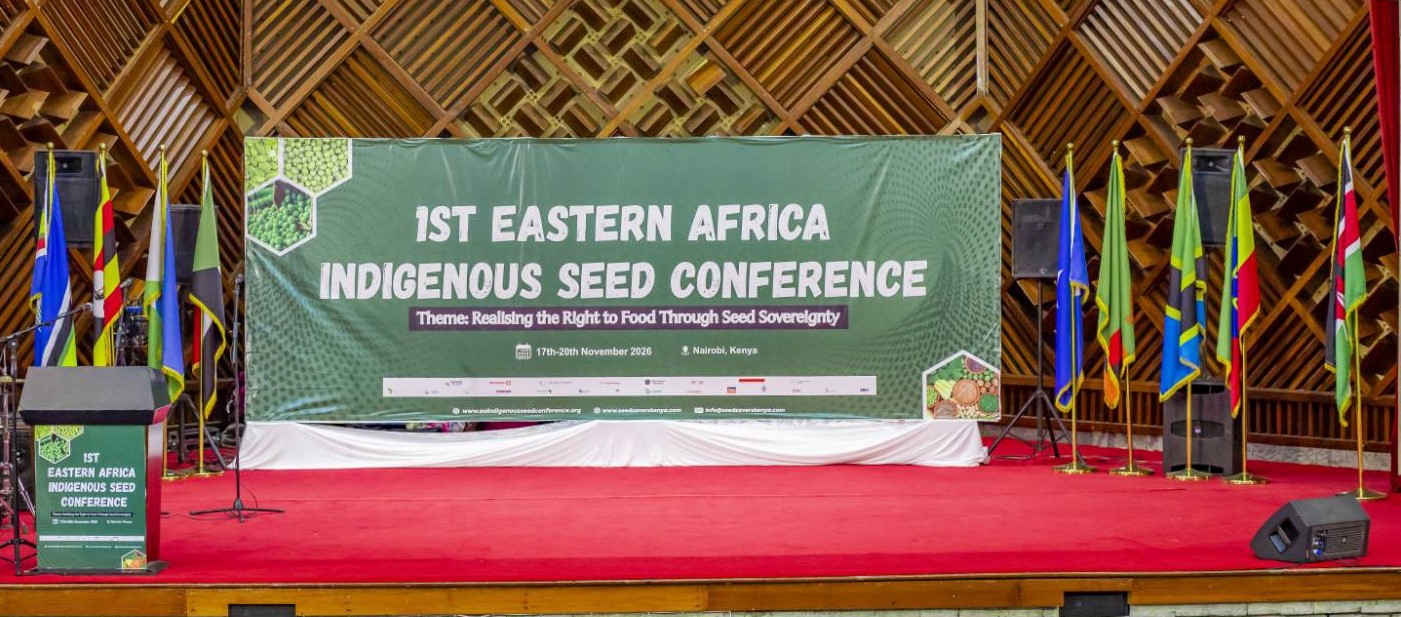
African women will present research findings on indigenous seeds, nutrition, and climate resilience in Nairobi, Kenya.
Related posts:
 Farmers’ seed systems take centre stage as the first Eastern African Indigenous Seed Conference opens in Kenya.
 1st Eastern Africa Indigenous Seed Conference 2026 | EA-ISC Nairobi
 East African women unite and meet in Nairobi to develop strategies to protect communal tenure systems and collectively resist false climate solutions.
 Witness Radio and Seed Savers Network are partnering to produce radio content to save indigenous seeds in Africa.
MEDIA FOR CHANGE NETWORK
Farmers’ seed systems take centre stage as the first Eastern African Indigenous Seed Conference opens in Kenya.
Related posts:
 The Indigenous Seeds movement in East Africa is convening in Kenya, with the potential to reshape the region’s food systems.
 1st Eastern Africa Indigenous seed conference 2026
1st Eastern Africa Indigenous Seed Conference 2026 | EA-ISC Nairobi
 Seed Sovereignty: Most existing and emerging laws and policies on seeds are endangering seed saving and conservation on the African continent.
Related posts:
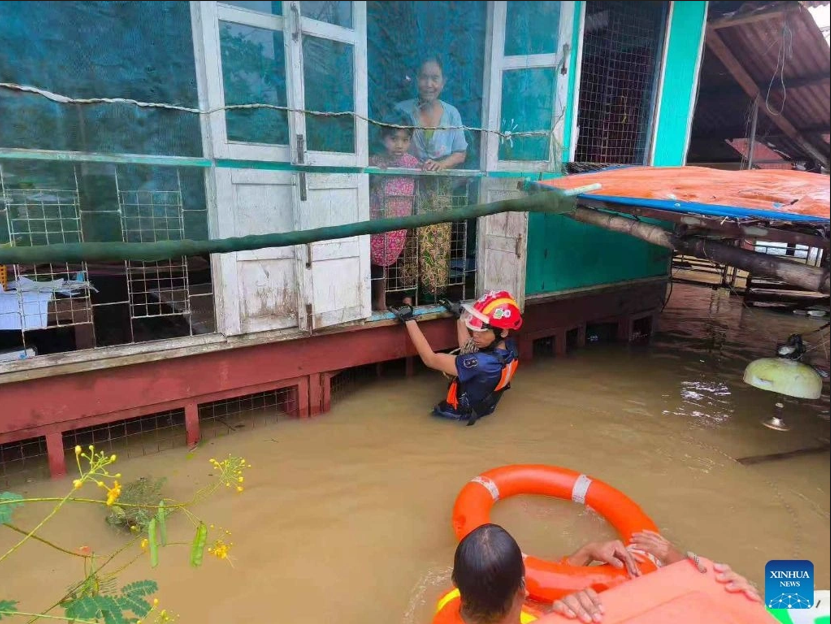
 FAO warns of severe dry spell
 More than 1.1 billion people worldwide face a risk of land eviction – Global report
 More than 17,000 people in the Philippines face eviction from their ancestral land for a multimillion-dollar energy project.
 The Fight for Climate Justice: African Women at the Forefront

African women will present research findings on indigenous seeds, nutrition, and climate resilience in Nairobi, Kenya.

Farmers’ seed systems take centre stage as the first Eastern African Indigenous Seed Conference opens in Kenya.

Drought leaves Bulambuli families struggling for food

Nearly 90 mln displaced people face severe climate risks

Environmental and human rights advocates are urging the world to hold global investors accountable for their actions.

Kiryandongo district, a notorious hotspot for land grabs in Uganda: A bitter land dispute spanning 22 years has left residents landless and food-insecure, while the investor anxiously guards his investment.

A coalition of 625 African faith leaders will gather, united in their call for reparations in response to what they describe as the failure of a Gates-backed agricultural model.

African faith leaders are raising their voices for reparations as AGRA’s 20-year legacy faces intense scrutiny.

Innovative Finance from Canada projects positive impact on local communities.
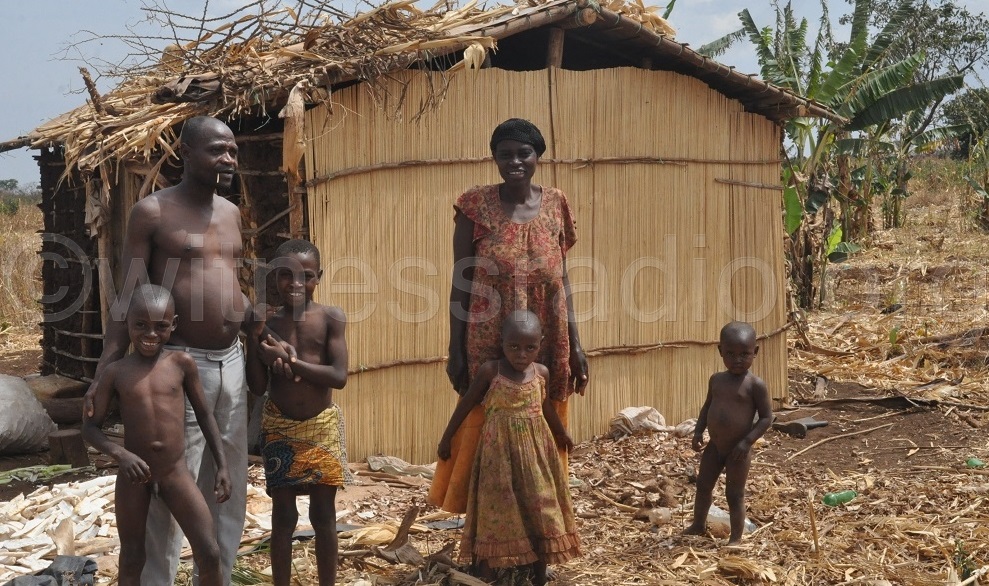
Over 5000 Indigenous Communities evicted in Kiryandongo District
Petition To Land Inquiry Commission Over Human Rights In Kiryandongo District

Invisible victims of Uganda Land Grabs
-
 MEDIA FOR CHANGE NETWORK2 weeks ago
The African Union recognizes farmers’ vital seed rights, yet national laws can still get in the way, creating hurdles for those who depend on these traditions.
-
 MEDIA FOR CHANGE NETWORK1 week ago
Negotiations are in motion to forge new international principles that will finally hold oil companies accountable for the scars they leave on people and the planet.
-
 MEDIA FOR CHANGE NETWORK2 weeks ago
The economic promise of climate action: How governments, businesses, and communities can join forces for a sustainable future.
-
 MEDIA FOR CHANGE NETWORK1 week ago
Development finance faces growing scrutiny as industrial livestock farming rapidly spreads across Africa.
-
 MEDIA FOR CHANGE NETWORK2 weeks ago
Gov’t Land Grabbed by Gov’t Officials: Minister Exposes Fraud Inside Lands Ministry
-
 MEDIA FOR CHANGE NETWORK1 week ago
Nearly 90 mln displaced people face severe climate risks
-
 FARM NEWS4 days ago
Drought leaves Bulambuli families struggling for food
-
 MEDIA FOR CHANGE NETWORK2 days ago
Farmers’ seed systems take centre stage as the first Eastern African Indigenous Seed Conference opens in Kenya.