Connect with us

MEDIA FOR CHANGE NETWORK

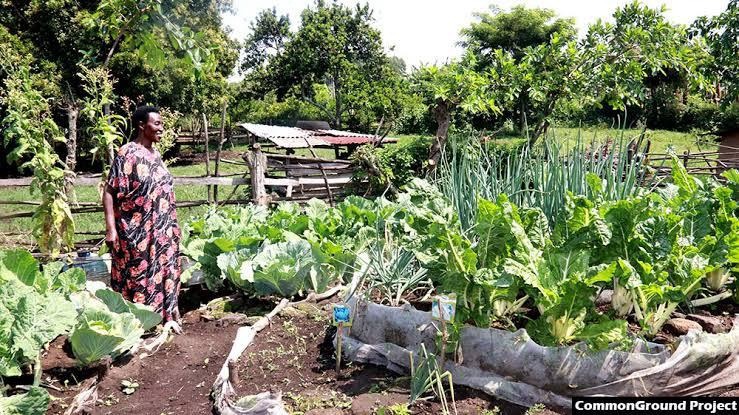
World Food Day 2026: Building healthy diets means reimagining how we grow, share, and enjoy our food.

Published

on

By the Witness Radio team.

In 2024, hunger affected an estimated 673 million people worldwide, the 2025 State of Food Security and Nutrition in the World report reveals, underscoring the urgent need to ensure everyone can access enough nutritious food.

Africa bears a heavy share of this crisis. Hunger affects about 307 million people, more than one in five on the continent. If nothing changes, experts warn that by 2030, as many as 512 million people could face chronic undernourishment, with nearly 60 percent living in Africa.

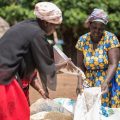
These numbers make it clear: we must transform our food systems now. It is not just about growing more food; it’s about ensuring everyone can enjoy diets that are diverse, safe, nourishing, and rooted in culture.

On World Food Day 2026, celebrated under the banner “Innovate Today, Nourish Tomorrow,” leaders urged the world to invest boldly in healthy eating, indigenous food traditions and agricultural breakthroughs that truly serve people’s needs.

Italy’s Minister for Agriculture, Food Sovereignty and Forestry, Francesco Lollobrigida, called for greater attention to healthy, balanced and sustainable diets, linking food consumption to human health, cultural heritage and environmental protection.

“To nourish tomorrow, it isn’t enough to invest in innovation and research and in waste reduction. We must also promote dietary habits that are healthy, balanced and sustainable, capitalizing on the deep link between food, health, culture and territory,” Lollobrigida said.

He highlighted Italy’s food culture as a living example of how what we eat can weave together nutrition, environmental care, and the fabric of social life.

“Food isn’t just nutrition; it’s a way of spending time together defending and protecting our environment and our health,” he said.

The minister also urged everyone to unite to tackle food waste, a challenge that stretches from farm fields to family tables. He stressed that governments, businesses, researchers and consumers must join forces through smart policies, new technologies and better food education to end waste.

While Italy’s minister focused on eating habits, King Letsie III of Lesotho, David Mohato Bereng Seeiso, called on African nations to embrace their indigenous foods, crops and traditional wisdom to boost nutrition.

The King noted Africa’s rich tapestry of traditional foods, livestock and aquatic resources, many perfectly suited to local environments and packed with nutrition. Yet he observed researchers, markets and public campaigns too often overlook these treasures.

“Countries must be assisted to promote indigenous traditional and underutilized foods as part of healthier diets, biodiversity conservation, climate adaptation and local economic development,” he said.

He added that building value chains around locally adapted foods could open doors for smallholder farmers, women and young entrepreneurs, all while helping communities safeguard their food heritage.

“While restoring pride in Africa’s food heritage, innovation does not mean abandoning tradition; it means combining the best of modern science with the knowledge and experience of our communities. Nourishing tomorrow should also begin with investing in children today,” King Letsie III added.

His words highlight the need to help farmers preserve locally adapted crops and seeds while harnessing science to boost harvests and nutrition.

FAO Director-General Qu Dongyu said scientific innovation should be judged by its contribution to people’s lives rather than by technological advances alone.

“Innovation is not only about the technology, but it’s also about people. It is about enabling people to turn knowledge into opportunity, science into solutions and hope into action,” he said.

He cited satellite monitoring, early-warning systems, improved irrigation, and digital technologies as tools that can help farmers protect harvests, manage resources, and access markets and financial services.

Today, science provides farmers with tools previous generations could hardly have imagined. Satellites monitor crops from space, helping detect threats before harvests are lost. Early warning systems give farming families time to prepare for droughts, floods and other risks. Smarter irrigation lets farmers produce more food while using less water. Digital technologies connect rural communities to markets, financial services, and networks once out of reach, especially for smallholder farmers. These innovations can strengthen food security, stabilize incomes and create better opportunities for future generations.

Yet innovation alone is not enough. Its true value lies in reaching those who need it most and ensuring successful solutions can be shared and scaled up. The most effective innovations are those developed with farmers and rural communities, considering their needs, knowledge and local conditions, he said.

King Letsie III said transforming food systems requires political leadership, stronger institutions, and adequate nutrition financing.

“Our parOur parliamentarians approve budgets, enact laws, oversee government action and represent citizens’ priorities. I therefore welcome FAO’s engagement with the Pan-African Parliament and national and sub-regional parliamentary alliances on food security and nutrition. Through parliamentary capacity development, FAO is helping legislators create stronger enabling environments. Parliamentarians can and should champion adequate financing for nutrition, protect school meal budgets, promote healthy food environments, improve food safety laws, support women and youth and hold institutions accountable for the commitments made to our people.” He said.

He highlighted school feeding programs as one way to improve children’s diets while creating markets for locally produced food.

Nutritious school meals are a strategic investment that can improve diets, attendance, and learning; strengthen social protection; and create steady demand for locally produced food. Homegrown school meals connect agriculture, nutrition, education and local economic development. School meals should do more than relieve short-term hunger. They should support physical and cognitive development, encourage lifelong healthy habits, strengthen local economies and provide practical learning on nutrition, food safety, hygiene, biodiversity and respect for food. Safe water, sanitation and hygiene are also essential to ensure every meal advances health, dignity and learning, he added.

These leaders’ voices send a clear message: we must bridge the gap between what is grown in fields and what nourishes people’s bodies and lives.

Africa needs stronger links among farmers, researchers, universities, policymakers, entrepreneurs and investors. Solutions that show promise must move beyond pilots and laboratories, be adapted to local realities and scaled through effective institutions and sustainable financing,” the King said.

He emphasized that young people must be at the heart of this movement, with skills, funding, land, digital tools, mentors, and access to markets.

Continue Reading

MEDIA FOR CHANGE NETWORK

The African Union recognizes farmers’ vital seed rights, yet national laws can still get in the way, creating hurdles for those who depend on these traditions.
Published

on

By the Witness Radio team.

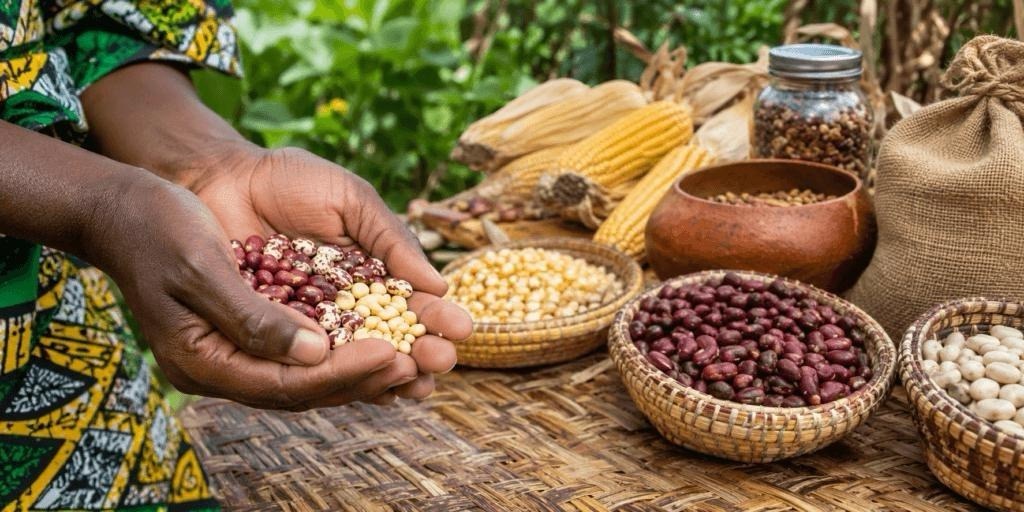
For generations, smallholder farmers across Africa have carefully saved, replanted, and exchanged seeds, nurturing crop varieties that sustain their families and communities. But as governments introduce stricter seed regulations, many are now questioning just how secure these age-old practices truly are.

A new African Union (AU) policy framework on Farmer-Managed Seed Systems aims to shift this landscape by honoring the vital role of farmers who produce, preserve, and share seeds beyond formal commercial channels. Yet concerns are growing that the framework’s promise may fall short if national seed laws continue to restrict the very rights it aims to champion.

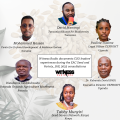
Farmers, civil society organizations, and legislators voiced these worries during a post-summit webinar on November 4, 2026, delving into the new continental policy’s impact and its significance for ongoing efforts to harmonize seed laws within the East African Community (EAC).

The evaluation convening was spearheaded by the Center for Food and Adequate Living Rights (CEFROHT), the Swiss Foundation for Development Cooperation (SWISSAID) and the Eastern and Southern Africa Small Scale Farmers’ Forum (ESSAF).

These discussions built on the momentum of the inaugural Africa Seed Summit, held from October 5 to 7 in Ezulwini, Eswatini, under the banner Resilient Seed Systems for a Food Secure Africa. Hosted by the African Union Commission and the Government of Eswatini, the summit united African leaders, agriculture ministers, seed experts, farmer organizations, and private sector voices to chart the future of seed systems across the continent.

Key outcomes included the Ezulwini Declaration on African Seed Systems, the unveiling of the 2025 Seed Sector Performance Index Status Report, and a refreshed 10-year action plan for the Africa Seed and Biotechnology Program.

The summit also set a new continental policy course, recognizing farmer-managed seed systems as a lifeline for smallholder farmers and urging greater investment in community seed banks, farmer networks, agricultural biodiversity, and the safeguarding of plant genetic resources.

Yet for farmers and the organizations that stand with them, true recognition means being able to keep using and sharing the seeds they have carefully preserved through generations.

The National Coordinator of ESSAF Uganda, Mrs. Nancy Mugimba, said farmers remain at the center of food production, calling for discussions about food security to go beyond the quantity of food produced to consider the quality and resilience of the seeds from which it comes.

She argued that indigenous seeds managed by smallholder farmers have an important role in helping communities withstand difficult agricultural conditions.

“All the seeds are not uniform, but when it comes to issues of hunger, you’ll find that it is usually the indigenous seeds that are managed by the small-scale farmers that are resilient to all these conditions,” she said.

Mugimba stressed that farmers’ ability to maintain and access a rich diversity of seeds is crucial as communities face drought, shifting weather patterns, and looming food shortages.

While the AU framework recognizes the value of farmer-managed seed systems, its approach to farmers’ rights has sparked concern among civil society groups that support smallholder farmers.

Mrs. Joan Kembabazi from CEFROHT welcomed the spotlight on farmer-managed seed systems but questioned whether the framework truly offers enough safeguards for farmers to freely save, use, exchange, and sell their seeds.

The United Nations Declaration on the Rights of Peasants and Other People Working in Rural Areas (UNDROP) recognizes farmers’ rights to save, use, exchange and sell farm-saved seeds, subject to national law. However, Kembabazi said the AU framework does not adequately address how to protect these rights where national laws impose restrictions.

She cautioned that tying farmers’ rights to national seed laws could undermine the very protections the continental framework is meant to deliver.

“If there are any national seed laws that have already been developed that would not uphold the rights of farmers, then this particular conflict is going to limit how much of the farmers’ rights can be exercised in relation to saving, using and exchanging seed as something we think is a very big weakness with this law,” she said.

Kembabazi also cast doubt on the framework’s legal muscle, pointing out that as a policy instrument, it lacks the force of a binding treaty. Member states are encouraged, but not required, to align their national laws with its recommendations.

She also pointed out gaps in how the framework addresses farmers’ rights to sell seeds. She noted its scant attention to legal conflicts with instruments like the International Union for the Protection of New Varieties of Plants (UPOV) and national seed marketing laws.

These concerns are especially pressing in East Africa, where efforts to harmonize seed regulations are unfolding alongside calls for stronger recognition of agroecology and farmer-managed seed systems.

Continue Reading

MEDIA FOR CHANGE NETWORK

The economic promise of climate action: How governments, businesses, and communities can join forces for a sustainable future.
Published

on

By the Witness Radio team.

Climate action is no longer just an environmental concern; it has become an economic imperative as governments and businesses face mounting costs from climate disasters, energy insecurity, and environmental harm.

Investing in renewables, land restoration, and climate resilience not only safeguards economic growth and livelihoods but also helps prevent future losses. But capital alone is not enough; lasting progress demands steady government policies, private-sector commitment, and true community engagement.

These urgent topics took center stage at a high-level discussion hosted by the Organization for Economic Co-operation and Development (OECD) ahead of COP31, where leaders from international institutions, business, and the environmental sector explored how partnerships can speed up climate action.

Presenting the OECD’s economic analysis, Mr. Jaime de Bourbon de Parme, the OECD Environment Director, argued that despite uncertainty in international climate negotiations, the real economy continued to move toward cleaner energy and climate-related investment.

“What hasn’t been stalling is the real economy,” he said, arguing that the focus was increasingly shifting from setting climate ambitions towards implementing them.

He said clean energy is becoming important not only for reducing emissions but also for strengthening energy security and reducing dependence on volatile fossil fuel markets.

“Fossil fuels were seen as a stable energy source and renewable energy was the new kid on the block. Now we see that fossil fuels are seen as a source of instability, and renewable energy is a source of stability going forward,” Jaime said.

Jaime also pointed to the growing investment in clean energy, noting that of approximately $3 trillion invested in energy systems, about $2 trillion went towards clean energy, compared with $1 trillion for fossil fuels. He adds that early investment in climate action is therefore not simply an environmental choice but an economic decision.

“The costs today are cheaper than in five years or in 10 years or in 15 years. So, acting early makes sense,” he said.

To turn climate investment pledges into real progress, businesses need policies that inspire long-term confidence. Peter Bakker, President and CEO of the World Business Council for Sustainable Development (WBCSD), noted that sustainability is fast becoming a competitive edge for companies, not just a box to tick for corporate responsibility.

Drawing on the organization’s Business Breakthrough Barometer, which surveyed more than 500 executives across more than 50 countries, Bakker said 89 percent of companies expected to maintain or increase their sustainability investments compared with the previous year.

He also noted that 85 percent of respondents wanted more government policy, rather than less, to support the transition.

He also warned against focusing solely on the supply side of the energy transition, stressing that governments must spark demand for cleaner technologies while investing in their production.

“We shouldn’t only focus on the supply side; we must focus on the demand side,” he said.

Bakker highlighted the private sector’s growing opportunities, from electrification and energy-smart buildings to cleaner ways of making goods.

Beyond energy, restoring damaged land and boosting drought resilience open new doors to blend environmental protection with economic growth.

Dr.Yasmin Fouad, Executive Secretary of the United Nations Convention to Combat Desertification (UNCCD), said land degradation and drought were increasingly threatening economic stability, food security and human livelihoods.

She noted that half of global GDP depends on nature. At the same time, one-fifth of the world’s land is already degraded, affecting approximately 1.3 billion people, and restoring degraded land should be treated as an economic investment rather than an expense government can postpone.

“The studies show you that for every dollar that you are investing now as a cost to restore land, there is a revenue that comes to around $30,” Fouad said.

Yet, despite these promising economic returns, she admitted that scarce financing, budget strains in vulnerable countries, and too few projects ready to attract private capital still hold back land restoration investment.

She proposed a financing approach in which multilateral development banks help reduce investment risks, making it easier for private companies to participate in restoration projects.

“The financial architecture that was developed for renewable energy needs to be transferred and realized very quickly on land restoration,” she said, adding that under such arrangements, development banks could help reduce the risks associated with restoration projects, making them more attractive to private investors.

Fouad also emphasized the importance of aligning national policies so that investments in climate adaptation, agriculture, biodiversity and land restoration reinforce rather than compete with one another. She pointed to the UNCCD’s Business for Land initiative, which brings governments and businesses together to discuss investment opportunities in land restoration.

The initiative has attracted interest beyond agricultural companies, including businesses in the fashion, beverage. However, she emphasized that investment only works when paired with secure land rights and real community involvement full of community participation.

“If we don’t have clear land rights to allow the private sector to invest, and clarity on how many years I’m owning land, what is the legality of that, that would really prevent the private sector from pitching in,” she said.

While restoring land helps reduce environmental risks, climate resilience must also be woven into infrastructure planning and investments. Mark Fletcher, Head of Zurich Resilience Solutions for Asia-Pacific, urged businesses and governments to factor in climate risks before breaking ground, not after disaster strikes.

“The fundamental barrier today is that resilience is still treated as a recovery tool, not as a design input,” he said.

Fletcher cited research by Zurich on renewable energy assets across Southeast Asia, covering more than 1,000 wind, solar, geothermal and hydropower locations.

The assessment found that 75 percent of these sites, worth an estimated $165 billion, face high risk from climate hazards within five years. Investing in resilience from the start could slash future losses.

According to Fletcher, the study estimated that investing approximately $13 billion in resilience measures at the investment stage could prevent about $85 billion in future losses.

He suggested that insurers can nudge businesses toward resilience by rewarding reduced risks with better insurance terms, such as improved coverage and lower deductibles. protection, that property is a better risk,” he said,

Governments, financial institutions, and businesses all play vital roles in funding and driving climate action. Still, the conversation also underscored the importance of bringing communities into the heart of the transition.

Fouad cautioned that restoration projects risk causing new problems if local communities are left out of decisions about the land and resources they rely on.

“If you don’t do that, you may end up doing something that they did not participate in, and again that would cause conflict and cause migration,” she said.

Jaime also highlighted civil society’s crucial role in building trust and shaping climate investments for the long haul. He described these organizations as bridges, connecting governments and businesses with the communities their investments touch.

“Civil society has an important role in ensuring that the just transition is inclusive and sustainable. Beyond their traditional role of holding institutions accountable, civil society organizations can build relationships and act as agents of trust, helping ensure environmental initiatives are designed for long-term success. This requires a shift from criticism towards collaboration, with governments, businesses and communities working together to advance the transition,” he concluded.

Continue Reading

MEDIA FOR CHANGE NETWORK

Gov’t Land Grabbed by Gov’t Officials: Minister Exposes Fraud Inside Lands Ministry
Published

on

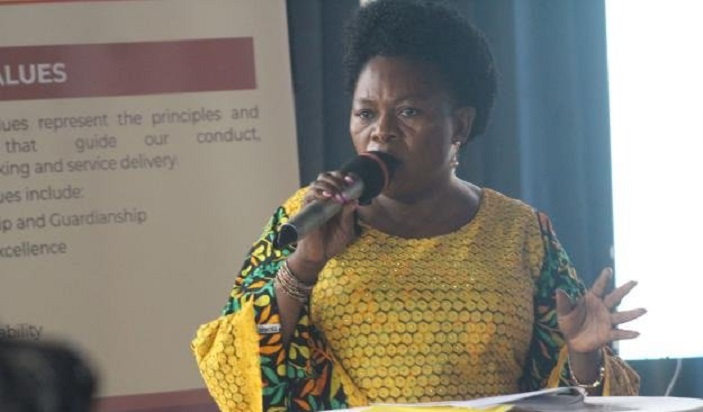
Government land across Uganda is increasingly being grabbed, encroached on and fraudulently titled, with some officials in the Ministry of Lands, Housing and Urban Development accused of facilitating illegal transactions, State Minister for Lands, Harriet Ntabazi, has said.

Ntabazi said some high-ranking government officials with access to information in the ministry had acquired titles on public land, while others had illegally occupied government property and were using it for activities not authorised by government. She also accused some ministry officials of deliberately issuing multiple titles on the same piece of land despite records showing the property belongs to government.

She said government is strengthening land information systems to prevent fraudulent transactions and improve integrity of land records. Ntabazi made the remarks on Tuesday during a regional stakeholders’ engagement on development of a comprehensive government land inventory organised by the Uganda Land Commission (ULC) at Hoima Resort Hotel in Hoima City.

She cautioned individuals illegally occupying government land to voluntarily vacate before enforcement measures are taken. She said government land, including property occupied by health facilities, police stations, district headquarters, markets, schools, road reserves, forests, game reserves, wetlands and other public institutions, must be protected from encroachment and fraud.

Ntabazi urged district technical officers, town clerks, land officers, physical planners, surveyors, natural resources officers and political leaders to ensure accurate information about public land is collected and submitted to relevant authorities. She said districts should take responsibility for establishing accurate inventories of government land instead of waiting for the Ministry or ULC.

The minister said government has embarked on identifying, verifying, profiling, registering and titling all its land to protect it from illegal occupation and land grabbing. She cited Section 3.7, Statement 27 of the National Land Policy 2013, which requires government to audit, survey, title and maintain an inventory of government and public land.

Ntabazi called on leaders and stakeholders in Bunyoro and across the country to take active role in identifying and documenting government land in their areas. She said the exercise would also enable government to establish a land bank for future expansion, industrialisation, infrastructure development and investment.

The minister however reassured lawful landowners that the exercise was not intended to dispossess people who had legally acquired land in good faith. She emphasised importance of protecting government land in Bunyoro, citing the region’s strategic importance due to ongoing oil and gas developments, construction of Kabalega International Airport and other major infrastructure projects.

ULC: Most Gov’t Land Untitled

Prof. Pen Mogi Nyeko, Chairperson of the Uganda Land Commission, said a significant portion of government land remained untitled, exposing it to encroachment and fraudulent acquisition. Nyeko said the Commission, the Ministry of Lands and local governments need to work together to protect public land.

He said a comprehensive government land inventory would help reduce land disputes arising from inadequate records while protecting environmentally fragile areas and public utility corridors. Nyeko added that reliable geospatial land data is essential for infrastructure development, service delivery and effective planning.

He called on religious institutions, civil society organisations and opinion leaders to mobilise communities to provide information about leases granted by or obtained from government.

Hoima LCV Chairperson Uthman Kadir Mugisa said the district had so far titled 60 percent of its government land, adding that local government allocates funds annually towards securing titles for public property.

However, Mugisa raised concern over allegedly fraudulent titles acquired by wealthy individuals and speculators, saying some were being used to threaten hundreds of residents with eviction. He asked the Ministry of Lands to investigate how the titles were obtained and cancel those found to have been fraudulently acquired.

Hoima City Mayor Edward Isingoma said increasing population was putting pressure on land in Bunyoro. He asked the Ministry to consider providing free land titles to residents, arguing that cost and bureaucracy made the process inaccessible to many.

Buliisa LCV Chairperson Twairi Atuhaure Wandera also reported increasing cases of land grabbing in the district, saying the situation had left many residents uncertain about security of their land.

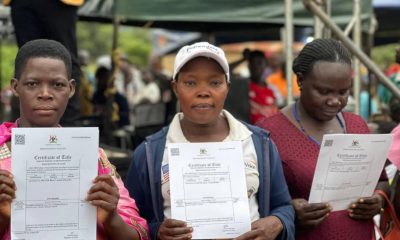
He called on the ministry to extend free land titling services to residents through the Systematic Land Adjudication and Certification (SLAAC) programme.

Hoima Resident City Commissioner Badru Mugabi said about 70 percent of their work involved resolving land-related disputes, reflecting growing pressure on land in Bunyoro. He said some wealthy individuals had encroached on government land, adding that the proposed inventory would help safeguard public property.

The engagement attracted district surveyors, district land board committees, Resident District Commissioners, Chief Administrative Officers, LCV chairpersons and town clerks from across Bunyoro sub-region.

Source: -URN Via businessfocus.co.ug

Continue Reading

Resource Center

Legal Framework

READ BY CATEGORY

Facebook

Newsletter

Subscribe to Witness Radio's news and report updates


Trending

Subscribe to Witness Radio's news and report updates