Connect with us

MEDIA FOR CHANGE NETWORK

Smallholder farmers were excluded from the consultative process for the East African Community Seed and Plant Varieties Bill, 2025: CSOs across the EAC call for a time extension and greater inclusion of smallholder farmers in shaping the bill.

Published

on

By the Witness Radio team.

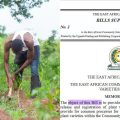
Civil society organizations throughout the East African Community are raising their voices, urging that smallholder farmers and farmer-managed seed systems practitioners receive the recognition they deserve in the upcoming East African Community Seed and Plant Varieties Bill, 2025.

This call to action follows public hearings held across EAC partner states from August 26 to 28, 2026. Diverse voices gathered to shape the future of regional seed legislation. However, participation by smallholder farmers and farmer-managed seed systems practitioners was limited.

These hearings united government officials, farmers, civil society groups, researchers, seed regulators, commercial seed sector representatives, and other stakeholders, all eager to share their perspectives and recommendations on the Bill.

The proposed legislation aims to create a unified approach to seed and plant variety regulation across the region. It covers seed certification, variety release, and the movement and trade of seeds across borders.

Civil society organizations from several countries argue that the proposed framework overlooks the vital role of smallholder farmers and farmer-managed seed systems practitioners who have sustained farming communities for generations.

They emphasize that although the formal and commercial seed sector is important, farmers must retain the freedom to save, exchange, multiply, and replant seeds within their communities.

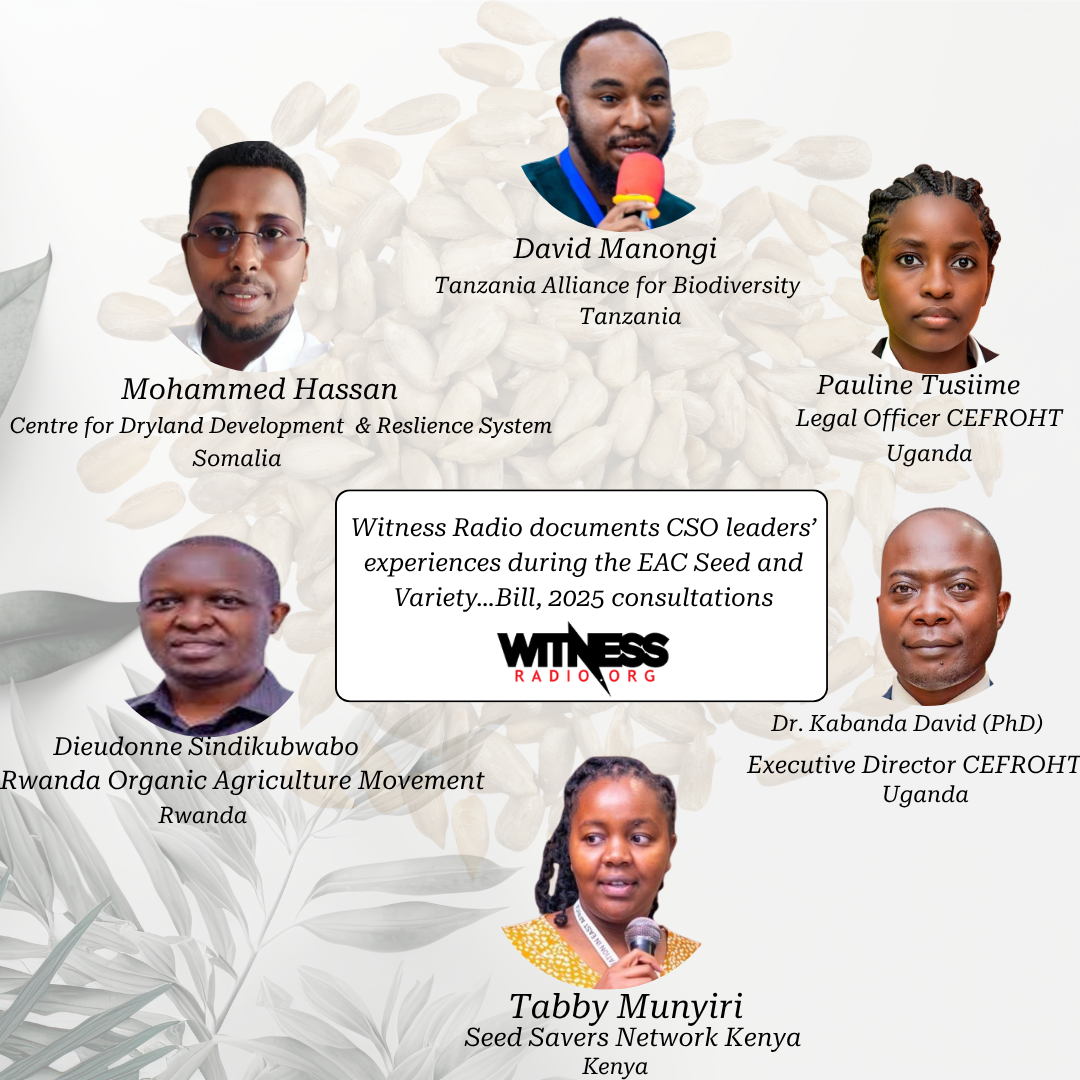
In Kenya, civil society organizations participated in the public hearings, advocating for recognition of farmers, farmer-managed seed systems, traditional landraces, and community seed banks.

Tabby Munyiri of Seed Savers Network said the concern was not about rejecting the formal seed sector, but ensuring that farmers have a choice.

“We recognize the importance of the formal seed system, and we believe that farmers should be able to have an option; farmers should be able to have a choice, and that is why we are calling for an inclusive law,” Munyiri said.

She highlighted that traditional and indigenous seed varieties are crucial for preserving biodiversity and equipping farmers with more options as they adapt to shifting climate conditions.

In Uganda, civil society organizations echoed these concerns, stressing the need to explicitly recognize farmer-managed seed systems rather than relying on vague references to farmers in the proposed regional framework.

During the consultations, Dr. David Kabanda of the Center for Food and Adequate Resources Rights Africa (CEFROHT) urged lawmakers to safeguard farmers’ rights and ensure that commercial interests do not undermine farmer-managed systems.

“We need to critically and deeply think about this issue as East Africans. We can wake up to a very sad reality, and it has started happening, when a few corporate companies take over everything,” Kabanda said.

Kabanda also questioned whether the proposed Bill aligns with the international and African commitments that EAC partner states have pledged to uphold.

He cited the International Treaty on Plant Genetic Resources for Food and Agriculture, particularly Article 9, which addresses farmers’ rights. Kabanda argued that the regional legislation should reflect these commitments and criticized the Bill for what he described as inadequate attention to farmers’ rights.

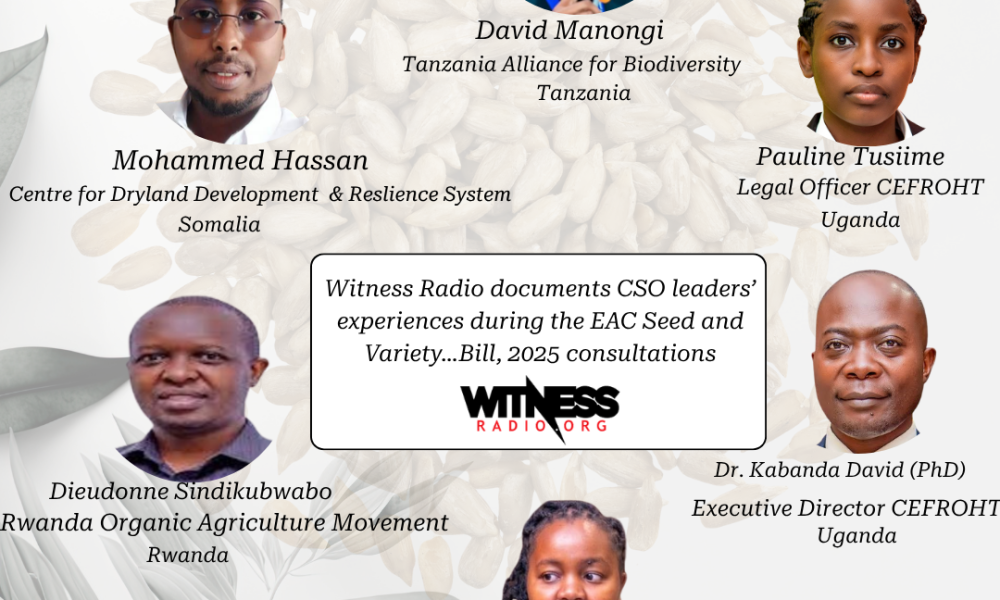
In Tanzania, civil society representatives described a consultation process that brought together a wide range of stakeholders. David Manongi of the Tanzania Alliance for Biodiversity (TABIO) noted that farmers, women, youth, civil society organizations, government officials, researchers, and seed regulators all took part in the discussions.

He added that civil society organizations held preparatory meetings before the public hearing to review the Bill and consolidate concerns and recommendations.

“The meeting provided us with an opportunity to review the Bill and consolidate the concerns and recommendations,” Manongi said.

According to Manongi, stakeholders advocated measures to safeguard farmer seed systems. They focused on ensuring that farmer-managed seed systems and community seed banks are recognized within the regional framework.

In Rwanda, civil society representatives voiced worries about the lack of awareness among organizations that work directly with smallholder farmers regarding the consultations.

Dieudonne Sindikubwabo, who works with the Rwanda Organic Agriculture Movement (ROAM), said many organizations working closely with farmers were unaware that the public hearings were taking place until the process had begun.

“I work with smallholder farmers daily. But when you look at how the Bill is designed, I feel very little involvement of smallholder farmers was done,” Sindikubwabo said.

He explained that his concerns went beyond participation to the substance of the proposed legislation.

Sindikubwabo pointed out that the Bill favors commercialization but falls short in clearly outlining farmers’ rights to keep, exchange, and multiply seeds.

“The Bill is not in favor of smallholder farmers, because they are just focusing on commercialization,” he said.

In Burundi, civil society representatives questioned the inclusiveness of the consultation process, noting they were not formally invited and that farmers were missing from the discussions.

Tusiime Pauline, a legal adviser assisting Burundian civil society organizations, stressed that the absence of farmers was especially troubling since the proposed legislation will directly impact them.

“We didn’t have the farmers there because farmers were not invited,” Pauline said.

She noted that civil society representatives still attended and presented recommendations after preparing submissions and proposed amendments to the Bill. However, she lamented that the discussions largely ignored concerns about farmers’ absence.

“We managed to attend the hearings despite lacking a formal invitation. Leaving out civil society and farmers without inviting them makes the process unfair,” she said.

In Somalia, civil society representatives voiced broader worries about whether rural communities have the awareness and capacity to understand and participate in policy discussions that directly affect them.

Mohammed Hassan from the Center for Dryland Development & Resilience Systems (CDDRS) emphasized the need to share information about the proposed legislation with rural communities, especially those relying on farming and traditional production systems.

“We need to make sure information about these policies reaches rural communities, so the people directly affected can understand what is being discussed and have an opportunity to participate.”

Hassan pointed out that public awareness is crucial because many rural communities may lack sufficient information about policy debates at national and regional levels.

The stories shared by civil society representatives from six of the eight EAC partner states reveal a patchwork of experiences with the consultations, bringing a range of perspectives into the ongoing debate over seed and plant variety regulation in East Africa.

Although the proposed law aims to establish a unified regulatory framework for the region, civil society organizations are urging lawmakers to ensure it also reflects the lived realities of farmers who rely on seed systems beyond the formal commercial market.

Their submissions raise broader questions about how the regional seed system can balance commercial interests, farmers’ rights, biodiversity, and the ongoing use of indigenous and farmer-managed seed systems.

The organizations are also calling for the concerns voiced during the consultations to be genuinely considered before the Bill moves forward in the legislative process.

For farmers, the outcome of this process could determine how they access, save, exchange, and use seeds for years to come. As the EAC weighs the recommendations from the consultations, all eyes are now on how these competing perspectives will shape the next version of the proposed law.

Continue Reading

MEDIA FOR CHANGE NETWORK

Eastern Africa seed conference ends with calls for food security

Published

on

The first Eastern Africa Indigenous Seed Conference concluded Friday in Nairobi, the Kenyan capital, with delegates calling for greater efforts to harness the diversity of Africa’s indigenous food crops to combat hunger and malnutrition.

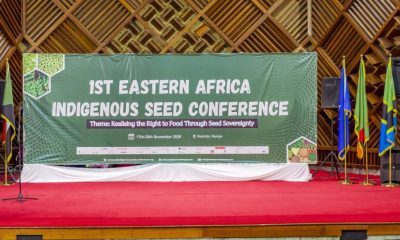
The four-day conference, held under the theme “Realizing the Right to Food Through Seed Sovereignty,” brought together senior policymakers, lawmakers, researchers and smallholder farmers from across Africa to discuss the role of indigenous seeds in achieving food and nutritional security.

Daniel Wanjama, executive director of the Seed Savers Network, said the conference has sparked renewed momentum toward placing indigenous seeds at the center of Africa’s food systems transformation.

Wanjama said about 80 percent of the seeds African smallholder farmers use come from farmer-managed systems, most of which are indigenous varieties. He underscored the need to strengthen their conservation through legislation, public awareness and agricultural policy reform.

Key themes discussed during the conference included promoting farmer-managed seed banks, diversifying native crops to boost resilience and nutritional security, advancing gender equality and inclusivity, and supporting community-based seed enterprises.

Francoise Uwumukiza, a member of the East African Legislative Assembly from Rwanda, said regional lawmakers have rallied behind efforts to enact policies and legislation that promote the conservation of indigenous seeds as part of a broader food security and rural development agenda.

“We are pushing forward all the initiatives that focus on food systems transformation and indigenous seeds protection. These initiatives are part of an ambitious roadmap to ensure that we eradicate hunger in the region,” Uwumukiza said.

Francis Ngiri, a smallholder farmer from Kenya, said governments should scale up support for community seed banks and indigenous crops to cope with climate shocks, shrinking arable land, pests and market volatility.

Source: english.news.cn

Continue Reading

MEDIA FOR CHANGE NETWORK

Seed Sovereignty: East African Farmers Push for Laws to Protect Indigenous Seeds and Biodiversity
Published

on

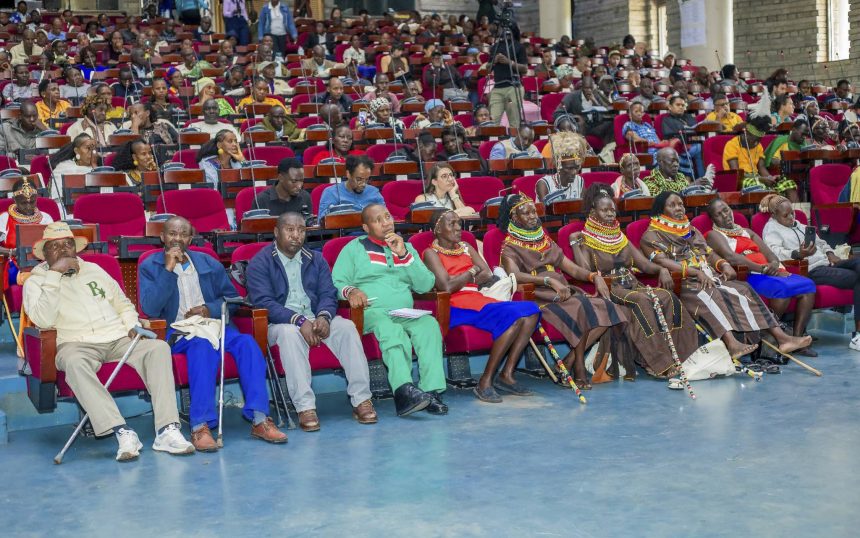
Nairobi-Stakeholders in farmer-managed systems across Africa meeting in Nairobi are pushing for strict legislation to protect indigenous seeds and safeguard traditional farming knowledge.

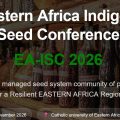
At the 1st Eastern Africa Indigenous Seeds Conference, farmers, researchers, policymakers, and civil society organisations from across Eastern Africa are calling for greater recognition and protection of farmer-managed seed systems against agricultural practices they say threaten traditional farming systems and biodiversity.

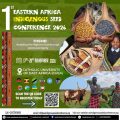
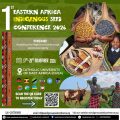
The four-day Conference, convened by Seed Savers Network, runs from November 17th to 20th, 2026, under the theme “Realising the Right to Food through Seed Sovereignty.”

The conference seeks to strengthen farmer-managed seed systems, promote agricultural biodiversity and advance farmers’ rights to save, exchange, use and improve indigenous seeds.

Speaking at the opening of the conference, Seed Savers Network Director Dr Daniel Wanjama warned that the lack of farmer-managed system-friendly laws not only exposes the farmer but also puts nations at risk of hunger.

“When we have 80% of food consumed being produced by millions of smallholder farmers, we cannot afford to have laws and policies that fail to protect such a critical group of people within the food value chain,” said Wanjama.

Wanjama cited Kenya, where he said a lack of farmer-managed system policies has seen the country lose 30% of its indigenous seed and plant varieties in the past 20 years.

Beatrice Wangui, a smallholder farmer and indigenous seed custodian, said protecting traditional seed varieties was essential to preserving Africa’s agricultural heritage and ensuring farmers retained control over what they grow.

She noted that indigenous seeds, passed down through generations, were adapted to local environmental conditions and offered farmers an important alternative as climate change increasingly disrupted agricultural production.

“These seeds are part of our heritage. Our parents and grandparents preserved them, not because they had no alternatives, but because they understood their value. Today, we are being pushed towards commercial seeds, yet we must not lose the freedom to save, replant and share the seeds that have sustained our communities for generations,” she said.

Katrin Voss-Rosa, Director of Luxemburg Foundation East Africa, argued that industrial agriculture was not benefiting the smallholder farmer.

She called on the donor community to shift focus from industrial food production funding and instead channel it to organic farming, which she says produces healthier food.

Van-Rosa warned that over-reliance on seeds susceptible to pest attacks and on fertilisers that affect soil health was not helping Africa’s food situation.

“We cannot be food secure and sovereign when we keep the indigenous farmer out of the equation,’’ she said.

The conference comes at a critical time, as the East African Legislative Assembly is expected to debate the East African Community Seed and Plant Varieties Bill, 2025, which seeks to harmonise seed registration, certification, marketing, and plant breeders’ rights across the region.

However, farmer organisations and civil society groups have raised concerns that the proposed regional legislation could undermine farmer-managed seed systems if it fails to recognise indigenous varieties and traditional seed-sharing practices adequately.

EALA MP David Ole Sankok said the regional legislature was committed to passing the proposed Bill to protect local seed varieties.

He warned that East Africa cannot afford to continue relying on exotic seeds, which he says has turned Africa into a net importer of food.

“We have four seed companies controlling almost 50% of the global seed market. This exposes the continent to the threat of biological warfare’’ said Sankok.

The conference is also expected to discuss the role of community seed banks in ensuring access to locally adapted varieties, preserving indigenous knowledge and helping communities recover from climate-related shocks.

Beyond food security, the conference will explore the conservation of indigenous livestock breeds, tree seeds and underutilised crops as important components of agricultural biodiversity.

Another expected outcome of the conference will be the establishment of a regional community of practice bringing together farmers, researchers, seed custodians, civil society organisations and policymakers to share evidence, strengthen partnerships and coordinate action beyond the conference.

According to the organisers, the initiative will provide a sustained platform for regional collaboration and ensure that the concerns and experiences of farming communities inform future agricultural policies.

Source: panafricanvisions.com

Continue Reading

MEDIA FOR CHANGE NETWORK

African women will present research findings on indigenous seeds, nutrition, and climate resilience in Nairobi, Kenya.
Published

on

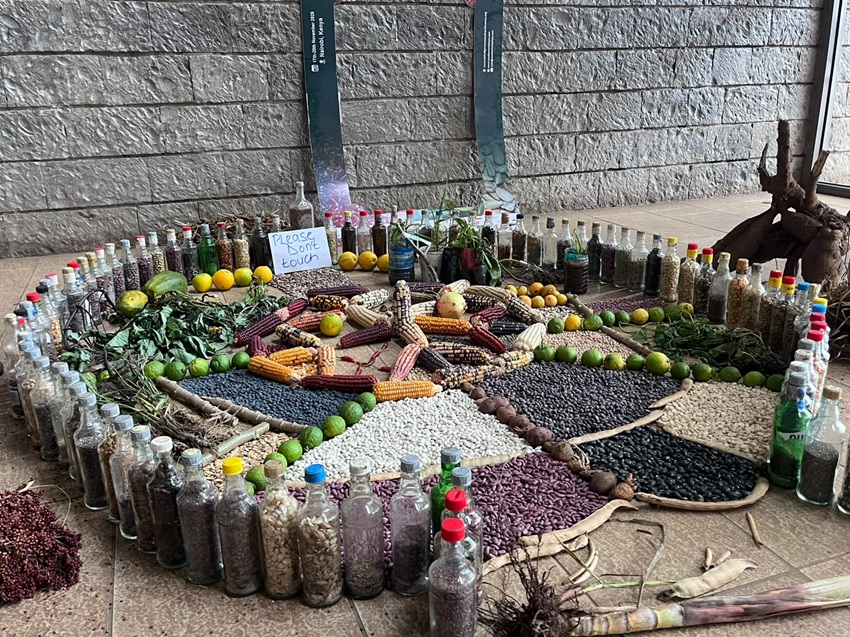
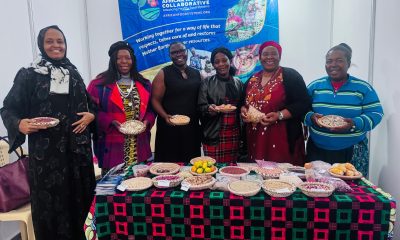
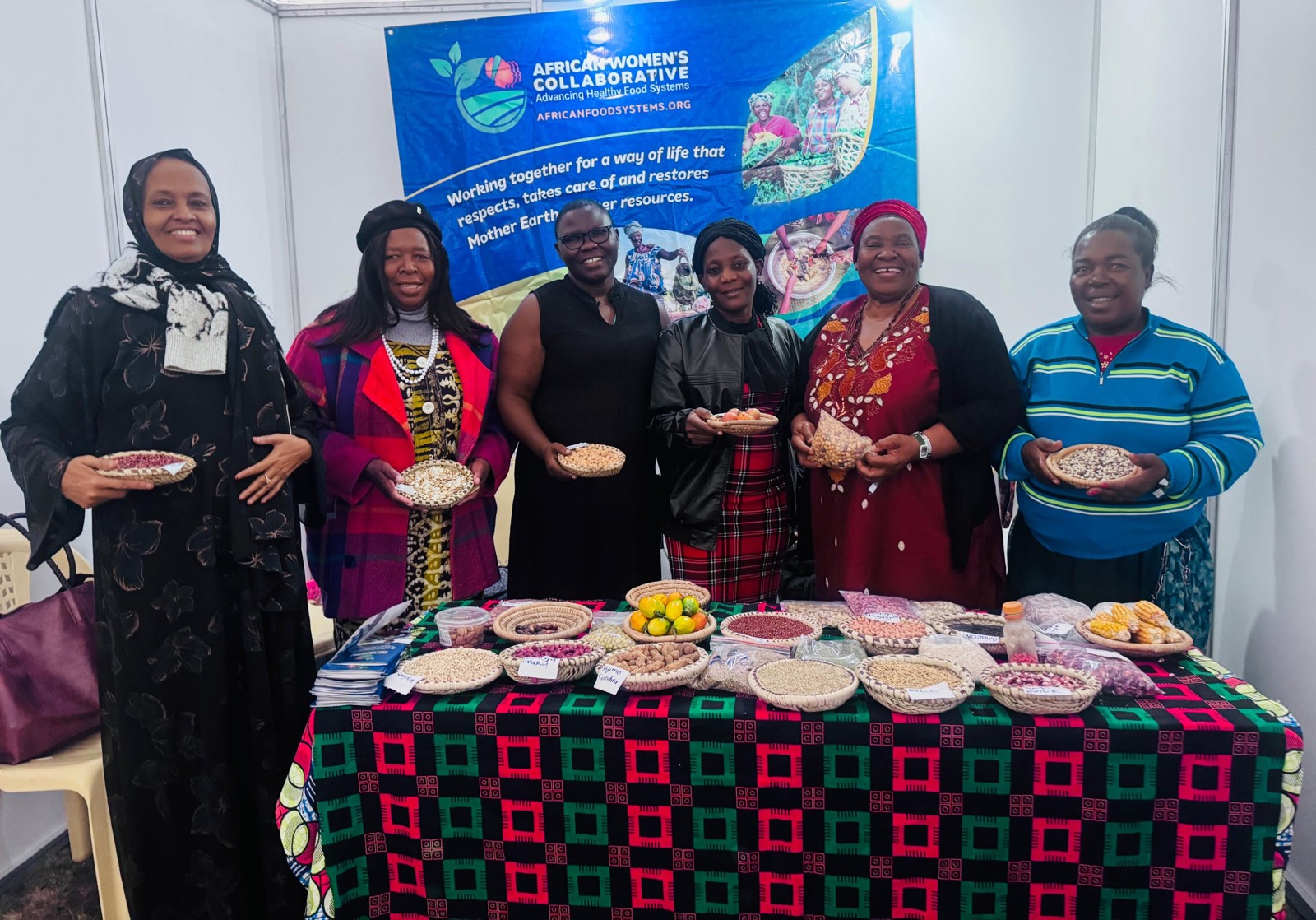
Farmers from 9 African countries who have champiioned the conversation on food and nutrition explain the nutritional benefits of the crops that they grow in their communities at their exhibition stall in Nairobi

By the Witness Radio Team.

Today, Thursday, November 19, the African Women’s Collaborative for Healthy Food Systems will present findings from its farmer-led research on indigenous seeds, African foods, and climate-resilient crops. This will take place during a side event at the First Eastern Africa Indigenous Seed Conference in Nairobi, Kenya.

The event, titled Indigenous Seeds, Nutrition and Resilience: Findings and Recommendations from Farmer-Led Research, will take place from 11:00 am to 12:30 pm at the Catholic University of Eastern Africa in Nairobi.

For those unable to attend in person, Witness Radio will broadcast the event live on its radio platform and social media channels, including YouTube.

The side event will present key findings and recommendations from two research reports: Empirical Study on Nutritional African Foods and Nutritional Assessment of Ten Climate-Resilient Food Crops.

This research documents the nutritional, cultural, economic, and agroecological value of local African foods. It shows how these foods support communities, preserve cultural knowledge, sustain rural livelihoods, and strengthen farming systems suited to their environments.

The event will facilitate discussion on how indigenous foods and climate-resilient crops can strengthen diverse food systems while recognizing the knowledge and practices of farming communities, particularly women who are key stewards of local foods and seeds.

Participants will review the research findings, examine the reports, and collaborate on strategies to support diverse and nutritious food systems resilient to climate challenges.

The African Women’s Collaborative for Healthy Food Systems is a Pan-African initiative that brings together peasant and indigenous women leaders and their organizations. Since 2017, the Collaborative has supported rural and indigenous women in shaping Africa’s food systems.

The Collaborative advocates for women’s rights and recognizes their contributions to food production, seed conservation, agroecology, and promoting nutritious local foods. It acknowledges women farmers as both producers and guardians of indigenous seeds and ancestral knowledge.

Through its Nutritional African Foods Initiative, the Collaborative promotes knowledge about foods grown by African rural women, who use agroecological methods and local resources to feed their communities.

The Nairobi side event brings together farmers, researchers, seed custodians, policymakers, and civil society organizations from Eastern Africa for the inaugural Eastern Africa Indigenous Seed Conference, held from November 17 to 20.

With the theme Realizing the Right to Food through Seed Sovereignty, the conference aims to empower farmer-managed seed systems and highlight farmers’ role in conserving, selecting, saving, exchanging, and using indigenous seeds.

Seed Savers Network organizes this gathering, providing a regional platform to share experiences, address policy challenges, and build alliances to protect indigenous seeds and agricultural biodiversity.

The Collaborative’s side event will contribute to these discussions by highlighting the connections between indigenous seeds, women’s knowledge, nutrition, and the resilience of local food systems.

The event will be broadcast live on Witness Radio and social media platforms on Thursday, November 19, from 11:00 am to 12:30 pm (East Africa Time).

Continue Reading

Resource Center

Legal Framework

READ BY CATEGORY

Facebook

Newsletter

Subscribe to Witness Radio's news and report updates


Trending

Subscribe to Witness Radio's news and report updates