Connect with us

MEDIA FOR CHANGE NETWORK

Hunger Soars in AGRA Countries Despite Decades of Green Revolution Push

Published

on

By Milliam Murigi

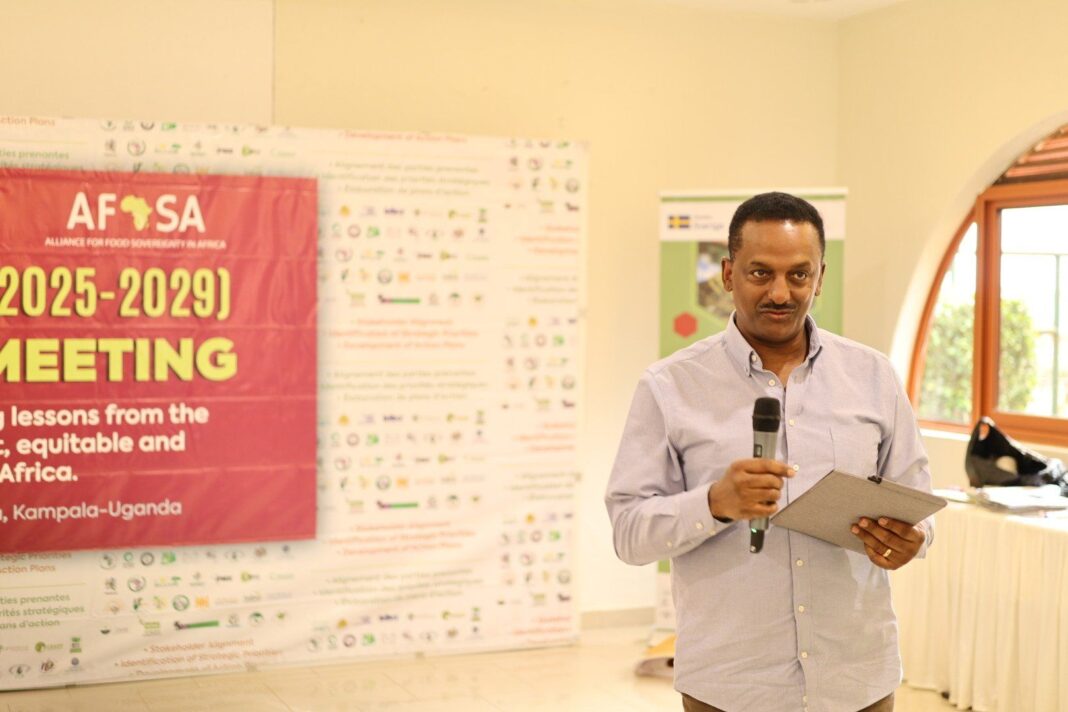
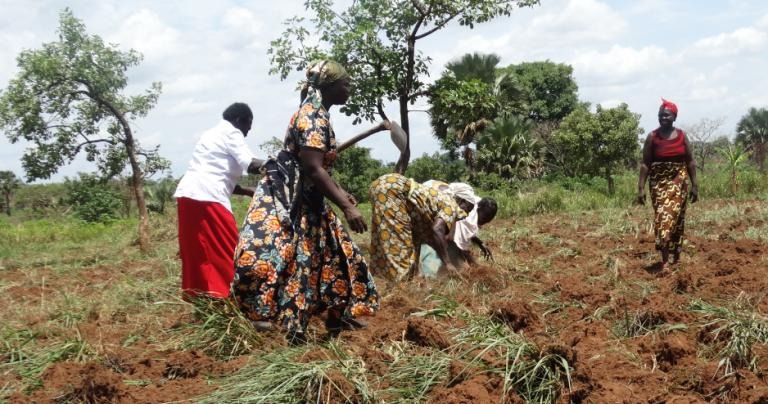
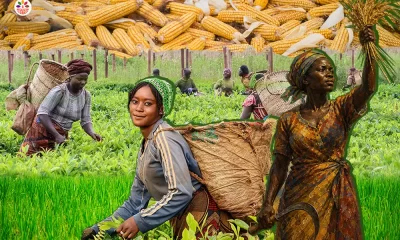
Two decades after the Alliance for a Green Revolution in Africa (AGRA) promised to transform African agriculture through improved seeds, synthetic fertilisers and better market access, a new report says hunger has instead increased across the countries targeted by the initiative.

The report dubbed, The Green Revolution Has Failed Africa: Twenty Years of Evidence and What Works Instead, finds that the number of chronically undernourished people across AGRA’s 13 priority countries increased by 58 per cent between 2006 and the latest available data. This is nearly twice the 31 per cent increase identified in an earlier assessment published in 2020.

These countries include Kenya, Tanzania, Uganda, Rwanda, Ethiopia, Nigeria, Ghana, Mali, Burkina Faso, Niger, Malawi, Mozambique and Zambia.

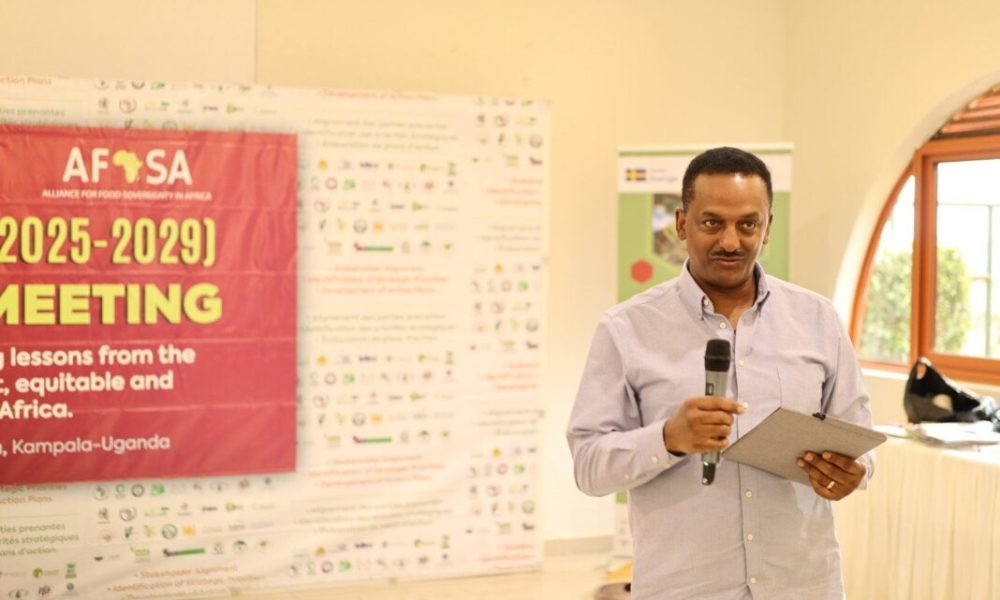
“The issue is larger than whether AGRA met the targets it announced in 2006. It is whether two decades of increased fertiliser use, public subsidy, commercial seed promotion and policy reform accelerated productivity, used land more efficiently, strengthened resilience and improved food security,” reads part of the report prepared by the Alliance for Food Sovereignty in Africa (AFSA).

Further, the fertiliser use more than doubled across the countries during the period, while the area under cultivation expanded by 46 per cent. Despite this expansion, growth in staple-crop yields slowed compared with the 12 years before AGRA was established.

Much of the increase in food production therefore came from bringing more land under cultivation rather than significantly increasing productivity on existing farmland.

“This is not an argument against improved seeds, fertiliser or new technology. Farmers need science, finance, infrastructure and strong public support. The question is what kind of food system these investments are building, who controls it and who benefits,” reads another part of the report

The expansion also came with a shift towards maize monocultures, while traditional drought-resilient crops such as millet and sorghum lost ground. Malawi provides what the report describes as a striking example of the disconnect between agricultural productivity and food security. The country recorded the strongest yield growth among the countries studied, yet the number of people facing hunger increased by 61 per cent.

The findings suggest that producing more of a single crop does not necessarily make households more food secure, particularly when farming systems are vulnerable to drought, high input costs and other shocks.

“The shift displaced crops important to nutrition, local food cultures and resilience under dry conditions, while increasing dependence on maize, commercial seed and purchased inputs,” reveals the report.

AFSA identifies Senegal as a contrasting example. The country was not among AGRA’s priority countries but reduced hunger by about half over the same period, bringing the prevalence of undernourishment below five per cent of the population.

At the same time, millet production increased by 85 per cent and sorghum production by 75 per cent. The report attributes Senegal’s progress partly to maintaining diversified farming systems rather than relying heavily on a single crop and an input-intensive production model. It also notes that Senegal used substantially less fertiliser than countries such as Zambia.

“The agroecological alternative isn’t theoretical. Farmers are already building it. Restoring soils, protecting their seeds, diversifying their farms and reducing dependence on expensive external inputs. It’s time to fund what works,” said Dr. Million Belay, AFSA General Coordinator.

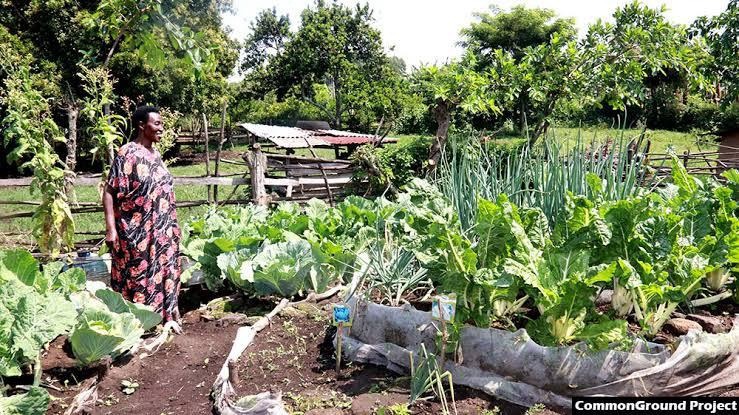
The report argues that agroecology including farmer-managed seed systems, soil restoration and diversified farming offers an alternative to approaches that make farmers increasingly dependent on purchased seeds, fertilisers and other external inputs.

The findings are particularly relevant for Zambia, where agricultural policy has heavily prioritised subsidised inputs and maize production.

Mutinta Nketani, National Coordinator of the Zambia Alliance for Agroecology and Biodiversity, said Zambia allocates up to 72 per cent of its agriculture budget to subsidising a single input package. Yet maize yields increased by only 14 per cent while the amount of land under cultivation nearly doubled.

“After billions poured into AGRA-aligned policies, farmers have only grown hungrier and more in debt,” Nketani said.

The AFSA report comes as African governments prepare a new 10-year agricultural strategy under the Kampala CAADP framework. The strategy is expected to guide billions of dollars in agricultural, development and climate financing across the continent.

AFSA is cautioning governments and development partners against repeating what it describes as the shortcomings of the previous agricultural development model.

The organization says there is now an opportunity to redirect agricultural financing towards approaches that strengthen farmers’ resilience rather than increasing dependence on external inputs.

“Africa does not need another Green Revolution. We need a food systems transformation rooted in our people, our biodiversity, our knowledge and our right to determine our own agricultural future,” adds Belay.

The organisation recommends shifting 10 per cent of existing agricultural financing towards farmer-managed seed systems, soil health and diversified production by 2028. It proposes increasing this to 25 per cent by 2030 and 33 per cent by 2035.

Six African countries already have national agroecology laws, while another five are developing similar legislation, according to the report.

For AFSA, the issue is therefore not whether Africa needs to invest more in agriculture, but where that investment should go.

“African farmers must stop being treated as beneficiaries of someone else’s transformation,” Belay writes in the report’s foreword. “They must be its authors.”

Source: news.scienceafrica.co.ke/

Continue Reading

MEDIA FOR CHANGE NETWORK

Smallholder farmers were excluded from the consultative process for the East African Community Seed and Plant Varieties Bill, 2025: CSOs across the EAC call for a time extension and greater inclusion of smallholder farmers in shaping the bill.

Published

on

By the Witness Radio team.

Civil society organizations throughout the East African Community are raising their voices, urging that smallholder farmers and farmer-managed seed systems practitioners receive the recognition they deserve in the upcoming East African Community Seed and Plant Varieties Bill, 2025.

This call to action follows public hearings held across EAC partner states from August 26 to 28, 2026. Diverse voices gathered to shape the future of regional seed legislation. However, participation by smallholder farmers and farmer-managed seed systems practitioners was limited.

These hearings united government officials, farmers, civil society groups, researchers, seed regulators, commercial seed sector representatives, and other stakeholders, all eager to share their perspectives and recommendations on the Bill.

The proposed legislation aims to create a unified approach to seed and plant variety regulation across the region. It covers seed certification, variety release, and the movement and trade of seeds across borders.

Civil society organizations from several countries argue that the proposed framework overlooks the vital role of smallholder farmers and farmer-managed seed systems practitioners who have sustained farming communities for generations.

They emphasize that although the formal and commercial seed sector is important, farmers must retain the freedom to save, exchange, multiply, and replant seeds within their communities.

In Kenya, civil society organizations participated in the public hearings, advocating for recognition of farmers, farmer-managed seed systems, traditional landraces, and community seed banks.

Tabby Munyiri of Seed Savers Network said the concern was not about rejecting the formal seed sector, but ensuring that farmers have a choice.

“We recognize the importance of the formal seed system, and we believe that farmers should be able to have an option; farmers should be able to have a choice, and that is why we are calling for an inclusive law,” Munyiri said.

She highlighted that traditional and indigenous seed varieties are crucial for preserving biodiversity and equipping farmers with more options as they adapt to shifting climate conditions.

In Uganda, civil society organizations echoed these concerns, stressing the need to explicitly recognize farmer-managed seed systems rather than relying on vague references to farmers in the proposed regional framework.

During the consultations, Dr. David Kabanda of the Center for Food and Adequate Resources Rights Africa (CEFROHT) urged lawmakers to safeguard farmers’ rights and ensure that commercial interests do not undermine farmer-managed systems.

“We need to critically and deeply think about this issue as East Africans. We can wake up to a very sad reality, and it has started happening, when a few corporate companies take over everything,” Kabanda said.

Kabanda also questioned whether the proposed Bill aligns with the international and African commitments that EAC partner states have pledged to uphold.

He cited the International Treaty on Plant Genetic Resources for Food and Agriculture, particularly Article 9, which addresses farmers’ rights. Kabanda argued that the regional legislation should reflect these commitments and criticized the Bill for what he described as inadequate attention to farmers’ rights.

In Tanzania, civil society representatives described a consultation process that brought together a wide range of stakeholders. David Manongi of the Tanzania Alliance for Biodiversity (TABIO) noted that farmers, women, youth, civil society organizations, government officials, researchers, and seed regulators all took part in the discussions.

He added that civil society organizations held preparatory meetings before the public hearing to review the Bill and consolidate concerns and recommendations.

“The meeting provided us with an opportunity to review the Bill and consolidate the concerns and recommendations,” Manongi said.

According to Manongi, stakeholders advocated measures to safeguard farmer seed systems. They focused on ensuring that farmer-managed seed systems and community seed banks are recognized within the regional framework.

In Rwanda, civil society representatives voiced worries about the lack of awareness among organizations that work directly with smallholder farmers regarding the consultations.

Dieudonne Sindikubwabo, who works with the Rwanda Organic Agriculture Movement (ROAM), said many organizations working closely with farmers were unaware that the public hearings were taking place until the process had begun.

“I work with smallholder farmers daily. But when you look at how the Bill is designed, I feel very little involvement of smallholder farmers was done,” Sindikubwabo said.

He explained that his concerns went beyond participation to the substance of the proposed legislation.

Sindikubwabo pointed out that the Bill favors commercialization but falls short in clearly outlining farmers’ rights to keep, exchange, and multiply seeds.

“The Bill is not in favor of smallholder farmers, because they are just focusing on commercialization,” he said.

In Burundi, civil society representatives questioned the inclusiveness of the consultation process, noting they were not formally invited and that farmers were missing from the discussions.

Tusiime Pauline, a legal adviser assisting Burundian civil society organizations, stressed that the absence of farmers was especially troubling since the proposed legislation will directly impact them.

“We didn’t have the farmers there because farmers were not invited,” Pauline said.

She noted that civil society representatives still attended and presented recommendations after preparing submissions and proposed amendments to the Bill. However, she lamented that the discussions largely ignored concerns about farmers’ absence.

“We managed to attend the hearings despite lacking a formal invitation. Leaving out civil society and farmers without inviting them makes the process unfair,” she said.

In Somalia, civil society representatives voiced broader worries about whether rural communities have the awareness and capacity to understand and participate in policy discussions that directly affect them.

Mohammed Hassan from the Center for Dryland Development & Resilience Systems (CDDRS) emphasized the need to share information about the proposed legislation with rural communities, especially those relying on farming and traditional production systems.

“We need to make sure information about these policies reaches rural communities, so the people directly affected can understand what is being discussed and have an opportunity to participate.”

Hassan pointed out that public awareness is crucial because many rural communities may lack sufficient information about policy debates at national and regional levels.

The stories shared by civil society representatives from six of the eight EAC partner states reveal a patchwork of experiences with the consultations, bringing a range of perspectives into the ongoing debate over seed and plant variety regulation in East Africa.

Although the proposed law aims to establish a unified regulatory framework for the region, civil society organizations are urging lawmakers to ensure it also reflects the lived realities of farmers who rely on seed systems beyond the formal commercial market.

Their submissions raise broader questions about how the regional seed system can balance commercial interests, farmers’ rights, biodiversity, and the ongoing use of indigenous and farmer-managed seed systems.

The organizations are also calling for the concerns voiced during the consultations to be genuinely considered before the Bill moves forward in the legislative process.

For farmers, the outcome of this process could determine how they access, save, exchange, and use seeds for years to come. As the EAC weighs the recommendations from the consultations, all eyes are now on how these competing perspectives will shape the next version of the proposed law.

Continue Reading

MEDIA FOR CHANGE NETWORK

Six other Anti-EACOP Activists remanded to Luzira over alleged unlawful assembly.

Published

on

By the Witness Radio team

The Law Development Centre (LDC) Magistrate’s Court has charged and remanded six youth activists attached to the Rooted in Resistance movement to Luzira Prison over alleged unlawful assembly.

The six are Mukiibi Isaac, Mawanda Arafat, Mugerwa Nicholas, Opio Innocent, Friday John and Onyango Ronald.

They are among 16 activists arrested on Monday, September 1, 2026, as they attempted to deliver petitions to Parliament and the offices of TotalEnergies in Kampala, calling for greater scrutiny of Uganda’s oil developments and opposing further investment in fossil fuels.

The activists were protesting against projects including the East African Crude Oil Pipeline (EACOP) and the Tilenga oil project, arguing that continued investment in fossil fuels threatens communities, the environment and Uganda’s climate commitments.

Their lawyer, Kakuru Tumusiime, said that the six had been detained for more than 48 hours before being brought before a magistrate.

He argued that the continued detention amounted to a violation of their constitutional rights and called on the government to listen to the concerns being raised by young people rather than responding to protests with arrests.

“Our Constitution is clear that if a person has been arrested, he should be presented before court within 48 hours after his detention or else he should be granted a police bond,” Kakuru said.

He further accused the authorities of violating the activists’ human rights and said the defense team had already taken steps to challenge the alleged violations.

“We had filed an application for mandatory bail that had not been fixed. I think when they heard about the application, they rushed to bring them before court,” Kakuru said.

The six were subsequently remanded to Luzira Prison until September 17, 2026.

According to Section 62 of the Penal Code, any person who takes part in an unlawful assembly commits a misdemeanor and is liable, on conviction, to imprisonment for a term of one year.

The activists say their opposition is rooted in concerns about the environmental and social consequences of Uganda’s decision to develop its oil resources.

At the center of their campaign is EACOP, the planned 1,443-kilometre heated crude oil pipeline that will transport crude from Uganda’s oil fields in Hoima to the port of Tanga in Tanzania.

The pipeline is expected to transport crude produced from Uganda’s upstream oil projects, including the Tilenga project operated by TotalEnergies and the Kingfisher project.

The activists argue that Uganda should be investing more heavily in renewable energy rather than expanding fossil fuel production at a time when countries around the world are under pressure to reduce greenhouse gas emissions.

Their position is that economic development should not come at the expense of people’s land, livelihoods and the environment.

Their demonstrations and petitions have called for Uganda to reconsider continued investment in fossil fuel infrastructure and instead accelerate the transition towards renewable sources of energy.

Rooted in Resistance was formerly known as Students Against EACOP and has become one of the youth-led groups consistently challenging Uganda’s fossil fuel development.

The group says young people have a stake in decisions being made today because they will live with the environmental and economic consequences of those decisions for decades to come.

During Monday’s demonstration, the activists wore orange T-shirts bearing the words “Rooted in Resistance” and carried banners and placards with messages including “No to Oil,” “Oil is temporary, nature is permanent” and “Uganda deserves an oil-free future.”

The demonstration ended with arrests as the activists attempted to deliver their petitions.

On Tuesday, September 1, ten of the activists were charged before Buganda Road Court with public nuisance and remanded to Luzira Prison.

The latest court proceedings involving the six activists have added another chapter to the increasingly tense debate over Uganda’s oil industry, which has led to the criminalization of more than 100 activists.

Continue Reading

MEDIA FOR CHANGE NETWORK

Wakiso LCs warned against using official stamps to facilitate land grabbing

Published

on

Wakiso Town Council Mayor, Mr Fredson Mukalazi Kasiwukira (L), hands over an official stamp to an LC 1 chairperson.  PHOTO/NOELINE NABUKENYA

Newly sworn-in village chairpersons in Wakiso District have been warned against colluding with land grabbers and wealthy individuals to facilitate illegal land transactions, with authorities threatening to arrest those who misuse official stamps.

The village leaders have also been told to stop looking at an official stamp as a source of income and instead find legitimate employment to support themselves.

Wakiso Deputy Resident District Commissioner, Ms Angel Namulimbe, said her office continues to receive numerous complaints related to fraud and land grabbing, many of which allegedly involve village leaders.

“Our office is always full of cases of fraud and land grabbing, and many of these cases involve LC leaders,” she said.

She warned that village leaders found colluding with land grabbers would be arrested.

The RDC made the remarks on Thursday while presiding over the swearing-in and commissioning of village chairpersons and the handing over of official stamps to them in Wakiso Town Council.

Eight of the 13 village chairpersons in the town council and one of the six LC II leaders in the area were sworn in and issued with official stamps.

Ms Namulimbe said she would take firm action against any leader found using the stamp improperly.

Wakiso Town Council Chairperson, Mr Fredson Mukalazi Kasiwukira, accused some village leaders of working with wealthy individuals to frustrate residents and facilitate questionable land transactions.

He warned the leaders against allowing their offices to be used by people seeking to deprive residents of their land.

“Security has been alerted. In case you are reported misusing the stamp, we shall recall it,” he warned.

He also urged village chairpersons to be their eyes on the ground to ensure locals participate actively in all the ongoing government programmes.

“Parish Development Model has been extended up to the village level with LC 1s responsible for identifying prospective beneficiaries,” he said.

Mr Atanansio Musambwa, the Wakiso District vice chairperson and district representative for the area, urged the sworn-in leaders to put the interests of residents first and avoid engaging in practices that could undermine public trust.

He also asked them to pay greater attention to children and other vulnerable residents in their villages.

Wakiso Town Council Clerk, Mr Jimmy Mabanja, while handing over the stamps and other tools of authority to the leaders, reminded them that the items are official tools meant to support the enforcement of laws and proper administration.

He warned the leaders against using the stamps for personal gain or authorising transactions that do not meet the required legal procedures.

The village chairpersons pledged to exercise greater caution in the use of the stamps and other official materials entrusted to them.

Led by Mr Twaibu Kafuuma, the chairperson for Kaasangombe Cell, chairpersons also raised their concerns to the town council authorities, including enhancing their pay from Shs10,000 to Shs1m a month.

They also asked for identity cards, noting that they find it hard to identify themselves in case of community events.

“For example, during the National Cleaning Day, some chairpersons are beaten up by security officers because they cannot identify themselves,” Mr Kafuuma said.

Source: monitor.co.ug

Continue Reading

Resource Center

Legal Framework

READ BY CATEGORY

Facebook

Newsletter

Subscribe to Witness Radio's news and report updates


Trending

Subscribe to Witness Radio's news and report updates