Connect with us

MEDIA FOR CHANGE NETWORK

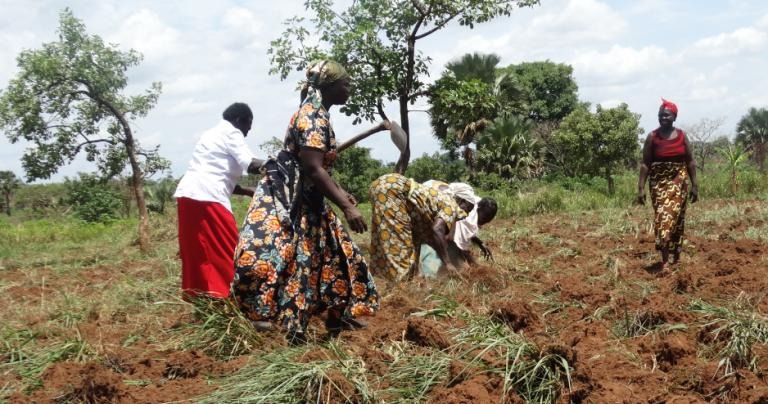
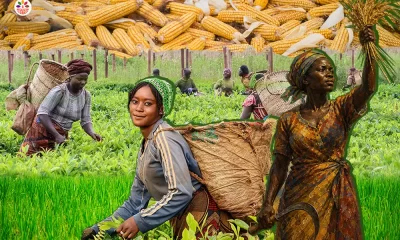
The Witness Radio and Seed Savers Network Joint Radio program boosts Farmers’ knowledge of seed and food sovereignty.

Published

on

By Witness Radio team

Across Africa, seed laws are increasingly structured to favor commercial seed systems, leaving smallholder farmers with limited control over the seeds they rely on for food production. While governments often justify these laws as necessary for quality control and increased productivity, farmers and civil society organizations argue that they deepen dependency, erode Indigenous knowledge, and undermine food sovereignty.

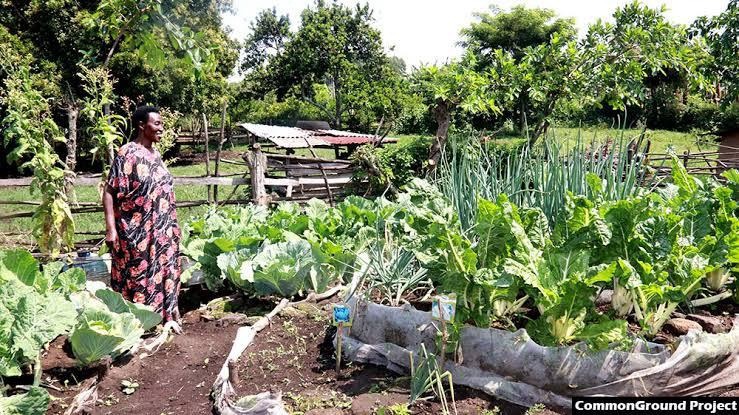
Smallholder farmers produce the majority of the world’s food. Recognizing practices such as saving, exchanging, and replanting seeds can empower farmers and reinforce their vital role in food security.

In response to this challenge, Witness Radio, in partnership with the Seed Savers Network (SSN) in Kenya, is joining hands to save African indigenous seeds by using media to build power and share knowledge and skills with smallholder farmers across Africa and beyond on seed sovereignty and farmer-led food systems.

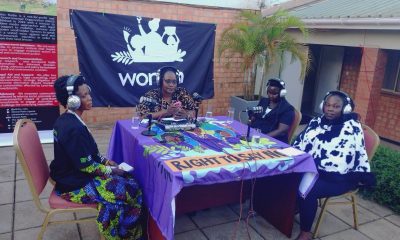
Last Thursday, Witness Radio and the Seed Savers Network aired the first episode of the program live, featuring representatives of smallholder farmers and civil society organizations from across the African continent. The discussion, which was live on Witness Radio, focused on sharing Indigenous knowledge and practical approaches to saving and conserving African Indigenous seeds.

“It is a crucial time to speak about food sovereignty because, as Indigenous People, talking about food sovereignty is not just an agricultural issue, according to us. It’s a vital act of decolonization and a sign of cultural survival to us and also self-determination.” Said June Bartuin, the Executive Director for Indigenous Peoples’ for peace and climate justice, Kenya, during the first episode of the program.

Across Africa, several policies and laws restrict farmers’ rights to save, exchange, and sell their own seeds. In East Africa, the recently introduced EAC Seed and Plant Varieties Draft Bill 2025 has sparked protests from smallholder farmers and activists, who argue that some of its provisions threaten farmer-led seed systems and favor multinational seed companies.

In Ghana, the Plant Variety Protection Act of 2020 restricts farmers’ seed management practices, underscoring the urgent need for policy reforms that support farmer-led seed systems.

“We have this Plant Variety Protection Act of 2020, which has made it easier for seed companies and the commercial sector to control the seed system,” said Atim Robert Anaab, who works with Trax Ghana and the Beela Project in Northern Ghana, adding that, “The law requires seeds to be certified according to standards that most small-scale farmers simply cannot meet.”

Such laws have reshaped Africa’s food systems by pushing farmers toward commercial seeds that must be purchased every planting season. These seeds are often sold alongside chemical fertilizers and pesticides, significantly increasing production costs for smallholder farmers.

Priscilla Nakato, Chairperson of the Informal Alliance of Communities Affected by Irresponsible Land-Based Investments in Uganda, noted that these policies have also displaced traditional storage and seed preservation practices.

“In the past, every household had a granary, used not only to store food but also to preserve seeds for the next planting season. Many communities still hold this resilience, and reviving these practices can inspire hope for food sovereignty.”

Beyond economics, restrictive seed laws are accelerating the erosion of Indigenous knowledge and cultural practices. June Bartuin explained that women were traditionally the custodians of seeds, preserving them using low-cost methods such as smoke storage in traditional houses.

“This maize could be stored for two, three, even five years, and when planted, it germinated very well,” she added.

The collaboration between Witness Radio and the Seed Savers Network brings together grassroots organizing and community media to amplify farmers’ voices. The Seed Savers Network, a grassroots organization based in Kenya, works with more than 500,000 farmers and supports 121 community seed banks across the country.

According to Mercy Ambani, Resource Mobilization Officer at Seed Savers Network, the organization focuses on rebuilding farmers’ confidence, knowledge, and rights, making platforms such as Witness Radio ideal for reaching farmers directly.

“Our vision is to protect seed sovereignty, conserve biodiversity, and strengthen farmers’ rights through policy advocacy and practical action,” she said.

Through initiatives such as the Seed School, farmers, researchers, and activists are trained in seed selection, storage, preservation, and community seed bank management.

“In December 2024, Kenyan farmers achieved a landmark court ruling that struck down parts of the Seed and Plant Varieties Act, showing the power of collective action and legal advocacy to protect farmers’ rights.”

“This ruling showed that there is power in numbers,” said Ambani. “When farmers raise their voices together, change is possible.”

Regional knowledge exchange is also growing. Farmers from Uganda and Ghana who attended the Seed Savers Boot Camp have returned to their communities to establish household seed banks, kitchen gardens, and farmer field schools.

“My home has become a farmer’s field school. People are hungry for this knowledge,” said Nakato.

Without reforms that recognize and protect farmer-managed seed systems, farmers risk losing control over their seeds — and with them, control over food, culture, and livelihoods.

“If we lose our seeds, we lose our culture, our food, and our future,” Bartuin emphasized.

Wokulira Geoffrey Ssebaggala, Team Leader at Witness Radio, highlighted the importance of creating space for farmers to share knowledge and experiences.

“We are providing a platform where farmers and experts can exchange knowledge on sustainable farming practices. We believe this radio content will have a real impact on food and seed sovereignty across Africa.” Mr. Ssebaggala added.

The radio series will continue to provide practical knowledge, farmer voices, and policy analysis to support sustainable agriculture across Africa.

Continue Reading

MEDIA FOR CHANGE NETWORK

East African women unite and meet in Nairobi to develop strategies to protect communal tenure systems and collectively resist false climate solutions.

Published

on

By the Witness Radio team.

Women in East Africa are on the front lines of land and climate struggles against harmful extractive investments, land grabs, and land giveaways that have not only damaged their livelihoods but also continued to harm the environment.

In Tanzania’s Manyara and Arusha regions, Maasai pastoralists face environmental disasters and land conflicts driven by encroachment and land degradation.

Paulina Peter, a Community Development Officer with the KINNAPA Development Program in Kiteto District, Tanzania, has witnessed these changes firsthand.

“Deforestation for agriculture is a major challenge. Some pastoralists are diversifying into crop farming, which affects environmental conservation. At the same time, population growth and land degradation are driving migration into pastoralist areas.” She explains, in an interview with Witness Radio

These pressures are not only ecological, but they are also fueling conflict. According to Paulina, disputes have emerged between local communities and incoming agriculturalists seeking access to community lands, sometimes escalating into legal battles.

To address these challenges, KINNAPA is supporting pastoralist communities through land rights awareness, environmental education, and the development of village land use plans. These initiatives, particularly the formalization of shared rangelands, have helped reduce conflict and promote more sustainable land use.

While Tanzanian communities struggle with gradual encroachment, the story of the Mosopisyek of Benet Indigenous community in Eastern Uganda reflects a more abrupt and violent history of land loss, which has had an overwhelming impact on thousands of local communities for decades.

The Benet Indigenous community in Uganda lost its ancestral land in 1993 when it was designated as a national park, causing decades of displacement and hardship.

“In 1993, the government evicted hundreds of people without compensation. During the initial giveaway of our land, we were not consulted to give consent,” Chelangat Scovia, a women’s leader of the Mosopisyek of Benet Indigenous community, told Witness Radio, recalling the trauma of forced evictions from their ancestral lands on Mount Elgon.

The government has promised to resettle them, but the affected communities in Sebei still await justice after more than 30 years, underscoring their resilience.

Following the 1993 evictions, thousands were left in temporary settlements without adequate land or support. In 2008, again, the government further displaced more than 170 families and destroyed homes in a violent eviction.

Today, many Benet remain landless, surviving through casual labor or relying on aid, while continuing to face harassment when they attempt to access their ancestral lands for grazing or cultural practices.

Despite these challenges affecting their communities, women like Paulina and Chelangat are not only victims but also inspiring leaders driving efforts to defend and reclaim the commons.

Both are attending the East Africa Women’s Land and Climate Justice Convergence in Nairobi, where grassroots women leaders, activists, and organizations from Uganda, Kenya, and Tanzania have gathered from April 26 to May 1 to confront land dispossession, extractivism, and false climate solutions.

The convergence comes at a critical moment when Africa’s commons—land, forests, water, and cultural systems—are under growing threat. Most land on the continent is held under communal tenure systems that sustain rural populations. However, weak legal protections continue to expose these systems to state control, corporate exploitation, and large-scale land grabs.

While communal systems are vital, they are also shaped by deeply entrenched patriarchal norms. Women, despite being the backbone of food production, often access land through male relatives. This leaves them particularly vulnerable during moments of crisis such as widowhood, divorce, or family disputes.

The convergence seeks to challenge this model by advancing a different vision, one that strengthens, rather than dismantles, the commons while centering women’s leadership.

The convergence aims to build collective strategies to protect communal lands and resist extractive industries and false climate solutions, empowering communities to act together.

“The convergence will also explore the new threats to the commons in the form of mega ‘green’ energy and mining projects, and the false solutions to the climate crisis, such as carbon capture and storage, as well as REDD+, typically involving the capturing and privatization of land, forests, and water bodies. We will also explore the question of climate debt and how it is deeply interlinked with the continued commodification of the commons,” Says Womin in its press release.

Bringing together 35 to 45 participants, primarily women living under communal tenure systems, the convergence includes farmers, fisherfolk, pastoralists, indigenous women, and activists resisting extractive projects. Organized by Womin in partnership with allied organizations, the gathering runs until May 1.

Witness Radio will continue to provide updates on all developments from the convergence.

Continue Reading

MEDIA FOR CHANGE NETWORK

African women push for reparations and environmental accountability after landmark Climate Justice Day.

Published

on

By Witness Radio team

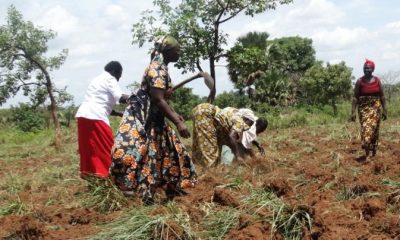
Women’s community organizations and grassroots movements across Africa are intensifying calls for climate reparations and environmental accountability following the inaugural African Women’s Climate Justice Day, marked on April 15.

Organized by the West and Central African Women’s Climate Assembly (WCA) under the theme “Our Lands, Our Voices: African Women United for Reparations and Climate Justice,” the convergence took place across multiple parts of the continent, highlighting how women in regions like West and Central Africa face unique climate impacts such as droughts and land degradation, demanding tailored solutions.

The WCA provides a powerful space to analyze the intersecting crises affecting their communities collectively and to develop strategies of resistance rooted in climate justice, food sovereignty, and the Right to Say NO to destructive extractivist and mega-development projects that displace communities, erode ancestral ways of life, and destroy ecological futures.

Since 2022, women from across Central and West Africa have gathered annually through the Women’s Climate Assembly (WCA) — a growing Pan-African, grassroots-led platform that brings together over 120 activists, ecofeminist leaders, and community organizers to collectively build strategies for climate justice, strengthen solidarity across movements, and advance community-led resistance against harmful, destructive projects while amplifying women’s voices.

On the 15th, the Women’s Alliance on Natural Resources Governance (WANRG) led nationwide actions across four districts in Sierra Leone, bringing climate justice conversations directly to communities most affected by environmental degradation. In the West African country, Climate change has had a significant impact on agriculture, exacerbating the existing challenges of low productivity and food insecurity.

According to the Food and Agriculture Organization (FAO), women make up almost 70% of Sierra Leone’s agricultural workforce, and FAO’s support aims to empower women to adapt to climate shocks that threaten food production and household incomes.

These impacts, including unpredictable rainfall patterns, prolonged droughts, and increasing occurrences of extreme weather events such as floods and storms, are disrupting farming activities and resulting in declining crop yields. Further, environmental concerns caused by extractive projects are adding salt to the injury.

In the eastern districts of Kono and Kenema, outreach efforts focused on women working on the front lines of natural resource management, highlighting how extractive activities and climate change are eroding livelihoods.

“Climate justice is a women’s rights issue! Across four districts, we took bold action to ensure women’s voices are at the heart of environmental protection,” the organization’s statement read.

The alliance brought together local leaders and policymakers in Bo District for a stakeholder dialogue to develop and implement gender-sensitive climate policies, with commitments to integrate women’s voices into national climate strategies and to demonstrate tangible policy support for climate justice.

“When women lead, the planet wins. We are not just victims of climate change; we are the leaders, the innovators, and the defenders of our land,” The organization’s statement highlighted. This should inspire the audience with pride and confidence in women’s vital role in climate justice.

Across the continent, similar demands were echoed. In Liberia, the Natural Resource Women Platform (NRWP) described the moment as critical, warning that climate change continues to disproportionately affect women in rural, coastal, and resource-dependent communities.

“Across Liberia and the wider region, women are experiencing the harsh impacts of environmental degradation, land dispossession, and the growing burden of sustaining livelihoods amid the climate crisis,” the organization said in a statement from Monrovia.

The group pointed to worsening coastal erosion in Buchanan, increasing urban pollution, and challenges for women farmers due to erratic rainfall and soil decline. These realities should evoke empathy and a sense of urgency in your audience to support community-led solutions.

Central to the demands raised during the day of action are calls for reparations for communities affected by historical and ongoing environmental exploitation, an end to destructive extractive practices, and greater accountability from governments and corporations driving climate harm.

These calls were reinforced by regional movements such as the Global Convergence of Struggles for Land, Water, Seeds, Forests, Savannas, and the Sea in Central Africa, which framed the climate crisis as part of a broader system of dispossession.

“Land, water, forests, and the sea are fundamental rights, not commodities,” the coalition declared, calling for the dismantling of extractivist systems and for communities to be placed at the center of decisions affecting their territories.

In Central Africa, women’s organizations are already moving from declarations to strategy. In the Democratic Republic of Congo, the Indigenous Women and Local Communities for Sustainable and Participatory Development (FACID) brought together civil society groups to develop joint action plans and strengthen advocacy for climate justice.

“These are our struggles, and African women across the region have come together to reflect on climate change issues. There is drought, water pollution, air pollution, and soil pollution, as well as deforestation. All these scourges of climate change are affecting the African continent.  Since we cannot work in isolation, we have established the Constituent Assembly of African Women on Climate Justice to fight for climate justice through actions that bring about solutions that serve everyone,” said Marie Dorothée Lisenga, a coordinator with FACID, adding that women are at the forefront of the fight against climate change, and their leadership must shape the response.

As momentum builds beyond the April 15 mobilizations, organizations say the focus is now on sustaining pressure through advocacy, alliance-building, and grassroots action to ensure that climate justice is not reduced to rhetoric.

“We commend the growing movement of African women rising in unity to demand systemic and transformative change. Their call for reparations is not only for compensation; it is for dignity, justice, and the restoration of lives, lands, and livelihoods,” The group emphasized. This framing should foster respect and moral support among your readers.

The African Women’s Climate Justice Day was organized by NGO partners, civil society, and community-based organizations, and allies across Africa, including Women and Development (Nigeria), WoMin African Alliance, SynDev (Senegal), Green Development Advocates, and RADD (Cameroon), among others, who hosted solidarity actions and activities.

Continue Reading

MEDIA FOR CHANGE NETWORK

Nigerian Banks under fire over ESG failures as a new report exposes Weak Climate and Human Rights Compliance.

Published

on

By the Witness Radio team.

A new policy assessment has raised serious questions about the environmental and social conduct of Nigeria’s banking sector, revealing that major financial institutions are significantly underperforming on global sustainability standards while continuing to finance high-risk industries with limited transparency. 

The report, produced by Fair Finance Nigeria (FFNG) Coalition, comprising BudgIT, Oxfam, Policy Alert, Civil Society Legislative Advocacy Centre (CISLAC), Connected Development (CODE), and Sustainable Transformation and Empowerment Programme (STEPS) assessed four Nigerian major banks including Access Bank, UBA, Zenith Bank, and Standard Chartered Bank against international Environmental, Social and Governance (ESG) benchmarks. 

Environmental, Social, and Governance (ESG) is a framework for understanding how a company behaves, not just in terms of profit, but also in terms of its impact on people and the planet. 

The environmental side looks at how responsibly a company treats the natural world. This includes how it uses resources, manages waste, reduces pollution, and responds to climate change. The social side focuses on how a company relates to people. That means how it treats its employees, works with suppliers, serves customers, and engages with the communities where it operates, while the governance side is about how the company is run and ensures accountability. 

The assessment was based on the updated 2025 methodology of Fair Finance International, which uses 19 thematic indicators grouped into environmental, social, and governance categories. The evaluation relied solely on publicly available policy documents, sustainability reports, and annual disclosures. 

Acknowledging that Nigerian banks scored an average of 1.7 out of 10 across key sustainability indicators highlights the urgent need for banks and regulators to take responsibility for improving ESG standards, inspiring a sense of duty in stakeholders.

The report identified significant weaknesses in external accountability, particularly in how banks manage the environmental and social risks of the companies they finance, underscoring the need for stronger regulations. 

Despite years of sustainability reporting and regulatory guidance, the report concludes that Nigerian banks remain far from aligning with global ESG expectations.

“It is not only about how banks assess their internal operations—such as limiting discrimination in recruitment or increasing the representation of women in senior leadership positions. They must also examine how these standards are applied across their entire business and supply chains. This includes the companies they invest in, those they lend to, and those they actively finance or support.

Banks should ensure that these companies also comply with international standards. This approach does not only apply to financial institutions themselves; it also plays a critical role in mitigating financial, reputational, and operational risks across their investment portfolios.” Dr. Augustine O’Keary, the lead researcher and research officer of Connected Development, mentioned during the presentation of the research findings.

The report highlights a concerning climate-related disclosure score of 0.9 out of 10, exposing critical gaps in how banks communicate climate risks to stakeholders.

Researchers found limited evidence of credible transition plans aligned with global temperature targets, despite Nigeria’s increasing exposure to climate-related risks. 

By continuing to finance carbon-intensive sectors without publicly disclosing portfolio-level transition strategies, banks risk eroding trust, underscoring the need for greater transparency to civil society and advocacy groups.

“We see continued financing of high-emission sectors without clear commitments to reduce exposure or align with a 1.5°C pathway,” the report noted. 

Environmental analysts warn that this disconnect exposes Nigeria’s financial system to long-term systemic risk as global markets tighten climate regulations.

The Fair Finance Nigeria Coalition is calling for stronger regulatory alignment with global ESG standards, particularly through updates to Nigeria’s sustainability banking principles.

Stakeholders argue that existing frameworks remain outdated and insufficiently aligned with international best practices, especially in climate finance and corporate accountability.

Strong calls for improved engagement between banks, regulators, and civil society organizations aim to foster collaboration, making stakeholders feel involved and motivated to enhance policy frameworks and disclosure standards.

Continue Reading

Resource Center

Legal Framework

READ BY CATEGORY

Facebook

Newsletter

Subscribe to Witness Radio's newsletter


Trending

Subscribe to Witness Radio's newsletter