
MEDIA FOR CHANGE NETWORK
Four youth activists now face public nuisance charges after their arrest during a bold march toward Parliament.


Related posts:

 Ugandan Activists Face Criminal Charges Following Pipeline Protest
 Breaking: 15 Anti-EACOP Activists have been charged with common nuisance and remanded to Luzira prison.
 Another group of eleven environmental activists have been charged with common nuisance and remanded to Luzira Prison for opposing the EACOP project.
 Youth climate activists raise frustration over govt’s silence on EACOP


Related posts:
 Breaking Alert: Barely a year after signing the remedy agreement, World Bank Project-Affected Persons (PAPs) receive fresh land eviction threats
 Nile city project affected persons in fresh demand for compensation
 Tension as Project-Affected Persons demand to meet Uganda’s President over Oil Palm growing on their grabbed land.
 Govt reopens talks over Shs70b irrigation project

Related posts:

 Uganda’s Judiciary resorts to mediation to curb the escalating backlog of land cases
 Retrial of the Kaweeri forced land eviction case begins at Mubende High court.
 More than 50 witnesses to testify in the trial of 28 land rights defenders
 Nabakooba Urges Judicial Integrity in Land Cases Amid Rising Evictions
MEDIA FOR CHANGE NETWORK
Sweeping investments are fueling widespread land grabbing and deepening rights violations across Uganda – Report.

Related posts:

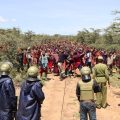 Tanzania’s surge in conservation investments is under the UN spotlight, as allegations of indigenous land rights violations prompt an urgent call for the government to stop the evictions at once.
 Witness Radio Statement on the International Human Rights Day 2024: A call to the government of Uganda to protect Land and Environmental Rights Defenders and Communities affected by irresponsible land-based investments in Uganda.
 Kaweeri Coffee land grabbing case re-trial resumes as evictees continue to suffer gross human rights violations.
 Rights experts call for an inclusive transition as the East Africa region attracts renewable energy investments.

Govt orders fresh valuation of land for Rubanda iron ore project

Can Agroecology Improve the Resilience of African Smallholder Farmers?

Death Of Witnesses Cited Among Causes Of Land Case Backlog

Sweeping investments are fueling widespread land grabbing and deepening rights violations across Uganda – Report.

While hunger continues to grip the world, a new report highlights forests and forest foods as a hidden treasure trove of nourishment.

Five years after Uganda’s National Action Plan on Business and Human Rights, are local communities hosting land-based investment projects seeing change?

Alert: Land degradation is emerging as a pressing threat to global security.

Lango ex-combatants count losses after dry spell destroys maize harvest

Innovative Finance from Canada projects positive impact on local communities.
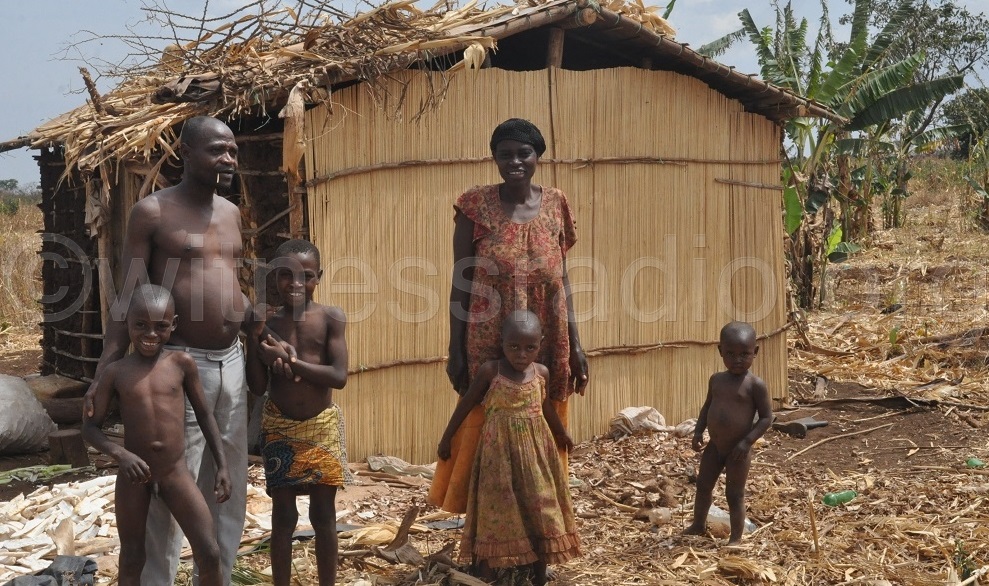
Over 5000 Indigenous Communities evicted in Kiryandongo District

Petition To Land Inquiry Commission Over Human Rights In Kiryandongo District

Invisible victims of Uganda Land Grabs
-

 MEDIA FOR CHANGE NETWORK2 weeks ago
The global race for clean energy minerals is leaving communities grappling with conflicts and human rights abuses, a new report reveals.
-
 MEDIA FOR CHANGE NETWORK7 days ago
Who will shape the future of East Africa’s seeds? Youth and civil society are sounding the alarm over a proposed regional law.
-

 MEDIA FOR CHANGE NETWORK7 days ago
Across Africa, the push for a greener future is putting new pressure on local communities, as recent ILC case studies highlight.
-
 MEDIA FOR CHANGE NETWORK7 days ago
Sweeping investments are fueling widespread land grabbing and deepening rights violations across Uganda – Report.
-

 MEDIA FOR CHANGE NETWORK2 weeks ago
Uganda urged to drop charges against 11 environmental defenders after 17 months without witnesses
-
 FARM NEWS1 week ago
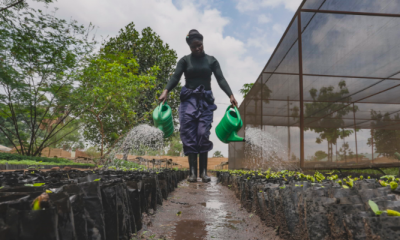
Govt pushes natural regeneration to restore 8.4 million hectares
-

 MEDIA FOR CHANGE NETWORK2 weeks ago
3 Division Commander Warns Communities Against Land Wrangles
-
 FARM NEWS6 days ago
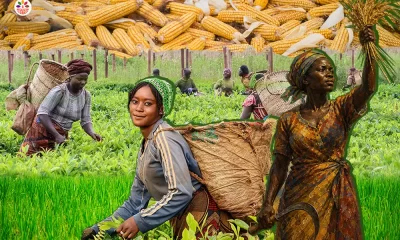
Can Agroecology Improve the Resilience of African Smallholder Farmers?