
NGO WORK
CIVIC Space Onslaught: Have Ugandan NGOs grown to be feared and discriminated by a 31 year old regime in power?

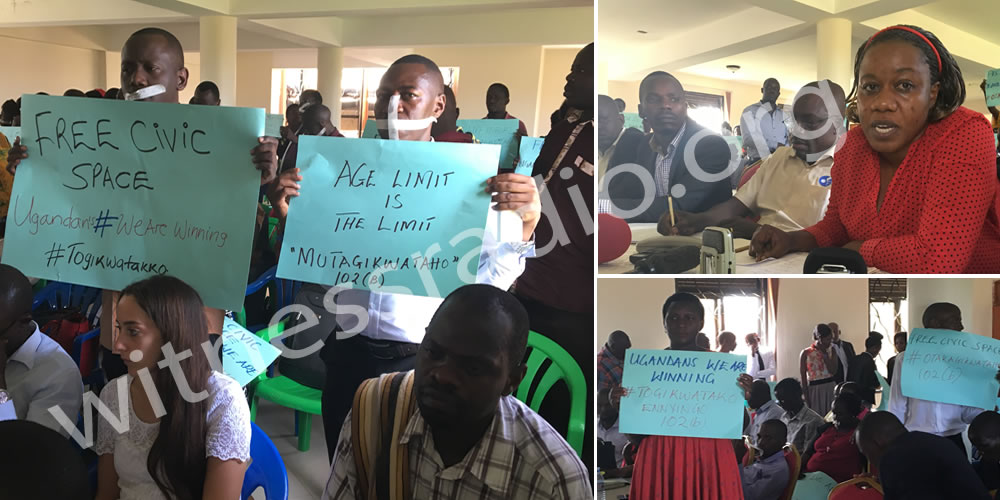
By Witnessradio.org Team
Ugandan NGOs are struggling to convince government that they are not opponents but rather partners who exist to bridge political, social and economic gaps in the country. Apparently, 25 NGOs have been listed and experienced direct threats from government ordering them to disclose their source of funding among other things. http://witnessradio.org/push-back-time-ngos-in-uganda-to-tackle-governments-direct-attack-on-their-work/
Following several successful campaigns including Blank Monday http://www.actionaid.org/uganda/black-monday-newsletters that exposed corruption in government agencies and ministries, the government is on tenterhooks since the controversial age limit constitutional amendment took off. Article 102 (b)1995 Constitution of the Republic of Uganda sets 75 years age limit for any president, which makes the current president Museveni who has been in power for the last 31 years a victim.
Three NGOs namely; http://www.actionaid.org/uganda, http://gliss.org/ and http://1.uhuruinstitute.org/ have been raided by police and security agencies, equipment and documents confiscated, staff interrogated and frozen accounts among others on grounds that these NGOs and others are financing opposition political activities and are engaged in money laundering.
In a joint statement issued on 24th/10/2017, NGOs are demanding that government stop forthwith its current intimidation and attack on civic organizations. “We call out the responsible institutions of the state which have participated and continue to participate in the constriction of civic and political space…we shall seek to hold them accountable for their actions” The statement reads in part.
The organizations also appealed to Ugandans to reclaim, defend, expand and create civic and political space through multiple avenues available.
In an exclusive interview with witnessradio.org, the executive director Action Aid Uganda Arthur Larok said that The narrowing of the civic space has been an incremental process that featured among others the enactment of repressive laws like the public order management Act, Anti pornography Act, Computer misuse Act, Anti money laundering Act, Anti homosexuality Act, NGO Act and the Anti sectarian law. He says such laws effectively criminalize dissent, rollback the constitutionally protected freedoms of assembly, association, expression, peaceful protest and establish a police state.
The organizations also underscored the fact that as citizen actors they make enormous contribution towards economic progress and social development as well as awaken citizen agency and consciousness.
Speaking during a joint press conference, the organizations appealed to the donor community and development partners to respect the legitimate initiatives that citizens have come up with and steer clear of stifling them merely because of the funding and support they extend to them.
“We publicly invite the attention of the donor community to the fact that Uganda is currently under a constitutional crisis whose solutions must come from the citizens and not elsewhere”
The organizations also distanced themselves from allegations of illicit financial transactions including money laundering, subversion and terrorism financing. They challenged the line ministries, of finance, internal affairs, justice and constitutional affairs and other subordinate institutions like police to publish the findings from their investigations into the said activities.
The joint statement has been confirmed with over 100 signatures from different activists across the country.
Click to NGOs’ Statement

Related posts:

 Ugandan NGOs to Government: We shall not succumb to your intimidation…!
 “Closing Space for Civil Society and Media in East Africa: Forging a Collaborative Response”
 Push back time: NGOs in Uganda to tackle government’s direct attack on their work
 Shrinking Civil Society Space In The Horn Of Africa: Uganda Grapples As New Report Finds NGO Act 2016, In Violation Of International Standards


NGO WORK
UN Experts Put Tanzanian Government on Notice – “Ensure Transparency and Respect for Indigenous Peoples’ Rights in Ngorongoro”

|
|

Related posts:
 Sham Presidential Commissions Rubber Stamp Tanzanian Government’s Efforts to Evict Indigenous Maasai from Ngorongoro Conservation Area
 Tanzanian Government’s Sustained Campaign Against the Maasai in Loliondo and the Ngorongoro Conservation Area
 URGENT ALERT: Tanzanian Government on a Rampage Against Indigenous People
 Call to Sever Ties with Tanzanian Government Over Latest Human Rights Abuses Against the Maasai
Related posts:

 Amidst Failed US Sanctions, the Indigenous Pay the Price for Nicaragua’s Gold Rush
 DR Congo oil palm company bankrolled by development banks unleashes wave of violence against villagers after peaceful protests
 Artisanal gold miners defy government on mercury use
 Njuba’s Gold Mine victims: A violent Eviction that Opened Wounds That May Never Heal Forever
NGO WORK
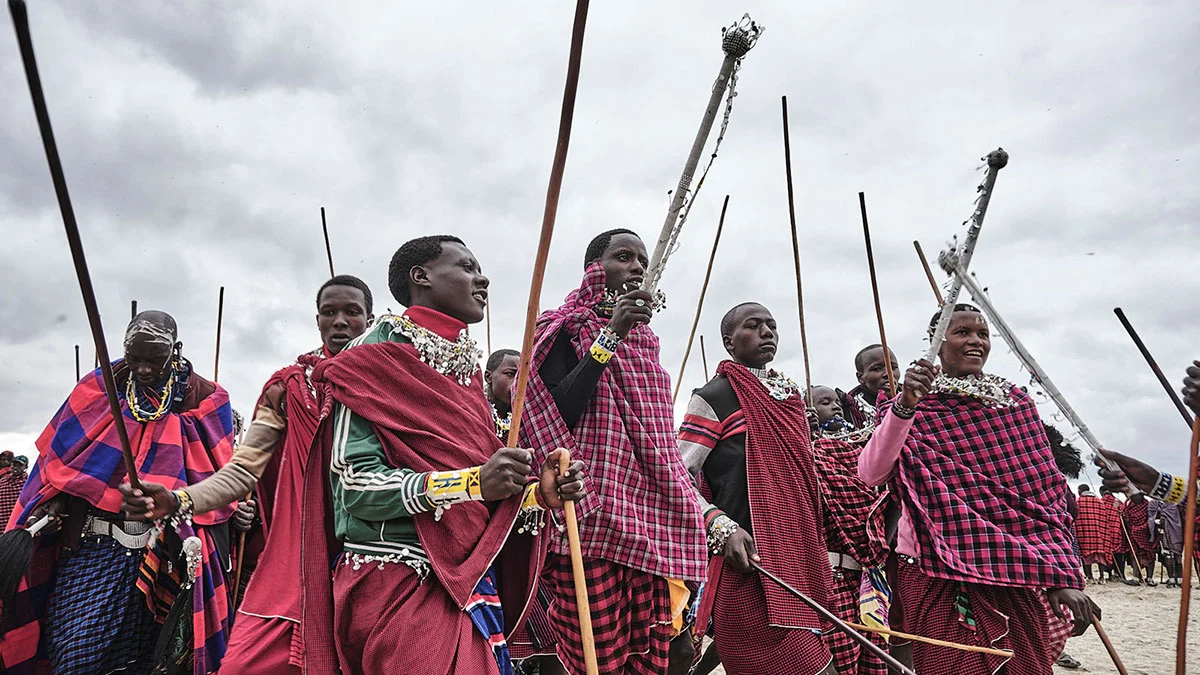
Tanzania: Commissions call for mass eviction of Indigenous Maasai from world-famous tourist destinations.
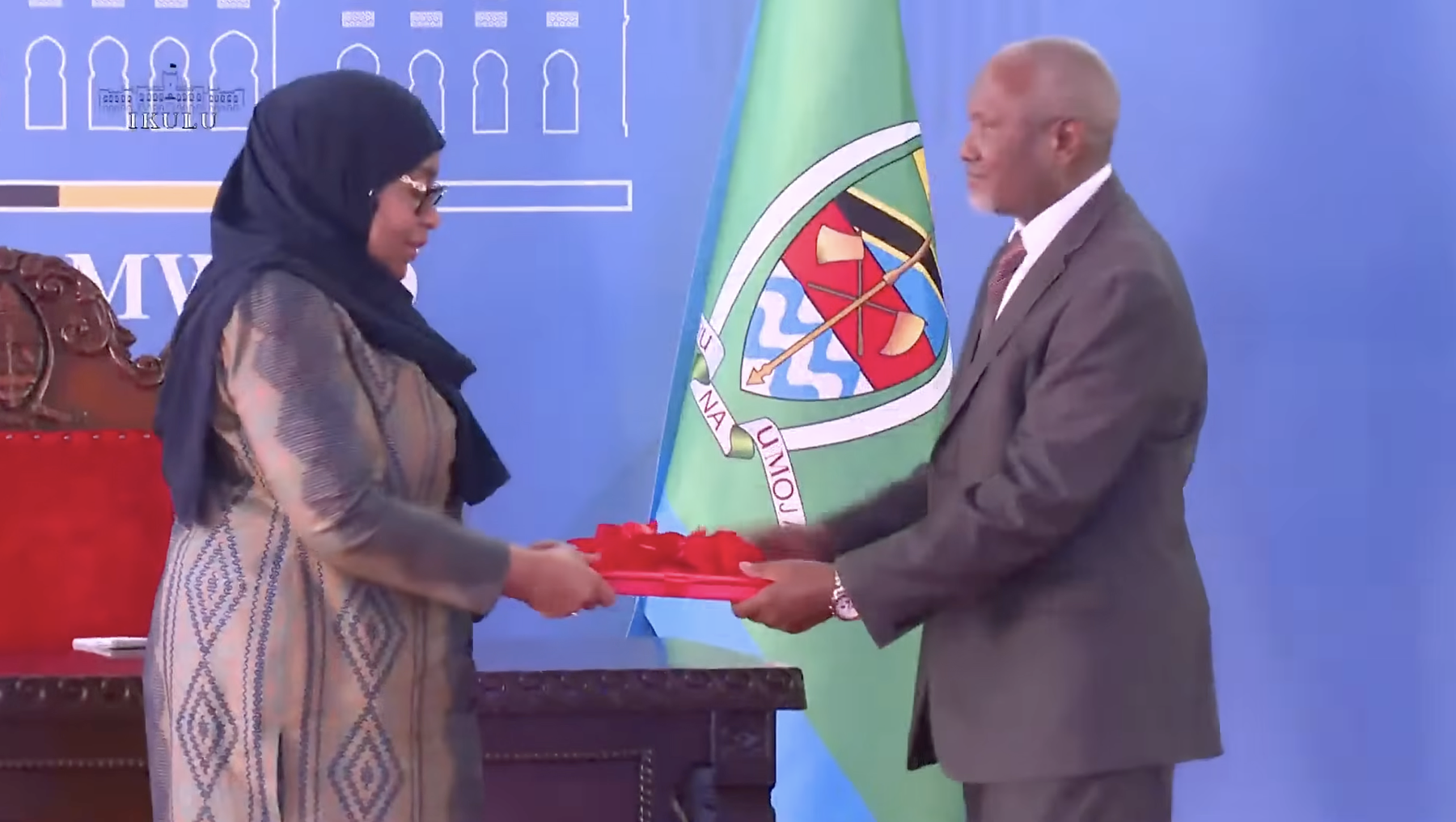
Two presidential commissions have recommended the mass eviction of Maasai people from some of East Africa’s most iconic conservation areas and tourist destinations.
The commissions were established by Tanzania’s President Samia Suluhu Hassan following previous evictions of Maasai pastoralists from parts of the world-famous Serengeti ecosystem, and large-scale protests in the Ngorongoro Conservation Area in 2024.
Now, despite a global outcry at the earlier evictions, the two Commissions have:
- Backed the previous evictions and called for them to continue, including in the UNESCO World Heritage Sites of Ngorongoro and neighboring Lake Natron.
- Described the long-standing Maasai presence in the area as an “environmental pressure” that needs to be reduced.
- Threatened local NGOs that support the Maasai, accusing them of “spreading misinformation or propaganda” because they “conflict with government interests.”
- Called for the “relocation” of all “non-conservation activities” [in other words, Maasai occupancy of the land] outside the conservation areas.
- Called for existing recognition of the Maasai people’s right to live in the Ngorongoro area to be removed.
An anonymous Maasai spokesperson said today: “We are blamed for environmental degradation while the unchecked expansion of tourism is ignored. Forced relocation, disguised as policy, has deprived our people of basic rights and dignity. We reject any continuation of these measures and condemn the Commission’s failure to reflect the voices, realities, and rights of our people.”
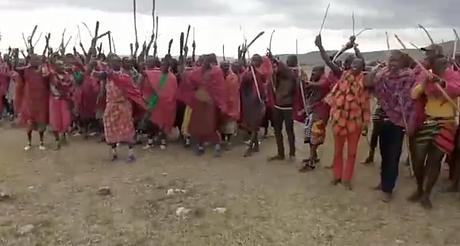
The authorities maintain that these are “voluntary relocations.” However, the Maasai have overwhelmingly rejected being moved.
The Ngorongoro Conservation Area is a UNESCO World Heritage Site. When it was established, the ancestral right of the Maasai to live there with their cattle was explicitly acknowledged. But UNESCO’s World Heritage Committee has backed the so-called “voluntary relocations”, and UNESCO endorses the “fortress conservation” model that underpins Tanzania’s approach.
Survival International Director Caroline Pearce said today, “These commissions were a sham, a gimmick designed to give Tanzania’s violent persecution of the Maasai a veneer of respectability. It was widely predicted that they’d back further evictions: the whole saga just confirms that colonial-style fortress conservation is alive and well in Tanzania today, and enthusiastically endorsed by UNESCO.
“These recommendations give the green light to more evictions, in Ngorongoro and beyond. And while the Maasai are robbed of their lands and livelihood, the government, tour operators and so-called conservationists will enrich themselves from a landscape emptied of its original owners.”
Source: survivalinternational.org
Related posts:
The Oakland Institute Calls on the Tanzanian Presidential Land Commissions to Respect & Ensure Rights of Maasai Living in the Ngorongoro Conservation Area
Call to Sever Ties with Tanzanian Government Over Latest Human Rights Abuses Against the Maasai
 Worldwide Condemnation Over Violence against the Maasai by Tanzania Security Forces
 US Luxury Safari Operator Tightens Stranglehold Over Maasai Land in Tanzania

A community in Yumbe district has raised serious concerns about allegations of land-grabbing involving an aspirant for Uganda’s Parliamentary Speakership, affecting over 50 families.

A Ugandan minister is in the hot seat over the grabbing of land from a peasant in Kiryandongo district.

Inside Eastern DRC War: The untold story of grabbing land for local and indigenous communities.

More than 500 Masindi residents live in fear as a tycoon targets their land.

Breaking: Ugandan Court jails eight Anti-EACOP activists as crackdown on dissent deepens.

African women are rising for climate justice and reparations on the inaugural continental day of action.

“We are facing increased violent land dispossessions and climate injustices” – African women.

Agroecological farming: EAC Bill moves to Parliament to establish a regional legal framework to protect and promote sustainable farming and food systems.

Innovative Finance from Canada projects positive impact on local communities.
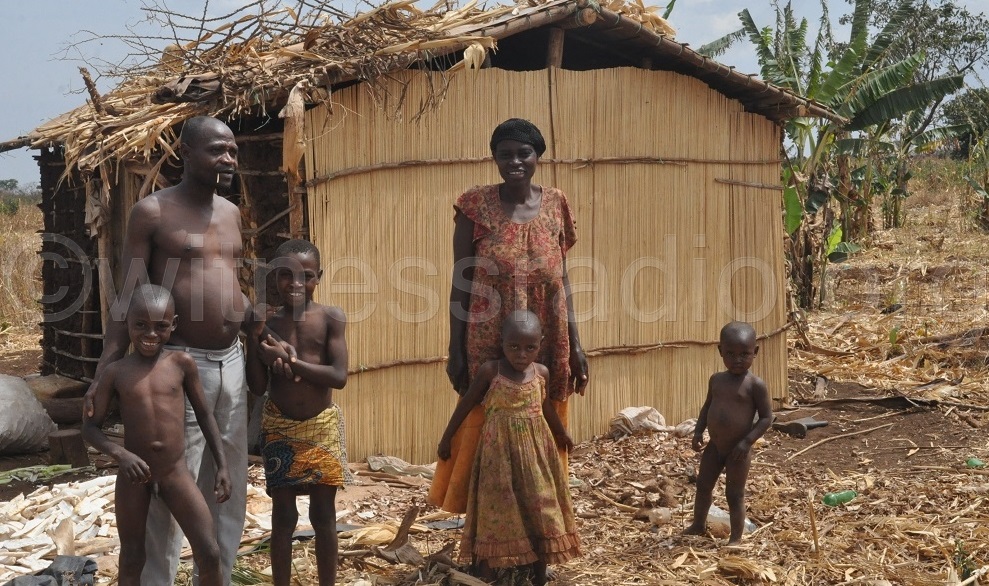
Over 5000 Indigenous Communities evicted in Kiryandongo District

Petition To Land Inquiry Commission Over Human Rights In Kiryandongo District

Invisible victims of Uganda Land Grabs
-
 MEDIA FOR CHANGE NETWORK1 week ago
“We are facing increased violent land dispossessions and climate injustices” – African women.
-
 MEDIA FOR CHANGE NETWORK1 week ago
Kassanda businessmen accused of a second attempt to grab an 86-year-old farmer’s land despite court orders.
-
 MEDIA FOR CHANGE NETWORK1 week ago
Kiryandongo farmer accuses minister of grabbing 100-acre land
-
 MEDIA FOR CHANGE NETWORK1 week ago
More than 500 Masindi residents live in fear as a tycoon targets their land.
-
 MEDIA FOR CHANGE NETWORK2 days ago
A Ugandan minister is in the hot seat over the grabbing of land from a peasant in Kiryandongo district.
-
 MEDIA FOR CHANGE NETWORK4 days ago
Inside Eastern DRC War: The untold story of grabbing land for local and indigenous communities.
-
 MEDIA FOR CHANGE NETWORK18 hours ago
A community in Yumbe district has raised serious concerns about allegations of land-grabbing involving an aspirant for Uganda’s Parliamentary Speakership, affecting over 50 families.