




















The Parliamentary Committee on Land has given the Jinja Ministry Zonal Office (MZO) three months to clear thousands of pending land transactions, citing unacceptable delays in processing applications.
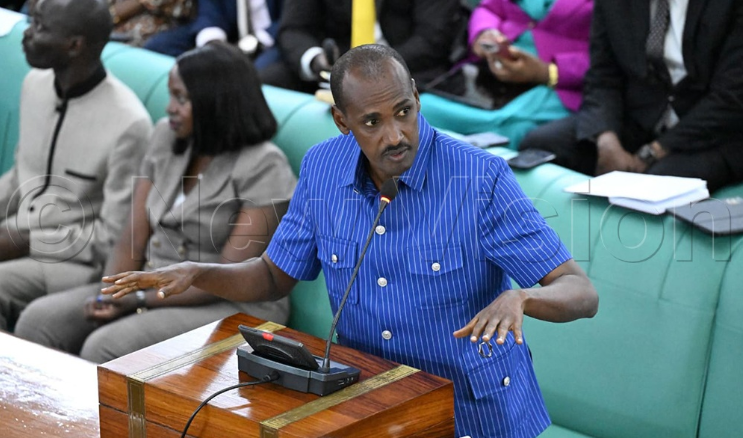
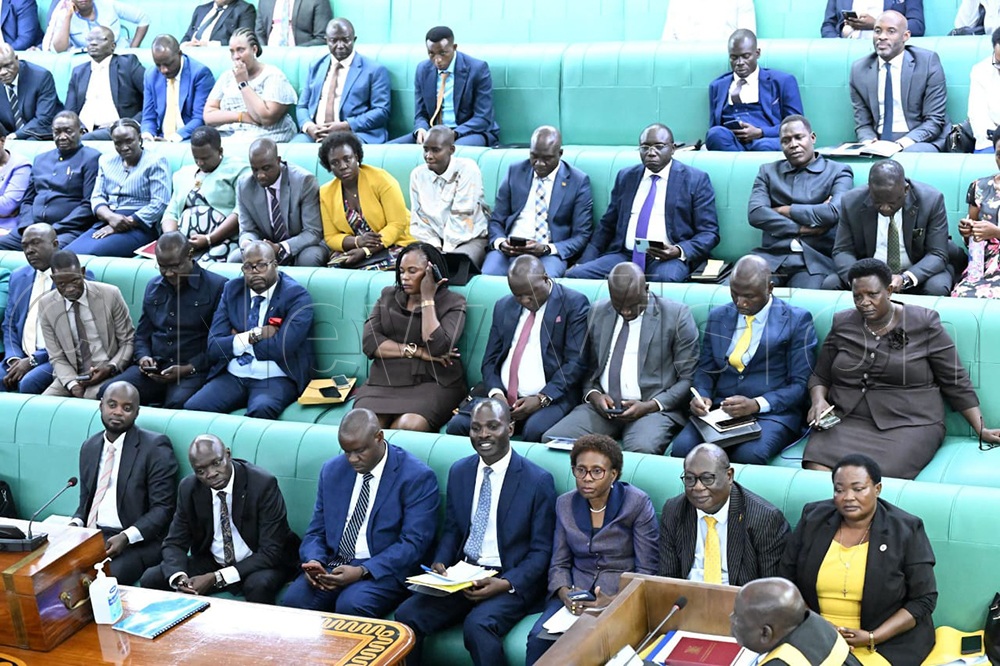
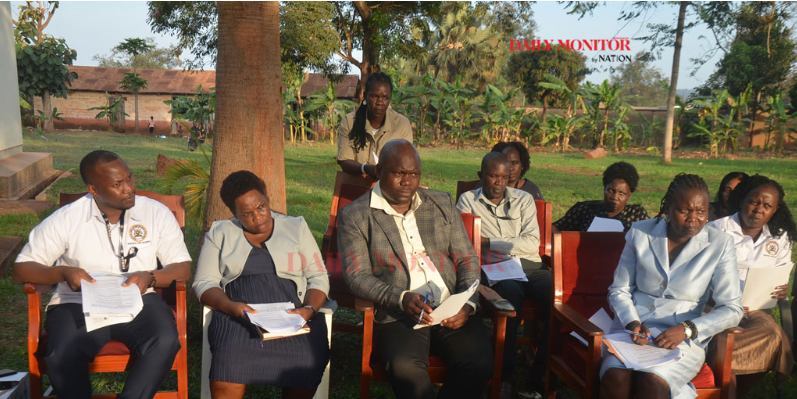
The committee, chaired by Ntoroko MP Edson Rugumayo and deputised by Jinja District Woman MP Peace Tibyaze, issued the deadline on Thursday during a visit to the land office.
The directive comes amid staffing and inafrastructure shortages that have left the office with only 14 staff against an approved establishment of 25.
The committee, chaired by Ntoroko MP Edson Rugumayo and deputised by Jinja District Woman MP Peace Tibyaze, issued the deadline on Thursday during a visit to the land office.
The directive comes amid staffing and inafrastructure shortages that have left the office with only 14 staff against an approved establishment of 25.
The office, which serves 11 districts and Jinja City, has 12,748 registered transactions, including 6,531 applications for conversion of customary land to freehold.
Other pending applications include 570 transfers, 460 subdivisions, 377 caveats, 355 mortgages, 348 title rectifications, 226 valuations, 206 cadastral maintenance cases and 197 resurveys.
Jinja Registrar of Titles Jamirah Lunkuse said some applications have remained pending for years because several stages of registration still require physical handling, including retrieval of legacy files, verification of original documents and signing of transfer instruments.
“Some transactions have lasted five, six, even 10 years and remain at the initial stage of generating instructions to survey,” staff surveyor Daniel Francis Wagoli said.
He said some clients abandoned applications started under the former manual system after the introduction of digital registration, while others filed new applications after failing to trace their old files.
The Uganda National Land Information System (UgNLIS), however, has improved the security and speed of land transactions by integrating with the National Identification and Registration Authority (NIRA) and Uganda Revenue Authority (URA) systems.
Ms Lunkuse said the integration has reduced impersonation and falsification of payment receipts.
“Registration has been made easy, transparent, secure, speedy and easily accessible,” she said.
But the office continues to face unreliable internet and electricity, inadequate ICT and survey equipment and poor management of old land records.
Ms Lunkuse said outdated titles, deeds, cadastral maps and historical ownership records contain inconsistencies that can delay registration and contribute to disputes.
“Poorly maintained survey information can result in overlapping interests on the same piece of land,” she said.
The office has detected two forged titles. One involving Block 3 Plot 600 was handed to police, while another involving LRV 153 Folio 14 is before court.
Ms Lunkuse said disputes are handled through boundary surveys, site visits and ownership verification, while proprietors are advised to conduct resurveys where there is evidence of boundary shifts.
The digital mapping system is also being used to identify environmentally sensitive areas and prevent land titles from being plotted in protected areas.
Ms Lunkuse said wetlands and forests in Busoga remain under pressure from cultivation, settlement, industrial development, brick making, sand mining, charcoal burning and timber harvesting.
She called for better ICT infrastructure, regular staff training, improved records management and stronger induction of Area Land Committees and District Land Boards.
Principal Assistant Secretary Beatrice Adong Oling said the office has 11 vacant positions, including senior land officer, senior registrar of titles, senior IT officer, records officer, senior assistant accountant, secretary, receptionist and driver.
“We have a staffing gap, outdated ICT equipment and inadequate field equipment, which affect our operations,” Ms Adong said.
She said the office also needs a biometric machine, modern ICT and survey equipment, additional strong-room shelves, a field vehicle and renovation of its premises.
Despite the challenges, the office collected Shs459.1 million in tax and non-tax revenue in the 2025/26 financial year, down from Shs1.58 billion in 2024/25 and Shs2.1 billion in 2023/24.
Officials attributed the decline partly to fewer chargeable transactions under the Systematic Land Adjudication and Certification (SLAAC) programme, under which some titles are issued free of charge.
The Jinja MZO has a target of issuing 80,000 titles across Busoga and had delivered 34,613 titles to seven districts by August.
Kamuli had received 16,735 titles, followed by Luuka with 9,203, Mayuge with 4,048 and Namutumba with 3,275.
Jinja District had received 1,332 titles and Buyende 50, while Jinja City had received none, although 89 titles were awaiting collection at the MZO.
The office is also expected to print 44,124 Certificates of Customary Ownership for Kamuli and Buyende under a Cordaid-supported programme.
Officials said the expansion of digital land registration alone would not eliminate delays without adequate staffing, infrastructure and updated records.
The parliamentary committee’s three-month deadline now puts the office under pressure to address the backlog while improving the reliability of land registration services across the region.
Source: monitor.co.ug/