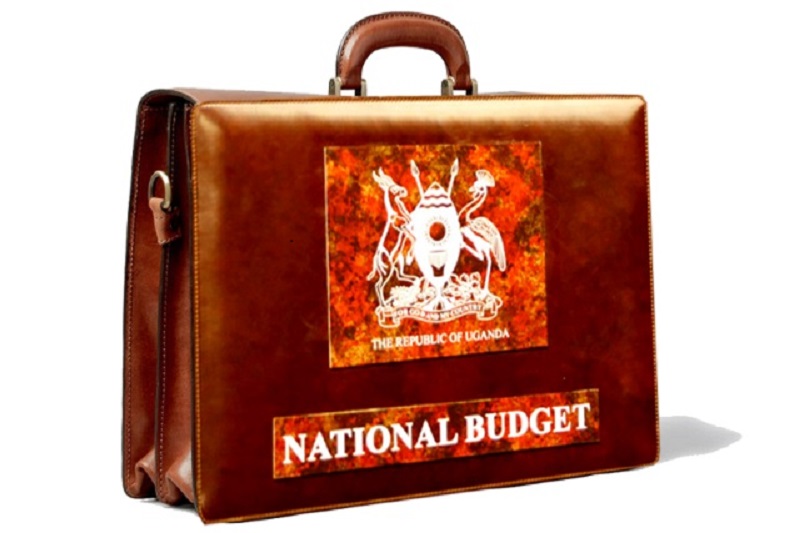
Kampala, Uganda | THE INDEPENDENT | Government will announce a cut of billions of shillings off travel and conferences and ensure that ministries, departments and agencies become efficient as it faces limited funding to run the 2020/21 financial year budget to be read on Thursday.
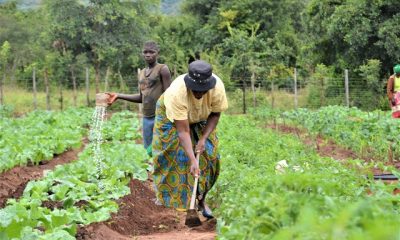
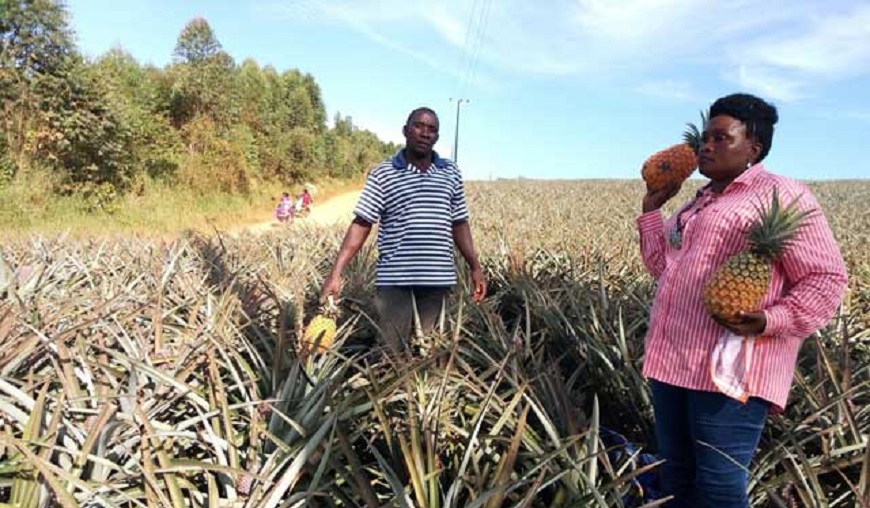
Also, the government will seek to use agriculture as a resilient sector that will anchor the country’s growth next financial year as uncertainty over coronavirus crisis lingers on.
Margaret Kakande, the head of the Budget Monitoring Unit (BMAU) at the Ministry of Finance said the government will step back on sectors like tourism, giving it limited resources because it is now next to impossible to attract any visitors.
The tourism sector will be allocated 197 billion Shillings, a slight improvement from 193 billion Shillings in the 2019/20 financial despite it being the most battered by the effects of COVID-19. Kakande said that the government has cut billions off all ministries’ travel budget both for inland and foreign trips.
This started early from April with most agencies having their travel budgets cut to ‘zero’. Kakande said this will continue with the new financial year. Travel for different officials takes more than 100 billion Shillings in a particular financial year.
The budget which is expected to be at least 45.5 trillion Shillings will look to address three things – support the recovery from the coronavirus crisis, disaster-prone areas and then bear in mind of the 2021 general election.
Finance Minister Matia Kasaija will announce the biggest allocations to works and transport, security, interest payments, education and health in that order.
Works and Transport in particular will be allocated 5.8 trillion Shillings accounting for 12.5 percent of the budget. This is a slight drop from the 6.4 trillion Shillings the sector got in the 2019/20 financial year. Still it taking the biggest chunk is an indicator that the government hasn’t moved away from its focus on roads despite having a health pandemic. Kakande said some of the projects have been committed and it’s a legal obligation that the government continues paying them.
Security will be allocated 4.5 trillion Shillings but much of this money is classified. Interest payments, the money government pays to lenders for lending their money will be 4 trillion Shillings up from 3 trillion Shillings last year while the Health sector will get 2.7 trillion Shillings a slight improvement from the 2.5 trillion in the 2019/20 budget.
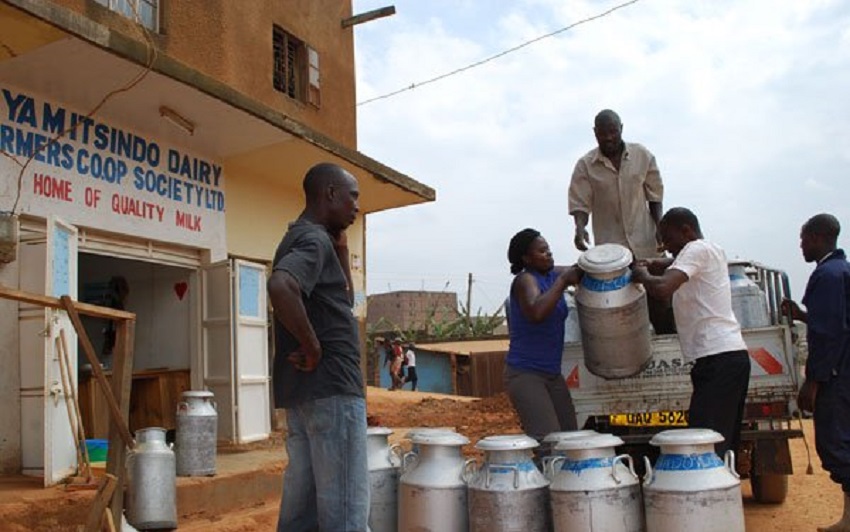
Kasaija will also announce a wide range cut in taxes in the push to recover from the coronavirus crisis but also appear to appease the 2021 general election voters. These include most agriculture inputs, cooking gas and processed milk.
Allan Mugisha, an auditor at Ernst and Young, said some of these cuts are good for the environment and boost the agriculture production. Of interest in the budget will be the source of funding. Kakande said domestic taxes and international taxes have been cut by the closure of businesses, borders and limited consumption.
She said they don’t expect a lot of grants from donors as their own countries are also suffering from coronavirus impact.
The major source of funding will be borrowing, she said. According to figures presented by Ernst and Young, the government will borrow up to 11 trillion Shillings from external sources for the 2020/21 budget. It expects grants of 1.7 trillion Shillings.
The money will go to both budget and project support. The government hopes to raise 33 trillion Shillings from domestic sources.
Ex-combatants in Lango Sub-region are counting losses after prolonged dry spells destroyed much of their maize crop during the first planting season, threatening a government-backed project aimed at improving food and feed security.
The project, funded by the Ministry of Defence and Veterans Affairs and the Ministry of Agriculture, Animal Industry and Fisheries (MAAIF), supports army veterans to engage in commercial maize and animal feed production.
Under the programme, veterans receive agricultural inputs including seed, fertiliser and pesticides, while the National Enterprise Corporation (NEC) buys their produce after harvest.
In 2025, ex-combatants in Lango supplied NEC with more than 1,200 tonnes of maize grain, generating income for members and supporting their household livelihoods.
However, unreliable rainfall in 2026 affected both the first and second planting seasons, leaving farmers struggling to recover their investments.
Julius Peter Odur, chairperson of Apac District Veterans Sacco, said the dry spell affected farmers who planted late during the first season.
“We planted our crops and along the way sunshine came and most of us who planted a little late didn’t harvest anything after investing heavily in it,” Odur said.
He was speaking during an inspection of the veterans’ farm on September 24 by Defence and Veterans Affairs Minister Huda Oleru.
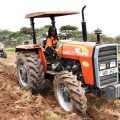
Odur appealed for additional government support, particularly tractors, to reduce the cost of land preparation and improve production.
“Currently the cost of labour is too high, we are requesting for the tractors to help our members in reducing the cost of cultivating land and increasing production,” he said.
Margret Aguma, the wife of an army veteran, said her family spent heavily on maize production during the first season but lost the crop because of unreliable rainfall.
“We spent over Shs 2 million but at the end our maize dried out and we harvested nothing then we prepare the land for the second season harvest but rainfall disappeared and it has just rained yesterday yet the season is about to end,” she said.
Minister proposes irrigation
Oleru said the government would explore irrigation as a way of reducing veterans’ dependence on increasingly unreliable rainfall.
She asked local governments to help identify large blocks of land where irrigation infrastructure could be installed in partnership with the Ministry of Water and Environment and MAAIF.
“The local government must help these veterans they must get big land at least 100 acres and above so that we work with the ministry of water and ministry of agriculture to install them irrigation system and you can’t just put irrigation in small pieces of land,” Oleru said.
She also urged the veterans to adopt recommended agricultural practices and use improved seed varieties that can withstand diseases.
“We shall continue to train them with better agricultural practicing methods and we shall also encourage them to buy good seeds which are resistance to diseases so that they can do better and all their problems we have noted them and we shall continue to help them,” she said.
The minister’s proposal comes as farmers in Lango face growing uncertainty over the reliability of rainfall, with veterans seeking mechanisation and irrigation to protect their investments and sustain commercial production.
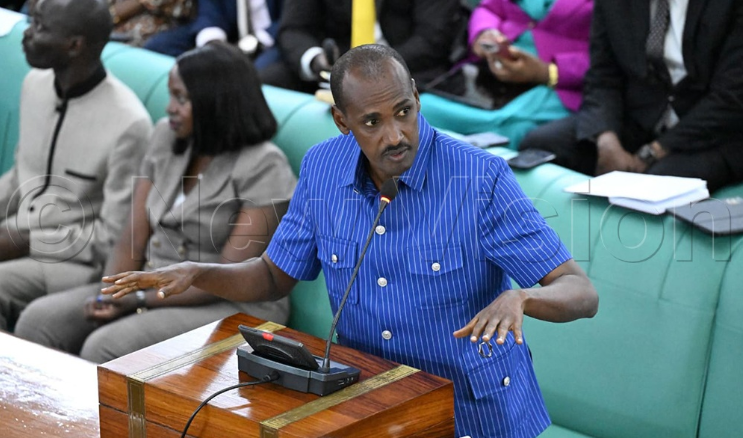
Agriculture minister Frank Tumwebaze tabled the Food and Agriculture Regulatory Authority Bill, 2026, for first reading in Parliament on August 25, 2026. (Credit: Maria Wamala)
The Bill has been referred to the Committee on Agriculture for scrutiny. The proposed authority will regulate the manufacture, processing, importation, exportation, distribution, transportation, advertisement, labelling, storage, sale and supply of veterinary medicines, agricultural chemicals, veterinary equipment and devices.
KAMPALA – The Government has proposed the creation of a food and agriculture regulatory authority to bring food, animal medicines, agricultural chemicals and related products under one regulatory framework.
Agriculture minister Frank Tumwebaze tabled the Food and Agriculture Regulatory Authority Bill, 2026, for first reading in Parliament on August 25, 2026.
The Bill has been referred to the Committee on Agriculture for scrutiny. The proposed authority will regulate the manufacture, processing, importation, exportation, distribution, transportation, advertisement, labelling, storage, sale and supply of veterinary medicines, agricultural chemicals, veterinary equipment and devices.
It will regulate food and feed manufacturing, processing and distribution, oversee food and feed safety, develop standards, inspect and certify agricultural inputs, and establish traceability systems for regulated products.
The Bill’s memorandum presents a troubling picture of the current food and agricultural regulatory system, stating that the country is “flooded with counterfeit substandard veterinary medicines and agricultural chemicals.”
It cites concerns over medicines and chemical residues, aflatoxins, harmful microorganisms and heavy metals in food and feed, warning that such contaminants compromise public health and the safety of agricultural exports.
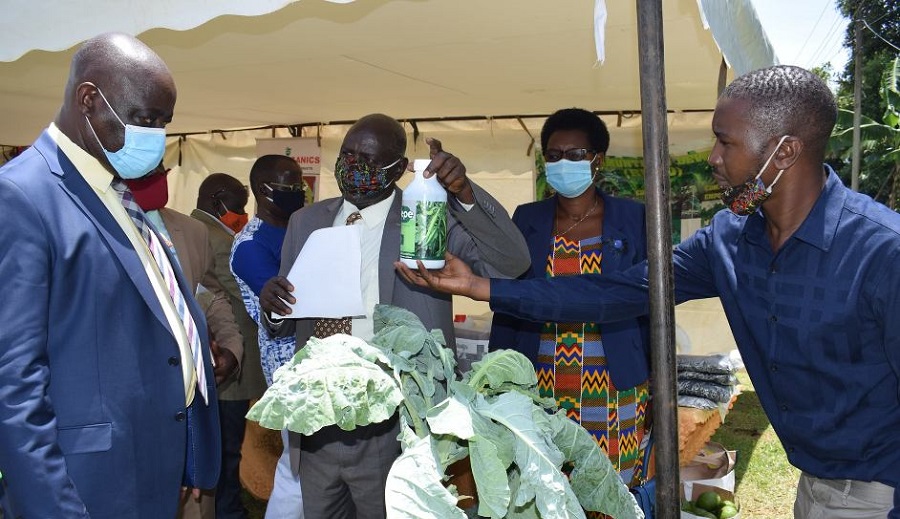
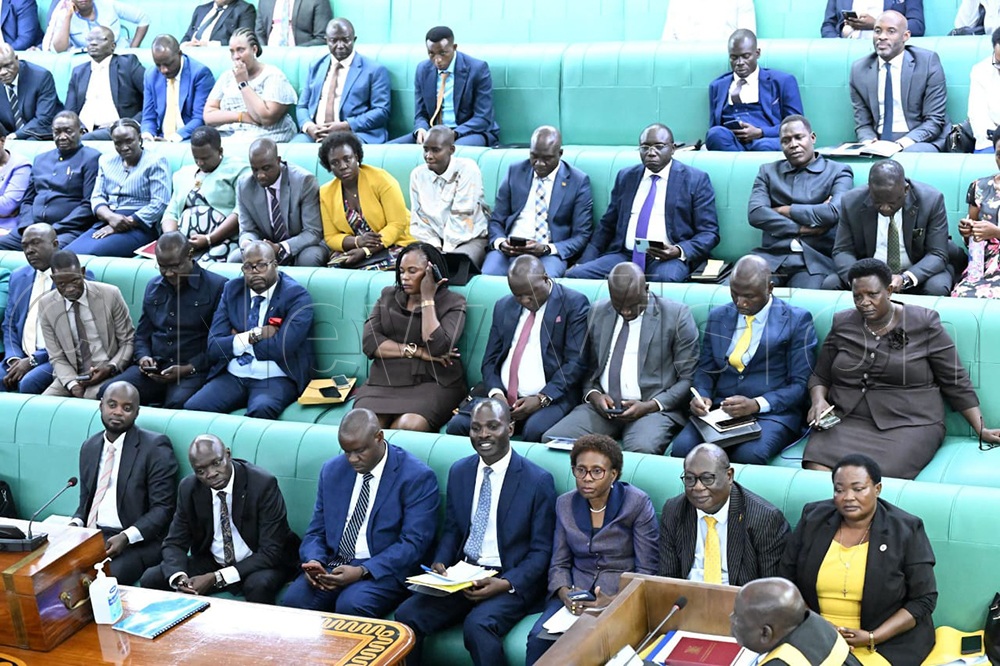
Members of Parliament during Plenary on Tuesday. (Credit: Maria Wamala)The memorandum attributes the problem in part to “fragmented regulation”, which it says has resulted in weak and uncoordinated regulation by multiple agencies, duplication of efforts and inefficiencies in enforcement.
It argues that the absence of a single body overseeing the food and agriculture value chain “undermines the effectiveness of regulation” and creates uncertainty for stakeholders.
The proposed authority will inspect food premises, certify meat for public consumption, inspect and certify fish, regulate processed and semi-processed food, and oversee the storage and transportation of food.
The Bill seeks to regulate food packaging, labelling and advertising, while prohibiting the use of radioactive materials, heavy metals and banned substances in food. It provides for residue monitoring to detect harmful substances in food products.
For agricultural chemicals, the Authority will license manufacturers, distributors, fumigators and commercial applicators. It would regulate the import and export of chemicals, as well as their packaging and labelling, storage, sale and advertising.
The Authority will have powers to recall agricultural chemicals and deal with prohibited, banned, restricted, falsified or adulterated products.
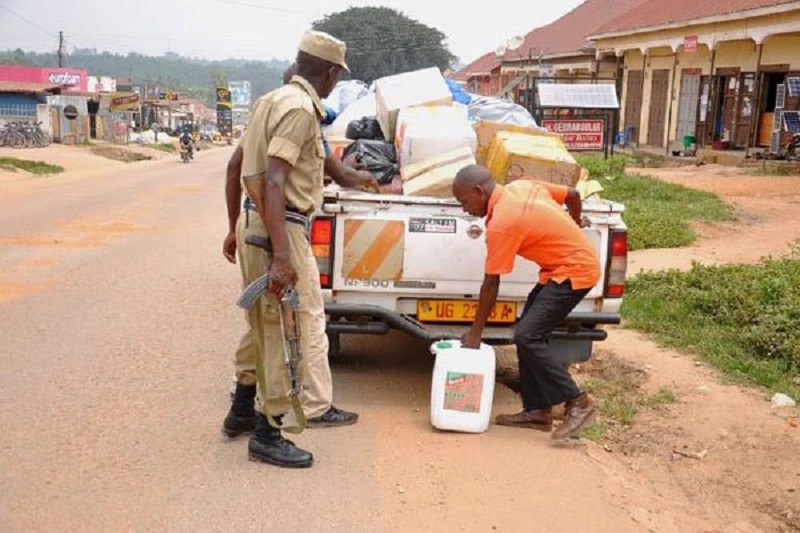
The Bill proposes inspectors and analysts with powers to access establishments, conduct sampling and analysis, seize adulterated products and oversee the disposal of obsolete, banned, prohibited and expired products.
Inspectors will, in certain circumstances, order the detention, return or destruction of non-compliant consignments.
The proposed authority will be a body corporate with perpetual succession. Its functions include the registration of veterinary medicines, veterinary devices, veterinary equipment, agricultural chemical application equipment and agricultural chemicals for use in Uganda.
The authority will be governed by a nine-member board appointed by the minister. The board will comprise a chairperson, six members with expertise in veterinary medicine, agriculture, pharmacy, standards and environmental science, and two representatives of farmers nominated by a recognised farmers’ federation.
The Bill contains 13 parts, 101 clauses and three schedules. It seeks to amend the Dairy Industry Act, Fisheries and Aquaculture Act, National Coffee Act and Animal Feeds Act, while repealing the Agricultural Chemicals (Control) Act and the Food and Drugs Act.
The proposed law seeks to give the Minister power to issue written policy directions to the authority.
The Government argues that the new framework would improve the quality and safety of agricultural inputs, strengthen consumer protection and help Uganda gain access to regional and international agricultural markets.
The Bill moves to the Agriculture Committee, where MPs are expected to examine its regulatory, institutional and enforcement provisions before it returns to the House for further consideration.
The public, including experts, are expected to provide their views on the Bill.
For decades, cassava has been more than just a crop in Bukedi Sub-region in eastern Uganda. It has served as a lifeline, providing a reliable source of food during droughts, a key source of household income and an integral part of the region’s cultural identity.
Across the districts of Budaka, Kibuku, Butebo, Pallisa and parts of Butaleja, cassava gardens once stretched across vast expanses of land. Families harvested the crop throughout the year, processed it into flour and sold surplus produce in local markets.
Today, however, those fields are shrinking. Farmers are increasingly abandoning cassava cultivation in favour of crops they consider more profitable and less risky, raising concerns about food security and the future of one of Bukedi’s traditional staples.
Ms Beatrice Nankera, a 63-year-old farmer in Budaka District, says: “Cassava was our insurance crop. Even when rains failed, we could count on it. Today, the yields are too low, diseases are many, and the profits are not worth the effort.”
Ms Nankera explains that many families depended entirely on cassava cultivation and considered it as a backbone of their livelihoods. “Families without a big garden of cassava were considered food insecure. They were not respected,” she added.
Her experience is echoed by many farmers across Bukedi, where changing weather patterns, pests, diseases, declining soil fertility and limited market opportunities are making cassava farming increasingly difficult.
Many households have now switched to growing rice and maize, although according to local leaders, the shift has instead fuelled food insecurity in the region.
“The resources and time invested in cultivating rice are huge compared to the output,” said Mr Bernard Tazenya, a local farmer. “People are planting rice not by choice, but because of the high poverty levels,” he added.
Bukedi was once among the top cassava-producing regions, followed by the Teso Sub-region. However, the resurgence of diseases, particularly cassava mosaic and cassava brown streak, has posed significant threats to production. The viral infections, spread largely by whiteflies and infected planting materials, leave plants stunted, destroy tubers and reduce yields.
The National Agricultural Research Organisation (Naro) has introduced resistant cassava varieties, but many farmers remain discouraged.
Mr Godfrey Mugoga, an agricultural extension worker, says many farmers continue to recycle cuttings from infected plants due to limited access to clean, disease-resistant varieties.
“When one farmer plants infected stems, the disease spreads quickly across neighbouring gardens. Without coordinated action, controlling these diseases becomes difficult,” Mr Musoga says. Although cassava is known for being a resilient crop even amidst prolonged dry spells, low yields have caused fears of food insecurity.
Bukedi has experienced increasingly unpredictable weather patterns in recent years, with delayed rains and extended droughts affecting crop production.
Climate experts warn that unless farmers adopt climate-smart practices such as moisture conservation, mulching and improved water management, cassava production will continue to decline.
Beyond production challenges, farmers also face difficulties accessing reliable markets. Unlike maize and rice, which benefit from direct market access, cassava markets remain largely informal and unpredictable.
Prices fluctuate widely depending on the season and demand, leaving farmers vulnerable to losses. Limited investment in cassava processing industries has further constrained opportunities for value addition.
“Most farmers sell raw cassava or dry chips at low prices,” said a local trader in Pallisa District who preferred anonymity. “There is no factory to process cassava into high-value products such as starch, ethanol, and industrial flour.”
Agricultural experts believe cassava still has potential if farmers are given the right support. Mr Badrru Kirya, the chairperson of the Bagwere Cultural Council, says, “For generations, cassava has helped Bukedi communities withstand hunger and economic shocks. Its decline is a warning sign about the vulnerabilities facing smallholder farmers in a changing climate and economy.”
As policymakers, researchers and development partners focus on boosting agricultural productivity, many farmers believe cassava deserves renewed attention. “If the current trend continues, Bukedi risks losing not only an important source of food and income, but also a crop deeply-rooted in its history and identity,” Kirya explains.
Eastern Uganda accounts for roughly 36.7 percent of the nation’s cassava production, with Bukedi once having the largest population of cassava farmers.
Currently, due to scarcity, cassava is being bought from neighbouring districts such as Namutumba, with prices ranging from Shs1,200 to Shs1,300 per kilogramme. Previously, when cassava was abundant, prices remained low and stable.
Kibuku District Production Officer, Michael Mbayo explains that cassava now faces a serious setback as more farmers lose interest in planting the crop.
“Farmers should not just abandon cassava cultivation. Most households now having only a single meal a day,” Mbayo says.
Opinion leaders and elders have also voiced concerns about the declining production of cassava, attributing it to modern lifestyles among the youth.