Connect with us

MEDIA FOR CHANGE NETWORK

Indian agribusiness sets sights on land in east Africa

Published

on

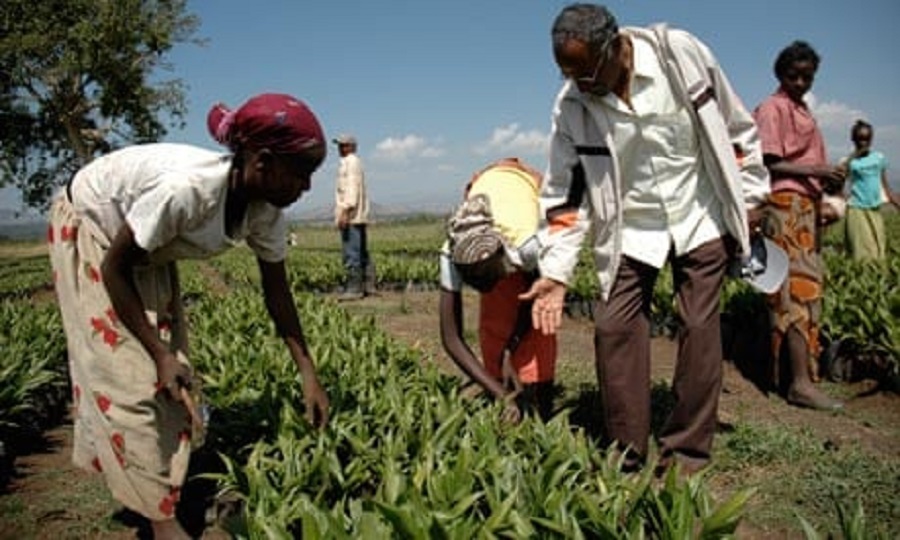
Workers at an 11,000 hectare farm in Bako, Ethiopia, run by the Indian company Karuturi. Photograph: Xan Rice

Indian agribusiness companies are ready to spend $2.5bn buying, or renting for decades, several million hectares of cheap land in Ethiopia, Tanzania and Uganda in what could be some of the largest farming deals struck in Africa in the last 50 years.

But in a separate development, plans for a US-based investment company to lease up to 1m hectares of South Sudan for only $25,000 a year appears to have stalled following protests by local communities over the potential “land grab”.

A delegation of 35 Indian investors, including food conglomerates McLeod Russel, Kaveri Seeds, and Karuturi Global, has been touring Ethiopia, Tanzania and Uganda for the last week to seek land to grow palm oil, maize, cotton, rice and vegetables, largely for the burgeoning Indian market.

Karuturi said this week in Dar es Salaam that it was ready to spend $500m acquiring and developing 200,000 hectares of land for palm oil, 150,000 for cereals and 20,000 for sugarcane. This is in addition to $400m the company is spending to develop 100,000 hectares in Gambella province in Ethiopia. The investors have said they are each ready to spend hundreds of millions of dollars on what is some of the cheapest land in the world, being offered on decades-long leases for as little as $1.50 per hectare per year.

“There is huge potential for the agriculture sector in east Africa,” said Karuturi’s managing director, Sai Ramakrishna Karuturi. “The region has 120m hectares of arable land, the same size of arable land India has.”

The deals, if concluded, would swell growing concerns for the “land grab” phenomenon now taking place around the world. According to the UN, (pdf) at least 60m hectares of land, mostly in Africa but increasingly in Latin America, have been bought or leased for up to 100 years as western hedge and pension funds have moved to buy land as an alternative investment to property, and wealthy Middle East countries have sought land to grow food after food riots and droughts. China, Saudi Arabia and Egypt as well as many smaller Middle East countries have led the deals.

Cash-strapped developing country governments have largely welcomed the “foreign direct investments”, arguing that they have millions of hectares of surplus land suitable for intensive arable farming. In addition, they say, the companies guarantee to provide thousands of jobs.

But there has been growing alarm at some of the handouts and tax exemptions in favour of the companies, potentially at the expense of local communities. Many of the projects have barely started producing food, but tens of thousands of people are expected to be evicted, and land traditionally used by pastoralist farmers is being fenced off. In addition, many companies are being allowed to grow food primarily for export despite increasingly hungry home markets.

“No one should believe that these investors are there to feed starving Africans, create jobs or improve food security,” said Obang Metho of Solidarity Movement for New Ethiopia. “These agreements – many of which could be in place for 99 years – do not mean progress for local people and will not lead to food in their stomachs. These deals lead only to dollars in the pockets of corrupt leaders and foreign investors.”

“Most of these deals are characterised by a lack of transparency, despite the profound implications posed by the consolidation of control over global food markets and agricultural resources by financial firms,” said a recent report by US based Oakland Institute , following an investigation into contracts being agreed in six countries.

However, the largest land deal in South Sudan, where as much as 9% of the country’s land is estimated by Norwegian analysts to have been bought in the last few years, is thought to have stalled after unrest by local communities. Texas-based Nile Trading and Development had reportedly agreed a 49-year lease of 600,000 hectares of Central Equatoria state for around $25,000 a year with an option to increase its holding to nearly 1m hectares. The company, headed by former US ambassador Howard Eugene Douglas, would have been allowed to exploit all natural resources, including oil, and to apply for UN-backed carbon credits that could provide it with millions of dollars a year.

But the deal is believed to have stalled after the community of Mukaya Payam in Lainya county, Central Equatoria state, appealed to MPs and the president of South Sudan. “We the chiefs, elders, religious leaders and the youth of Mukaya Payam unanimously, with strong terms, condemn, disavow, or deny the land-lease agreement reached on 11 March 2008 between the two parties,” said the community in a letter to MPs.

President Salva Kiir responded: “This issue has to be addressed according to your will. You are the government and you have powers.”

In a separate study, the US-based Council on Hemispheric Affairs, has concluded that much of Paraguay, Uruguay and Bolivia in Latin America has been acquired by foreign companies to farm.

“In Paraguay, Argentine firms and individuals own about 60% of the 3m hectares of land used to cultivate soy. Foreigners own 19.4% of all Paraguayan land and Argentines own almost all of the 500,000 hectares of Uruguayan soil designated for soy cultivation, while foreigners own 25% of the country’s total arable land,” say the authors. Foreign agribusiness investors own or rent over 1m hectares of Bolivia, according to the report.

“Instead of allowing their lands to be exploited by multinational corporations, these Latin American countries must wean themselves off foreign demands and make their own food security their top priority,” say the authors.

Original Post: The Guardian

MEDIA FOR CHANGE NETWORK

Minister Nabakooba wants special land title issuance halted

Published

on

She said the continued issuance of the certificates without adequate verification was fuelling land disputes and creating opportunities for land grabbers to deprive legitimate owners of their property.

Lands minister Judith Nabakooba wants the issuance of certificates of occupancy, which act as land titles, halted for three months to allow the Government to review and streamline the process and curb double titling.

She said the continued issuance of the certificates without adequate verification was fuelling land disputes and creating opportunities for land grabbers to deprive legitimate owners of their property.

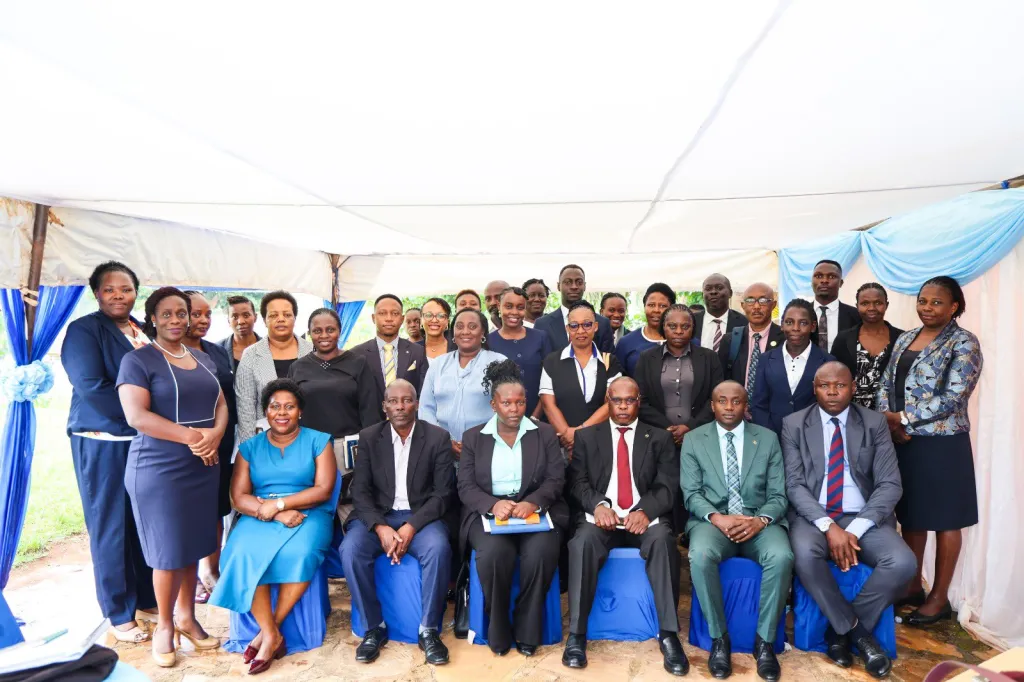
She made the remarks on August 14, 2026, during a lands staff meeting at the Office of the Prime Minister in Kampala.

The minister warned lands officers against issuing special certificates for land that already has registered ownership, saying those who disregard the procedures could face arrest.

“You have slept on your duty on the issue of special certificates. When you continue issuing them, I will send the police, and they will arrest you.”

Nabakooba cited cases in Kyengera and Kabula, in Wakiso and Lyantonde districts respectively, where the titles had reportedly been issued despite existing claims and titles on the same land.

“We need to sit and have a clear guideline on how to handle that issue,” she said, adding that many of the reported cases were coming from the Buganda region.

She said the creation of special titles on already registered land was also placing pressure on ministry leadership, as affected people frequently seek intervention.

“I receive distress calls from my bosses. You are putting special titles on existing titles, which makes my work very hard,” she said.

The minister’s concerns come amid persistent complaints about land grabbing, overlapping titles and double titling, which she said undermine public confidence in the country’s land administration system.

Nabakooba urged lands officials to take responsibility for the services they provide and follow proper procedures when handling land transactions.

She also directed lands officers to clear the backlog of land transactions by December, questioning how officials who frequently absent themselves from duty would meet the deadline.

She said the ministry continues to receive complaints about officers who report to work only once a week.

“You disappear a lot. Every time you give excuses. There are people who work for only one day a week. We get a lot of complaints from the public,” she said.

The minister also criticised poor customer care, saying some officers shout at clients and create an intimidating environment that discourages people from freely presenting their land-related concerns.

She further directed officials to remove brokers operating around Ministry Zonal Offices, accusing them of misleading clients and sometimes posing as ministry officials to solicit money.

“Let’s try to get brokers out of our offices. They even start blackmailing our names, posing as officials from the ministry and taking money from people,” she said.

Nabakooba also directed staff to wear name tags and ministry shirts to help members of the public distinguish genuine ministry employees from brokers.

The technical officers were also directed to enter titles completed under the Systematic Land Adjudication and Certification programme into the land information system and ensure they are distributed to the intended beneficiaries.

The minister appealed to officials to engage contractors to provide outstanding data needed to complete the programme.

“This is a World Bank loan, and we have to pay back the money, so let’s use it properly to finish the services they were asked for,” she said.

Nabakooba also urged technical officers to accompany ministers during field visits, saying their expertise is necessary to provide technical guidance and help the Government understand challenges faced by communities.

What others said

Acting permanent secretary in the lands ministry Dr Emmanuel Mugunga urged staff to embrace teamwork, accountability and respectful treatment of colleagues and clients.

He warned that the Human Capital Management System would track staff attendance and that absenteeism would have consequences.

Housing state minister Persis Namuganza urged staff to restore public confidence in the ministry, saying some members of the public now associate lands officials with land grabbing.

Lands state minister Harriet Ntabaazi called for greater collaboration among officers and warned technical staff against treating themselves as “small gods” at their duty stations.

Ntabaazi said land grabbing, overlapping titles, double titling and family conflicts remain among the major challenges facing the lands sector.

She also cautioned officers against soliciting money from clients, saying such practices damage the ministry’s reputation.

The ministers called for stronger accountability, adherence to proper procedures and improved teamwork to restore public confidence in land administration.

Continue Reading

MEDIA FOR CHANGE NETWORK

Govt targets land grabbers with first national public-land register

Published

on

Officials say a nationwide inventory will finally let the state prove what it owns — from school compounds to road reserves — but the exercise is beginning on a shoestring.

Continue Reading

MEDIA FOR CHANGE NETWORK

Experts rally the region to unite behind East Africa’s transformative Agroecology Bill.

Published

on

By the Witness Radio team.

Across East Africa, experts and agricultural advocates are urging a united front for the proposed East African Community (EAC) Agroecology Bill, believing its passage could revolutionize food systems, empower food sovereignty, and uplift millions of farmers’ lives.

In mid-April 2026, the East African Legislative Assembly (EALA) officially began the legislative process for the EAC Agroecology Bill, 2026, after the Agriculture, Tourism and Natural Resources Committee chairperson, Hon. Gideon Gaptan Thoar, received parliamentary leave to draft and introduce it. The drafting committee is now in the final stages of tabling the bill before parliament.

This rallying cry echoed through an online webinar hosted by the Center for Food and Adequate Living Rights and broadcast live on Witness Radio. The event gathered agricultural experts, food sovereignty champions, and regional legislators to explore the bill’s promise and the hurdles it may face.

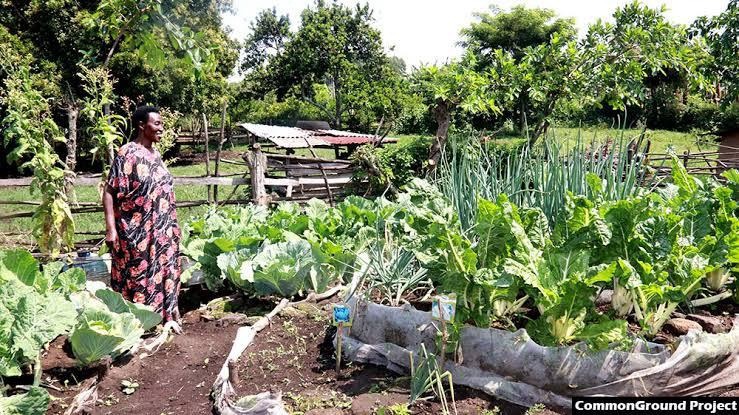
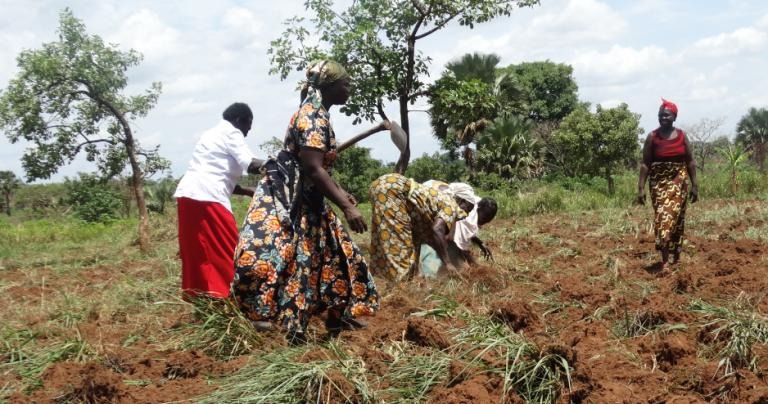
If passed, it would lay the foundation for a unified regional legal framework championing agroecological farming throughout the East African Community. Supporters believe this could be a powerful tool to combat food insecurity, protect farmers’ rights and indigenous seeds, address climate change and biodiversity loss, and tackle challenges faced by smallholder farmers.

Mr. Andrew Adem, Program Coordinator for Food Systems at the Alliance for Food Sovereignty in Africa (AFSA), said the region must learn from the shortcomings of the Green Revolution model, which prioritized increased yields and external agricultural inputs.

He pointed out that although the model aimed to boost yields and farmers’ incomes, it left them vulnerable when harvests fell short.

Adem noted that in tough seasons, farmers often bear the high costs of expensive inputs, while intensive farming erodes agricultural diversity and time-honored knowledge.

To address these challenges, he said, agroecology flips the script by putting farmers and their wisdom at the heart of agricultural progress.

“In Africa, food is more important than yields because it carries a lot of things. Therefore, the Green Revolution failed, and hence the Agroecology Bill presents an opportunity for us to stand up and protect the sovereignty of food in Africa,” Adem said during the Webinar meeting.

He explained that agroecology inspires farmers to break free from expensive external inputs, nurture healthier soils, diversify their crops, and tap into the wealth of local knowledge and resources.

Unlike systems fixated on monocultures and quotas, advocates say agroecology embraces nutrition, culture, biodiversity, and the enduring wellbeing of farming communities.

This legislative push arrives as hunger casts a long shadow over Africa. Jean Leonard from the Food and Agriculture Organization (FAO) highlighted that the continent bears the World’s largest hungry population, with around 309 million people affected.

He described agroecology as a holistic approach, weaving together ecological and social principles to shape and guide agricultural systems.

“Agroecology seeks to optimize interaction between people, markets, agriculture and ecosystems while addressing environmental, social and economic systems simultaneously rather than focusing on single technologies,” Leonard said.

Leonard outlined key ingredients for the success of the Bill: dedicated lawmakers, appropriate budgets, robust funding, supportive laws, and genuine involvement from farmers. She urged greater investment in youth, believing that empowering young people with resources and opportunities could open fresh paths into agriculture and speed the shift to agroecological farming.

Hon. Jackline Amongin, a Ugandan member of the East African Legislative Assembly (EALA), said the proposed legislation is intended to create a common framework for agroecological farming across the EAC.

She emphasized that the East African Community’s unique character calls for unity, not fragmented efforts, in transforming agriculture.

“We shall have the best, but all efforts must be put on enacting the Bill into law. Once the law is put in place, all the desired issues of implementation and execution will be agreed on. Other factors will follow,” she added.

Advocates stress that agroecology is more than a farming method. They see it as a philosophy that links agriculture to environmental care, social justice, cultural heritage, nutrition, and economic vitality.

This approach inspires farmers to exchange wisdom, broaden their crops, and craft solutions tailored to their unique landscapes.

According to the Bill memorandum, the purpose of the EAC Agroecology Bill, 2026, is to mainstream agroecological farming by promoting agroecology principles across agri-food systems. It seeks to integrate ecological, social and participatory approaches while combining scientific and traditional knowledge to enhance biodiversity, ecosystem services, resilience, livelihoods and food sovereignty.

“The Bill will therefore be tabled and gazetted before being subjected to public consultations, hearings and participation by members of the public. It will then proceed to a second reading before being referred to the whole House Committee for detailed consideration. Once all these processes are duly followed, the Bill will be presented for a third reading and passage by EALA. It will then go through the EAC process before ultimately becoming an Act.” She concluded.

Continue Reading

Resource Center

Legal Framework

READ BY CATEGORY

Facebook

Newsletter

Subscribe to Witness Radio's news and report updates


Trending

Subscribe to Witness Radio's news and report updates