
WITNESS RADIO MILESTONES
Harvard’s Foreign Farmland Investment Mess

The university’s holdings in developing markets have proved to be more trouble than they’re worth.
Fourteen years ago, a Brazilian farmer named Ruthardo Grun says he was terrorized by armed thugs who shot at him, burned down his shack, and chased him from land he was preparing to farm. Little did he know his battle to get the property back would end up pitting him against a company controlled by the world’s richest school: Harvard University.
Over a decade, Harvard invested at least $1 billion in farmland, according to a just-released reportfrom the activist groups GRAIN, based in Barcelona, and the Network for Social Justice and Human Rights, based in Sao Paulo. The organizations came up with their estimate after a year-long investigation of tax returns and local property records, as well as on-the-ground interviews. Harvard’s holdings included vineyards in California, dairy farms in New Zealand, and operations producing cotton, soybeans, and sugar cane in countries such as Brazil, South Africa, Australia, Russia, and Ukraine, and totaled 854,000 hectares, though some assets have been sold.
In response to questions about its farmland holdings, Harvard says it considers the environmental and social implication of its endowment investments. The university said in a statement that it has “instituted a more proactive approach to working with managers of new and remaining assets—a partnership that provides more oversight and ensures that we can leave the land and community better than when we first invested.”
Narv Narvekar, the endowment’s chief executive officer hired from Columbia University in 2016 to overhaul operations, has retreated from direct investing. He’s spun out teams of managers overseeing assets from real estate to hedge funds, sending them to start their own businesses while investing with them. Yet Narvekar is still trying to hammer out the future of the troubled natural resources portfolio, even as he sells some investments, including the New Zealand dairy farm and a eucalyptus plantation in Uruguay.
Now, as a new school year begins, Harvard’s far-flung farmlands are facing criticism for, among other things, their impact on ancient burial grounds and impoverished populations. “Harvard’s farmland deals should be a cautionary tale for institutional investors,’’ writes Devlin Kuyek, a researcher at GRAIN, whose mission is to support small farmers and social movements in poorer countries.
Students, alumni, and environmentalists are targeting U.S. university endowments, saying their investing practices are often out of synch with schools’ professed values. These critics have pushed colleges to jettison stock in fossil fuel companies, private prisons, and companies that do business with Israel. Yale University’s investments in New Hampshire’s Great North Woods have drawn the school into disputes over clear-cutting and the development of a power line.
Harvard initially made hefty profits on its land investments, including by buying and selling New Zealand timberlands in the 2000s. But returns fell as emerging markets faltered, and much of the team spearheading the strategy left the endowment in 2015. Last year, Harvard wrote down its natural resources portfolio, which includes timber as well as farmland, by $1.1 billion, to $2.9 billion. Over the decade ended June 30, 2017, Harvard’s investment portfolio returned 4.4 percent a year, among the worst of its peers. In Brazil, in particular, the endowment’s holdings suffered from the country’s recent economic meltdown and political turmoil.
The report, titled “Harvard’s Billion-Dollar Farmland Fiasco,” shows why such investments are so risky. It highlights property Harvard bought in Australia through a company called Wealthcheck Funds Management. According to a government inquiry, the company harmed an Aboriginal burial site when it dug irrigation canals for a cotton farm. It also details conflicts between RussellStone Group, which managed the endowment’s farms in South Africa, and black families that were granted rights to some sites to graze cattle and access burial sites. Neither company returned calls or emails seeking comment.
But Brazil may be the most contentious of Harvard’s overseas adventures. A public prosecutor’s office in the northeastern state of Bahia, for instance, has said that it may sue to reclaim some of the 140,000-hectare farm owned by Harvard-backed Caracol Agropecuaria after finding that titles for about two-thirds of the property are invalid. In its most recent tax filing, Harvard valued its interest in Caracol at $87 million. Elsewhere in Bahia, villagers have protested the property titles of a farm that was in part sold to Harvard-backed Gordian Bioenergy, according to the report. The endowment has been seeking to end its relationship with Gordian, which is developing farms to produce both crops and energy, though it still controls assets it acquired through the company.
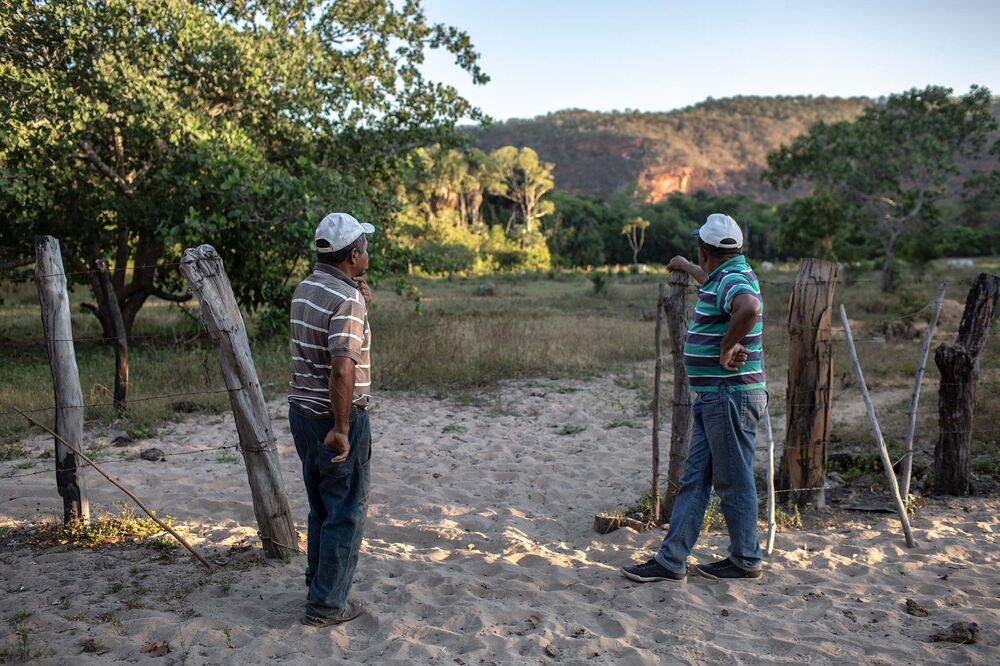
In the neighboring state of Piaui, a Harvard-controlled company called Sorotivo Agropecuaria has been battling with Grun and five other plaintiffs who say they lost their land in 2004. Earlier this year a judge dismissed the lawsuit and said Sorotivo could acquire a new title from the state for the 27,000-hectare farm it controls. However, in his decision he said that both the plaintiffs and Sorotivo practiced land-grabbing on title acquisitions. Accusations of land grabbing, which can date back decades, became epidemic as Brazil’s farm belt expanded and were often linked to speculators falsifying titles in order to steal and sell public property used by subsistence farmers.
The judge, Heliomar Rios Ferreira, says that the state agency from which the plaintiffs said they got their titles didn’t have any records of the grants. He also says Sorotivo improperly extended a boundary of its vast farm, though this was in an area unrelated to the lawsuit.
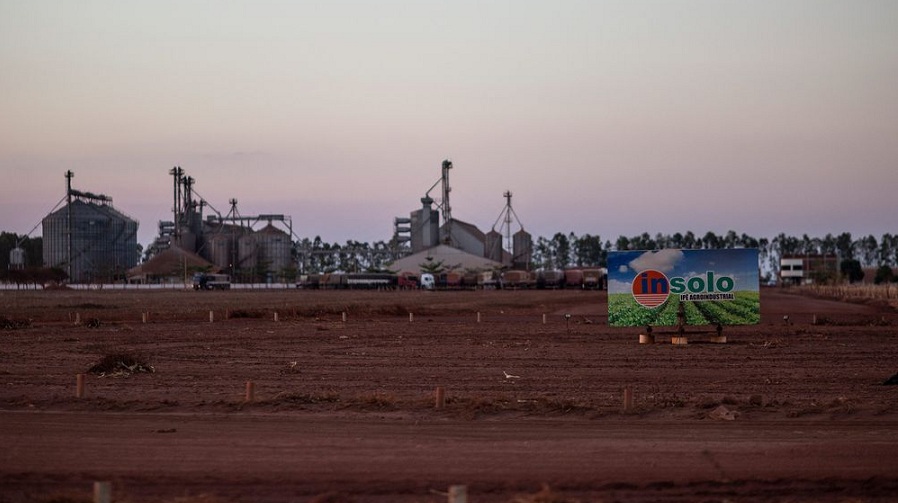
The plaintiffs’ lawyer says their property titles are legitimate and that they will appeal. Harvard controls Sorotivo through a Brazilian farming company called Insolo Agroindustrial, which didn’t return calls and emails seeking comment. A spokesman for Harvard declined to comment on the litigation.
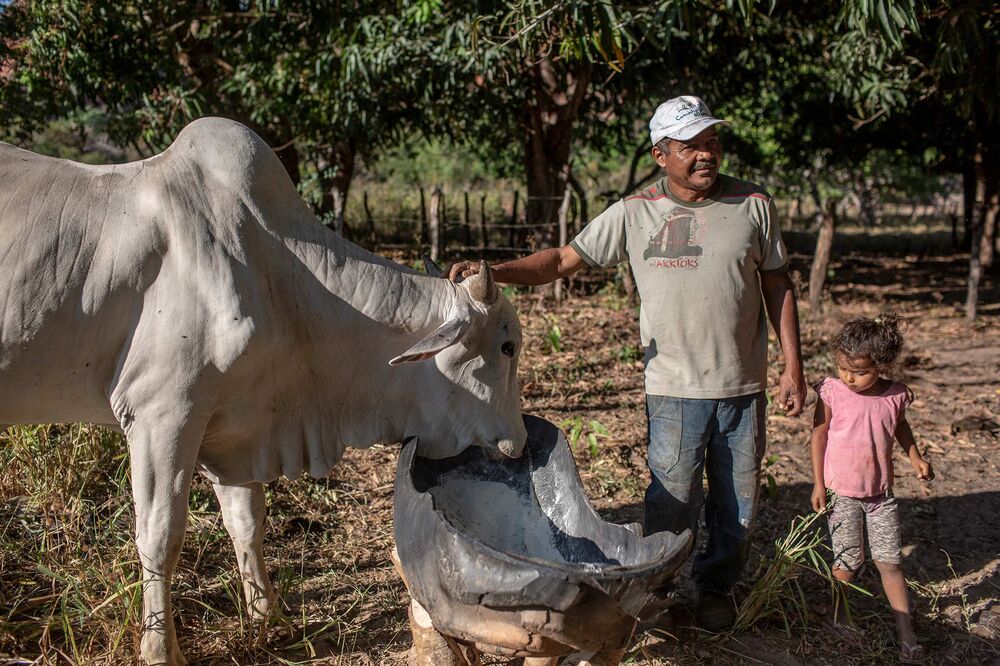
While Grun relocated, people who for generations have made their home in the region known as the Cerrado are living with the consequences of the dispute. Eurotides Paulo da Silva resides in a village below Insolo’s vast farm, which stretches on for miles and miles and evokes a moonscape when it’s between harvest and seasonal plantings. His son works on the farm. But locals, who hunted and collected honey and medicinal plants on the plateaus, say their way of life has been hemmed in over the last decade with the arrival of industrial farms.
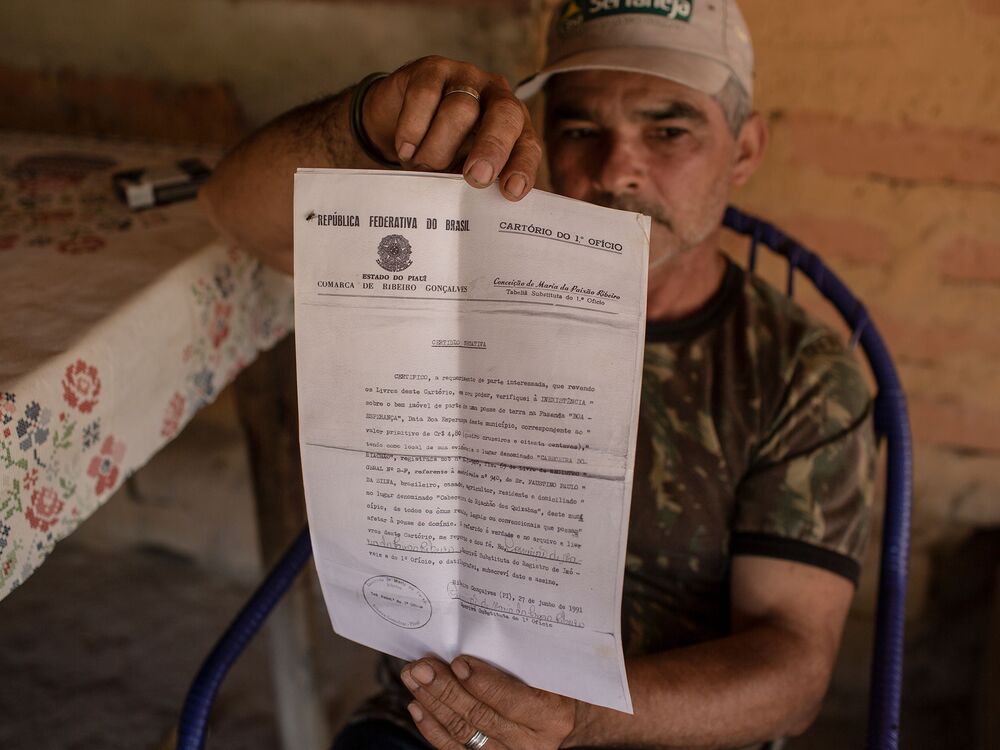
Silva produces a document dated from 1991 that he says shows his grandfather also owned land on the plateau. His cousin, Alberto Pereira da Silva, makes a similar claim, saying they never challenged the loss of the properties because they felt intimidated. Says the cousin: “We feel like we are trapped without a way out.” —With Lianne Milton














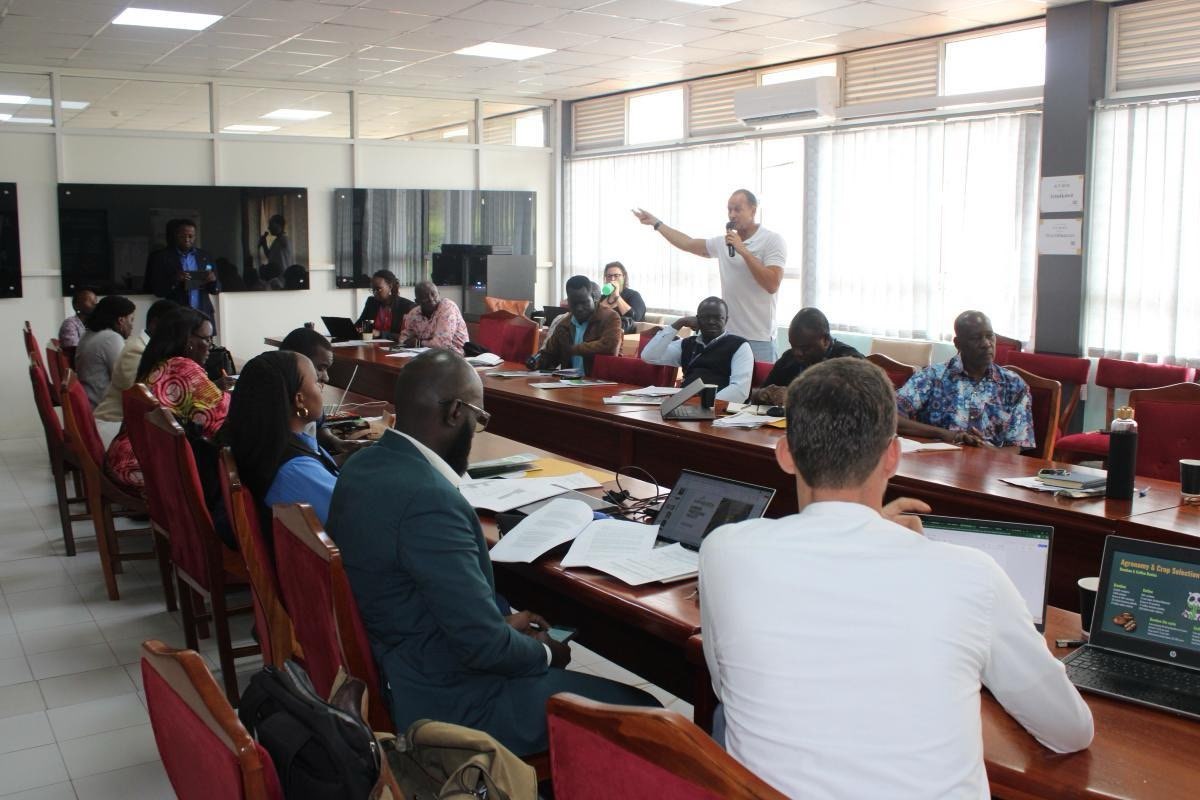
Parliament’s Committee on Lands, Housing and Urban Development has ordered a police investigation after recovering hundreds of land files allegedly hidden in shops and vehicle boots near the Mukono Zonal Land Office (MZO).
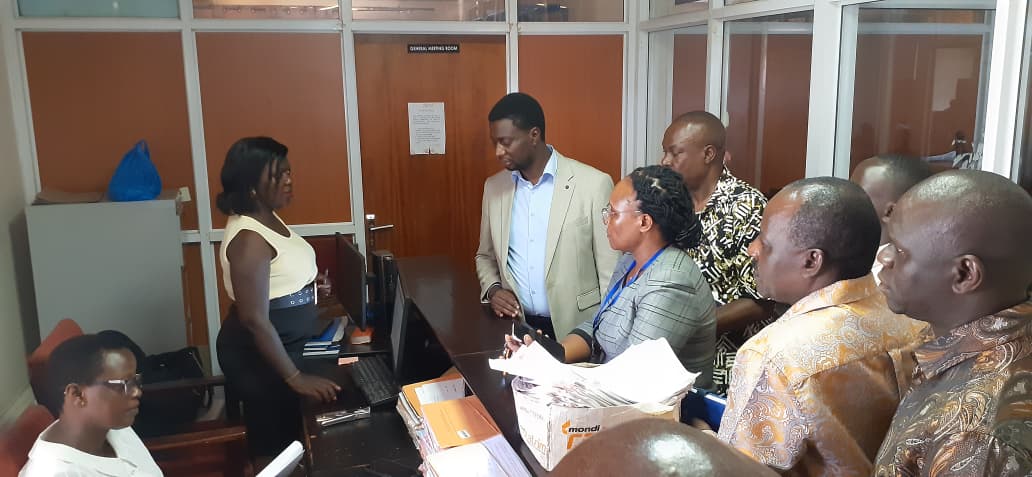
The committee, led by chairperson Edison Rugumayo, was inspecting the office as part of an inquiry into allegations of land fraud, delays in processing titles and other irregularities affecting land transactions in Mukono District.
During the inspection, legislators toured various departments and questioned staff about their work, including the handling and storage of land records.
At the office of Senior Staff Surveyor Steven Ndegeya, the committee raised concerns over alleged irregularities involving land titles reportedly created in wetlands and central forest reserves.
The legislators also questioned officials about more than 200 titles reportedly issued in Mabira Forest and demanded a list of people associated with the titles.
The committee was further alarmed after being told that more than 50 land titles had allegedly been created on the government-owned Njeru Stock Farm.
Rugumayo asked Ndegeya to provide the transaction trail, original title documents, geographical maps and details of all individuals holding titles on the land.
Ndegeya asked for more time, saying he needed to consult registrars before preparing an organised report.
He told the committee that there was no certificate of title for Njeru Stock Farm belonging to the Uganda Land Commission in the system.
However, he said the system contained records of individual Mailo landowners whose interests dated back many years, arguing that some people who obtained titles on the land had acquired them legally.
The committee later met MZO officials to establish the causes of the complaints and alleged irregularities.
Three staff members, Dan Kyalo, Hannifah Nantongo and Susan Aceru, were tasked with producing files that were allegedly being taken out of the MZO.
The three denied having moved the files.
However, accompanied by police officers, the committee recovered hundreds of titles allegedly stored in shops across the road from the land office. Other files were reportedly found in vehicle boots.

When questioned about who had instructed them to keep the files outside the office, the officials reportedly told the committee they had been directed by their supervisor, Ndegeya.
The committee also questioned the security team deployed by the Ministry of Lands in Kampala about how the files and titles had been removed from the office.
It emerged that Emma Otim, the security head, had left responsibility for keeping the office keys with a private security guard who routinely opens and closes the office.
The committee questioned why a guard whose primary responsibility was reportedly to man the gate had been entrusted with the office keys.
Principal Assistant Secretary at the MZO, Doreen Tumushabe, said she could not be held responsible for the alleged conduct of individual employees but promised to strengthen supervision.
Tumushabe also cited staff shortages, lack of vehicles and the large number of complaints involving allegedly forged land titles among the challenges affecting the office.
During the oversight visit, the committee also discovered hundreds of allegedly forged land titles at the MZO.
Officials told the committee that no related case had been opened at Mukono Police Station despite the alleged discovery of the forged titles.
The committee also heard complaints from members of the public who said they had waited for years to obtain land titles or have land disputes resolved.
A 75-year-old woman, Maria Nakitende, told the committee that she had waited for decades for authorities to resolve her title-related matter.
Hajji Musa Muliika of Katosi alleged that he was asked to pay Shs14 million after the title he had submitted was reportedly lost while in the hands of MZO officials.
Rugumayo directed police to conduct a thorough investigation into the circumstances surrounding the removal and concealment of the files and establish why they were taken outside the office, particularly ahead of the committee’s visit.
He also ordered the head of the Mukono land office to submit, within one week, a report on land titles in Mabira Forest and wetlands, as well as complaints against staff members.
Masaka legislator Joan Namutaawe criticised the quality of services at the land office and questioned whether Tumushabe was fully in control of operations at the MZO.
Namutaawe warned that the committee would pursue cases involving alleged illegal occupation and development in wetlands.
Source: nilepost.co.ug
Related posts:



MEDIA FOR CHANGE NETWORK
Uganda moves toward a Bamboo Policy to boost environmental conservation and green growth.

Related posts:
 As Uganda awaits the Energy Efficiency and Conservation law, plans to develop a five-year plan are underway.
 REC25 & EXPO Ends with a call on Uganda to balance conservation and livelihood
 Africa’s growth lies with smallholder farmers
 Green Resources’ forestry projects are negatively impacting on local communities – donor
WITNESS RADIO MILESTONES
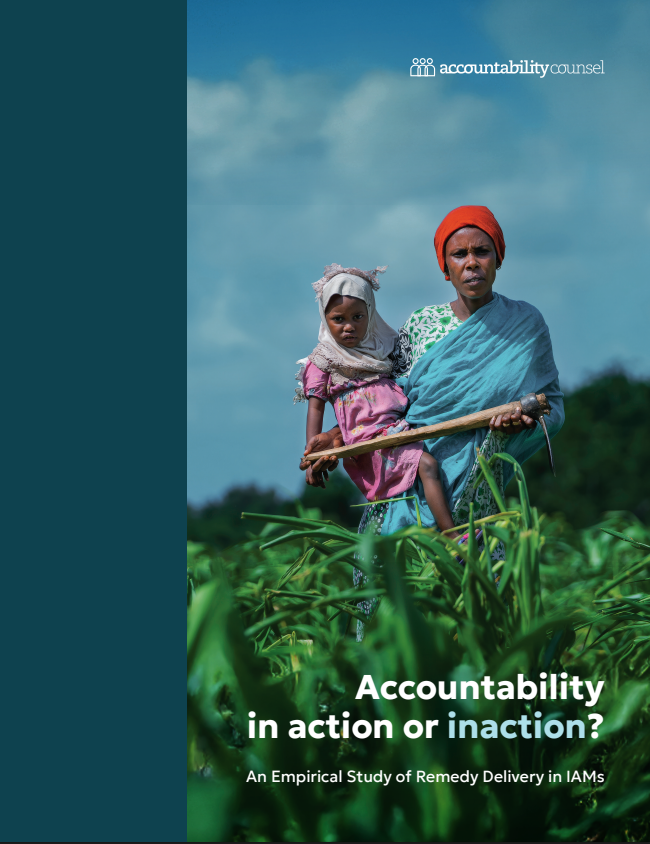
A Global Report reveals that Development Banks’ Accountability Systems are failing communities.
Related posts:
 Banks have given almost $7tn to fossil fuel firms since Paris deal, report reveals
 Opinion: USAID needs an independent accountability office to improve development outcomes
 Communities Under Siege: New Report Reveals World Bank Failures in Safeguard Compliance and Human Rights Oversight in Tanzania
 Oxfam Report 2011: When Indigenous communities named Rwanda nationals by investor to run away from corporate accountability

World Food Day 2026: Building healthy diets means reimagining how we grow, share, and enjoy our food.

International Day of Rural Women : Rural women farmers deserve not only equal rights and access to resources, but also the strength and voice to safeguard Mother Nature.

ODPP Staff Equipped With New Skills on Land Crimes, Witness Protection and Victims Rights

As World Bank Holds Annual Meetings, 84,000 Tanzanians Call for Justice

Lango ex-combatants count losses after dry spell destroys maize harvest

Five years after Uganda’s National Action Plan on Business and Human Rights, are local communities hosting land-based investment projects seeing change?

The global race for clean energy minerals is leaving communities grappling with conflicts and human rights abuses, a new report reveals.

Alert: Land degradation is emerging as a pressing threat to global security.

Innovative Finance from Canada projects positive impact on local communities.
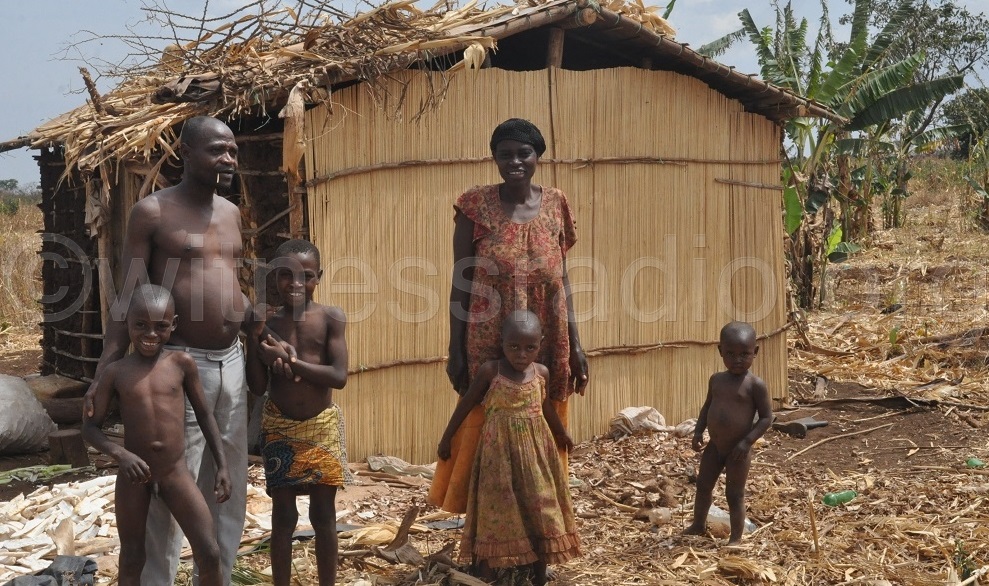
Over 5000 Indigenous Communities evicted in Kiryandongo District

Petition To Land Inquiry Commission Over Human Rights In Kiryandongo District

Invisible victims of Uganda Land Grabs
-

 MEDIA FOR CHANGE NETWORK2 weeks ago
Sweeping investments are fueling widespread land grabbing and deepening rights violations across Uganda – Report.
-
 NGO WORK6 days ago
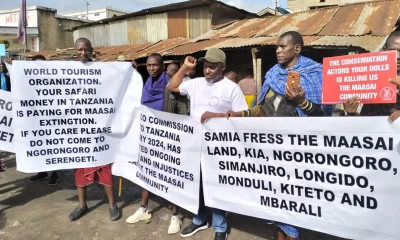
Tanzanian Government Abducts Maasai Villagers in an Unconscionable Attack on Indigenous Land Defenders
-

 MEDIA FOR CHANGE NETWORK2 weeks ago
Across Africa, the push for a greener future is putting new pressure on local communities, as recent ILC case studies highlight.
-

 MEDIA FOR CHANGE NETWORK6 days ago
Court remands 10 anti-oil activists as suspect collapses in dock
-
 MEDIA FOR CHANGE NETWORK2 weeks ago
Who will shape the future of East Africa’s seeds? Youth and civil society are sounding the alarm over a proposed regional law.
-
 MEDIA FOR CHANGE NETWORK2 days ago
World Food Day 2026: Building healthy diets means reimagining how we grow, share, and enjoy our food.
-

 FARM NEWS2 weeks ago
Can Agroecology Improve the Resilience of African Smallholder Farmers?
-

 MEDIA FOR CHANGE NETWORK5 days ago
As waves of investment sweep across Uganda, countless women rise to defend their land, safeguard their traditions, and claim their right to be heard.