Climate change has emerged as one of the predominant challenges for Africa, through its cascading environmental, social and economic effects.
Africa is still a continent where over 600 million people do not have access to electricity1, 230 million people do not have access to safe drinking water2, and more than 300 million people continue to suffer from hunger3, while its population is expected to double to 2.5 billion people by 20504.
It accounts for only 3.6% of global greenhouse gas emissions5, while the continent is home to 18.8% of the world’s population6.
Yet there is a real risk that it will endure some of the worst impacts of climate change.
In the assessment and projections made by the African Adaptation Initiative in the Africa State of Adaptation Report (2023)7, the conclusions are stark: the macroeconomic costs associated with the various adverse effects of climate change are significantly higher in Africa than in other regions of the world. African economies are highly sensitive not only to climate-related disasters, but also to annual variations in climate variables. The economic and livelihood impacts of climate change in Africa are therefore profound and are already leading to a slowdown in economic growth. And while the extent of this impact varies across the continent, seven of the ten countries identified as most vulnerable to the effects of climate change are in Africa8.
However, at the same time, Africa has enormous natural resources that could sustainably support its economic and social development, while positioning it as a key global player in the fight against climate change, thanks in particular to its wealth of minerals and biodiversity.
It is therefore in these three areas (adaptation, development and climate action) that it must be able to mobilise its resources and attract public and private funding. Needs are high: Africa’s climate finance needs are now measured in the trillions9.
On each of these points, COP30, held in Belém (Brazil) from 10 to 21 November 2025, made several advances.
1. Ensuring a Just Transition
In line with the Sustainable Development Goals (SDGs), Just Transition refers to the need to implement the sustainability transition in a socially just way that guarantees proper engagement with and support for affected and vulnerable people and communities. A declination of climate justice, it also acknowledges that without actively including and supporting affected groups within the transition, the disruptive changes brought about by climate action risk resulting in political opposition, contestation and even climate backsliding.
The imperative of a Just Transition was recognised already in the 2015 Paris agreement, but the work on Just Transition within the UNFCCC regime has gained more momentum in the past few years, with the Just Transition Work Programme10 established at COP28 in Dubai in 2023.
The Addis Ababa Declaration on Climate Change and Call to Action11 adopted on 10 September 2025 during the Second African Climate Summit also emphasized the importance of achieving Just Transition pathways in the implementation of all pillars of climate action under the Paris Agreement.
1.1 The Just Transition Mechanism
COP30 went a step further, through what is praised as one of its most concrete and successful achievements: the decision to develop a Just Transition Mechanism12. Popularly known as the Belém Action Mechanism or BAM, its purpose is ‘to enhance international cooperation, technical assistance, capacity-building and knowledge-sharing, and enable equitable, inclusive just transitions’.
Importantly, the decision acknowledges the need to support the Just Transition in a manner that does not exacerbate the debt burden of countries.
This decision also provided important clarity on what the international community views as a just transition. It recognizes the ‘importance of just transition pathways that respect, promote and fulfil all human rights and labour rights, the right to a clean, healthy and sustainable environment, the right to health, the rights of Indigenous Peoples, people of African descent, local communities, migrants, children, persons with disabilities and people in vulnerable situations, and the right to development, as well as gender equality, empowerment of women and intergenerational equity’.
The Just Transition Mechanism aims to be operational by COP31 next year. In the meantime, the concrete design of the mechanism will take place.
1.2 Africa’s Special Needs and Circumstances
COP30 also formally opened a long-awaited two-year process on recognising Africa’s Special Needs and Circumstances (SNC), including a mandated conference under COP31 in 2026 and a report to COP32 in 2027 in Addis Ababa, Ethiopia.
This is a first step in response to Africa’s long-standing demand for this formal recognition, which would acknowledge its unique vulnerabilities, including low historical emissions, disproportionate climate impacts and limited adaptive capacity, and could help it attract greater climate finance and technological support in the future.
1.3 Integrated Forum on Climate Change and Trade (IFCCT)
In parallel to the UN process, Brazil launched the Integrated Forum on Climate Change and Trade (IFCCT) to better address the potentially significant consequences of trade-related environmental instruments on development and the risk of economic exclusion of developing countries, particularly the least developed countries, without recognition of historical responsibility or differences in capacity.
This initiative follows the introduction, by the European Union in particular, of trade-related climate and environmental instruments such as the Carbon Border Adjustment Mechanism (CBAM)13 and the Deforestation Regulation (EUDR)14. These measures aim to better internalise the environmental impacts of products and encourage improvements in environmental production conditions in Europe’s trading partner countries, aligning them with the constraints imposed on its own manufacturers.
Nevertheless, the EU CBAM has met with considerable resistance, both within Europe and from many countries in the Global South and the United States, which argue that it is a unilateral trade measure and question its compatibility with its international obligations under the World Trade Organisation (WTO).
This is a major challenge for South Africa due to its dependence on coal, but also for all African countries seeking to industrialise and strengthen their capacity to process, refine and manufacture components, such as batteries, rather than exporting raw materials, and may need to rely temporarily on fossil fuels.
2. Financing Africa’s Green Growth
Africa’s natural resources are first and foremost an opportunity for its population, but also for the world, in the context of the global fight against climate change and the preservation of biodiversity. COP30 saw the first breakthrough in grid financing and a major innovation in forest conservation financing.
2.1 The Climate Finance Principles to Unlock Grid Financings
Developed by the Green Grids Initiative (GGI) and advanced by COP 30 under the ‘Plan to Accelerate the Expansion and Resilience of Power Grids’, the Climate Finance Principles15 aim to address the barriers faced in emerging markets for accessing climate finance to support the development of power grids, as the diversity of generation sources that are connected to them make their environmental impact more complex to assess than for individual generation projects.
Co-developed with investors and industry representatives, these Principles establish a common approach to assessing grids’ eligibility for climate and green finance, combining system-level and project-level criteria (climate contribution, consistency, measurability and attribution).
2.2 The Tropical Forest Forever Facility (TFFF)
Recognised as one of the key achievements of COP30, the Tropical Forest Forever Facility (TFFF)16 is a proposed, large-scale, blended-finance mechanism that provides ‘payment-for-performance’ incentives to tropical forest countries for keeping annual deforestation below 0.5%, verified through agreed geospatial satellite monitoring standards. It would operate alongside the Tropical Forest Investment Facility (TFIF), a companion investment fund intended to generate returns that finance TFFF’s annual payments.
The TFIF seeks to raise up to USD 125 billion through public and private investments, hosted at the World Bank. So far, 53 countries, including 34 tropical forest countries, have endorsed the Facility. The fund has yet to reach Brazil’s $25 billion for government investments, which are intended to secure investor confidence and unlock an extra $100 billion in private financing.
If the facility reaches this $125 billion target, it would be the world’s largest blended finance mechanism of its kind.
“Sponsor” countries (and potentially philanthropic foundations) would provide 40 year, first-loss (junior) capital at rates comparable to long-dated U.S. Treasuries, creating a risk buffer to mobilise an additional ~USD 100 billion in private, corporate, and philanthropic capital.
The combined capital would be invested primarily in emerging-market sovereign and corporate fixed income (excluding fossil fuels and environmentally harmful sectors). After servicing investor returns, net profits would flow to the TFFF to fund country payments.
If fully capitalized, expected returns could generate USD 3–4 billion per year, enabling payments of roughly USD 4 per hectare of conserved forest.
At least 20% of all payments are designated to Indigenous Peoples and local communities.
3. Financing Adaptation
Adaptation is a largely underfunded area of climate action worldwide, despite growing and now urgent needs. This issue is particularly acute for developing countries. The latest United Nations Adaptation Gap Report17 shows that developing countries’ needs are 12-14 times higher than current financial flows, while wealthy nations continue to favour mitigation funding.
One of the obstacles to increasing adaptation funding is that it is easier to increase mitigation funding than adaptation funding. Mitigation activities, such as energy efficiency and the development of clean energy production, are concentrated in the wealthier developing countries and often generate a financial return, allowing them to be financed with less concessional public funds and by mobilising private funds. In contrast, investments in adaptation often bring significant economic, social and environmental benefits, but few direct financial returns, such as investments in wetland restoration for flood protection or climate-smart agriculture. Adaptation investment needs are also often concentrated in the poorest countries, which require more concessional public finance.
COP30 nevertheless showed progress in this area.
Parties adopted the 59 Belém Adaptation Indicators. Voluntary and non-prescriptive, these indicators will enable progress to be tracked under the Global Goal on Adaptation, representing a significant step forward for transparency and accountability.
They concomitantly launched the ‘Belém–Addis vision on adaptation’, a two-year policy alignment process to develop guidance for operationalising those indicators.
Parties also formalised the Baku Adaptation Roadmap, a 2026-2028 work programme for operationalising adaptation goals, including support for vulnerable nations to develop national adaptation plans.
Above all, the ‘Belém Package’ confirms a commitment to triple adaptation finance from US$40bn to $120bn annually by 2035. While this is not yet a binding commitment and leaves timing and delivery modalities largely to future finance processes, it is seen as a major political signal.
Negotiations will need to continue on issues such as reforming the international debt architecture or the Bretton Woods institutions in order to support climate finance and action.
Conclusion
While international mobilisation is important, regional mobilisation is essential and will further bolster Africa’s influence at future meetings.
As significant as COP30 was, another major event in 2025 was the second African Climate Summit in September 2025, at which African leaders and financial institutions demonstrated their ability to mobilise.
They committed to mobilising $50 billion annually in catalytic finance through the Africa Climate Innovation Compact and African Climate Facility, with the aim of scaling up locally led climate innovations, while the African Development Bank announced the operationalization of the African Climate Change Fund, which will provide financial support for climate adaptation and mitigation projects across the continent.
At the same time, the Africa Finance Corporation, AfDB, Afreximbank, and Africa50 signed a framework for cooperation to realise the $100 billion Africa Green Industrialization Initiative (launched by the African Union in 2023), which aims to revolutionize industrial growth and renewable energy on the continent.
Taking over from COP30, 2026 will be the implementation year for Africa.




 Financial Institutions from Africa have made a monumental commitment of $100 billion to Africa’s green industrialization, a decision of immense significance that has the potential to shape Africa’s future.
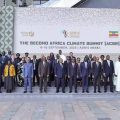 Africa adopts the Africa Climate Innovation Compact (ACIC) Declaration to drive the continent towards innovative climate solutions.
 Africa must unlock the power of its women to save climate change
 PFZW scraps funding from Total and others for failure to transition into a cleaner energy mix.
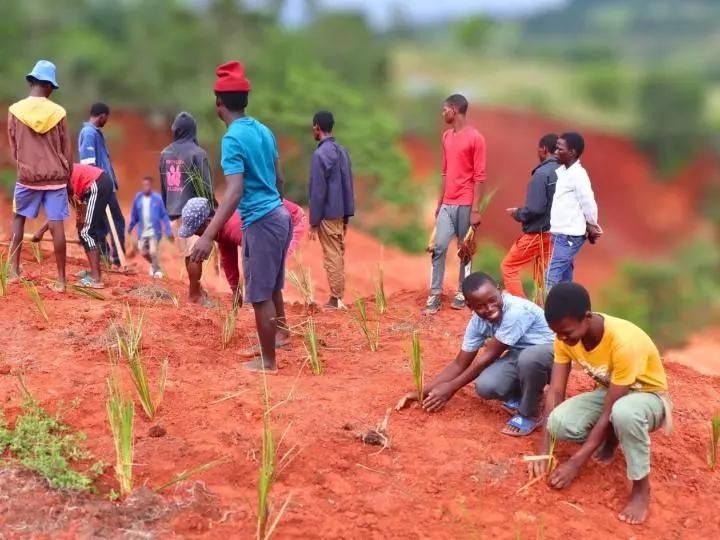

 Uganda moves toward a Bamboo Policy to boost environmental conservation and green growth.
 Witness Radio, private companies, CSOs and local government officials are meeting to discuss alternative remedies to salvage the appalling land and environmental rights situation in Kiryandongo district.
 Joint CSO Statement Calls on IFC and MIGA to Strengthen its New Approach to Remedial Action Policy
 Experts push for a National Bamboo Policy to strengthen climate mitigation efforts.
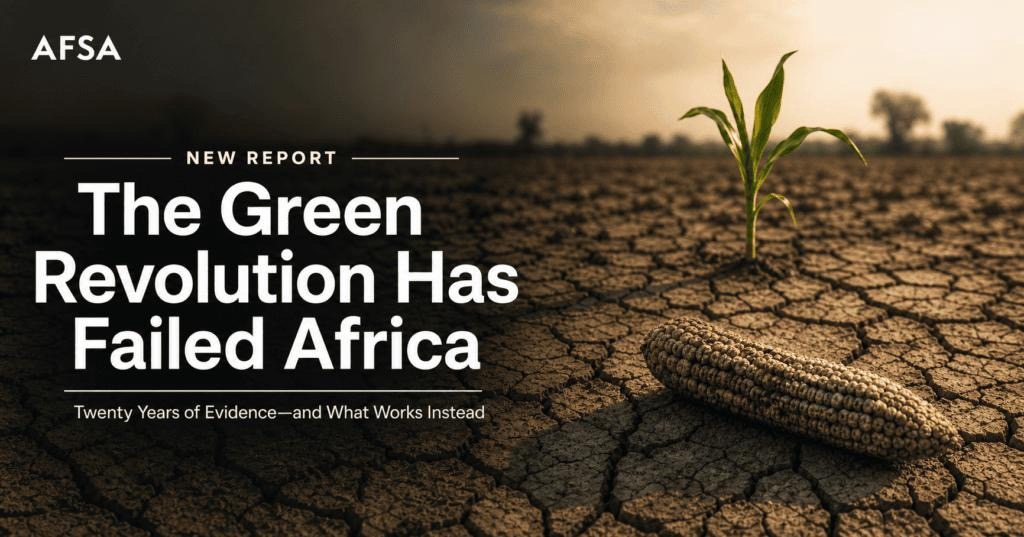

 Failed Green Revolution: African Leaders Demand Reparations from Gates Foundation.
 African Food Systems Summit 2024: Do not use it to promote failed agricultural models – African Faith Leaders.
 African Faith Communities Tell Gates Foundation, “Big Farming is No Solution for Africa
 East African lawmakers and CSO leaders are meeting in Uganda to draw up plans to promote Agroecology as an alternative to climate change mitigation.
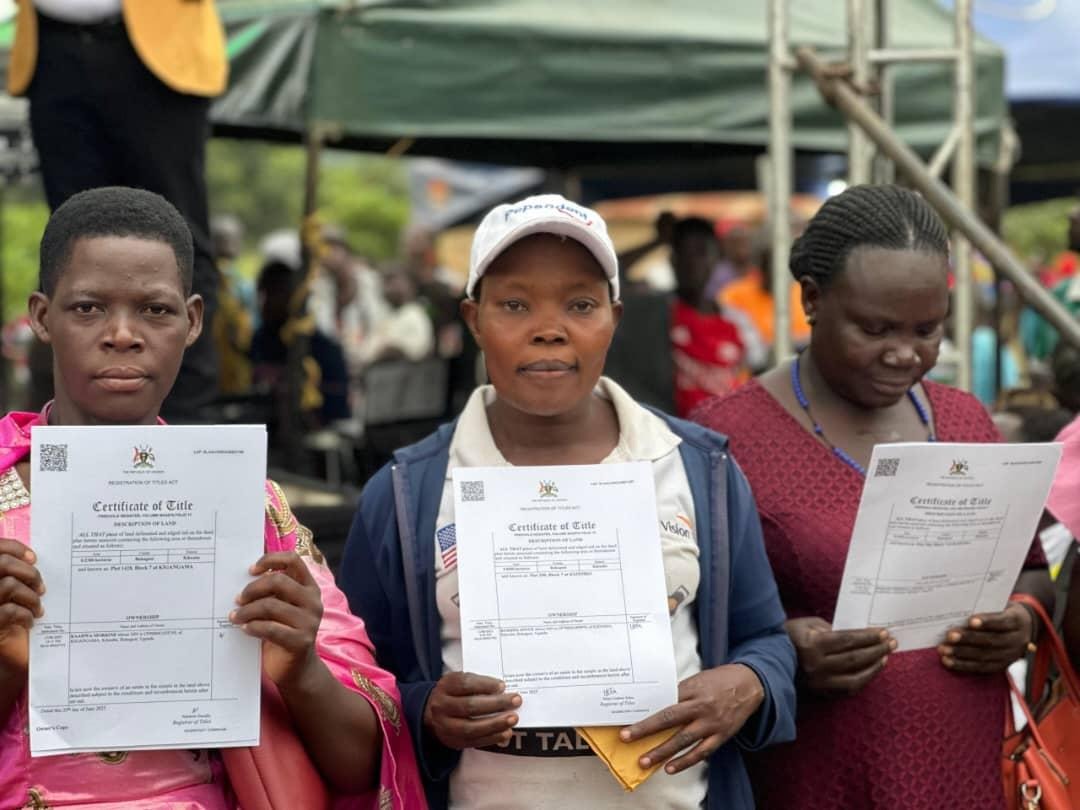

 Land Grabbing Crisis Escalates in Uganda: Mayiga Urges Citizens to Secure Land Documents
 Women’s Climate Assembly, 2024: African women vow to protect human and environmental rights amidst an influx of destructive land-based investments on the continent.
 “No Land, No Life” – Women at the East Africa Convergence Refuse to Move out Quietly
 Kibaale Residents Raise Corruption Concerns Over Delayed Land Title Processing





 MEDIA FOR CHANGE NETWORK2 weeks ago
 MEDIA FOR CHANGE NETWORK2 weeks ago
 NGO WORK2 weeks ago
 MEDIA FOR CHANGE NETWORK2 weeks ago
 MEDIA FOR CHANGE NETWORK2 weeks ago