Connect with us

FARM NEWS

An evolutionary jolt helped cattle to spread across Africa

Published

on

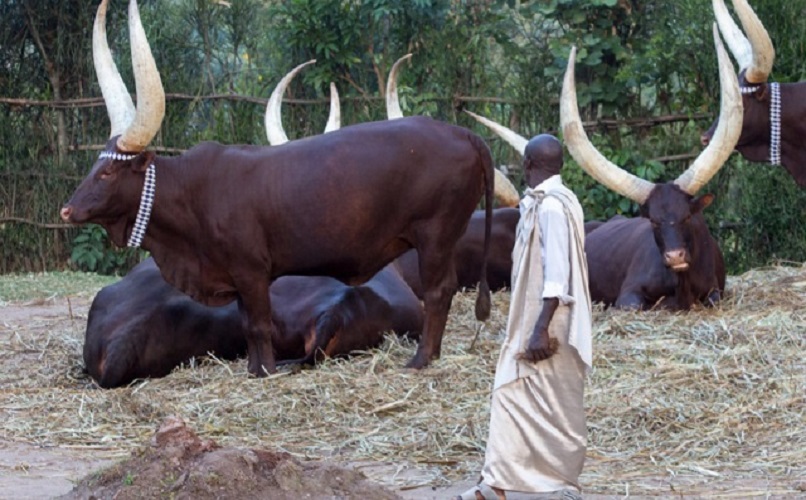
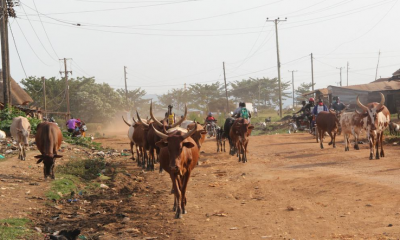
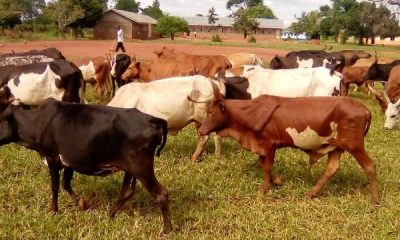
OLIVIER HANOTTE | African cattle breeds are astonishingly diverse, and often quite beautiful. They range from the dark-red Ankole of southern Uganda, with their massive heat-dissipating horns, to the Boran which thrive in the dusty plains of northern Kenya, to Ethiopia’s sturdy Mursi cattle, with their prominent shoulder humps and hanging dewlaps. The Kuri that graze on the grasses of Lake Chad are adept swimmers; the Red Fulani can trudge vast distances along the margins of the Sahara; and the famously disease-resistant Sheko inhabit tsetse fly-infested forests of southwest Ethiopia.

All billion or so cattle today descend from ancient aurochs, an extinct species of wild cattle that once inhabited large swaths of Eurasia. These cattle were domesticated on at least two distinct occasions approximately 10,000 years ago during the Neolithic era: once in south Asia – leading to the zebu or humped cattle – and the other in the Middle East – leading to the taurine or humpless cattle.

In Africa, the oldest archaeological evidence of domestic cattle dates back to between 6000 and 5000 BC in western Egypt. These taurine cattle, initially confined to the Saharan-Sahelian belt, eventually reached isolated pockets of land in West and East Africa.

Africa’s cattle today have adapted to the climate, forage conditions, diseases and pests prevalent in their habitat. The individuals best adapted to their environments were more likely to survive and reproduce. They were also more favoured by people. Over time this led to different breeds and species.

Today there are an estimated 800 million livestock keepers across the continent. Cattle provide nutritious, calorie-dense food, much-needed income, and nitrogen-rich manure for replenishing soils. There are few regions of Africa where cattle do not play a central role, both economically and culturally.

But it was not always this way. My colleagues and I from the International Livestock Research Institute (ILRI) recently published a paper detailing how African cattle acquired their adaptive capacities.

Sifting through the DNA of 16 indigenous African breeds, we discovered a thousand-year-old event in which the world’s two main subspecies of cattle – namely taurine and zebus – mixed. This allowed African cattle – after spending thousands of years confined to certain regions in Africa – to diversify and spread across the continent.

Our findings help to explain how African cattle spread throughout the continent. But since they were selected and bred for resilience, African cattle never became as productive, in terms of meat or milk, as breeds in more temperate climates. Our hope is that, by studying the history hidden in indigenous cattle genomes, we can help guide efforts to breed for productivity without losing the breeds’ native resilience and sustainability.

An evolutionary jolt

Our new genome sequencing work revealed that, about a thousand years ago, pastoralist herders in the Horn of Africa began breeding the Asian zebu cattle with local taurine breeds.

The zebu offered traits that allowed cattle to survive in hot, dry climates. The taurine traits provided cattle with the ability to endure humid climates, where vector-borne diseases that affect cattle, like trypanosomiasis (or “sleeping sickness”) are common.

This event, which we dubbed an “evolutionary jolt”, allowed African cattle – after spending thousands of years confined to a shifting patchwork of sub-regions in Africa – to spread across the continent and flourish into the breeds we see today.

But this resilience came at a cost. African cattle are often not as productive – in terms of growth rates, meat or milk – as their European and American cousins. Canadian Holsteins, for example, can deliver 30 litres of milk per day, several times what most African breeds are capable of. Traditional Ethiopian Boran, for example, produced only four to six litres of milk per day.

More productive

Today scientists at ILRI, in partnership with governmental institutions in Tanzania and Ethiopia, are again trying to deliver an evolutionary jolt to Africa’s cattle. This time, however, they want to speed up the evolutionary clock by identifying genetic markers that signal both adaptability and productivity. Screening embryos for these markers could help scientists replicate in the lab the slow work of evolution by favouring the traits that most benefit farmers.

Earlier efforts to improve cattle productivity on the continent focused on importing cattle breeds from elsewhere, without adequately recognising African breeds’ unique resilience. Nearly, all these attempts have failed or resulted in crossbreeds with both adaptability and productivity diluted.

This time, we are focusing on sustainable productivity–productivity that builds on rather than disregards the resilience of indigenous African breeds.

But while we have new tools and shortcuts which enables scientists to analyse vast swaths of genetic data and decide which breeds could work well together, there are some lessons we should still draw from the first evolutionary jolt.

The first is that we shouldn’t be overly concerned about crossbreeding. Because of a sense of national pride and wanting to conserve indigenous African cattle breeds, there is at times a tendency on the part of some to treat them as iconic, untouchable manuscripts.

This ignores the long tradition of crossbreeding practised by African livestock farmers and pastoralists – they were (and still are) constantly mixing and matching breeds to select the animals best suited to their needs.

Another lesson is that, as scientists experiment and cross-breed, it is vitally important to remember that the local breeds have adaptations – not all of them immediately obvious (a tolerance for episodic drought, for example) – that have enabled their success. It is important that we do not lose those adaptive traits in the randomness of crossbreeding.

This will take innovative crossbreeding programs that incorporate scientists, government ministries, private partners and farmers to ensure the conservation of genetic information across the long life cycle of cattle generations.

And finally, it’s essential to include the practical, accumulated experience of pastoralists in these processes.

****

Olivier Hanotte is Principal Scientist, Professor of Genetics, University of Nottingham, UK, International Livestock Research Institute. David Aronson, Senior Communications Advisor with ILRI, contributed to the writing of this article.

Source:theconversation

Continue Reading
Click to comment

Leave a Reply

Your email address will not be published. Required fields are marked *

FARM NEWS

Five counties roll out agroecology policies to boost climate resilience

Published

on

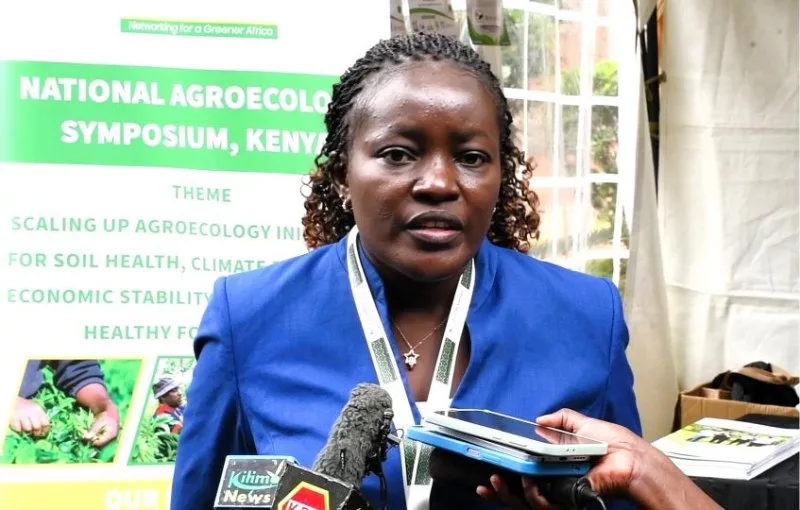
At least five counties have adopted agroecology policies as Kenya accelerates efforts to promote climate-resilient and sustainable farming.

Murang’a, Makueni, Nakuru, West Pokot and Kiambu have already developed county agroecology policies, while Trans Nzoia, Turkana, Laikipia, Kirinyaga and Machakos are drafting similar frameworks.

Stakeholders are urging more devolved governments to fast-track implementation to strengthen food security.

Participatory Ecological Land Use Management (Pelum) Kenya country coordinator Rosinah Mbeya said counties must move beyond policy development by allocating adequate budgets and implementing programmes that directly support farmers. She spoke during the Third Agroecology Symposium.

Mbeya said although agroecology is gaining momentum in Kenya, greater  political commitment, increased financing and faster implementation are needed to help farmers cope with climate change, rising production costs and declining soil health.

Kenya continues to grapple with multiple agricultural challenges, including climate change, emerging crop pests and diseases and increasing input costs driven by global economic disruptions.

“These challenges are making farming increasingly difficult, particularly for smallholder farmers. However, they also present an opportunity to transform our food systems and build farming systems that are more resilient and less dependent on external inputs,” Mbeya said.

Agriculture& Forestry

She described agroecology as an environmentally sustainable approach that restores ecosystems while improving agricultural productivity, conserving biodiversity and protecting human health and the environment.

Mbeya said the focus should now shift from developing strategies to implementing them through adequate funding and practical support for farmers.

“The discussion is no longer about developing strategies. It is now about implementation, budgeting and ensuring these policies benefit farmers on the ground,” she said.

Mbeya said agroecology continues to attract support from development partners, researchers and policymakers.

However, only a small proportion of Kenya’s estimated 7.5 million smallholder farmers practise agroecology through organised networks.

She said Pelum works with about 1.5 million farmers but said wider adoption is needed to transform the country’s food systems.

Farms& Ranches

Agriculture secretary in the State Department for Agriculture Peter Aoko said crop diversification remains one of the government’s key strategies for strengthening climate resilience and improving household nutrition.

“Different crops perform differently under different ecological conditions. Diversification ensures that if one crop fails because of weather or pests, another succeeds while also providing better nutrition,” he said.

Aoko said the government is strengthening farmers’ capacity through agricultural extension services and knowledge sharing while working with county governments to domesticate the National Agroecology Strategy.

He acknowledged that implementation has progressed slowly because agriculture is a devolved function but expressed confidence that momentum would increase as more counties adopt the strategy.

“Agroecology is about producing food sustainably while protecting the environment, particularly soil health. Without healthy soils, agricultural production cannot be sustained over the long term,” he said.

Dr Lisa Fuchs, a scientist with the Alliance of Bioversity International and CIAT, said agroecology extends beyond environmentally friendly farming by integrating ecological sustainability, economic viability and social equity.

She said the approach promotes crop diversity, healthy soils, circular farming systems and locally adapted food production to improve food security and nutrition.

Agriculture& Forestry

Fuchs encouraged farmers to recognise the value of indigenous knowledge and work collectively to develop solutions suited to local conditions.

“Agroecology is a science, a practice and a movement. Farmers should organise, share knowledge, work with their neighbours and partner with government, researchers and other stakeholders to strengthen local food systems,” she said.

She said agricultural research institutions are increasingly embracing participatory approaches that involve farmers and communities in developing, testing and scaling innovations to ensure solutions respond to local needs.

Source: the-star.co.ke/

Continue Reading

FARM NEWS

200 farmers demonstrate at parliament, worried about new seed monopoly

Published

on

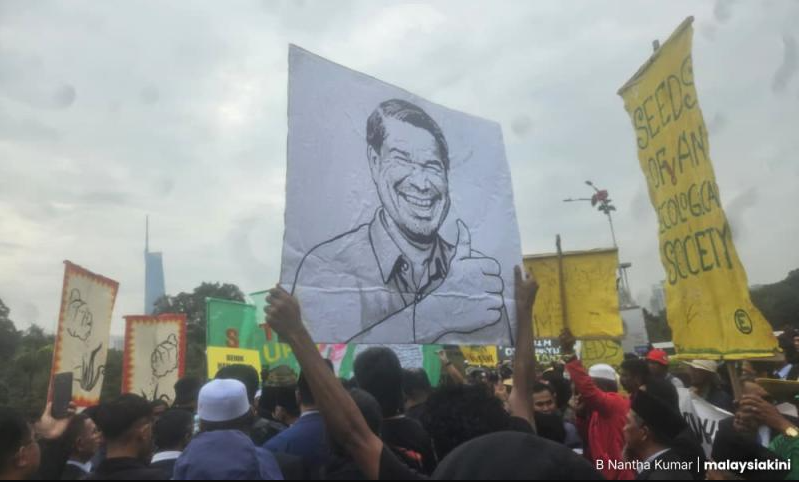
About 200 individuals consisting of rice farmers, small farmers, environmental activists and NGO representatives gathered in front of the parliament building in Kuala Lumpur to urge the government to cancel Malaysia’s participation in the 1991 UPOV convention.

The gathering aimed to submit two memorandums demanding the defense of the rights of small farmers who are alleged to be at risk if the amendment to the Protection of New Plant Varieties Act 2004 is continued.

Assembly spokesman Abdul Rashid Yob claimed that the Ministry of Agriculture and Food Security (KPKM) submitted a draft amendment to the act to the UPOV Secretariat in Geneva last September.

“The involvement of foreign bodies in the formation of national laws without comprehensive consultation with stakeholders, including the governments of Sabah and Sarawak, is seen as a form of violation of national sovereignty.

“This amendment will revoke the traditional rights of small farmers to exchange and sell seeds, as well as limit the right to save seeds for the next breeding season,” he told reporters after handing over the memorandum.

The government has so far neither confirmed nor denied the allegations of submitting the draft act to the UPOV Secretariat.

Malaysiakini is trying to obtain clarification from Agriculture and Food Security Minister Mohamad Sabu and his officials regarding this allegation and issue. 

Today’s gathering was organised by the Malaysian Food Sovereignty Forum (FKMM) and was also attended by representatives from the Malaysian Socialist Party (PSM) and the Mandiri student group.

The attendees carried various placards with slogans such as “Lift Farmers’ Rights”, “Students with Farmers”, “Farmers are not lazy” and “Reject Upov”.

Also on display was a large sketch of Mohamad showing the “good” finger gesture.

More than 50 uniformed police were present to control the rally, which proceeded without any disturbances.

Earlier, a memorandum was also given to Deputy Minister of Agriculture and Rural Development Chan Foong Hin, PN Chief Whip Takiyuddin and Gopeng MP Tan Kar Hing representing the Agriculture and Domestic Trade Special Select Committee (PAC).

All parties that received the memorandum promised to bring the issue to parliament.

Seed supply monopoly

Meanwhile, the coalition claims that the 1991 UPOV will only strengthen the monopoly of large companies on seed supply, thus eliminating traditional practices that have long been the backbone of local farmers’ survival.

“The existing PNPV Act 2004 is sufficiently balanced in protecting the rights of breeders and farmers, as well as safeguarding the interests of Indigenous communities and local biodiversity.

“Deleting the section relating to the prevention of biopiracy and the obligation to supply seeds at reasonable prices will only place the country’s seed policy under the influence of foreign powers,” he said.

Apart from the seed issue, rice farmers also raised the cost of living crisis which is becoming increasingly pressing due to the increasing cost of agricultural inputs and pressure on paddy prices in the market.

Among their main demands is a call for the government to set the maximum paddy grading rate at 20 percent to avoid losses for the farmers.

They also demanded that the government revise the price of paddy to RM1,800 per metric ton and make immediate improvements to the agricultural subsidy system.

They also complained about delays in fertilizer distribution, weak water management, and bureaucratic red tape in the disaster takaful scheme that made it difficult for them to receive compensation.

“The government needs to address the issue of leakages and weak governance in relevant agencies which have been alleged to be affecting the country’s rice production chain.

“If these demands are ignored, the country’s food sovereignty will continue to be threatened and dependence on imported seeds will increase dramatically,” he added.

Abdul Rashid added that UPOV 1991 is an international agreement that gives plant breeders intellectual property protection rights for new plant varieties they produce.

However, it became controversial after allegations that farmers were not free to store, exchange or resell protected seeds, unless permitted by national law.

Small-scale farmers do not agree with this agreement because it is seen as potentially detrimental to small farmers and only benefits large seed companies, as well as potentially threatening food sovereignty.

Source: malaysiakini.com

Continue Reading

FARM NEWS

Farmers count losses as maize prices drop

Published

on

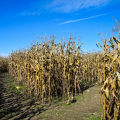
Farmers in the greater Kibaale area, covering Kagadi, Kakumiro, and Kibaale districts are counting losses after maize prices dropped sharply during the peak harvest season.

Many farmers said they had invested a lot of money, hoping for better profits, but the market prices let them down. They blamed the low prices on the high supply of maize, saying many people planted the crop after making good profits in the previous season.

Last season, a kilogramme of maize was sold between Shs900 and Shs1,000, but this season the price has fallen to between Shs500 and Shs700.

Farmers said the sharp drop has left them without profits, with only middlemen and casual workers benefiting.

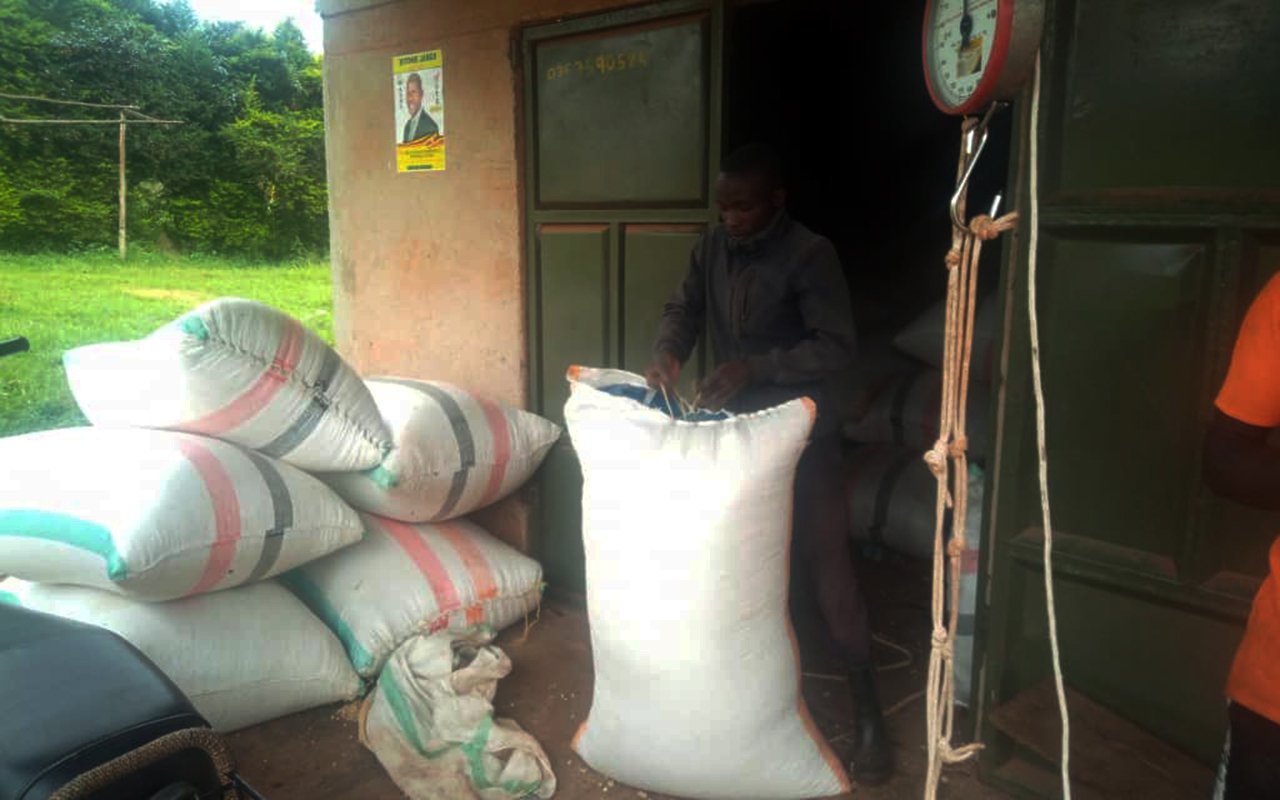
Mr Dezii Katongore, a large-scale farmer in Kitonya Village, Bubango Sub-County in Kibaale District, said he spent more than Shs2m on pesticides, labour, and renting land to grow maize, expecting to earn more than Shs4m. He planned to harvest 90 sacks but only got 52 because of a long dry spell after planting.

“To my dismay, I sold at Shs750 per kilogramme instead of Shs1,000 as I had anticipated. Losses start even before the market stage. I had nowhere to store the maize. If I had kept it, it would have spoiled. I don’t know if I will farm maize again next season,” he said in an interview on September 8.

Similarly, Katangwe Birungi, a small-scale farmer from Kataara Village in Kibaale District, said he invested more than Shs1m in his four-acre maize farm at the start of the season.

He harvested 28 sacks, earning about Shs1.26 million instead of the more than Shs3 million he had expected. Mr Birungi said he was unable to raise enough money to pay school fees for his children. He now plans to switch to beans, saying their prices are more stable.

Mr Businge Byamukama, a resident of Kijungu Village in Kagadi District, shared a similar experience. He spent nearly Shs900,000 on labour and farm inputs for his two-acre maize garden but harvested only 27 sacks.

Mr Byamukama was forced to sell each kilogramme at Shs250, far below what he had hoped, earning just Shs1 million. He said from the little he earned, he had to clear a Shs300,000 loan, pay Shs200,000 in school fees, and settle hospital bills of Shs100,000.

What remained, he said, was hardly enough to take care of his family.

“I was forced to sell because I couldn’t afford storage. I am now planning to intercrop next season because relying on just one crop isn’t sustainable. I want to switch to beans,” he explained.

Mr Zimwanguhiiza Byaruhanga, a farmer from Kibaale District, said he invested about Shs800,000 in labour, pesticides, fertilisers, and seeds for his two-acre garden. He had expected at least 20 sacks but ended up with only 16.

“What we put in doesn’t match what we got out. We’ve been neglected, yet agriculture is a major contributor to the country’s economy. Why doesn’t the government set regulations to fix prices for farmers? We’re making losses on some of the money we invest, including bank and Sacco loans, and now we’re finding it hard to pay them back,” he said.

He said he had hoped to sell his maize at Shs1,000 per kilogramme, but the market only offered Shs500. Mr Byaruhanga accused middlemen of exploiting farmers by setting unfair prices during harvest time and urged government to step in and regulate the market. ‘

“Even after harvest, the middlemen manipulate measuring tapes to cheat us. But we have no choice—we must sell to support our families, pay loans, and school fees,” he said.

Source: Monitor

Continue Reading

Resource Center

Legal Framework

READ BY CATEGORY

Facebook

Newsletter

Subscribe to Witness Radio's news and report updates


Trending

Subscribe to Witness Radio's news and report updates