Connect with us

STATEMENTS

World Bank Group’s Evolution Process must prioritize Civic Space and Participation

Published

on

We welcome:

  • the current opportunities to offer comments on the Development Committee report on the Evolution Roadmap;
  • growing recognition by several States that the World Bank Group (WBG) – and the multilateral financial system at large – need broad reform and revamping; and
  • commitments by the new WBG President, Mr. Ajay Banga, to: “forge new partnerships with civil society”.

We welcome statements in the text of the Roadmap that recognize the importance of: “greater social inclusion and citizen and beneficiary engagement”, “improving gender equality”, creating “opportunities for youth”, “inclusion of marginalized groups such as persons with disabilities and ethnic and racial minorities”, “consideration of the particular needs of people facing compound risks of exclusion” and inclusion of “citizens and beneficiaries” from “fragile countries”.

However, environments that stifle safe and robust engagement make meaningful inclusion unattainable. Restrictions on the enabling environment for civic engagement threaten the WBG’s development impact and disproportionately silence the marginalized and vulnerable.

This statement, drafted with extensive consultation and collaboration, provides recommendations for how the Roadmap and WBG’s overall Evolution Process should address civic space and participation.

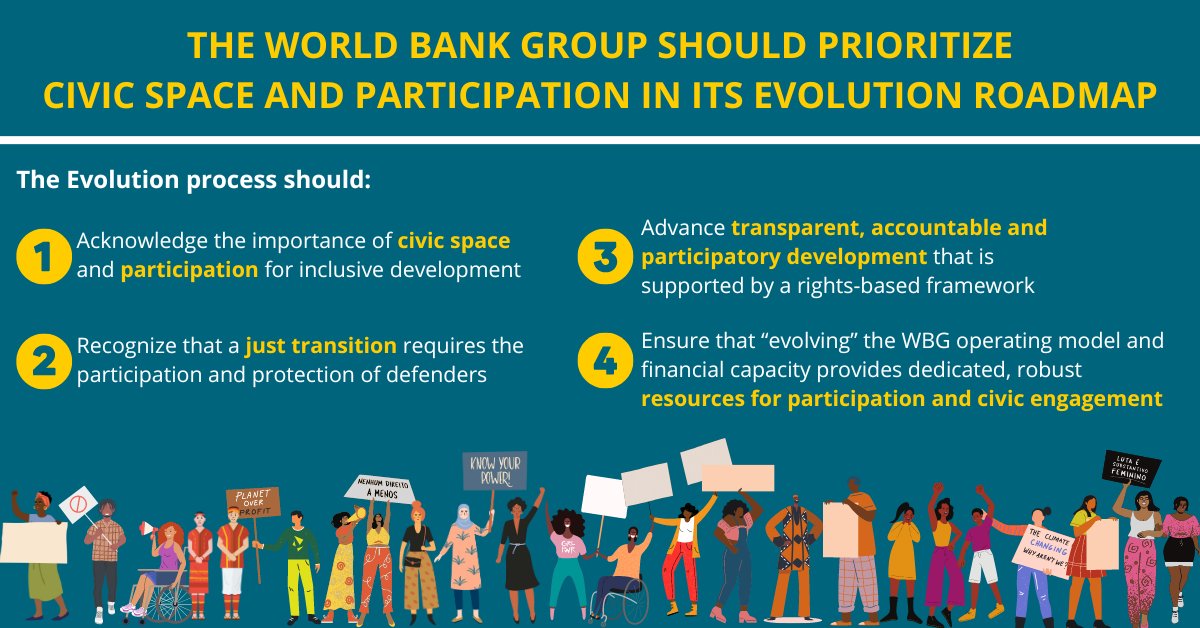
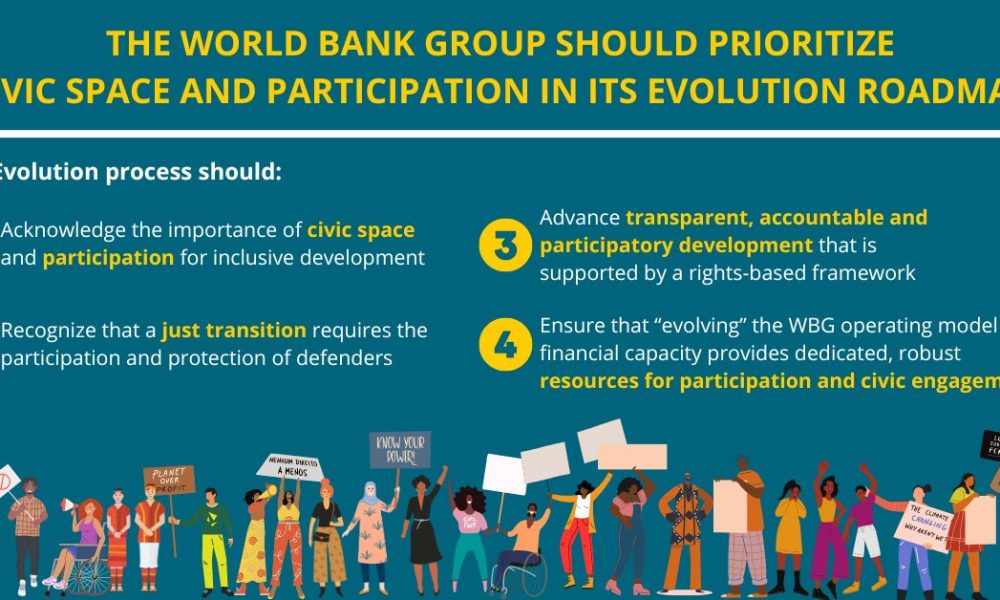
Recommendation A: The Evolution Roadmap must acknowledge the importance of civic space and participation to foster inclusive development.

1. The Roadmap must acknowledge the global crisis of shrinking civic space, as has been established by credible sources:

  • According to the Civicus Monitor tracking civic space, as of 2022, only 3.2% of the world’s population lives in countries rated as having “open” civic space.
  • According to the Democracy Report by the Varieties of Democracy (V-Dem) Institute at the University of Gothenburg, says “72% of the world’s population – 5.7 billion people – live in autocracies by 2022.”
  • According to the Economist Intelligence Unit, only 14.4% of countries are full democracies, 35.3% are authoritarian regimes, and in between 50.3% are flawed democracies or hybrid regimes.

2. The Roadmap should recognize that shrinking civic space threatens the revised WBG goals to foster “sustainable, resilient, and inclusive development” and requires direct WBG action.

3. The Roadmap should incorporate commitments to protect civic space, similar to statements that States – including several WBG shareholders – have made. See, for example:

  • In 2023, 70 governments and authorities endorsed the Summit of Democracy Declaration, committing to protect human rights, civic space (including media freedom), and the rule of law; and
  • In the 2022 Resilient Democracies Statement, several states across Europe, Asia, Africa, and the Americas committed to protect and foster open and pluralistic civic spaces.

Recommendation B: The Roadmap should recognize that defenders’ participation and their protection are crucial for a just transition.

4. The Roadmap should make clear that communities are the experts of their own development pathways and priorities, and community-led development models are essential for a just transition. The Intergovernmental Panel on Climate Change is clear that we must shift development pathways towards sustainability, with attention to equity and broad and meaningful participation to build social trust and deepen and widen support for transformative changes. Open civic space is critical to ensure trust and participation. The WBG’s top-down development model and failures to address civic space compromise the stated priority to combat climate change. The absence of civic space and community-led development in the Roadmap calls into question whether the WBG fully recognizes the fundamental relationship between just transitions and participatory development.

5. The Roadmap should acknowledge the critical role of environmental and human rights defenders, especially activists advocating for climate justice and just energy transitions. The Roadmap must also recognize that environmental and human rights defenders are one of the most at-risk groups of activists working today, too often as a result of development bank-supported activities in the renewable energy and transition minerals sectors.

6. The Roadmap should commit to taking all necessary measures that ensure protection of defenders – both individuals and the communities/collectives they are a part of – in investment contexts. Reprisal risk assessments and subsequent action plans and remedies must be developed with full participation and consent of affected defenders and must be situated in the specific realities the defenders face. The plans should also include pathways
to address the impacts defenders might face, directly or indirectly, from WBG supported activities about which they are raising concerns.

Recommendation C: The Roadmap should advance transparent, accountable and participatory development supported by a rights based framework.

Background

On paper the WBG recognizes the importance of citizen engagement “in making public institutions more transparent, accountable, and effective, and contributing innovative solutions to development challenges.” It touts support for transparency, accountability and participation in protocols and policies including: The Environmental and Social Framework, performance standards, a citizen engagement mainstreaming commitment, an access to information policy, a statement on zero tolerance for reprisals and accountability and grievance redress processes.

Yet, these fall short of international human rights law and standards and thus limit ensuring robust civic engagement and participation in WBG-supported activities. There also has been inadequate reflection on how a disproportionate focus on private sector-led approaches to development contributes to reprisals and ineffective development. These gaps do not only risk human rights violations in extreme cases. They also prevent the WBG from fully knowing the real effects of day-to-day operations on local communities or understanding the longer term, cumulative social development and human rights impacts of overarching policies and programs.

7. To advance human rights based and participatory development, the WBG should develop and adopt a strong, intersectional human rights-based framework in close consultation with communities, social movements, unions, defenders, Indigenous Peoples and civil society organizations. At the very least, the framework must comply with applicable local, national and international human rights law. The framework will require the WBG to develop new policies and adapt existing policies and practices, including:

  • Require human rights due diligence (HRDD) on the direct and indirect impacts of WBG supported projects and policies on peoples and communities, which incorporates reprisal risk assessments. The HRDD must be conducted before investment decisions are made, and in close consultation with directly affected defenders and communities, creating opportunities for them to contribute in a safe and reprisal sensitive manner.
  • Prioritize civic space conditions in country partnership and investment decisions by institutionalizing assessments that determine the risks and challenges to civic engagement and include appropriate redress. HRDD must
    also respond to risks related to clients, contexts, and countries where participation may not be possible due to contested or closed civic space, authoritarianism, criminalization, retaliation, power imbalances or a general environment of fear to speak up.
  • Build institutional capacity, expertise and protocols to distinguish between different contexts in which people can and cannot participate. The WBG must require governments and state-owned agencies to comply with their duties
    and responsibilities to preserve defenders’ rights, protect them from attacks and threats, and create and maintain an environment in which the right to defend human rights is upheld. The WBG must have frameworks for using its leverage over business partners so that they respect human rights, remedy violations, and support defenders to exercise their right to freedom of expression, assembly and association. The WBG must also better address inaction, impunity and/or illegal actions by state authorities when they protect investors rather than those impacted by the investments.
  • Consultatively develop human rights-based development indicators to meaningfully evaluate overall development impact, especially for social and environmental impacts. Additionally, the WBG must incorporate a civic space metric and indicator in the WBG Corporate Scorecard.
  • Link staff incentives within the WBG to meaningful measures of development impact. These should include environmental and social impacts assessed with the participation of directly affected populations, especially Indigenous Peoples and local communities where projects and activities are sited – rather than the quantity of funds disbursed.
  • Improve transparency and information disclosure policies and practices to proactively make key information public, ensuring it is accessible and can be promptly updated.
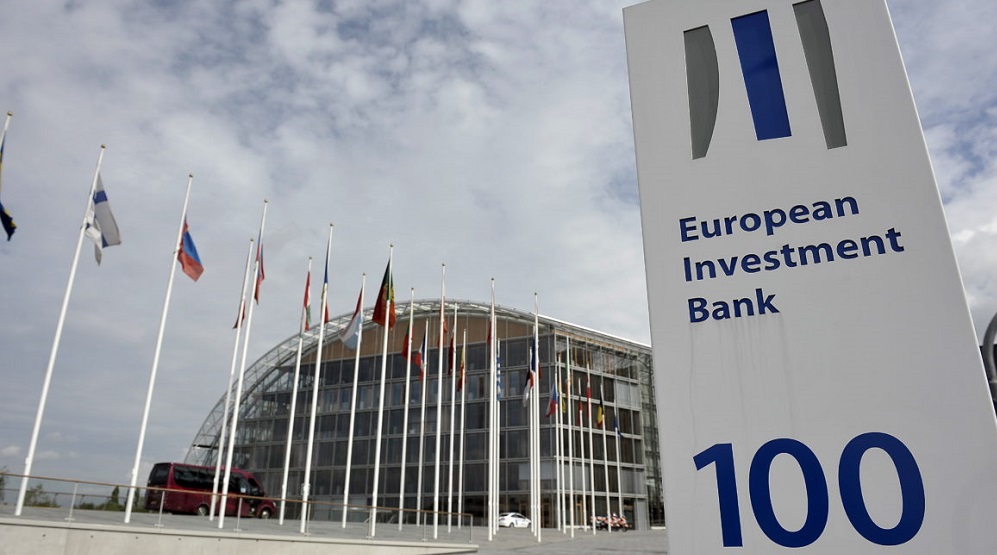
  • Expand capacity to conduct work and provide information in all languages spoken where the WBG operates. There are several examples of multilateral organizations – like the United Nations and the European Investment Bank – that support participation in multiple languages, so it is unconscionable that information disclosure and participatory processes associated with WBG activities are primarily in English. Even in this consultation process,
    documents and consultations were initially only available in English.
  • Provide more resources and capacity building to WBG’s environmental and social departments and build capacity across the bank on issues relating to transparency, accountability, participation and human rights.

8. The Roadmap should ensure the independence and effectiveness of WBG’s independent accountability mechanisms (IAMs) and grievance redress processes:

  • Expand the mandate of WBG IAMs to independently look at the environmental and social impacts of all WBG activities, including development policy loans. Empower IAMs to make binding recommendations with the participation of directly affected communities.
  • Ensure management and staff respect processes and findings of WBGIAMs. The WBG must also work with its accountability mechanisms to address client, country or context specific barriers that may hinder communities from accessing the complaints mechanisms, especially on issues related to civic space and reprisals.

9. The Roadmap should agree to a human rights based remedy framework, such that communities negatively impacted by WBG projects – including where WBG’s IAMs have found non-compliance with WBG policies and standards – can shape and receive remedy.

Remedy should also be provided to legacy projects where communities have been harmed.

10. The Roadmap should recognize the value of an external, independent evaluation of how the WBG’s projects, policies, practices and underlying top-down development model — with its focus on advancing economic growth and the role of the private sector in development – have impacted and continue to impact human rights and civic space.
This evaluation would need to be conducted with extensive participation of grassroots communities, defenders and others, including those who are critical of WBG activities, and should also make recommendations to redress past harms and options for moving forward.

11. The WBG must allow communities and civil society to hold it accountable for human rights impacts using legal processes in national and international courts.

Recommendation D: Ensure that changes to the WBG’s operational model and financial capacity provide robust, dedicated resources to participation and civic engagement,

12. As it seeks to dramatically increase the quantity of the financing it mobilizes, governs and disburses under the Evolution Roadmap, the WBG must ensure it allocates the necessary budget for all of the above recommendations.

  • Expanded budgetary allocations must reflect the reality that the current funding for environmental and social safeguard compliance is already not commensurate with the environmental and social risks of the bank’s activities.
  • With any substantial increases to the volume of WBG financing and more emphasis on leveraging private sector investment must come increased resource allocation to transparency, accountability and participation.
  • Reforms to the operational and financial model must consider how to provide civil society organizations from the Global South with substantial, dedicated funding mechanisms that could be administered by civil society or jointly with the WBG.

In conclusion, the quality of WBG spending and operations is as important as the quantity of funding made available, which requires that citizens and civil society be more systematically brought into decision-making and implementation across the WBG.

For years now, social movements, Indigenous Peoples, communities in the Global South, and civil society organizations have been providing concrete policy recommendations (as above) and systemic solutions to address concerns about:

  • the top-down development model advanced by the WBG which prioritizes economic growth and private profit; and
  • the role of the WBG in the interconnected crises of inequality, food-insecurity, climatechange and closing civic space.

However, the WBG’s projects and policy recommendations, under the watch of its shareholders who are human-rights duty bearers, have continued to cause or contribute to human rights violations related to forced evictions, rising debt burden, environmental degradation, increased carbon emissions, and reprisals against those who speak up. These harms are caused (at least, in part) by the WBG’s failure to ensure meaningful participation for directly affected people and the inability (and unwillingness) to address civic space dynamics in the countries where it operates and as a result of the clients with whom it partners.

The WBG Evolution Roadmap process could be a unique opportunity to more systematically understand, promote, and protect enabling environments for civic engagement using a human rights lens. Following the recommendations in this statement would enable the WBG to move towards realizing the new vision of achieving development that
is “sustainable, resilient, and inclusive”. These are critical first steps necessary for any meaningful institutional reform to take place in good faith. Given the leadership role of the WBG in the multilateral financial architecture, the roadmap could also positively influence others in the multilateral development finance system to address issues related to human rights and civic space.

Signatories

AbibiNsroma Foundation (ANF), Ghana

Accountability Counsel, Global

Accountability Lab, Global

Accountability Research Center, USA

ACTC Développement communication, Mauritanie

ACT Alliance, Global

Aid/Watch, Australia

Alyansa Tigil Mina (ATM), Philippines

Appui aux Initiatives Communautaire de Conservation de l’Environnement et de Développement Durable (AICED), République Démocratique du Congo

Arab Watch Coalition (AWC), USA

Asian Forum for Human Rights and Development (FORUM-ASIA), Regional (Asia)

Association LaSiesta pour la protection de l’environnement, Morocco

Bank Information Center, USA

Cairo Institute for Human Rights Studies (CIHRS), MENA region

Center for International Environmental Law (CIEL), International

Centre de Défense des Droits de l’Homme et Démocratie, République Démocratique du Congo

Centre for Financial Accountability (CFA), India

Centre for Women & children Solidarity Network (CWcSN), India

Centro de estudios e Investigación sobre Mujeres, Spain

Coalition for Human Rights in Development, Global

Committee for Peace and Development Advocacy, Liberia

Community Empowerment and Social Justice Network (CEMSOJ), Nepal

Conectas Direitos Humanos, Brazil

Confédération Nationale des Travailleurs du Sénégal (CNTS), Senegal

Conseil Regional des Organisations Non Gouvernementales de développement, République Démocratique du Congo

Council for People’s Development and Governance, Philippines

Debt justice Norway, Norway

Defenders in Development Campaign, Global

Derecho Ambiente y Recursos Naturales (DAR), Perú

Enda Lead Afrique Francophone, Senegal

Foundation For Environmental Rights,Advocacy & Development (FENRAD), Nigeria

Friends with Environment in Development, Uganda

Fundación CAUCE: Cultura ambiental – Causa Ecologista, Argentina

Fundación Humedales/ Wetlands International LAC, Argentina

Fundeps, Argentina

Global Alliance for Incinerator Alternatives, Global

Green Advocates International, Liberia

Green Development Advocates (GDA), Cameroon

Instituto Maíra, Brasil

International Accountability Project, Global

International Rivers – Brazil, Brazil

International Rivers, United States of America

Mongolian CSOs Network on the SDGs, Mongolia

Narasha Community Development Group, Kenya

Natural Resource Women Platform, Liberia

NGO Forum on ADB, Asia Regional

NomoGaia, USA

Observatoire d’Etudes et d’Appui à la Responsabilité Sociale et Environnementale, OEARSE en sigle, République Démocratique du Congo

Oil Workers’ Rights Protection Organization Public Union, Azerbaijan

ONG Sustentarse, Chile

Oxfam, Global

Pakaid, Pakistan

Pakistan Fisherfolk Forum, Pakistan

Plataforma Internacional contra la Impunidad, Suiza

Protection International Mesoamérica, Centroamérica

Protection International, Belgium / Global

Recourse, Netherlands

Réseau de Développement et de Communication des Femmes Maliennes / Musonet, Mali

The Reality of Aid Network, Global (based in the Philippines)

Twerwaneho Listeners Club (TLC), Uganda

Uma Gota No Oceano, Brazil

urgewald, Germany

Vikas Adhyayan Kendra, India

Witness Radio, Uganda.

Source: rightsindevelopment.org

STATEMENTS

Joint Statement Response by Advisers of PAPs to the DRS Follow-Up Report on the Uganda KIIDP-2 Case

Published

on


Joint Statement Response by Advisers of PAPs to the DRS Follow-Up Report on the Uganda KIIDP-2 Case

KAMPALA, 25th NOVEMBER 2025

Introduction

On 30th October 2025, the World Bank’s Dispute Resolution Service (DRS) published its final Follow-up Report on the Uganda KIIDP-2 case, a community-led complaint regarding forced evictions and project-related harms under the Kampala Infrastructure and Institutional Development Project. The case began in 2021 and closed in 2023.
We welcome the publication of the Follow-up Report as it provides important reflections on dispute resolution practice. We appreciate that feedback from stakeholders, including some of our own, was incorporated into the Report. However, the Report presents an overly positive narrative that fails to reflect critical issues experienced by community members negatively impacted by the KIIDP-2 project. These omissions not only distort the record but undermine the legitimacy and objective of the accountability process and learning.

Gaps in Report

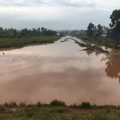
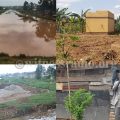
Project harms continue: It is paramount to begin here. The affected community filed a complaint to the Inspection Panel of the World Bank in 2020 to complain about harm they were experiencing with the ongoing KIIDP II project. The project designers and implementers failed to engage meaningfully with people who would be impacted by the project, and as a result, there was inadequate compensation for negative impacts, health risks and other hazards were associated with mismanagement of the drainage channel, and people lost their livelihoods. Over five years later–and even after a mediation process–the issues persist. The project remains incomplete even after the project closeout date. Clogged passages with dirt, persistent flooding of peoples homes and farms with dirty water, lack of access to homes, and incomplete infrastructure remain unresolved. The posture of the Follow-up Report assumes implementation is complete and everything is well, but the reality couldn’t be further from that.

No livelihood restoration: Livelihood support was a core demand from community members and a central topic throughout the mediation. Although interim agreements were reached on this issue, they were not included in the final agreement, and no livelihood programs have since been implemented. The community’s health, safety, and economic conditions continue to deteriorate as a result.

Women’s issues ignored: Gender-specific harms raised in the complaint and during the case process were never addressed and are completely absent from the final report.

Retaliation, intimidation, and threats of eviction: The report fails to acknowledge threats, harassment, and attempted evictions faced by community members during the process.

The process felt coerced and rushed: The Follow-up Report fails to capture DRS’ own challenges in managing the timelines to ensure a successful outcome. Although the mediation process spanned 18 months, community members report that they felt pressured to sign the agreement on the final day. In part this is because there was confusion about whether the dispute resolution process had officially concluded, and representatives and advisors were not informed in advance that the signing would take place that day. The Follow-Up Report also fails to capture the serious concerns associated with the signing of the agreement that led the community to feel coerced to sign the agreement. For example, the presence of government security officials at the signing created an intimidating atmosphere, further contributing to the sense of coercion.

Undermined decision-making: In the final stages, the DRS changed the previously agreed community representation and decision-making structure, sidelining duly elected representatives and diminishing the voice of minority or dissenting perspectives. The DRS made a unilateral decision–on the day of signing of the agreement–that the representatives previously elected by impacted community members were no longer going to make decisions on behalf of the community, and that instead, every member of the community was required individually to sign the agreement if they wanted to benefit from its provisions. Furthermore, the DRS had earlier communicated that if the agreement was signed, no unresolved issues could be referred to the compliance process, effectively discouraging individuals from dissenting or withholding their signature.

Confidentiality limitations: Unreasonably strict confidentiality restrictions during the mediation process limited community representatives’ ability to consult with other community members, the media, and allies. This lack of openness undermined transparency, community-wide participation, and meaningful ownership of the process. Towards the end of the process and during the implementation phase, the DRS interpreted these confidentiality provisions in a way that denied advisors access to key documents, including the mediation agreement and drafts of the Follow-Up Report. This made it extremely difficult for the advisors to support the community with timely and informed guidance. The removal of the Implementation Committee on the day of signing the agreement, without mutual agreement or any formal communication, further isolated the advisors. As a result, they were unable to monitor implementation or receive feedback through project-affected people (PAPs), with DRS insisting that the agreement remained confidential. The continued denial of access under the guise of confidentiality infringed on the community’s right to adequate representation.

Exclusion from Inspection Panel referral: The report omits that requesters were excluded from bringing unresolved issues to the Inspection Panel for investigation. This shift contradicted earlier expectations and closed off a key accountability route. Read more here.

To support transparency and learning, we commissioned an independent consultant to gather community feedback on the process, outcomes, and roles of various actors. Once complete, this analysis will be shared with the DRS and the World Bank to inform future DRS processes and strengthen accountability for other communities.

Conclusion

We believe in the potential of dispute resolution to provide meaningful remedy, but to realize that potential, there must be bold, transparent, and inclusive implementation. The DRS must account for all aspects of the mediation process and its outcomes. Livelihoods, gender-specific harms, and reprisals are not peripheral issues; they are central to justice, and they are left unresolved.

We thank the DRS for its work and call for further dialogue to ensure the spirit of the agreement is honored, and the dignity of the Kawaala community upheld.

Witness Radio
Accountability Counsel

Statement: 19.11.25 Statement Re DRS Report

Continue Reading

STATEMENTS

Witness Radio Statement on the International Human Rights Day 2024: A call to the government of Uganda to protect Land and Environmental Rights Defenders and Communities affected by irresponsible land-based investments in Uganda.

Published

on

For immediate release

Statement on International Human Rights Day 2024:

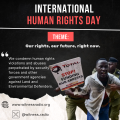
Witness Radio calls out the government of Uganda to protect Land and Environmental Rights Defenders and Communities affected by irresponsible land-based investments in Uganda.

Wakiso: Uganda, December 10th, 2024; Anchored to the UN Declaration on the Right and Responsibility of Individuals, Groups, and Organs of Society to Promote and Protect Universally Recognized Human Rights and Fundamental Freedoms, Witness Radio stands together with Land and Environmental Rights Defenders, communities affected by irresponsible land-based investments in Uganda, and Human Rights Defenders across the globe in urging Government of Uganda to uphold and fulfill their obligations to protect and respect human rights in the context of land-based business operations and to ensure access to an effective remedy for individuals and groups affected by such activities, specifically land and environmental rights defenders.

As the world commemorates International Human Rights Day on December 10th, 2024, under the theme;

Our rights, our future, right now, Witness Radio has, in a period of the first 6 months of the year 2024, documented over 360,000 people who faced forceful evictions from the lands that had fed them for generations. This has led to various unbearable environmental and social issues, including violations of community rights during forceful evictions and threats to water sources, the environment, and food security. For instance, the use of agrochemicals in the newly acquired lands has led to pollution, affecting the health of the local communities.

Communities whose rights and interests on land have been forcefully transferred to land-based investors in agribusiness, carbon-offset tree plantations, oil and gas extraction, mining, and infrastructural development projects highlight concerns over food shortages, livelihoods; inadequate compensation; restricted land access; and impacts on children’s education, safety, and welfare, including gender-based violence (GBV) and reproductive health issues.

A recent report by Witness Radio Uganda, released in November 2024, paints a dire picture. Between January and June 2024, more than 360,000 people faced violent evictions, with over 121,000 hectares of land under threat. Nearly four cases of land evictions were reported weekly, affecting approximately 15,126 people and threatening 5,060.12 hectares of land across the country. An estimated 2,160 Ugandans faced evictions daily to give way to investments, with 723 hectares of land at risk of being grabbed daily. This is a crisis that demands immediate attention.

The land grabs are happening on abandoned national ranches and forests, which have long since been settled and farmed by people who came to the area fleeing war and natural calamities in neighboring areas. Although compulsory land acquisition falls within government powers in Uganda, corporations interested in specific land and their agents have been left responsible for managing much of the process and setting compensation values. This has led to serious problems with how the land acquisition process is being conducted, resulting in severe impacts on affected communities, which have infringed on the rights to property, involuntary resettlement, housing, earning a livelihood, food, private and family life, and trading and disposing of natural wealth and resources.

Land and Environmental Rights Defenders are the unsung heroes in this battle for justice. They are often the only force between ordinary people and unbridled power. However, their efforts are frequently met with judicial harassment in the form of criminalization for offensive gatherings, criminal trespass, and strategic lawsuits against public participation (SLAPPs) to discourage peaceful demonstrations against unlawful evictions, arbitrary detention, and defamation. Their importance cannot be overstated, and the injustices they face are a stark reminder of the need for change.

On this International Human Rights Day, it is crucial that duty-bearers recognize the gravity of the crisis in Uganda. The Government of Uganda should commit to and urgently implement universal respect, protection, and fulfillment of human rights for everyone and everywhere in the country. This is not just a call for action but a demand for justice and equality. We urge the government to act now, before more lives and livelihoods are lost.

Our Rights, Our Future, Right Now

Signed by;

Jeff Wokulira Ssebaggala.

For Witness Radio – Uganda


Continue Reading

STATEMENTS

Breaking: There has been an alarming Rise in Forced Land Evictions in Uganda; over 360,000 Ugandans were Displaced in the First Half of 2024.

Published

on

For Immediate Release:


Breaking: There has been an alarming Rise in Forced Land Evictions in Uganda; over 360,000 Ugandans were Displaced in the First Half of 2024.


Kampala, Uganda -October 5th, 2024; Witness Radio releases its mid-year report on forced land eviction, revealing a sharp increase across Uganda between January and June 2024. The report reveals staggering statistics: 90 documented land evictions have affected at least 363,021 Ugandans, with over 121,000 hectares of land under threat of being seized.


These occurrences are happening following a presidential directive on land evictions, with the majority of cases of evictions being characterized by violence, human rights violations/abuses, and total disrespect of communities’ land and environmental rights. Government security forces and private security firms and militias have been documented acting on behalf of wealthy investors and government agents and have been implicated in the use of excessive force, resulting in a series of human rights abuses, including death.


“Witness Radio is concerned about the unabated forced land evictions and foresees a large population losing its livelihood to land-based investments as the country enters a period of general elections,” Says Jeff Wokulira Ssebaggala, Country Director, Witness Radio—Uganda.


He attributed forced evictions to the government’s industrialization of Uganda’s land. This industrialization must be carefully implemented to protect smallholder farmers’ land and promote food security and sovereignty.   


Key Findings:


  • Attacks on Land and Environmental Defenders: In the period under review (between Jan and June 2024), 65 attacks on land and environmental defenders (LEDs) and climate activists challenging illegal land evictions and corporate harm on the environment in Uganda.
  • Affected Population: Over 360,000 Ugandans were displaced, with a daily average of 2,160 people losing their livelihood. Land is targeted for oil and gas extraction, mining, agribusiness, and tree plantations for carbon offsets. While some investments have taken shape on the grabbed land, other pieces of grabbed land are still empty but under the guardship of military and private security firms.
  • Land Under Threat: More than 121,000 hectares of land are at risk of being grabbed by influential investors and government agents.
  • Complete Evictions: 22,962 individuals have been entirely evicted from their land, and land grabbers have fully grabbed 7,150.7 hectares of land.
  • Pending Evictions: 340,059 Ugandans face imminent eviction threats, with over 114,292 hectares of land at risk of being seized.
  • Regional Impact: The Central region remains the epicenter of evictions, recording 52 cases. This is followed by 24 cases in the Western region, 8 in the Northern region, and 6 in the Eastern region.
  • Number of Cases documented: 90 land eviction incidents reported, affecting all regions of Uganda.


Eviction frequency.


Nearly four cases of land evictions are reported weekly, affecting approximately 15,126 people and threatening 5,060.12 hectares of land across the country.


An estimated 2,160 Ugandans face evictions daily to give way to land-based investments, with 723 hectares of land at risk of being grabbed daily.


Despite government interventions and promises to halt evictions, including directives from President Museveni, the report reveals that land grabbers frequently ignore these orders, deploying armed security forces, private militias, and police to carry out brutal evictions. Left without compensation or legal recourse, vulnerable communities are often displaced in favor of multinational corporations and influential local investors.


Case Highlights: The report details harrowing incidents like the murder of smallholder farmer Dan Ssebyala in Nakasongola, a district plagued by violent evictions involving absentee landlords and influential investors. Armed men ambushed Ssebyala following a confrontation over disputed land. This is just one of many incidents where land defenders are attacked, silenced, or even killed for opposing forced evictions.


In Kiryandongo District, security groups working for Major Taban Amin were documented torturing elected local leaders such as Councilor Fred Kangume after he opposed Amin’s illegal eviction of over 700 families. Such violent tactics have been reported as a commonly used approach to intimidate defenders and community leaders and silence opposition.


Impact on Communities:

  • Food Insecurity: Evictions often destroy crops and livestock, exacerbating food shortages and malnutrition
  • Loss of Livelihoods: Displaced families lose their homes and agricultural land, forcing many into poverty.
  •   Violence and Trauma: Communities face violence, arrests, and intimidation for defending their land, leading to physical and psychological trauma.
  •  Disruption of Education: Forced displacement disrupts children’s access to education as schools are often destroyed in the eviction process.


Call for Action: Witness Radio Uganda calls on the government to strengthen the enforcement of land laws, protect local communities from illegal evictions, and ensure justice for victims. Additionally, investors must adhere to international human rights standards and respect the communities they operate in. Financial institutions funding these projects must conduct thorough due diligence to prevent further human rights abuses.


For more information and to access the full report, please contact:

Mr. Tonny Katende

Research and Media Officer, Witness Radio – Uganda

Phone: +256 703085430

Email: news@witnessradio.org

Website: www.witnessradio.org

You can download a full report here: Forced Land Evictions In Uganda.

Continue Reading

Resource Center

Legal Framework

READ BY CATEGORY

Facebook

Newsletter

Subscribe to Witness Radio's newsletter


Trending

Subscribe to Witness Radio's newsletter