Connect with us

MEDIA FOR CHANGE NETWORK

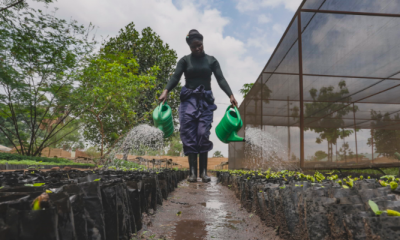
World leaders are urging support for pastoral mobility as a crucial strategy to sustain rangelands and address intensifying challenges from climate change and land pressures.

Published

on

By the Witness Radio team.

Up to half of the world’s rangelands are already degraded or at risk because of climate change, unsustainable agricultural expansion, and severe droughts. These landscapes provide food and feed for about 2 billion people worldwide, accounting for nearly 70 percent of the feed produced for livestock, making them among the most important yet least protected ecosystems for food security, biodiversity, and pastoral livelihoods.

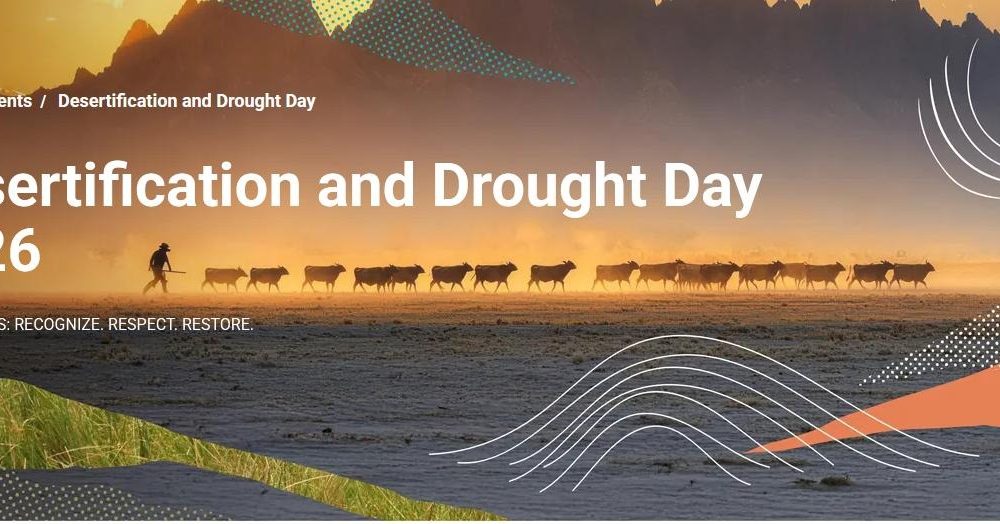
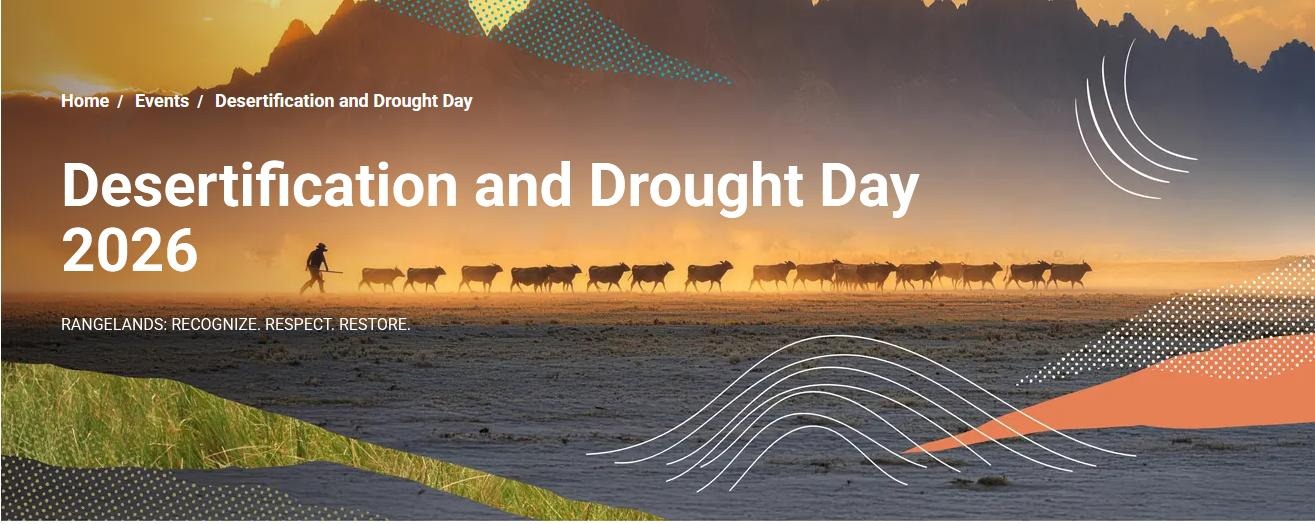
This year’s Desertification and Drought Day, observed on 17 June 2026 under the theme “Rangelands: Recognize. Respect. Restore.”, highlighted pastoral mobility as an urgent and essential approach to protecting rangelands amid climate threats.

Scientists and policymakers worldwide warn that rangelands face increasing threats from land degradation, climate change, and competing land uses, jeopardizing livelihoods and ecological stability in dryland regions.

In a video message marking the day, United Nations Secretary-General António Guterres emphasized the importance of Indigenous and pastoral knowledge systems in protecting fragile ecosystems. He said,

“This year also marks the International Year of Rangelands and Pastoralists—a chance to support pastoralists and Indigenous Peoples whose traditional knowledge can help protect these ecosystems. To protect our future, we must protect the land.”

His message highlights the global recognition that pastoral mobility, once seen as outdated, is now a vital survival strategy amid scarcity and climate unpredictability.

The United Nations Convention to Combat Desertification (UNCCD) Executive Secretary, Yasmine Fouad, also stressed that rangeland restoration must move from policy commitments to practical implementation at scale. She noted that “as droughts intensify and competition over land and water resources grows, restoring rangelands must become part of how countries strengthen resilience, secure food systems, reduce risk and support livelihoods.”

Yasim’s views underscore concerns within the UN that continued rangeland degradation will increase food insecurity, displacement, and ecological collapse if not urgently addressed.

From a research and policy perspective, Dr. Michael Brüntrup, an Agricultural Economist and Senior Researcher at the German Institute of Development and Sustainability (IDOS), explains that pastoralism remains central to global land use systems and rural economies. He observes in his 2026 analysis that sustainable pastoralism relies on mobility and ecological balance, following natural vegetation cycles and enabling ecosystem regeneration. Restricting mobility undermines rangelands’ ecological integrity.s.

These global trends are stark in Uganda’s cattle corridor, spanning about 84,000 square kilometers—44 percent of the country’s landmass. This vast zone stretches from southern and central Uganda to the northeastern drylands of Karamoja and is home to pastoral and agro-pastoral communities whose livelihoods rely on seasonal livestock migration for pasture and water. But these systems face mounting pressure. Climate change worsens droughts and reduces pasture. Land fragmentation and privatization disrupt traditional mobility. Large-scale agricultural projects further reduce grazing land, fueling competition and conflict. A major structural shift has also contributed to these challenges. Uganda’s transition from customary communal land governance to individualized land tenure systems has weakened traditional pastoral management practices. This transformation has reduced land-use flexibility, disrupted seasonal mobility patterns, and increased exposure to land grabbing and displacement.

Although Uganda has established legal and policy frameworks governing land and environmental management, implementation gaps continue to undermine pastoral resilience. Pastoral mobility is still weakly integrated into national land-use planning, communal grazing systems are insufficiently protected, and regional frameworks such as the IGAD Protocol on Transhumance remain only partially domesticated.

The 2026 Desertification and Drought Day coincided with the International Year of Rangelands and Pastoralists, reinforcing global calls to recognize, respect, and restore these ecosystems. While the main global observance was held in Kenya, Uganda’s rangelands remain part of the same fragile ecological system and face similar pressures from climate change, land degradation, and governance challenges.

Ultimately, experts and global leaders agree that the future of rangelands depends on urgent government action: recognizing pastoral mobility as an essential land-use system, strengthening tenure security, and investing in ecosystem restoration. As the United Nations Secretary-General emphasized, protecting land is inseparable from protecting humanity’s future. Now is the time for governments to act decisively to secure these vital landscapes for future generations.

Continue Reading

MEDIA FOR CHANGE NETWORK

CSOs welcome the World Bank’s accountability reform and demand an influential role in selecting its new accountability leadership, underscoring the importance of genuine justice for communities.

Published

on

By the Witness Radio team.

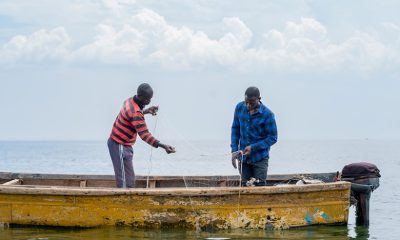
Long criticized for the harms its projects cause to communities and the environment, the World Bank Group has now announced a sweeping overhaul of its accountability system, aiming to improve justice for those affected.

For years, communities and civil society groups have used the World Bank’s accountability mechanisms—including the IDA Inspection Panel, Dispute Resolution Service, and IFC/MIGA Compliance Advisor Ombudsman—to file complaints about funded projects. However, critics say these mechanisms often fail to provide effective remedies to those harmed by World Bank investments.

The Boards of IBRD, IDA, IFC, and MIGA have approved a single, integrated World Bank Group Independent Accountability Mechanism (IAM).

Approved on July 8, 2026, this decision will unify the World Bank Accountability Mechanism, the Inspection Panel, and the IFC/MIGA Compliance Advisor Ombudsman into one system.

A June 9 World Bank statement said the new mechanism will operate independently, report directly to the Boards, and be led by a Vice President/Director General.

“The integrated IAM will carry out three functions—compliance, dispute resolution, and advisory services—and is designed to make accountability simpler and clearer for complainants,” the World Bank said.

Furthermore, the reform aims to reduce fragmentation and strengthen coherence across World Bank Group operations.

The Bank said the new policy will build on current experience and maintain existing protections during the transition. The framework will be developed with Board oversight and stakeholder consultations.

The statement says transparent, competitive recruitment for the Vice President/Director General will begin immediately under Board leadership, while current mechanisms continue.

“In the interim, all three existing mechanisms will continue to function under their existing policies and mandates. No active or pending cases will be affected.” The statement says.

While supporting accountability efforts, civil society groups have raised concerns about the mechanism’s leadership selection.

In a letter to the Boards, seven civil society groups, joined by 38 others, called for a transparent, inclusive recruitment process for new IAM leadership.

“A strong hiring process for IAM leadership is crucial to the independence and legitimacy of an IAM,” the organizations wrote.

The participation of external stakeholders, especially civil society, is standard in IAM hiring. The CAO DG/VP process has included civil society on the selection committee for years,” they added.

The organizations warned that failing to meet CAO standards undermines the Bank’s commitment to non-regression.

“We will consider any selection process that falls below the standard set by the CAO DG/VP hiring process, as enshrined in the CAO’s policy and established through past practice, as a violation of your commitment to non-regression,” the letter states.

Under the CAO policy, independence requires a transparent, participatory selection with stakeholders from civil society and business.

The groups urge the Boards to guarantee civil society a formal role in recruitment.

“We strongly urge the Board to formally confirm that civil society representatives will have a structured role in the current recruitment process for the Vice President/Director General of the new IAM,” the letter adds.

This decision to integrate accountability mechanisms also follows recommendations from a World Bank Group Task Force that reviewed the effectiveness of the current system.

The Task Force found that while current mechanisms are broadly effective, they face major challenges with accessibility, consistency, and delivery of remedies.

As the World Bank Group advances these reforms, civil society engagement in recruitment will be pivotal to ensure accountability and justice are strengthened, not weakened. The coming months will be decisive in whether the new Independent Accountability Mechanism fulfills its promise and secures the lasting trust of the communities it serves.

Continue Reading

MEDIA FOR CHANGE NETWORK

Civil society groups scoff at AfDB’s New African Financial Architecture Initiative, saying it’s here to worsen challenges facing African food systems.

Published

on

By the Witness Radio team.

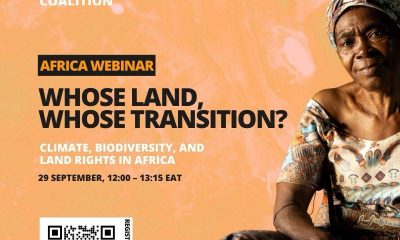
Civil society organizations warn that the African Development Bank’s (AfDB) newly launched New African Financial Architecture for Development (NAFAD) may reinforce existing challenges in African food systems and investment priorities.

The concerns follow the AfDB Annual Meetings in Brazzaville, Republic of Congo, from 25–29 May 2026, during which the Bank and its partners endorsed NAFAD as a framework for mobilizing large-scale development financing across Africa.

The meetings produced three outcomes: AfDB Board of Governors’ endorsement of NAFAD and its Four Cardinal Points; the launch of the African Economic Outlook 2026, estimating a $400 billion annual financing gap; and the Brazzaville Appeal, inviting civil society, diaspora, and philanthropists to support the initiative’s vision and objectives.

Meanwhile, civil society organizations such as the Alliance for Food Sovereignty in Africa (AFSA) and Stop Financing Factory Farming (S3F) have issued a joint statement expressing reservations about the initiative’s direction, particularly its implications for African food systems. The groups argue that Africa’s problem is not capital shortage but governance and investment decisions.

“Africa does not have a capital shortage. It lacks democratic control over capital allocation. NAFAD addresses capital, but not governance,” the statement says.

The statement notes that Africa holds about $4 trillion in domestic savings—much of it invested outside the continent—including pension, sovereign wealth, and insurance funds. It also highlights the decline in global aid levels. These factors underscore the need to mobilize African capital for development.

However, the organizations caution that, without safeguards, the initiative may replicate existing industrial, input-intensive investment models in agriculture.

They state NAFAD lacks a clear definition of “productive investment” and specific commitments to agroecology, smallholder systems, or land rights.

It further argues that without a binding investment framework, the initiative may simply follow AfDB’s agricultural priorities.

NAFAD does not propose a new architecture. It aims to capitalize on the existing one by leveraging African savings, possibly shifting power centers while retaining the extractivist structure.

The statement also references a 2025 AFSA assessment of 20 AfDB agricultural projects using an agroecology evaluation tool, which reportedly found low alignment with agroecological principles across all projects reviewed, including flagship programs such as the Technologies for African Agricultural Transformation (TAAT) and Special Agro-Industrial Processing Zones (SAPZ).

Civil society groups also voice concern about rising private-sector agribusiness investments in African agriculture by firms such as ETG, Zambeef, and DAL Group.

Another concern is what organizations call “natural capital financialization,” including carbon markets and biodiversity financing. They argue that such methods could risk land dispossession unless strong community protections are in place.

“All NAFAD-funded carbon, biodiversity, and ecosystem service programs must require binding FPIC, protect land rights, and have independent oversight with community-defined benefit sharing.”

Furthermore, the statement questions NAFAD’s governance, arguing that key stakeholder groups, such as farmer organizations and land rights movements, were not adequately represented in its design.

African pension funds, sovereign wealth, and diaspora capital could finance a large-scale agroecological transition—supporting farmer-managed seeds, territorial markets, community land tenure, and biodiverse food systems. This is the financial architecture Africa’s producers need. It requires political will to define African financial sovereignty by including the people whose labor secures Africa’s food supply, the organizations add.

The groups note that, while the Brazzaville Appeal invites civil society to “embrace the vision” of NAFAD, this should also mean greater participation in shaping its design, not just its implementation.

Despite concerns, AFSA and S3F remain open to engaging with AfDB and partners. They will independently monitor NAFAD’s impact on communities, land, and biodiversity.

They also called for reforms: a binding investment mandate with agroecological requirements, independent audits of AfDB agricultural programs, stronger protections for community land rights, and greater transparency across all NAFAD investments.

AfDB has not yet publicly responded to the specific concerns in the statement.


Continue Reading

MEDIA FOR CHANGE NETWORK

Africa’s responsible business agenda is facing challenges as more land is taken from local communities for investment, and landowners struggle to secure justice.

Published

on

By the Witness Radio team.

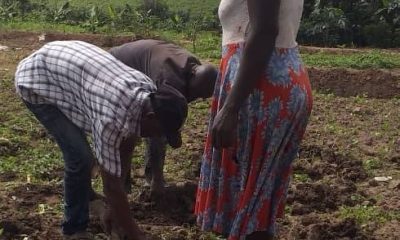
In Kyankwanzi District, central region of Uganda, tens of thousands of people displaced to make way for the Kikonda Forest Plantation say they are still waiting for justice more than two decades after losing their land to Global Woods Limited in 2002 to plant trees for carbon offsetting.

Recently, Witness Radio journalists visited the project-affected families. The families described the ordeal as a deep frustration and lasting pain. They said their forceful removal from their land by government authorities paved the way for the tree-planting project. This removal was never subjected to any consultation. Former landowners never consented. To date, they have no idea how the project will improve their livelihoods.

Some families living on the plantation’s edge report ongoing tensions, intimidation, and occasional violence involving workers, along with severe weather changes that have harmed food security in the area.

The project claimed to combat climate change while contributing to local development. However, it caused a drought due to monoculture trees planted by the project implementers. For many who lost their homes and livelihoods, this tells a different story. To them, Kikonda is a painful reminder of dispossession, broken promises, and a justice process that has remained out of reach for more than twenty years.

“We were removed forcefully. We have never been compensated. We have never been heard,” said Mrs. Nalubega Zulaikah, one of the leaders of the affected families, recalling years of uncertainty and marginalization and having no hope for remedies.

Their story is not the only one. In Africa, efforts to attract investment often hurt local people’s rights. Big projects in forestry, mining, farming, and construction still help the economy, but they also raise complaints about land grabbing, forced relocation, environmental harm, poor working conditions, and limited access to justice.

At the same time, governments across the continent are embracing Business and Human Rights (BHR) frameworks designed to ensure that economic development does not come at the expense of people and the environment.

National Action Plans (NAPs), multi-stakeholder consultations, human rights due diligence, and regulatory reforms are emerging across East and the Horn of Africa. These initiatives aim to ensure businesses respect human rights and provide remedies when harm occurs. Despite this progress, sectors driving economic growth remain linked to serious human rights concerns.

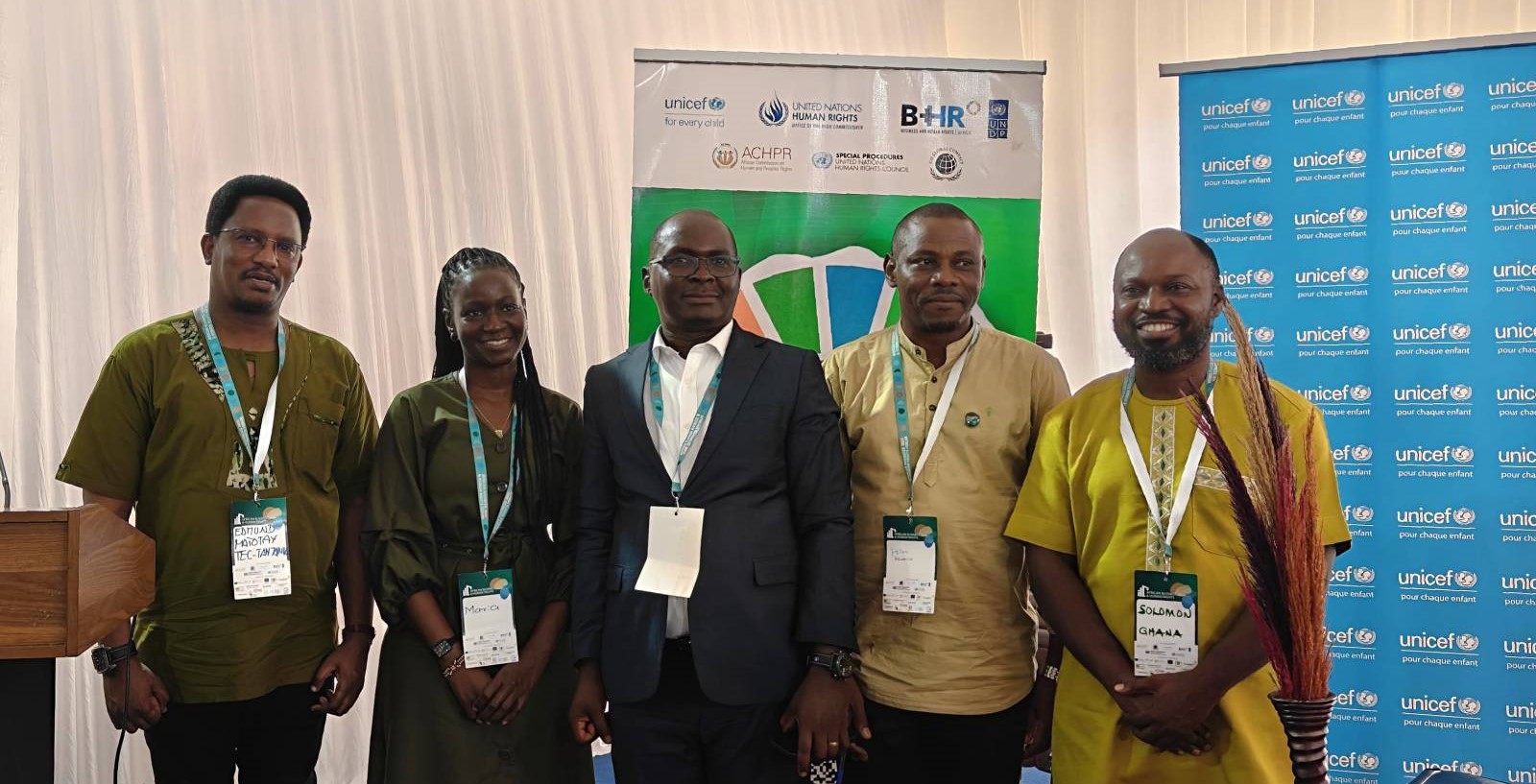
These contradictions dominated discussions at a regional forum on Business and Human Rights in East and the Horn of Africa, where government officials, national human rights institutions, civil society organizations, and development partners reflected on both achievements and persistent challenges.

The two-day dialogue was concluded on Thursday, the 11th. Convened by DCA and partners, the event’s theme was “Beyond Compliance: Strengthening Accountable and Rights-Centered Supply Chains in East and Horn of Africa.” The forum brought together governments (policy and regulation), businesses (implementation), civil society (advocacy and monitoring), development partners (support and funding), and human rights defenders (case reporting and advocacy).

“We still see that people continue to suffer from business-related harms, often on a large scale, with irreversible damage done to communities and the environment,” Professor Damilola Olawuyi, a member of the United Nations Working Group on Business and Human Rights, told participants, adding that, “We still also see that speaking up against business-related risks and impacts remains a very risky undertaking in many parts of Africa, particularly for human rights and environmental defenders who raise concerns about agribusiness and other investments.”

Several countries in the region have taken significant steps toward institutionalizing the principles of Business and Human Rights.

Uganda adopted its National Action Plan on Business and Human Rights in 2021 and is already undergoing a review process. Kenya was the first African country to develop such a plan and continues to review and strengthen implementation. Tanzania has completed drafting its own NAP and awaits government approval. Ethiopia is finalizing its first plan, and Djibouti has entered the implementation phase.

Officials attending the two-day forum pointed to a growing range of initiatives aimed at improving corporate accountability. These include public awareness campaigns, training government agencies and businesses on human rights obligations, developing digital complaint-reporting systems, and introducing tools to assess the human rights impacts of investment projects.

“We have created public awareness on human rights and businesses because most times we thought businesses were only for profit and had nothing to do with human rights,” said Harriet Asibazuyo, Uganda’s National Coordinator for Business and Human Rights at the Ministry of Gender, Labor, and Social Development.

But participants at the forum said these new policies are not really improving life for many local and indigenous groups who are harmed by investment projects.

Delegates from Uganda, Kenya, Tanzania, Ethiopia, and Djibouti listed mining, resource extraction, farming, and large building projects as industries most often linked to human rights abuses.

In Tanzania, officials highlighted extractive industries, agriculture, and infrastructure development as major drivers of displacement and other related impacts, noting that tensions continue to emerge around these sectors, particularly as growing populations place increasing pressure on land and natural resources.

“This is where we see more violations related to land dispossession, environmental degradation, and pollution. Communities are often not adequately engaged in the development of these projects. This lack of engagement results in increased human rights violations,” Jovina Muchunguzi of Tanzania’s Commission for Human Rights and Good Governance explained.

Uganda officials also reported similar concerns. According to Asibazuyo, mining communities continue to grapple with child labor, gender-based violence, environmental pollution, economic exploitation, and land-related conflicts.

“The local communities put in a lot, but the return they get is so little,” she said.

While these National Action Plans focus on Protect, Respect, and Remedy, securing justice remains very difficult in the region.

In Ethiopia, participants pointed to under-resourced institutions and weak enforcement mechanisms. There is also widespread fear among workers who seek accountability for abuses.

“More than 80 percent of workers in fields like farming, factories, and mining are women. Sexual harassment is very common. Workers are not allowed to form groups, and some lose their jobs illegally. Many are afraid that if they go to court, they will be fired,” said Hawi Asfaw, Director of the Socio-Economic Rights Department at the Ethiopian Human Rights Commission.

Kenya reported an increase in litigation related to land rights, environmental harm, and business-related human rights abuses, with courts increasingly serving as arenas where affected communities seek accountability.

In Uganda, communities affected by land-based investment projects often struggle to challenge companies through legal channels. They cite financial barriers, lengthy court processes, and power imbalances.

Experts at the forum called for stronger complaint procedures and easy ways to report problems. They also urged the creation of better-funded groups to investigate complaints and ensure protections are enforced.

Participants at the meeting also said it is important to stop human rights abuses before they happen, not just react to them afterward.

Human rights due diligence is a process through which businesses identify, prevent, mitigate, and address adverse human rights impacts. This emerged as a central theme throughout the discussions.

“We must identify risks before they materialize,” said Oumalkaire Atteye Wais, highlighting the importance of early intervention and prevention.

More than two decades after eviction, families affected by the Kikonda plantation are still waiting for compensation, accountability, and recognition of harm.

For many participants at the forum, this gap between policy and reality remains the defining challenge of the Business and Human Rights agenda in the region.

As governments continue to develop National Action Plans. Businesses are encouraged to conduct human rights due diligence while institutions are pledging stronger oversight. But for communities facing displacement, progress is not measured by policies or conference statements.

They measure progress by whether justice comes to pass or whether the promise of responsible business remains out of reach for those who most need it.

Continue Reading

Resource Center

Legal Framework

READ BY CATEGORY

Facebook

Newsletter

Subscribe to Witness Radio's news and report updates


Trending

Subscribe to Witness Radio's news and report updates