MEDIA FOR CHANGE NETWORK
Witness Radio and Seed Savers Network are partnering to produce radio content to save indigenous seeds in Africa.
Published
9 hours agoon

By Witness Radio team.
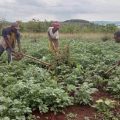
Across Africa, indigenous seeds are vital, climate-resilient, and culturally significant resources that smallholder farmers deeply value for biodiversity and food sovereignty.
Today, however, these traditional seed systems face threats from commercial seed interests, restrictive laws, and policies that may impact farmers’ rights. Addressing these concerns directly can help farmers understand how the program supports their legal and cultural rights.
In response to this growing challenge, Witness Radio Uganda, in partnership with the Seed Savers Network (SSN) in Kenya, is launching a radio broadcast titled “The Struggle to Save Cultural Seeds in Africa.”
Witness Radio and Seed Savers in Africa aim to use the radio as a tool to organize, mobilize, and empower smallholder farmers across Africa and beyond.
Food production and consumption patterns in Africa have changed significantly since the pre-colonial era. The gradual introduction of exotic crops, the establishment of settler farms on land seized from local communities, and the shift from agroecological practices to agrochemical-dependent and mechanized agriculture have disrupted indigenous food systems.
While agribusinesses continue to generate profits, research by civil society organizations shows that these models have contributed to soil degradation, biodiversity loss, widening inequalities through land grabbing, and increased vulnerability among smallholder farmers. These historical disruptions have laid the groundwork for modern policies that further marginalize farmer-managed seed systems.
The struggle to save indigenous seeds affirms farmers’ rights to control their seeds and farming knowledge, empowering smallholder farmers to protect their food security and cultural heritage.
In 2025, the East African Community (EAC) Seed and Plant Varieties Draft Bill threatened farmers’ rights by criminalizing traditional seed practices and favoring multinational companies. This situation should motivate policymakers and community leaders to stand for farmers’ rights and food sovereignty.
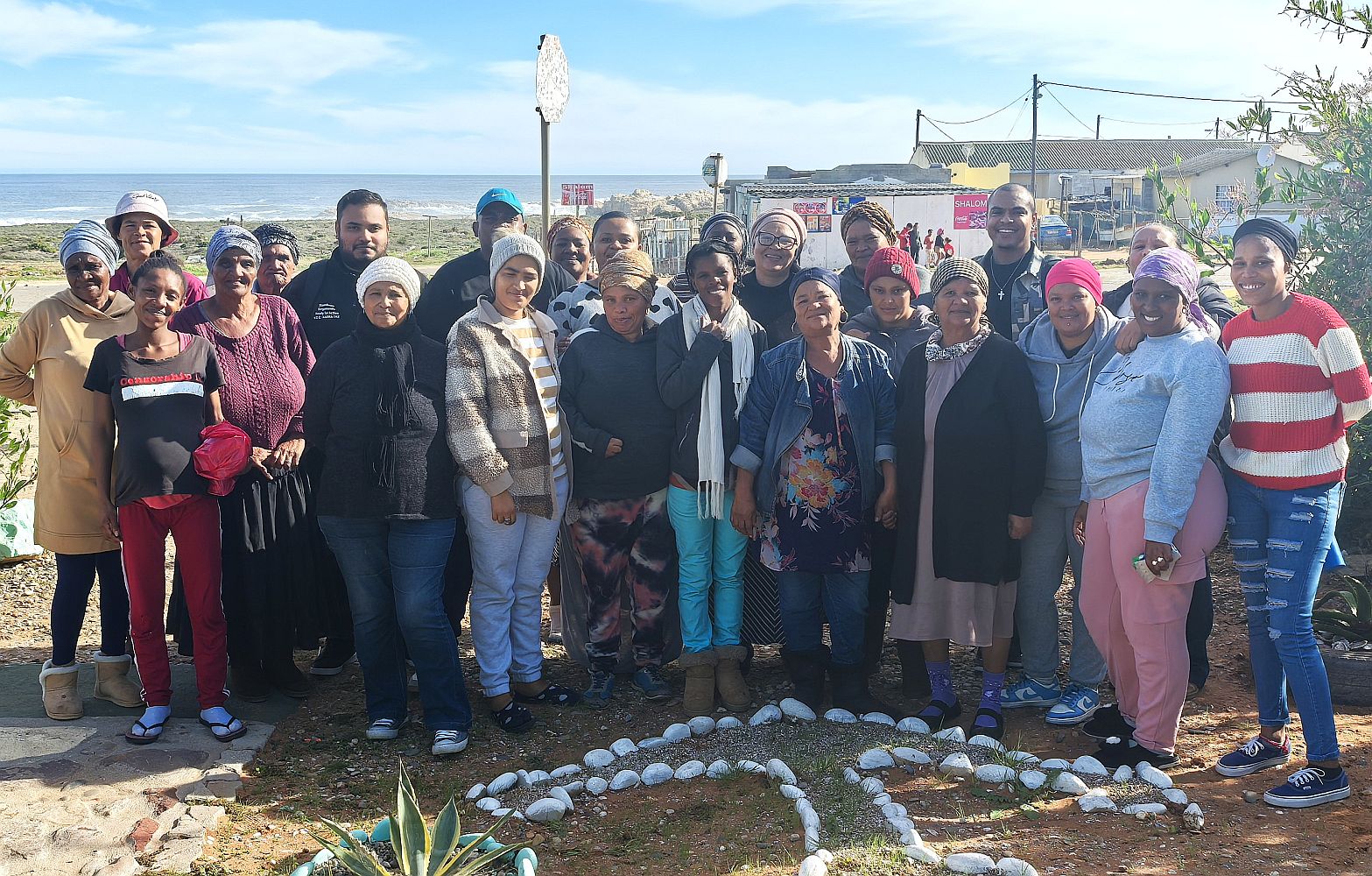
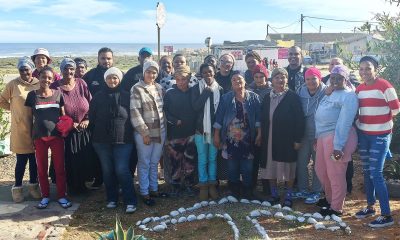
In response to this emergency, it is critical to close this gap by placing smallholder farmers, Africa’s largest food producers, at the center of seed and food systems. This radio program draws inspiration from the 2025 Seed Savers Boot Camp organized by the Seed Savers Network Kenya. Held in Gilgil, Nakuru County, from the last week of October to the first week of November last year, the boot camp brought together farmers and civil society leaders from across Africa for hands-on training and learning exchanges.
Participants explored seed conservation methods and shared knowledge, fostering a movement that builds community resilience and revives traditional farming systems.
Witness Radio participated in this gathering alongside farmers, reinforcing a shared commitment to strengthening community resilience and farmer-led food systems across Africa.
This broadcast launches a new series from Witness Radio and the Seed Savers Network to raise awareness of seed saving and food sovereignty, offering practical tips and resources for farmers to actively participate in safeguarding farmer-managed seeds.
The live program will feature voices from across the continent, including Atim Robert Anaab from Trax Ghana and The Beela Project, who works to strengthen indigenous seed systems in Ghana’s Upper East and North East Regions. Other guests include June Bartuin, Executive Director of Indigenous Peoples for Peace and Climate Justice in Kenya, and Priscilla Nakato, Chairperson of the Informal Alliance for Communities Affected by Irresponsible Land-Based Investments in Uganda.
Together, the speakers will reflect on what motivated them to join the Seed Savers Boot Camp, what they learned, the current state of seed sovereignty in their countries, and how they are applying this knowledge within their communities.
The goal is to show how insights from the Seed Savers Boot Camp translate into tangible actions, inspiring farmers and policymakers to protect indigenous seeds for food sovereignty and climate resilience.
The program will air live on Witness Radio tomorrow, Thursday at 3:00 pm EAT, accessible via the Witness Radio App or online via www.witnessradio.org or https://radio.witnessradio.org/. to maximize reach and participation.
Related posts:

Seed Sovereignty: Most existing and emerging laws and policies on seeds are endangering seed saving and conservation on the African continent.
The EAC Seed and Plant Varieties Bill 2025 targets organic seeds, aiming to replace them with modified seeds, say smallholder farmers.
Happening shortly! Kenya’s upcoming court ruling on the Seed Law could have a significant impact on farmers’ rights, food sovereignty, and the country’s food system.
Know Your Land rights and environmental protection laws: a case of a refreshed radio program transferring legal knowledge to local and indigenous communities to protect their land and the environment at Witness Radio.
You may like
MEDIA FOR CHANGE NETWORK
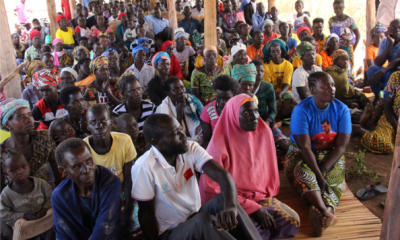
Evicted from their land to host Refugees: A case of Uganda’s Kyangwali refugee settlement expansion, which left host communities landless.
Published
10 hours agoon
January 28, 2026
By Witness Radio team.
As Uganda continues to host more refugees than almost any other country in Africa, displaced residents in Kikuube are still waiting for accountability, restitution, and the chance to live with dignity once again. This ongoing struggle should stir feelings of compassion and urgency in the audience.
More than 60,000 people occupying 9323.96 hectares (36 square miles) were displaced from villages, including Bukinda A and B, Bukinda II, Kavule, Bwizibwera A and B, Kyeya A and B, Nyaruhanga, Kabirizi, Nyamigisa A and B, Katoma, and others in Kasonga parish, Kyangwali sub-county.
The violent forced land evictions in Kyangwali date back more than a decade. Beginning in September 2013, masterminded by officials from the Office of the Prime Minister (OPM), led by the Principal Resettlement Officer Charles Bafaki, backed by the Uganda Police Force and the Uganda People’s Defence Forces (UPDF). The OPM office claimed that the contested land had been gazetted for refugee settlement, a claim former refugee host communities refute, saying they are bona fide landowners.
According to evidence seen by the Witness Radio team, most of the evictees were born on the land from the 1950s to the date they were illegally evicted.
According to Uganda’s Land Act, a bona fide occupant is a person who, before the 1995 Constitution, had occupied land unchallenged for 12 years or more, or was settled by the government. Clarifying these legal standards can help the public and policymakers understand the legal basis of land claims and potential violations.
According to the UN Refugee Agency, by the end of 2024, Uganda was hosting approximately 1.8 million refugees and asylum-seekers – the largest refugee population in Africa – reflecting a 10% increase from the previous year. The majority were from South Sudan (57%) and DRC (31%), with smaller populations from Somalia, Burundi, Eritrea, Rwanda, Sudan, and Ethiopia. Women and children made up 80% of the refugee population.
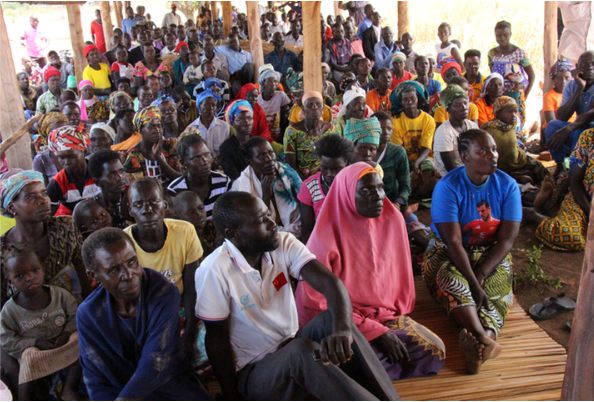
In Butyamba village, along the Hoima-Kagadi Road in Kikuube District in Western Uganda, is an informal settlement of fragile, makeshift houses that stretches across a single acre of land. It hosts over 500 people, including evictees. It’s packed tightly together, their shelters built from tarpaulins, scrap wood, and other grass thatched.
The residents, who have camped in the area since 2023, were once landowners in Bukinda and Katikala. Now, they are landless and struggling after an illegal land eviction for the expansion of the Kyangwali refugee settlement, one of Uganda’s largest refugee-hosting areas.
For many here, life changed abruptly in 2013, followed by another series of forced land evictions in 2020, at the height of the COVID-19 pandemic.
“I became a refugee in my own country,” an elderly Kabulala Oliver struggles to hold back tears as she recalls the forced land eviction that shattered her life and the lives of other members of her family.
Kabulala is among the over 60,000 people evicted from 30 villages in Bukinda, Kyangwali Sub-county. We found her together with others at the informal camp.
“When we were evicted from our land, we camped at the Kikuube Resident District Commissioner (RDC)’s premises, but this was short-lived, and we were chased away. Later, we were given this small piece of land by an area member of parliament, Hon. Natumanya,” she says.
What pains her most, she says, is that she was displaced to make room for refugees, only to become displaced herself.
“I am a Munyoro. I had lived on my land for decades. “Why should I be evicted because the government wants land for refugees? This is total impunity where the poor are not counted as humans.” Kabulala asks?
She now lives in a small makeshift shelter with a family of 13. With no land to cultivate, survival has become a daily struggle.
“My land was taken. We have nowhere to farm. We are starving every day. Children ask for food, and I don’t know where to get it. We drink dirty water,” she says.
Kabulala belongs to the Bunyoro tribe, which is constitutionally recognised as one of Uganda’s 56 indigenous communities.
The affected communities say they were never notified about the eviction or given meaningful consultation. According to Ahumuza and other witnesses, armed security personnel arrived in trucks, firing bullets, beating residents, and demolishing homes.
“In August 2013, OPM officials came and told us we had three hours to leave the land, which people had lived on for decades. They treated us like rebels. They beat people and destroyed all properties worth billions of Shillings, which forced people to scatter in all directions. After three days, refugees were ferried in and settled in our gardens where food was still growing.”
Ahumuza Businge, chairperson of the Internally Displaced Youth in Bukinda and Katikala. recalls
After the eviction, many families fled to Kyangwali sub-county headquarters, seeking refuge. Others later settled in an Internally Displaced Persons (IDP) camp in Butyamba, near Kiziranfumbi town, an area with no permanent services, such as water, toilets, and other essentials.
“You can also see how people are suffering. When our loved ones die, we have nowhere to bury them. Children don’t go to school. People die every day because there is no food, there is no water, and our temporary toilets are almost full,” Mbambali Fred, a former resident of Bukinda, whose land was also taken despite having a lease title, told Witness Radio.
Mbambali says his land was grabbed at gunpoint and misused. “I had a land title, but my land was forcefully taken and used to settle people who are not even refugees. Part of it is hired out for maize farming while I, the land owner, suffer.” He added.
In 2020, during the COVID-19 lockdown, the same government security forces forcefully evicted another group of more than 20,000 people from 1812.99 hectares (7 square miles) of land. Victims revealed that security forces sealed off their area under the pretext of a disease outbreak. Journalists and political leaders were barred, and evictions resumed quietly.
According to the ministry responsible for lands, housing, and urban development’s then guidelines, during COVID-19, no land evictions were to take place. On April 16th, 2020, the government of Uganda, through the Ministry of Lands, ordered a halt to all land evictions during the ongoing COVID-19 pandemic. The same ministry directed all local governments and security agencies to enforce the order, but the OPM disregarded it.
Today, many of the evictees live in IDPs who are framed as encroachers on their land, landless, impoverished, and dependent on casual labor. Unable to farm, families struggle to feed themselves, educate their children, or rebuild their lives.
Thirteen years after the first eviction, the affected communities say they have reached out to all concerned offices, including the president’s office, for justice, but in vain.
“The land was our life. Without it, we are nothing.” Mbambali reacts
Related posts:

MPs investigating possession of Kyangwali refugee land titles by individuals
Museveni grants avocado growing investor 5 square miles of refugee camp land
Indigenous communities lost over 9 square miles; coerced to accommodate refugees
Adjumani officials worry as refugees strip the land bare
MEDIA FOR CHANGE NETWORK
Women environmental rights defenders in Africa are at the most significant risk of threats and attacks – ALLIED New report
Published
6 days agoon
January 23, 2026
By Witness Radio Team
As land and environmental rights defenders face ongoing threats for protecting community land and territories affected by development projects, a new trend shows attacks increasingly targeting women defenders.
According to the latest research report by Natural Justice, based on data from the ALLIED Coalition, women land and environmental defenders accounted for 6% of all documented cases between 2022 and 2025.
In its recent report titled ‘The Situation of Women Environmental & Human Rights Defenders Across Africa,’ released in December 2025, a total of 261 attacks targeting land and environmental rights defenders across all countries since 2022 were recorded, highlighting the urgent need for policy change to protect women defenders better better better and sustain their vital roles.
“Across Africa, women environmental and human rights defenders (WEHRDs) are standing at the frontlines of the fight for land, water, and climate justice, and they are paying a steep price for their courage. From Kenya to the DRC, Uganda to South Africa, women activists confront not only repression but also deeply rooted patriarchal norms,” the report reads, aiming to inspire resilience and collective action.
Mary Mwangi, a land and environmental rights defender in Kenya, has been arrested more than eight times since 2020 for defending her community along Kenya’s coast against pollution, caused mainly by industries operating along the Mombasa highway in Nairobi.
“I’ve been facing numerous trumped-up charges since 2020 by the state on behalf of a private oil recycling company. The company is located right in the middle of a residential area where around 2,000 people live,” the woman defender reveals.
According to her testimony, the company began operations in 2019 without following due process and in violation of Kenya’s Environmental Management and Coordination Act. The company’s activities, including the delivery of used oil, its pre-treatment, and its refining into specific products, have had severe negative environmental impacts on residents.
“I was one of the residents who raised environmental concerns with company management, but no action was taken. The plant was operating against the will of the people, as there was no public participation in its development. Toxic gases were produced, endangering both human and livestock health and lives. The plant releases sulphuric acid, which is highly corrosive and has caused severe skin burns within the community,” she adds.
According to Mwangi, instead of addressing the concerns raised, the company’s response has been brutal, extending to her family and several community members through harassment, intimidation, arrests, and trumped-up charges.
“The company management conspired with local police in a series of harassment and intimidation campaigns that resulted in arrests and fabricated charges targeting residents, particularly families championing community rights. I was among the first to be targeted because I mobilised the community. There are currently four cases in court involving me, my family, my husband and children, and a few community members supporting this struggle.”
Beyond the legal harassment, Mwangi says her movements have been restricted, and she continues to face threats to her life.
“I cannot move freely because my movements are being monitored by company management. The biggest threat I face now is fear for my life and that of my family. There are compelling individuals within government who have openly shown they will stop at nothing,” she says.
Such conditions, once more commonly faced by male defenders, are increasingly affecting women as well. Mary is not alone; many other female defenders are falling prey to powerful multinational corporations and governments intent on grabbing community land for harmful projects.
Women defenders face disproportionate risks, including gender-based violence, criminalisation, intimidation, and exclusion from decision-making processes. Despite their critical contributions, their experiences of WEHRDs are often overlooked, their voices sidelined, and their struggles underreported.
“They endure smear campaigns, sexual violence, online abuse, and many other abuses for daring to challenge power. Many are targeted precisely because they are women, with their gender weaponized to silence their voices and discredit their leadership,” the report adds, emphasizing the threats women defenders face and the need for protective measures.
According to ALLIED Coalition data, of the 261 attacks reported, 18 targeted women, compared to 88 against men, with 70 cases categorized as unknown or unspecified, emphasizing the urgent need for protective measures for women defenders and a clearer understanding of the scale of the crisis.
Uganda—often referred to as the Pearl of Africa—has emerged as a hazardous zone. The report shows that 94 cases were reported from Uganda, followed by the Democratic Republic of Congo and Tanzania, each accounting for around 15% of attacks, with 35 and 34 cases, respectively.
“Environmental activists have been particularly targeted by the Ugandan government, with the most high-profile cases involving protests against the East African Crude Oil Pipeline (EACOP).
Physical attacks and threats against environmental human rights defenders have escalated, with no indication they will subside. These acts are perpetrated by both government officials and representatives of oil companies,” the report notes.
The most frequent category of attacks recorded was “threats or other harassment” (33 cases or 18%), indicating sustained intimidation short of overt violence. Arbitrary arrest or detention accounted for 16 cases (9%), physical attacks for 15 cases (8%), and death threats for 13 cases (7%), underscoring the persistence of criminalisation and direct violence. A smaller number of entries (9 cases or 5%) involved non-violation-related support such as solidarity or medical aid, suggesting limited preventive or recovery-oriented interventions.
A third of the cases were linked to the fossil fuel industry (oil and gas), with mining and energy accounting for 25 and 23 attacks, respectively.
Across Africa, land continues to be targeted by corporate interests from the West, often branding themselves as developers or job creators. African governments, in turn, allocate vast tracts of land to these companies, much of it traditionally used by Indigenous or local communities.
For years, the continent has been shaped by the misleading narrative that Africa possesses vast, vacant, or underutilised land awaiting transformation into industrial farms or profitable carbon markets.
However, a 2025 report by the Alliance for Food Sovereignty in Africa (AFSA), Land Availability and Land-Use Changes in Africa, dismissed this narrative. Drawing on satellite data, field research, and interviews with farmers across the continent, the study revealed that Africa’s landscapes are far from empty.
“Much of the land labelled as ‘underutilised’ is, in fact, used for grazing, shifting cultivation, gathering wild foods, spiritual practices, or forms part of ecologically significant systems such as forests, wetlands, or savannahs,” the report stated.
In conclusion, the Natural Justice report calls on African states to recognise and protect WEHRDs by adopting national laws and policies that explicitly acknowledge their role and the state’s duty to protect them. This includes meaningful consultation with civil society and alignment with the UN Declaration on Human Rights Defenders and the African Commission on Human and Peoples’ Rights.
It further calls on African governments to tackle the drivers of harm against WEHRDs by protecting land and environmental rights, ending criminalisation and harassment, and preventing and addressing gender-based threats and violence. Ensuring the recognition and protection of women defenders and their communities remains critical.
Despite the stress and fatigue caused by her work, Mary Mwangi remains committed to the struggle.
“I will continue the work and try new strategies. We are considering organising and implementing projects around environmental rights as a tool for environmental justice. If communities are well sensitised and understand their rights, they may support the struggle. That would also help reduce the risks faced by my family,” she concludes.
Related posts:

Defending tomorrow: The climate crisis and threats against land and environmental defenders
Human rights defenders show remarkable courage in the face of attacks and killings – new report
Criminalization of planet, land, and environmental defenders in Uganda is on the increase as 2023 recorded the soaring number of attacks.
Breaking: Over 600 attacks against defenders have been recorded in the year 2023 globally- BHRRC report.
MEDIA FOR CHANGE NETWORK
Uganda moves toward a Bamboo Policy to boost environmental conservation and green growth.
Published
1 week agoon
January 21, 2026
By Witness Radio team.
Uganda’s move to develop a national bamboo policy aims to boost environmental conservation and create green jobs, addressing the country’s urgent unemployment issues among the working class.
Bamboo is a critical tool in fighting climate change due to its rapid growth, high carbon sequestration capacity, and ability to produce 35% more oxygen than equivalent trees. As a fast-growing, renewable resource, it restores degraded land, provides sustainable materials that replace emission-intensive products like concrete, and offers a resilient, low-carbon bioenergy source.
Bamboo’s potential is outlined in the existing National Bamboo Strategy. Still, stakeholders stress that a formal policy involving entrepreneurs, farmers, and processors is essential to remove regulatory uncertainty and foster sector growth.
“The strategy is a good document, but it was developed largely through desk research. It did not fully involve entrepreneurs, farmers, and processors who are already working in the bamboo industry,” said Sjaak de Blois, chairman of Bamboo Uganda, encouraging stakeholders to see their role as vital.
The bamboo policy is currently at an early consultative stage, with no draft yet submitted to the cabinet or parliament. Recent consultations brought together representatives from eight government ministries, private-sector bamboo actors, and development partners to begin aligning the strategy with practical regulatory needs.
“What we have now is the starting point,” De Blois mentioned. “The next step is to take the strategy and make it more practical, more market-driven, and more Ugandan. The next step is to move from having a plan to adopting a policy.
Bamboo currently falls under several regulatory frameworks, with no single authority overseeing the sector. The policy push is being driven in part by Bamboo Uganda, a membership-based organization bringing together bamboo farmers and processors, among others. The organization aims to play a coordinating role similar to that historically played by the Uganda Coffee Development Authority in the coffee sector.
“If you want to make a sector meaningful for a country, you need coordination. Coffee became what it is because of an institution that aligned farmers, traders, exporters, and regulators. Bamboo needs the same kind of coordination.” He said.
The policy process is supported by the Belgian development agency, which is funding consultations and facilitating dialogue between the government and the private sector.
Industry players say the absence of clear regulations has constrained investment despite growing demand.
“At the moment, bamboo is everywhere and nowhere at the same time. As a farmer, you talk to forestry, as a charcoal producer, you talk to energy, as a builder, you talk to works. There is no single framework that enables the industry to function.” De Blois added.
Supporters of the policy argue that bamboo could play a significant role in environmental conservation. Bamboo grows rapidly, regenerates after harvesting, and can be harvested annually for decades, reducing pressure on natural forests.
According to Global Forest Watch (GFW), Uganda lost 1.2 million hectares of tree cover between 2001 and 2024, representing a 15% decline from the 2000 baseline. Bamboo has been identified as a key species for restoration.
“One acre of bamboo that is harvested sustainably can prevent the destruction of hundreds of acres of natural forest,” De Blois said. “If we get this right, bamboo can help reverse deforestation rather than contribute to it.”
Ms. Susan Kaikara, from the Ministry of Water and Environment, emphasized bamboo’s potential to drive Uganda’s green-growth agenda.
“Establishing a coherent national policy framework will strengthen coordination, inspire investment, and unlock bamboo’s full potential as a pillar of Uganda’s green economy,” she said.
Uganda’s charcoal market alone is estimated to be worth hundreds of millions of dollars annually, much of it supplied through unsustainable wood harvesting. Industry actors say certified bamboo charcoal plantations could offer a cleaner alternative.
“If they allow us to certify bamboo charcoal plantations, then we can get a trade license to compete or to work together with the existing market. We will reverse deforestation. We would enter an industry of about 500,000 hectares, creating smart, green jobs. We can digitalize them to make them attractive through bamboo agroforestry. So again, those things need a policy.” He adds.
Bamboo is also viewed as a climate-friendly crop due to its high capacity for carbon sequestration. Its rapid growth enables it to absorb large amounts of carbon dioxide, while its extensive root system improves soil structure and increases long-term carbon storage.
“When you look at carbon sequestration, bamboo offers several advantages. Residues from harvested bamboo can be converted into biochar, locking carbon into the soil for long periods. When you also see the sequestration per acre compared to many other trees, it is five or six times higher. So, we sequester a lot,” De Blois said
Stakeholders say that if the policy process progresses as planned, bamboo could emerge as one of Uganda’s key green growth sectors within the next decade.
“Policy making takes time. But what is important is that we have started the conversation with all the right ministries in the room. From here, it is about taking steady, practical steps.” He concluded.
Related posts:

As Uganda awaits the Energy Efficiency and Conservation law, plans to develop a five-year plan are underway.
REC25 & EXPO Ends with a call on Uganda to balance conservation and livelihood
Africa’s growth lies with smallholder farmers
Green Resources’ forestry projects are negatively impacting on local communities – donor
Witness Radio and Seed Savers Network are partnering to produce radio content to save indigenous seeds in Africa.
Evicted from their land to host Refugees: A case of Uganda’s Kyangwali refugee settlement expansion, which left host communities landless.
Women environmental rights defenders in Africa are at the most significant risk of threats and attacks – ALLIED New report
200 farmers demonstrate at parliament, worried about new seed monopoly
Will Uganda’s next government break the land-grabbing cycle?
Swedish pension fund drops TotalEnergies amid rising EACOP risks
Women environmental rights defenders in Africa are at the most significant risk of threats and attacks – ALLIED New report
Land tenure security as an electoral issue: Museveni warns Kayunga land grabbers, reaffirms protection of sitting tenants.
Innovative Finance from Canada projects positive impact on local communities.

Over 5000 Indigenous Communities evicted in Kiryandongo District

Petition To Land Inquiry Commission Over Human Rights In Kiryandongo District

Invisible victims of Uganda Land Grabs
Resource Center
- Land And Environment Rights In Uganda Experiences From Karamoja And Mid Western Sub Regions
- REPARATORY AND CLIMATE JUSTICE MUST BE AT THE CORE OF COP30, SAY GLOBAL LEADERS AND MOVEMENTS
- LAND GRABS AT GUNPOINT REPORT IN KIRYANDONGO DISTRICT
- THOSE OIL LIARS! THEY DESTROYED MY BUSINESS!
- RESEARCH BRIEF -TOURISM POTENTIAL OF GREATER MASAKA -MARCH 2025
- The Mouila Declaration of the Informal Alliance against the Expansion of Industrial Monocultures
- FORCED LAND EVICTIONS IN UGANDA TRENDS RIGHTS OF DEFENDERS IMPACT AND CALL FOR ACTION
- 12 KEY DEMANDS FROM CSOS TO WORLD LEADERS AT THE OPENING OF COP16 IN SAUDI ARABIA
Legal Framework
READ BY CATEGORY
Newsletter
Trending
-
MEDIA FOR CHANGE NETWORK6 days agoWomen environmental rights defenders in Africa are at the most significant risk of threats and attacks – ALLIED New report
-
MEDIA FOR CHANGE NETWORK1 week agoUganda moves toward a Bamboo Policy to boost environmental conservation and green growth.
-
FARM NEWS7 days ago200 farmers demonstrate at parliament, worried about new seed monopoly
-
MEDIA FOR CHANGE NETWORK10 hours agoEvicted from their land to host Refugees: A case of Uganda’s Kyangwali refugee settlement expansion, which left host communities landless.