
MEDIA FOR CHANGE NETWORK
Madi community accuses UPDF of fueling Zoka land conflict with Acholi settlers


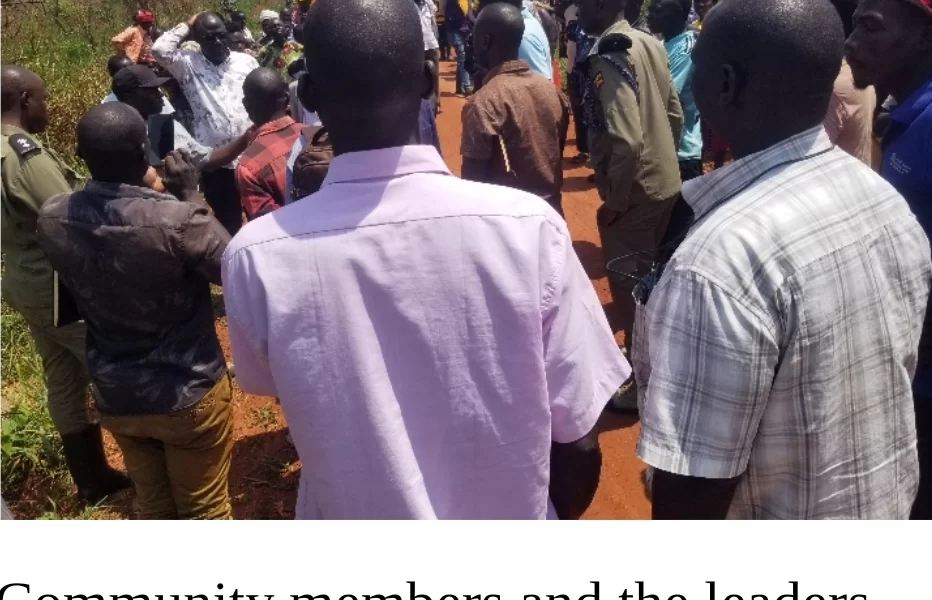
Residents of Ngoru West zone in Zoka parish, Itirikwa sub-county in Adjumani district have raised serious concerns over what they describe as growing tension between the Madi and Acholi communities.
They blame a Uganda People’s Defence Forces (UPDF) officer stationed at Zoka Barracks for allegedly fueling the conflict.
Community members claim that the situation has escalated due to land disputes and alleged interference by security personnel in land management matters.
Adibaku Joseph, the secretary of the Madi community living in Zoka, said the situation has increasingly become tense as the community believes their land rights are being undermined.
“The land management situation in Zoka has been taken over by the UPDF in Zoka directed by the IO Captain Mohammed Mugeyi affecting both the central area, which is the centre and various zones of the Madi community farms,” Adibaku said.
According to him, the alleged involvement of the officer has led to displacement within the community.
“This has led to issues such as displacement where huts have been burnt down and replaced with the settlement for Acholi people from Amuru and other areas outside Amuru district,” he added.
Adibaku further claimed that attempts to report the matter to the police have not yielded results.
“Wherever such complaints are reported to the Zoka police, they failed to respond citing that the IO is above their rank and they are unable to resolve issues related to his actions,” he explained.
The community is also raising concerns about the sale of land in the area, which they say is worsening the conflict.
“Additionally, the sale of community land in Zoka is causing conflict within the community. As agreed, the resolutions the community have, the IO is directly involved in land management including overseeing land sales by Lomu Citiwell.
“While disregarding community land rights, given these circumstances, the community is calling for the IO to remove himself from his position,” Adibaku stated.
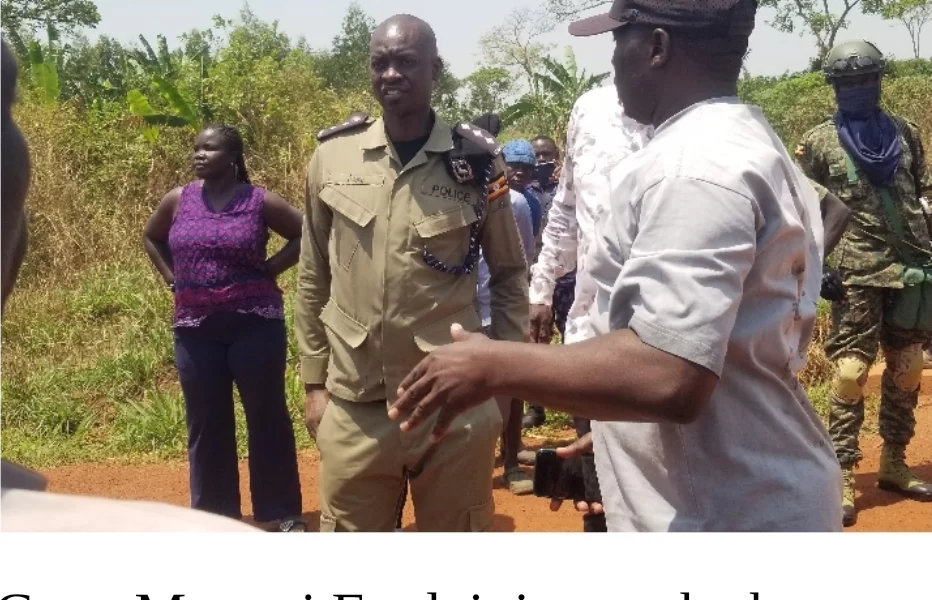
However, Captain Muhamad Mugeyi, the Intelligence Officer stationed at Zoka army barracks, strongly denied the allegations and insisted that he is only protecting government land from encroachers.
“I don’t have any plot here or even have cattle which belonged to me and here but I’m rather protecting the reserve areas which people want to encroach,” Captain Mugeyi said.

The district authorities have also weighed in on the matter, providing historical context regarding the disputed land.
Adjumani district land surveyor, Akuku Charles, explained that the land has long been part of protected areas.
“Previously this entire area was a protected land and it was referred to as East Madi Control Hunting Area. 875 km out of 1702 was the degazette and the remaining 827 square kilometres was now gazetted as East Madi wildlife reserve,” he said.
He further clarified that although part of the land was later degazetted due to increasing population pressure, it does not belong to individuals.
He added that the land remains under the jurisdiction of Adjumani district.
Meanwhile, the 501 Brigade Commander based in Zoka, Colonel Nathan Bainomugisha, called for calm among residents as the government works on finding a lasting solution.
“I would only want to request you to be patient and respect the resolutions and ideas discussed here by the district authorities of Adjumani,” he said.
“As your leaders in security we want to ensure peace particularly in this area of Apaa and Zoka we were promised a visit from the commission of inquiry from the government to come and visit Zoka and Apaa and advise the government on the way forward of this area,” he added.
Col. Bainomugisha also warned community members against selling or renting land in the disputed area.
“So, my advice to you community members is to stop renting the land under the court. Kindly don’t sell this land. Here, there is land for the National Forest Authority and land for Uganda Wildlife Authority under a game reserve and the land for the community and then the individual land. So, avoid transactions of any land or renting any land in this area that can cause conflict,” he said.
He further assured residents that allegations against the officer will be investigated.
“As for Captain Mugeyi, I’m going to sit down and investigate his movement, his actions. If I find he has any connection to what you have been alleging, I will punish him,” he stated.
However, he urged residents not to blame the entire UPDF institution for the actions of one officer.
“But don’t involve UPDF because of an individual. UPDF is your force. Is Uganda People’s Force to ensure that if one person in UPDF makes a mistake or makes a statement that is against the position of the institution, that person is taken to either the courts of law or put to disciplinary committee. The force is your force because you have your brothers in it. You have your sisters in it. Don’t generalise,” he said.
Adjumani Resident District Commissioner, Toko Swaib, also emphasised that security authorities are not taking sides in the conflict.
“I want to say security although some of you have your mind that we have taken side we can’t take side and then I also want you people to know that we don’t have power on land ownership,” he said.
“Our role is to guide you on how you can best use your land peacefully, harmoniously with other communities who are interested but they have also entered in a very rightful way and I want you people to know at the beginning that land in Uganda today belongs to the people since 1995,” he added.
He further explained that the law allows Ugandans to settle anywhere in the country.
“And the law also says any other Ugandan is free to settle in any part of the country. Our coming here is to create peace,” the RDC noted.
Despite these assurances from authorities, residents of Ngoru West said they are still hoping for urgent intervention from the government to address the land dispute and restore peaceful coexistence between the Madi and Acholi communities in Zoka and Apaa areas.





MEDIA FOR CHANGE NETWORK
Lands Ministry tightens rules for replacing lost titles, gives landowners 30 days to object

Related posts:

 Lands ministry rejects call to save over 300 Masaka residents facing eviction
 An early bird: oil-affected communities have launched a petition to the Lands Ministry, seeking protection of their rights in the face of forced acquisitions.
 Uganda’s top Lands Ministry official has been arrested and charged with Corruption and Abuse of Office, a significant event that will have far-reaching implications for land governance in the country.
 Mubende land grabs: Two land titles covering over 6800 hectares of land in Kiganda sub-County, Mubende district have been cancelled
MEDIA FOR CHANGE NETWORK
World Food Day 2026: Building healthy diets means reimagining how we grow, share, and enjoy our food.
Related posts:

 Global hunger falls, but millions in Africa still go without food, says UN
 While hunger continues to grip the world, a new report highlights forests and forest foods as a hidden treasure trove of nourishment.
 Agroecological Entrepreneurship: African farmers are redefining agriculture by building agroecological businesses that challenge industrial models.
 Wars are disrupting food systems, and ending world hunger requires urgent global action, experts say.
MEDIA FOR CHANGE NETWORK
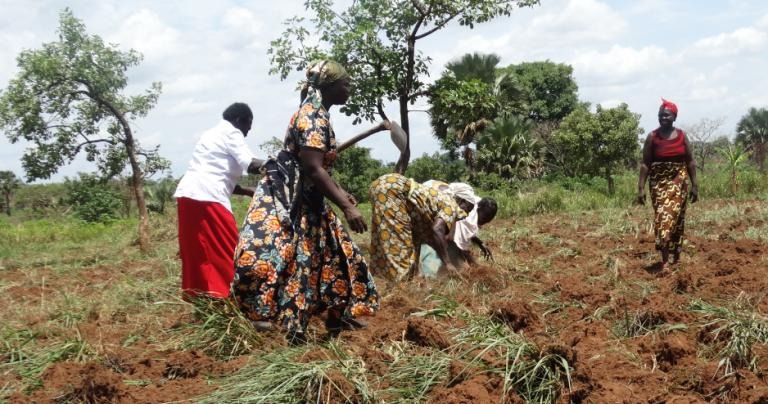
International Day of Rural Women : Rural women farmers deserve not only equal rights and access to resources, but also the strength and voice to safeguard Mother Nature.
Related posts:

 How unequal access to land by women endangers Uganda’s food security
 Women’s groups demand equality in land tenure security to boost food production.
 Rights and Resources Initiative (RRI) launched a new report looking at 80 legal frameworks
 Smallholder Farmers Can Now Access Agricultural Credit Facility Without Collateral

Lands Ministry tightens rules for replacing lost titles, gives landowners 30 days to object

Uganda Leads Africa in Certified Organic Farmland Ahead of First Organic, Nature Expo

World Food Day 2026: Building healthy diets means reimagining how we grow, share, and enjoy our food.

International Day of Rural Women : Rural women farmers deserve not only equal rights and access to resources, but also the strength and voice to safeguard Mother Nature.

Lango ex-combatants count losses after dry spell destroys maize harvest

Five years after Uganda’s National Action Plan on Business and Human Rights, are local communities hosting land-based investment projects seeing change?

The global race for clean energy minerals is leaving communities grappling with conflicts and human rights abuses, a new report reveals.

Alert: Land degradation is emerging as a pressing threat to global security.

Innovative Finance from Canada projects positive impact on local communities.
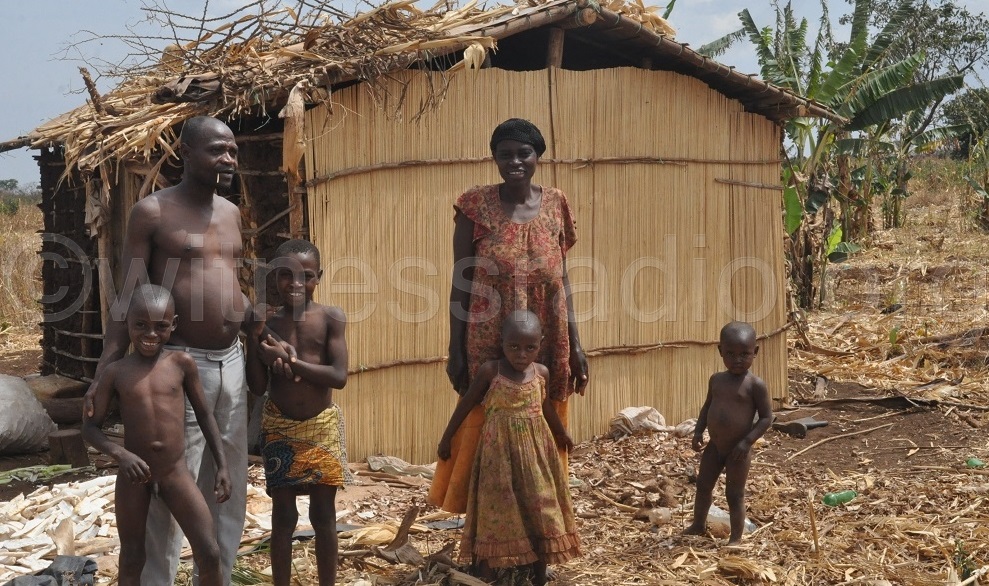
Over 5000 Indigenous Communities evicted in Kiryandongo District

Petition To Land Inquiry Commission Over Human Rights In Kiryandongo District

Invisible victims of Uganda Land Grabs
-
 NGO WORK1 week ago
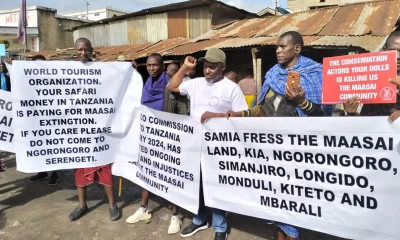
Tanzanian Government Abducts Maasai Villagers in an Unconscionable Attack on Indigenous Land Defenders
-
 MEDIA FOR CHANGE NETWORK5 days ago
World Food Day 2026: Building healthy diets means reimagining how we grow, share, and enjoy our food.
-

 MEDIA FOR CHANGE NETWORK1 week ago
Court remands 10 anti-oil activists as suspect collapses in dock
-
 MEDIA FOR CHANGE NETWORK1 week ago
As waves of investment sweep across Uganda, countless women rise to defend their land, safeguard their traditions, and claim their right to be heard.
-
 MEDIA FOR CHANGE NETWORK1 week ago
Defending ancestral land comes at a steep price as Maasai communities in Tanzania face relentless, mounting pressure.
-
 MEDIA FOR CHANGE NETWORK5 days ago
International Day of Rural Women : Rural women farmers deserve not only equal rights and access to resources, but also the strength and voice to safeguard Mother Nature.
-

 NGO WORK7 days ago
As World Bank Holds Annual Meetings, 84,000 Tanzanians Call for Justice
-
 MEDIA FOR CHANGE NETWORK1 week ago
In Nepal, women seek ownership rights to the lands they tend