
MEDIA FOR CHANGE NETWORK
Uganda is Getting 3 Million New Trees

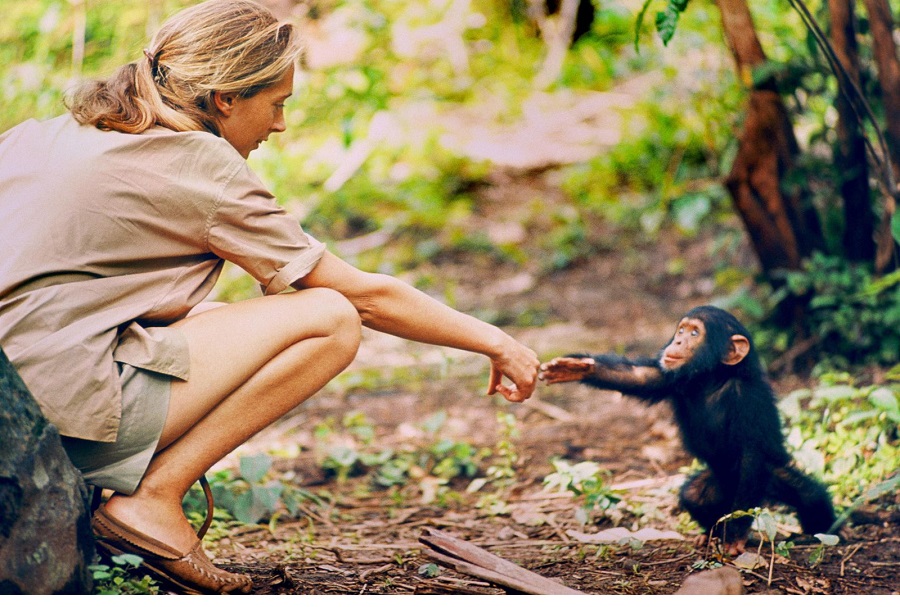
©The Jane Goodall Institute
Human settlement, agriculture, and logging have not been kind to the world’s trees, and in turn, have been nothing short of disastrous for the animals that call those trees home.
Reforestation efforts seem like a natural fix – planting trees is good for the climate and good for wildlife – but it’s also a slippery slope into green colonialism when done in developing nations. Yet there are ways to approach reforestation with respect for local communities and in which everyone wins; and the newly launched “Wildlife Habitat & Corridor Restoration Project” in western Uganda appears to be just such an effort.
Announced on July 14, also known as World Chimpanzee Day, the project is a partnership between the Jane Goodall Institute and reforestation non-profit One Tree Planted.
The plan is to plant more than 3 million trees, supporting long-term and large-scale restoration of the Albertine Rift Forests. The area is an important habitat for endangered chimpanzees, as well as more than 50% of birds, 39% of mammals, 19% of amphibians, and 14% of reptiles and plants of mainland Africa. By joining forces, the two groups intend to not only restore and manage these ecosystems but importantly, to support local communities as well.
“We’re honored to be joining forces with the renowned Jane Goodall Institute to execute a reforestation initiative of this magnitude,” said One Tree Planted founder, Matt Hill. “This project will allow us to impact both the ecosystems and communities of the Albertine Rift Forests, ultimately providing significant ecological, socio-economic, and cultural benefits to the area.”
The project will be informed by the Jane Goodall Institute’s Tacare program, an innovative, community-focused conservation and development approach that partners with local people to create sustainable environments with conservation in mind. The program has proven successful because it is both driven and embraced by the communities involved.
As One Tree Planted explains, the program will work to “ensure the long-term protection of wild chimpanzee and other ape populations and their habitat, through promoting local governance and management of natural resources, and advancement of alternative sustainable livelihoods.”
Given that millions of hectares of forest have been lost in the area over the last quarter of a century, the trees will be a welcome return.
“We need to protect the existing forests. We need to try and restore the forest and the land around the forest that has not been degraded for too long, where the seeds and roots in the ground can sprout up and once again reclaim that land and make it an amazing forest ecosystem,” said Dr. Jane Goodall.
:max_bytes(150000):strip_icc():format(webp)/goodall-f492b2aaa0404422b58a87381a40fc94.jpg)
The Wildlife Habitat & Corridor Restoration Project will be implemented based on four key goals, as explained by One Tree Planted:
- Restore degraded areas on community land in the Albertine Rift region of Uganda by planting native and nursery-grown seedlings with the involvement of local communities.
- Rebuild devastated zones in Kagombe Central Forest Reserve by immediately restoring ecological functions to the area and setting the foundation for the long-term recovery of the forest to its natural state.
- Promote agroforestry practices on community land by educating individuals on how to integrate trees into farming systems, which will ultimately preserve productive ecosystems and adapt to climate change.
- Strengthen forest monitoring and law enforcement by training individuals to monitor their forests using mobile, cloud, and satellite technologies. This will allow for more efficient data records of wildlife presence, illegal human activities, and threats within the target landscape.
In addition to the planting of 3 million seedlings, 700 households will be trained (and supported) in sustainable agroforestry practices for their land.
Understanding that for conservation to be successful and enduring, socio-economic needs can not be ignored, One Tree Planted says that the project will continue to support over 3,500 households in sustainable livelihoods through:
- Smoke-free and more efficient wood-burning stoves;
- Improved agricultural practices;
- Establishing community-managed enterprises and microcredit programs;
- And sustainable production techniques that increase incomes while protecting forests.
The program will also create management groups to monitor the forests and protect watersheds to improve groundwater for wells and streams.
The project formally begins in 2020; seedlings will include a variety of local trees, based on the needs of specific planting sites. Species include Khaya, Maesopsis eminii, Cordia africana, Milicia excelsa, Albizia, Mitrigyna stipulosa, Fantunia, Trichilia species. Lovoa, trichiliodes, and Ficus. A veritable playground for chimpanzees who have watched their habitat disappear for far too long.
For more information and how to help, visit One Tree Planted.
Related posts:

 About 41 million people food insecure in E. Africa amid COVID-19 pandemic: UN
 The private sector, civil society organizations, government bodies, and development partners are to meet and discuss how to strengthen responsible business conduct in Uganda.
 Thousands of smallholder farmers in Uganda have forcefully lost their land in exchange for carbon offset projects.
 Destroying Bugoma will block wildlife migration corridor
MEDIA FOR CHANGE NETWORK
World Food Day 2026: Building healthy diets means reimagining how we grow, share, and enjoy our food.

Related posts:

 Global hunger falls, but millions in Africa still go without food, says UN
 While hunger continues to grip the world, a new report highlights forests and forest foods as a hidden treasure trove of nourishment.
 Agroecological Entrepreneurship: African farmers are redefining agriculture by building agroecological businesses that challenge industrial models.
 Wars are disrupting food systems, and ending world hunger requires urgent global action, experts say.
MEDIA FOR CHANGE NETWORK
International Day of Rural Women : Rural women farmers deserve not only equal rights and access to resources, but also the strength and voice to safeguard Mother Nature.
Related posts:

 How unequal access to land by women endangers Uganda’s food security
 Women’s groups demand equality in land tenure security to boost food production.
 Rights and Resources Initiative (RRI) launched a new report looking at 80 legal frameworks
 Smallholder Farmers Can Now Access Agricultural Credit Facility Without Collateral
MEDIA FOR CHANGE NETWORK
ODPP Staff Equipped With New Skills on Land Crimes, Witness Protection and Victims Rights
Related posts:

 Witness Radio Petitions ODPP urgently to review and withdraw criminal charges against Buvuma Community Land Defenders.
 Witness Radio petitions chief prosecutor: Want 34 community land rights defenders and activists released from prison.
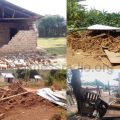 Mubende district police are aiding land grabbing and committing crimes against locals they are obliged to protect.
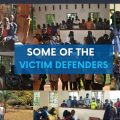 Uganda: the number of community environmental and land rights defenders targeted for challenging irresponsible business practices has reached more than 1500 victims as of June 31st, 2023.

World Food Day 2026: Building healthy diets means reimagining how we grow, share, and enjoy our food.

International Day of Rural Women : Rural women farmers deserve not only equal rights and access to resources, but also the strength and voice to safeguard Mother Nature.

ODPP Staff Equipped With New Skills on Land Crimes, Witness Protection and Victims Rights

As World Bank Holds Annual Meetings, 84,000 Tanzanians Call for Justice

Lango ex-combatants count losses after dry spell destroys maize harvest

Five years after Uganda’s National Action Plan on Business and Human Rights, are local communities hosting land-based investment projects seeing change?

Alert: Land degradation is emerging as a pressing threat to global security.

The global race for clean energy minerals is leaving communities grappling with conflicts and human rights abuses, a new report reveals.

Innovative Finance from Canada projects positive impact on local communities.

Over 5000 Indigenous Communities evicted in Kiryandongo District

Petition To Land Inquiry Commission Over Human Rights In Kiryandongo District

Invisible victims of Uganda Land Grabs
-
 MEDIA FOR CHANGE NETWORK2 weeks ago
Sweeping investments are fueling widespread land grabbing and deepening rights violations across Uganda – Report.
-
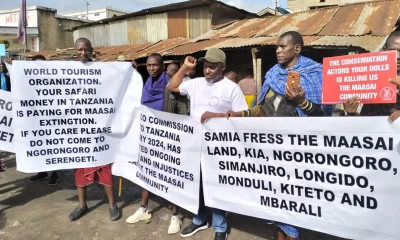
 NGO WORK6 days ago
Tanzanian Government Abducts Maasai Villagers in an Unconscionable Attack on Indigenous Land Defenders
-
 MEDIA FOR CHANGE NETWORK2 weeks ago
Across Africa, the push for a greener future is putting new pressure on local communities, as recent ILC case studies highlight.
-
 MEDIA FOR CHANGE NETWORK6 days ago
Court remands 10 anti-oil activists as suspect collapses in dock
-
 MEDIA FOR CHANGE NETWORK2 weeks ago
Who will shape the future of East Africa’s seeds? Youth and civil society are sounding the alarm over a proposed regional law.
-
 MEDIA FOR CHANGE NETWORK2 days ago
World Food Day 2026: Building healthy diets means reimagining how we grow, share, and enjoy our food.
-
 FARM NEWS2 weeks ago
Can Agroecology Improve the Resilience of African Smallholder Farmers?
-
 MEDIA FOR CHANGE NETWORK4 days ago
As waves of investment sweep across Uganda, countless women rise to defend their land, safeguard their traditions, and claim their right to be heard.