
MEDIA FOR CHANGE NETWORK
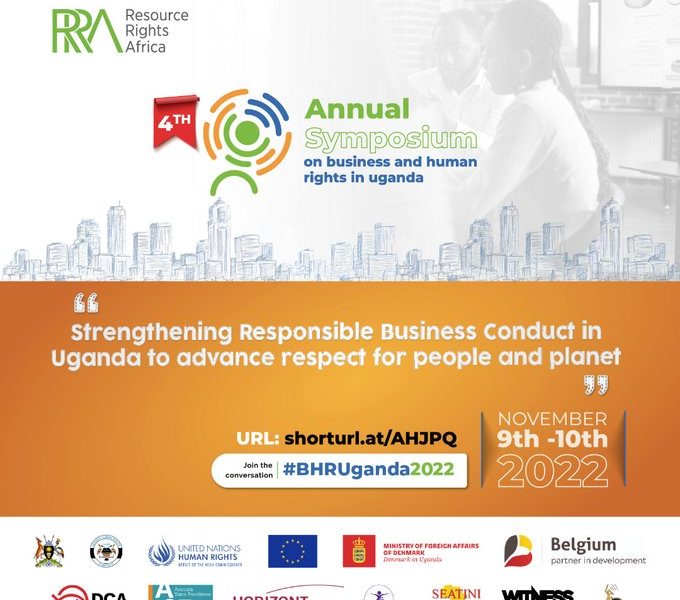
The private sector, civil society organizations, government bodies, and development partners are to meet and discuss how to strengthen responsible business conduct in Uganda.


Related posts:

 Operations of civil society organizations will continue to be stifled until government understands their work – New Book.
 United Nations Guiding Principles on Business and Human Rights (UNGPs10+) have been released in Accra, Ghana.
 Uganda: NGO claims Agilis Partners & Great Seasons violently evicted locals to pave the way for agribusiness; Agilis Partners responds
 The World Bank and its partners flout business and human rights standards to evict hundreds of families

MEDIA FOR CHANGE NETWORK
Five years after Uganda’s National Action Plan on Business and Human Rights, are local communities hosting land-based investment projects seeing change?
Related posts:
 Breaking Alert: Uganda passes the National Action Plan (NAP) on Business and Human Rights
 Africa’s responsible business agenda is facing challenges as more land is taken from local communities for investment, and landowners struggle to secure justice.
 The 4th African Forum on Business and Human Rights: The rapidly escalating investment in Africa is urgently eroding environmental conservation and disregarding the dignity, the land, and human rights of the African people.
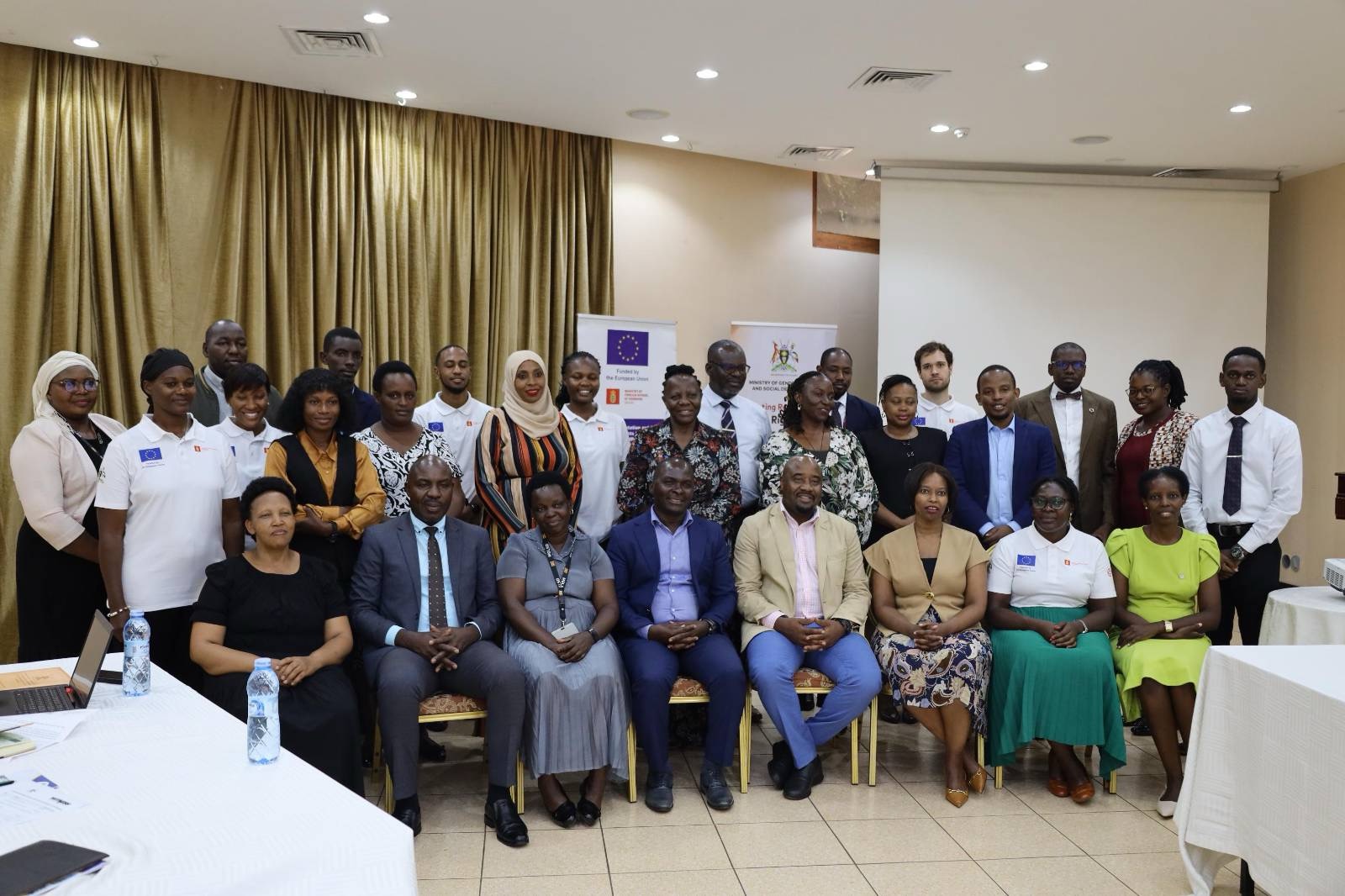
 Land and environmental rights defenders, CSOs, scholars, and government to meet in Kampala to assess Uganda’s performance on the implementation of the UN Guiding principles on Business and Human Rights in Uganda.

Related posts:

 African women push for reparations and environmental accountability after landmark Climate Justice Day.
 African women are rising for climate justice and reparations on the inaugural continental day of action.
 Breaking: West and Central African women meet in Senegal over the climate crisis.
 African women unite on the frontlines of the Climate Crisis
MEDIA FOR CHANGE NETWORK
Young people and agriculture: Step into the world of Ugandan NGO ESAFF, where a new generation in schools is being inspired to reimagine farming, celebrate wholesome food, and become passionate advocates for food sovereignty.

Related posts:
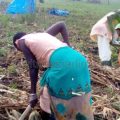
 Stop favoring export-oriented production over strengthening local food systems – Food Sovereignty advocates to the African Development Bank officials.
 Agroecological farming: EAC Bill moves to Parliament to establish a regional legal framework to protect and promote sustainable farming and food systems.
 Strengthening Small-Scale Farming in Uganda through Farmer Field Schools.
 Road to COP30: Climate justice is achievable if young people have secure land tenure as a mitigation measure against migration.

Five years after Uganda’s National Action Plan on Business and Human Rights, are local communities hosting land-based investment projects seeing change?

The Fight for Climate Justice: African Women at the Forefront

Young people and agriculture: Step into the world of Ugandan NGO ESAFF, where a new generation in schools is being inspired to reimagine farming, celebrate wholesome food, and become passionate advocates for food sovereignty.

Alert: Land degradation is emerging as a pressing threat to global security.

Breaking: Sixteen Rooted in Resistance activists arrested and detained as they boldly protested Uganda’s oil ambitions.

Tanzania’s surge in conservation investments is under the UN spotlight, as allegations of indigenous land rights violations prompt an urgent call for the government to stop the evictions at once.

MPs recover hundreds of land files hidden near Mukono land office

Govt moves to set up food and agriculture regulatory authority

Innovative Finance from Canada projects positive impact on local communities.

Over 5000 Indigenous Communities evicted in Kiryandongo District

Petition To Land Inquiry Commission Over Human Rights In Kiryandongo District

Invisible victims of Uganda Land Grabs
-
 MEDIA FOR CHANGE NETWORK1 week ago
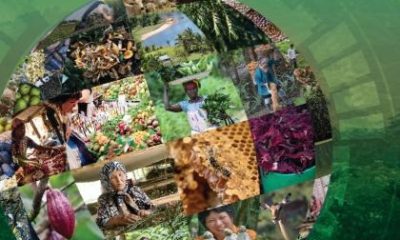
While hunger continues to grip the world, a new report highlights forests and forest foods as a hidden treasure trove of nourishment.
-
 MEDIA FOR CHANGE NETWORK3 days ago
Alert: Land degradation is emerging as a pressing threat to global security.
-
 MEDIA FOR CHANGE NETWORK2 weeks ago
In Kasanda District, a grandmother faces eviction as her own grandchildren join forces against her.
-
 MEDIA FOR CHANGE NETWORK3 days ago
Young people and agriculture: Step into the world of Ugandan NGO ESAFF, where a new generation in schools is being inspired to reimagine farming, celebrate wholesome food, and become passionate advocates for food sovereignty.
-
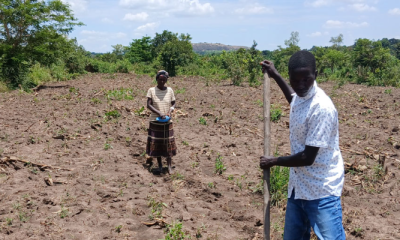
 MEDIA FOR CHANGE NETWORK1 week ago
Lira siblings reclaim father’s land after bitter family dispute
-
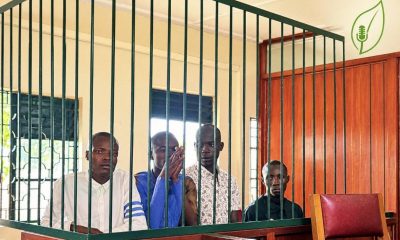
 MEDIA FOR CHANGE NETWORK1 week ago
After weeks behind bars, six anti-oil activists have been granted cash bail by the LDC Court.
-
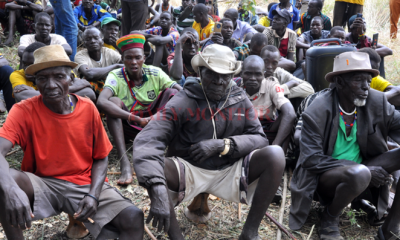
 MEDIA FOR CHANGE NETWORK1 week ago
Nabakooba orders probe into 1,500-acre land dispute
-
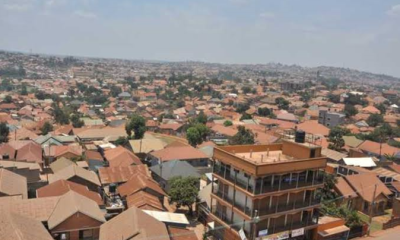
 MEDIA FOR CHANGE NETWORK4 days ago
How land divisions are fueling Wakiso’s slums