
MEDIA FOR CHANGE NETWORK
Cosase wants Kamya, Kasaija punished over Shs10b saga

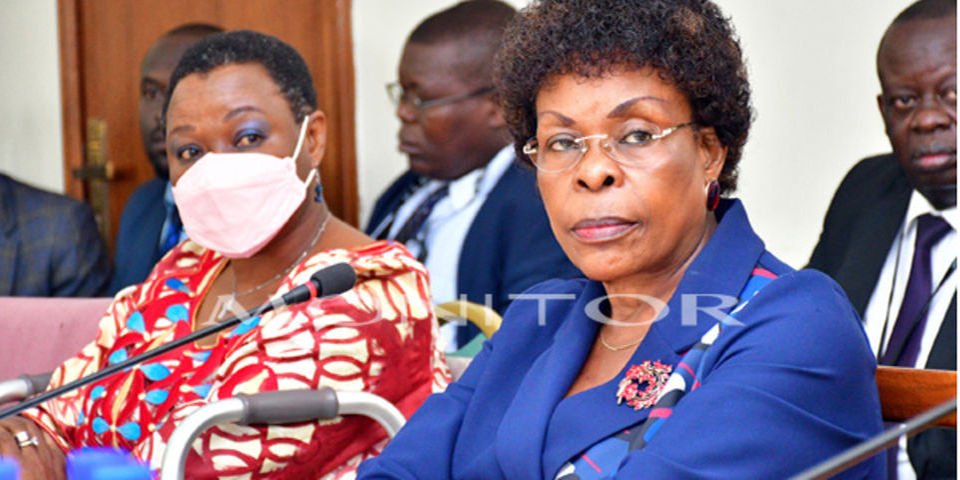
Parliament’s Committee on Commissions, Statutory Authorities and State Enterprises (Cosase) has ordered for an inquest and possible prosecution of ombudsman Beti Kamya and Finance minister Matia Kasaija.
The two government officials have been red flagged for “illegally clearing” the release of Shs10.6b that was paid to ghost claimants in 2020.
The Cosase report that was presented to the House on Thursday, also recommends that Mr Patrick Ocailap, the Deputy Secretary to Treasury, be “punished” for not thoroughly scrutinising the request for the release of the money.
Mr Ocailap was deemed to be at fault because he was acting on behalf of the then Secretary to the Treasury, Mr Keith Muhakanizi, who was at the time out of the country.
“Mr Matia Kasaija, Minister of Finance, Planning and Economic Development, and Mr Patrick Ocailap, the Deputy Permanent Secretary and Secretary to the Treasury, should be investigated for their role in the Shs10.6b supplementary process,” the report, which also pins officials from Uganda Land Commission (ULC), reads in part, adding in another passage; “Management admitted that although the…supplementary was received and spent by ULC, the Commission did not initiate the request for the said money.”
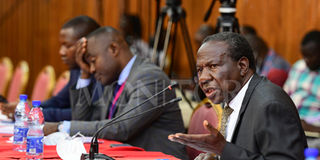
It further revealed that Ms Beatrice Byenkya, the ULC chairperson, informed Cosase that she was never “consulted at all regarding the request for the supplementary budget, and neither was the Commission.”
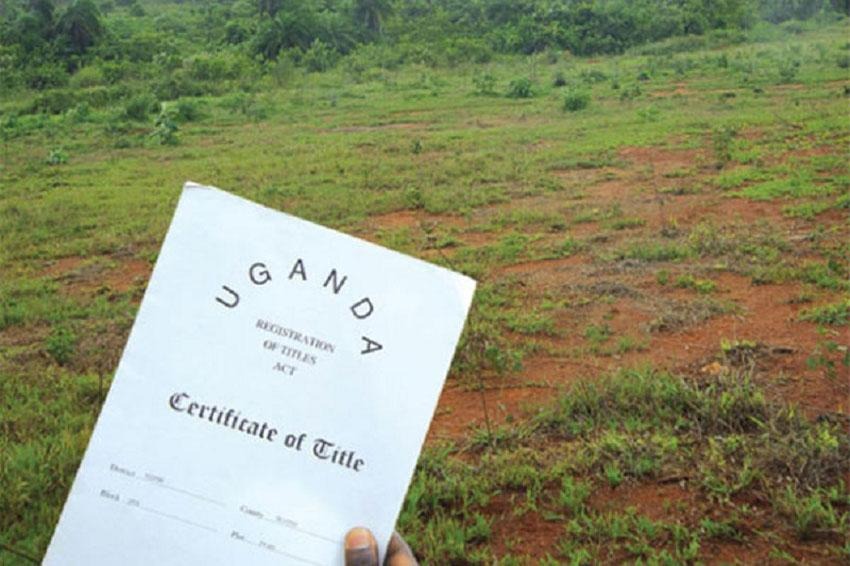
ULC officials were also faulted for “conniving” with lawyer Richard Buzibira to forge court documents in regard to compensation.
“The lawyers from Lubega, Buzibira and Company Advocates should be prosecuted for aiding the fraudulent transaction,” the report states, adding, “Disciplinary action should be taken against Denis Kahabura, the registrar of Kibaale, for issuing a title based on forged documents.”
The crux of the matter was that the Shs10.6b release was effected by the Finance ministry following a request of Ms Kamya in her capacity as Lands minister at the time.
Cosase revealed that—without providing proof—the sidestepping of the ULC was informed by “a presidential directive.”
The report was stinging in its recommendation of punishments for ULC officials deemed to be in cahoots.
“Ms Barbara Imaryo, the then accounting officer, and Mr Siraje Isabirye, the head of accounts, should be prosecuted in regard to the ghost payments in the supplementary,” the report reads.
It adds: “Uganda police should work alongside Interpol to have Barbara Imaryo brought back into the country to face prosecution.”
During its investigations, the Committee also established that the entity is under staffed, besides the high staff turnover challenges stifling work at the entity.
“The Committee was concerned that ULC has no legal department despite the need for frequent legal advice and the high number of litigation cases. The top management has officers in acting capacity, while a number of lower staff are missing,” the report discovered.
Specifically, it was established that the “staff approved structure is 75; however, only 33 are in post and 42 positions are vacant. This indicates a staff workforce of 44 percent available to execute the Commission mandate.”
Legislators were also dismayed to learn that “there is a high turnover of accounting officers. For instance, within five years, the Commission—the report spelt out—“had four different accounting officers.”
Ombudsman Kamya’s troubles stemmed from the Auditor General’s report of Financial Year 2020/2021 that unearthed the ghost claimants compensated by the ULC.
Attempts by Sunday Monitor to get a comment from the ombudsman about recommendations of the report proved futile by press time. The Finance minister, meanwhile, told us “they are most welcome to investigate. That’s all I can say.”
Original Source: Daily Monitor
Related posts:

 Kabakumba to explain how she bought 690 acres of land at Shs3.5m
 ULC on the spot over land allocation to investors
 Kiryandongo land eviction saga takes new twist as District Leadership defy Museveni on resettling victims
 MPs demand Land Fund utilisation report from Minister

MEDIA FOR CHANGE NETWORK
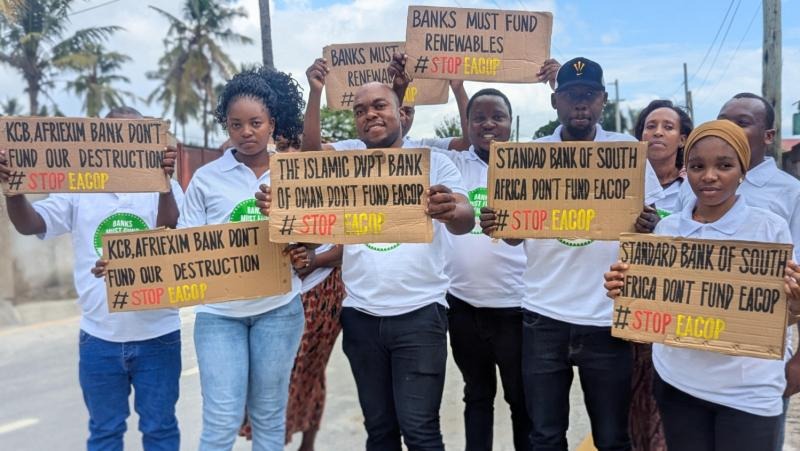
Environmental and human rights advocates are urging the world to hold global investors accountable for their actions.
Related posts:
 The 4th African Forum on Business and Human Rights: The rapidly escalating investment in Africa is urgently eroding environmental conservation and disregarding the dignity, the land, and human rights of the African people.
 #COP27: HUMAN RIGHTS ADVOCATES URGE PARTIES TO INCREASE RECOGNITION AND PROTECTION OF ENVIRONMENTAL AND LAND DEFENDERS.
 Land and environmental rights defenders, CSOs, scholars, and government to meet in Kampala to assess Uganda’s performance on the implementation of the UN Guiding principles on Business and Human Rights in Uganda.
 Report reveals ongoing Human Rights Abuses and environmental destruction by the Chinese oil company CNOOC
MEDIA FOR CHANGE NETWORK
Why are secure land rights key to Africa’s climate resilience and the protection of its natural treasures?
Related posts:

 Restoring Our Land: Tackling Degradation for Climate Resilience, Food Security, and Sustainable Development at COP16
 Africa’s responsible business agenda is facing challenges as more land is taken from local communities for investment, and landowners struggle to secure justice.
 Road to COP30: Climate justice is achievable if young people have secure land tenure as a mitigation measure against migration.
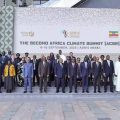 Africa adopts the Africa Climate Innovation Compact (ACIC) Declaration to drive the continent towards innovative climate solutions.
Related posts:

 Conference of the Parties to the Convention on Biological Diversity (COP16): Solutions for companies, losses for communities and biodiversity
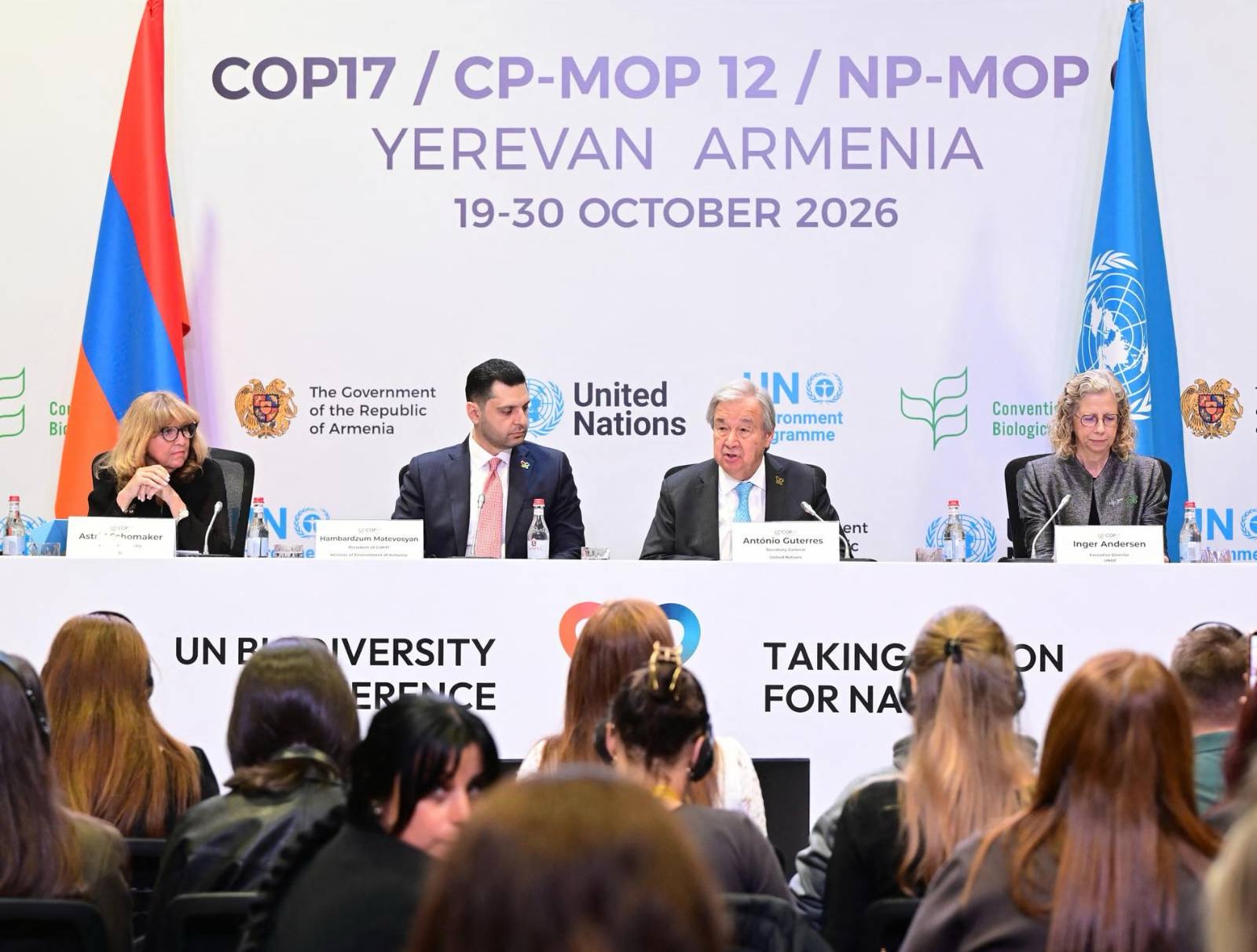
 Civil society groups at UNCCD COP17 are calling for urgent action on land rights, drought, and vital funding.
 New report: EACOP threatens tourism and biodiversity in Greater Masaka.
 COP16 in Riyadh: World Leaders Commit $12.15B to Combat Land Degradation and Drought

Environmental and human rights advocates are urging the world to hold global investors accountable for their actions.

Why are secure land rights key to Africa’s climate resilience and the protection of its natural treasures?

Biodiversity Goals: The world has no time to meet its 2030 goals.

Lands Ministry tightens rules for replacing lost titles, gives landowners 30 days to object

Lango ex-combatants count losses after dry spell destroys maize harvest

Tanzanian Government Abducts Maasai Villagers in an Unconscionable Attack on Indigenous Land Defenders

The global race for clean energy minerals is leaving communities grappling with conflicts and human rights abuses, a new report reveals.

World Food Day 2026: Building healthy diets means reimagining how we grow, share, and enjoy our food.

Innovative Finance from Canada projects positive impact on local communities.
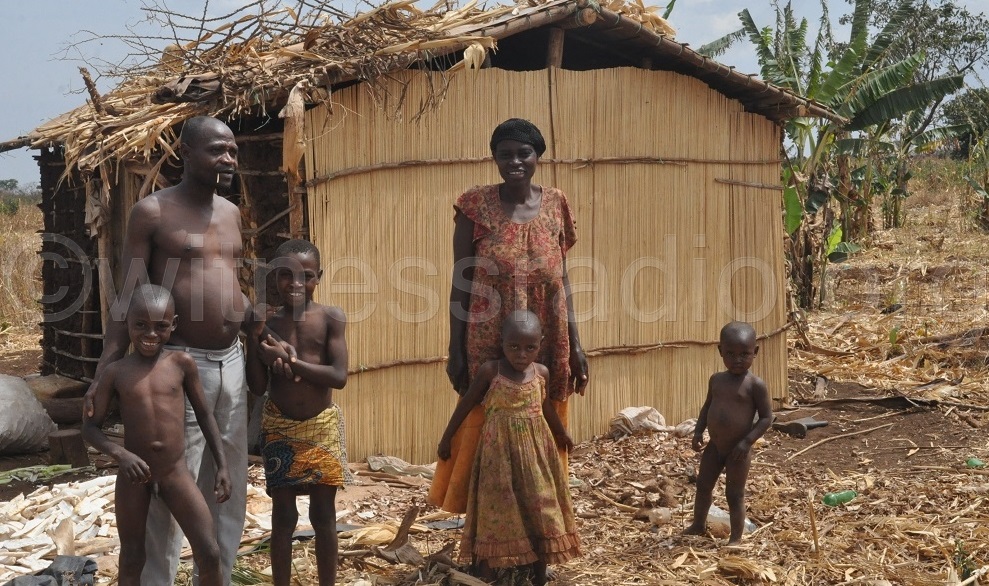
Over 5000 Indigenous Communities evicted in Kiryandongo District

Petition To Land Inquiry Commission Over Human Rights In Kiryandongo District

Invisible victims of Uganda Land Grabs
-
 NGO WORK2 weeks ago
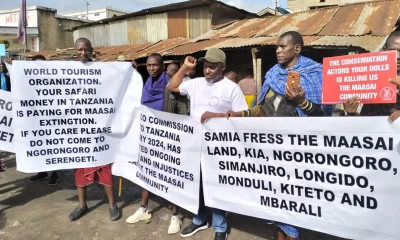
Tanzanian Government Abducts Maasai Villagers in an Unconscionable Attack on Indigenous Land Defenders
-
 MEDIA FOR CHANGE NETWORK1 week ago
World Food Day 2026: Building healthy diets means reimagining how we grow, share, and enjoy our food.
-
 MEDIA FOR CHANGE NETWORK2 weeks ago
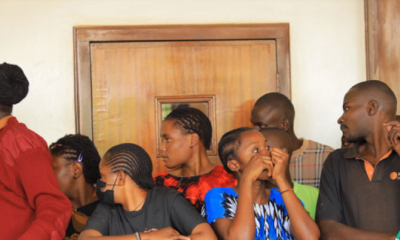
Court remands 10 anti-oil activists as suspect collapses in dock
-
 MEDIA FOR CHANGE NETWORK3 days ago
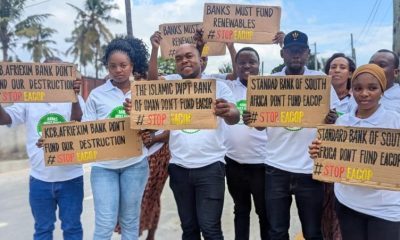
Environmental and human rights advocates are urging the world to hold global investors accountable for their actions.
-
 MEDIA FOR CHANGE NETWORK1 week ago
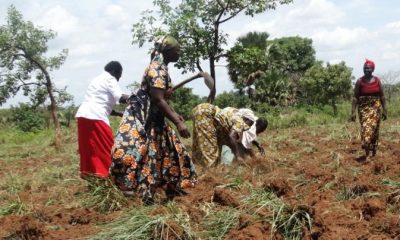
International Day of Rural Women : Rural women farmers deserve not only equal rights and access to resources, but also the strength and voice to safeguard Mother Nature.
-
 MEDIA FOR CHANGE NETWORK2 weeks ago
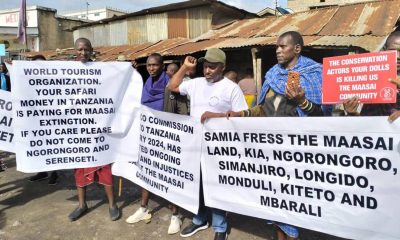
Defending ancestral land comes at a steep price as Maasai communities in Tanzania face relentless, mounting pressure.
-

 MEDIA FOR CHANGE NETWORK2 weeks ago
As waves of investment sweep across Uganda, countless women rise to defend their land, safeguard their traditions, and claim their right to be heard.
-

 NGO WORK1 week ago
As World Bank Holds Annual Meetings, 84,000 Tanzanians Call for Justice