Connect with us

MEDIA FOR CHANGE NETWORK

Bridging the access to justice gap: Witness Radio trains paralegals ahead of Uganda’s general election.

Published

on

By Witness Radio team.

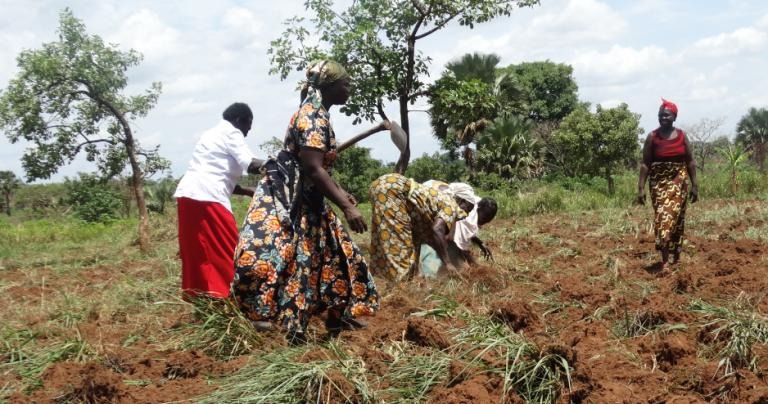
Kiryandongo, Uganda—Communities across Uganda are currently in the midst of a pressing and severe crisis due to the impacts of land-based investments. These include forced evictions, lack of consultation, and concealed project information. These injustices persist due to a widespread lack of legal awareness and limited access to justice among affected communities.

As Uganda enters the general election period, more farming communities’ land will continue to be forcibly taken from them by multinationals and individual investors, and the number of community land rights and environmental defenders will likely increase. This is because citizen’s liberty is at stake during electoral periods and all justice institutions quite often prioritize electoral justice during this period. Besides, perpetrators of forceful land evictions may use merits of electoral violence to criminalize land and environmental rights defenders in order to silence their activism.  Community land rights and environmental defenders work to protect the rights of communities to their land and natural resources. Witness Radio has documented and provided legal representation to dozens of them whose work has been criminalized by wealthy individuals and multinationals.

“We are often evicted from our land without prior consultation, compensation, or meaningful resettlement,” said Benon Beryaija, a community representative from Kiryandongo district. “The evictors tell us they have ultimate power over our land and that we have no right to resist. These evictions happen without following the law.”

Beryaija is among the thousands of people in Kiryandongo whose land was grabbed by a group of multinationals without compensation or resettlement. According to Witness Radio, Agilis Partners Limited is among the multinational companies alongside Kiryandongo Sugar Limited and Great Seasons SMC Limited that have forcibly displaced over 35,000 people to pave the way for large-scale agricultural operations since 2017.

“But all this violence continues because we are ignorant about the law,” Beryaija added. “We don’t know what to do, what to ask for, or how to demand accountability. The companies use this gap to take advantage.”

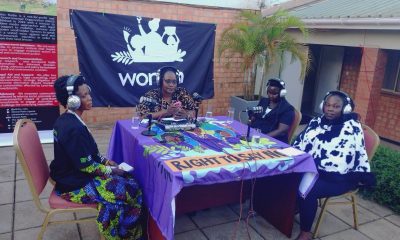
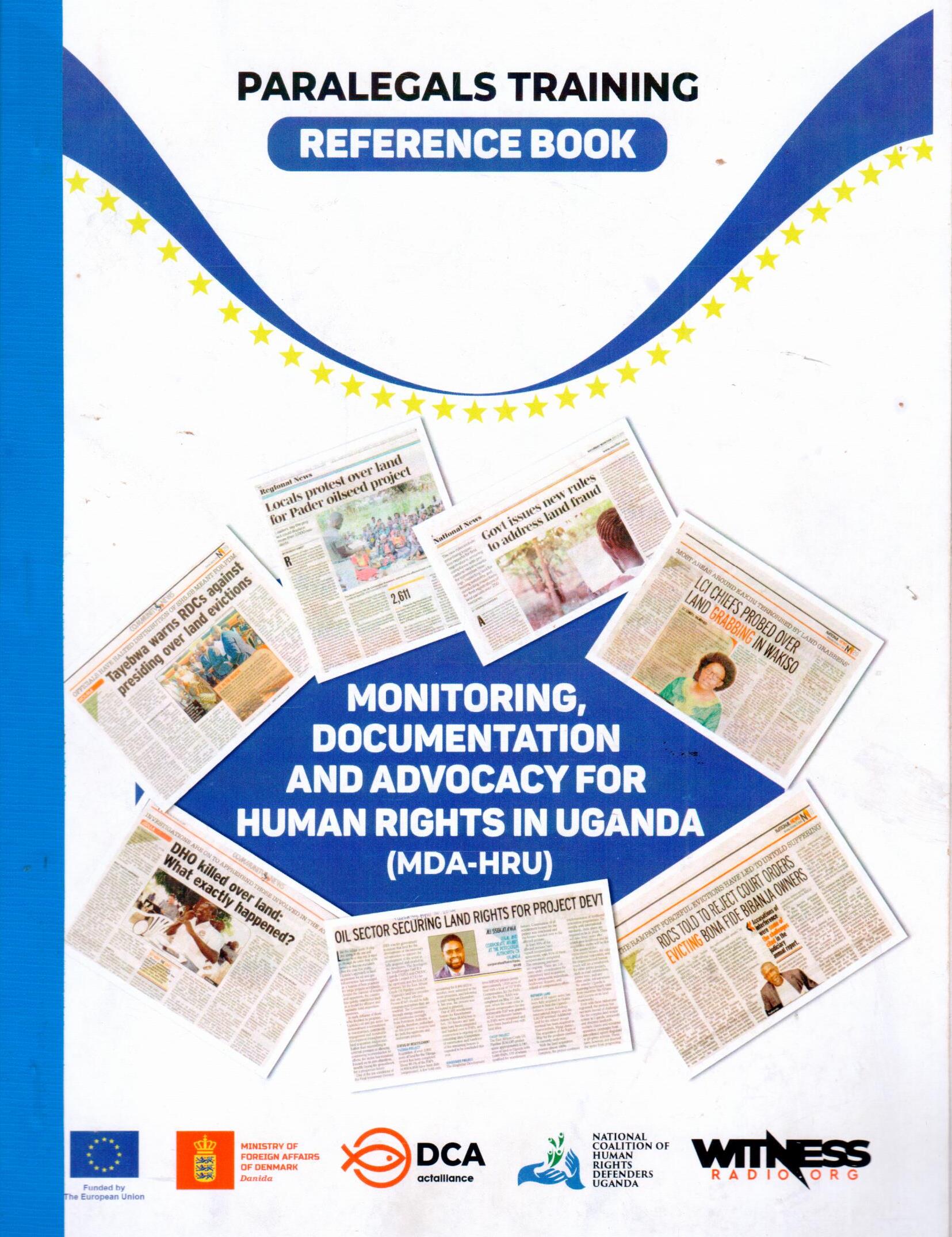
To address this critical gap in legal knowledge, Witness Radio Uganda, in collaboration with the European Union, Dan Church Aid (DCA), and the National Coalition for Human Rights Defenders in Uganda (NCHRD-U), conducted the first-ever paralegal training for selected community activists against irresponsible Land-Based Investments (LBIs) and Land and Environmental Defenders (LEDs) in the Midwestern Subregion of Uganda. This initiative aims to equip grassroots defenders with basic legal tools to resist human rights violations and abuses as well as land injustices and environmental destruction and to advocate for their communities, instilling a sense of empowerment and hope.

“Community defenders are at the forefront of the fight for land rights and environmental justice and should provide that first-hand legal support, but they often lack the tools to engage with legal systems or resolve disputes effectively. We are currently emphasizing the importance of equipping communities with legal knowledge on land and environmental rights, a clear understanding of what to do when a defender is arbitrarily arrested and detained or disappears, what to do when an investor comes to communities’ land, how to effectively to document human rights violations/abuse, and practical ways to speak to power and hold perpetrators to account for their deeds,” said Mrs. Bulyerali Joan, Witness Radio’s Head of Community Empowerment.

The three-day training, held last week from May 19th to 21st in Uganda’s mid-western region, brought together 20 participants from eviction-prone districts, including Kiryandongo, Hoima, Masindi, Kibale, Kagadi, and Buliisa. This training, which covered key topics, was a significant step in the fight against land evictions, as highlighted in a 2024 Witness Radio report on land evictions. The report, based on extensive research and interviews with affected communities, revealed the alarming rate of land evictions and the urgent need for legal empowerment among these communities.

The training covered key topics, including understanding the criminal justice system and how it operates, how to represent others and oneself in interactions with the police or in court, understanding land and environmental rights, documenting violations, legal processes for seeking redress, community mediation techniques, and how to demand accountability from perpetrators.

“Our goal is to empower them with the legal knowledge necessary to act as first responders in their communities, especially during this upcoming general election, to stop arbitrary arrests and detention, empower communities to push back illegal land evictions, and guide others even without the immediate presence of lawyers or our organization.” Ms. Buryelari added, underlining the crucial role of the paralegals in the upcoming elections.

Oyungi Jovia, one of the Land and Environmental Defenders (LEDs) who participated in the training, described it as impactful and an eye-opener, particularly in addressing pressing community concerns and understanding their role in mitigating harm. The training has not only equipped her with the necessary legal knowledge but also boosted her confidence in supporting those who seek her help.

“We didn’t know the legal processes to follow. Now we know where to start, what documents are required, and how to collect and present evidence in land-related cases,” she shared. “I have learned how to guide community members in legal matters, and now more confident in my ability to support those who come to me for help.”

Before the training, Jovia admitted that she and others often struggled to respond to community concerns due to their limited understanding of the law. “People would come to us for advice, but we barely knew what to tell them. This training has changed everything.” She added.

As land-based conflicts continue to rise in Uganda, particularly in regions targeted by large-scale agribusiness projects, Witness Radio’s paralegal initiative represents a significant step toward community-led access to justice and legal empowerment.

“We are building a network of informed grassroots leaders,” Mrs. Bulyerali emphasized, “who can defend their peers, community land rights, document violations, and help others seek justice, even in the absence of Witness Radio.”

Continue Reading

MEDIA FOR CHANGE NETWORK

Govt targets land grabbers with first national public-land register

Published

on

Officials say a nationwide inventory will finally let the state prove what it owns — from school compounds to road reserves — but the exercise is beginning on a shoestring.

Continue Reading

MEDIA FOR CHANGE NETWORK

Experts rally the region to unite behind East Africa’s transformative Agroecology Bill.

Published

on

By the Witness Radio team.

Across East Africa, experts and agricultural advocates are urging a united front for the proposed East African Community (EAC) Agroecology Bill, believing its passage could revolutionize food systems, empower food sovereignty, and uplift millions of farmers’ lives.

In mid-April 2026, the East African Legislative Assembly (EALA) officially began the legislative process for the EAC Agroecology Bill, 2026, after the Agriculture, Tourism and Natural Resources Committee chairperson, Hon. Gideon Gaptan Thoar, received parliamentary leave to draft and introduce it. The drafting committee is now in the final stages of tabling the bill before parliament.

This rallying cry echoed through an online webinar hosted by the Center for Food and Adequate Living Rights and broadcast live on Witness Radio. The event gathered agricultural experts, food sovereignty champions, and regional legislators to explore the bill’s promise and the hurdles it may face.

If passed, it would lay the foundation for a unified regional legal framework championing agroecological farming throughout the East African Community. Supporters believe this could be a powerful tool to combat food insecurity, protect farmers’ rights and indigenous seeds, address climate change and biodiversity loss, and tackle challenges faced by smallholder farmers.

Mr. Andrew Adem, Program Coordinator for Food Systems at the Alliance for Food Sovereignty in Africa (AFSA), said the region must learn from the shortcomings of the Green Revolution model, which prioritized increased yields and external agricultural inputs.

He pointed out that although the model aimed to boost yields and farmers’ incomes, it left them vulnerable when harvests fell short.

Adem noted that in tough seasons, farmers often bear the high costs of expensive inputs, while intensive farming erodes agricultural diversity and time-honored knowledge.

To address these challenges, he said, agroecology flips the script by putting farmers and their wisdom at the heart of agricultural progress.

“In Africa, food is more important than yields because it carries a lot of things. Therefore, the Green Revolution failed, and hence the Agroecology Bill presents an opportunity for us to stand up and protect the sovereignty of food in Africa,” Adem said during the Webinar meeting.

He explained that agroecology inspires farmers to break free from expensive external inputs, nurture healthier soils, diversify their crops, and tap into the wealth of local knowledge and resources.

Unlike systems fixated on monocultures and quotas, advocates say agroecology embraces nutrition, culture, biodiversity, and the enduring wellbeing of farming communities.

This legislative push arrives as hunger casts a long shadow over Africa. Jean Leonard from the Food and Agriculture Organization (FAO) highlighted that the continent bears the World’s largest hungry population, with around 309 million people affected.

He described agroecology as a holistic approach, weaving together ecological and social principles to shape and guide agricultural systems.

“Agroecology seeks to optimize interaction between people, markets, agriculture and ecosystems while addressing environmental, social and economic systems simultaneously rather than focusing on single technologies,” Leonard said.

Leonard outlined key ingredients for the success of the Bill: dedicated lawmakers, appropriate budgets, robust funding, supportive laws, and genuine involvement from farmers. She urged greater investment in youth, believing that empowering young people with resources and opportunities could open fresh paths into agriculture and speed the shift to agroecological farming.

Hon. Jackline Amongin, a Ugandan member of the East African Legislative Assembly (EALA), said the proposed legislation is intended to create a common framework for agroecological farming across the EAC.

She emphasized that the East African Community’s unique character calls for unity, not fragmented efforts, in transforming agriculture.

“We shall have the best, but all efforts must be put on enacting the Bill into law. Once the law is put in place, all the desired issues of implementation and execution will be agreed on. Other factors will follow,” she added.

Advocates stress that agroecology is more than a farming method. They see it as a philosophy that links agriculture to environmental care, social justice, cultural heritage, nutrition, and economic vitality.

This approach inspires farmers to exchange wisdom, broaden their crops, and craft solutions tailored to their unique landscapes.

According to the Bill memorandum, the purpose of the EAC Agroecology Bill, 2026, is to mainstream agroecological farming by promoting agroecology principles across agri-food systems. It seeks to integrate ecological, social and participatory approaches while combining scientific and traditional knowledge to enhance biodiversity, ecosystem services, resilience, livelihoods and food sovereignty.

“The Bill will therefore be tabled and gazetted before being subjected to public consultations, hearings and participation by members of the public. It will then proceed to a second reading before being referred to the whole House Committee for detailed consideration. Once all these processes are duly followed, the Bill will be presented for a third reading and passage by EALA. It will then go through the EAC process before ultimately becoming an Act.” She concluded.

Continue Reading

MEDIA FOR CHANGE NETWORK

Four youth activists now face public nuisance charges after their arrest during a bold march toward Parliament.

Published

on

By the Witness Radio team.

At Buganda Road court, four youth activists from the Rooted in Resistance Movement were charged with public nuisance after their arrest during a passionate plea to Parliament for an oil-free Uganda.

Activists Ssembalirwa Aniwally, Mugoya Hassan, Aron Patrick Ariong, and Okanya Ivan were detained by parliamentary police as they marched with determination toward Parliament, urging the Ugandan government to abandon oil dependency in favor of an ‘oil-free economy’ built on economic freedom, sustainability, and citizen involvement.

According to the charge sheet seen by Witness Radio, the prosecution alleges that on August 10, 2026, at about 9:00 am, the four activists, along with others still at large, were at King George Way Street in Kampala Central. They wore orange T-shirts bearing the words “Rooted in Resistance” and carried placards with messages including “Prioritize Other Sectors of the Economy,” “Oil Is Temporary, Nature Is Permanent,” and “Oil Today, Problems Tomorrow.”

Prosecutors claim the activists stood on the road, disrupting traffic and creating hazards.

The activists appeared before Grade One Magistrate Her Worship Rophine Achayo at Buganda Road court yesterday, where they were charged with being a nuisance on the public road, contrary to Section 67(1) of the Road Act, Cap. 346.

Section 160(1) of the Penal Code Act, which defines a common nuisance, provides that any person who does an act not authorized by law or fails to discharge a legal duty and thereby causes “any common injury, or danger or annoyance,” or obstructs or causes inconvenience to the public in the exercise of common rights, commits the misdemeanor of common nuisance and is liable to imprisonment for one year.

The four pleaded not guilty and now await their fate in Luzira Prison, remanded until August 28, 2026.

The group’s mission was to urge Parliament to rethink Uganda’s reliance on petroleum, warning that true prosperity cannot be built on a resource that will one day run out.

The activists contend that despite years of promises—jobs, industry, infrastructure, and poverty relief—oil’s benefits have reached only a privileged few, while many others remain trapped in poverty.

“Our demand for an oil-free economy is not a rejection of development, but a demand for a different development model, one that places Ugandan citizens, productive sectors and sustainable wealth creation at the center of national planning,” the group said.

They call for bold investment in other sectors, insisting Uganda should chart a path toward sustainable wealth, citizen empowerment, and true economic independence instead of clinging to petroleum.

These arrests are part of a troubling pattern as more Ugandans face criminal charges for protesting oil projects or demanding accountability for their social and environmental costs.

12 environmental activists were arrested in Kampala in August 2025 during a protest against the East African Crude Oil Pipeline (EACOP). Eight out of the 12 activists were later convicted and sent to prison to serve an eleven (11) month sentence. They were released from Luzira Prison on April 21, 2026, as time spent on remand had effectively covered their 11-month sentences.

The other four, including Ivan Wamboga, Baker Tamale and Habibu Nalungu, pleaded guilty and were released on November 19, 2025, after being ordered to perform community service. Mark Makoba also pleaded guilty and was released on November 6, 2025, without any additional penalty.

These cases reveal the risks faced by those who challenge Uganda’s oil agenda. Even after release, the activists’ ordeals have intensified fears for freedom of expression and assembly across civil society.

Continue Reading

Resource Center

Legal Framework

READ BY CATEGORY

Facebook

Newsletter

Subscribe to Witness Radio's news and report updates


Trending

Subscribe to Witness Radio's news and report updates