
NGO WORK
The Oakland Institute Calls on the Tanzanian Presidential Land Commissions to Respect & Ensure Rights of Maasai Living in the Ngorongoro Conservation Area

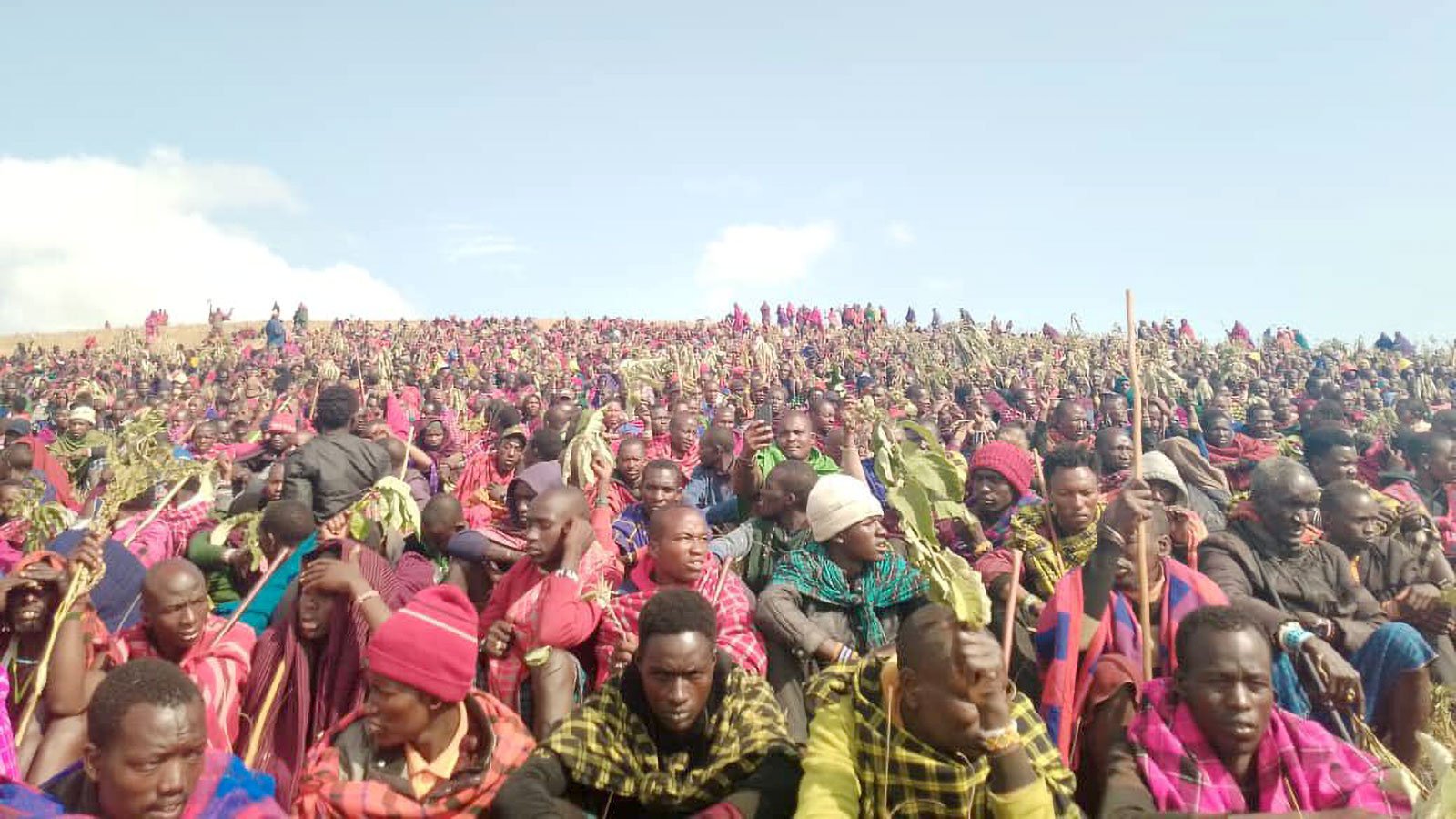
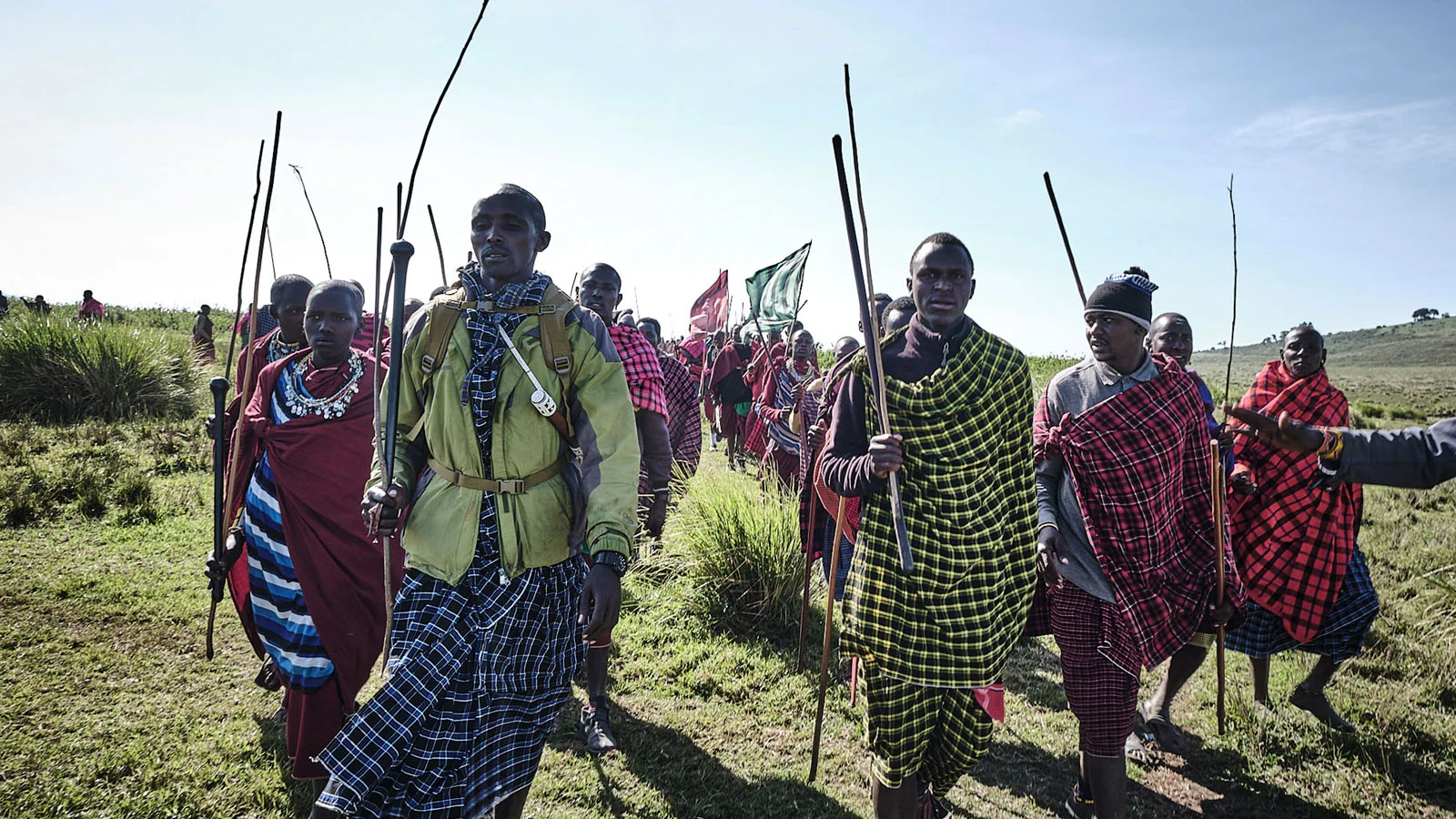
Following the one-year anniversary of the historic protest waged by Maasai communities in the Ngorongoro Conservation Area (NCA), the Oakland Institute calls on the Tanzanian government to respect their rights to land and life and end mass eviction plans.
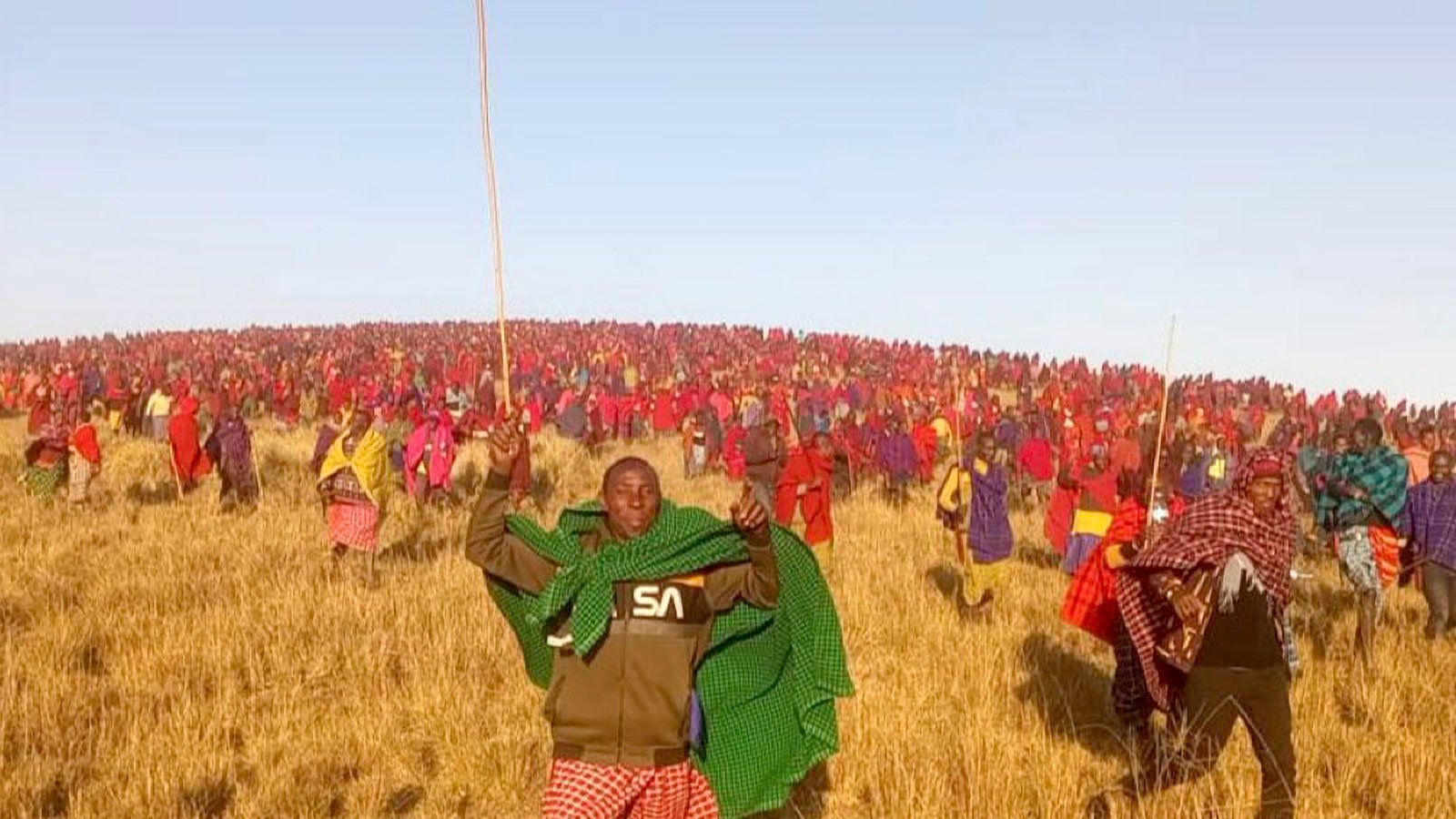
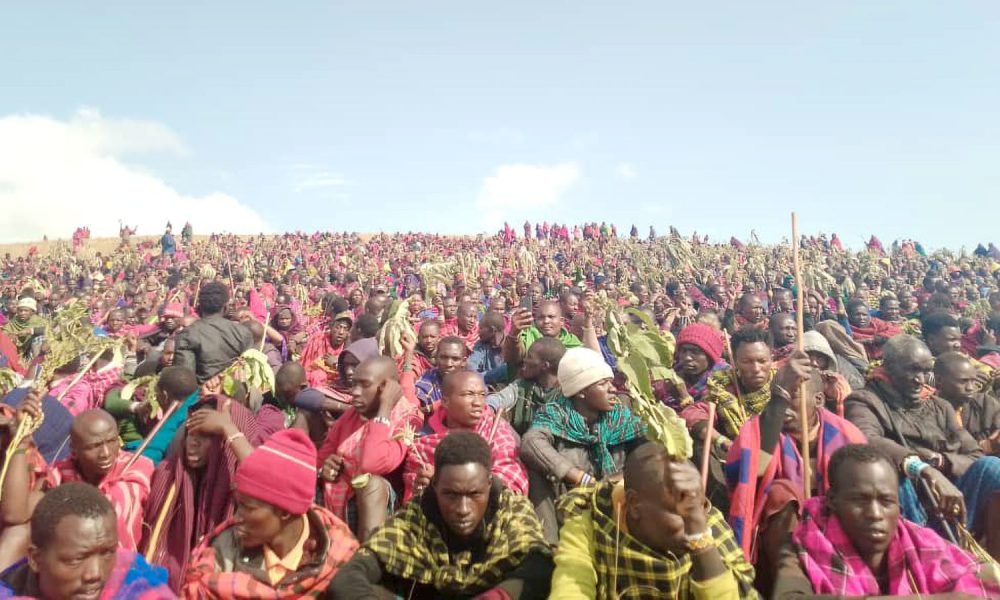
Between August 18-23, 2024, over 40,000 Maasai staged a historic mobilization, blocking the Ngorongoro-Serengeti highway and stranding safari tourist land cruisers – forcing the world’s attention to their demand for justice. The protest challenged the Tanzanian government’s attempt to drive the Maasai from the NCA without their consent by stripping them of their land and voting rights. President Samia Suluhu Hassan’s blind pursuit of tourism dollars has resulted in denial of essential services – including life-saving healthcare and education – to approximately 100,000 Maasai, while their pastoralist livelihoods are strangled.
To appease the international outcry generated by the protests, the Tanzanian government launched the “Presidential Commission on Land in Ngorongoro” and the “Presidential Commission on Relocation from Ngorongoro,” on February 20, 2025. The commissions were granted a three-month mandate to assess land conflicts and the relocation of residents with the expectation that the findings will be released at regular intervals. More than six months later, not a single report has been published or any information shared.
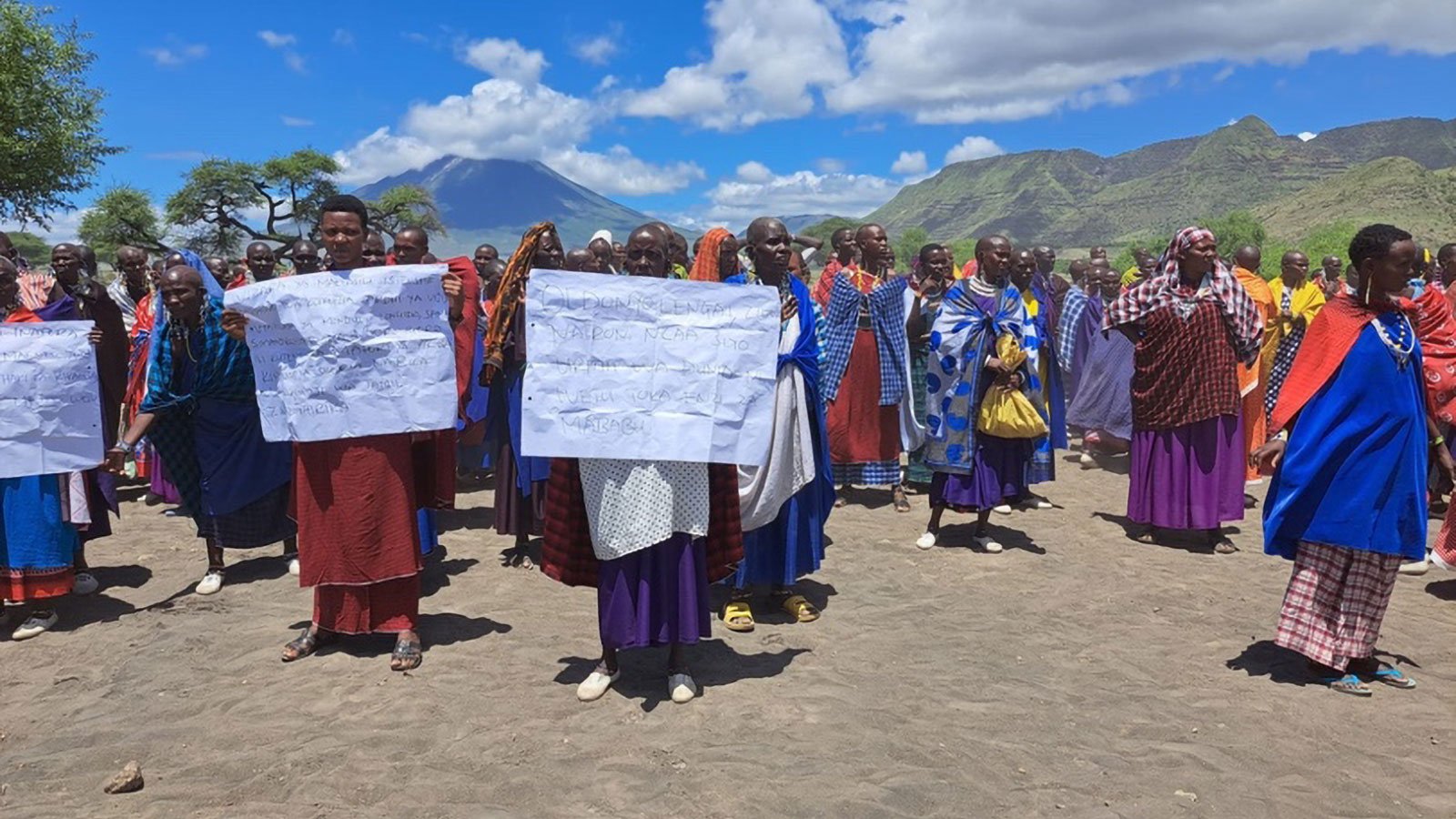
In April 2025, the Indigenous Peoples and Protected Areas Initiative at the University of Arizona’s Indigenous Peoples Law and Policy (IPLP) Program submitted a legal brief to the commissions. Endorsed by the Oakland Institute, Land is Life, and Forest Peoples Programme, the brief called on the Presidential Commissions to uphold the rights of the Maasai to land, culture, self-identification, and Free, Prior and Informed Consent (FPIC) while addressing the devastating impacts that so-called conservation policies have inflicted on these communities. The brief urged the commissions to recognize the Maasai as Indigenous Peoples, guarantee their meaningful participation, and align Tanzania’s laws and policies with its international obligations.
The independence of the commissions remains questionable, with both notably dominated by government personnel and very limited Maasai representation. It is believed that the commissions have already submitted reports, recommending further relocations to the President, who intends to release them after the October general elections.
In a concerning sign, during a July 2025 speech, President Samia Suluhu Hassan condemned the presence of livestock and local communities in the NCA, which she claimed undermines the area’s tourism value. Days after, rangers demolished newly renovated settlements and a church in the Oldupai area, while arresting several Maasai villagers. These actions mark an intensification of efforts to pressure residents into “volunteering” for relocation.
The Oakland Institute has previously shattered state propaganda regarding a better life waiting for those who “volunteer” to resettle in Msomera, documenting how the site – 600 km away – lacks adequate water resources and grazing land while promises of improved social and health services by the government remain unfulfilled.
The NCA was established in 1959 as a multiple land use area that explicitly recognized the Maasai’s settlement rights and authority in governance decisions, while accommodating conservation and tourism. The Maasai were even promised that “should there be any conflict between the interests of the game [animals] and the human inhabitants, those of the latter must take precedence.” It is time that the Tanzanian government keeps its word.
As the environmental stewards of the area, it is imperative that the land rights of the Maasai are restored in compliance with national and international law. The Oakland Institute reiterates the calls made by international law experts to the Presidential Commissions:
- Recognize and protect Maasai land rights, in line with international standards.
- Affirm the role of Indigenous knowledge in conservation, with a focus on Indigenous women and girls.
- Guarantee Free, Prior, and Informed Consent (FPIC) before any conservation initiatives are launched.
- Support sustainable livelihoods rooted in Maasai knowledge, culture, and environmental stewardship.
- Establish ongoing, transparent dialogue between Maasai communities and authorities.
- Promote community-led education and knowledge sharing on conservation.
- Implement U.N. recommendations on halting forced relocations and upholding human rights.
Source: oaklandinstitute.org
Related posts:
 Call to Sever Ties with Tanzanian Government Over Latest Human Rights Abuses Against the Maasai
 Justice Denied: East African Court of Justice Grants Tanzanian Government Impunity to Trample Human Rights of the Maasai
 Tanzanian Government Continues Violent Repression of the Maasai in Loliondo Despite Worldwide Condemnation
 Tanzanian High Court Tramples Rights of Indigenous Maasai Pastoralists to Boost Tourism Revenues

NGO WORK
Tanzania: Commissions call for mass eviction of Indigenous Maasai from world-famous tourist destinations.
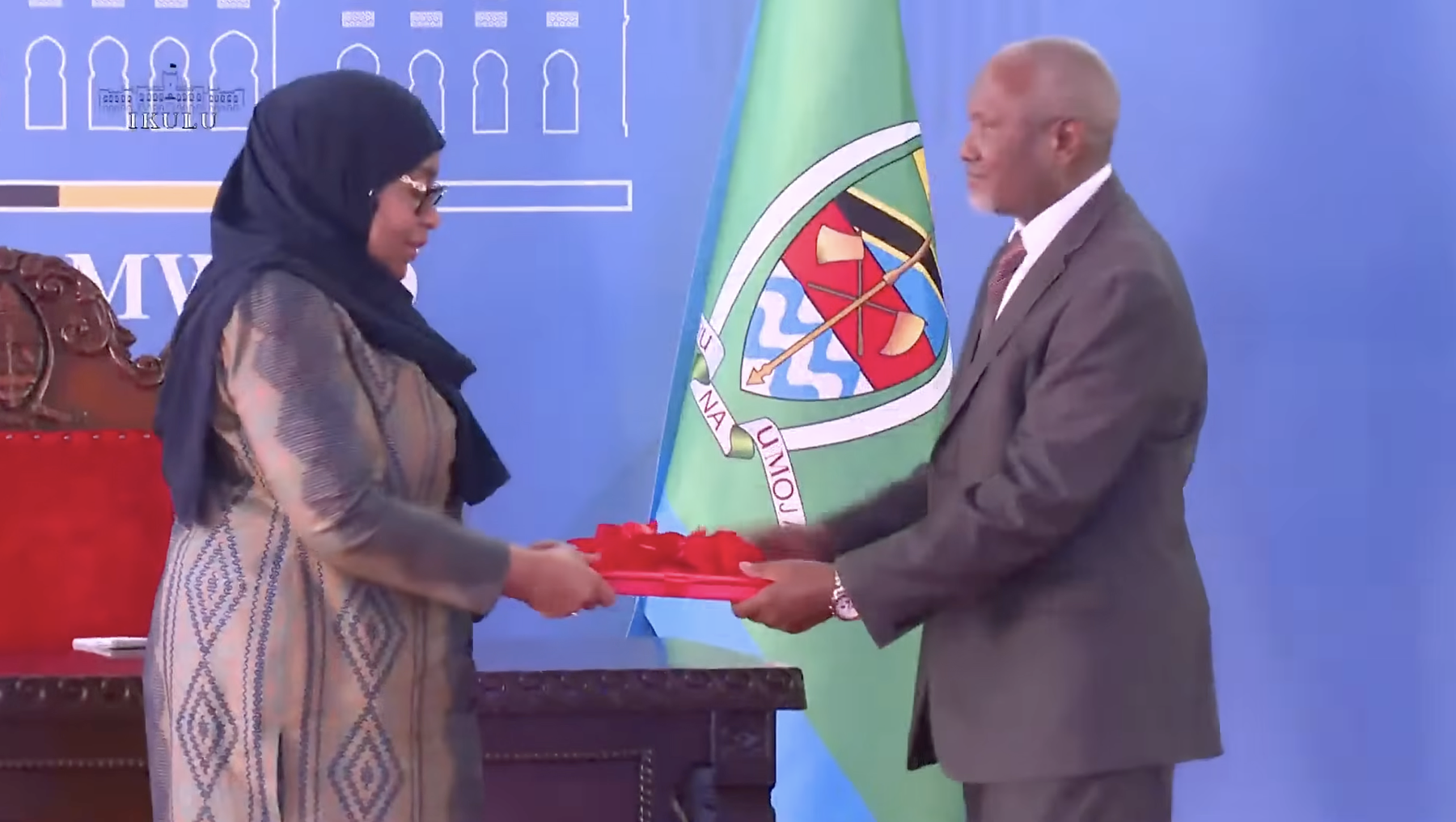
Two presidential commissions have recommended the mass eviction of Maasai people from some of East Africa’s most iconic conservation areas and tourist destinations.
The commissions were established by Tanzania’s President Samia Suluhu Hassan following previous evictions of Maasai pastoralists from parts of the world-famous Serengeti ecosystem, and large-scale protests in the Ngorongoro Conservation Area in 2024.
Now, despite a global outcry at the earlier evictions, the two Commissions have:
- Backed the previous evictions and called for them to continue, including in the UNESCO World Heritage Sites of Ngorongoro and neighboring Lake Natron.
- Described the long-standing Maasai presence in the area as an “environmental pressure” that needs to be reduced.
- Threatened local NGOs that support the Maasai, accusing them of “spreading misinformation or propaganda” because they “conflict with government interests.”
- Called for the “relocation” of all “non-conservation activities” [in other words, Maasai occupancy of the land] outside the conservation areas.
- Called for existing recognition of the Maasai people’s right to live in the Ngorongoro area to be removed.
An anonymous Maasai spokesperson said today: “We are blamed for environmental degradation while the unchecked expansion of tourism is ignored. Forced relocation, disguised as policy, has deprived our people of basic rights and dignity. We reject any continuation of these measures and condemn the Commission’s failure to reflect the voices, realities, and rights of our people.”
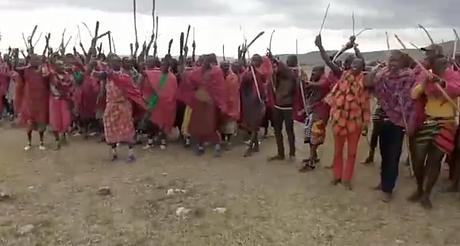
The authorities maintain that these are “voluntary relocations.” However, the Maasai have overwhelmingly rejected being moved.
The Ngorongoro Conservation Area is a UNESCO World Heritage Site. When it was established, the ancestral right of the Maasai to live there with their cattle was explicitly acknowledged. But UNESCO’s World Heritage Committee has backed the so-called “voluntary relocations”, and UNESCO endorses the “fortress conservation” model that underpins Tanzania’s approach.
Survival International Director Caroline Pearce said today, “These commissions were a sham, a gimmick designed to give Tanzania’s violent persecution of the Maasai a veneer of respectability. It was widely predicted that they’d back further evictions: the whole saga just confirms that colonial-style fortress conservation is alive and well in Tanzania today, and enthusiastically endorsed by UNESCO.
“These recommendations give the green light to more evictions, in Ngorongoro and beyond. And while the Maasai are robbed of their lands and livelihood, the government, tour operators and so-called conservationists will enrich themselves from a landscape emptied of its original owners.”
Source: survivalinternational.org
Related posts:

 The Oakland Institute Calls on the Tanzanian Presidential Land Commissions to Respect & Ensure Rights of Maasai Living in the Ngorongoro Conservation Area
Call to Sever Ties with Tanzanian Government Over Latest Human Rights Abuses Against the Maasai
The Oakland Institute Calls on the Tanzanian Presidential Land Commissions to Respect & Ensure Rights of Maasai Living in the Ngorongoro Conservation Area
Call to Sever Ties with Tanzanian Government Over Latest Human Rights Abuses Against the Maasai
 Worldwide Condemnation Over Violence against the Maasai by Tanzania Security Forces
 US Luxury Safari Operator Tightens Stranglehold Over Maasai Land in Tanzania
NGO WORK
Sham Presidential Commissions Rubber Stamp Tanzanian Government’s Efforts to Evict Indigenous Maasai from Ngorongoro Conservation Area
Related posts:
Tanzanian Government’s Sustained Campaign Against the Maasai in Loliondo and the Ngorongoro Conservation Area
 URGENT ALERT: Tanzanian Government on a Rampage Against Indigenous People
Tanzanian Government Continues Violent Repression of the Maasai in Loliondo Despite Worldwide Condemnation
Call to Sever Ties with Tanzanian Government Over Latest Human Rights Abuses Against the Maasai
URGENT ALERT: Tanzanian Government on a Rampage Against Indigenous People
Tanzanian Government Continues Violent Repression of the Maasai in Loliondo Despite Worldwide Condemnation
Call to Sever Ties with Tanzanian Government Over Latest Human Rights Abuses Against the Maasai

Related posts:

 Profit off Peace? Meet the Corporations Poised to Benefit from the DRC Peace Deal
 Discover How Foreign Interests and Resource Extraction Continue to Drive Congo’s Crisis
 US-DRC Strategic Partnership Agreement Faces Constitutional Challenge in Court
 DR Congo crisis: Washington’s brokered peace agreement is rendered useless as fighting, forced land displacement, and mineral exploitation persist…

Oil-affected residents and civil society organizations reject TotalEnergies’ Tilenga Progress Report, citing unfairness in their operations.

Tanzania: Commissions call for mass eviction of Indigenous Maasai from world-famous tourist destinations.

Sham Presidential Commissions Rubber Stamp Tanzanian Government’s Efforts to Evict Indigenous Maasai from Ngorongoro Conservation Area

African countries forced to extract fossil fuels to service external debt: Report

USA, Israel, and Iran War effects: Why the world cannot afford to delay the renewable energy transition?

Statement by Witness Radio- Legal Aid Clinic on International Women’s Day 2026; Scaling Up Investment to Accelerate Access to Justice for Women and Girls Defending Land and Environmental Rights

COVID-19 unending effects: Demand for land to host refugees in Uganda caused forced land displacement and pushed the refugee-hosting community into Internally Displaced Camps (IDPs).
Oil-affected residents and civil society organizations reject TotalEnergies’ Tilenga Progress Report, citing unfairness in their operations.

Innovative Finance from Canada projects positive impact on local communities.

Over 5000 Indigenous Communities evicted in Kiryandongo District

Petition To Land Inquiry Commission Over Human Rights In Kiryandongo District

Invisible victims of Uganda Land Grabs
-
 MEDIA FOR CHANGE NETWORK4 days ago
Oil-affected residents and civil society organizations reject TotalEnergies’ Tilenga Progress Report, citing unfairness in their operations.
-

 NGO WORK2 weeks ago
Peace in DRC Requires More than Symbolic US Sanctions on Rwanda
-

 MEDIA FOR CHANGE NETWORK2 weeks ago
DR Congo crisis: Washington’s brokered peace agreement is rendered useless as fighting, forced land displacement, and mineral exploitation persist…
-

 MEDIA FOR CHANGE NETWORK2 weeks ago
StopEACOP Campaign challenges TotalEnergies assessment of Uganda land acquisition programme
-
 MEDIA FOR CHANGE NETWORK2 weeks ago
More than 1.1 billion people worldwide face a risk of land eviction – Global report
-
 NGO WORK6 days ago
Sham Presidential Commissions Rubber Stamp Tanzanian Government’s Efforts to Evict Indigenous Maasai from Ngorongoro Conservation Area
-
 NGO WORK5 days ago
Tanzania: Commissions call for mass eviction of Indigenous Maasai from world-famous tourist destinations.
-
 MEDIA FOR CHANGE NETWORK1 week ago
African countries forced to extract fossil fuels to service external debt: Report