Connect with us

MEDIA FOR CHANGE NETWORK

Breaking: The army general, police chief, presidential representative, and others are appearing before the Hoima Chief Magistrate court today.

Published

on

By Witness Radio team

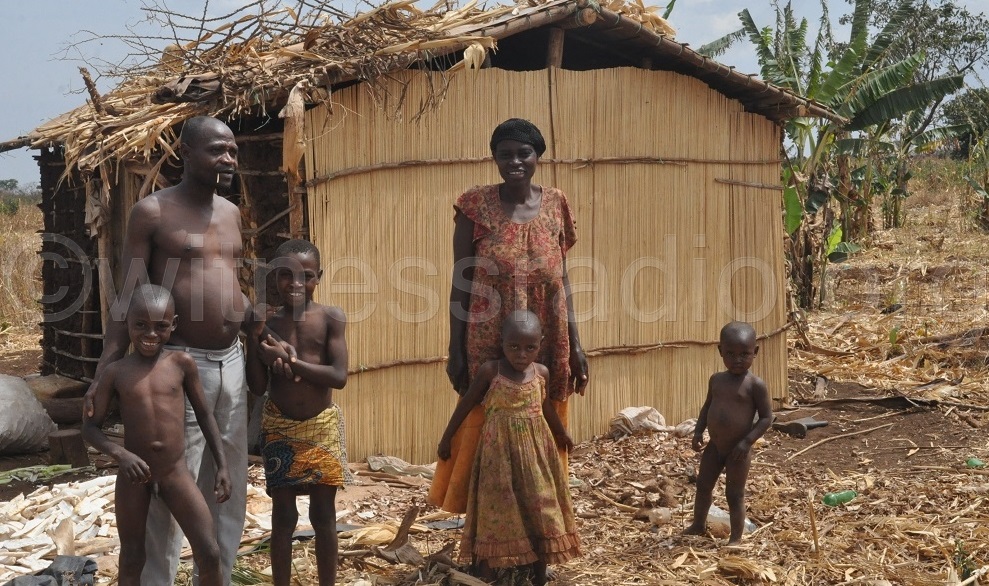
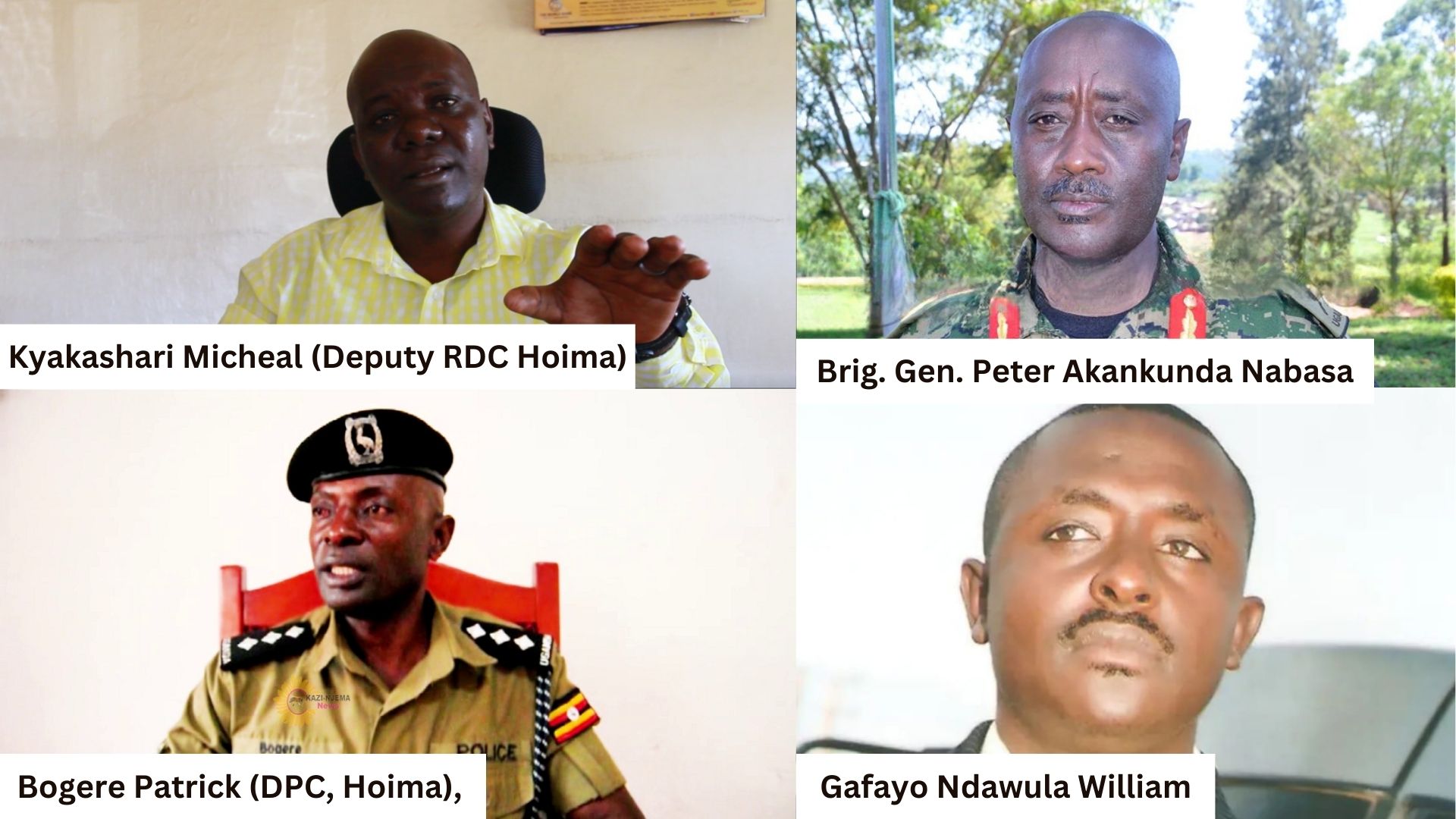
Hoima, 13th of November 2023. A Ugandan Army General, Hoima Rural District Police Commander, and a Presidential representative among the 13 suspects expected to be charged with several criminal and human rights violation offences committed while forcefully evicting over 2500 local families to give way for an East African Crude Oil pipeline (EACOP) project.

Brig. Gen. Peter Akankunda Nabasa, one Gafayo Ndawula William, Kyakashari Micheal a Deputy Resident District Commissioner in Hoima, one Oketcha Micheal, Bogere Patrick, a Hoima Rural District Police Commander, one Kiiza Nathan Byarugonjo, one Oromo Luzira, a Local Council One Secretary for Runga, one Mukindo Bosco, Okethi Bosco, Oming Jacob, Muswa Micheal, Kawiya Henry, Ningaling Joseph, and others still at large accused of raping women, defilement, arson, and criminal trespass among other offenses.

The 1st accused person is the Deputy Commander of Uganda Peoples Defense Forces, First Division Kakiri in Wakiso District; The 2nd accused person is a Businessman with Businesses in Hoima District; the 3rd Accused is Deputy RDC Hoima District. The 4th accused is the Hoima Rural District Police Commander. The 5th, 6th, 7th, 8th, 9th, 10th, 11th, 12th & and 13th accused persons are residents of Kapapi Village and were agents of the evictors.

It followed on October 12th 2023 when the 13 suspects’ plea-taking flopped after the absence of the trial magistrate.

Meanwhile only four of the thirteen suspects, namely Gafayo William Ndawula, Oketcha Micheal, and Oromo Luzira, lawyers for Brig. Gen. Peter Akankunda Nabasa was present in court on that day.

On 11th/09//2023, the East African Crude Oil Pipeline (EACOP) Project-Affected Persons (PAPs), through their lawyers Arinaitwe Peter and Company Advocates started a private criminal proceeding against the thirteen suspects to hold suspects accountable for their criminality and human rights violations.

Each charge attracts different punishments on conviction, as shown below;

Section 124 of the Penal Code states that the punishment for rape on conviction is liable to suffer death; the punishment for assault on court conviction is five years; the punishment threatening violence on court conviction does not exceed four years; the punishment for arson on court conviction is fourteen years; and Punishment for robbery, one has to suffer life imprisonment among others.

According to the charge sheet, the accused persons and their agents in the wee hours (1:00 AM) local time on February 10th, 2023, raided people’s homes without a court order with dozens of unidentified armed individuals, donning Uganda Police Force (UPF) and Uganda People’s Defense Force (UPDF) uniforms.

Acting under the orders of DPC Bogere and Brigadier Nabasa, along with armed guards from Magnum, a private security company. The suspects and their agents fired live bullets and tear gas into their houses, sexually abused women, set people’s houses ablaze, physical assaults, kidnaped, and looted livestock, and food items, and forcefully evicted project-affected families off their land.

The actions of the accused led to the grabbing of 1294.99 hectares that were being lawfully occupied and cultivated by thousands of locals in the villages of Waaki North, Kapapi Central, Waaki South, Runga, and Kiryatete within Kapapi and Kiganja sub-counties in Hoima district.

According to research findings by Witness Radio, the individuals involved in the Kapapi land grab are targeting to benefit from the potential compensation intended for community members, given that their land was identified to be impacted by the Tilenga Resettlement Action Plan 4, an EACOP project.

In one of the Resettlement Action Plan (RAP) reports, Total Energies Uganda identified Kapapi, Runga, Waaki, and Kiryatete villages as areas that will be affected by the proposed Tilenga Feeder Pipeline Component (RAP 4).

Continue Reading

MEDIA FOR CHANGE NETWORK

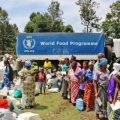
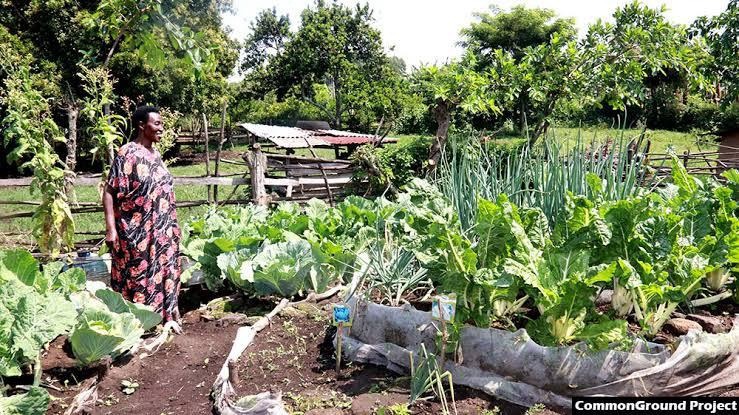
World Food Day 2026: Building healthy diets means reimagining how we grow, share, and enjoy our food.
Published

on

By the Witness Radio team.

In 2024, hunger affected an estimated 673 million people worldwide, the 2025 State of Food Security and Nutrition in the World report reveals, underscoring the urgent need to ensure everyone can access enough nutritious food.

Africa bears a heavy share of this crisis. Hunger affects about 307 million people, more than one in five on the continent. If nothing changes, experts warn that by 2030, as many as 512 million people could face chronic undernourishment, with nearly 60 percent living in Africa.

These numbers make it clear: we must transform our food systems now. It is not just about growing more food; it’s about ensuring everyone can enjoy diets that are diverse, safe, nourishing, and rooted in culture.

On World Food Day 2026, celebrated under the banner “Innovate Today, Nourish Tomorrow,” leaders urged the world to invest boldly in healthy eating, indigenous food traditions and agricultural breakthroughs that truly serve people’s needs.

Italy’s Minister for Agriculture, Food Sovereignty and Forestry, Francesco Lollobrigida, called for greater attention to healthy, balanced and sustainable diets, linking food consumption to human health, cultural heritage and environmental protection.

“To nourish tomorrow, it isn’t enough to invest in innovation and research and in waste reduction. We must also promote dietary habits that are healthy, balanced and sustainable, capitalizing on the deep link between food, health, culture and territory,” Lollobrigida said.

He highlighted Italy’s food culture as a living example of how what we eat can weave together nutrition, environmental care, and the fabric of social life.

“Food isn’t just nutrition; it’s a way of spending time together defending and protecting our environment and our health,” he said.

The minister also urged everyone to unite to tackle food waste, a challenge that stretches from farm fields to family tables. He stressed that governments, businesses, researchers and consumers must join forces through smart policies, new technologies and better food education to end waste.

While Italy’s minister focused on eating habits, King Letsie III of Lesotho, David Mohato Bereng Seeiso, called on African nations to embrace their indigenous foods, crops and traditional wisdom to boost nutrition.

The King noted Africa’s rich tapestry of traditional foods, livestock and aquatic resources, many perfectly suited to local environments and packed with nutrition. Yet he observed researchers, markets and public campaigns too often overlook these treasures.

“Countries must be assisted to promote indigenous traditional and underutilized foods as part of healthier diets, biodiversity conservation, climate adaptation and local economic development,” he said.

He added that building value chains around locally adapted foods could open doors for smallholder farmers, women and young entrepreneurs, all while helping communities safeguard their food heritage.

“While restoring pride in Africa’s food heritage, innovation does not mean abandoning tradition; it means combining the best of modern science with the knowledge and experience of our communities. Nourishing tomorrow should also begin with investing in children today,” King Letsie III added.

His words highlight the need to help farmers preserve locally adapted crops and seeds while harnessing science to boost harvests and nutrition.

FAO Director-General Qu Dongyu said scientific innovation should be judged by its contribution to people’s lives rather than by technological advances alone.

“Innovation is not only about the technology, but it’s also about people. It is about enabling people to turn knowledge into opportunity, science into solutions and hope into action,” he said.

He cited satellite monitoring, early-warning systems, improved irrigation, and digital technologies as tools that can help farmers protect harvests, manage resources, and access markets and financial services.

Today, science provides farmers with tools previous generations could hardly have imagined. Satellites monitor crops from space, helping detect threats before harvests are lost. Early warning systems give farming families time to prepare for droughts, floods and other risks. Smarter irrigation lets farmers produce more food while using less water. Digital technologies connect rural communities to markets, financial services, and networks once out of reach, especially for smallholder farmers. These innovations can strengthen food security, stabilize incomes and create better opportunities for future generations.

Yet innovation alone is not enough. Its true value lies in reaching those who need it most and ensuring successful solutions can be shared and scaled up. The most effective innovations are those developed with farmers and rural communities, considering their needs, knowledge and local conditions, he said.

King Letsie III said transforming food systems requires political leadership, stronger institutions, and adequate nutrition financing.

“Our parOur parliamentarians approve budgets, enact laws, oversee government action and represent citizens’ priorities. I therefore welcome FAO’s engagement with the Pan-African Parliament and national and sub-regional parliamentary alliances on food security and nutrition. Through parliamentary capacity development, FAO is helping legislators create stronger enabling environments. Parliamentarians can and should champion adequate financing for nutrition, protect school meal budgets, promote healthy food environments, improve food safety laws, support women and youth and hold institutions accountable for the commitments made to our people.” He said.

He highlighted school feeding programs as one way to improve children’s diets while creating markets for locally produced food.

Nutritious school meals are a strategic investment that can improve diets, attendance, and learning; strengthen social protection; and create steady demand for locally produced food. Homegrown school meals connect agriculture, nutrition, education and local economic development. School meals should do more than relieve short-term hunger. They should support physical and cognitive development, encourage lifelong healthy habits, strengthen local economies and provide practical learning on nutrition, food safety, hygiene, biodiversity and respect for food. Safe water, sanitation and hygiene are also essential to ensure every meal advances health, dignity and learning, he added.

These leaders’ voices send a clear message: we must bridge the gap between what is grown in fields and what nourishes people’s bodies and lives.

Africa needs stronger links among farmers, researchers, universities, policymakers, entrepreneurs and investors. Solutions that show promise must move beyond pilots and laboratories, be adapted to local realities and scaled through effective institutions and sustainable financing,” the King said.

He emphasized that young people must be at the heart of this movement, with skills, funding, land, digital tools, mentors, and access to markets.

Continue Reading

MEDIA FOR CHANGE NETWORK

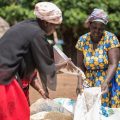
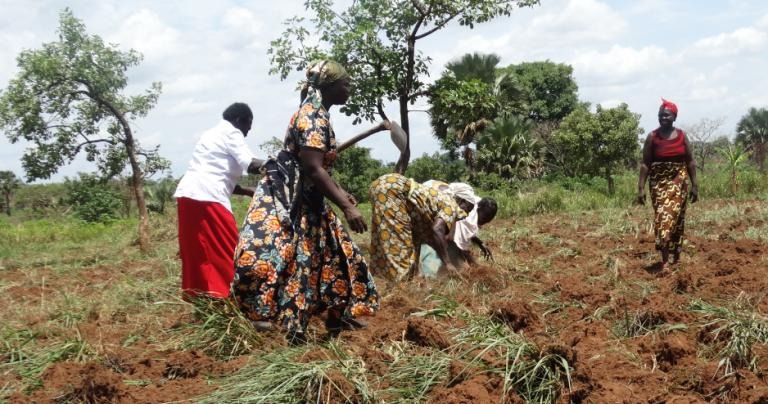
International Day of Rural Women : Rural women farmers deserve not only equal rights and access to resources, but also the strength and voice to safeguard Mother Nature.
Published

on

By the Witness Radio Team.

As the world marks the International Day of Rural Women on 15 October 2026, with the theme “Rural Women Farmers Caring for Mother Nature,” the spotlight shines on women whose tireless efforts nourish food systems, shield biodiversity, and safeguard the natural resources that sustain entire communities.

This year’s celebration carries special weight as the United Nations declares 2026 the International Year of the Woman Farmer, spotlighting women’s vital roles across agri-food systems, from planting seeds to driving trade. This recognition opens the door to challenge the persistent inequalities that threaten women’s livelihoods and silence their voices in decisions about agriculture, land, and the environment.

In its statement marking the day, UN Women called for rural women’s rights, resources and decision-making power to match their contributions to food systems and environmental protection.

“On this day, we celebrate their knowledge and leadership in building a more resilient future. Yet their rights, resources and decision-making power too often fall short of their contributions,” UN Women said.

The agency called on governments and other groups to ensure women have enforceable rights to land, water, and natural resources. It also asked for better access to finance, markets, technology, and agricultural services, as well as decent work, social protection, and strong infrastructure. The agency highlighted the need to recognize, reduce, and share women’s unpaid care work.

These calls to action highlight the stark inequalities rural women endure. They are the backbone of community nourishment and environmental stewardship, yet too often they lack the resources and influence needed to improve their lives and shape the future.

Ambassador Ada Francisca de Asis Hernández Rivera, the Permanent Representative of the Dominican Republic to the Food and Agriculture Organization (FAO), the International Fund for Agricultural Development (IFAD) and the World Food Program (WFP), underscored rural women’s importance in eradicating poverty, ending hunger and transforming agri-food systems into more inclusive, resilient and sustainable systems.

She noted that women contribute to food production, biodiversity conservation, sustainable ecosystem management and the resilience of families and communities. Yet many still face barriers to accessing land, financial services, technology, information, markets, and technical assistance, as well as opportunities to participate in decision-making.

“These inequalities, of course, will reduce their opportunities and limit the potential of family farming to contribute completely to sustainable development,” she said.

Karina David, a representative of the Intercontinental Network of Organic Farmers Organizations (INFO) and the Rural Women in Action Network, also highlighted the gap between recognizing women’s contributions and addressing the inequalities they face.

David cited findings indicating that 75 percent of agricultural policy documents across 68 countries recognize women’s roles and challenges, but only 19 percent contain clear gender equality goals.

She argued that closing this gap is not only a matter of equality but also essential to improving food security, household incomes, resilience and rural development.

“Gender inequality has a real cost, and if I were to close the gap between women and men in the agri-food system, it could add almost $1 trillion to the global economy and reduce food insecurity for 45 million people,” she said.

The findings make it clear: governments must move beyond words and turn promises into real policies, funding, and programs that break down the barriers holding women farmers back.

The scale of women’s participation in agri-food systems further underscores why empowering them must be a priority. Tako Ndiaye, a team leader on gender issues in FAO’s Division for Rural Transformation and Gender Equality, cited findings from a report on the status of women in agri-food systems showing that 41 percent of working women globally are employed in these systems.

She noted that agri-food systems are particularly important sources of livelihoods for women in sub-Saharan Africa and Southern Asia, where 70 percent of working women in each region are employed in the sector.

Ndiaye also emphasized the importance of empowering women farmers, their organizations, and networks to participate effectively in family farming policymaking. She called for stronger roles for gender experts and women’s organizations in monitoring the implementation of policy commitments.

Women farmers do more than feed rural economies; they champion environmental sustainability. They conserve seeds, nurture biodiversity, manage precious water, and heal degraded land, using wisdom and practices that keep ecosystems thriving and help communities withstand the challenges of climate change.

Yet their ability to continue this vital work depends on access to land, financial support, modern technologies, and other resources that let them farm sustainably and adapt to a changing environment.

UN Women has called on governments, financial institutions, businesses, and development partners to invest directly in rural women and remove barriers that limit their economic independence and environmental leadership.

The agency also stressed that rural women must have a meaningful role in shaping agricultural policies and decisions on funding allocation for climate action, biodiversity conservation, and land restoration.


Continue Reading

MEDIA FOR CHANGE NETWORK

ODPP Staff Equipped With New Skills on Land Crimes, Witness Protection and Victims Rights
Published

on

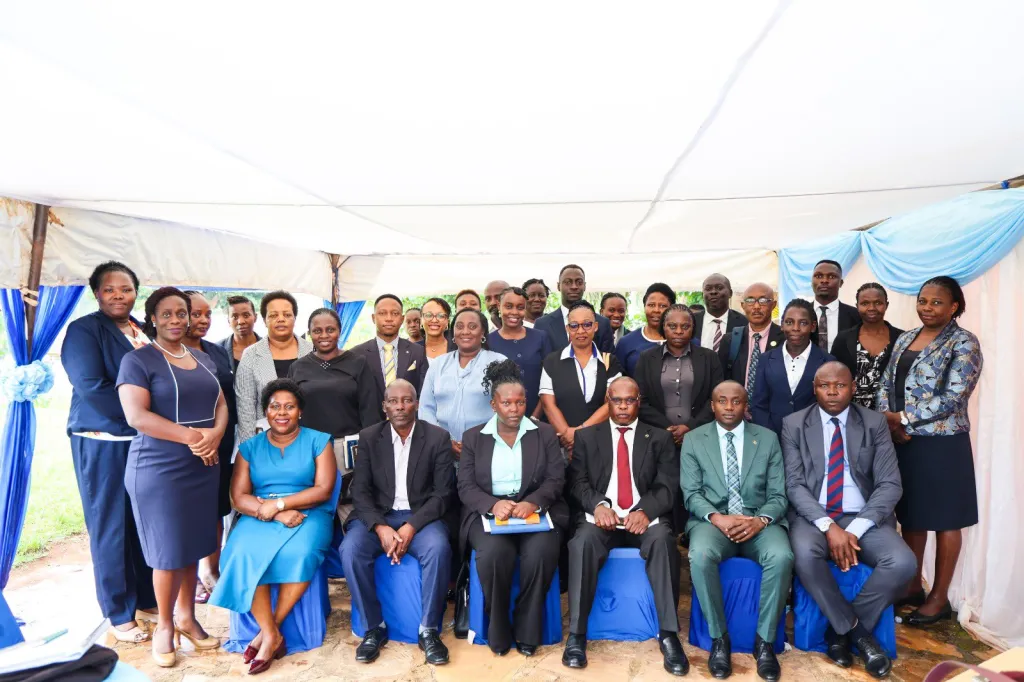
Mpigi – The Office of the Director of Public Prosecutions (ODPP), through the Department of Land Crimes and the Department of Witness Protection and Victim Empowerment, early this week, held a stakeholders’ engagement at the Mpigi Regional Office to enhance the capacity of prosecutors and investigators in the management of land crimes, witness protection and victims’ rights and empowerment.

The engagement brought together prosecutors and investigators from the region to share knowledge, exchange experiences and explore practical solutions to challenges affecting the effective investigation and prosecution of land-related offences, while strengthening the protection of witnesses and the empowerment of victims within the criminal justice system.

In her welcome remarks, the Regional Officer, Assistant Director of Public Prosecutions (DPP) Ms. Rachel Bikhole, welcomed the participants and facilitators to the Mpigi Regional Office. She appreciated the Departments of Land Crimes and Witness Protection and Victim Empowerment for collaborating with the Regional Office to equip prosecutors and investigators with the knowledge and skills necessary to improve service delivery.

The Head of the Department of Land Crimes, Mr. Andrew Odiit, noted that the engagement was timely, given that the region has the highest number of registered land cases in Central Uganda. He expressed optimism that the engagement would provide a valuable platform for sharing experiences, addressing existing challenges and identifying practical solutions to improve the management of land crimes.

Participants received presentations from Mr. Atuhaire Godwin, the Registrar of Titles at Mpigi Zonal Office, who took them through land transfers and registration in Uganda. He explained the procedures and requirements for effective land registration, equipping participants with a better understanding of the processes involved in land transactions and documentation.

Assistant Director of Public Prosecutions Dr. Daisy Nabasitu and Deputy Assistant Superintendent of Police (D/ASP) Bernice Aine respectively made presentations on the prosecution and investigation of land crimes. They highlighted the challenges encountered in handling land-related offences and shared best practices to strengthen investigations and prosecutions.

The Head of the Department of Witness Protection and Victim Empowerment, Mr. Charles Kaamuli, sensitised participants on the legal framework governing witness protection, including the circumstances under which a person may qualify for protection under the law. He also emphasised the importance of empowering victims by guiding them through court processes, explaining what is expected of them and keeping them informed about developments in their cases.

Mr. Kaamuli urged prosecutors to make greater use of the Department of Witness Protection and Victim Empowerment, particularly in cases involving vulnerable witnesses who may require protection and support throughout the criminal justice process.

The engagement underscored the importance of collaboration among prosecutors, investigators and other stakeholders in addressing land crimes, protecting vulnerable witnesses and upholding victims’ rights.

Source: ugstandard.com

Continue Reading

Resource Center

Legal Framework

READ BY CATEGORY

Facebook

Newsletter

Subscribe to Witness Radio's news and report updates


Trending

Subscribe to Witness Radio's news and report updates