Connect with us

MEDIA FOR CHANGE NETWORK

African women push for reparations and environmental accountability after landmark Climate Justice Day.

Published

on

By Witness Radio team

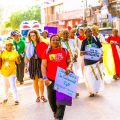
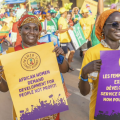
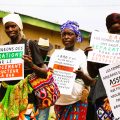
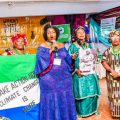
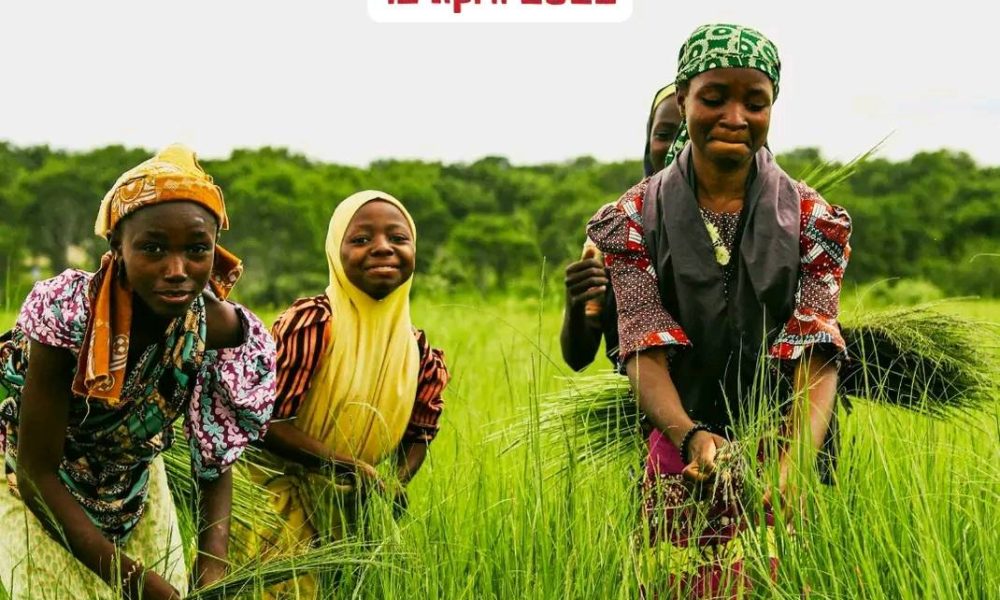
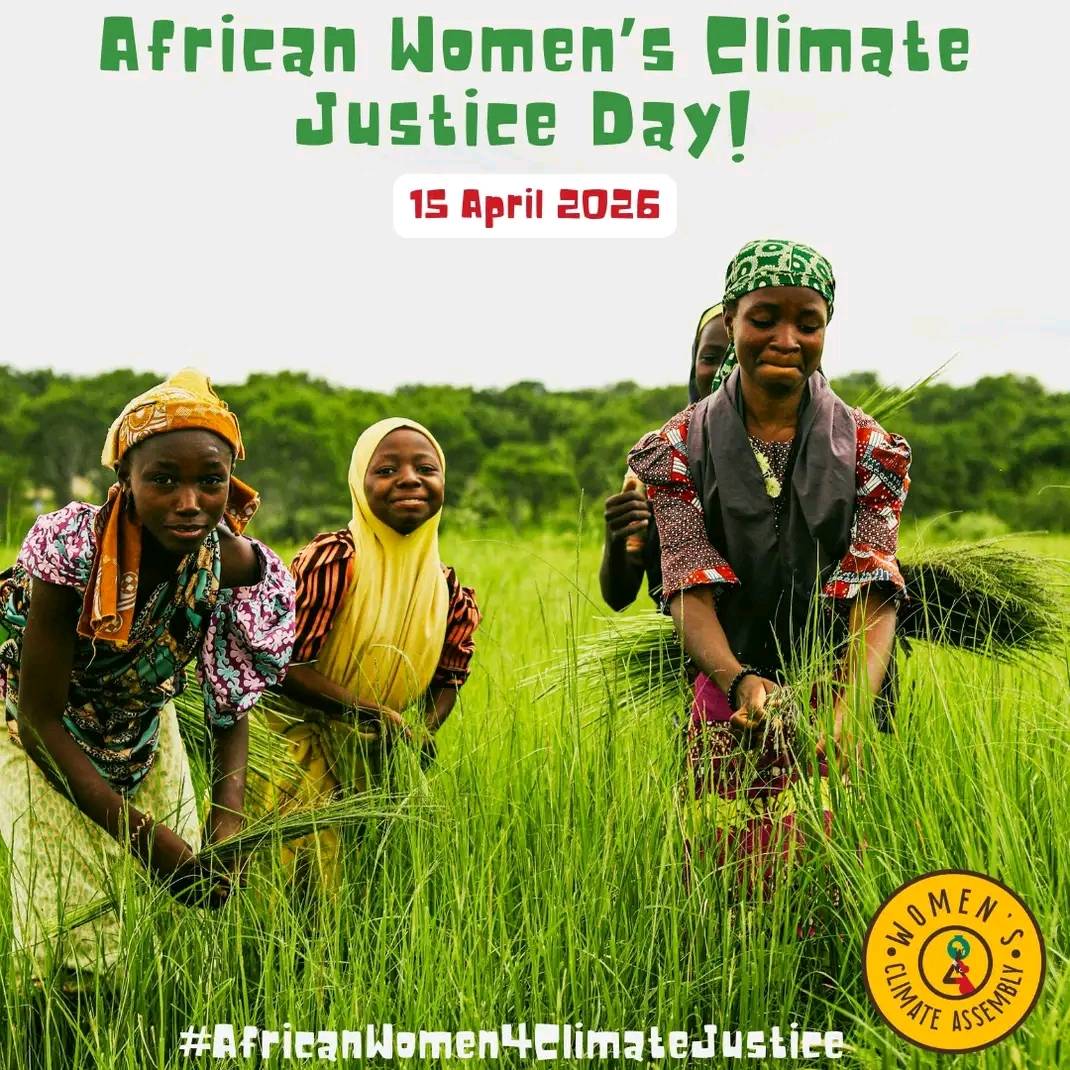
Women’s community organizations and grassroots movements across Africa are intensifying calls for climate reparations and environmental accountability following the inaugural African Women’s Climate Justice Day, marked on April 15.

Organized by the West and Central African Women’s Climate Assembly (WCA) under the theme “Our Lands, Our Voices: African Women United for Reparations and Climate Justice,” the convergence took place across multiple parts of the continent, highlighting how women in regions like West and Central Africa face unique climate impacts such as droughts and land degradation, demanding tailored solutions.

The WCA provides a powerful space to analyze the intersecting crises affecting their communities collectively and to develop strategies of resistance rooted in climate justice, food sovereignty, and the Right to Say NO to destructive extractivist and mega-development projects that displace communities, erode ancestral ways of life, and destroy ecological futures.

Since 2022, women from across Central and West Africa have gathered annually through the Women’s Climate Assembly (WCA) — a growing Pan-African, grassroots-led platform that brings together over 120 activists, ecofeminist leaders, and community organizers to collectively build strategies for climate justice, strengthen solidarity across movements, and advance community-led resistance against harmful, destructive projects while amplifying women’s voices.

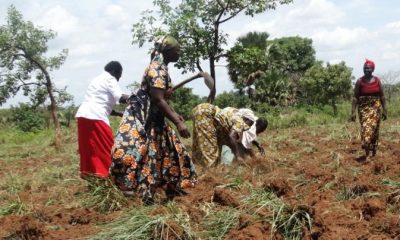
On the 15th, the Women’s Alliance on Natural Resources Governance (WANRG) led nationwide actions across four districts in Sierra Leone, bringing climate justice conversations directly to communities most affected by environmental degradation. In the West African country, Climate change has had a significant impact on agriculture, exacerbating the existing challenges of low productivity and food insecurity.

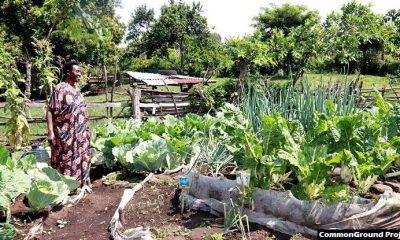
According to the Food and Agriculture Organization (FAO), women make up almost 70% of Sierra Leone’s agricultural workforce, and FAO’s support aims to empower women to adapt to climate shocks that threaten food production and household incomes.

These impacts, including unpredictable rainfall patterns, prolonged droughts, and increasing occurrences of extreme weather events such as floods and storms, are disrupting farming activities and resulting in declining crop yields. Further, environmental concerns caused by extractive projects are adding salt to the injury.

In the eastern districts of Kono and Kenema, outreach efforts focused on women working on the front lines of natural resource management, highlighting how extractive activities and climate change are eroding livelihoods.

“Climate justice is a women’s rights issue! Across four districts, we took bold action to ensure women’s voices are at the heart of environmental protection,” the organization’s statement read.

The alliance brought together local leaders and policymakers in Bo District for a stakeholder dialogue to develop and implement gender-sensitive climate policies, with commitments to integrate women’s voices into national climate strategies and to demonstrate tangible policy support for climate justice.

“When women lead, the planet wins. We are not just victims of climate change; we are the leaders, the innovators, and the defenders of our land,” The organization’s statement highlighted. This should inspire the audience with pride and confidence in women’s vital role in climate justice.

Across the continent, similar demands were echoed. In Liberia, the Natural Resource Women Platform (NRWP) described the moment as critical, warning that climate change continues to disproportionately affect women in rural, coastal, and resource-dependent communities.

“Across Liberia and the wider region, women are experiencing the harsh impacts of environmental degradation, land dispossession, and the growing burden of sustaining livelihoods amid the climate crisis,” the organization said in a statement from Monrovia.

The group pointed to worsening coastal erosion in Buchanan, increasing urban pollution, and challenges for women farmers due to erratic rainfall and soil decline. These realities should evoke empathy and a sense of urgency in your audience to support community-led solutions.

Central to the demands raised during the day of action are calls for reparations for communities affected by historical and ongoing environmental exploitation, an end to destructive extractive practices, and greater accountability from governments and corporations driving climate harm.

These calls were reinforced by regional movements such as the Global Convergence of Struggles for Land, Water, Seeds, Forests, Savannas, and the Sea in Central Africa, which framed the climate crisis as part of a broader system of dispossession.

“Land, water, forests, and the sea are fundamental rights, not commodities,” the coalition declared, calling for the dismantling of extractivist systems and for communities to be placed at the center of decisions affecting their territories.

In Central Africa, women’s organizations are already moving from declarations to strategy. In the Democratic Republic of Congo, the Indigenous Women and Local Communities for Sustainable and Participatory Development (FACID) brought together civil society groups to develop joint action plans and strengthen advocacy for climate justice.

“These are our struggles, and African women across the region have come together to reflect on climate change issues. There is drought, water pollution, air pollution, and soil pollution, as well as deforestation. All these scourges of climate change are affecting the African continent.  Since we cannot work in isolation, we have established the Constituent Assembly of African Women on Climate Justice to fight for climate justice through actions that bring about solutions that serve everyone,” said Marie Dorothée Lisenga, a coordinator with FACID, adding that women are at the forefront of the fight against climate change, and their leadership must shape the response.

As momentum builds beyond the April 15 mobilizations, organizations say the focus is now on sustaining pressure through advocacy, alliance-building, and grassroots action to ensure that climate justice is not reduced to rhetoric.

“We commend the growing movement of African women rising in unity to demand systemic and transformative change. Their call for reparations is not only for compensation; it is for dignity, justice, and the restoration of lives, lands, and livelihoods,” The group emphasized. This framing should foster respect and moral support among your readers.

The African Women’s Climate Justice Day was organized by NGO partners, civil society, and community-based organizations, and allies across Africa, including Women and Development (Nigeria), WoMin African Alliance, SynDev (Senegal), Green Development Advocates, and RADD (Cameroon), among others, who hosted solidarity actions and activities.

Continue Reading

MEDIA FOR CHANGE NETWORK

Ugandan farmers take TotalEnergies’ pipeline to UK court

Published

on

Police apprehend a Ugandan activist during a protest against the East African Crude Oil Pipeline (EACOP) plans in Kampala, Uganda, on 15 September, 2023. © Reuters

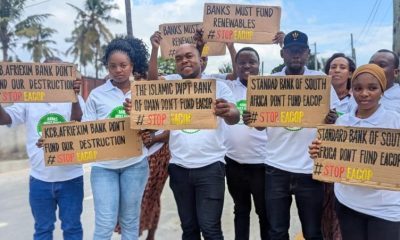
Four Ugandan farmers filed a case against the East African Crude Oil Pipeline (EACOP) at the UK’s High Court on Tuesday, seeking to have Ugandan constitutional, environmental and climate law applied to EACOP Ltd, the UK-registered company financing the project

Continue Reading

MEDIA FOR CHANGE NETWORK

Lawyers Move to Court to Stop New Luxury Tourism Projects in Maasai Mara

Published

on

A coalition of regional legal and environmental organisations has moved to court seeking to halt the approval and development of new luxury tourism facilities in the Maasai Mara National Reserve, arguing that the projects threaten one of the world’s most important wildlife ecosystems.

The petition, filed before the Environment and Land Court, seeks orders stopping further construction of high-end tourist accommodation within the reserve pending the determination of the case.

Those behind the petition include East Africa Law Society, Natural Justice, JustAct and Africa Centre for Peace and Human Rights, who have sued several government agencies and private investors involved in the developments.

Among the respondents are Marriott International, The Ritz-Carlton Hotel Company, Minor Hotels, National Environment Management Authority (NEMA), Kenya Wildlife Service (KWS) and the Narok County Government.

Narok Governor Patrick Ole Ntutu and the Maasai Mara National Reserve date in Narok County.
Photo| County Government of Narok / Maasai Mara National Reserve.

The petitioners contend that approvals granted for the tourism developments violated constitutional and environmental safeguards, arguing that the projects were allowed within ecologically sensitive areas meant primarily for wildlife conservation.

Court documents further claim that the developments sit close to critical wildlife habitats and migration routes linking the Maasai Mara ecosystem with Serengeti National Park.

This, according to them, potentially disrupts the annual wildebeest migration that attracts thousands of tourists every year.

They have asked the court to certify the matter as one raising substantial constitutional questions and refer it to the Chief Justice for the appointment of a five-judge bench to hear the case.

The latest legal challenge comes months after the planned opening of the luxury Ritz-Carlton safari camp sparked public debate, with conservationists raising concerns that the facility could interfere with wildlife movement near the Sand River.

At the time, the Kenya Wildlife Service dismissed claims circulating online that the camp had blocked the wildebeest migration, describing videos shared on social media as misleading.

“The Ritz-Carlton safari camp is situated within a designated tourism investment low-use zone, as provided for in the Maasai Mara National Reserve Management Plan, 2023-2032,” KWS said at the time.

The agency also maintained that camps established along the Mara, Sand and Talek rivers have historically coexisted with wildlife movements without obstructing migration.

Source: kenyans.co.ke

Continue Reading

MEDIA FOR CHANGE NETWORK

More than 17,000 people in the Philippines face eviction from their ancestral land for a multimillion-dollar energy project.

Published

on

By Witness Radio Team,

In the Visayas and Mindanao regions, in the Iloilo municipality on Panay Island in the central Philippines, thousands of Indigenous Tumandok people face forced displacement as a major energy project advances through their ancestral territories.

The Jalaur River Multi-Purpose Project, a state-backed dam and hydropower initiative, has triggered fears of forced evictions affecting more than 17,000 people and has already submerged ancestral land belonging to Indigenous communities.

The Tumandok have relied on the river basin as burial grounds, fishing sites supporting their livelihoods, and sacred landscapes preserved through oral history and cultural tradition for decades.

In 2012, the Korean Export-Import Bank provided a USD 260 million loan to the Philippine government for a multi-purpose project on the Jalaur River. Authorities present the project as a long-term solution for irrigation, flood control, and hydropower generation, designed to benefit agricultural production across thousands of hectares of farmland. However, host communities say the development has come at a high human cost.

The dam project, which began in the 1960s, entered a new construction phase in 2012, triggering new waves of human rights violations, from attacks and killings to arrests, and is expected to reach full completion in 2027.

As construction progresses, Indigenous ancestral domains within the project-affected watershed—covering approximately 16,780 hectares in the Calinog component—are being impacted by the Jalaur River Multi-Purpose Project Stage II. Community leaders say this is displacing Indigenous families from their homes amid concerns over inadequate consultation and potential violations of Indigenous land rights and free, prior, and informed consent standards.

Article 19 of the Declaration on the Rights of Indigenous Peoples requires states to consult and cooperate in good faith with the Indigenous peoples concerned, through their own representative institutions, to obtain their free, prior, and informed consent before adopting and implementing legislative or administrative measures that may affect them.

Article 32(b) of the same declaration urges states to make consent the objective of consultation before any projects that affect Indigenous peoples’ rights to land, territory, and resources, including mining and other uses or exploitations of resources.

John Ian Alecianga, coordinator of the Jalaur River People’s Movement, says opposition to the project has drawn allegations of intimidation, killings, arrests, and a heavy security presence in affected communities.

“Mobilizing these indigenous communities to fight for their rights has come at a cost. Indigenous leaders and activists have been subjected to surveillance, harassment, and red-tagging due to their resistance to the dam,” John said in an exclusive interview with our team.

According to John, tensions escalated in December 2020 when a police attack in Tumandok communities killed at least nine Indigenous leaders and elders and led to the arrest of 16 others.

“The military was deployed, human rights were violated, many elders were killed, and others were arrested, escalating into what we call a massacre. A fake search warrant was used in a staged operation to enter the houses of the Tumandok leaders. This is how much the government has ignored the rights of the indigenous peoples from the project conception until the project implementation,” he said. “The event remains one of the most traumatic moments in the ongoing conflict around the project,” John added.

Despite pressure, Indigenous communities continue to resist eviction through local and international advocacy networks, calling for justice for those killed in 2020, recognition of their land rights, and immediate protection from further displacement.

“The people are resisting because land is their life. Without it, there will be no community. There will be no identity,” he said.

The Jalaur River People’s Movement also seeks accountability through international mechanisms, including engagement with South Korean institutions linked to project financing.

Continue Reading

Resource Center

Legal Framework

READ BY CATEGORY

Facebook

Newsletter

Subscribe to Witness Radio's news and report updates


Trending

Subscribe to Witness Radio's news and report updates