
MEDIA FOR CHANGE NETWORK
Nigerian Banks under fire over ESG failures as a new report exposes Weak Climate and Human Rights Compliance.


Related posts:

 Businesses, banks and activists resist EC plans to strip back human rights legislation
 Banks have given almost $7tn to fossil fuel firms since Paris deal, report reveals
 UN Human Rights Chief urges EU leaders to approve key business and human rights legislation
 Report reveals ongoing Human Rights Abuses and environmental destruction by the Chinese oil company CNOOC


MEDIA FOR CHANGE NETWORK
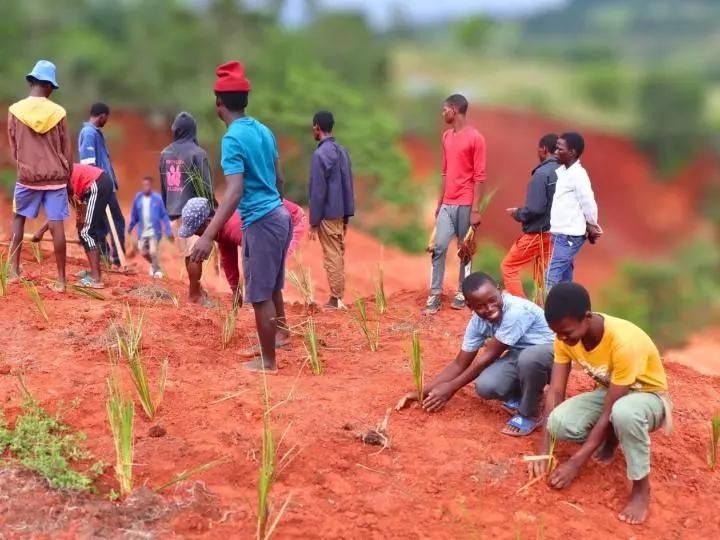
From grassroots action to policy transformation: How local environmental solutions spark enduring change.
Related posts:

 Uganda moves toward a Bamboo Policy to boost environmental conservation and green growth.
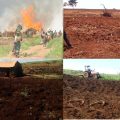 Witness Radio, private companies, CSOs and local government officials are meeting to discuss alternative remedies to salvage the appalling land and environmental rights situation in Kiryandongo district.
 Joint CSO Statement Calls on IFC and MIGA to Strengthen its New Approach to Remedial Action Policy
 Experts push for a National Bamboo Policy to strengthen climate mitigation efforts.
MEDIA FOR CHANGE NETWORK
A coalition of 625 African faith leaders will gather, united in their call for reparations in response to what they describe as the failure of a Gates-backed agricultural model.
Related posts:

 Failed Green Revolution: African Leaders Demand Reparations from Gates Foundation.
 African Food Systems Summit 2024: Do not use it to promote failed agricultural models – African Faith Leaders.
 African Faith Communities Tell Gates Foundation, “Big Farming is No Solution for Africa
 East African lawmakers and CSO leaders are meeting in Uganda to draw up plans to promote Agroecology as an alternative to climate change mitigation.
MEDIA FOR CHANGE NETWORK
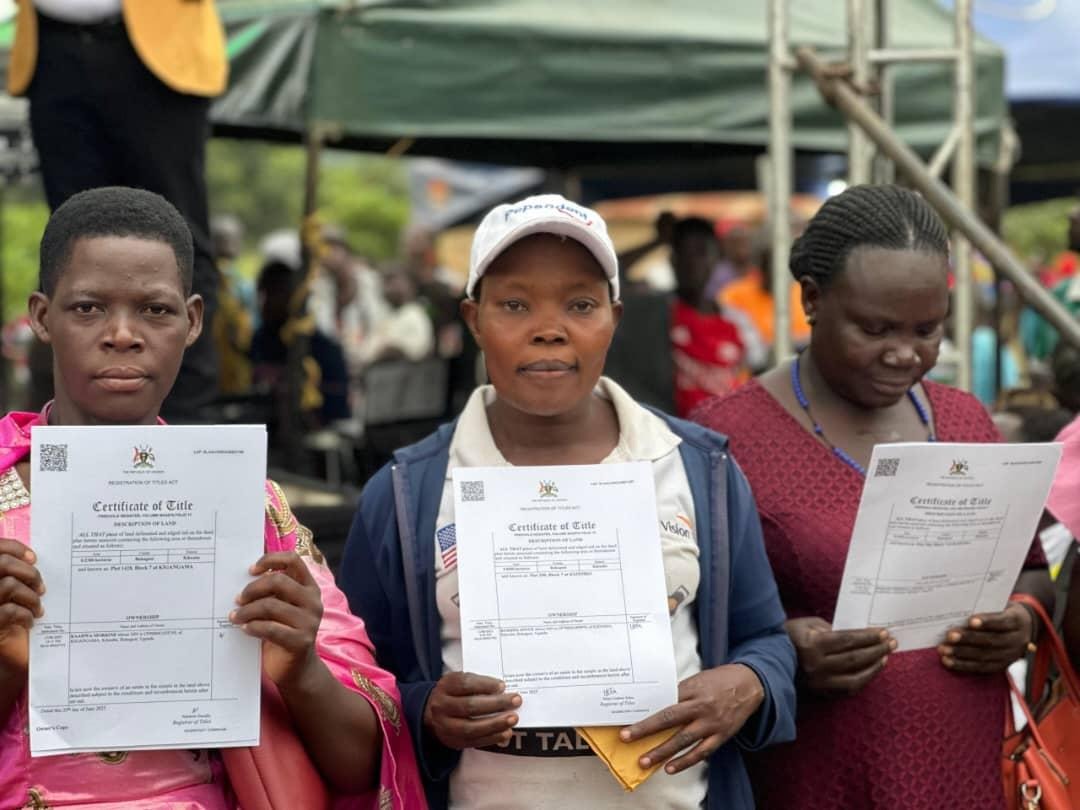
High land title costs, bureaucracy, and distance leave women struggling to secure land rights in Africa.
Related posts:
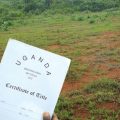
 Land Grabbing Crisis Escalates in Uganda: Mayiga Urges Citizens to Secure Land Documents
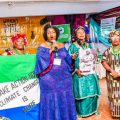 Women’s Climate Assembly, 2024: African women vow to protect human and environmental rights amidst an influx of destructive land-based investments on the continent.
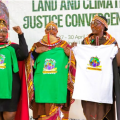 “No Land, No Life” – Women at the East Africa Convergence Refuse to Move out Quietly
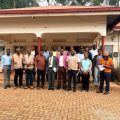 Kibaale Residents Raise Corruption Concerns Over Delayed Land Title Processing

From grassroots action to policy transformation: How local environmental solutions spark enduring change.

A coalition of 625 African faith leaders will gather, united in their call for reparations in response to what they describe as the failure of a Gates-backed agricultural model.

High land title costs, bureaucracy, and distance leave women struggling to secure land rights in Africa.

Environmental and human rights advocates are urging the world to hold global investors accountable for their actions.

Tanzanian Government Abducts Maasai Villagers in an Unconscionable Attack on Indigenous Land Defenders

World Food Day 2026: Building healthy diets means reimagining how we grow, share, and enjoy our food.

The global race for clean energy minerals is leaving communities grappling with conflicts and human rights abuses, a new report reveals.
Environmental and human rights advocates are urging the world to hold global investors accountable for their actions.

Innovative Finance from Canada projects positive impact on local communities.
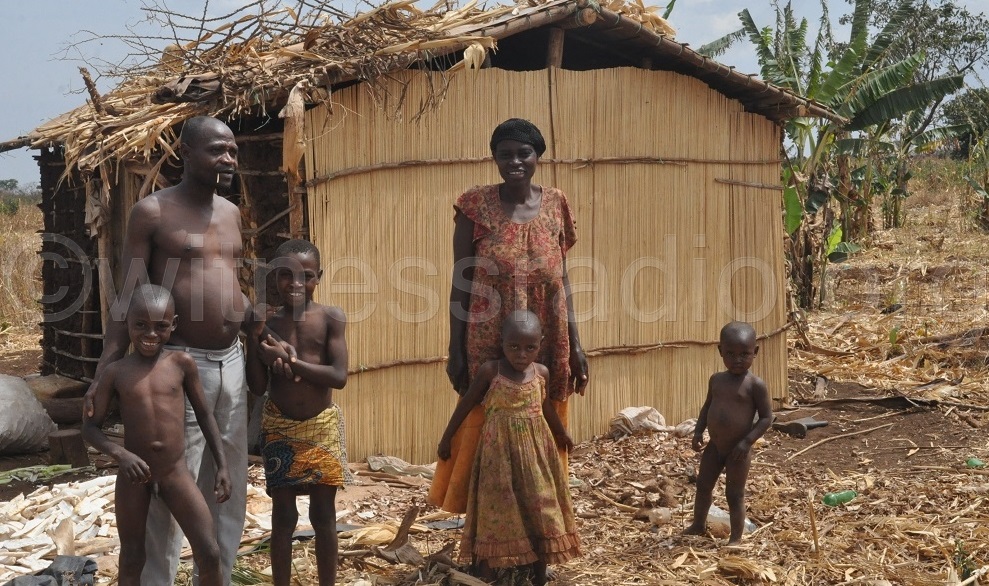
Over 5000 Indigenous Communities evicted in Kiryandongo District

Petition To Land Inquiry Commission Over Human Rights In Kiryandongo District

Invisible victims of Uganda Land Grabs
-
 NGO WORK2 weeks ago
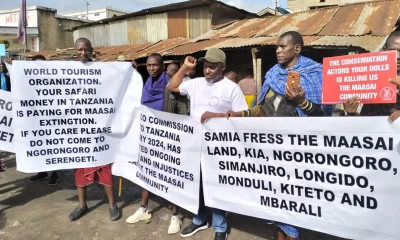
Tanzanian Government Abducts Maasai Villagers in an Unconscionable Attack on Indigenous Land Defenders
-
 MEDIA FOR CHANGE NETWORK2 weeks ago
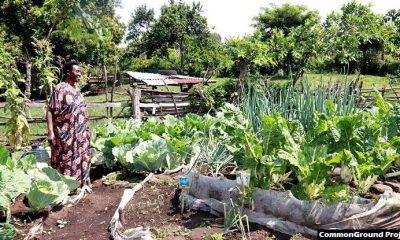
World Food Day 2026: Building healthy diets means reimagining how we grow, share, and enjoy our food.
-
 MEDIA FOR CHANGE NETWORK6 days ago
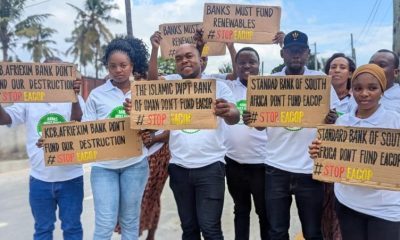
Environmental and human rights advocates are urging the world to hold global investors accountable for their actions.
-
 MEDIA FOR CHANGE NETWORK2 weeks ago
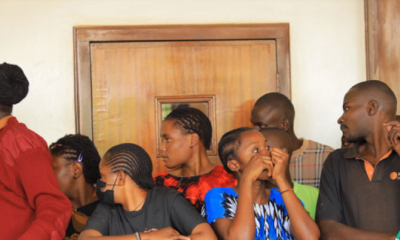
Court remands 10 anti-oil activists as suspect collapses in dock
-
 MEDIA FOR CHANGE NETWORK2 weeks ago
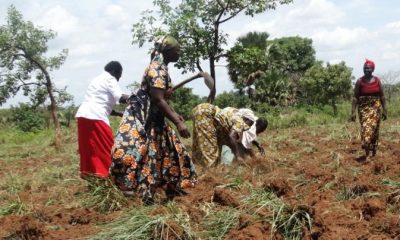
International Day of Rural Women : Rural women farmers deserve not only equal rights and access to resources, but also the strength and voice to safeguard Mother Nature.
-

 NGO WORK2 weeks ago
As World Bank Holds Annual Meetings, 84,000 Tanzanians Call for Justice
-
 MEDIA FOR CHANGE NETWORK2 weeks ago
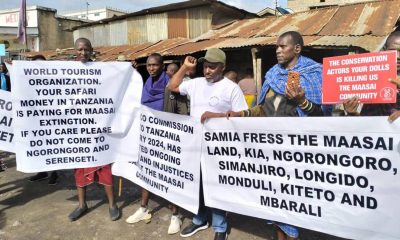
Defending ancestral land comes at a steep price as Maasai communities in Tanzania face relentless, mounting pressure.
-
 MEDIA FOR CHANGE NETWORK2 weeks ago
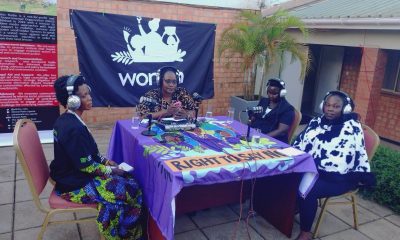
As waves of investment sweep across Uganda, countless women rise to defend their land, safeguard their traditions, and claim their right to be heard.