By the Witness Radio team.
A three-decade conflict in the Democratic Republic of the Congo (DRC) has affected millions of people. Some have been violently shot at and killed, while others have been dispossessed from what they called their homes, with many currently placed in Internally Displaced Camps (IDPs).
A 2025 report by the United Nations Special Rapporteur on the human rights of internally displaced persons to the DRC revealed that Armed conflict, accompanied by natural resource governance challenges, has collectively driven over 7 million internally displaced people from their homes, placing the DRC among the top five countries globally in terms of the number of internally displaced persons.
The conflict in the DRC dates back to the aftermath of the Rwandan Genocide, when nearly two million Hutu refugees fled into eastern Congo. Some extremist groups formed armed militias there, often driven by control over mineral-rich areas, leading to escalating tensions with Tutsi groups and drawing neighboring countries into the conflict. This triggered the First Congo War (1996-1997) and subsequent wars that have devastated the region. Since 1996, reports estimate that the conflicts in eastern Congo, fueled by competition over resources like coltan and cobalt, have contributed to the deaths of roughly six million people.
Authorities in the DRC, along with numerous United Nations reports, have for so long accused Rwanda of backing the M23 rebel group, allegations that Rwanda has denied for decades. However, according to a January 24 article by The Rwandan, an online news platform, a high-ranking Rwandan official later acknowledged security coordination with M23/AFC rebels.
Different reports and analysts attribute the unending conflict to mineral resources and, perhaps, land grabbing. In an effort to end the conflict that had lasted over 30 years, the US brokered agreements between the DRC and Rwanda in June 2025, later reinforced by the Washington Accords. These agreements are intended to promote peace, security, and economic growth in the Great Lakes region.
However, beyond the language of peace and cooperation, civil society groups and observers have raised concerns about who truly benefits from these agreements-whether local communities, foreign corporations, or political elites-and how these benefits impact human rights and resource control.
They argue that much of the content reflects ‘peace for minerals,’ underscoring the need for the audience to recognize the importance of human rights protections in resource exploitation and conflict resolution.
“There’s nothing in the deal about accountability, about justice, about holding the perpetrators of the violence and the conflict accountable. It’s all about business and money. This looks like awarding players like Rwanda, who have been accused of supporting M23 in committing atrocities in the DRC,” Oakland Institute’s Policy Director Frederic Mousseau told Witness Radio journalist, in an exclusive interview.
The Washington Accords consist of three separate agreements. The first is a peace agreement signed by both Congo and Rwanda, calling for a ceasefire and improved relations. The second establishes the Regional Economic Integration Framework, which promotes joint economic cooperation and enables collaboration on regional resources. The third agreement, the Strategic Partnership Agreement, was signed by the Congolese government and the US to strengthen cooperation on economic development and resource security.
While Washington frames its role as a mediator, critics argue that the structure of these deals reveals a deeper pattern: US geopolitical and economic interests, especially access to strategic minerals like cobalt and coltan, often take precedence over genuine peacebuilding efforts, reflecting broader regional and international power plays that prioritize resource control over local stability.
A familiar pattern in US foreign policy.
In 2003, the US, under President George W. Bush, led the 2003 Iraq War, citing the threat of weapons of mass destruction (WMD) and the need to promote democracy in Iraq. These claims were never substantiated.
But war Critics maintained that there were other motives behind the decision of the US government to invade Iraq aside from promoting peace and democracy, claiming the invasion was motivated largely by oil-related benefits to the US, including its interest in gaining control of the oil reserves in Iraq. This was confirmed by some US officials.
In a 2013 article by CNN, some military officials attested that oil was the central goal of the US-Iraq invasion. “Of course, it’s about oil; we can’t really deny that,” Gen. John Abizaid, former head of US Central Command and Military Operations in Iraq, was quoted in an article, which also quotes several other officials.
Today, Iraq remains deeply affected by the consequences of that intervention, even as global powers continue to benefit from its vast oil reserves. In contrast, many of its citizens continue to endure the resulting hardships.
The DRC: a global mineral powerhouse.
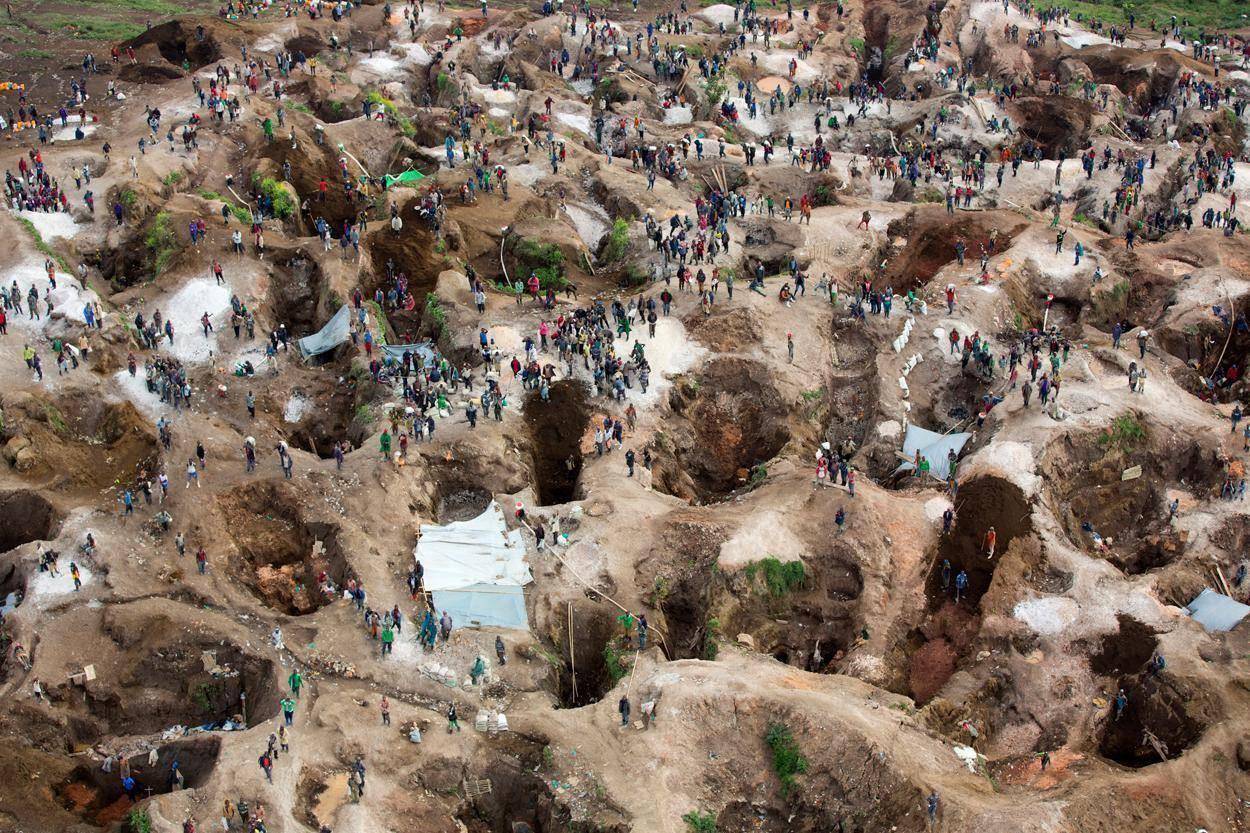
The DRC possesses some of the world’s most important minerals for contemporary industry, yet these resources have not translated into development or improved livelihoods for its citizens. Instead, ongoing conflict and resource exploitation have often marginalized local communities, exacerbating human rights abuses and economic disparities.
According to the International Trade Administration, DRC holds some of the World’s largest reserves of cobalt (about 50–70 percent of global supply), copper, coltan, lithium, and gold, which makes it a strategic epicenter in the global race for critical minerals. These resources are indispensable for electric vehicles, renewable energy technologies, and defense and aerospace industries.
The Washington Accords are a reward for an aggressor.
Questions remain about the intentions behind the US-brokered deal, particularly given its history of resource interests, its failure to ensure parties adhere to previous agreements, and ongoing concerns over Rwanda’s continued impunity.
“The peace agreement signed in June 2025 between Rwanda and the DRC under the auspices of the Trump administration raises serious concerns about whom it truly serves.” Oakland Institute’s featured report mentions, adding that the deal, “Rather than securing lasting peace for the Congolese people, it appears poised to benefit corporate and financial interests eager to access the country’s vast mineral wealth.”
Most mineral-rich areas are currently under the control of the M23 rebel group, including Rubaya, home to the largest coltan mine in the Great Lakes region. A 2024 report by a UN group of experts on the DRC stated that the AFC/M23 established a parallel administration that controlled mining activities, trade, transport, and the fraudulent taxation of minerals, which were then exported to Rwanda.
Rwanda has been a major exporter of tantalum (metallic ore derived from coltan) to the US over the last ten years, accounting for over 54% of US ore imports in certain years. A significant portion of this coltan, according to reports, was trafficked from the eastern DRC, and the problem has worsened since the M23 seized control of the Rubaya coltan mines in April 2024.
“Rwanda’s role as a refinery and export hub is of particular strategic interest to the United States, especially for securing reliable supplies of 3T minerals—tin, tantalum, and tungsten— critical to the US military-industrial complex.” Adds Mousseau.
Additionally, between 2017 and 2024, Rwanda’s mineral exports increased by nearly 500 percent –from US$373 million to US$1.75 billion – with gold the main export commodity, representing US$1.5 billion in 2024.
“The deal granted Rwanda privileged access to Congolese resources and a key role in their refining and reexport, especially for coltan and tungsten – a reward for an aggressor who has made hundreds of millions of dollars from the plundering of Congolese minerals. This impunity and injustice can’t bring peace to Congo,” added Mousseau.
In late 2025, Trinity Metals, Rwanda’s largest producer of “conflict-free” tungsten, initiated a historic direct supply chain of tungsten concentrate (WO3) to the United States with support from the US Development Finance Corporation (DFC) funds through its UK holding.
“DFC has financed Trinity Metals, and it started exporting tungsten to the US last year. And in October, there was a first shipment from this company to the US of tungsten, a critical mineral for the defense industry. Interestingly, the DFC doesn’t finance Trinity Metals directly, but through its holding company, the UK-based TechMEX, for a tune of $105 million.” Mousseau reveals.
Missing accountability for harm
With this evidence of mineral collaboration, and Rwanda being accused of exploiting minerals in the DRC, critics argue that the deal may actually create more room for exploitation rather than contribute to ending the war.
According to the MOSSAC International outreach coordinator, Dr. Deborah S Rogers, what the Rwandan Army is perpetrating in the DRC amounts to a crime against humanity and deserves to be held accountable rather than being rewarded to take control of DRC resources. “It’s not a normal war, of one army against another. It’s a terrorist campaign by those who invaded the DRC and took over the government. They are attempting to make people too scared to fight back.”
She further added, “They are being rewarded with exactly what they tried to seize through armed conflict. They took it by force, and now there is an agreement that effectively legalizes and normalizes the ongoing theft and the pillaging of the minerals from the DRC into Rwanda,” Dr. Deborah S Rogers told Witness Radio.
She explains that Rwanda has extended its control over lands that formerly belonged to DRC citizens, many of whom have been killed by armed groups. In contrast, others were forced into hiding, resulting in widespread dispossession.
“Rwanda seeks land because it is a small country with a growing population in need of more space. In the areas under their control, terror tactics are used to force people out. Residents face torture, killings, and sexual violence, making it impossible to live there safely. Many are internally displaced, while others flee to neighboring countries as refugees,” Dr. Deborah highlighted.
As Congolese seek safety, Rwandan settlers, according to Dr. Deborah, are moving into these farms and homes. “When people do return after violence has decreased temporarily in their home regions, they discover that Rwandese have taken over their lands and homes.”
Instead of addressing these serious concerns, civil society groups and experts allege that the Trump-brokered agreements focus primarily on Congolese minerals.
“The main agreements brokered by President Trump and his administration do not provide any reparations or compensation,” Frederic Mousseau revealed.
The United Nations Office of the High Commissioner for Human Rights has recorded some 600 summary executions, claiming more than 1,300 lives in the Democratic Republic of the Congo since October 2025.
“Nearly 1,500 people were abducted during the same period, and 1,200 others were subjected to physical violence, including torture, rape, and other inhumane treatment. The persistent use of sexual violence as a weapon of war inflicts unspeakable suffering on Congolese women and girls. Since October, our office has documented some 450 victims of sexual and gender-based violence,” said Nada Al-Nashif, Deputy High Commissioner for Human Rights, on Wednesday, March 25.
Amid rising violent tensions, the Congolese population is being hit hardest, while the peace deals are showing no effort to provide redress. Beyond the continued violence, hunger is also spreading.
“The conflict is expanding beyond North and South Kivu into Tshopo Province, which lies far from the epicenter of the fighting,” revealed Vivian van de Perre, interim head of MONUSCO, adding that approximately 26.6 million people, about a quarter of the country’s population, face hunger as a direct result of the conflict.
While the Washington Accords are presented as a pathway to peace, they risk entrenching exploitation and rewarding those who have profited from violence. Lasting stability in the DRC will only be possible when justice, accountability, and the protection of local communities are prioritized over geopolitical and corporate interests.


 Failed US-Brokered “Peace” Deal Was Never About Peace in DRC
 Profit off Peace? Meet the Corporations Poised to Benefit from the DRC Peace Deal
 Peace in DRC Requires More than Symbolic US Sanctions on Rwanda
 Discover How Foreign Interests and Resource Extraction Continue to Drive Congo’s Crisis



 EACOP PAPs have started a private criminal proceeding against Army General, Hoima Police Commander and others over their criminal acts during illegal land evictions.
 UPDF General on the spot over fresh evictions in Hoima
 Breaking: The army general, police chief, presidential representative, and others are appearing before the Hoima Chief Magistrate court today.
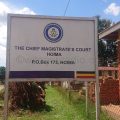 Court issues fresh criminal summonses against army general, police chief and presidential representative and others in a private criminal case.
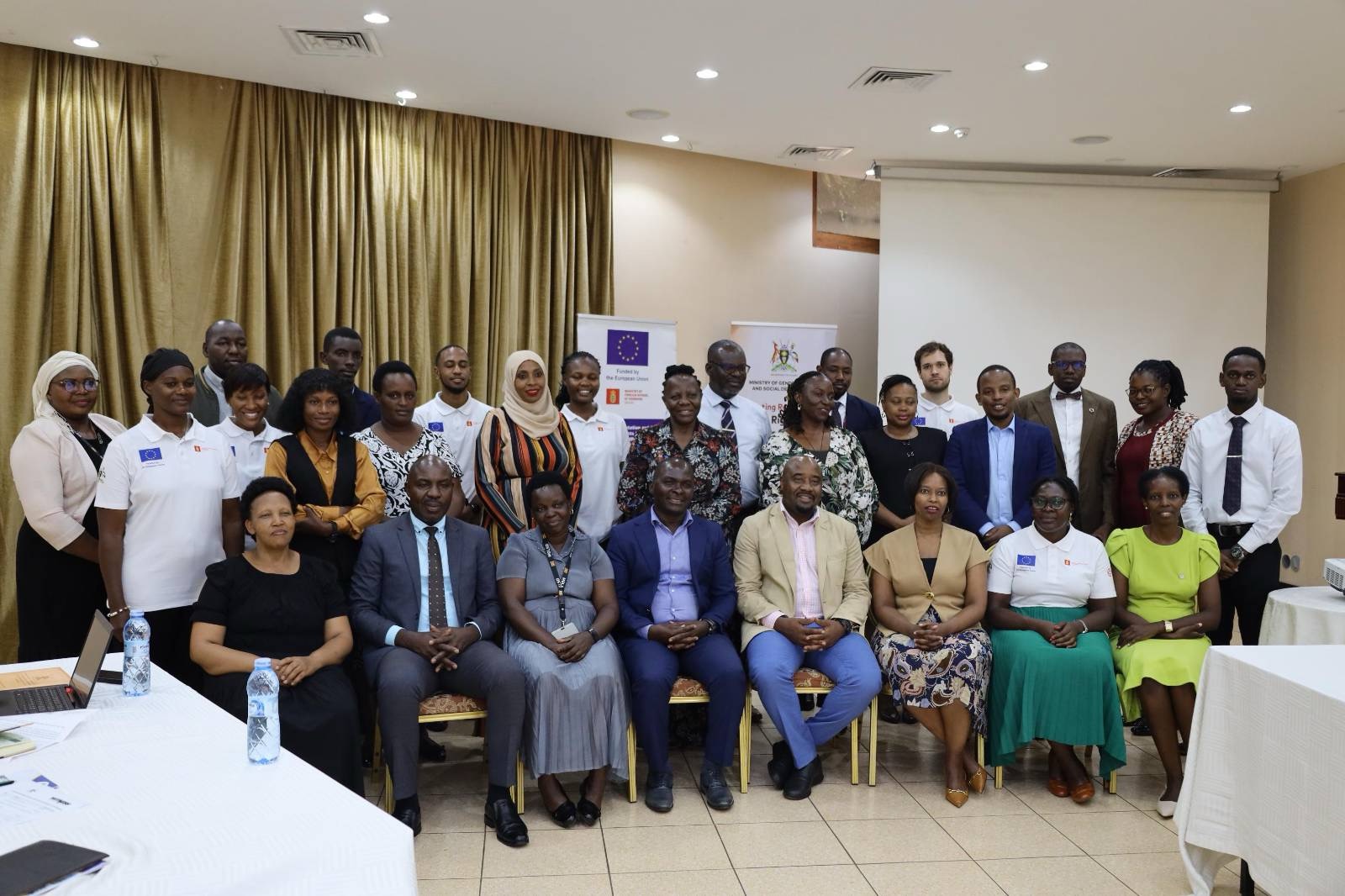
 Breaking Alert: Uganda passes the National Action Plan (NAP) on Business and Human Rights
 Africa’s responsible business agenda is facing challenges as more land is taken from local communities for investment, and landowners struggle to secure justice.
 The 4th African Forum on Business and Human Rights: The rapidly escalating investment in Africa is urgently eroding environmental conservation and disregarding the dignity, the land, and human rights of the African people.
 Land and environmental rights defenders, CSOs, scholars, and government to meet in Kampala to assess Uganda’s performance on the implementation of the UN Guiding principles on Business and Human Rights in Uganda.
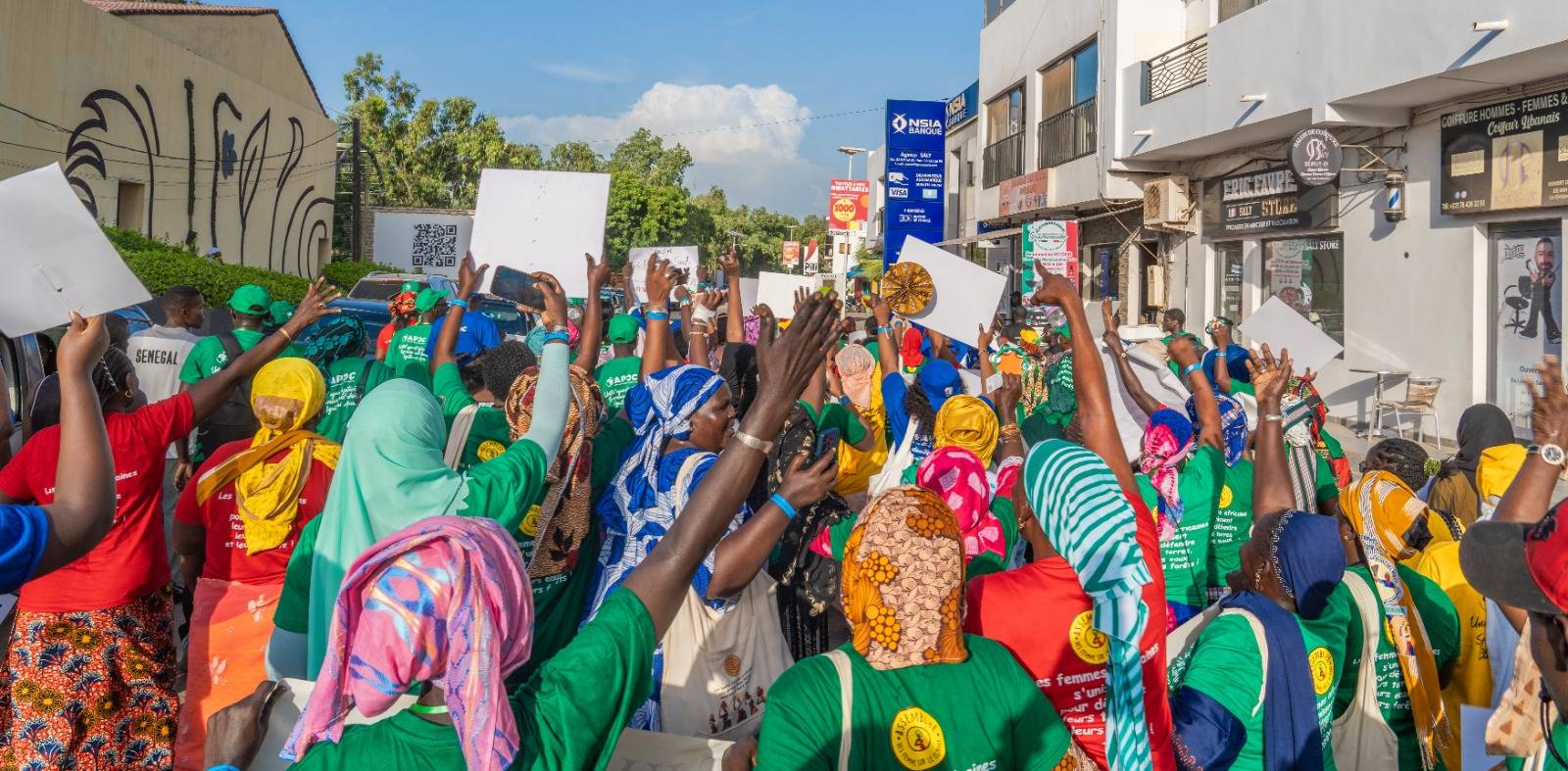
 African women push for reparations and environmental accountability after landmark Climate Justice Day.
 African women are rising for climate justice and reparations on the inaugural continental day of action.
 Breaking: West and Central African women meet in Senegal over the climate crisis.
 African women unite on the frontlines of the Climate Crisis





 MEDIA FOR CHANGE NETWORK2 weeks ago
 MEDIA FOR CHANGE NETWORK7 days ago
 MEDIA FOR CHANGE NETWORK6 days ago
 MEDIA FOR CHANGE NETWORK2 weeks ago
 MEDIA FOR CHANGE NETWORK1 week ago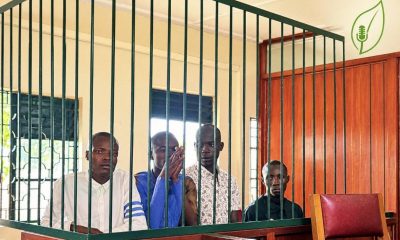
 MEDIA FOR CHANGE NETWORK2 weeks ago