
MEDIA FOR CHANGE NETWORK
World Bank Halts New Lending to Uganda Over Anti-LGBTQ Law


Related posts:
 World Bank branch indirectly backs coal megaproject despite green pledge
 30 civil society organizations have written to the World Bank Group demanding to publicly disclose the Africa Energy Approach paper.
 World Bank’s new scheme to privatize land in the developing world exposed
 WORLD BANK: Agriculture key to ending poverty in Uganda


Continue Reading
MEDIA FOR CHANGE NETWORK
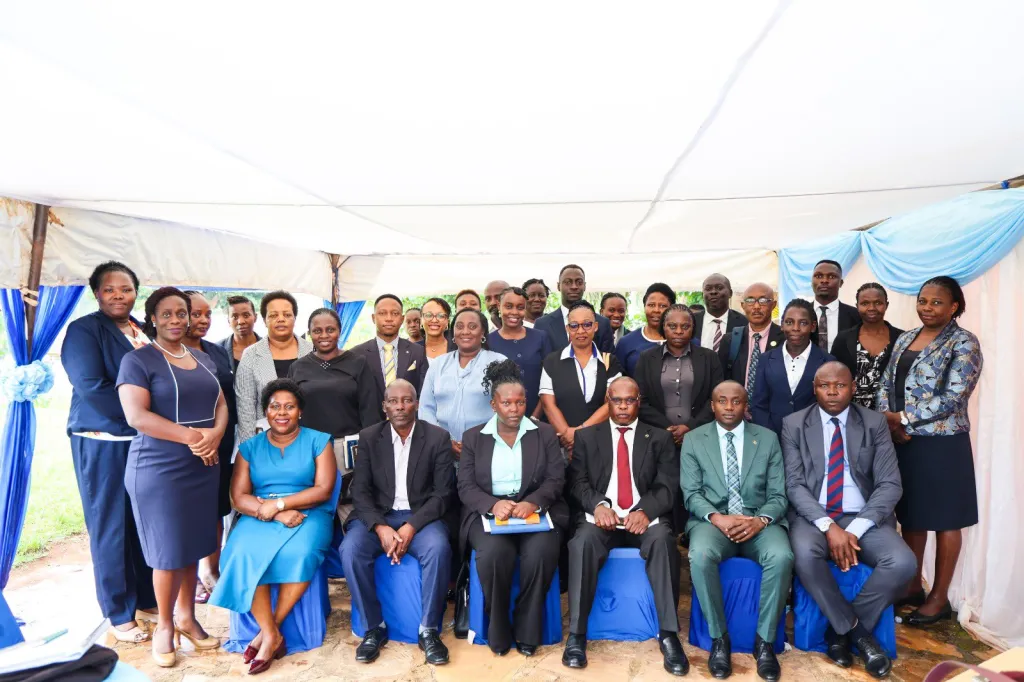
ODPP Staff Equipped With New Skills on Land Crimes, Witness Protection and Victims Rights
Related posts:

 Witness Radio Petitions ODPP urgently to review and withdraw criminal charges against Buvuma Community Land Defenders.
 Witness Radio petitions chief prosecutor: Want 34 community land rights defenders and activists released from prison.
 Mubende district police are aiding land grabbing and committing crimes against locals they are obliged to protect.
 Uganda: the number of community environmental and land rights defenders targeted for challenging irresponsible business practices has reached more than 1500 victims as of June 31st, 2023.
MEDIA FOR CHANGE NETWORK
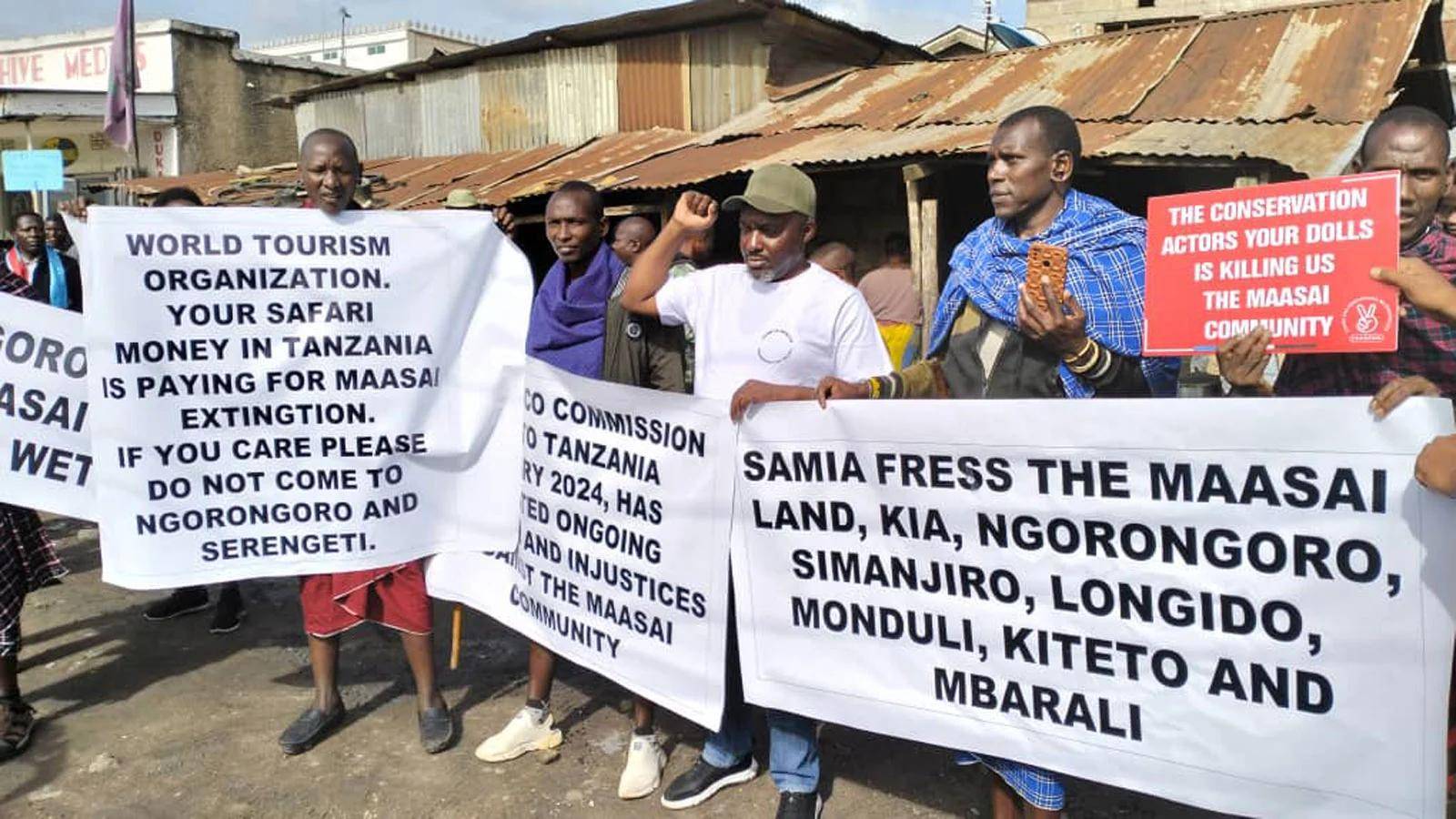
Defending ancestral land comes at a steep price as Maasai communities in Tanzania face relentless, mounting pressure.
Related posts:
 Maasai protest evictions from Ngorongoro as UN experts warn conservation must respect rights
 Tanzania: Commissions call for mass eviction of Indigenous Maasai from world-famous tourist destinations.
 More than 17,000 people in the Philippines face eviction from their ancestral land for a multimillion-dollar energy project.
 Tanzanian Government Abducts Maasai Villagers in an Unconscionable Attack on Indigenous Land Defenders
MEDIA FOR CHANGE NETWORK
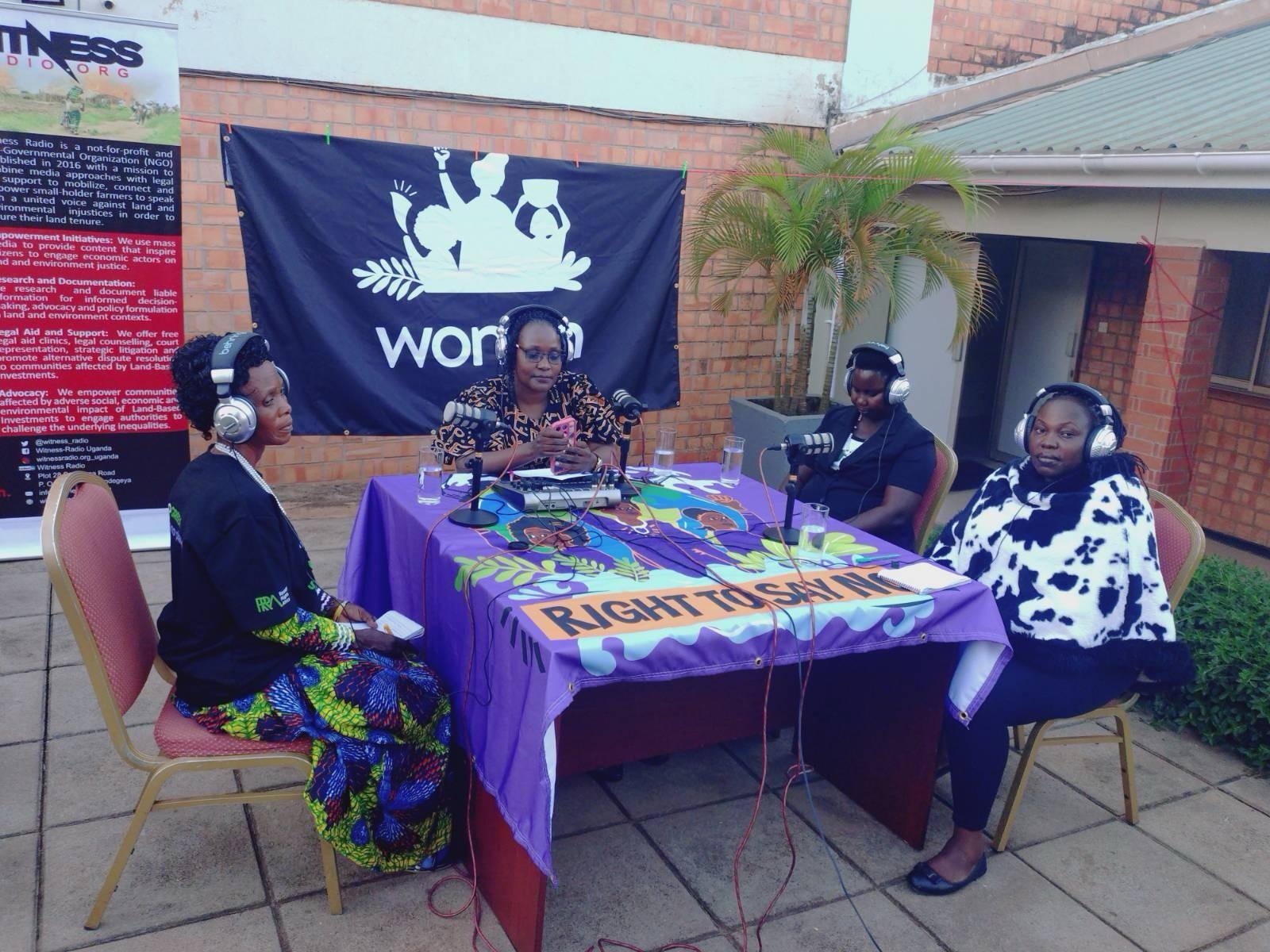
As waves of investment sweep across Uganda, countless women rise to defend their land, safeguard their traditions, and claim their right to be heard.
Related posts:

 In memory of land and investment women victims in Uganda on the International Women’s Day 2021
 Women’s Climate Assembly, 2024: African women vow to protect human and environmental rights amidst an influx of destructive land-based investments on the continent.
 Thirteen years after the Karuma Hydropower Project broke ground, countless people forced from their homes are still waiting for the compensation and resettlement they were promised.
 Land as a security issue: endless forced land evictions and impunity threaten Uganda’s peace, lawlessness on the rise.

MEDIA FOR CHANGE NETWORK23 hours ago
ODPP Staff Equipped With New Skills on Land Crimes, Witness Protection and Victims Rights

NGO WORK1 day ago
As World Bank Holds Annual Meetings, 84,000 Tanzanians Call for Justice

FARM NEWS1 day ago
Teso farmers revamp grapefruit growing

MEDIA FOR CHANGE NETWORK2 days ago
Defending ancestral land comes at a steep price as Maasai communities in Tanzania face relentless, mounting pressure.

MEDIA FOR CHANGE NETWORK4 weeks ago
While hunger continues to grip the world, a new report highlights forests and forest foods as a hidden treasure trove of nourishment.

MEDIA FOR CHANGE NETWORK3 weeks ago
Five years after Uganda’s National Action Plan on Business and Human Rights, are local communities hosting land-based investment projects seeing change?

FARM NEWS3 weeks ago
Lango ex-combatants count losses after dry spell destroys maize harvest

MEDIA FOR CHANGE NETWORK3 weeks ago
Alert: Land degradation is emerging as a pressing threat to global security.

Witness Radio Documentaries4 years ago
Innovative Finance from Canada projects positive impact on local communities.
Witness Radio Documentaries8 years ago
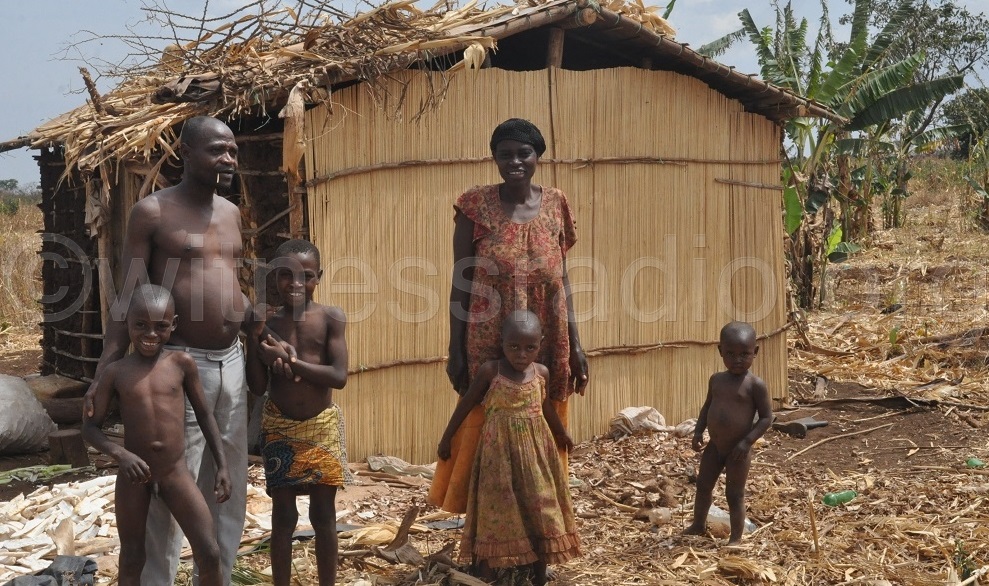
Over 5000 Indigenous Communities evicted in Kiryandongo District

Witness Radio Documentaries9 years ago
Petition To Land Inquiry Commission Over Human Rights In Kiryandongo District

Witness Radio Documentaries9 years ago
Invisible victims of Uganda Land Grabs
-

 MEDIA FOR CHANGE NETWORK2 weeks ago
Sweeping investments are fueling widespread land grabbing and deepening rights violations across Uganda – Report.
-
 MEDIA FOR CHANGE NETWORK2 weeks ago
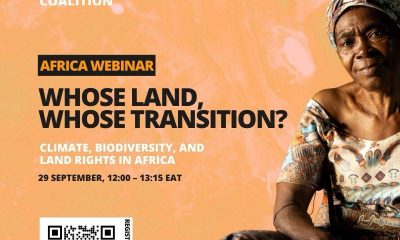
Across Africa, the push for a greener future is putting new pressure on local communities, as recent ILC case studies highlight.
-
 MEDIA FOR CHANGE NETWORK2 weeks ago
Who will shape the future of East Africa’s seeds? Youth and civil society are sounding the alarm over a proposed regional law.
-
 MEDIA FOR CHANGE NETWORK3 days ago
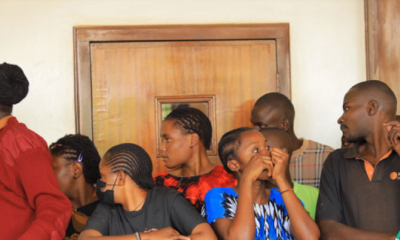
Court remands 10 anti-oil activists as suspect collapses in dock
-
 NGO WORK3 days ago
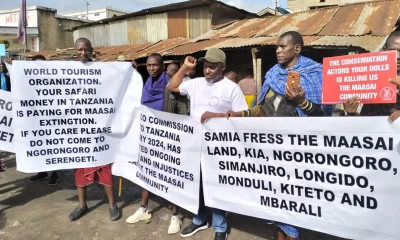
Tanzanian Government Abducts Maasai Villagers in an Unconscionable Attack on Indigenous Land Defenders
-
 FARM NEWS2 weeks ago
Govt pushes natural regeneration to restore 8.4 million hectares
-
 FARM NEWS1 week ago
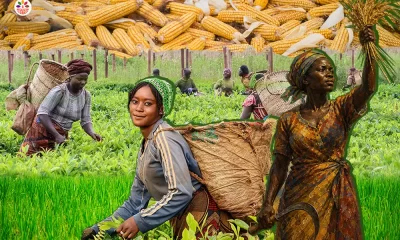
Can Agroecology Improve the Resilience of African Smallholder Farmers?
-

 MEDIA FOR CHANGE NETWORK1 week ago
Death Of Witnesses Cited Among Causes Of Land Case Backlog