
NGO WORK
US-DRC Strategic Partnership Agreement Faces Constitutional Challenge in Court


Related posts:

 Failed US-Brokered “Peace” Deal Was Never About Peace in DRC
 Profit off Peace? Meet the Corporations Poised to Benefit from the DRC Peace Deal
 Grain trader Cargill faces legal challenge in US over Brazilian soya supply chain
 Mps Are Likely To Defy Electorates On Age-Limit Constitutional Amendment – Survey


NGO WORK
Tanzania: Commissions call for mass eviction of Indigenous Maasai from world-famous tourist destinations.
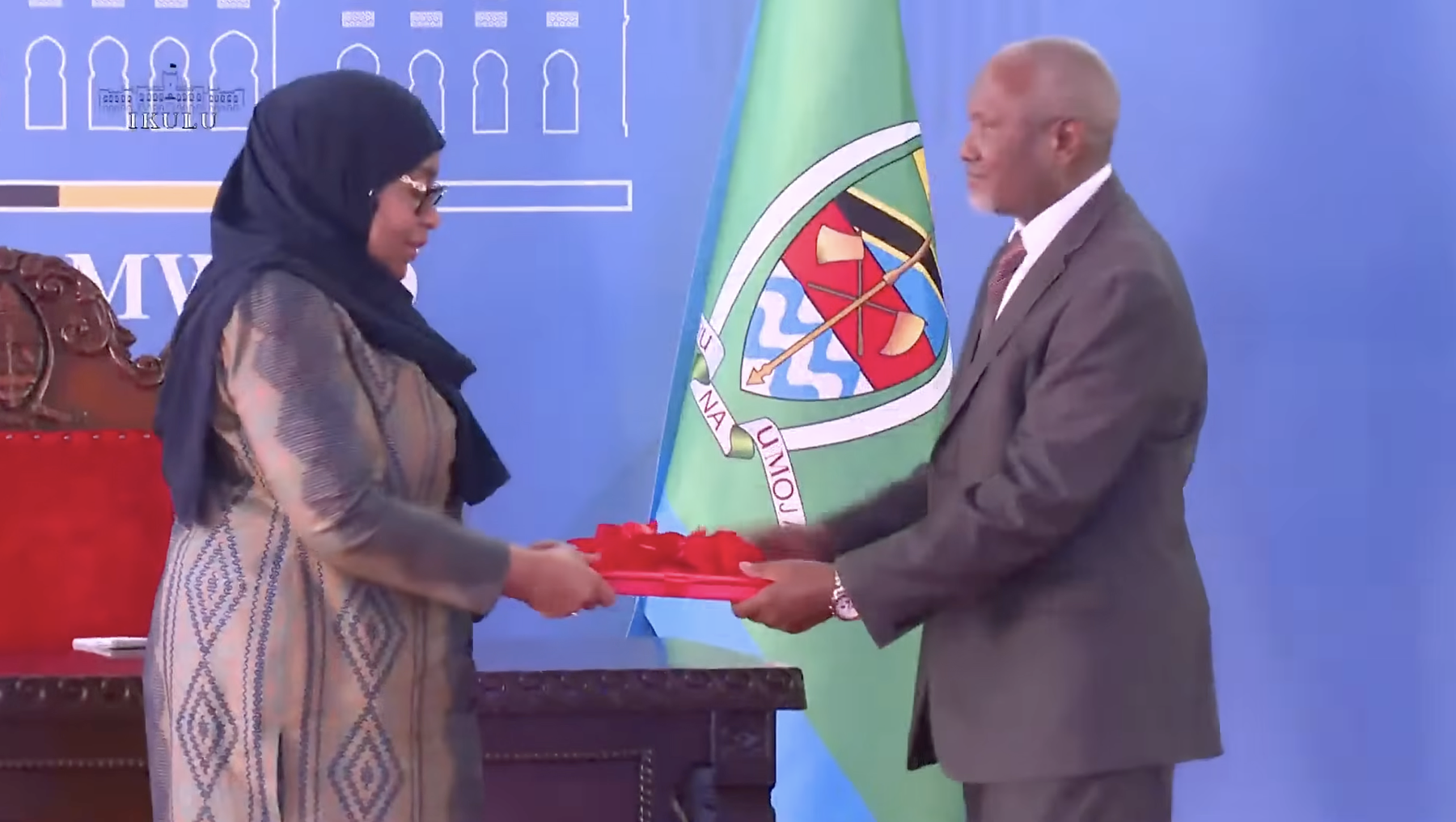
Two presidential commissions have recommended the mass eviction of Maasai people from some of East Africa’s most iconic conservation areas and tourist destinations.
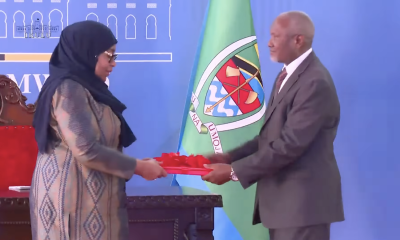
The commissions were established by Tanzania’s President Samia Suluhu Hassan following previous evictions of Maasai pastoralists from parts of the world-famous Serengeti ecosystem, and large-scale protests in the Ngorongoro Conservation Area in 2024.
Now, despite a global outcry at the earlier evictions, the two Commissions have:
- Backed the previous evictions and called for them to continue, including in the UNESCO World Heritage Sites of Ngorongoro and neighboring Lake Natron.
- Described the long-standing Maasai presence in the area as an “environmental pressure” that needs to be reduced.
- Threatened local NGOs that support the Maasai, accusing them of “spreading misinformation or propaganda” because they “conflict with government interests.”
- Called for the “relocation” of all “non-conservation activities” [in other words, Maasai occupancy of the land] outside the conservation areas.
- Called for existing recognition of the Maasai people’s right to live in the Ngorongoro area to be removed.
An anonymous Maasai spokesperson said today: “We are blamed for environmental degradation while the unchecked expansion of tourism is ignored. Forced relocation, disguised as policy, has deprived our people of basic rights and dignity. We reject any continuation of these measures and condemn the Commission’s failure to reflect the voices, realities, and rights of our people.”
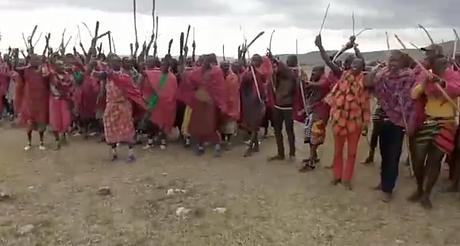
The authorities maintain that these are “voluntary relocations.” However, the Maasai have overwhelmingly rejected being moved.
The Ngorongoro Conservation Area is a UNESCO World Heritage Site. When it was established, the ancestral right of the Maasai to live there with their cattle was explicitly acknowledged. But UNESCO’s World Heritage Committee has backed the so-called “voluntary relocations”, and UNESCO endorses the “fortress conservation” model that underpins Tanzania’s approach.
Survival International Director Caroline Pearce said today, “These commissions were a sham, a gimmick designed to give Tanzania’s violent persecution of the Maasai a veneer of respectability. It was widely predicted that they’d back further evictions: the whole saga just confirms that colonial-style fortress conservation is alive and well in Tanzania today, and enthusiastically endorsed by UNESCO.
“These recommendations give the green light to more evictions, in Ngorongoro and beyond. And while the Maasai are robbed of their lands and livelihood, the government, tour operators and so-called conservationists will enrich themselves from a landscape emptied of its original owners.”
Source: survivalinternational.org
Related posts:

 The Oakland Institute Calls on the Tanzanian Presidential Land Commissions to Respect & Ensure Rights of Maasai Living in the Ngorongoro Conservation Area
 Call to Sever Ties with Tanzanian Government Over Latest Human Rights Abuses Against the Maasai
 Worldwide Condemnation Over Violence against the Maasai by Tanzania Security Forces
 US Luxury Safari Operator Tightens Stranglehold Over Maasai Land in Tanzania
NGO WORK
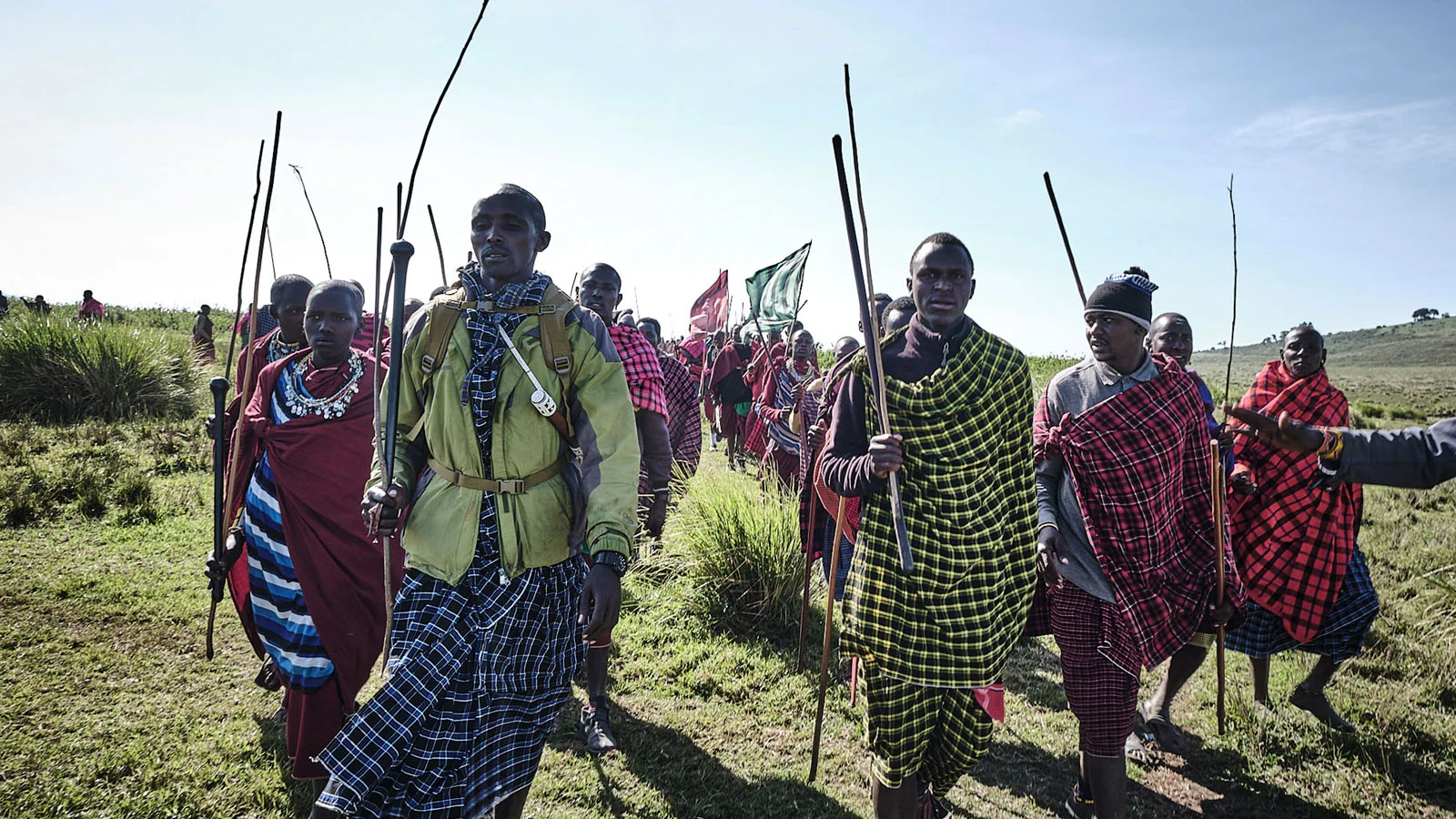
Sham Presidential Commissions Rubber Stamp Tanzanian Government’s Efforts to Evict Indigenous Maasai from Ngorongoro Conservation Area
Related posts:
 Tanzanian Government’s Sustained Campaign Against the Maasai in Loliondo and the Ngorongoro Conservation Area
 URGENT ALERT: Tanzanian Government on a Rampage Against Indigenous People
 Tanzanian Government Continues Violent Repression of the Maasai in Loliondo Despite Worldwide Condemnation
Call to Sever Ties with Tanzanian Government Over Latest Human Rights Abuses Against the Maasai
Tanzanian Government Continues Violent Repression of the Maasai in Loliondo Despite Worldwide Condemnation
Call to Sever Ties with Tanzanian Government Over Latest Human Rights Abuses Against the Maasai

Related posts:
Profit off Peace? Meet the Corporations Poised to Benefit from the DRC Peace Deal
Discover How Foreign Interests and Resource Extraction Continue to Drive Congo’s Crisis
 US-DRC Strategic Partnership Agreement Faces Constitutional Challenge in Court
 DR Congo crisis: Washington’s brokered peace agreement is rendered useless as fighting, forced land displacement, and mineral exploitation persist…

Oil-affected residents and civil society organizations reject TotalEnergies’ Tilenga Progress Report, citing unfairness in their operations.

Tanzania: Commissions call for mass eviction of Indigenous Maasai from world-famous tourist destinations.

Sham Presidential Commissions Rubber Stamp Tanzanian Government’s Efforts to Evict Indigenous Maasai from Ngorongoro Conservation Area

African countries forced to extract fossil fuels to service external debt: Report

USA, Israel, and Iran War effects: Why the world cannot afford to delay the renewable energy transition?

Statement by Witness Radio- Legal Aid Clinic on International Women’s Day 2026; Scaling Up Investment to Accelerate Access to Justice for Women and Girls Defending Land and Environmental Rights

COVID-19 unending effects: Demand for land to host refugees in Uganda caused forced land displacement and pushed the refugee-hosting community into Internally Displaced Camps (IDPs).
Oil-affected residents and civil society organizations reject TotalEnergies’ Tilenga Progress Report, citing unfairness in their operations.

Innovative Finance from Canada projects positive impact on local communities.

Over 5000 Indigenous Communities evicted in Kiryandongo District

Petition To Land Inquiry Commission Over Human Rights In Kiryandongo District

Invisible victims of Uganda Land Grabs
-
 MEDIA FOR CHANGE NETWORK4 days ago
Oil-affected residents and civil society organizations reject TotalEnergies’ Tilenga Progress Report, citing unfairness in their operations.
-

 NGO WORK2 weeks ago
Peace in DRC Requires More than Symbolic US Sanctions on Rwanda
-

 MEDIA FOR CHANGE NETWORK2 weeks ago
DR Congo crisis: Washington’s brokered peace agreement is rendered useless as fighting, forced land displacement, and mineral exploitation persist…
-

 MEDIA FOR CHANGE NETWORK2 weeks ago
StopEACOP Campaign challenges TotalEnergies assessment of Uganda land acquisition programme
-
 MEDIA FOR CHANGE NETWORK2 weeks ago
More than 1.1 billion people worldwide face a risk of land eviction – Global report
-
 NGO WORK6 days ago
Sham Presidential Commissions Rubber Stamp Tanzanian Government’s Efforts to Evict Indigenous Maasai from Ngorongoro Conservation Area
-
 NGO WORK5 days ago
Tanzania: Commissions call for mass eviction of Indigenous Maasai from world-famous tourist destinations.
-
 MEDIA FOR CHANGE NETWORK1 week ago
African countries forced to extract fossil fuels to service external debt: Report