
MEDIA FOR CHANGE NETWORK
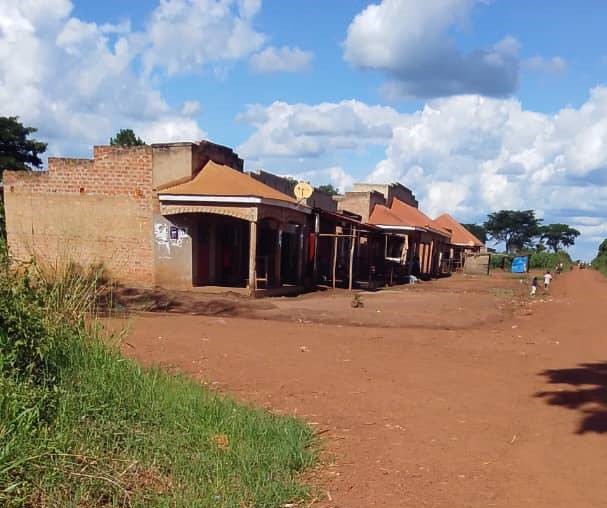
More than 500 Masindi residents live in fear as a tycoon targets their land.

Related posts:
 Nine (9) years and still counting: Buvuma residents still await compensation for land grabbed by the Oil palm project.
 A dead body recovered in a resident’s garden is causing sleepless nights to community members in fear of arrests and false charges.
 A man implicated in illegal evictions targets women land rights defenders in Mubende with a civil suit.
 New! The Eyes on a Just Energy Transition in Africa Program is now live on Witness Radio.

MEDIA FOR CHANGE NETWORK
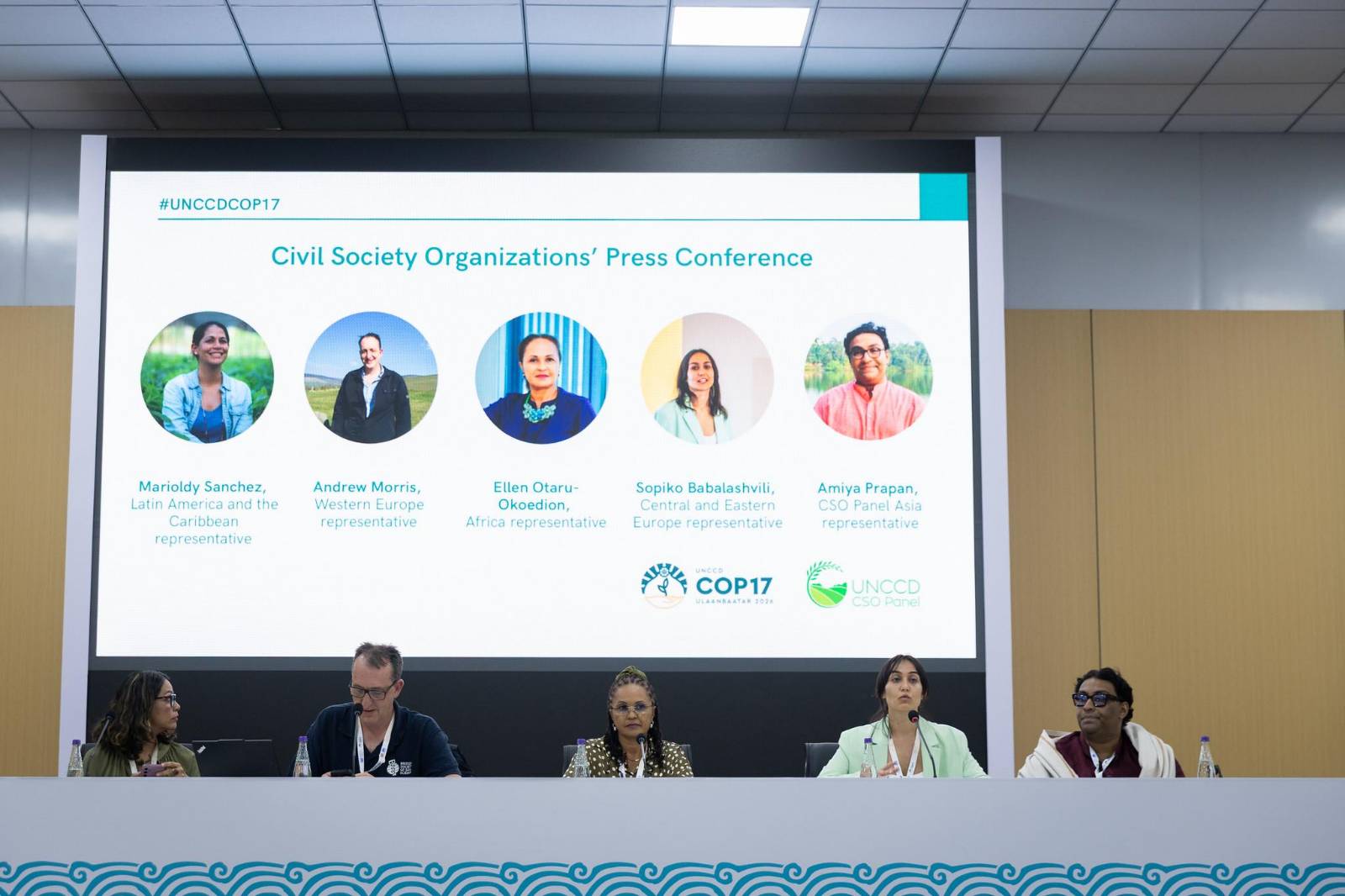
Civil society groups at UNCCD COP17 are calling for urgent action on land rights, drought, and vital funding.
Related posts:

 UNCCD COP16: NGOs issue a stark warning and call for urgent actions to deal with the escalating threats of desertification, land degradation, and drought.
 Civil society groups scoff at AfDB’s New African Financial Architecture Initiative, saying it’s here to worsen challenges facing African food systems.
 COP16 in Riyadh: World Leaders Commit $12.15B to Combat Land Degradation and Drought
 The joint final review of the National Land Policy 2013, a significant and collaborative effort between the government and Civil society organizations, is underway.
MEDIA FOR CHANGE NETWORK
South Africa’s top court blocks Shell oil exploration off country’s Wild Coast
Related posts:
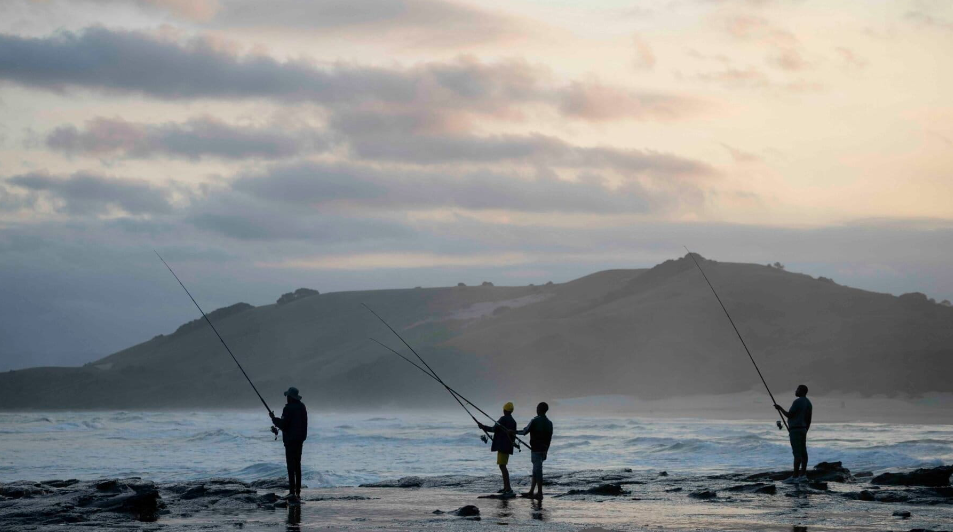
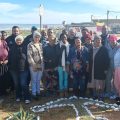 Small-scale fishers and coastal communities are pushing to testify before a human rights commission investigating the causes of food inequality in South Africa.
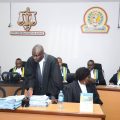 The East Africa regional court dismisses a case challenging the construction of the EACOP project.
 Happening shortly! Kenya’s upcoming court ruling on the Seed Law could have a significant impact on farmers’ rights, food sovereignty, and the country’s food system.
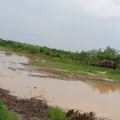 Total Energies’ oil exploration activities are displacing dozens of families due to flooding.
Related posts:
 Sembabule district suspends land title issuance over rampant disputes
 Minister Cancels Contested 12-Square-Mile Land Title in Mubende
 Kibaale Residents Raise Corruption Concerns Over Delayed Land Title Processing
 Breaking; Lands Minister directs police chief to arrest armed mobs involved in forced and illegal land evictions.

Civil society groups at UNCCD COP17 are calling for urgent action on land rights, drought, and vital funding.

South Africa’s top court blocks Shell oil exploration off country’s Wild Coast

UNCCD COP17 kicks off in Mongolia, drawing nations together to tackle urgent issues of land, drought, and food security.

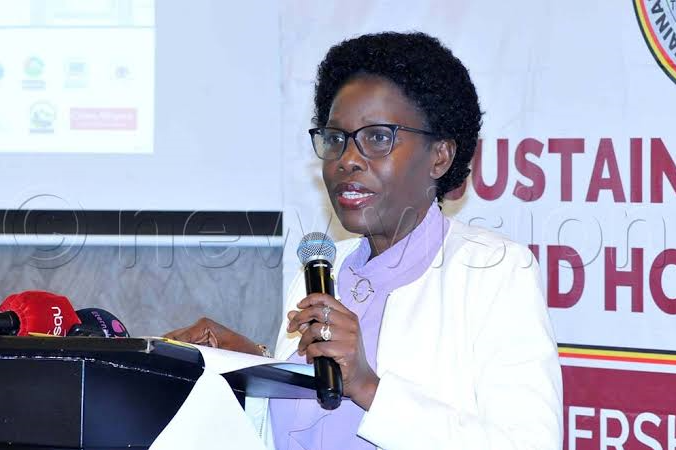
Minister Nabakooba wants special land title issuance halted

Africa’s El Niño Economic Impact: $20B at Risk in 2026

Uganda is grappling with mounting land struggles as the needs of refugees collide with the rights and hopes of the communities that host them.
Minister Nabakooba wants special land title issuance halted

Who buys Rwanda’s smuggled coltan? The global journey of conflict coltan from DRC to the world’s electronics

Innovative Finance from Canada projects positive impact on local communities.
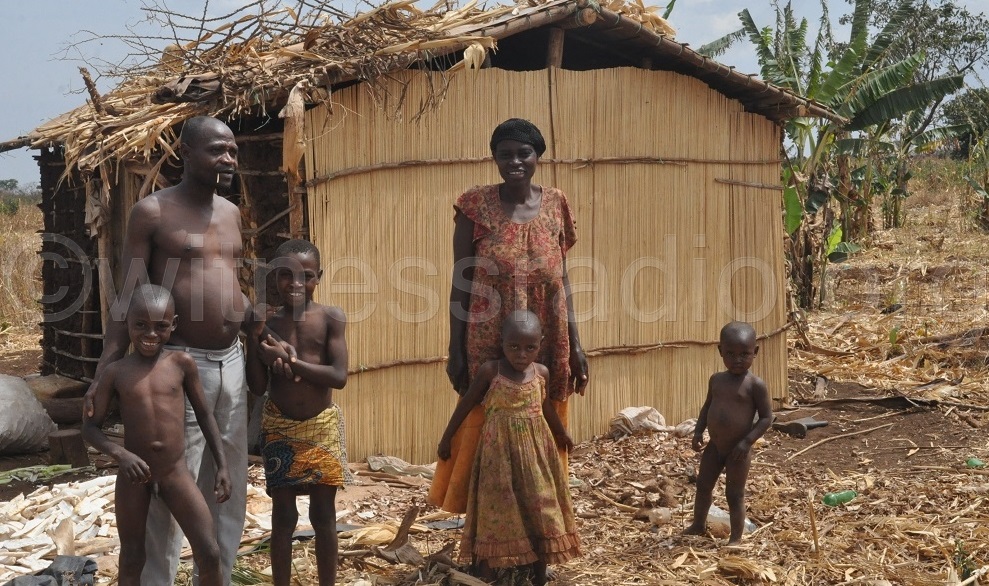
Over 5000 Indigenous Communities evicted in Kiryandongo District
Petition To Land Inquiry Commission Over Human Rights In Kiryandongo District

Invisible victims of Uganda Land Grabs
-
 MEDIA FOR CHANGE NETWORK7 days ago
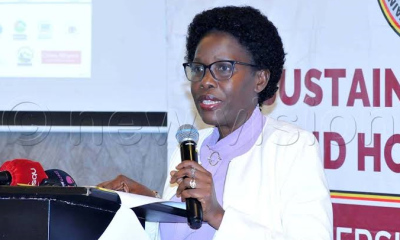
Minister Nabakooba wants special land title issuance halted
-

 MEDIA FOR CHANGE NETWORK2 weeks ago
Youth activists detained as they boldly petition Parliament, demanding a future for Uganda free from oil dependency.
-
 MEDIA FOR CHANGE NETWORK2 weeks ago
Four youth activists now face public nuisance charges after their arrest during a bold march toward Parliament.
-
 WITNESS RADIO MILESTONES7 days ago
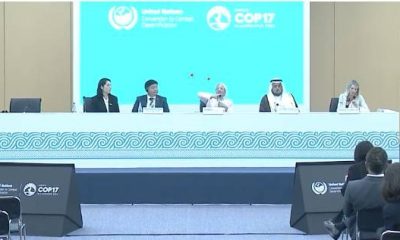
UNCCD COP17 kicks off in Mongolia, drawing nations together to tackle urgent issues of land, drought, and food security.
-
 WITNESS RADIO MILESTONES2 weeks ago
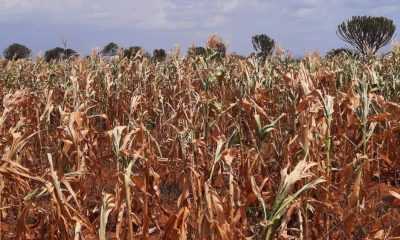
Karamoja stands on the brink, with nearly half a million people gripped by acute hunger.
-
 MEDIA FOR CHANGE NETWORK2 weeks ago
Experts rally the region to unite behind East Africa’s transformative Agroecology Bill.
-
 MEDIA FOR CHANGE NETWORK6 days ago
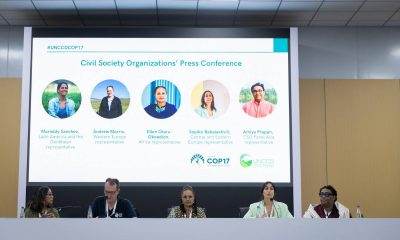
Civil society groups at UNCCD COP17 are calling for urgent action on land rights, drought, and vital funding.
-
 MEDIA FOR CHANGE NETWORK6 days ago
South Africa’s top court blocks Shell oil exploration off country’s Wild Coast