
FARM NEWS
Corporations make a killing milking Africa

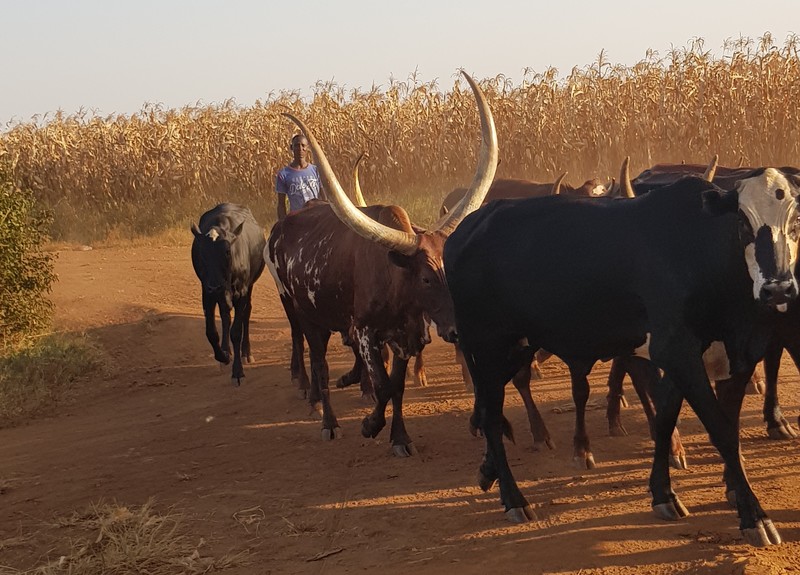
A Ugandan cattle herder with indigenous Ankole Long-horned cattle searches for pasture, in an area where local lands were grabbed by a foreign company for a plantation.
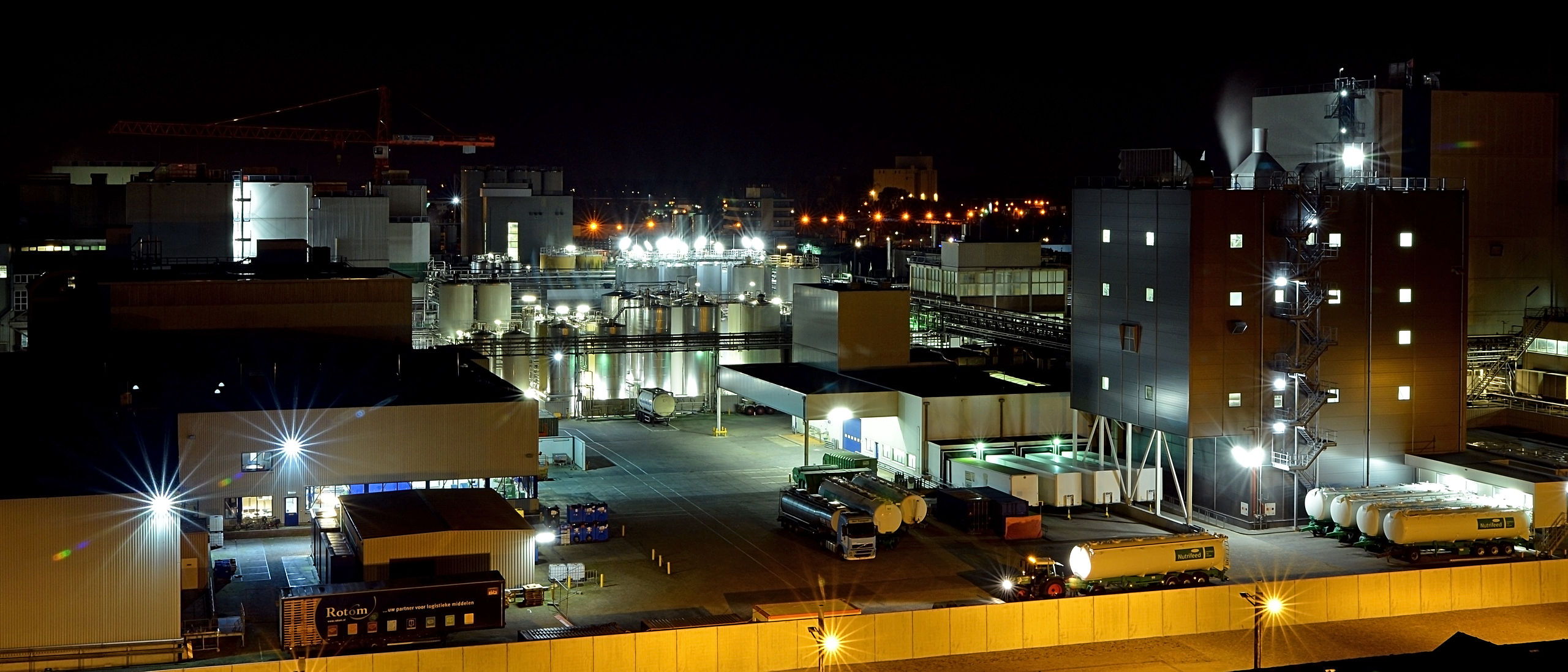
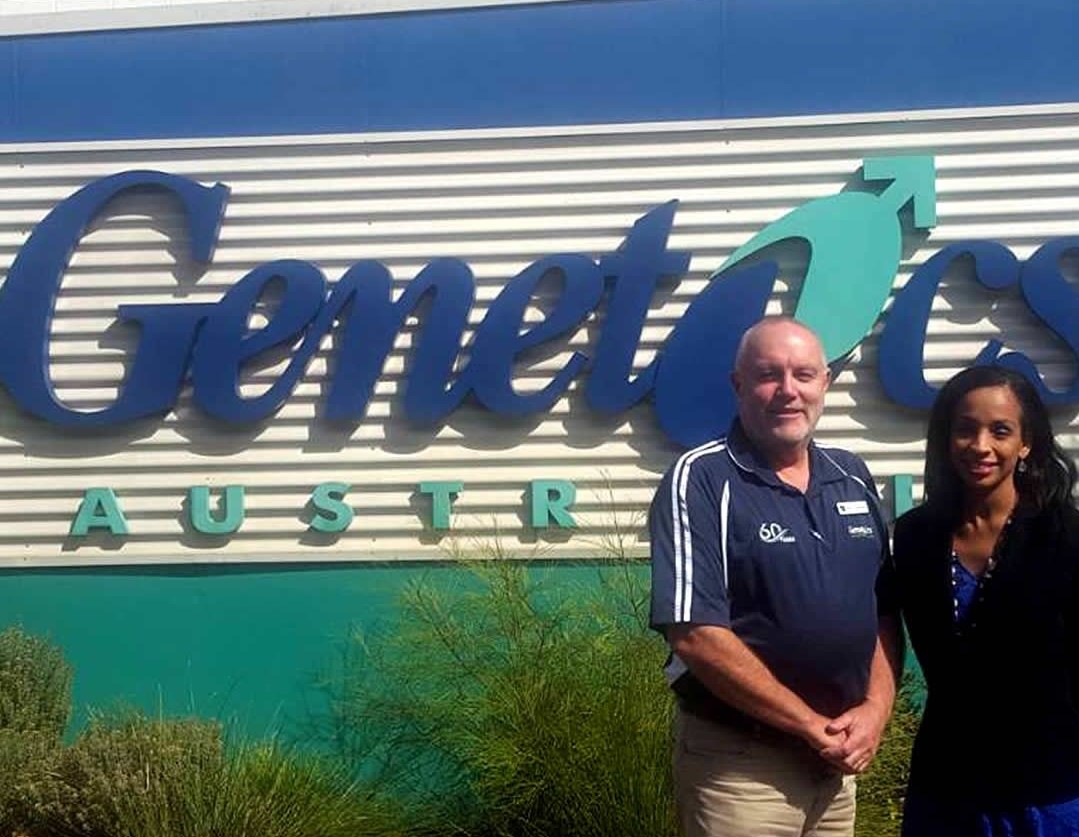
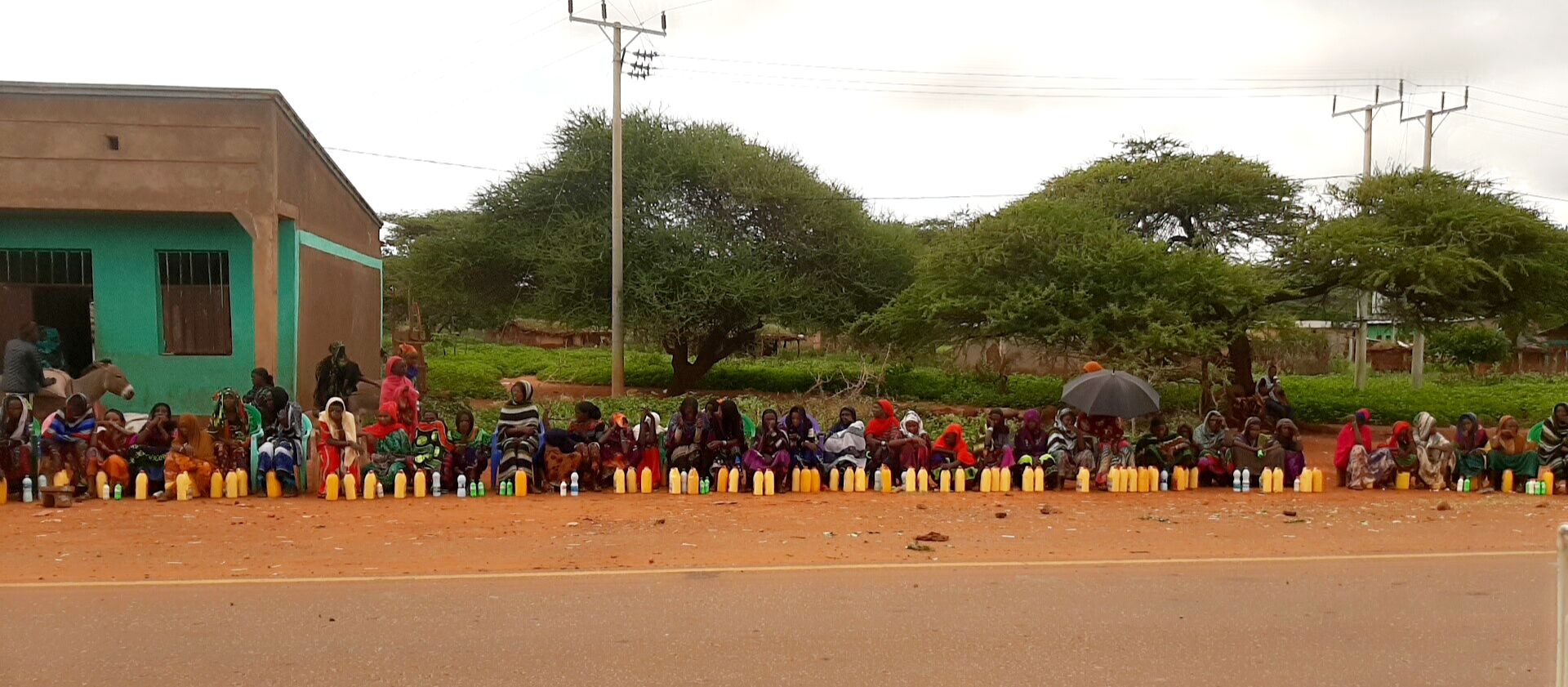
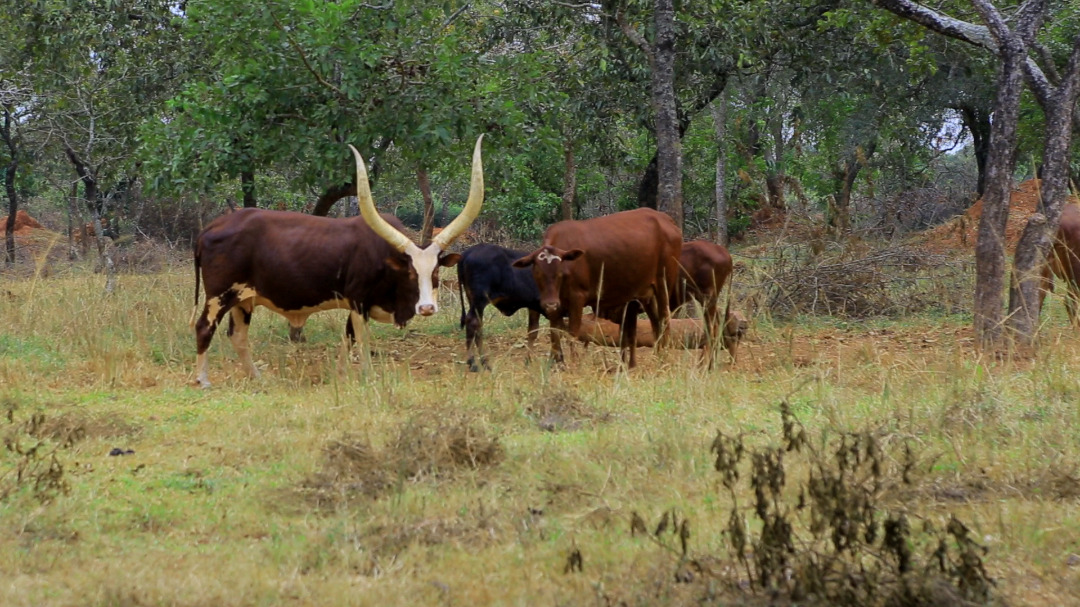
In recent years, farmers and even pastoralists have been pushed to adopt “high-yielding” breeds of cows, often crosses between the cows used on industrial dairy farms in Europe and local breeds. These new breeds are offered to women, particularly widows and single mothers in the rural areas of the countries where organisations like Send A Cow and Heifer International operate. By their nature, these foreign breeds are costly and come with onerous instructions for care, health and reproduction, for which the farmers have to take on debt to purchase costly veterinary products, shelters and artificial insemination.
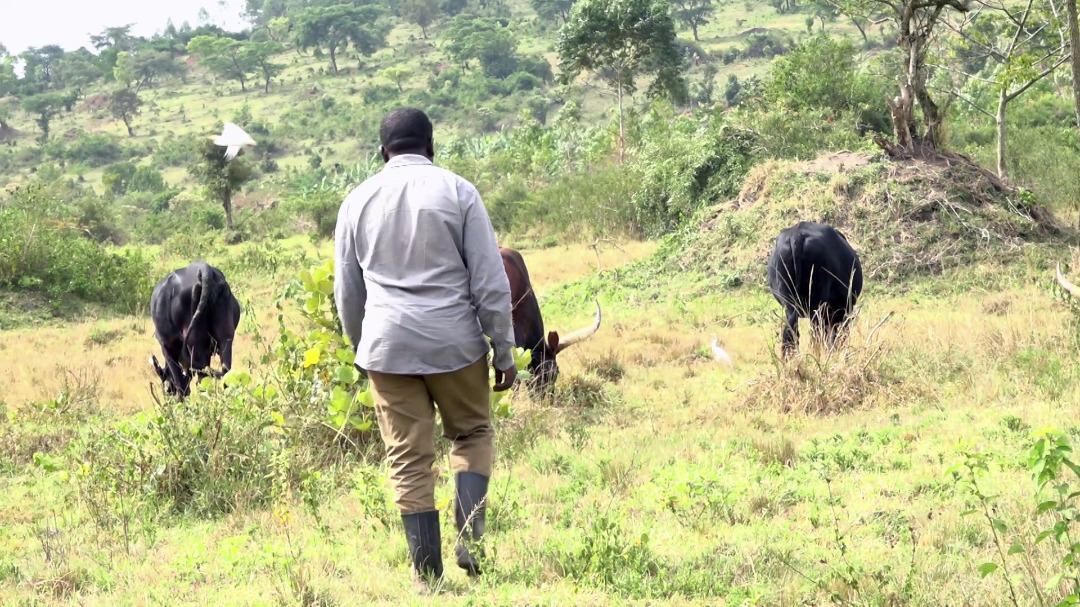
When dairy imports are curtailed, smallholder dairies in Africa will step into the void and meet the local demand, as they have wherever such measures are put in place. They can do so without adopting Europe’s industrial dairy farming practices and breeds of livestock. In fact, Africa’s local livestock systems and breeds of animals are highly efficient in securing milk and livelihoods for local communities and much more adapted to the context of climate change than the industrial models.
|
Company
|
Countries
|
Private equity/corporations involved
|
Notes
|
|
Société Africaine des Produits Laitiers et Dérivés (SAPLED)
|
Côte d’Ivoire
|
Duet Private Equity
|
In 2015, the UK-based private equity group Duet acquired SAPLED from the Sifaoui Group. In 2019, workers at the company’s factory in Abidjan went on strike over two months of unpaid wages. Thirteen months later, in February 2021, they were back on strike, this time over four months of unpaid wages. The General Director blamed the company’s debts for the unpaid wages.
|
|
MB Plc
|
Ethiopia
|
Cerberus Capital Management
|
In 2016, Singapore-based SGI Frontier Capital, which was backed by the UK’s CDC Group, acquired a 45% stake in MB Plc, makers of the Family Milk brand in Ethiopia. In 2018, CSGI Frontier Capital was acquired by Cerberus Capital Management of the US.
|
|
Fan Milk
|
Ghana, Nigeria, Côte d’Ivoire, Togo, and Burkina Faso
|
Danone, Abraaj Group
|
In 2013, the private equity fund Abraaj Group and Danone acquired Ghana-based Fan Milk, “the leading manufacturer and distributor of frozen dairy products and juices in West Africa”. In 2019, Danone acquired Abraaj’s stake, giving it 100% control of the company. In February 2021, Fan Milk announced an agreement with Nigeria’s Ogun State to build a large-scale dairy farm.
|
|
Countryside Dairy
|
Kenya
|
DobEquity, Acumen (FMO, Proparco, etc)
|
In 2016, the Dutch private equity firm DobEquity purchased a stake in newly established dairy processor Countryside Dairy. In 2021, it received further investment from the Acumen Resilient Agriculture Fund, a fund managed by New York-based private equity firm Acumen and backed by the Dutch development bank FMO and the French development bank Proparco, along with the Soros Economic Development Fund.
|
|
Brookside Dairy
|
Kenya, Rwanda, Uganda
|
Danone, Abraaj Group
|
Kenya-based Brookside is the largest dairy processor in East Africa, buying milk daily from 200,000 farmers and operating in 12 countries. It was founded and remains majority owned by the family of the Kenya’s president, Uhuru Kenyatta. Brookside’s expansion has been aided by foreign investment, first from Abraaj Group of Dubai, which held a 10% stake via a fund partly owned by the Bill and Melinda Gates Foundation before its collapse in 2018, and then the French dairy giant Danone, which now holds a 40% stake.
|
|
L&Z
|
Nigeria
|
Sahel Capital
|
In 2015, the Fund for Agricultural Finance in Nigeria acquired a 25% stake in the Nigerian dairy processor L&Z Integrated Farms. The Kano State dairy company was founded by Muhammadu Damakka. The Fund for Agricultural Finance in Nigeria is managed by Nigerian private equity firm Sahel Capital and is backed by Nigeria’s sovereign wealth fund and the development banks of Germany (DEG), the Netherlands (FMO) and the UK (CDC). In June 2021, Sahel disclosed that it was in the midst of an exit from the company.
|
|
Sosaco Nigeria
|
Nigeria
|
GBfoods Africa Holdco (jointly owned by GB Foods of Spain and Helios)
|
Sosaco was a subsidiary of the Honk Kong trading company Watanmal, whose main products are tomato paste imported from China and sold under the Gino brand and Jago processed milk. In 2017, GB Foods of Spain and the private equity fund Helios Investors III acquired Watanmal’s African operations, alongside a USD15.5 million investment from the World Bank’s IFC.
|
|
Ndoto Farms
|
Tanzania
|
AgDevCo
|
In 2013, Ndoto Farms, a dairy farm in Iringa with a herd of around 350 cattle, received a USD 90,000 investment from the AgDevCo, a UK private equity fund that mainly invests on behalf of the UK’s DFID.
|
|
Tanga Fresh
|
Tanzania
|
DobEquity
|
Tanga Fresh operates Tanzania’s largest dairy processing plant in the Tanga region, where the government and foreign donors have been promoting the development of dairy farming. The company received an initial investment from the Dutch private equity firm DOB Equity in 2007 and a further, undisclosed investment in 2020.
|
|
Pearl Dairies
|
Uganda
|
MIDCOM, TPG Capital
|
MIDCOM is a Dubai-based company run by Indian businessman Anand Kapoor, with backing from established Indian-Ugandan businessman Bhasker Kotecha, who is the owner of Midland. Pearl received an investment from the World Bank’s IFC of USD 8 million in 2013 towards the construction of the powdered milk plant in Mbarara District. TPG’s Rise Fund now owns 34% of the company, with Kapoor and Kotecha retaining 33% each. While TPG claimed it would help take Pearl international, targeting Algeria, Ethiopia, Malawi and South Sudan, in March 2021, Pearl Dairies shuttered its milk processing plant in Mbarara and announced it was shifting to honey production for export to Europe.
|
|
Lakeside Dairies
|
Uganda, Kenya
|
Dodla Dairies, TPG Capital
|
Lakeside is a subsidiary of the Indian dairy company Dodla Dairy, which entered Uganda through a purchase of Hillside Dairy and Agriculture Ltd in 2014-5. Dodla also has a milk trading company in Kenya called Dodla Dairy Kenya. Dodla is 25% owned by TPG’s Rise Fund, and 5% by the World Bank’s IFC.
|
|
Dendairy
|
Zimbabwe
|
Dendairy is 27% owned by the Norwegian private equity company Spear Capital, which lists Norfund and the Government of the Netherlands among its investors. It was granted lands by the government in the Chiredzi area, where about 12,500 people of the Chilonga Community live and are set to be evicted. The communities have been fighting to stop the eviction.
|
|
Original Source: grain.org
Related posts:
 Transforming Africa’s livestock sector is key to food security-Report
 An evolutionary jolt helped cattle to spread across Africa
 China-Africa: “Huge” ag cooperation potential
 Commercial sugarcane growing is killing indigenous seed varieties in the Busoga region – Report


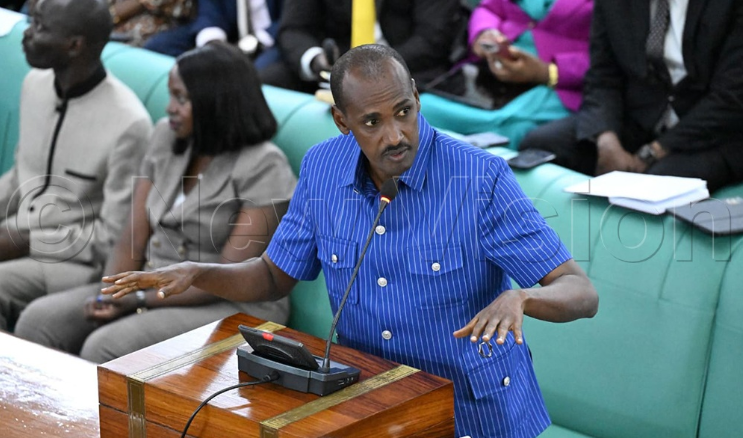
Agriculture minister Frank Tumwebaze tabled the Food and Agriculture Regulatory Authority Bill, 2026, for first reading in Parliament on August 25, 2026. (Credit: Maria Wamala)
The Bill has been referred to the Committee on Agriculture for scrutiny. The proposed authority will regulate the manufacture, processing, importation, exportation, distribution, transportation, advertisement, labelling, storage, sale and supply of veterinary medicines, agricultural chemicals, veterinary equipment and devices.
KAMPALA – The Government has proposed the creation of a food and agriculture regulatory authority to bring food, animal medicines, agricultural chemicals and related products under one regulatory framework.
Agriculture minister Frank Tumwebaze tabled the Food and Agriculture Regulatory Authority Bill, 2026, for first reading in Parliament on August 25, 2026.
The Bill has been referred to the Committee on Agriculture for scrutiny. The proposed authority will regulate the manufacture, processing, importation, exportation, distribution, transportation, advertisement, labelling, storage, sale and supply of veterinary medicines, agricultural chemicals, veterinary equipment and devices.
It will regulate food and feed manufacturing, processing and distribution, oversee food and feed safety, develop standards, inspect and certify agricultural inputs, and establish traceability systems for regulated products.
The Bill’s memorandum presents a troubling picture of the current food and agricultural regulatory system, stating that the country is “flooded with counterfeit substandard veterinary medicines and agricultural chemicals.”
It cites concerns over medicines and chemical residues, aflatoxins, harmful microorganisms and heavy metals in food and feed, warning that such contaminants compromise public health and the safety of agricultural exports.
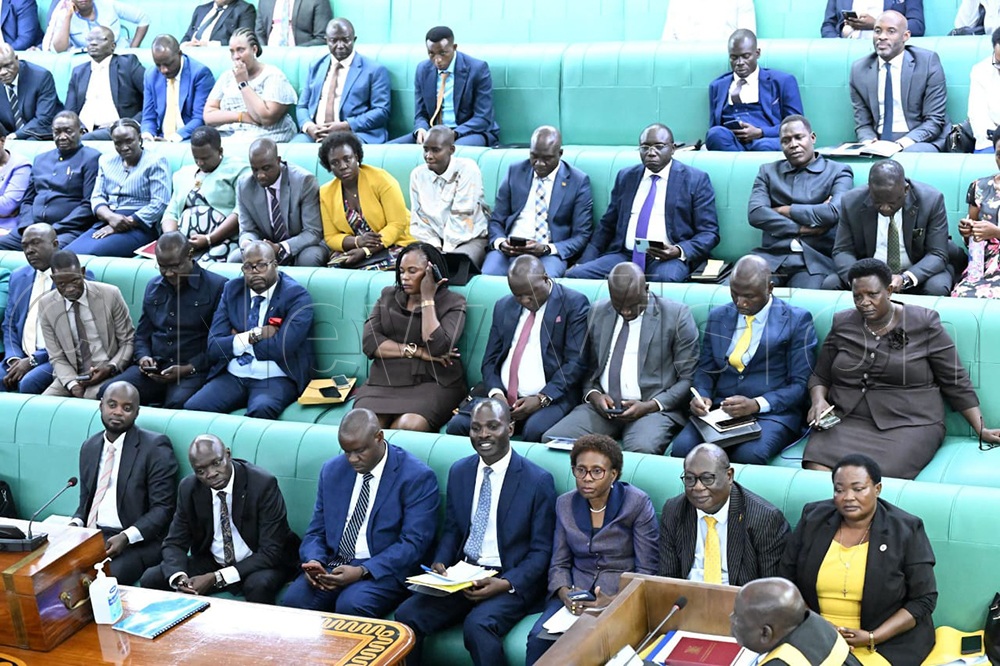
Members of Parliament during Plenary on Tuesday. (Credit: Maria Wamala)The memorandum attributes the problem in part to “fragmented regulation”, which it says has resulted in weak and uncoordinated regulation by multiple agencies, duplication of efforts and inefficiencies in enforcement.
It argues that the absence of a single body overseeing the food and agriculture value chain “undermines the effectiveness of regulation” and creates uncertainty for stakeholders.
The proposed authority will inspect food premises, certify meat for public consumption, inspect and certify fish, regulate processed and semi-processed food, and oversee the storage and transportation of food.
The Bill seeks to regulate food packaging, labelling and advertising, while prohibiting the use of radioactive materials, heavy metals and banned substances in food. It provides for residue monitoring to detect harmful substances in food products.
For agricultural chemicals, the Authority will license manufacturers, distributors, fumigators and commercial applicators. It would regulate the import and export of chemicals, as well as their packaging and labelling, storage, sale and advertising.
The Authority will have powers to recall agricultural chemicals and deal with prohibited, banned, restricted, falsified or adulterated products.
The Bill proposes inspectors and analysts with powers to access establishments, conduct sampling and analysis, seize adulterated products and oversee the disposal of obsolete, banned, prohibited and expired products.
The proposed authority will be a body corporate with perpetual succession. Its functions include the registration of veterinary medicines, veterinary devices, veterinary equipment, agricultural chemical application equipment and agricultural chemicals for use in Uganda.
The authority will be governed by a nine-member board appointed by the minister. The board will comprise a chairperson, six members with expertise in veterinary medicine, agriculture, pharmacy, standards and environmental science, and two representatives of farmers nominated by a recognised farmers’ federation.
The Bill contains 13 parts, 101 clauses and three schedules. It seeks to amend the Dairy Industry Act, Fisheries and Aquaculture Act, National Coffee Act and Animal Feeds Act, while repealing the Agricultural Chemicals (Control) Act and the Food and Drugs Act.
The proposed law seeks to give the Minister power to issue written policy directions to the authority.
The Government argues that the new framework would improve the quality and safety of agricultural inputs, strengthen consumer protection and help Uganda gain access to regional and international agricultural markets.
The Bill moves to the Agriculture Committee, where MPs are expected to examine its regulatory, institutional and enforcement provisions before it returns to the House for further consideration.
The public, including experts, are expected to provide their views on the Bill.
Related posts:

 Farmers want politicians to consider agriculture
 Agriculture ministry impounds fake inputs worth Shs30m
 Government moves to abolish nomadic pastoralism
 African Agriculture on a mission to boost global food production.

The pain and anguish in the Albertine Part II

Lango ex-combatants count losses after dry spell destroys maize harvest

Five years after Uganda’s National Action Plan on Business and Human Rights, are local communities hosting land-based investment projects seeing change?

The Fight for Climate Justice: African Women at the Forefront

Breaking: Sixteen Rooted in Resistance activists arrested and detained as they boldly protested Uganda’s oil ambitions.

Tanzania’s surge in conservation investments is under the UN spotlight, as allegations of indigenous land rights violations prompt an urgent call for the government to stop the evictions at once.

MPs recover hundreds of land files hidden near Mukono land office

Ten out of sixteen Rooted in Resistance activists now face charges and have been sent to Luzira Prison after standing up against Uganda’s oil development.

Innovative Finance from Canada projects positive impact on local communities.

Over 5000 Indigenous Communities evicted in Kiryandongo District

Petition To Land Inquiry Commission Over Human Rights In Kiryandongo District

Invisible victims of Uganda Land Grabs
-
 MEDIA FOR CHANGE NETWORK1 week ago
While hunger continues to grip the world, a new report highlights forests and forest foods as a hidden treasure trove of nourishment.
-
 MEDIA FOR CHANGE NETWORK5 days ago
Alert: Land degradation is emerging as a pressing threat to global security.
-

 MEDIA FOR CHANGE NETWORK5 days ago
Young people and agriculture: Step into the world of Ugandan NGO ESAFF, where a new generation in schools is being inspired to reimagine farming, celebrate wholesome food, and become passionate advocates for food sovereignty.
-
 MEDIA FOR CHANGE NETWORK2 weeks ago
In Kasanda District, a grandmother faces eviction as her own grandchildren join forces against her.
-
 MEDIA FOR CHANGE NETWORK1 week ago
Lira siblings reclaim father’s land after bitter family dispute
-
 MEDIA FOR CHANGE NETWORK2 days ago
Five years after Uganda’s National Action Plan on Business and Human Rights, are local communities hosting land-based investment projects seeing change?
-
 MEDIA FOR CHANGE NETWORK1 week ago
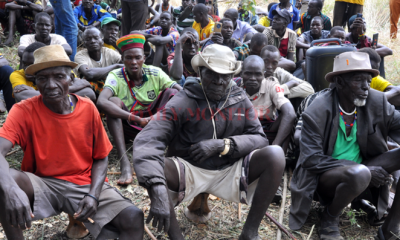
Nabakooba orders probe into 1,500-acre land dispute
-
 MEDIA FOR CHANGE NETWORK1 week ago
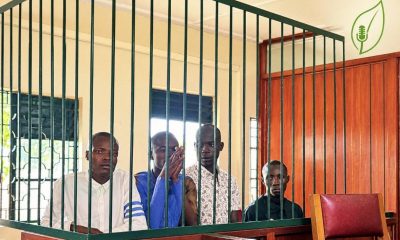
After weeks behind bars, six anti-oil activists have been granted cash bail by the LDC Court.