
NGO WORK
WTO negotiations: In the face of the food crisis, public stocks are legitimate and necessary

Related posts:

 How the EU-Mercosur trade deal is worsening the international climate crisis
 UN Food Systems Summit: The Battle Over Global Food and Agriculture Governance
 UN warns over looming food crisis in Uganda
 New IFAD fund launched to help prevent rural food crisis in wake of COVID-19

NGO WORK
UN Experts Put Tanzanian Government on Notice – “Ensure Transparency and Respect for Indigenous Peoples’ Rights in Ngorongoro”

|
|

Related posts:

 Sham Presidential Commissions Rubber Stamp Tanzanian Government’s Efforts to Evict Indigenous Maasai from Ngorongoro Conservation Area
 Tanzanian Government’s Sustained Campaign Against the Maasai in Loliondo and the Ngorongoro Conservation Area
 URGENT ALERT: Tanzanian Government on a Rampage Against Indigenous People
 Call to Sever Ties with Tanzanian Government Over Latest Human Rights Abuses Against the Maasai

Related posts:

 Amidst Failed US Sanctions, the Indigenous Pay the Price for Nicaragua’s Gold Rush
 DR Congo oil palm company bankrolled by development banks unleashes wave of violence against villagers after peaceful protests
 Artisanal gold miners defy government on mercury use
 Njuba’s Gold Mine victims: A violent Eviction that Opened Wounds That May Never Heal Forever
NGO WORK
Tanzania: Commissions call for mass eviction of Indigenous Maasai from world-famous tourist destinations.
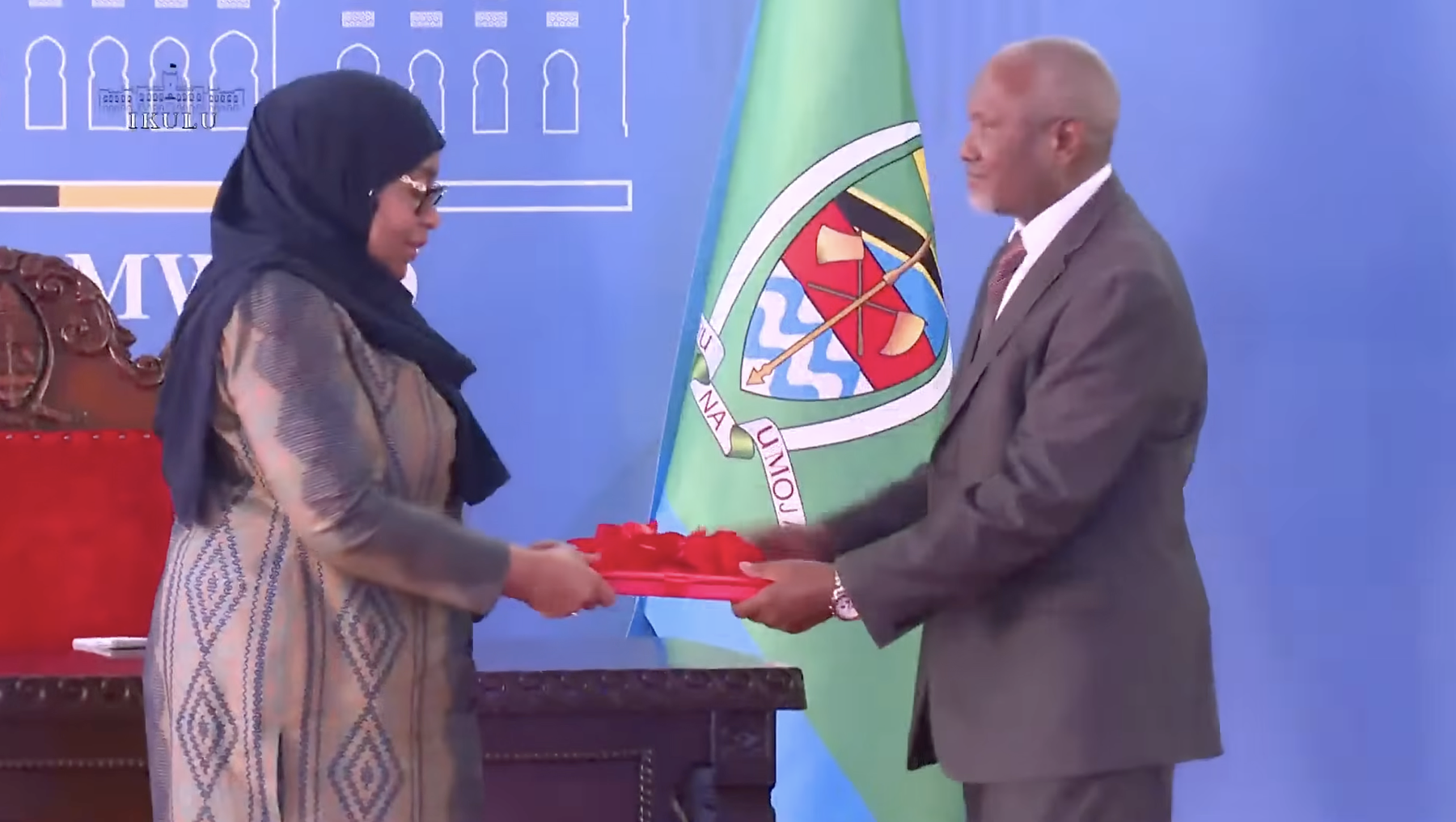
Two presidential commissions have recommended the mass eviction of Maasai people from some of East Africa’s most iconic conservation areas and tourist destinations.
The commissions were established by Tanzania’s President Samia Suluhu Hassan following previous evictions of Maasai pastoralists from parts of the world-famous Serengeti ecosystem, and large-scale protests in the Ngorongoro Conservation Area in 2024.
Now, despite a global outcry at the earlier evictions, the two Commissions have:
- Backed the previous evictions and called for them to continue, including in the UNESCO World Heritage Sites of Ngorongoro and neighboring Lake Natron.
- Described the long-standing Maasai presence in the area as an “environmental pressure” that needs to be reduced.
- Threatened local NGOs that support the Maasai, accusing them of “spreading misinformation or propaganda” because they “conflict with government interests.”
- Called for the “relocation” of all “non-conservation activities” [in other words, Maasai occupancy of the land] outside the conservation areas.
- Called for existing recognition of the Maasai people’s right to live in the Ngorongoro area to be removed.
An anonymous Maasai spokesperson said today: “We are blamed for environmental degradation while the unchecked expansion of tourism is ignored. Forced relocation, disguised as policy, has deprived our people of basic rights and dignity. We reject any continuation of these measures and condemn the Commission’s failure to reflect the voices, realities, and rights of our people.”
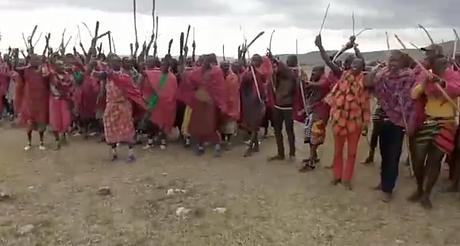
The authorities maintain that these are “voluntary relocations.” However, the Maasai have overwhelmingly rejected being moved.
The Ngorongoro Conservation Area is a UNESCO World Heritage Site. When it was established, the ancestral right of the Maasai to live there with their cattle was explicitly acknowledged. But UNESCO’s World Heritage Committee has backed the so-called “voluntary relocations”, and UNESCO endorses the “fortress conservation” model that underpins Tanzania’s approach.
Survival International Director Caroline Pearce said today, “These commissions were a sham, a gimmick designed to give Tanzania’s violent persecution of the Maasai a veneer of respectability. It was widely predicted that they’d back further evictions: the whole saga just confirms that colonial-style fortress conservation is alive and well in Tanzania today, and enthusiastically endorsed by UNESCO.
“These recommendations give the green light to more evictions, in Ngorongoro and beyond. And while the Maasai are robbed of their lands and livelihood, the government, tour operators and so-called conservationists will enrich themselves from a landscape emptied of its original owners.”
Source: survivalinternational.org
Related posts:
The Oakland Institute Calls on the Tanzanian Presidential Land Commissions to Respect & Ensure Rights of Maasai Living in the Ngorongoro Conservation Area
Call to Sever Ties with Tanzanian Government Over Latest Human Rights Abuses Against the Maasai
 Worldwide Condemnation Over Violence against the Maasai by Tanzania Security Forces
 US Luxury Safari Operator Tightens Stranglehold Over Maasai Land in Tanzania

More than 500 Masindi residents live in fear as a tycoon targets their land.

Kiryandongo farmer accuses minister of grabbing 100-acre land

“We are facing increased violent land dispossessions and climate injustices” – African women.

Kassanda businessmen accused of a second attempt to grab an 86-year-old farmer’s land despite court orders.

Breaking: Ugandan Court jails eight Anti-EACOP activists as crackdown on dissent deepens.

African women are rising for climate justice and reparations on the inaugural continental day of action.

Ugandan Farmers Sue EACOP in London in Last Minute Effort to Stop Crude Oil Pipeline

Agroecological farming: EAC Bill moves to Parliament to establish a regional legal framework to protect and promote sustainable farming and food systems.

Innovative Finance from Canada projects positive impact on local communities.

Over 5000 Indigenous Communities evicted in Kiryandongo District

Petition To Land Inquiry Commission Over Human Rights In Kiryandongo District

Invisible victims of Uganda Land Grabs
-

 MEDIA FOR CHANGE NETWORK2 weeks ago
African women push for reparations and environmental accountability after landmark Climate Justice Day.
-
 MEDIA FOR CHANGE NETWORK1 week ago
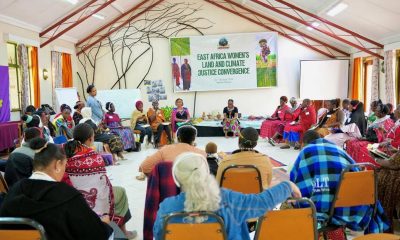
East African women unite and meet in Nairobi to develop strategies to protect communal tenure systems and collectively resist false climate solutions.
-

 MEDIA FOR CHANGE NETWORK2 weeks ago
Nigerian Banks under fire over ESG failures as a new report exposes Weak Climate and Human Rights Compliance.
-
 MEDIA FOR CHANGE NETWORK1 day ago
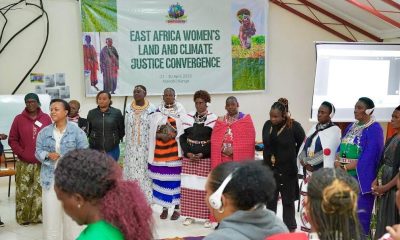
“We are facing increased violent land dispossessions and climate injustices” – African women.
-

 NGO WORK2 weeks ago
UN Experts Put Tanzanian Government on Notice – “Ensure Transparency and Respect for Indigenous Peoples’ Rights in Ngorongoro”
-

 MEDIA FOR CHANGE NETWORK2 weeks ago
Maasai protest evictions from Ngorongoro as UN experts warn conservation must respect rights
-

 MEDIA FOR CHANGE NETWORK2 weeks ago
Environmentalists Call for Stronger Enforcement as Wetland and Forest Destruction Accelerates
-
 MEDIA FOR CHANGE NETWORK1 day ago
Kassanda businessmen accused of a second attempt to grab an 86-year-old farmer’s land despite court orders.