MEDIA FOR CHANGE NETWORK
Uganda moves toward a Bamboo Policy to boost environmental conservation and green growth.
Published
7 months agoon

By Witness Radio team.
Uganda’s move to develop a national bamboo policy aims to boost environmental conservation and create green jobs, addressing the country’s urgent unemployment issues among the working class.
Bamboo is a critical tool in fighting climate change due to its rapid growth, high carbon sequestration capacity, and ability to produce 35% more oxygen than equivalent trees. As a fast-growing, renewable resource, it restores degraded land, provides sustainable materials that replace emission-intensive products like concrete, and offers a resilient, low-carbon bioenergy source.
Bamboo’s potential is outlined in the existing National Bamboo Strategy. Still, stakeholders stress that a formal policy involving entrepreneurs, farmers, and processors is essential to remove regulatory uncertainty and foster sector growth.
“The strategy is a good document, but it was developed largely through desk research. It did not fully involve entrepreneurs, farmers, and processors who are already working in the bamboo industry,” said Sjaak de Blois, chairman of Bamboo Uganda, encouraging stakeholders to see their role as vital.
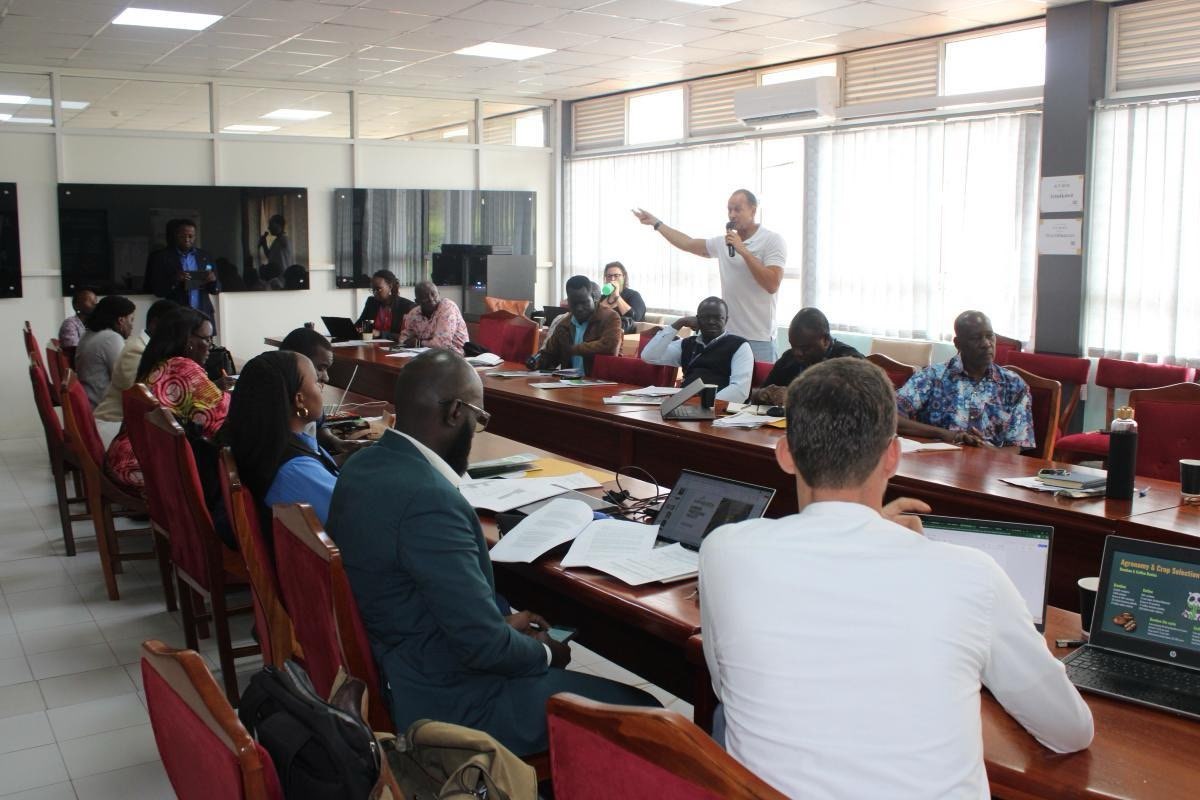
The bamboo policy is currently at an early consultative stage, with no draft yet submitted to the cabinet or parliament. Recent consultations brought together representatives from eight government ministries, private-sector bamboo actors, and development partners to begin aligning the strategy with practical regulatory needs.
“What we have now is the starting point,” De Blois mentioned. “The next step is to take the strategy and make it more practical, more market-driven, and more Ugandan. The next step is to move from having a plan to adopting a policy.
Bamboo currently falls under several regulatory frameworks, with no single authority overseeing the sector. The policy push is being driven in part by Bamboo Uganda, a membership-based organization bringing together bamboo farmers and processors, among others. The organization aims to play a coordinating role similar to that historically played by the Uganda Coffee Development Authority in the coffee sector.
“If you want to make a sector meaningful for a country, you need coordination. Coffee became what it is because of an institution that aligned farmers, traders, exporters, and regulators. Bamboo needs the same kind of coordination.” He said.
The policy process is supported by the Belgian development agency, which is funding consultations and facilitating dialogue between the government and the private sector.
Industry players say the absence of clear regulations has constrained investment despite growing demand.
“At the moment, bamboo is everywhere and nowhere at the same time. As a farmer, you talk to forestry, as a charcoal producer, you talk to energy, as a builder, you talk to works. There is no single framework that enables the industry to function.” De Blois added.
Supporters of the policy argue that bamboo could play a significant role in environmental conservation. Bamboo grows rapidly, regenerates after harvesting, and can be harvested annually for decades, reducing pressure on natural forests.
According to Global Forest Watch (GFW), Uganda lost 1.2 million hectares of tree cover between 2001 and 2024, representing a 15% decline from the 2000 baseline. Bamboo has been identified as a key species for restoration.
“One acre of bamboo that is harvested sustainably can prevent the destruction of hundreds of acres of natural forest,” De Blois said. “If we get this right, bamboo can help reverse deforestation rather than contribute to it.”
Ms. Susan Kaikara, from the Ministry of Water and Environment, emphasized bamboo’s potential to drive Uganda’s green-growth agenda.
“Establishing a coherent national policy framework will strengthen coordination, inspire investment, and unlock bamboo’s full potential as a pillar of Uganda’s green economy,” she said.
Uganda’s charcoal market alone is estimated to be worth hundreds of millions of dollars annually, much of it supplied through unsustainable wood harvesting. Industry actors say certified bamboo charcoal plantations could offer a cleaner alternative.
“If they allow us to certify bamboo charcoal plantations, then we can get a trade license to compete or to work together with the existing market. We will reverse deforestation. We would enter an industry of about 500,000 hectares, creating smart, green jobs. We can digitalize them to make them attractive through bamboo agroforestry. So again, those things need a policy.” He adds.
Bamboo is also viewed as a climate-friendly crop due to its high capacity for carbon sequestration. Its rapid growth enables it to absorb large amounts of carbon dioxide, while its extensive root system improves soil structure and increases long-term carbon storage.
“When you look at carbon sequestration, bamboo offers several advantages. Residues from harvested bamboo can be converted into biochar, locking carbon into the soil for long periods. When you also see the sequestration per acre compared to many other trees, it is five or six times higher. So, we sequester a lot,” De Blois said
Stakeholders say that if the policy process progresses as planned, bamboo could emerge as one of Uganda’s key green growth sectors within the next decade.
“Policy making takes time. But what is important is that we have started the conversation with all the right ministries in the room. From here, it is about taking steady, practical steps.” He concluded.
Related posts:

As Uganda awaits the Energy Efficiency and Conservation law, plans to develop a five-year plan are underway.

REC25 & EXPO Ends with a call on Uganda to balance conservation and livelihood
Africa’s growth lies with smallholder farmers
Green Resources’ forestry projects are negatively impacting on local communities – donor
You may like
MEDIA FOR CHANGE NETWORK
Ahead of COP17, development banks must confront mining’s role in accelerating desertification
Published
12 hours agoon
August 24, 2026
Environmental defenders warn ahead of UNCCD’s COP17 in Mongolia that development banks are financing critical mineral projects that accelerate desertification, water depletion and deforestation while claiming to support a just energy transition.
When governments gather in Ulaanbaatar from 17 to 28 August for the 17th Conference of the Parties (COP17) to the UN Convention to Combat Desertification (UNCCD), they will pledge to restore degraded land and strengthen resilience to drought. Yet many of these same governments, as shareholders of public development banks, continue to finance large-scale mining projects that degrade fragile ecosystems, deplete scarce water resources, and accelerate desertification.
That contradiction is already evident in the run-up to the summit. In a communiqué ahead of COP17, Mongolia’s foreign minister highlighted the country’s ambition to combat desertification through artificial intelligence data centres powered by renewable energy. But while presented as part of a green future, data centres and the infrastructure that supports them are driving demand for critical minerals such as copper, lithium and rare earth elements. Their expansion risks intensifying the very mining impacts that contribute to land degradation and water scarcity in arid regions.
The production of one metric ton of lithium, for instance, requires between 1 and 2 million liters of water to produce. Gold and copper mining operations use chemicals for exploration and extraction, which need further water to be diluted; and this water, once contaminated, is then discharged back into the natural world. Over the years, the mining sector has developed standards to address or mitigate these impacts. Way too often, however, companies fail to comply with such benchmarks.
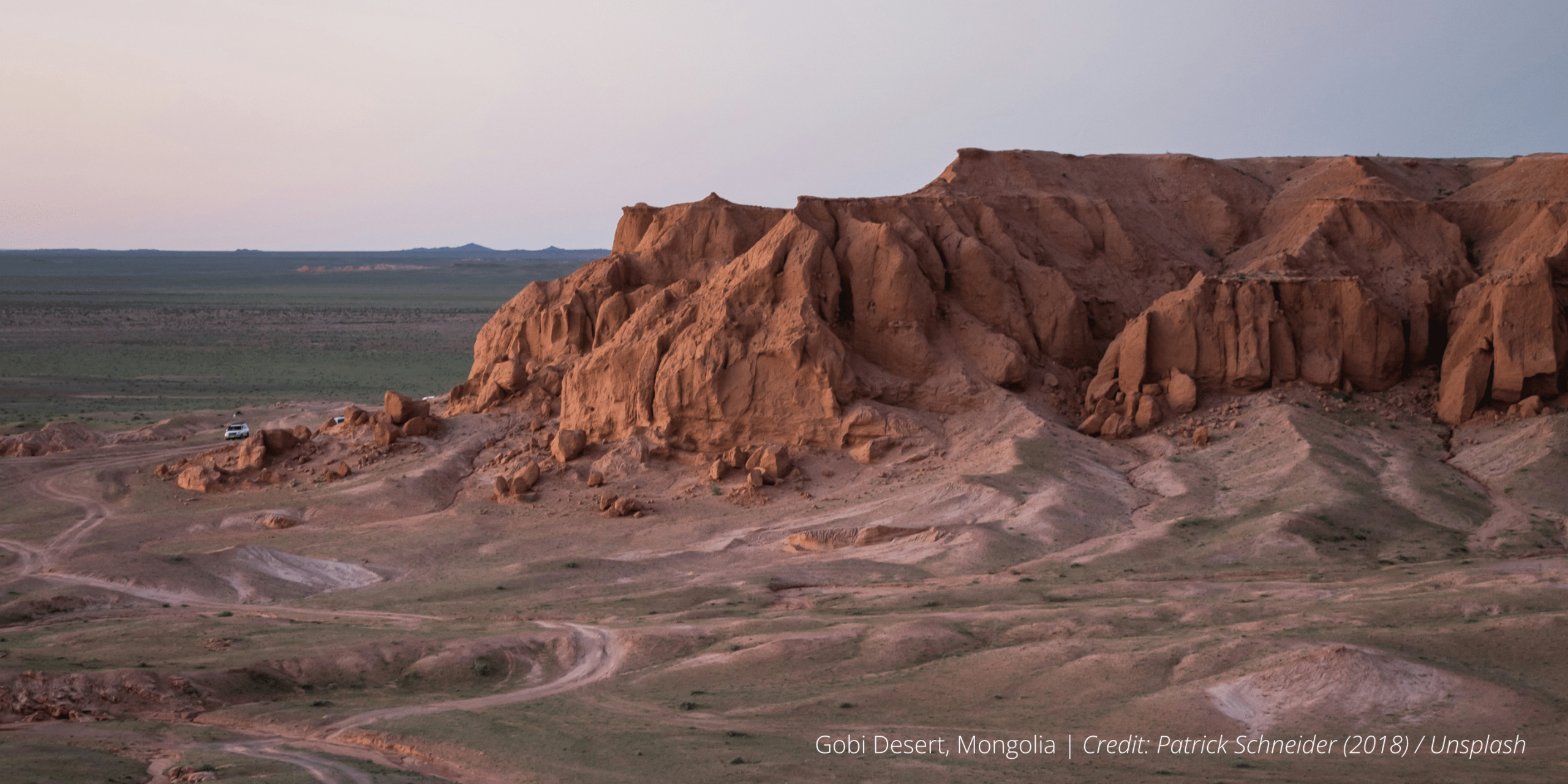
Mongolia, this year’s COP17 host, illustrates this tension well. Nearly 80 per cent of the country’s land is already degraded or affected by desertification, according to the government. Yet, development banks are expanding support for critical mineral mining in the country, while failing to ensure compliance with social and environmental safeguards.
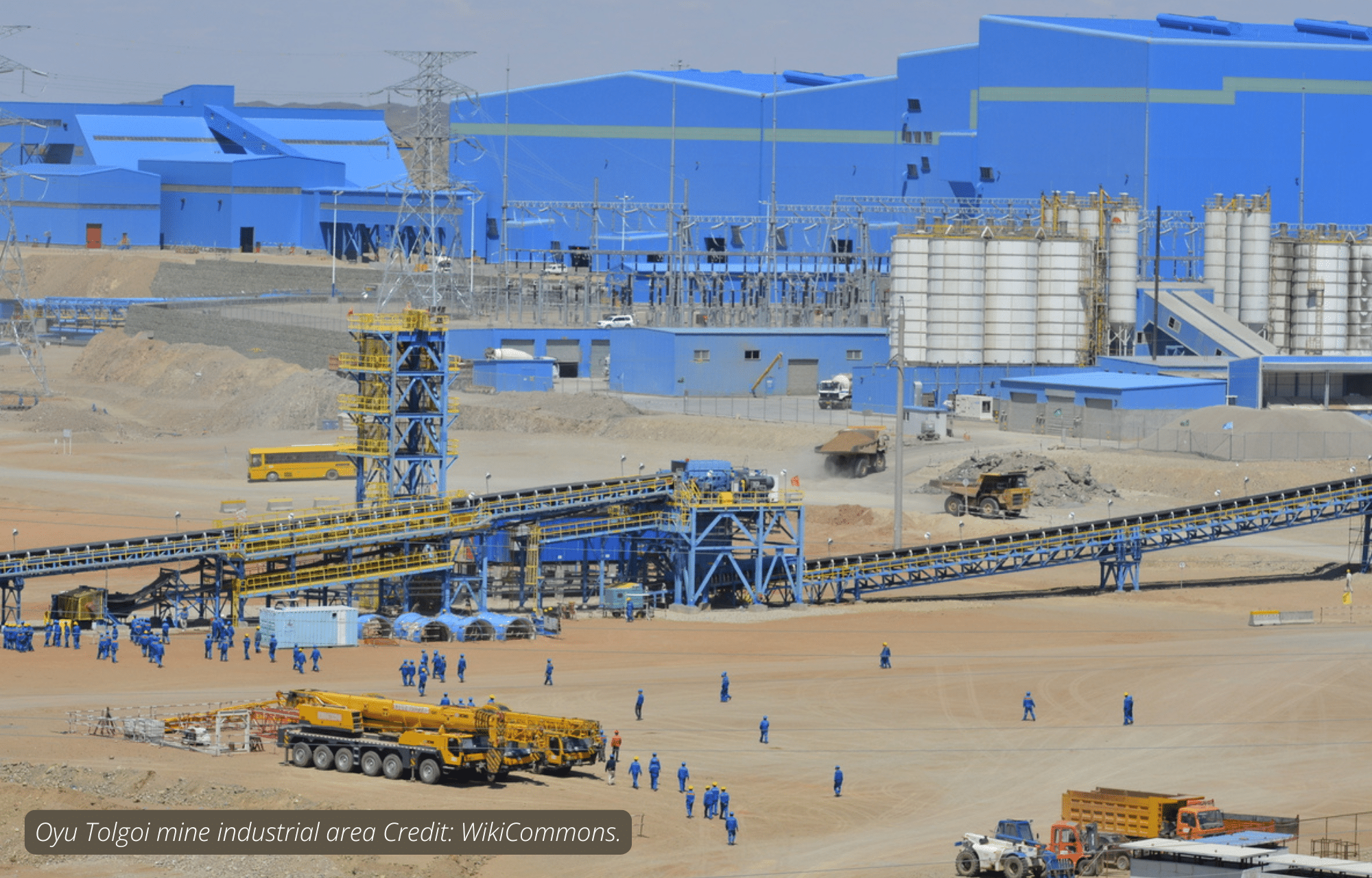
For more than a decade, pastoralist communities and environmental defenders in Mongolia have warned that Rio Tinto’s Oyu Tolgoi copper mine is heavily affecting South Gobi’s scarce water resources. Herders report that their land and wells have become increasingly dry since the mine began operating. Yet, the European Bank for Reconstruction and Development (EBRD) and the International Finance Corporation (IFC) invested a combined US$350 million in the project in 2024.
Development banks are financing desertification
Historically, public development banks have been cautious about investing directly in large-scale mining projects, due to the high social and environmental risks involved. In recent years, however, they have been heavily investing in this sector.
In November 2025, the Asian Development Bank (ADB), after avoiding mining investments for four decades, approved a controversial new Energy Policy that opens the door to financing critical mineral extraction. One of its flagship projects is the Reko Diq mine in Balochistan, Pakistan, which several development banks are funding. The mine, which sits in a highly militarised and conflict-affected region, threatens an already hyper-arid desert ecosystem with further land degradation and desertification.
In May 2026, also the World Bank Group unveiled a new strategy for metals and minerals, pledging to “quintuple support to the sector in the next five years”. Argentina is one of the target countries for this new strategy: since 2024, the World Bank has already committed nearly USD 2 billion in loans and an additional USD 1.9 billion in guarantees to support projects involving reforms and deregulation of the energy and mining sectors, as well as investments in logistical and strategic infrastructure for those sectors. These investments feed into the Incentive Scheme for Major Investments (RIGI), a government program granting extensive fiscal, legal and export benefits to large-scale extractive projects.
The World Bank and IDB Invest also funded the controversial Sal de Vida lithium mine, in a salt flat in the Catamarca province affected by seven other lithium mines. Water, already scarce in this arid territory, is disappearing quickly. As a result of mining activities, the Trapiche River has completely dried up and for local herders finding water and food for their llamas, goats or sheep is becoming a daily challenge.

In Zambia’s Copperbelt, approximately 5,000 people across eight communities surrounding the Nchanga and Konkola copper mines have endured decades of water and soil pollution. These impacts are rarely described as desertification, yet the loss of fertile soil, vegetation, water and agricultural livelihoods feeds directly into the wider degradation of productive land.
Zambia’s own commitments under the UNCCD set a target to rehabilitate all land degraded by mining and quarrying by 2030, in part to mitigate current desertification trends. Nevertheless, the World Bank’s US$65.6 million Zambia Mining and Environmental Remediation and Improvement Project, which explicitly targeted polluted mining areas in Chingola, brought no direct remediation to these eight communities.
Mining-affected communities call for stronger safeguards
From Mongolia to Pakistan, to Zambia and Argentina, local communities and civil society groups are sounding the alarm around the irreversible harms of this new wave of extractivist projects undertaken in the name of the “just” energy transition.
According to the UN, “up to 40% of the world’s land is degraded, affecting more than 3 billion people worldwide and with dire consequences for our climate, wildlife and livelihoods.” Drought, land degradation and desertification are already costing the global community an estimated US$ 878 billion every year. Yet, the concerns of mining-affected communities and environmental activists are either being ignored or used as a pretext to stigmatise them as “anti-development”, criminalise them and attack them.
The UNCCD promises, “we have the power to bring land back to life”. But to do so, governments and public development banks need to go beyond slogans and explicitly recognise the impacts that productive sectors like large-scale mining have on land degradation, water resources and the ecological integrity of ecosystems.
Ana Pandigracio, Biodiversity Director at Fundación Ambiente y Recursos Naturales (FARN), a former elected member of the UNCCD CSO Panel for Latin America and the Caribbean (2022–2024) and former elected IUCN Councillor (2021–2025), recommends that, to mitigate these impacts, they commit to not supporting further mining expansion in arid zones and require existing projects to comply with robust environmental safeguards and the highest applicable standards, including those set out by the International Union for Conservation of Nature (IUCN).
As a group of CSOs recommended during a previous UNCCD conference, governments and development banks should also support community-led initiatives, particularly those led by women, youth, pastoralists and Indigenous Peoples, and integrate their knowledge into drought management strategies.
Economic development should not come at the cost of greater land degradation, worsening water scarcity or mounting social and environmental harms for current and future generations. Instead, public development banks need to invest in community-led solutions that protect, restore and sustainably manage ecosystems while respecting the rights of the communities that depend on them.
Source: rightsindevelopment.org
Related posts:


UNCCD COP17 kicks off in Mongolia, drawing nations together to tackle urgent issues of land, drought, and food security.

UNCCD COP16: NGOs issue a stark warning and call for urgent actions to deal with the escalating threats of desertification, land degradation, and drought.

Civil society groups at UNCCD COP17 are calling for urgent action on land rights, drought, and vital funding.
Accountability in Crisis: Development banks, while funding Asia’s energy transition, are accused of silencing Asian local and Indigenous communities, highlighting the central tension between a clean-energy push and the repression of those most affected.
MEDIA FOR CHANGE NETWORK
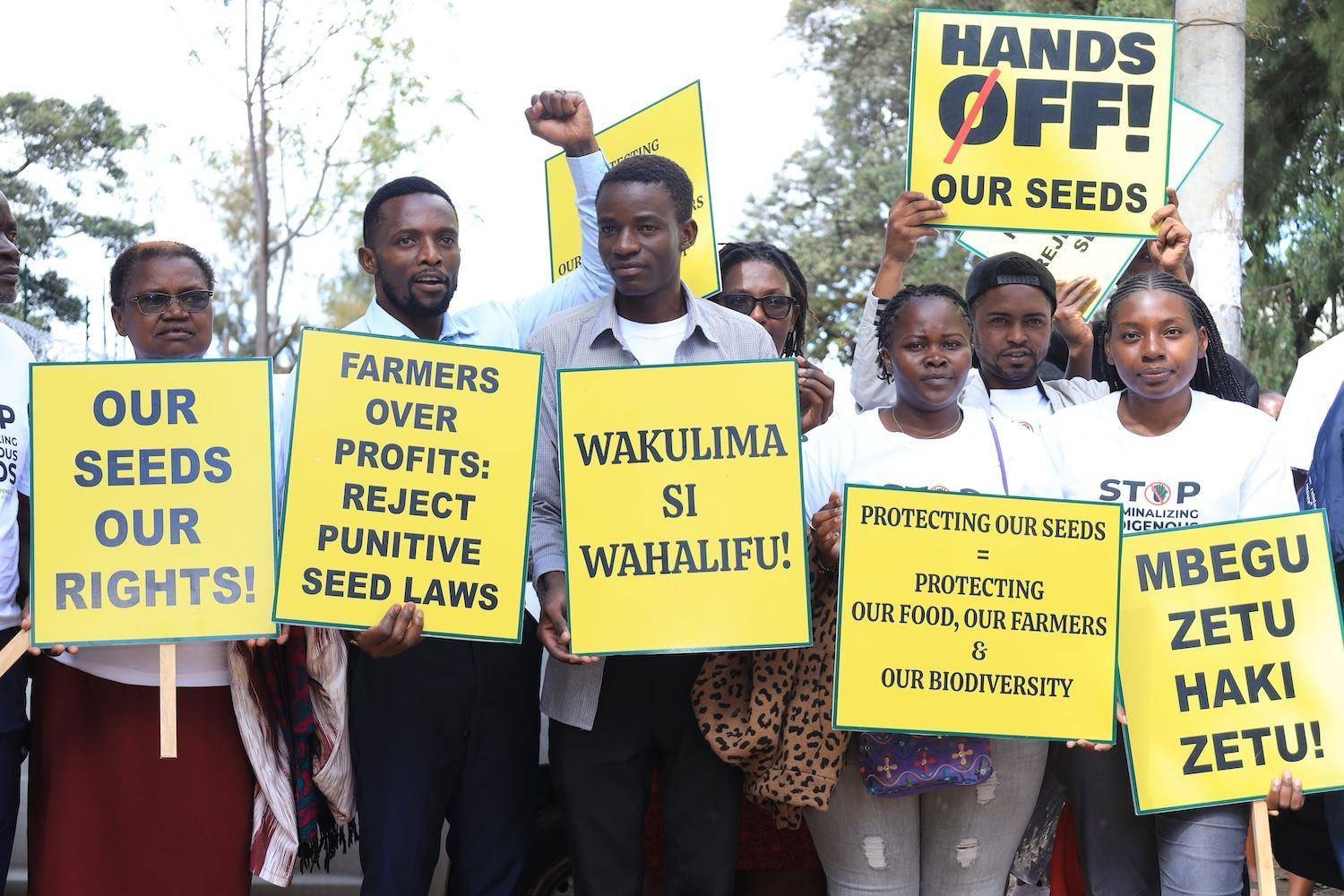
Smallholder farmers and civil society organizations have launched a dynamic media campaign for the inaugural Eastern Africa Indigenous Seed Conference, inviting more smallholder farmers to join the agroecology movement.

Published
15 hours agoon
August 24, 2026
By the Witness Radio team
NAIROBI, Kenya: Seed sovereignty champions, farmers, researchers, and civil society groups from across East Africa have united to launch a media campaign for the first Eastern Africa Indigenous Seed Conference. Their call is urgent: recognize and protect farmer-managed seed systems as seed regulations, commercialization, and the loss of indigenous diversity threaten the region. The campaign aims to rally smallholder farmers for the conference, highlighting how indigenous seeds and ancestral wisdom can revive biodiversity, combat climate change, and secure food sovereignty.
Set for 17 to 20 November 2026 at the Catholic University of Eastern Africa in Nairobi, the four-day conference will gather farmers, pastoralists, researchers, policymakers, seed guardians, civil society, and development partners to shape the future of indigenous seeds and food systems in the region.
The conference will be held under the theme “Realizing the Right to Food through Seed Sovereignty.”
This launch comes as farmers and seed sovereignty advocates question whether East Africa’s seed laws and regulations truly honor the farmer-managed systems that for generations have allowed communities to select, conserve, exchange, and replant their own seeds.
Activists warn that the growing focus on certified and commercial seed systems threatens traditional knowledge, reduces local seed diversity, and undermines farmers’ freedom to save, exchange, and reproduce varieties adapted to their land.
Daniel Wanjama, Executive Director of Seed Savers Network, said farmer-managed seed systems remain central to food production across the region, arguing that commercial seed systems cannot provide the seed diversity farmers need in different environments.
Wanjama added that about 80 percent of the seeds farmers use in the region come from farmer-managed seed systems, underscoring the importance of supporting farmers in conserving and developing their own varieties.
“There is no commercial seed system that can provide the seeds that farmers need because diversity is part of a resilient mechanism,” he said.
He emphasized that preserving a wide variety of locally adapted seed varieties is crucial as farmers face mounting challenges from climate change.
Wanjama also pointed out a troubling disconnect between current seed policies and the realities faced by smallholder farmers across face across “The policies across the region are not aligned, and just to give you an example, recently last year in Kenya, the high court found the act that is governing the seed sector in Kenya was unconstitutional because it is limiting the farmers’ rights in being able to access seeds,” he said.
He argued that some African seed laws borrow regulatory models from highly commercialized agricultural systems abroad, making them ill-suited for local contexts.
“The laws are cut and paste from the global north where farming is largely commercial and large-scale; they don’t fit our circumstances. That’s why we need to come together and discuss what we can do about it,” he added.
Amid the seed sovereignty debate, African farmers and civil society organizations are championing Farmer-Managed Seed Systems, building community seed banks, and pushing for greater recognition of farmers as stewards of seed conservation and exchange.
In Uganda, farmers and civil society groups are increasingly turning to community-driven seed conservation, offering a grassroots alternative or complement to formal seed supply systems.
Nancy Mugimba, National Coordinator of the Eastern and Southern Africa Smallholder Farmers Forum (ESAFF) Uganda, said farmers sometimes face planting delays because existing support systems provide inadequate access to seed.
She said some of the seeds provided to farmers are also not necessarily suited to the conditions of particular communities.
Mugimba noted that efforts are now focused on strengthening community seed banks, empowering farmers to cultivate and safeguard the varieties they know and trust.
“We have introduced seed banking in communities, which is not new because farmers were already doing it at home. We have just increased capacity to ensure it works effectively,” she said.
She observed that farmers are more motivated to protect indigenous varieties when they see their vital role in sustaining food supplies and ensuring seed access within their communities.
Panelists urged governments to boost support for farmer-managed seed systems, advocating for multiplying indigenous varieties beyond research and breeding. They stressed that empowering community seed banks and local seed multiplication would expand access to diverse, locally adapted varieties.
The discussions also showcased the diverse strategies emerging across East Africa to revitalize and improve seed systems.
In Tanzania, the seed sector is undergoing reforms to expand access to and use of improved seed while strengthening seed production, quality assurance, and commercial distribution. The Tanzania Seed Sector Development Strategy (TSSDS), approved in May 2026 and covering up to 2030, aims to double the area under improved seed from about 3 million to 6 million hectares and expand the agro-dealer network from around 3,000 to 12,000 to improve farmers’ access to quality seed.
Daud Manongi, Program Lead for the Biodiversity Conservation Program at Tanzanian organization TABIO, said farmers still face restrictions on selling seed within the country’s formal regulatory framework.
“Our farmers are currently not allowed to sell their seeds within the developed framework, but so far we have approved seeds,” Manongi said.
He said the Tanzanian government has approved 13 local varieties for wider production and use. At the same time, discussions are ongoing with the Tanzania Seed Certification Agency (TASC) on how to make registration and market processes more accessible to smallholder farmers.
Manongi noted that farmers and organizations championing local varieties still face hurdles like taxation and limited dialogue with policymakers.
“There is inconsistent engagement with policymakers, and sometimes it is difficult for them to cooperate with farmers on accessing locally adapted varieties because of tax issues,” he said.
He also said agricultural extension services often prioritize commercial seed production, leaving farmers with little support for indigenous varieties.
According to Manongi, farmers urgently need access to knowledge about indigenous seed production and conservation to boost the availability of locally adapted varieties.
Activists insist that farmers’ power to conserve, exchange, and reproduce seeds is deeply tied to food security, biodiversity, cultural heritage, and the resilience of communities facing climate change.
The inaugural Eastern Africa Indigenous Seed Conference, organized by Seed Savers Network with partners like Witness Radio, promises to be a vital regional platform for these urgent issues.
This November, the conference will spotlight the defense of farmer-managed seed systems against corporate and legal pressures, while also strengthening climate resilience, safeguarding biodiversity, and weaving stronger regional networks among farmers, researchers, policymakers, and civil society.
The event comes as climate change, biodiversity loss, commercial agriculture, and shifting policies intensify strain on traditional farming systems across the region.
For smallholder farmers, seed sovereignty is about more than where seeds come from. Advocates say it is a question of who holds the power over food production, and whether farmers will retain the freedom and ability to save, share, and reproduce the seeds that sustain their communities.
Related posts:

1st Eastern Africa Indigenous seed conference 2026

1st Eastern Africa Indigenous Seed Conference 2026 | EA-ISC Nairobi

The Indigenous Seeds movement in East Africa is convening in Kenya, with the potential to reshape the region’s food systems.
The EAC Seed & Plant Varieties Bill, 2025, is a potential threat to smallholder farmers, as it aims to disengage them from the agriculture business, according to experts.
MEDIA FOR CHANGE NETWORK
Civil society organizations across East Africa have revived their campaign against the EAC Seed and Plant Varieties Bill 2025, just as the regional parliament opens the floor to public consultations.
Published
15 hours agoon
August 24, 2026
By the Witness Radio team
Civil society organizations across East Africa have increased their opposition to the proposed East African Community (EAC) Seeds and Plant Varieties Bill, 2025, warning that some provisions threaten to erode farmer-managed seed systems and give commercial seed interests greater power.
Earlier last week, the organizations met online to plan their advocacy ahead of the public hearings on August 27 and 28.
The EAC Seeds and Plant Varieties Bill, 2025, was introduced before the East African Legislative Assembly (EALA) in June 2025. The legislation seeks to establish a harmonized regional framework for seed certification, registration, evaluation, and plant variety protection across EAC partner states.
Civil society groups and smallholder farmer advocates warn that the Bill could restrict the use, exchange, and sharing of farmer-managed seeds while tightening intellectual property rules in favor of commercial plant breeders.
During the webinar, champions of agroecology, food sovereignty, and farmers’ rights discussed how to shape the legislative process and present alternative proposals at the upcoming hearings.
Doreen Akware from the Center for Food and Adequate Living Rights (CEFROHT) told participants that the public hearings are scheduled for August 27 and 28, with stakeholders expected to present their views on the proposed legislation.
Akware said the relevant committee will compile the hearings’ views into a report before the Bill moves to the next stages of consideration.
The EAC Seed and Plant Varieties Bill, 2025 has passed several legislative stages, including publication and introduction in the East African Legislative Assembly. It is now before the relevant EALA committee and will go to public hearings before the Assembly considers it further.
If enacted, the legislation would establish a regional framework governing the evaluation, release, registration and certification of plant varieties and seeds across EAC partner states.
Participants noted the proposed legislation arrives as governments across the region urge farmers to adopt more sustainable, locally rooted agricultural practices.
Dr David Kabanda, Executive Director of CEFROHT, said communities in Uganda are already experiencing what he described as “seed poverty”, where farmers increasingly depend on commercial seed suppliers instead of saving and reusing seed from previous harvests.
Kabanda acknowledged some government programs distributing improved seeds are well-meaning but cautioned that growing reliance on commercial seed risks undermining the tradition of seed-saving.
“If we are coming up at the East African level to promote the intellectual property of seed breeders and also only highlighting or certifying seeds which they only understand in the context of a framework of only plant breeders without farmers’ rights and community seed systems on board, then we are destined to a very precarious time ahead of us,” Kabanda warned.
He insisted that true sustainability in agriculture and food systems is impossible if communities are excluded from decisions about the seeds and resources they rely on.
Kabanda also voiced worries about how the proposed regional law could impact national sovereignty, farmers’ rights, and the future of community-managed food systems.
Simon Degelo, senior adviser on seed systems at SWISSAID, raised concerns about provisions that could criminalize or restrict the sale and exchange of farmer-managed seeds lacking formal certification.
Degelo argued that requiring farmers to certify seeds before exchange or sale could put farmer-managed seed systems at a disadvantage against commercial seed companies.
He also questioned the Bill’s vague approach to plant variety protection and intellectual property rights, noting key provisions are postponed for future decisions instead of being detailed now.
“At least the essential provisions should be part of the law. We don’t even know what would be coming in the plant variety protection because the provisions are not in the law,” he said.
Degelo also warned the new regional framework might clash with existing national laws in EAC countries, especially where seed legislation is already involved in legal or constitutional disputes.
Over 60 participants from East Africa and beyond joined the webinar, pooling ideas and strategies to make their voices heard at the upcoming public hearings.
The organizations are rallying farmers’ groups, civil society, researchers, and other stakeholders to participate in the hearings and engage with EALA members.
Their main concern is to ensure that any regional seed law upholds farmers’ rights, safeguards community seed systems, and does not tip the scales in favor of commercial seed companies and plant breeders.
The organizations plan to use the public hearings to challenge restrictive provisions and demand greater recognition for farmer-managed seed systems.
This debate unfolds as East African nations work to harmonize agricultural policies and boost regional trade. Civil society groups insist that harmonization must not sacrifice farmers’ centuries-old ability to save, share, and nurture locally adapted seeds.
The proposed legislation now faces a pivotal test in the weeks ahead, as stakeholders ready their submissions to EALA and press for a seed governance framework that strikes a fair balance between commercial interests, farmers’ rights, biodiversity, and food sovereignty.
Related posts:

CSOs and Smallholder farmers are urgently convening to scrutinize the EAC Seed & Plant Varieties Bill, 2025.
The EAC Seed and Plant Varieties Bill 2025 targets organic seeds, aiming to replace them with modified seeds, say smallholder farmers.

Smallholder farmers and civil society organizations have launched a dynamic media campaign for the inaugural Eastern Africa Indigenous Seed Conference, inviting more smallholder farmers to join the agroecology movement.

Happening shortly! Kenya’s upcoming court ruling on the Seed Law could have a significant impact on farmers’ rights, food sovereignty, and the country’s food system.
Ahead of COP17, development banks must confront mining’s role in accelerating desertification
Smallholder farmers and civil society organizations have launched a dynamic media campaign for the inaugural Eastern Africa Indigenous Seed Conference, inviting more smallholder farmers to join the agroecology movement.
Civil society organizations across East Africa have revived their campaign against the EAC Seed and Plant Varieties Bill 2025, just as the regional parliament opens the floor to public consultations.
Civil society groups at UNCCD COP17 are calling for urgent action on land rights, drought, and vital funding.
Africa’s El Niño Economic Impact: $20B at Risk in 2026
Uganda is grappling with mounting land struggles as the needs of refugees collide with the rights and hopes of the communities that host them.
Minister Nabakooba wants special land title issuance halted
Who buys Rwanda’s smuggled coltan? The global journey of conflict coltan from DRC to the world’s electronics
Innovative Finance from Canada projects positive impact on local communities.

Over 5000 Indigenous Communities evicted in Kiryandongo District

Petition To Land Inquiry Commission Over Human Rights In Kiryandongo District

Invisible victims of Uganda Land Grabs
Resource Center
- CAN AFRICAN FOOD SYSTEMS THRIVE WITHOUT CHEMICAL FERTILISERS
- Land And Environment Rights In Uganda Experiences From Karamoja And Mid Western Sub Regions
- REPARATORY AND CLIMATE JUSTICE MUST BE AT THE CORE OF COP30, SAY GLOBAL LEADERS AND MOVEMENTS
- LAND GRABS AT GUNPOINT REPORT IN KIRYANDONGO DISTRICT
- THOSE OIL LIARS! THEY DESTROYED MY BUSINESS!
- RESEARCH BRIEF -TOURISM POTENTIAL OF GREATER MASAKA -MARCH 2025
- The Mouila Declaration of the Informal Alliance against the Expansion of Industrial Monocultures
- FORCED LAND EVICTIONS IN UGANDA TRENDS RIGHTS OF DEFENDERS IMPACT AND CALL FOR ACTION
Legal Framework
READ BY CATEGORY
Newsletter
Trending
-
MEDIA FOR CHANGE NETWORK1 week agoMinister Nabakooba wants special land title issuance halted
-

MEDIA FOR CHANGE NETWORK2 weeks agoYouth activists detained as they boldly petition Parliament, demanding a future for Uganda free from oil dependency.
-

MEDIA FOR CHANGE NETWORK2 weeks agoFour youth activists now face public nuisance charges after their arrest during a bold march toward Parliament.
-

MEDIA FOR CHANGE NETWORK1 week agoUNCCD COP17 kicks off in Mongolia, drawing nations together to tackle urgent issues of land, drought, and food security.
-
MEDIA FOR CHANGE NETWORK2 weeks agoKaramoja stands on the brink, with nearly half a million people gripped by acute hunger.
-
MEDIA FOR CHANGE NETWORK2 weeks agoExperts rally the region to unite behind East Africa’s transformative Agroecology Bill.
-
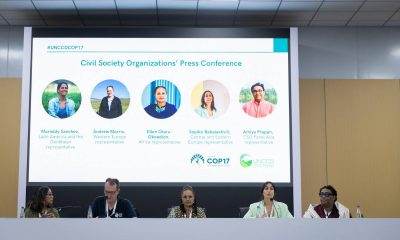
MEDIA FOR CHANGE NETWORK6 days agoCivil society groups at UNCCD COP17 are calling for urgent action on land rights, drought, and vital funding.
-

MEDIA FOR CHANGE NETWORK6 days agoSouth Africa’s top court blocks Shell oil exploration off country’s Wild Coast