STATEMENTS
Thirty-six (36) groups from all over the world have written to industrial agriculture investors, Agilis Partners Limited to stop human rights violations/abuses against thousands of indigenous/local communities, settle grievances, and return the grabbed land.
Published
2 years agoon

Open Letter
26th/06/2024.
Mr. Benjamin Prinz,
Managing Director,
Agilis Partners Limited.
Dear Benjamin,
Civil Society Organizations and individuals demand justice for Ugandan community members whose lands were grabbed by agribusiness company Agilis Partners Limited.
Kiryandongo – Uganda; We, the undersigned organizations condemn human rights abuses by the agribusiness company Agilis Partners Limited (owned by two American citizens) and its financial backers against the people of Kiryandongo District where Agilis is establishing a massive industrial farm.
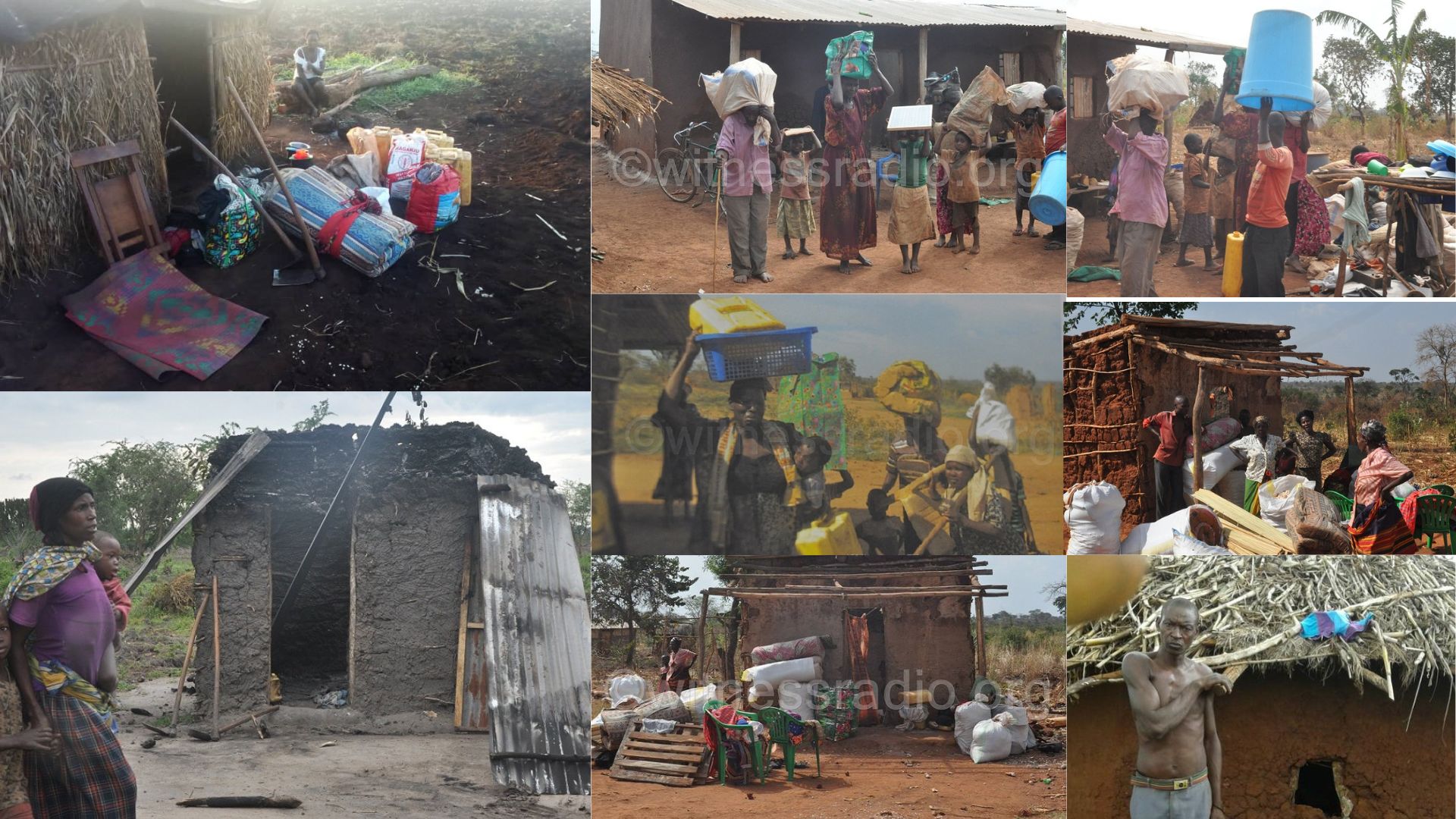
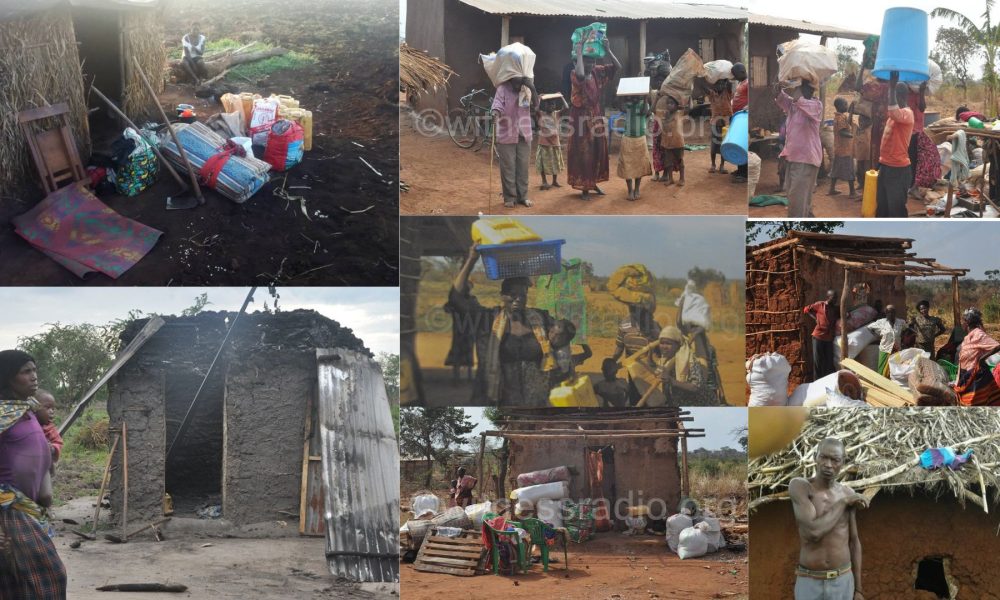
Thousands of people from local and Indigenous communities have been forcefully evicted from their land to make way for Agilis Partners Limited’s large-scale farming operations, in violation of international human rights law. The alarming situation involves severe human rights abuses including forced evictions and lack of prompt, fair, and adequate compensation; violations of Indigenous peoples’ right to free, prior, and informed consent; abduction, arrest, torture, and judicial harassment of human rights defenders, and alleged sexual violence against women and girls, as well as other negative social and environmental impacts.
About Agilis Partners Limited On 9 January, 2018, Agilis Partners Limited was incorporated via registration number R200000884113 as an agribusiness company in Uganda. It is owned and directed by American businessmen and brothers, Philipp Prinz and Benjamin Prinz. Through its subsidiary, Agilis Ranch 20 & 21 Investment Company (Uganda) Limited (registration # 80020000586929), it is pursuing large-scale grain agriculture in Kiryandongo District in Uganda.
In 2019, Agilis Partners received an Award for Corporate Excellence from the US Secretary of State under the category of “Sustainable Operations”. Agilis Partners has also received financial investment and support from various government [1]agencies and private foundations, including the Dutch Oak Tree Foundation, USAID, and the Common Fund for Commodities (CFC).
Since 2022, Agilis Partners Limited has been receiving funding from the World Bank through the International Finance Corporation to create a sustainable business model for 6,000 smallholder farmers and improve smallholders’ maize production, provide them with a digital marketplace, and to improve farming processes of the company.
Purpose of the Fund: The loan from the IFC is for advisory service, and the project description states that the funding aims to improve smallholders’ maize production, provide them with digital marketplace, improve farming processes of the company and, most importantly, to advise Agilis regarding compliance with the IFC’s Performance Standard 5 on Land Acquisition and Involuntary Resettlement.
This support from foreign governments, foundations and multilateral agencies has occurred despite numerous documented incidences of violations of the rights of affected community members:
1. Evictions carried out for Agilis’ agricultural operations have not only displaced hundreds of families but have also led to the arrest and torture of individuals advocating for their land rights. Community leaders and activists who have stood up against these injustices have faced brutal treatment, aimed at silencing their voices and discouraging resistance. This blatant disregard for human rights and the rule of law is unacceptable and demands immediate
attention and action.
2. Residents of Kiryandongo have reported several human rights violations in Kiryandongo district in Kimogola and Kisalanda villages where Agilis has been operating since they evicted people from their land in 2017. People have been murdered, maliciously arrested, and tortured especially those who refused to vacate their land. People’s crops have been destroyed thus increasing the levels of poverty and hunger in the villages since most of the residents living there are farmers. Project-affected persons are not [2] allowed to grow crops on their land thus leading to people sleeping on empty stomachs. People’s cattle are abducted every day only to frustrate them into giving up so that they can leave the land for the company.
3. There is also an increase of sexual abuse amongst women and school-going girls by men working for Agilis who are brought in from distant communities. There are reports of increasing incidence of sexually transmitted diseases and early pregnancies resulting into school dropouts. [3]
Our Call for Action.
Witness Radio and its partners representing PAPs have written to Agilis Partners seeking a dialogue between the company and people who have been harmed on several occasions however, the company has not responded to any of our communications. We call upon civil society organizations globally to urgently join us and demand that Agilis Partners Limited and its financial
backers take immediate action to stop the human rights abuses and harassment committed against community members, engage in dialogue with the communities, and restore the lands to the people that have been displaced.
We also call on the World Bank and the governments of the United States of America and the Netherlands, as key financial backers of Agilis, to support an independent investigation into the human rights abuses committed by the
company. They must act swiftly to end these abuses, support the affected communities in the struggle for land rights, and hold Agilis Partners Limited accountable for all human rights abuses.
We call on the Ugandan government to protect the rights of its citizens, including their right to land, right to defend rights, freedom of peaceful assembly, freedom of expression, and freedom from torture and inhumane and
degrading treatment.
The safety and rights of land and environmental rights defenders must be ensured by the government. The PAPs have been forcibly evicted, arrested, and subjected to violence. This is failure of the duty of the Ugandan government to protect their rights and the responsibility of Agilis Partners to respect rights.
We call on the United Nations bodies and regional human rights bodies to take action to ensure Agilis Partners fulfills its responsibility to respect human rights, aligned with the UN Guiding Principles on Business and Human Rights.
Witness Radio Uganda and its partners stand in solidarity with the people of Kiryandongo and will continue to advocate for their rights and justice.
i
Signatories below;
- AbibiNsroma Foundation | Ghana
- Accountability Counsel | USA
- Agency for Turkana Development Initiatives (ATUDIS) | Kenya
- Asegis Community Network | Kenya
- Asia Indigenous Peoples Network on Extractive Industries and Energy (AIPNEE) | Philippines
- Asociación para la defensa de los derechos naturales | Ireland
- Benet Mosop Indigenous Community Association
- Buliisa Initiative for Rural Development Organisation (BIRUDO) | Uganda
- Chairperson of Oil Workers Rights Protection Organization | Azerbaijan
- Environmental Defender Law Center | United Kingdom
- Friends of Lake Turkana | Kenya
- Global Rights | Global
- Green Development Advocates | Cameroon
- Indigenous Peoples Rights International | Philippines
- International Accountability Project | Global
- Kebetkache Women Development & Resource Centre | Nigeria
- League of Volunteers for Human Rights and Environment (LISVDHE) | Democratic Republic of Congo
- Menafem | Egypt
- Oyu Tolgoi Watch | Mongolia
- PIDP | DRC
- Policy Action Initiative | Kenya
- Project on Organizing, Development, Education, and Research (PODER) | Mexico
- Protection International | Kenya
- Sengwer Indigenous Peoples Programme | Kenya
- The Awakening | Pakistan
- Women for Green Economy Movement Uganda | Uganda
- Green Advocates International | Liberia
- Jamaa Resource Initiatives Kenya | Kenya
- LSD | Senegal
- Narasha Community Development Group | Kenya
- Network Movement for Justice and Development (NMJD) | Sierra Leone
- Observatoire de la Société Civile Congolaise pour les Minerais de Paix ( OSCMP ) | DRCongo
- Propurus | Peru
- Turkana Extractive Consortium | Kenya
- Asociación ProPurus
- Witness Radio / Uganda
[1] https://www.common-
fund.org/sites/default/files/Publications/CFC_Annual_Report_2019.pdf
https://spcommreports.ohchr.org/TMResultsBase/DownLoadFile?gId=36653
https://www.dobequity.nl/dob-equity-news/dob-equity-sells-shares-in-joseph-initiative
https://common-fund.org/kupanua-project-asili-farms-ltd-uganda
https://pdf.usaid.gov/pdf_docs/PA00X6RC.pdf
[2] https://www.foodbusinessafrica.com/rwandan-food-distribution-company-get-it-clinches-
investment-from-us-investor-vestedworld/
https://disclosures.ifc.org/project-detail/AS/605676/uganda-grain-development-project-agilis
https://pdf.usaid.gov/pdf_docs/PA00ZTK7.pdf
https://ug.usembassy.gov/agilis-partners-wins-2019-secretary-of-states-award-for-corporate-
excellence-november-1-2019/
Related posts:

A land grab case against Agilis Ranch 20 and 21 Limited kicks off next week.
Development financiers fuel human rights abuses – New Report
Uganda: World Bank financing is violently forcing thousands of local families off their land for large-scale cereal growing.

Lands minister orders Kiryandongo Sugar limited to stop evicting communities
You may like
STATEMENTS
Land-based investments in Uganda are weakening the country’s ecological resilience.
Published
1 week agoon
June 5, 2026
Statement on the World Environmental Day, 2026.
Land-based investments in Uganda are weakening the country’s ecological resilience.
Today, June 5th, 2026, Uganda is entering another season of intensifying climate stress. The Uganda National Meteorological Authority has recently forecast a warmer-than-normal, drier-than-normal period from June to August, with near-normal to below-normal rainfall and persistently higher-than-average temperatures. These conditions are expected to severely disrupt agriculture, water availability, food security, and rural livelihoods.
As the world marks World Environment Day on June 5th, Witness Radio raises alarm over the accelerating ecological breakdown driven by large-scale land-based investments, many of which are approved and facilitated by state institutions.
Across the country, forests, wetlands, and customary lands are being systematically reallocated to investors for commercial agriculture, carbon offset schemes, extractive industries, industrial tree plantations, infrastructure development, and oil-related projects. These are often presented as pathways to “development” and “climate solutions,” yet in practice, they are deepening environmental destruction, land dispossession, and social inequality.
Under so-called climate-smart agriculture and carbon trading initiatives, small-scale farmers are being pushed away from food production and encouraged to convert their land into monoculture tree plantations. In many cases, communities are promised financial stability and climate resilience, only to find themselves trapped in exploitative schemes that reduce food sovereignty and increase vulnerability.
According to the Land Matrix, an independent global land monitoring initiative, investors have acquired more than 370,000 hectares of land in Uganda through large-scale land deals.
In Mubende, for example, forest reserves such as the Namwasa Forest Reserve were handed over to a UK-based investor, who subsequently established eucalyptus and pine plantations. Witness Radio has documented several reforestation initiatives that have transformed natural forests into profit-driven tree plantations. Experts have repeatedly warned that such species degrade soil quality, reduce water retention, and undermine ecological diversity, yet these concerns continue to be ignored in favor of investment interests.
Similarly, large-scale agricultural expansion projects have resulted in widespread tree cover loss, with forests cleared for commercial farming. In Hoima, the expansion of sugarcane plantations has further intensified pressure on land and ecosystems, often at the expense of local food systems and community survival.
The East African Crude Oil Pipeline (EACOP) has also traversed ecologically sensitive landscapes, raising serious concerns from environmental experts and affected communities. Despite repeated warnings, ecological risks remain subordinated to investment timelines and political priorities.
What is emerging is a consistent pattern in which land and ecosystems are treated primarily as investment assets rather than as living systems that sustain life. This has led to:
- Widespread deforestation and biodiversity loss through land conversion for plantations, agribusiness, mining, and infrastructure projects.
- Forced displacement of communities undermines ancestral land tenure systems, cultural heritage, and local livelihoods.
- Increased climate vulnerability, as degraded ecosystems can no longer shield communities against droughts, floods, and erratic weather patterns.
- Water stress and soil exhaustion are weakening long-term agricultural productivity and ecosystem stability.
- Criminalization and intimidation of environmental defenders, who face threats, arrests, and legal harassment for resisting harmful projects.
Rather than strengthening environmental protection, current investment pathways are actively weakening Uganda’s ecological resilience and exposing rural communities to deeper climate and social shocks.
Witness Radio Uganda Executive Director Jeff Wokulira Ssebaggala warns. “Uganda is facing a silent but accelerating ecological emergency. What is being promoted as development is too often the systematic conversion of forests, wetlands, and community lands into investment zones that weaken both people and nature. If we continue on this path, we are not just losing biodiversity but also undermining the very foundation of rural survival and climate resilience. Real environmental protection must begin with justice for communities and respect for the ecosystems that sustain them.”
On this World Environment Day, Witness Radio Uganda calls for urgent structural change:
- Immediately halt the allocation of forests, wetlands, and ecologically sensitive ecosystems to private investors.
- Strengthen independent environmental governance, free from political and corporate influence, in all investment approval and monitoring processes.
- Recognize and enforce customary and community land rights as central to environmental protection and climate resilience.
- Ensure meaningful participation and uphold Free, Prior and Informed Consent (FPIC) for all affected communities before any project approval.
- End the criminalization of environmental and land rights defenders, and guarantee their protection as key actors in safeguarding public interest and ecological integrity.
Related posts:

Women’s Climate Assembly, 2024: African women vow to protect human and environmental rights amidst an influx of destructive land-based investments on the continent.
A people-centered call to action: Promoting secure tenure rights for inclusive land governance, climate resilience, and conflict resolution
“Vacant Land” Narrative Fuels Dispossession and Ecological Crisis in Africa – New report.
Ecological land grab: food vs fuel vs forests
STATEMENTS
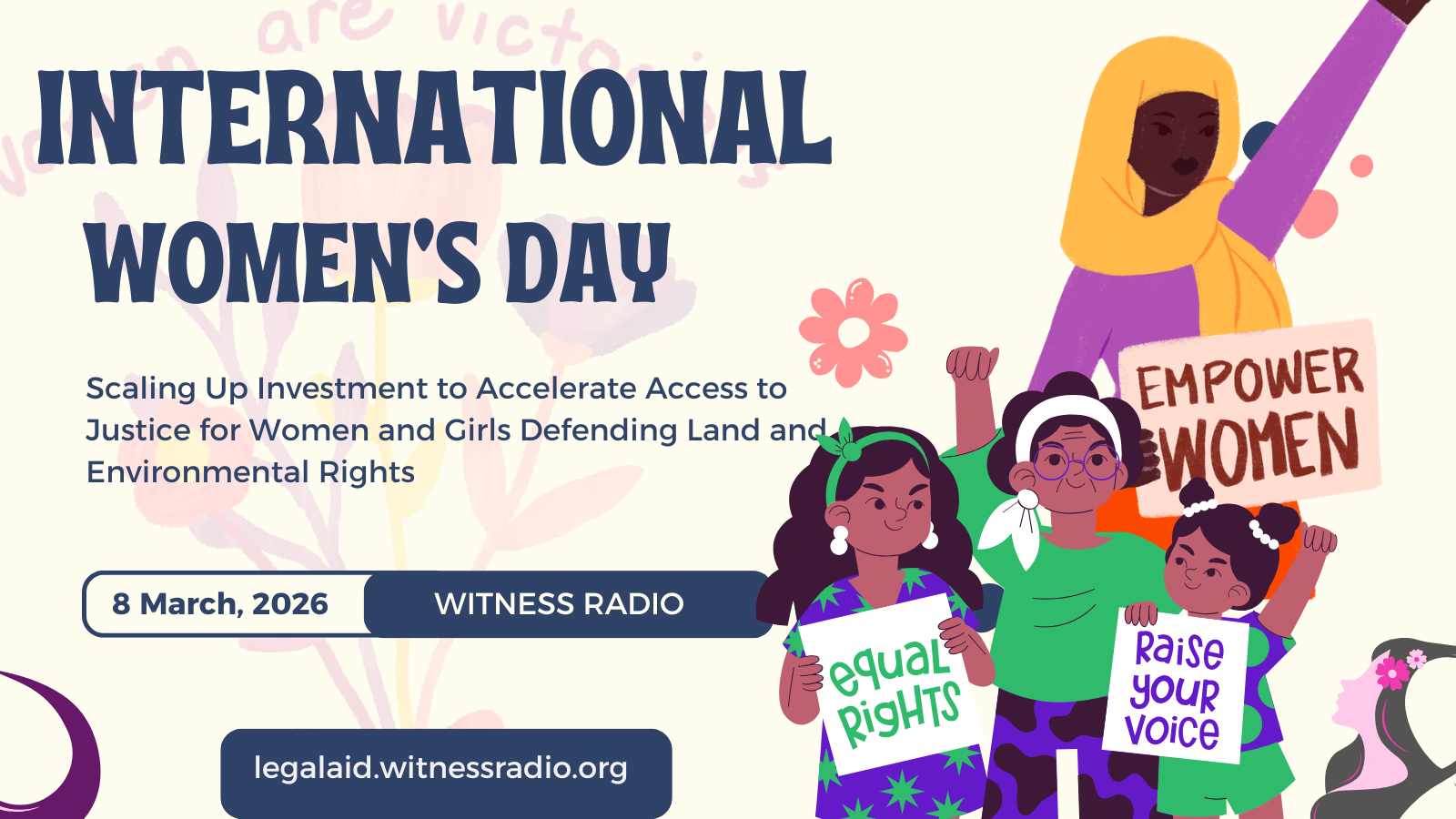
Statement by Witness Radio- Legal Aid Clinic on International Women’s Day 2026; Scaling Up Investment to Accelerate Access to Justice for Women and Girls Defending Land and Environmental Rights
Published
3 months agoon
March 8, 2026
As the world commemorates International Women’s Day, Witness Radio Legal Aid Clinic joins voices across Uganda and globally in calling for urgent and transformative action to accelerate access to justice for women and girls, particularly in protecting land rights, advancing environmental justice, and safeguarding community livelihoods.
Across Uganda’s rural communities, women are the backbone of families and local economies. They cultivate the land, produce food, and sustain household livelihoods. Despite being the primary users and custodians of land and natural resources, women remain systematically excluded from ownership, control, and decision-making over the very land that sustains their families and communities. Through our legal aid work supporting communities affected by forced land evictions, large-scale land acquisitions, and environmental degradation, Witness Radio has consistently observed that women bear the greatest burden of land injustices as cultural norms and patriarchal systems in many communities continue to treat land as the domain of men. As a result, women are frequently excluded from community meetings, negotiations, mediations, and decision-making regarding land use, land acquisition, and compensation processes.
Additionally, the increasing wave of large-scale land investments and commercial agriculture across Uganda has further exposed and deepened long-standing inequalities that marginalize women from fair, prompt compensation, decision-making processes, land usage, and ownership rights. Compensation is often paid to male heads of households, while the rights, interests, and contributions of women are overlooked. Many women who depend on the land for farming, food production, and family survival are neither consulted nor recognized as rights holders.
In numerous cases, once compensation is paid to men, women are abandoned with children and left without land, resources, or economic security. This reality exposes the deep lack of justice and tenure security for women, particularly in customary land settings, where their rights are rarely documented or formally recognized. Women who speak out against land grabbing, forced land evictions, or environmental destruction often face intimidation, social backlash, and isolation. Yet despite these challenges, many women continue to stand as frontline defenders of land, environment, and community survival.
Unfortunately, access to justice for these women remains limited. Existing grievance redress structures, cultural institutions, and traditional justice systems often fail to recognize or include women in the justice process, and administrative frameworks and formal legal processes are exorbitantly expensive, lengthy, and inaccessible to rural communities. Social barriers such as cultural norms, poverty, and illiteracy also prevent women from seeking remedies or participating fully in justice mechanisms. Without intentional efforts to dismantle these barriers, the promise of equality under the law and access to justice remains out of reach and a rumor for many women and girls.
Accelerating access to justice for women and girls, therefore, requires transformative action. It requires strengthening community legal empowerment, ensuring women’s meaningful participation in land governance and administration, and guaranteeing that grievance and compensation mechanisms recognize women as legitimate rights holders. In addition, it requires government institutions, cultural leaders, development partners, and private investors to ensure that investments and development projects respect human rights and actively protect women’s land rights rather than undermine them. Responsible investment must include gender-responsive and inclusive land governance and administration practices in a bid to strengthen recognition and protect women’s land rights.
Investors and development actors must ensure that women are consulted, included in negotiations, and fairly compensated where compulsory land acquisition occurs. Development should empower communities, not deepen existing inequalities.
As Witness Radio Legal Aid Clinic, we remain committed to supporting women land and environmental defenders, strengthening community land rights awareness, and amplifying the voices of women who continue to resist dispossession and demand accountability. Through legal aid, documentation of human rights abuses, and advocacy for equitable land governance, we stand in solidarity with women who are courageously defending their rights and the future of their communities.
As we mark this International Women’s Day, we honor the resilience of women across Uganda who continue to speak out for justice, dignity, and equality. Their struggle is not only about land, but also about justice, survival, and the protection of future generations.
“The soil remembers, my child. Even when men steal, even when papers lie, the land never forgets who sang to it, who bled for it, who are buried beneath it.”
Truly,
Witness Radio Legal Aid Clinic
Related posts:

Know Your Land rights and environmental protection laws: a case of a refreshed radio program transferring legal knowledge to local and indigenous communities to protect their land and the environment at Witness Radio.
Bridging the access to justice gap: Witness Radio trains paralegals ahead of Uganda’s general election.

Upholding Women’s Land Rights in the implementation of development projects will accelerate progress.

In memory of land and investment women victims in Uganda on the International Women’s Day 2021
STATEMENTS
Joint Statement Response by Advisers of PAPs to the DRS Follow-Up Report on the Uganda KIIDP-2 Case
Published
7 months agoon
November 25, 2025

Joint Statement Response by Advisers of PAPs to the DRS Follow-Up Report on the Uganda KIIDP-2 Case
KAMPALA, 25th NOVEMBER 2025
Introduction
On 30th October 2025, the World Bank’s Dispute Resolution Service (DRS) published its final Follow-up Report on the Uganda KIIDP-2 case, a community-led complaint regarding forced evictions and project-related harms under the Kampala Infrastructure and Institutional Development Project. The case began in 2021 and closed in 2023.
We welcome the publication of the Follow-up Report as it provides important reflections on dispute resolution practice. We appreciate that feedback from stakeholders, including some of our own, was incorporated into the Report. However, the Report presents an overly positive narrative that fails to reflect critical issues experienced by community members negatively impacted by the KIIDP-2 project. These omissions not only distort the record but undermine the legitimacy and objective of the accountability process and learning.
Gaps in Report
Project harms continue: It is paramount to begin here. The affected community filed a complaint to the Inspection Panel of the World Bank in 2020 to complain about harm they were experiencing with the ongoing KIIDP II project. The project designers and implementers failed to engage meaningfully with people who would be impacted by the project, and as a result, there was inadequate compensation for negative impacts, health risks and other hazards were associated with mismanagement of the drainage channel, and people lost their livelihoods. Over five years later–and even after a mediation process–the issues persist. The project remains incomplete even after the project closeout date. Clogged passages with dirt, persistent flooding of peoples homes and farms with dirty water, lack of access to homes, and incomplete infrastructure remain unresolved. The posture of the Follow-up Report assumes implementation is complete and everything is well, but the reality couldn’t be further from that.
No livelihood restoration: Livelihood support was a core demand from community members and a central topic throughout the mediation. Although interim agreements were reached on this issue, they were not included in the final agreement, and no livelihood programs have since been implemented. The community’s health, safety, and economic conditions continue to deteriorate as a result.
Women’s issues ignored: Gender-specific harms raised in the complaint and during the case process were never addressed and are completely absent from the final report.
Retaliation, intimidation, and threats of eviction: The report fails to acknowledge threats, harassment, and attempted evictions faced by community members during the process.
The process felt coerced and rushed: The Follow-up Report fails to capture DRS’ own challenges in managing the timelines to ensure a successful outcome. Although the mediation process spanned 18 months, community members report that they felt pressured to sign the agreement on the final day. In part this is because there was confusion about whether the dispute resolution process had officially concluded, and representatives and advisors were not informed in advance that the signing would take place that day. The Follow-Up Report also fails to capture the serious concerns associated with the signing of the agreement that led the community to feel coerced to sign the agreement. For example, the presence of government security officials at the signing created an intimidating atmosphere, further contributing to the sense of coercion.
Undermined decision-making: In the final stages, the DRS changed the previously agreed community representation and decision-making structure, sidelining duly elected representatives and diminishing the voice of minority or dissenting perspectives. The DRS made a unilateral decision–on the day of signing of the agreement–that the representatives previously elected by impacted community members were no longer going to make decisions on behalf of the community, and that instead, every member of the community was required individually to sign the agreement if they wanted to benefit from its provisions. Furthermore, the DRS had earlier communicated that if the agreement was signed, no unresolved issues could be referred to the compliance process, effectively discouraging individuals from dissenting or withholding their signature.
Confidentiality limitations: Unreasonably strict confidentiality restrictions during the mediation process limited community representatives’ ability to consult with other community members, the media, and allies. This lack of openness undermined transparency, community-wide participation, and meaningful ownership of the process. Towards the end of the process and during the implementation phase, the DRS interpreted these confidentiality provisions in a way that denied advisors access to key documents, including the mediation agreement and drafts of the Follow-Up Report. This made it extremely difficult for the advisors to support the community with timely and informed guidance. The removal of the Implementation Committee on the day of signing the agreement, without mutual agreement or any formal communication, further isolated the advisors. As a result, they were unable to monitor implementation or receive feedback through project-affected people (PAPs), with DRS insisting that the agreement remained confidential. The continued denial of access under the guise of confidentiality infringed on the community’s right to adequate representation.
Exclusion from Inspection Panel referral: The report omits that requesters were excluded from bringing unresolved issues to the Inspection Panel for investigation. This shift contradicted earlier expectations and closed off a key accountability route. Read more here.
To support transparency and learning, we commissioned an independent consultant to gather community feedback on the process, outcomes, and roles of various actors. Once complete, this analysis will be shared with the DRS and the World Bank to inform future DRS processes and strengthen accountability for other communities.
Conclusion
We believe in the potential of dispute resolution to provide meaningful remedy, but to realize that potential, there must be bold, transparent, and inclusive implementation. The DRS must account for all aspects of the mediation process and its outcomes. Livelihoods, gender-specific harms, and reprisals are not peripheral issues; they are central to justice, and they are left unresolved.
We thank the DRS for its work and call for further dialogue to ensure the spirit of the agreement is honored, and the dignity of the Kawaala community upheld.
Witness Radio
Accountability Counsel
Statement: 19.11.25 Statement Re DRS Report
Related posts:

Joint Statement on World Bank Accountability Mechanism’s Decision to Limit Application of Operating Procedures
PAPs and advisors cry foul over the mismanagement of the remedy agreement with the Uganda Government facilitated by the World Bank’s IAM.
Acknowledging Community’s Agreement while Raising Concerns with World Bank’s Dispute Resolution Service
Joint statement: AfDB should open spaces for civil society and communities, during the Annual Meetings and beyond.
Accountability in Crisis: Development banks, while funding Asia’s energy transition, are accused of silencing Asian local and Indigenous communities, highlighting the central tension between a clean-energy push and the repression of those most affected.
Agroecological Entrepreneurship: African farmers are redefining agriculture by building agroecological businesses that challenge industrial models.
The 2nd edition of East Africa Business and Human Rights opens in Nairobi, highlighting the critical issue of African States’ limited participation in global treaty-making, which risks leaving the continent’s specific needs unaddressed.
Buvuma residents drove off surveyors as they resisted the surveying of their land targeted for palm oil tree planting.
Experts warn that without Africa’s control over resources and climate financing, the continent faces the risk of entering a new era of “green colonialism”.
Stop favoring export-oriented production over strengthening local food systems – Food Sovereignty advocates to the African Development Bank officials.
EU delegation praises Uganda’s oil and gas progress amid mounting land and human rights challenges in the Albertine Region.
Rising fertilizer dependence sparks debate over Africa’s agricultural future; experts call for urgent critical review process.
Innovative Finance from Canada projects positive impact on local communities.

Over 5000 Indigenous Communities evicted in Kiryandongo District

Petition To Land Inquiry Commission Over Human Rights In Kiryandongo District

Invisible victims of Uganda Land Grabs
Resource Center
- CAN AFRICAN FOOD SYSTEMS THRIVE WITHOUT CHEMICAL FERTILISERS
- Land And Environment Rights In Uganda Experiences From Karamoja And Mid Western Sub Regions
- REPARATORY AND CLIMATE JUSTICE MUST BE AT THE CORE OF COP30, SAY GLOBAL LEADERS AND MOVEMENTS
- LAND GRABS AT GUNPOINT REPORT IN KIRYANDONGO DISTRICT
- THOSE OIL LIARS! THEY DESTROYED MY BUSINESS!
- RESEARCH BRIEF -TOURISM POTENTIAL OF GREATER MASAKA -MARCH 2025
- The Mouila Declaration of the Informal Alliance against the Expansion of Industrial Monocultures
- FORCED LAND EVICTIONS IN UGANDA TRENDS RIGHTS OF DEFENDERS IMPACT AND CALL FOR ACTION
Legal Framework
READ BY CATEGORY
Newsletter
Trending
-
MEDIA FOR CHANGE NETWORK1 week agoEU delegation praises Uganda’s oil and gas progress amid mounting land and human rights challenges in the Albertine Region.
-
MEDIA FOR CHANGE NETWORK4 days agoThe 2nd edition of East Africa Business and Human Rights opens in Nairobi, highlighting the critical issue of African States’ limited participation in global treaty-making, which risks leaving the continent’s specific needs unaddressed.
-
MEDIA FOR CHANGE NETWORK2 weeks agoThe Indigenous Seeds movement in East Africa is convening in Kenya, with the potential to reshape the region’s food systems.
-
MEDIA FOR CHANGE NETWORK6 days agoWorld Environment Day 2026: Environmental Advocates warn of rising ecological costs arising from Uganda’s land-based investments.
-
STATEMENTS1 week agoLand-based investments in Uganda are weakening the country’s ecological resilience.
-
MEDIA FOR CHANGE NETWORK2 weeks agoCourt Ruling: RDCs and police cannot stop lawful land evictions.
-
MEDIA FOR CHANGE NETWORK4 days agoBuvuma residents drove off surveyors as they resisted the surveying of their land targeted for palm oil tree planting.
-
NGO WORK6 days ago1st Eastern Africa Indigenous Seed Conference 2026 | EA-ISC Nairobi