
MEDIA FOR CHANGE NETWORK
West Nile Press Association (WENPA)

Related posts:
 Rejuvenate Investigative Reporting to impact change in societies.
 I am not interested in Karamoja land, says Museveni
 Nile city project affected persons in fresh demand for compensation
 Mao continues to push for Nile Republic
MEDIA FOR CHANGE NETWORK
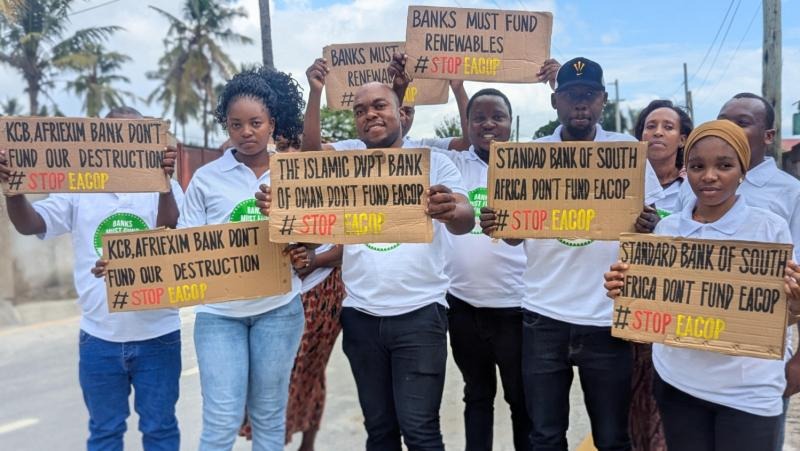
Environmental and human rights advocates are urging the world to hold global investors accountable for their actions.

Related posts:
 The 4th African Forum on Business and Human Rights: The rapidly escalating investment in Africa is urgently eroding environmental conservation and disregarding the dignity, the land, and human rights of the African people.
 #COP27: HUMAN RIGHTS ADVOCATES URGE PARTIES TO INCREASE RECOGNITION AND PROTECTION OF ENVIRONMENTAL AND LAND DEFENDERS.
 Land and environmental rights defenders, CSOs, scholars, and government to meet in Kampala to assess Uganda’s performance on the implementation of the UN Guiding principles on Business and Human Rights in Uganda.
 Report reveals ongoing Human Rights Abuses and environmental destruction by the Chinese oil company CNOOC
MEDIA FOR CHANGE NETWORK
Why are secure land rights key to Africa’s climate resilience and the protection of its natural treasures?
Related posts:
 Restoring Our Land: Tackling Degradation for Climate Resilience, Food Security, and Sustainable Development at COP16
 Africa’s responsible business agenda is facing challenges as more land is taken from local communities for investment, and landowners struggle to secure justice.
 Road to COP30: Climate justice is achievable if young people have secure land tenure as a mitigation measure against migration.
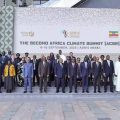 Africa adopts the Africa Climate Innovation Compact (ACIC) Declaration to drive the continent towards innovative climate solutions.
Related posts:

 Conference of the Parties to the Convention on Biological Diversity (COP16): Solutions for companies, losses for communities and biodiversity
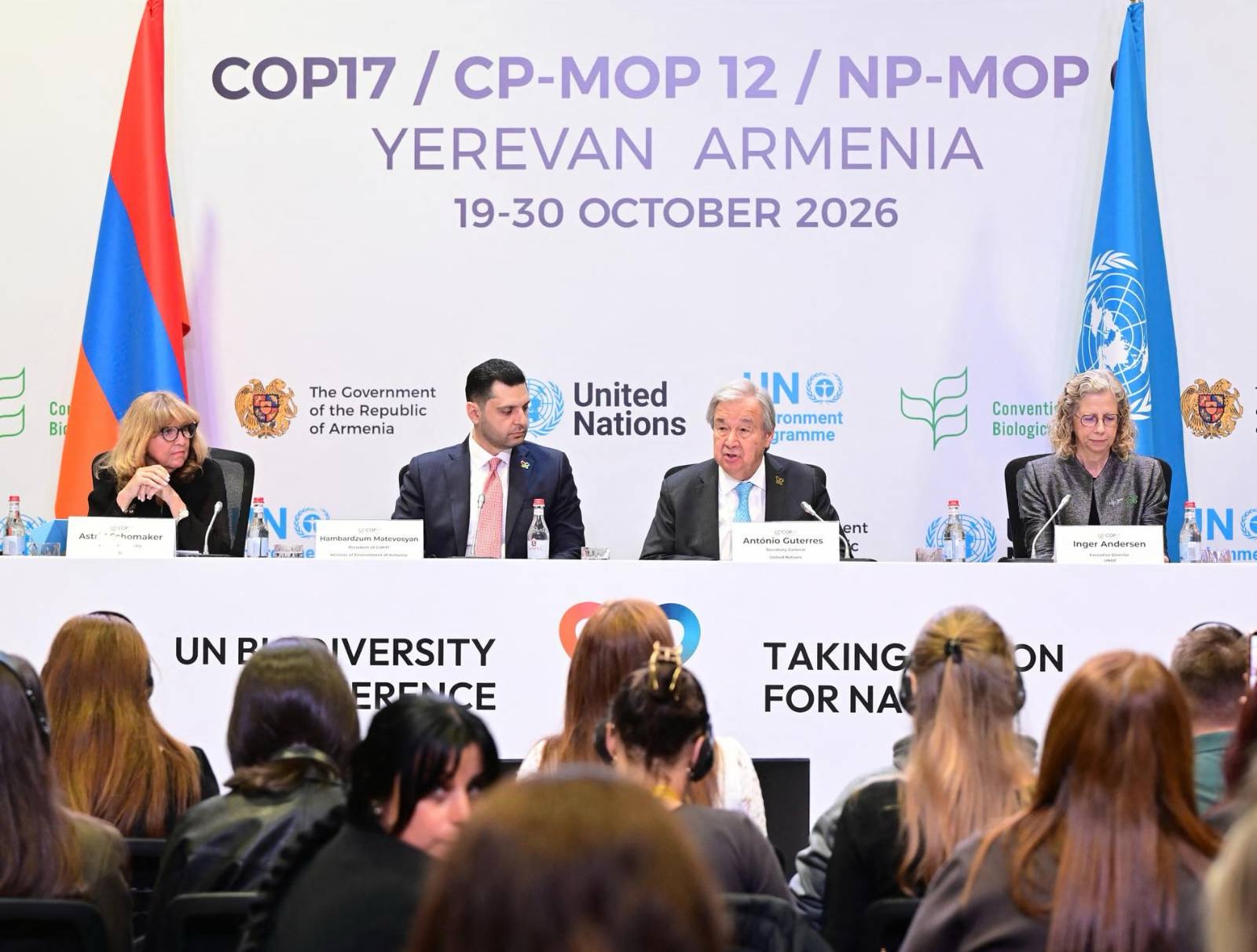
 Civil society groups at UNCCD COP17 are calling for urgent action on land rights, drought, and vital funding.
 New report: EACOP threatens tourism and biodiversity in Greater Masaka.
 COP16 in Riyadh: World Leaders Commit $12.15B to Combat Land Degradation and Drought

Environmental and human rights advocates are urging the world to hold global investors accountable for their actions.

Why are secure land rights key to Africa’s climate resilience and the protection of its natural treasures?

Biodiversity Goals: The world has no time to meet its 2030 goals.

Lands Ministry tightens rules for replacing lost titles, gives landowners 30 days to object

Lango ex-combatants count losses after dry spell destroys maize harvest

Five years after Uganda’s National Action Plan on Business and Human Rights, are local communities hosting land-based investment projects seeing change?

Tanzanian Government Abducts Maasai Villagers in an Unconscionable Attack on Indigenous Land Defenders

The global race for clean energy minerals is leaving communities grappling with conflicts and human rights abuses, a new report reveals.

Innovative Finance from Canada projects positive impact on local communities.

Over 5000 Indigenous Communities evicted in Kiryandongo District

Petition To Land Inquiry Commission Over Human Rights In Kiryandongo District

Invisible victims of Uganda Land Grabs
-
 NGO WORK2 weeks ago
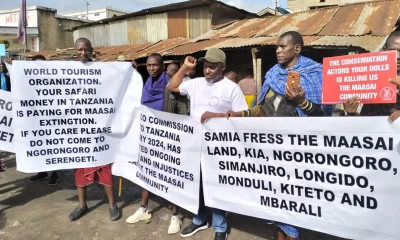
Tanzanian Government Abducts Maasai Villagers in an Unconscionable Attack on Indigenous Land Defenders
-
 MEDIA FOR CHANGE NETWORK1 week ago
World Food Day 2026: Building healthy diets means reimagining how we grow, share, and enjoy our food.
-
 MEDIA FOR CHANGE NETWORK2 weeks ago
Court remands 10 anti-oil activists as suspect collapses in dock
-
 MEDIA FOR CHANGE NETWORK2 days ago
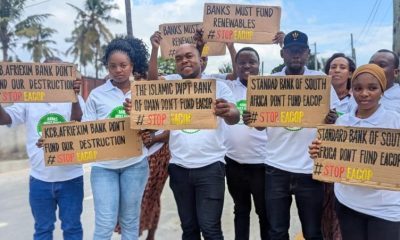
Environmental and human rights advocates are urging the world to hold global investors accountable for their actions.
-
 MEDIA FOR CHANGE NETWORK1 week ago
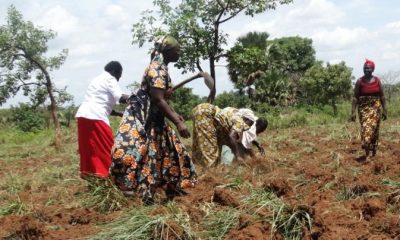
International Day of Rural Women : Rural women farmers deserve not only equal rights and access to resources, but also the strength and voice to safeguard Mother Nature.
-
 MEDIA FOR CHANGE NETWORK1 week ago
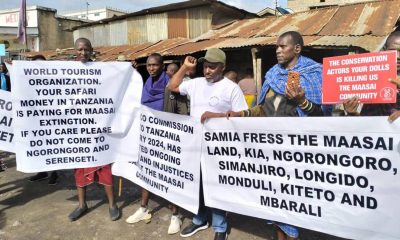
Defending ancestral land comes at a steep price as Maasai communities in Tanzania face relentless, mounting pressure.
-
 MEDIA FOR CHANGE NETWORK1 week ago
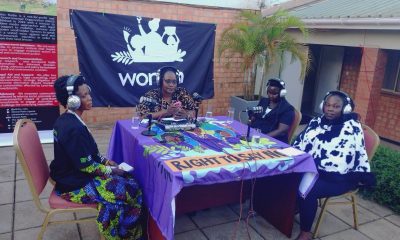
As waves of investment sweep across Uganda, countless women rise to defend their land, safeguard their traditions, and claim their right to be heard.
-

 NGO WORK1 week ago
As World Bank Holds Annual Meetings, 84,000 Tanzanians Call for Justice