Connect with us

MEDIA FOR CHANGE NETWORK

USA, Israel, and Iran War effects: Why the world cannot afford to delay the renewable energy transition?

Published

on

By the Witness Radio team.

When conflict erupted in the Middle East, oil and gas prices surged within hours. Insurance premiums increased, shipping routes became uncertain, and inflation followed. The 2024 World Energy Investment report notes that the Middle East accounts for about 30% of global oil production.

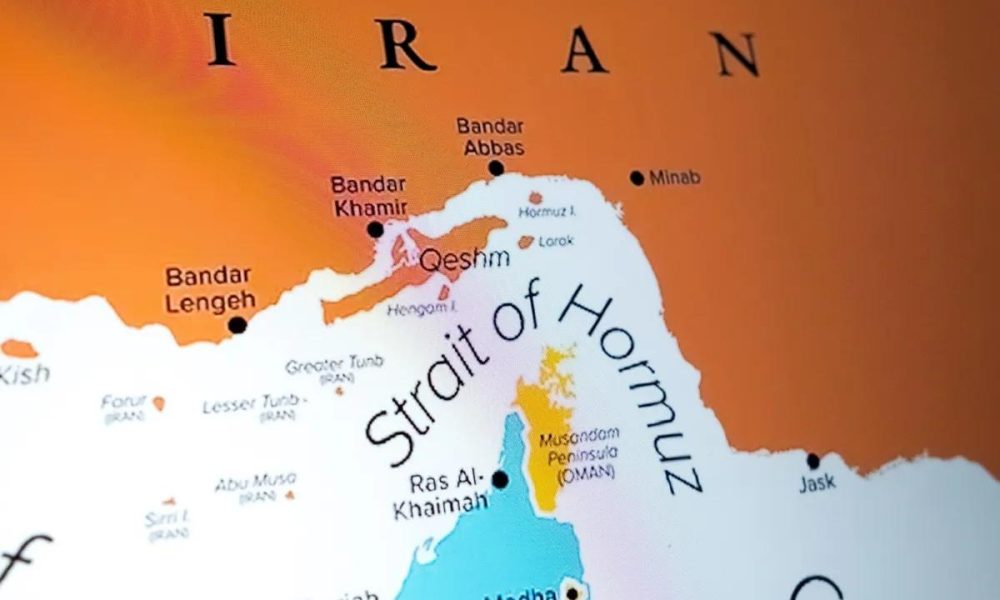
Now, with the ongoing conflict between the USA, Israel, and Iran, the Strait of Hormuz is closed, and any ship attempting to pass will be fired upon by Iran, according to a senior Iranian Revolutionary Guards official on Monday.

“The Strait (of Hormuz) is closed. If anyone tries to pass, the heroes of the Revolutionary Guards and the regular navy will set those ships ablaze,” Ebrahim Jabari, a senior adviser to the Guards commander-in-chief, said in remarks carried by state media.

The Strait is the world’s most vital oil export route, connecting the largest Gulf oil producers, such as Saudi Arabia, Iran, Iraq, and the United Arab Emirates, with the Gulf of Oman and the Arabian Sea.

The closure came after Israeli and American strikes on Iran on February 28, with the intention of weakening its government. Iran retaliated by firing missiles at the United Arab Emirates, Saudi Arabia, and Oman in addition to launching missile barrages toward Gulf nations that house American military installations, such as Qatar, Kuwait, and Bahrain.

These developments demonstrate the extent to which fossil fuel geopolitics continue to influence the world economy.

For energy policy expert Sandrine Dixson-Declève, these recurring shocks expose a structural weakness in the global economy.

“Energy is not just about electricity. It is about geopolitical power. As long as we remain dependent on fossil fuels, we will remain vulnerable to conflict, price volatility, and political leverage.” Sandrine says in an exclusive interview with the Witness Radio team.

The global push toward renewable energy, she argues, is not driven solely by environmental idealism. It is rooted in security, sovereignty, and economic resilience.

Energy dependence has always had a geopolitical component. Experts say the oil crises of the 1970s revealed how exposed industrialized nations were to supply disruptions in the Middle East. Decades later, similar dynamics re-emerged when Europe relied heavily on Russian gas delivered through projects like Nord Stream 2 before the invasion of Ukraine.

“We have known since the 1970s that dependency on fossil fuels creates political fragility. And yet we failed to reduce that dependency structurally.” Sandrine Dixson-Declève maintains.

The war in Ukraine, alongside renewed tensions involving Israel and Iran, underscores the same vulnerability. Energy-importing nations find their foreign policy constrained by supply risks.

“The only way to break that cycle is to shift the demand side of the equation. We need to reduce dependence on fossil fuel supply altogether and think of alternatives, such as the transition to renewable energy.” The expert adds.

Geopolitical tensions alone make a strong case for accelerating the energy transition. However, climate science makes the need even more urgent. The planet has already temporarily exceeded 1.5°C of warming above pre-industrial levels — the limit governments committed to avoid under the Paris Agreement.

“We are already seeing the consequences: floods, desertification, water stress, extreme storms, Tornados. So, the weather and people’s lives and livelihoods will be increasingly affected. And the number one source of greenhouse gas emissions is the burning of fossil fuels. So, it is that dual reason, both the geopolitical dependency, but also the need to shift towards renewables, that is really driving this transition.” Adds Sandrine.

She warns that the economic consequences of inaction are mounting. “The cost of climate inaction is already estimated at around 3 percent of global GDP annually. At higher levels of warming, that figure could rise dramatically. Governments that think delay is cheaper are fundamentally mistaken. So, if governments really want to buffer GDP and ensure they preserve and build more resilient economies for the future, they have to move towards decarbonized energy. We have to reduce our impact on climate change.”

The primary source of greenhouse gas emissions remains the combustion of fossil fuels. According to the Intergovernmental Panel on Climate Change (IPCC), fossil fuels — coal, oil, and natural gas — account for roughly three-quarters of global greenhouse gas emissions and nearly 90 percent of carbon dioxide (CO₂) emissions. The energy sector alone, including electricity, heat production, transport, and industry, is responsible for the largest share of global emissions. Coal-fired power plants remain the single biggest contributor, while oil dominates transport emissions, and gas is playing an increasingly important role in power generation and industry.

“This is a dual crisis: it’s geopolitical dependency, and it’s climate destabilization, and both point in the same direction: transition. Globally, we continue to subsidize fossil energy at enormous levels. At the same time, oil and gas companies have made extraordinary windfall profits.” Sandrine says.

For Dixson-Declève, this reflects a structural distortion in the market. “We have created a perverse system where fossil fuels are artificially cheaper than renewables because of subsidies and the absence of proper taxation.” She maintains.

Attempts to secure a global commitment to phase out fossil fuels have repeatedly encountered political resistance. At the 2023 climate Summit, COP28 — held under the framework of the United Nations Framework Convention on Climate Change — governments agreed for the first time to “transition away from fossil fuels in energy systems.

“There are countries that continue to block progress. Without stronger financial and regulatory pressure, change remains slower than it should be.” She adds.

The Secretary-General of the United Nations, António Guterres, recently accused world leaders of slowing the transition at COP30 in Belém, Brazil, citing nations’ inaction and lack of commitment to ending fossil fuels.

“Fossil fuels still receive huge public subsidies, spending billions on lobbying, deceiving the public, and hindering progress. Too many corporations are making record profits from the climate devastation they cause. Too many leaders remain hostage to fossil fuel interests,” Mr. Guterres stressed.

But Dixson argues that eliminating fossil subsidies and taxing windfall profits would significantly accelerate the shift. “If we correct the economic signals, the transition speeds up. Beyond national-level commitments, we need commitments at the corporate, business, and industrial levels to reduce the impact of emissions from their production processes. This really calls for transitioning away from fossil fuels and energy systems and tripling global renewable energy capacity by 2030.” Sandrine advises.

Despite political resistance, economic trends suggest that renewables are gaining momentum.

“Solar and wind are now cheaper than new fossil fuel projects in most parts of the world. The market fundamentals are increasingly in favor of renewables.” Sandrine notes.

Continue Reading

MEDIA FOR CHANGE NETWORK

Eastern Africa seed conference ends with calls for food security

Published

on

The first Eastern Africa Indigenous Seed Conference concluded Friday in Nairobi, the Kenyan capital, with delegates calling for greater efforts to harness the diversity of Africa’s indigenous food crops to combat hunger and malnutrition.

The four-day conference, held under the theme “Realizing the Right to Food Through Seed Sovereignty,” brought together senior policymakers, lawmakers, researchers and smallholder farmers from across Africa to discuss the role of indigenous seeds in achieving food and nutritional security.

Daniel Wanjama, executive director of the Seed Savers Network, said the conference has sparked renewed momentum toward placing indigenous seeds at the center of Africa’s food systems transformation.

Wanjama said about 80 percent of the seeds African smallholder farmers use come from farmer-managed systems, most of which are indigenous varieties. He underscored the need to strengthen their conservation through legislation, public awareness and agricultural policy reform.

Key themes discussed during the conference included promoting farmer-managed seed banks, diversifying native crops to boost resilience and nutritional security, advancing gender equality and inclusivity, and supporting community-based seed enterprises.

Francoise Uwumukiza, a member of the East African Legislative Assembly from Rwanda, said regional lawmakers have rallied behind efforts to enact policies and legislation that promote the conservation of indigenous seeds as part of a broader food security and rural development agenda.

“We are pushing forward all the initiatives that focus on food systems transformation and indigenous seeds protection. These initiatives are part of an ambitious roadmap to ensure that we eradicate hunger in the region,” Uwumukiza said.

Francis Ngiri, a smallholder farmer from Kenya, said governments should scale up support for community seed banks and indigenous crops to cope with climate shocks, shrinking arable land, pests and market volatility.

Source: english.news.cn

Continue Reading

MEDIA FOR CHANGE NETWORK

Seed Sovereignty: East African Farmers Push for Laws to Protect Indigenous Seeds and Biodiversity
Published

on

Nairobi-Stakeholders in farmer-managed systems across Africa meeting in Nairobi are pushing for strict legislation to protect indigenous seeds and safeguard traditional farming knowledge.

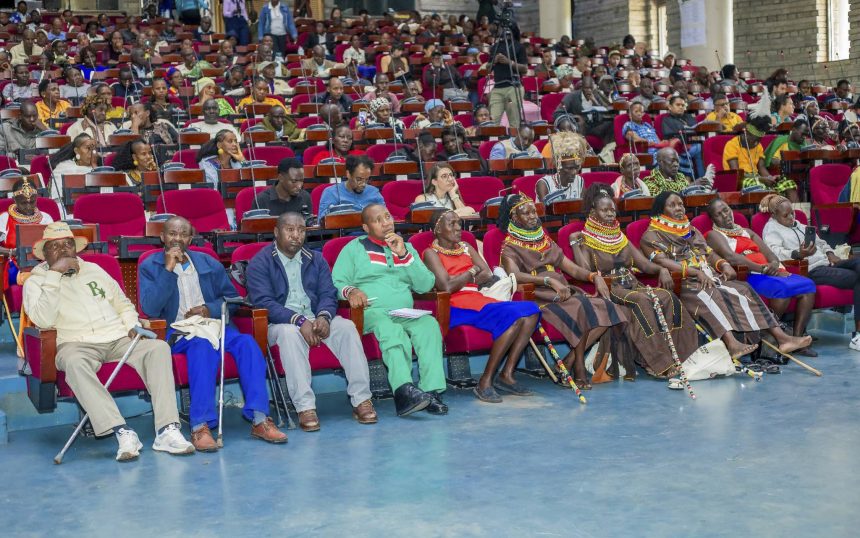
At the 1st Eastern Africa Indigenous Seeds Conference, farmers, researchers, policymakers, and civil society organisations from across Eastern Africa are calling for greater recognition and protection of farmer-managed seed systems against agricultural practices they say threaten traditional farming systems and biodiversity.

The four-day Conference, convened by Seed Savers Network, runs from November 17th to 20th, 2026, under the theme “Realising the Right to Food through Seed Sovereignty.”

The conference seeks to strengthen farmer-managed seed systems, promote agricultural biodiversity and advance farmers’ rights to save, exchange, use and improve indigenous seeds.

Speaking at the opening of the conference, Seed Savers Network Director Dr Daniel Wanjama warned that the lack of farmer-managed system-friendly laws not only exposes the farmer but also puts nations at risk of hunger.

“When we have 80% of food consumed being produced by millions of smallholder farmers, we cannot afford to have laws and policies that fail to protect such a critical group of people within the food value chain,” said Wanjama.

Wanjama cited Kenya, where he said a lack of farmer-managed system policies has seen the country lose 30% of its indigenous seed and plant varieties in the past 20 years.

Beatrice Wangui, a smallholder farmer and indigenous seed custodian, said protecting traditional seed varieties was essential to preserving Africa’s agricultural heritage and ensuring farmers retained control over what they grow.

She noted that indigenous seeds, passed down through generations, were adapted to local environmental conditions and offered farmers an important alternative as climate change increasingly disrupted agricultural production.

“These seeds are part of our heritage. Our parents and grandparents preserved them, not because they had no alternatives, but because they understood their value. Today, we are being pushed towards commercial seeds, yet we must not lose the freedom to save, replant and share the seeds that have sustained our communities for generations,” she said.

Katrin Voss-Rosa, Director of Luxemburg Foundation East Africa, argued that industrial agriculture was not benefiting the smallholder farmer.

She called on the donor community to shift focus from industrial food production funding and instead channel it to organic farming, which she says produces healthier food.

Van-Rosa warned that over-reliance on seeds susceptible to pest attacks and on fertilisers that affect soil health was not helping Africa’s food situation.

“We cannot be food secure and sovereign when we keep the indigenous farmer out of the equation,’’ she said.

The conference comes at a critical time, as the East African Legislative Assembly is expected to debate the East African Community Seed and Plant Varieties Bill, 2025, which seeks to harmonise seed registration, certification, marketing, and plant breeders’ rights across the region.

However, farmer organisations and civil society groups have raised concerns that the proposed regional legislation could undermine farmer-managed seed systems if it fails to recognise indigenous varieties and traditional seed-sharing practices adequately.

EALA MP David Ole Sankok said the regional legislature was committed to passing the proposed Bill to protect local seed varieties.

He warned that East Africa cannot afford to continue relying on exotic seeds, which he says has turned Africa into a net importer of food.

“We have four seed companies controlling almost 50% of the global seed market. This exposes the continent to the threat of biological warfare’’ said Sankok.

The conference is also expected to discuss the role of community seed banks in ensuring access to locally adapted varieties, preserving indigenous knowledge and helping communities recover from climate-related shocks.

Beyond food security, the conference will explore the conservation of indigenous livestock breeds, tree seeds and underutilised crops as important components of agricultural biodiversity.

Another expected outcome of the conference will be the establishment of a regional community of practice bringing together farmers, researchers, seed custodians, civil society organisations and policymakers to share evidence, strengthen partnerships and coordinate action beyond the conference.

According to the organisers, the initiative will provide a sustained platform for regional collaboration and ensure that the concerns and experiences of farming communities inform future agricultural policies.

Source: panafricanvisions.com

Continue Reading

MEDIA FOR CHANGE NETWORK

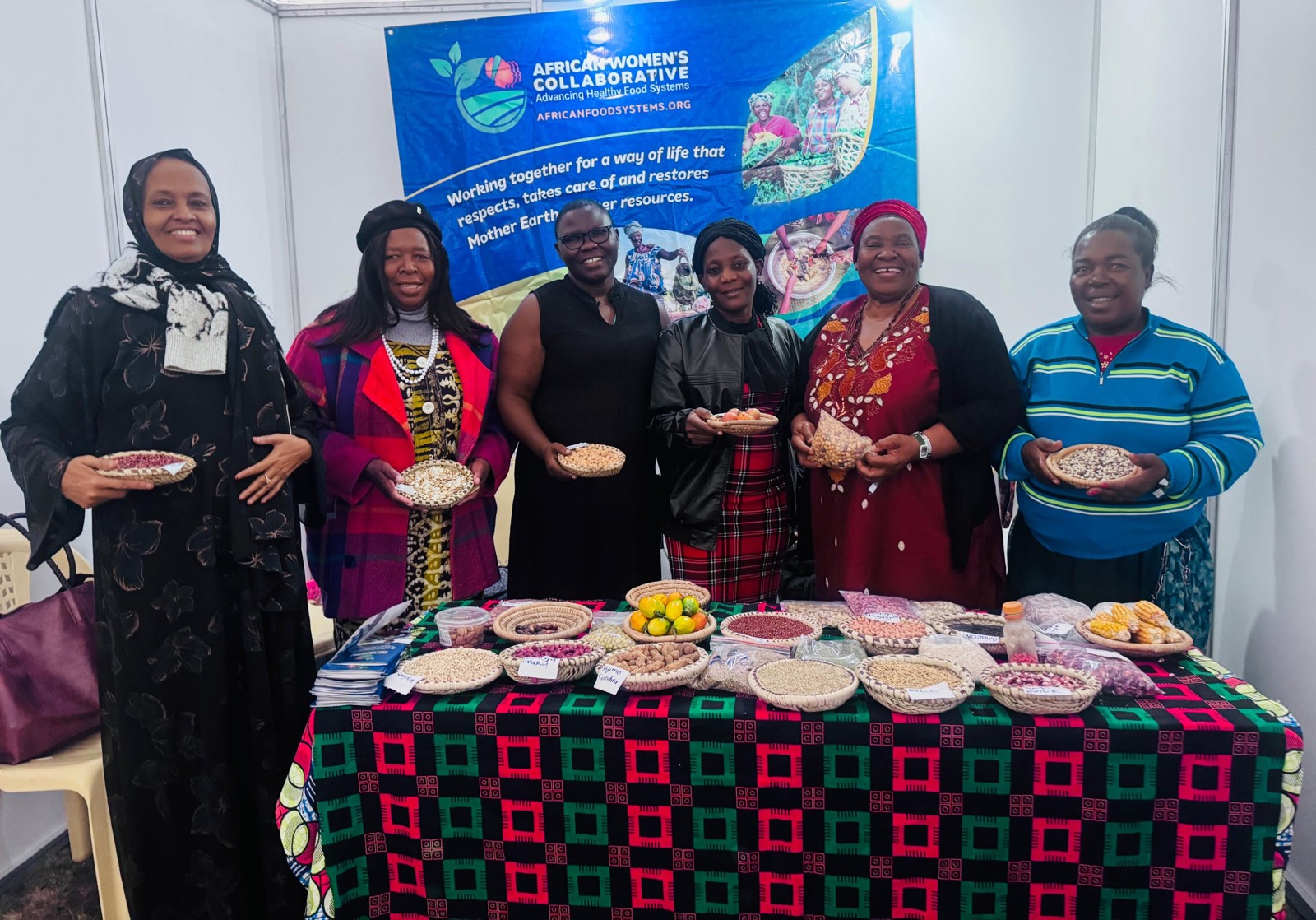
African women will present research findings on indigenous seeds, nutrition, and climate resilience in Nairobi, Kenya.
Published

on

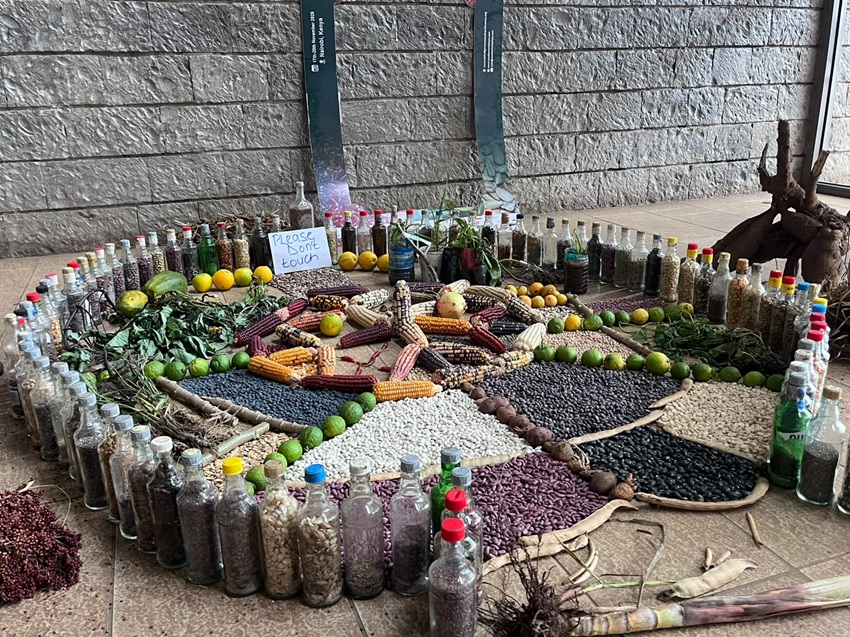
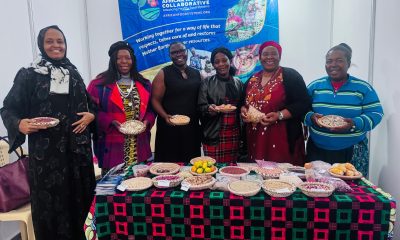
Farmers from 9 African countries who have champiioned the conversation on food and nutrition explain the nutritional benefits of the crops that they grow in their communities at their exhibition stall in Nairobi

By the Witness Radio Team.

Today, Thursday, November 19, the African Women’s Collaborative for Healthy Food Systems will present findings from its farmer-led research on indigenous seeds, African foods, and climate-resilient crops. This will take place during a side event at the First Eastern Africa Indigenous Seed Conference in Nairobi, Kenya.

The event, titled Indigenous Seeds, Nutrition and Resilience: Findings and Recommendations from Farmer-Led Research, will take place from 11:00 am to 12:30 pm at the Catholic University of Eastern Africa in Nairobi.

For those unable to attend in person, Witness Radio will broadcast the event live on its radio platform and social media channels, including YouTube.

The side event will present key findings and recommendations from two research reports: Empirical Study on Nutritional African Foods and Nutritional Assessment of Ten Climate-Resilient Food Crops.

This research documents the nutritional, cultural, economic, and agroecological value of local African foods. It shows how these foods support communities, preserve cultural knowledge, sustain rural livelihoods, and strengthen farming systems suited to their environments.

The event will facilitate discussion on how indigenous foods and climate-resilient crops can strengthen diverse food systems while recognizing the knowledge and practices of farming communities, particularly women who are key stewards of local foods and seeds.

Participants will review the research findings, examine the reports, and collaborate on strategies to support diverse and nutritious food systems resilient to climate challenges.

The African Women’s Collaborative for Healthy Food Systems is a Pan-African initiative that brings together peasant and indigenous women leaders and their organizations. Since 2017, the Collaborative has supported rural and indigenous women in shaping Africa’s food systems.

The Collaborative advocates for women’s rights and recognizes their contributions to food production, seed conservation, agroecology, and promoting nutritious local foods. It acknowledges women farmers as both producers and guardians of indigenous seeds and ancestral knowledge.

Through its Nutritional African Foods Initiative, the Collaborative promotes knowledge about foods grown by African rural women, who use agroecological methods and local resources to feed their communities.

The Nairobi side event brings together farmers, researchers, seed custodians, policymakers, and civil society organizations from Eastern Africa for the inaugural Eastern Africa Indigenous Seed Conference, held from November 17 to 20.

With the theme Realizing the Right to Food through Seed Sovereignty, the conference aims to empower farmer-managed seed systems and highlight farmers’ role in conserving, selecting, saving, exchanging, and using indigenous seeds.

Seed Savers Network organizes this gathering, providing a regional platform to share experiences, address policy challenges, and build alliances to protect indigenous seeds and agricultural biodiversity.

The Collaborative’s side event will contribute to these discussions by highlighting the connections between indigenous seeds, women’s knowledge, nutrition, and the resilience of local food systems.

The event will be broadcast live on Witness Radio and social media platforms on Thursday, November 19, from 11:00 am to 12:30 pm (East Africa Time).

Continue Reading

Resource Center

Legal Framework

READ BY CATEGORY

Facebook

Newsletter

Subscribe to Witness Radio's news and report updates


Trending

Subscribe to Witness Radio's news and report updates