Connect with us

MEDIA FOR CHANGE NETWORK

Environmentalists Call for Stronger Enforcement as Wetland and Forest Destruction Accelerates

Published

on

Environmentalists have called on government to strengthen enforcement of environmental laws to curb the continued destruction of wetlands, forests and other natural ecosystems, warning that weak implementation is worsening flooding, land degradation and climate vulnerability in Uganda’s urban and rural areas.

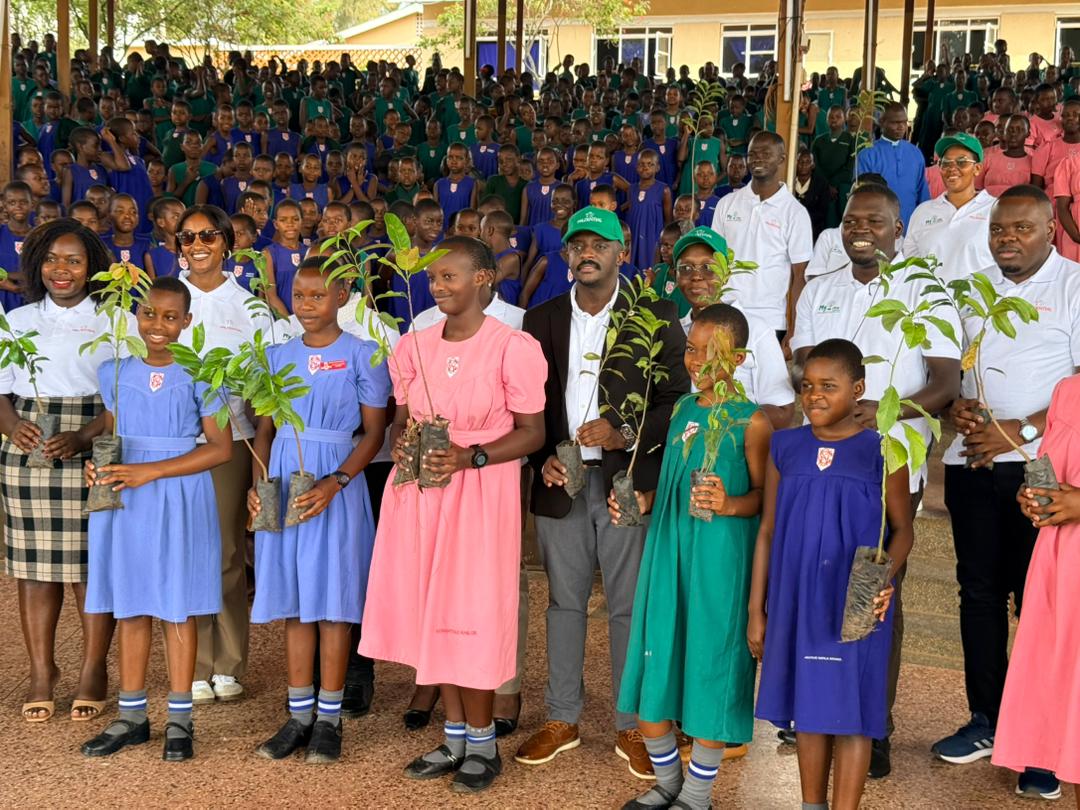
The warning was issued by conservation advocates during a tree-planting and environmental awareness campaign in at Gayaza Junior School in Wakiso District, where stakeholders said ongoing encroachment on protected ecosystems is undermining national conservation efforts.

Enjer Ashraf, Executive Director of the My Tree Initiative, said the rapid loss of wetlands and forest cover is already contributing to environmental disasters, particularly flooding in Kampala and surrounding areas.

“The continuous flooding you see in Kampala and other areas is a result of people degrading natural resources like swamps and forests,” Ashraf said.

He noted that many wetlands and forest reserves are being cleared for settlement, industrial developments and other construction projects, despite existing legal protections meant to safeguard them.

According to Ashraf, while Uganda has environmental protection laws in place, enforcement remains inconsistent, allowing encroachment to continue with limited consequences for violators.

He warned that if the trend is not reversed, the country risks more severe climate-related impacts, including increased flooding, loss of biodiversity and declining agricultural productivity.

The environmentalist made the remarks during a tree-planting exercise at Gaaza Junior School, where more than 500 fruit trees were planted under a broader campaign promoting environmental restoration and climate awareness among young learners.

“As we plant trees to regreen the environment, the spaces where this should happen are being taken over,” he said, calling for tougher action against illegal developments in protected ecosystems.

Push for climate education in schools

Beyond enforcement, the My Tree Initiative also urged government to integrate environmental conservation and climate change education into the national school curriculum, saying early awareness is critical in addressing long-term environmental challenges.

The call was made during the same school-based tree-planting programme, which also saw stakeholders plant mango, avocado and jackfruit trees as part of efforts to establish a sustainable school orchard system.

Organisers said practical environmental education—such as tree planting—should complement classroom learning to help pupils develop long-term conservation habits.

“We believe integrating environmental aspects, including climate change, into the curriculum can help advance awareness among young people,” a representative of the initiative said.

They argued that schools provide a strategic platform for shaping behaviour, noting that children are more likely to adopt environmental practices if exposed to them early.

Private sector joins conservation push

The campaign has also attracted private sector participation, with companies pledging support for nationwide tree-planting initiatives aimed at promoting sustainability and reducing environmental degradation.

Crown Beverages Limited has launched a school-based tree-planting programme targeting more than 2,000 trees across Uganda this year, beginning with 600 fruit trees at Gaaza Junior School.

Pearl Elizabeth Kitimbo, Brand Communications Manager at Crown Beverages Limited, said the initiative is intended to promote environmental responsibility among young people.

“Planting trees is one way of addressing global warming and ensuring future generations have a better environment,” Kitimbo said.

He added that involving children in such programmes increases the likelihood of long-term behavioural change and helps extend conservation practices into households and communities.

Gaaza Junior School officials welcomed the intervention, describing it as a milestone in promoting environmental awareness and nutrition among pupils.

“This is a memorable day because we have never planted such a number of trees before,” said Mrs. Lillian Nyanzi Gwokyalya, Quality Assurance at Gayaza Junior School

She said the fruit trees will provide long-term benefits, including food supply for learners and improved school environmental conditions.

Stakeholders involved in the campaign have urged government, development partners and private sector actors to scale up similar initiatives across the country, arguing that combining enforcement with education and community participation is key to reversing environmental degradation.

They said Uganda’s growing environmental challenges require a coordinated approach that strengthens law enforcement while also promoting awareness and sustainable practices among future generations.

Source: nilepost.co.ug

Continue Reading

MEDIA FOR CHANGE NETWORK

Breaking: El Niño looms over East Africa and Asia, bringing the specter of floods and disease outbreaks.

Published

on

By Witness Radio team.

A leading humanitarian aid group has sounded the alarm over a strengthening El Niño, poised to unleash extreme weather across East Africa and parts of Asia. Millions of vulnerable people now stand on the frontlines, facing mounting threats of floods, disease, food shortages, and shattered livelihoods.

The International Rescue Committee (IRC) warns that the brewing El Niño could unleash severe floods, disease outbreaks, scorching heatwaves, and punishing droughts in the months ahead, threatening countries like Uganda, Kenya, Somalia, Bangladesh, Pakistan, and Afghanistan.

The IRC cautions that communities battered by past floods, droughts, displacement, and dwindling aid now stand to endure yet another major climate blow unless swift action is taken.

“We are watching several emergencies converge at once, and the places least equipped to absorb another shock are the ones in the crosshairs. Acting now, before the rain falls, is far cheaper and far more humane than responding after people have lost everything,” said Bob Kitchen, IRC Vice President for Emergencies.

This warning comes as forecasts predict East Africa could be drenched by unusually heavy rains from October to December, heightening the dangers of flooding, landslides, ruined crops, and surging disease outbreaks.

In Uganda, authorities and aid agencies fear that relentless rainfall could wash away hard-won progress made by communities still recovering from earlier climate disasters, such as drought.

The IRC reports that Uganda may swing from parched conditions to a flood-prone final quarter, sparking fresh worries about displacement.

During the previous El Niño cycle, the IRC states that more than 413,000 people in Uganda were affected by climate-related impacts.

Kenya, too, stands on high alert, as forecasts point to persistent El Niño conditions that could unleash torrents of rain, floods, and landslides before the year ends.

“Kenya faces an 80–82% chance of El Niño persisting through 2026, with dry conditions this summer giving way to a high risk of flooding and landslides,” Humanitarian Aid stated in its press conference.

In Somalia, where millions already grapple with drought and humanitarian crises, aid agencies warn that relentless rains could deepen existing hardships. The IRC notes that over 4.8 million Somalis urgently need help, as floods threaten to wipe out crops, taint water supplies, and fuel the spread of diseases like cholera and acute watery diarrhea.

The organization recalls that earlier floods in Somalia wiped out nearly 13,000 tonnes of crops and battered towns and villages, leaving families with even fewer resources to weather another disaster.

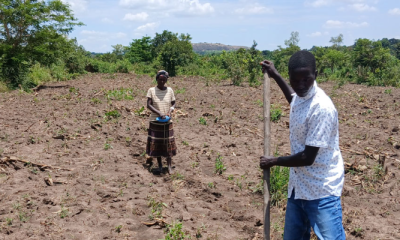
Agricultural experts warn that El Niño could plunge East Africa deeper into food insecurity by upending farming, ravaging crops, and driving up production costs.

Because the region depends so heavily on climate-sensitive agriculture, extreme weather can swiftly trigger food shortages and send prices for essentials soaring.

Dr. Joseph W. Glauber, a senior research fellow at the International Food Policy Research Institute (IFPRI), previously told Witness Radio that Africa remains highly vulnerable to global shocks affecting food systems, including disruptions in fertilizer supply and rising agricultural input costs.

“Africa is quite vulnerable largely because shipment sizes to Africa tend to be smaller, so the unit costs for energy and other components and fertilizer tend to be a little higher than those from bigger countries,” Dr. Glauber said.

The IRC cautions that although rain is vital for farming, relentless downpours could drown fields, devastate crops, and deal a heavy blow to rural livelihoods.

“If rains destroy agricultural production, communities could face reduced food availability, increased food prices, and greater dependence on humanitarian assistance,” experts warn.

As East Africa braces for deluges, parts of Asia are set to feel El Niño’s impact in very different ways.

The IRC reports that El Niño may bring scant rainfall and soaring temperatures to Pakistan, while the northern mountains face the looming threat of sudden glacier-melt floods.

Bangladesh is already reeling from deadly monsoon disasters, as floods and landslides upend the lives of thousands, including Rohingya refugees in the Cox’s Bazar camps.

“Bangladesh’s monsoon season has already turned deadly this year. Landslides and flooding have killed at least 15 Rohingya refugees living in the Cox’s Bazar camps and displaced more than 10,000 people since the start of July,” the organization added.

El Niño is a natural climate phenomenon sparked by unusually warm sea surface temperatures in the equatorial Pacific. It disrupts global weather, drenching some regions with rain while parching others with drought and heat.

The International Rescue Committee calls on governments, donors, and aid groups to boost funding for anticipatory action programs, empowering communities to brace for disasters before they strike.

Continue Reading

MEDIA FOR CHANGE NETWORK

MPs Tasked to Enhance Land Governance Oversight

Published

on

Members of Parliament have been urged to champion reforms that strengthen land governance, protect citizens’ land rights, and facilitate socio-economic transformation during a recent orientation. Legislators were reminded of their crucial role in managing Uganda’s valuable land resource and addressing widespread land disputes. Source: https://www.parliament.go.ug/index.php/news/4506/strengthen-oversight-land-governance-speaker.

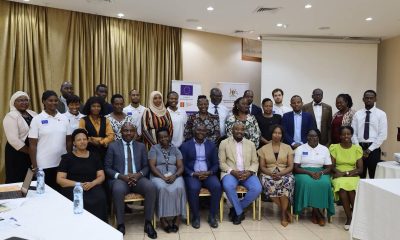
Legislators in Uganda are being called upon to play a more active role in improving the nation’s land governance system. This directive comes as the country continues to face significant challenges related to land disputes, illegal evictions, and land grabbing.

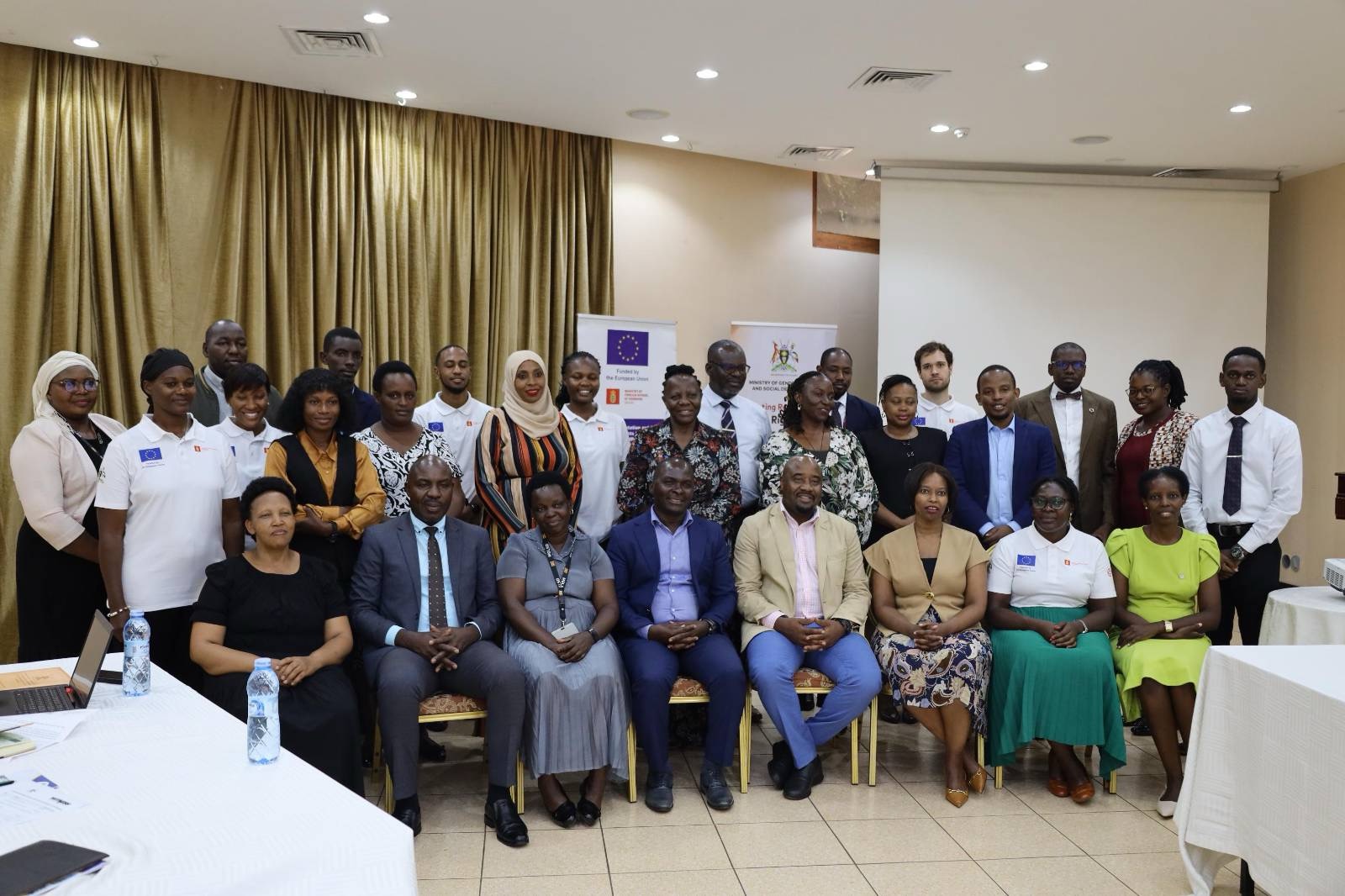
During an orientation on land governance, organized by the Uganda Parliamentarians Land Management Forum and supported by various government and non-government entities, Members of Parliament (MPs) were urged to champion reforms. Parliament Commissioner Jesca Ababiku, representing the Speaker, emphasized that land is a vital national asset and that MPs must use their positions to safeguard citizens’ interests.

Ababiku highlighted the prevalence of land disputes, noting that approximately 42 percent of  court cases are related to land. She warned that vulnerable citizens are at risk of losing their land if leaders do not intervene proactively. The Speaker’s message underscored Parliament’s central role in ensuring justice, attracting investment, and driving national development through effective land governance.

The Minister of Lands, Housing and Urban Development, Judith Nabakooba, acknowledged that despite a robust  legal framework, land conflicts persist. She pointed to issues such as fraud, double titling, and corruption as hindering livelihoods and deterring investment. The Minister stressed the need for greater public awareness regarding land rights and the importance of viewing land as an economic enabler.

Progress in decentralizing land services, digitizing records, and increasing land registration coverage was noted. However, the documentation of customary land remains a significant challenge. The Ministry is seeking parliamentary support for key legislative reforms, including proposals for the Real Estate Bill and amendments to several land-related acts, to strengthen regulation and improve land administration.

Source: ugandaonline.net

Continue Reading

MEDIA FOR CHANGE NETWORK

Global hunger falls, but millions in Africa still go without food, says UN

Published

on

Geneva | Global hunger has declined for the third consecutive year, offering renewed hope that progress against food insecurity is possible. Yet for Uganda and the rest of Africa, the latest United Nations findings are a reminder that the continent continues to carry the heaviest burden of hunger despite improvements in many parts of the world.

The State of Food Security and Nutrition in the World 2026 (SOFI 2026) report, released jointly by five UN agencies, estimates that 645 million people experienced hunger in 2025, down from 659 million in 2024 and 688 million in 2022.

The figures indicate that global efforts to improve food security are beginning to bear fruit, but not fast enough to achieve the Sustainable Development Goal of ending hunger by 2030.

For Uganda, the report presents a mixed picture. While global hunger is declining, Africa has overtaken Asia as the region with the highest number of hungry people. Approximately 309 million Africans experienced hunger in 2025, compared to 292 million in Asia.

One in every five Africans remains undernourished, and more than half of the continent’s population continues to face moderate or severe food insecurity. These findings come at a time when Uganda is striving to transform agriculture from subsistence farming into a commercial, climate-resilient sector.

Agriculture remains the backbone of Uganda’s economy, employing the majority of the population and contributing significantly to export earnings. Yet erratic rainfall, prolonged droughts in some regions, flooding in others, crop pests, high post-harvest losses and fluctuating food prices continue to threaten food security for many households.

The UN report notes that while 2.1 billion people worldwide still experience moderate or severe food insecurity, Africa accounts for the highest share, with 56.6 per cent of its population unable to consistently access sufficient, safe and nutritious food. This means many families are forced to reduce meal sizes, skip meals altogether or settle for less nutritious diets. For Uganda, where rural communities depend heavily on rain-fed agriculture, climate change remains one of the biggest threats to food production.

Recent seasons have demonstrated how prolonged dry spells and unpredictable weather patterns can reduce harvests, increase food prices and place vulnerable households at greater risk of hunger.

The report also highlights another growing concern that resonates with Uganda’s public health priorities: malnutrition is no longer only about hunger. While millions still lack enough food, obesity and poor-quality diets are increasing across the world.

Globally, the prevalence of adult obesity rose from 12.1 per cent in 2012 to 16.2 per cent in 2024. At the same time, nearly 150 million children under five remain stunted due to chronic undernutrition, while only about one-third of children aged between six and 23 months consume sufficiently diverse diets.

Uganda has made progress in reducing child stunting over the past decade, but nutrition experts continue to warn that poor infant feeding practices, limited dietary diversity and food insecurity remain major contributors to child malnutrition. The challenge is compounded by rising food costs, making nutritious foods such as fruits, vegetables, dairy products and animal proteins increasingly difficult for many households to afford.

The report reveals that the average global cost of a healthy diet has risen sharply to 4.28 purchasing power parity dollars per person per day in 2025, compared to 2.94 dollars in 2017. Although fewer people globally are unable to afford healthy diets than four years ago, Africa is moving in the opposite direction.

More than two-thirds of Africans, 66.6 per cent of the population, could not afford a healthy diet in 2025. This is more than double the proportion recorded in Asia and Latin America.

For Uganda, where inflation in food prices periodically affects household purchasing power, the findings reinforce the importance of investing across the agricultural value chain rather than focusing solely on increasing production. According to the report, between 70 and 75 per cent of the price consumers pay for food is determined after it leaves the farm, through transport, storage, processing, wholesale and retail costs.

This suggests that investments in rural roads, irrigation, cold storage facilities, food processing, market infrastructure and efficient transport systems could significantly reduce food costs while increasing farmers’ incomes.

Reducing post-harvest losses, estimated to claim a substantial share of agricultural produce in Uganda each year, would also improve food availability without requiring additional land for cultivation. The report further warns that progress made globally could easily be reversed.

Ongoing conflict in the Middle East, rising energy and fertiliser prices, declining humanitarian funding and increasingly frequent climate shocks all threaten future food security. Even under optimistic projections, between 510 million and 520 million people could still be hungry by 2030, well above the level required to meet the global Zero Hunger target.

For Uganda, these global developments matter because the country remains connected to international food, fuel and fertiliser markets. Higher import costs translate into more expensive agricultural inputs and higher food prices, placing additional pressure on both farmers and consumers.

The UN agencies argue that reducing the cost of healthy diets will require targeted investments in agriculture, stronger food value chains, research and innovation, improved irrigation, climate-smart farming practices, better trade policies and social protection programmes that support vulnerable households.

Ultimately, the report offers both hope and caution. It demonstrates that hunger can be reduced through sustained investment and sound policies, but it also makes clear that progress is uneven and fragile.

Strengthening agricultural resilience, improving nutrition, expanding food processing and ensuring affordable access to healthy diets will be essential for countries in Sub-Saharan Africa in order to contribute meaningfully to the global ambition of ending hunger by 2030.

As the report concludes, a world where healthy food is affordable and accessible to everyone remains within reach, but only if governments, development partners, the private sector and communities work together to build food systems that are more resilient, inclusive and sustainable.

Source: independent.co.ug

Continue Reading

Resource Center

Legal Framework

READ BY CATEGORY

Facebook

Newsletter

Subscribe to Witness Radio's news and report updates


Trending

Subscribe to Witness Radio's news and report updates