
MEDIA FOR CHANGE NETWORK
24 years of waiting for justice: Kaweeri Coffee evictees’ case is finally coming back in court.


Related posts:

 Kaweeri Coffee case failed to take off, a new hearing date for mention is set.
 At last, Kaweeri Coffee land eviction case is set for hearing
 Kaweeri Coffee land grabbing case re-trial resumes as evictees continue to suffer gross human rights violations.
 Double jeopardy as former Kaweeri Coffee Plantation limited evictees face land eviction once again from where they were settled


Related posts:
 1st Eastern Africa Indigenous seed conference 2026
 Smallholder farmers and civil society organizations have launched a dynamic media campaign for the inaugural Eastern Africa Indigenous Seed Conference, inviting more smallholder farmers to join the agroecology movement.
 1st Eastern Africa Indigenous Seed Conference 2026 | EA-ISC Nairobi
 The Indigenous Seeds movement in East Africa is convening in Kenya, with the potential to reshape the region’s food systems.
MEDIA FOR CHANGE NETWORK
Seed Sovereignty: East African Farmers Push for Laws to Protect Indigenous Seeds and Biodiversity
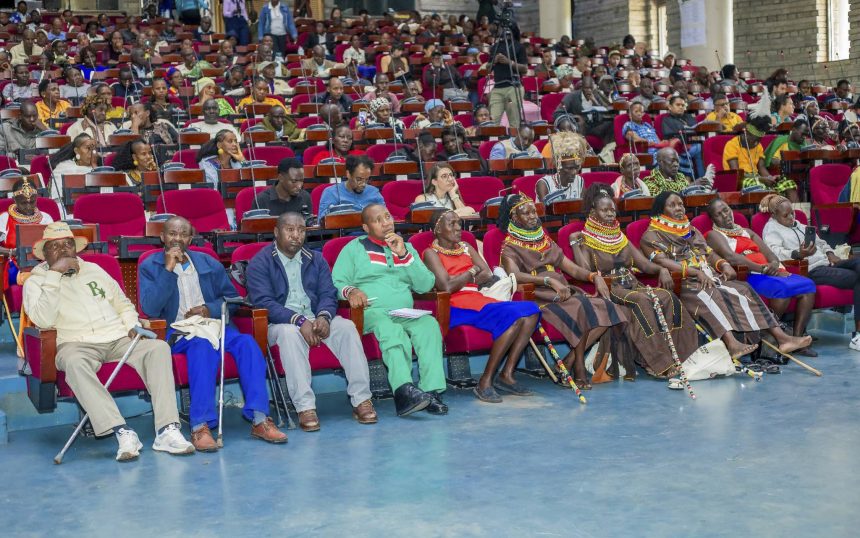
Nairobi-Stakeholders in farmer-managed systems across Africa meeting in Nairobi are pushing for strict legislation to protect indigenous seeds and safeguard traditional farming knowledge.
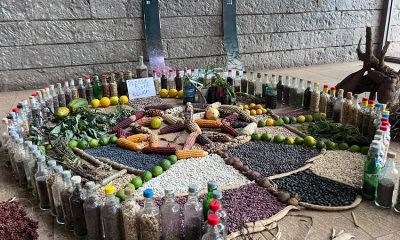
At the 1st Eastern Africa Indigenous Seeds Conference, farmers, researchers, policymakers, and civil society organisations from across Eastern Africa are calling for greater recognition and protection of farmer-managed seed systems against agricultural practices they say threaten traditional farming systems and biodiversity.
The four-day Conference, convened by Seed Savers Network, runs from November 17th to 20th, 2026, under the theme “Realising the Right to Food through Seed Sovereignty.”
The conference seeks to strengthen farmer-managed seed systems, promote agricultural biodiversity and advance farmers’ rights to save, exchange, use and improve indigenous seeds.
Speaking at the opening of the conference, Seed Savers Network Director Dr Daniel Wanjama warned that the lack of farmer-managed system-friendly laws not only exposes the farmer but also puts nations at risk of hunger.
“When we have 80% of food consumed being produced by millions of smallholder farmers, we cannot afford to have laws and policies that fail to protect such a critical group of people within the food value chain,” said Wanjama.
Wanjama cited Kenya, where he said a lack of farmer-managed system policies has seen the country lose 30% of its indigenous seed and plant varieties in the past 20 years.
Beatrice Wangui, a smallholder farmer and indigenous seed custodian, said protecting traditional seed varieties was essential to preserving Africa’s agricultural heritage and ensuring farmers retained control over what they grow.
She noted that indigenous seeds, passed down through generations, were adapted to local environmental conditions and offered farmers an important alternative as climate change increasingly disrupted agricultural production.
“These seeds are part of our heritage. Our parents and grandparents preserved them, not because they had no alternatives, but because they understood their value. Today, we are being pushed towards commercial seeds, yet we must not lose the freedom to save, replant and share the seeds that have sustained our communities for generations,” she said.
Katrin Voss-Rosa, Director of Luxemburg Foundation East Africa, argued that industrial agriculture was not benefiting the smallholder farmer.
She called on the donor community to shift focus from industrial food production funding and instead channel it to organic farming, which she says produces healthier food.
Van-Rosa warned that over-reliance on seeds susceptible to pest attacks and on fertilisers that affect soil health was not helping Africa’s food situation.
“We cannot be food secure and sovereign when we keep the indigenous farmer out of the equation,’’ she said.

The conference comes at a critical time, as the East African Legislative Assembly is expected to debate the East African Community Seed and Plant Varieties Bill, 2025, which seeks to harmonise seed registration, certification, marketing, and plant breeders’ rights across the region.
However, farmer organisations and civil society groups have raised concerns that the proposed regional legislation could undermine farmer-managed seed systems if it fails to recognise indigenous varieties and traditional seed-sharing practices adequately.
EALA MP David Ole Sankok said the regional legislature was committed to passing the proposed Bill to protect local seed varieties.
He warned that East Africa cannot afford to continue relying on exotic seeds, which he says has turned Africa into a net importer of food.
“We have four seed companies controlling almost 50% of the global seed market. This exposes the continent to the threat of biological warfare’’ said Sankok.
The conference is also expected to discuss the role of community seed banks in ensuring access to locally adapted varieties, preserving indigenous knowledge and helping communities recover from climate-related shocks.
Beyond food security, the conference will explore the conservation of indigenous livestock breeds, tree seeds and underutilised crops as important components of agricultural biodiversity.
Another expected outcome of the conference will be the establishment of a regional community of practice bringing together farmers, researchers, seed custodians, civil society organisations and policymakers to share evidence, strengthen partnerships and coordinate action beyond the conference.
According to the organisers, the initiative will provide a sustained platform for regional collaboration and ensure that the concerns and experiences of farming communities inform future agricultural policies.
Source: panafricanvisions.com
Related posts:
 Farmers’ seed systems take centre stage as the first Eastern African Indigenous Seed Conference opens in Kenya.
The Indigenous Seeds movement in East Africa is convening in Kenya, with the potential to reshape the region’s food systems.
 The African Union recognizes farmers’ vital seed rights, yet national laws can still get in the way, creating hurdles for those who depend on these traditions.
Smallholder farmers and civil society organizations have launched a dynamic media campaign for the inaugural Eastern Africa Indigenous Seed Conference, inviting more smallholder farmers to join the agroecology movement.
MEDIA FOR CHANGE NETWORK
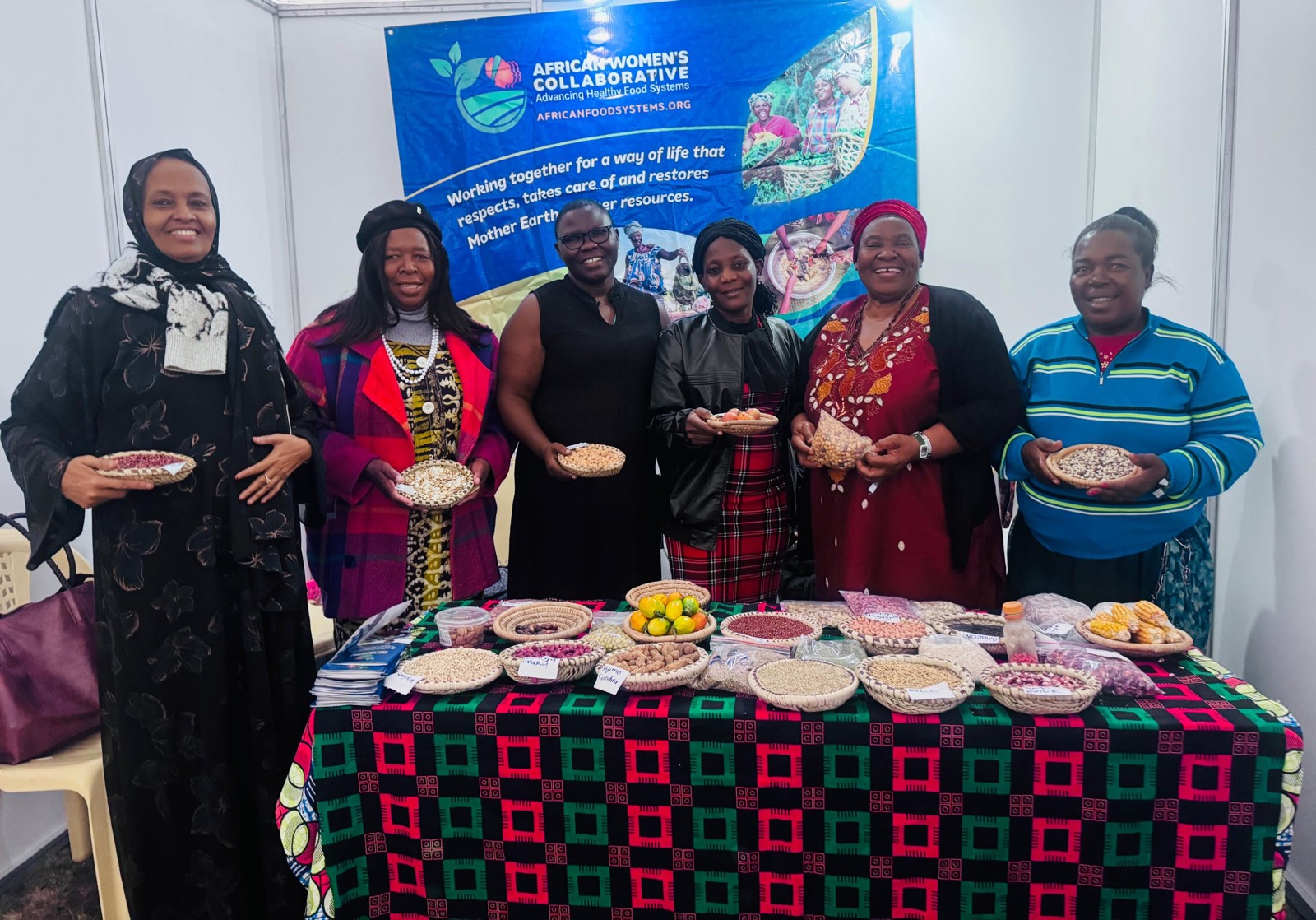
African women will present research findings on indigenous seeds, nutrition, and climate resilience in Nairobi, Kenya.
Related posts:
Farmers’ seed systems take centre stage as the first Eastern African Indigenous Seed Conference opens in Kenya.
1st Eastern Africa Indigenous Seed Conference 2026 | EA-ISC Nairobi
 East African women unite and meet in Nairobi to develop strategies to protect communal tenure systems and collectively resist false climate solutions.
 Witness Radio and Seed Savers Network are partnering to produce radio content to save indigenous seeds in Africa.

Eastern Africa seed conference ends with calls for food security

Seed Sovereignty: East African Farmers Push for Laws to Protect Indigenous Seeds and Biodiversity

African women will present research findings on indigenous seeds, nutrition, and climate resilience in Nairobi, Kenya.

Farmers’ seed systems take centre stage as the first Eastern African Indigenous Seed Conference opens in Kenya.

Kiryandongo district, a notorious hotspot for land grabs in Uganda: A bitter land dispute spanning 22 years has left residents landless and food-insecure, while the investor anxiously guards his investment.

African faith leaders are raising their voices for reparations as AGRA’s 20-year legacy faces intense scrutiny.

Govt tightens human rights protections in extractive industry

149 CSOs and groups demand answers from banks over $3.7bn in EACOP financing

Innovative Finance from Canada projects positive impact on local communities.
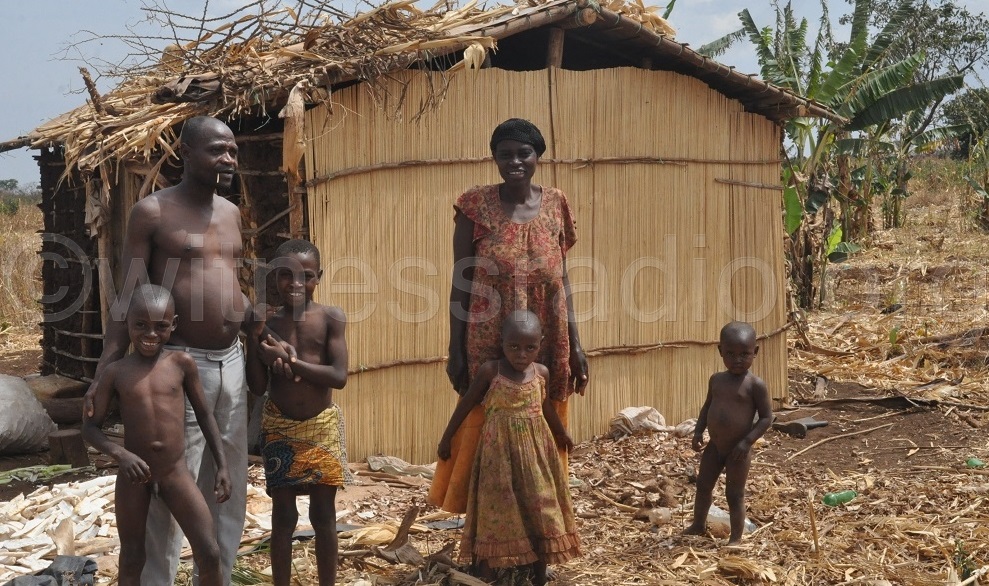
Over 5000 Indigenous Communities evicted in Kiryandongo District

Petition To Land Inquiry Commission Over Human Rights In Kiryandongo District

Invisible victims of Uganda Land Grabs
-
 FARM NEWS2 weeks ago
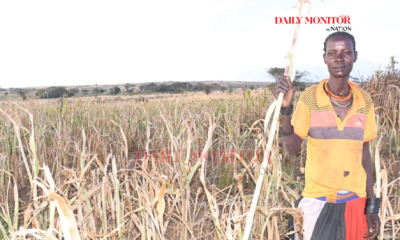
Drought leaves Bulambuli families struggling for food
-
 MEDIA FOR CHANGE NETWORK1 week ago
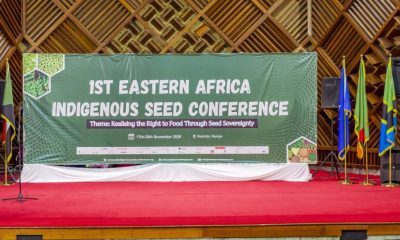
Farmers’ seed systems take centre stage as the first Eastern African Indigenous Seed Conference opens in Kenya.
-
 MEDIA FOR CHANGE NETWORK1 week ago
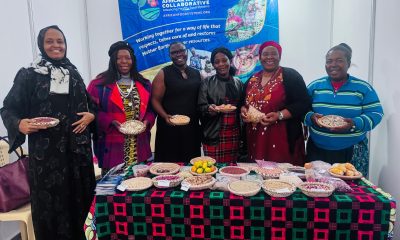
African women will present research findings on indigenous seeds, nutrition, and climate resilience in Nairobi, Kenya.
-
 MEDIA FOR CHANGE NETWORK1 week ago
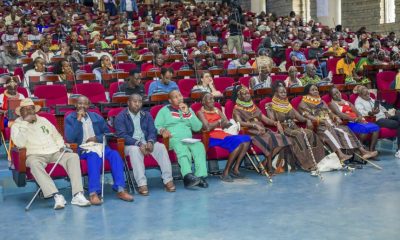
Seed Sovereignty: East African Farmers Push for Laws to Protect Indigenous Seeds and Biodiversity
-
 MEDIA FOR CHANGE NETWORK5 days ago
Eastern Africa seed conference ends with calls for food security