
MEDIA FOR CHANGE NETWORK
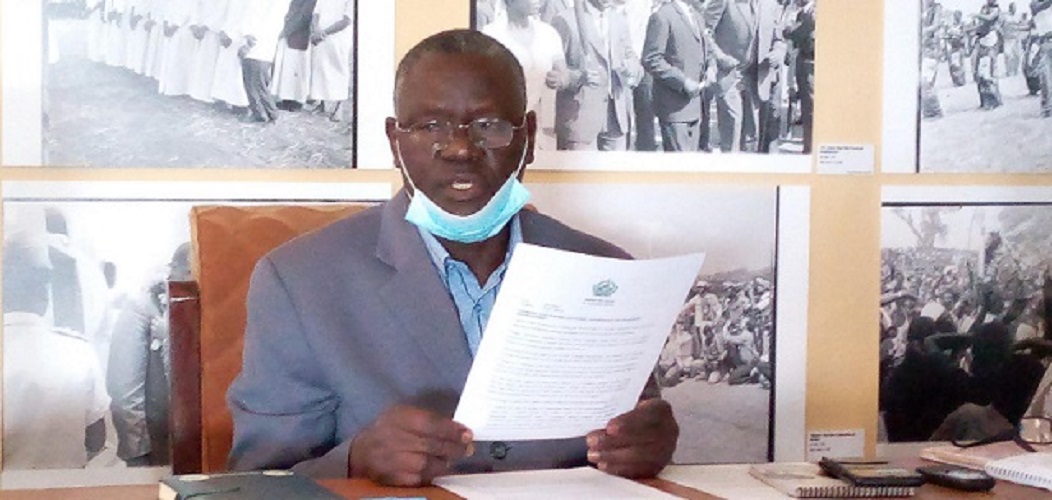
Lugbara cultural institution premier cautions subjects against selling land in Arua city

Related posts:
 Government orders arrest of notorious land grabber in Mubende district.
 Lust Might Result into HIV/AIDS, Bishop Cautions Teachers
 Nile city project affected persons in fresh demand for compensation
 Land grabbing: City mogul hires goons who fire bullets to scare 2,000 tenants








MEDIA FOR CHANGE NETWORK
Young people and agriculture: Step into the world of Ugandan NGO ESAFF, where a new generation in schools is being inspired to reimagine farming, celebrate wholesome food, and become passionate advocates for food sovereignty.


Related posts:
 Stop favoring export-oriented production over strengthening local food systems – Food Sovereignty advocates to the African Development Bank officials.
 Agroecological farming: EAC Bill moves to Parliament to establish a regional legal framework to protect and promote sustainable farming and food systems.
 Strengthening Small-Scale Farming in Uganda through Farmer Field Schools.
 Road to COP30: Climate justice is achievable if young people have secure land tenure as a mitigation measure against migration.
MEDIA FOR CHANGE NETWORK
Alert: Land degradation is emerging as a pressing threat to global security.

Related posts:

 UNCCD COP17 kicks off in Mongolia, drawing nations together to tackle urgent issues of land, drought, and food security.
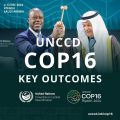 COP16 in Riyadh: World Leaders Commit $12.15B to Combat Land Degradation and Drought
 UNCCD COP16: NGOs issue a stark warning and call for urgent actions to deal with the escalating threats of desertification, land degradation, and drought.
 Civil society groups at UNCCD COP17 are calling for urgent action on land rights, drought, and vital funding.
Related posts:

 Kasese district land bosses ordered to cancel land titles of gov’t land grabbers
 Gov’t cancels three titles on Makerere university land
 Urban Poor Extinction: City Market Land Titles Vanish With No Trace!
 The district security committee continues to defy gov’t’s directive to return locals to their land 48 days later.

MEDIA FOR CHANGE NETWORK12 hours ago
Young people and agriculture: Step into the world of Ugandan NGO ESAFF, where a new generation in schools is being inspired to reimagine farming, celebrate wholesome food, and become passionate advocates for food sovereignty.

MEDIA FOR CHANGE NETWORK15 hours ago
Alert: Land degradation is emerging as a pressing threat to global security.

MEDIA FOR CHANGE NETWORK1 day ago
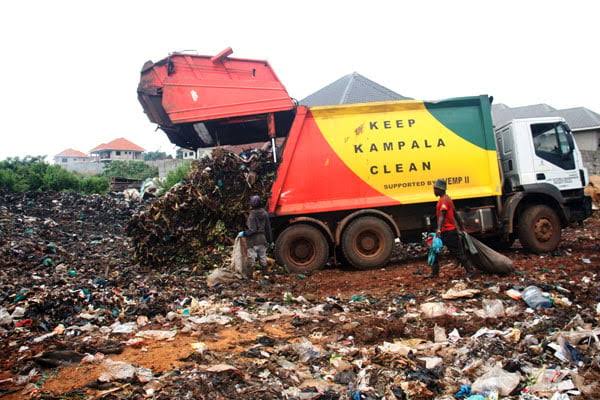
Mpigi Land Committee Seeks Cancellation Of Titles On Buyala Waste Site

MEDIA FOR CHANGE NETWORK2 days ago
How land divisions are fueling Wakiso’s slums

MEDIA FOR CHANGE NETWORK3 weeks ago
Breaking: Sixteen Rooted in Resistance activists arrested and detained as they boldly protested Uganda’s oil ambitions.

MEDIA FOR CHANGE NETWORK4 weeks ago
Civil society organizations across East Africa have revived their campaign against the EAC Seed and Plant Varieties Bill 2025, just as the regional parliament opens the floor to public consultations.

MEDIA FOR CHANGE NETWORK4 weeks ago
Thirteen years after the Karuma Hydropower Project broke ground, countless people forced from their homes are still waiting for the compensation and resettlement they were promised.

MEDIA FOR CHANGE NETWORK3 weeks ago
Tanzania’s surge in conservation investments is under the UN spotlight, as allegations of indigenous land rights violations prompt an urgent call for the government to stop the evictions at once.

Witness Radio Documentaries4 years ago
Innovative Finance from Canada projects positive impact on local communities.

Witness Radio Documentaries8 years ago
Over 5000 Indigenous Communities evicted in Kiryandongo District

Witness Radio Documentaries8 years ago
Petition To Land Inquiry Commission Over Human Rights In Kiryandongo District

Witness Radio Documentaries8 years ago
Invisible victims of Uganda Land Grabs
-

 MEDIA FOR CHANGE NETWORK2 weeks ago
New revelations: TotalEnergies is investing in countries facing political and economic risks, raising fresh questions about the company’s investment strategy.
-
 MEDIA FOR CHANGE NETWORK5 days ago
While hunger continues to grip the world, a new report highlights forests and forest foods as a hidden treasure trove of nourishment.
-

 MEDIA FOR CHANGE NETWORK2 weeks ago
Hunger Soars in AGRA Countries Despite Decades of Green Revolution Push
-

 MEDIA FOR CHANGE NETWORK2 weeks ago
Nimule residents raise alarm over alleged land grabbing
-
 MEDIA FOR CHANGE NETWORK1 week ago
In Kasanda District, a grandmother faces eviction as her own grandchildren join forces against her.
-
 MEDIA FOR CHANGE NETWORK4 days ago
Lira siblings reclaim father’s land after bitter family dispute
-
 MEDIA FOR CHANGE NETWORK5 days ago
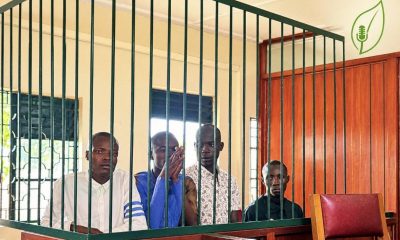
After weeks behind bars, six anti-oil activists have been granted cash bail by the LDC Court.
-
 MEDIA FOR CHANGE NETWORK4 days ago
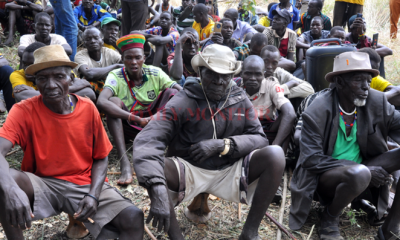
Nabakooba orders probe into 1,500-acre land dispute