By the Witness Radio team.
Up to half of the world’s rangelands are already degraded or at risk because of climate change, unsustainable agricultural expansion, and severe droughts. These landscapes provide food and feed for about 2 billion people worldwide, accounting for nearly 70 percent of the feed produced for livestock, making them among the most important yet least protected ecosystems for food security, biodiversity, and pastoral livelihoods.
This year’s Desertification and Drought Day, observed on 17 June 2026 under the theme “Rangelands: Recognize. Respect. Restore.”, highlighted pastoral mobility as an urgent and essential approach to protecting rangelands amid climate threats.
Scientists and policymakers worldwide warn that rangelands face increasing threats from land degradation, climate change, and competing land uses, jeopardizing livelihoods and ecological stability in dryland regions.
In a video message marking the day, United Nations Secretary-General António Guterres emphasized the importance of Indigenous and pastoral knowledge systems in protecting fragile ecosystems. He said,
“This year also marks the International Year of Rangelands and Pastoralists—a chance to support pastoralists and Indigenous Peoples whose traditional knowledge can help protect these ecosystems. To protect our future, we must protect the land.”
His message highlights the global recognition that pastoral mobility, once seen as outdated, is now a vital survival strategy amid scarcity and climate unpredictability.
The United Nations Convention to Combat Desertification (UNCCD) Executive Secretary, Yasmine Fouad, also stressed that rangeland restoration must move from policy commitments to practical implementation at scale. She noted that “as droughts intensify and competition over land and water resources grows, restoring rangelands must become part of how countries strengthen resilience, secure food systems, reduce risk and support livelihoods.”
Yasim’s views underscore concerns within the UN that continued rangeland degradation will increase food insecurity, displacement, and ecological collapse if not urgently addressed.
From a research and policy perspective, Dr. Michael Brüntrup, an Agricultural Economist and Senior Researcher at the German Institute of Development and Sustainability (IDOS), explains that pastoralism remains central to global land use systems and rural economies. He observes in his 2026 analysis that sustainable pastoralism relies on mobility and ecological balance, following natural vegetation cycles and enabling ecosystem regeneration. Restricting mobility undermines rangelands’ ecological integrity.s.
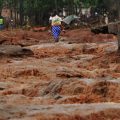
These global trends are stark in Uganda’s cattle corridor, spanning about 84,000 square kilometers—44 percent of the country’s landmass. This vast zone stretches from southern and central Uganda to the northeastern drylands of Karamoja and is home to pastoral and agro-pastoral communities whose livelihoods rely on seasonal livestock migration for pasture and water. But these systems face mounting pressure. Climate change worsens droughts and reduces pasture. Land fragmentation and privatization disrupt traditional mobility. Large-scale agricultural projects further reduce grazing land, fueling competition and conflict. A major structural shift has also contributed to these challenges. Uganda’s transition from customary communal land governance to individualized land tenure systems has weakened traditional pastoral management practices. This transformation has reduced land-use flexibility, disrupted seasonal mobility patterns, and increased exposure to land grabbing and displacement.
Although Uganda has established legal and policy frameworks governing land and environmental management, implementation gaps continue to undermine pastoral resilience. Pastoral mobility is still weakly integrated into national land-use planning, communal grazing systems are insufficiently protected, and regional frameworks such as the IGAD Protocol on Transhumance remain only partially domesticated.
The 2026 Desertification and Drought Day coincided with the International Year of Rangelands and Pastoralists, reinforcing global calls to recognize, respect, and restore these ecosystems. While the main global observance was held in Kenya, Uganda’s rangelands remain part of the same fragile ecological system and face similar pressures from climate change, land degradation, and governance challenges.
Ultimately, experts and global leaders agree that the future of rangelands depends on urgent government action: recognizing pastoral mobility as an essential land-use system, strengthening tenure security, and investing in ecosystem restoration. As the United Nations Secretary-General emphasized, protecting land is inseparable from protecting humanity’s future. Now is the time for governments to act decisively to secure these vital landscapes for future generations.