Connect with us

MEDIA FOR CHANGE NETWORK

Sweeping investments are fueling widespread land grabbing and deepening rights violations across Uganda – Report.

Published

on

By the Witness Radio Team.

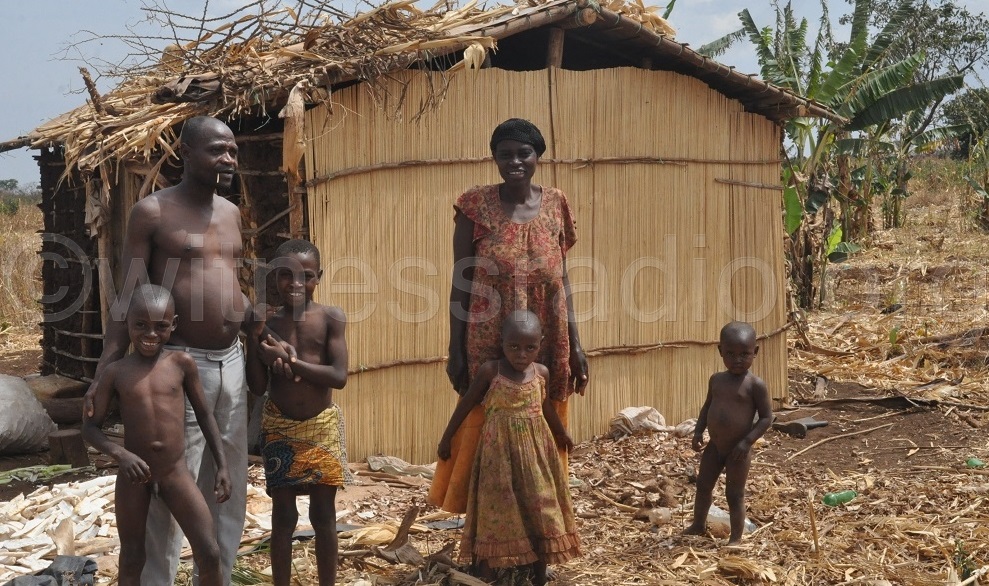
For 16 years, Sulait Behangana has fought to reclaim his land in Kassanda District, where he says he was forced out to make room for a tree plantation run by the UK-based New Forest Company (NFC). Once the proud owner of over 15 acres lush with coffee, bananas, and sugarcane, Behangana lost not just his fields but the foundation of his livelihood.

Now, Behangana survives by toiling on other people’s plantations, a stark contrast to the life he once knew.

“I was beaten during the eviction, and this caused lameness and weakness of my body. I have been reduced to a pauper; I have to dig in other people’s plantations to get what to eat,” Behangana told Witness Radio.

Behangana was one of 901 families uprooted to clear space for the Namwasa tree plantation, as detailed in a report chronicling seven cases of development-driven forced evictions in Uganda. In his community, families recount being pushed off their land without compensation or genuine resettlement. While a few received land, hundreds remain in limbo, still waiting for justice. Julius Ndagize, who leads the displaced households, says repeated mediation with New Forest Company has brought no resolution.

“We secured 500 acres of land in Kampindu Village, Kitumbi Sub-county after the first mediation to resettle those people. Of the 901 affected families, 453 were allocated land and resettled. However, 448 families haven’t been compensated to date,” Ndagize says.

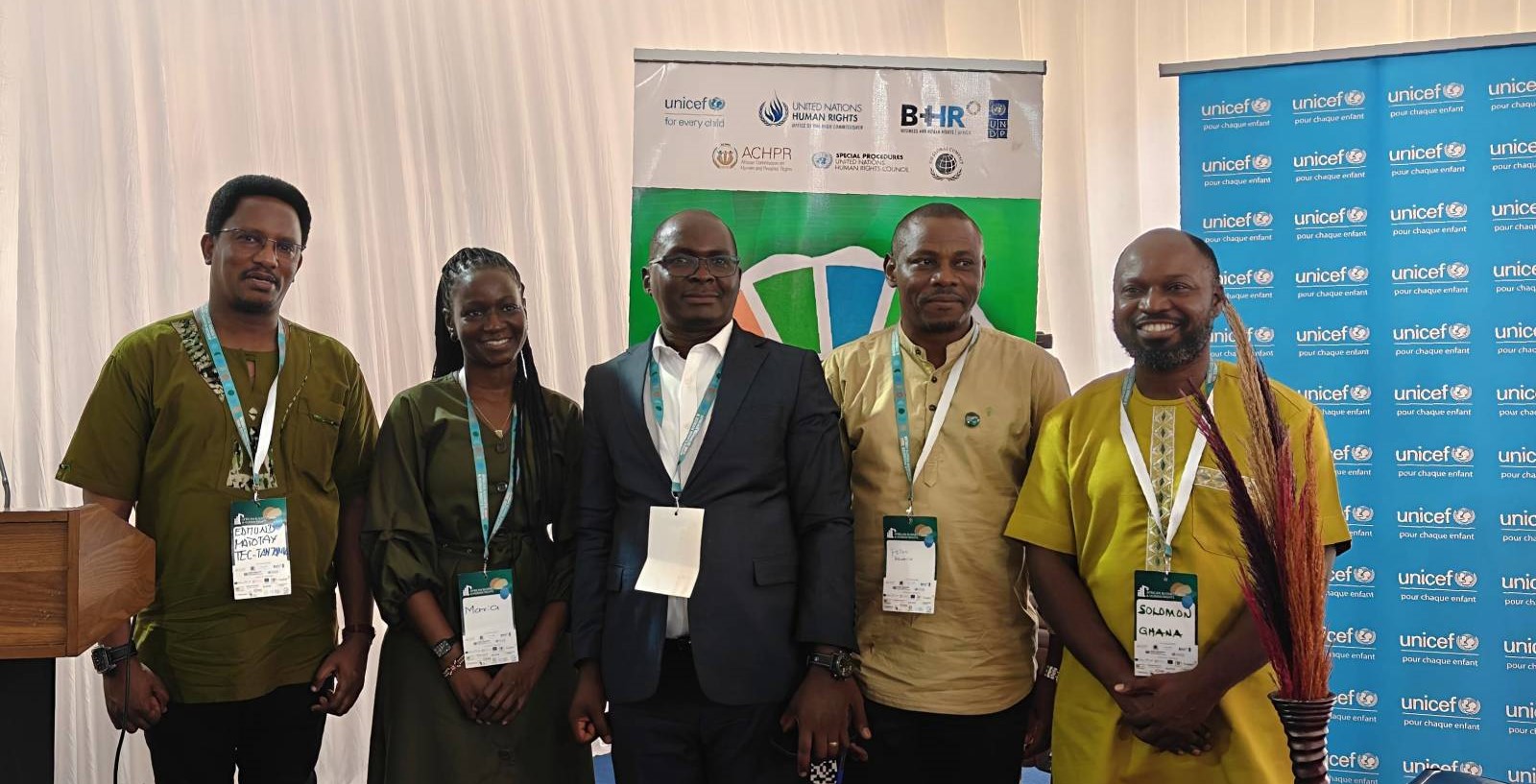
The ordeal faced by families in Mubende echoes a broader pattern uncovered in a report titled Foreign Investment Drives Systematic Forced Land Evictions in Violation of the UN Guiding Principles on Business and Human Rights, presented at the recent Africa Business and Human Rights Forum 2026.

The report details seven major cases where large-scale development projects and investments swept across Uganda, displacing communities. It examines the roles of government and security agencies, and the uphill battle victims face in seeking compensation and justice.

These cases span the Kaweri Coffee Plantation, Namwasa Forest Reserve, Formosa Three Planting Company, Agilis Partners, the Bunyoro Ranching Scheme in Kiryandongo, the Wadelai Irrigation Scheme, the Tilenga Project, the East African Crude Oil Pipeline, and conservation projects impacting the Batwa.

Witness Radio, ORRA, AFIEGO, FIAN-Uganda, BIRUDO, and BIDO, in collaboration with EDLC-NOVA, compiled the report. Drawing on community testimonies, court records, and grassroots documentation, the report claims these seven cases displaced 56,400 people. Even more striking, civil society monitoring suggests over 360,000 Ugandans may have been affected by forced evictions in the first half of 2024.

Mr. Jeff Wokulira Ssebaggala, Executive Director of Witness Radio, notes that while the cases span different investments and regions, affected communities’ stories share striking similarities. He points out that communities were frequently sidelined in decisions about their land, while those with political or financial clout often influenced the very processes that led to displacement.

“We noticed key agencies but also middlemen or government officials who are politically and financially connected,” Ssebaggala said, adding that such actors can be involved from the start, especially where communities live on land without formal tenure, making it easier to disregard their claims when the land is identified for investment or government use.

Ssebaggala explains that the roots of the problem stretch back to historical land decisions, when communities were left out of government planning and later discovered they were living on land earmarked for other uses.

“There are others whose land was gazetted to be a ranch by governments in the 1970s, but they were never consulted when the national exercise of planning was taking place,” he said.

He warns the stakes grow higher when communities resist these projects or question their removal.

“Those who stand against these projects are arrested, intimidated, or imprisoned. Communities regard land as everything because it defines their livelihood and heritage,” Ssebaggala said, adding that the report raised concerns about state institutions supporting investments rather than protecting affected communities.

The report reveals that women and young people were largely shut out of decision-making around land-based investments. Ssebaggala notes many projects moved forward without seeking communities’ voices or meaningful input, leaving those most reliant on the land excluded from choices shaping their destinies. As gender equality is concerned, the report shows an exclusion of women and youth in all these processes as projects really exist on their own without expressed opinion or contribution from the communities,” he said.

Examining these cases and the struggle for justice, lawyer Peter Arinaitwe, who represents land eviction victims, says affected communities face many obstacles: institutional backlogs, delays, and the heavy financial toll of legal battles that can drag on for years.

“We face judicial capture. Recently, we had the Chief Justice warning judges not to grant injunctions, stopping any investment project, and said that doing so amounts to prison,” Arinaitwe said.

Arinaitwe says Uganda has constitutional and legal protections for land rights, but these have not always protected communities on the ground. He cited cases involving the oil refinery and Kaweri Coffee Plantation, where communities pursued claims in court. Even when cases were decided and compensation awarded, legal processes continued to prolong disputes.ws because the constitutional provisions and protections exist in the book. Still, it’s a different story when it comes to practice,” he said.

For those stripped of their land, drawn-out court battles add another burden, forcing them to spend time and money seeking justice while struggling to rebuild their lives. Arinaitwe adds that the scars of eviction run deep, with psychological and emotional wounds lingering long after the land is gone.

“They are traumatized by the atrocities committed in the course of the eviction which go beyond the land and instead cause mental and emotional drain,” he said.

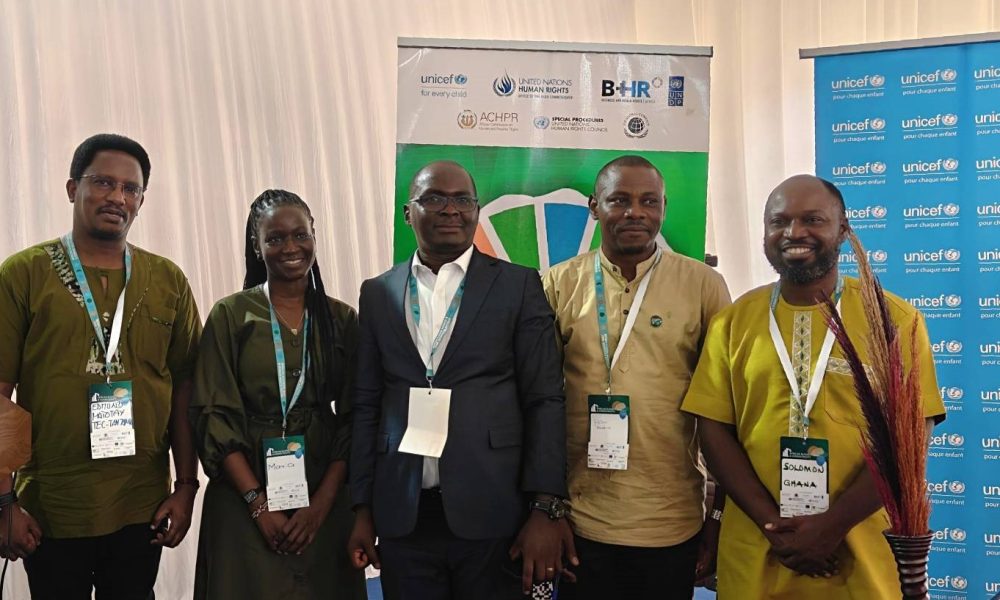
Participants from across Africa echoed Uganda’s concerns. Edmund Matotay described how Maasai communities in northern Tanzania now face mounting pressure as government interests in conservation, tourism, agriculture, and development clash with the pastoral way of life.

He said the Maasai depend on access to grazing land and that physical displacement therefore affects more than where people live. “The issue of physical displacement disrupts the way of life considering that Maasai people are typically nomads and pastoralists who depend on the grazing of the cows and cattle,” Matotai said.

He also reported intimidation of people supporting the communities, saying lawyers, faith leaders and others involved in defending land rights had faced threats and arrests. “There were a lot of intimidation issues, not only to the lawyers, to other actors, but also to the faith leaders who are leading some of the discussion around the area,” he said.

Back in Uganda, the report insists that stopping forced evictions is not the government’s burden alone. Companies profiting from land-based investments must also identify human rights risks before projects start, engage with affected communities, and create accessible ways to hear and resolve grievances.

Ssebaggala urges investors not to wait until communities are uprooted and legal battles erupt before tackling human rights issues. He calls for ongoing human rights due diligence throughout every stage of investment, and for companies to set up grievance mechanisms so affected people can voice concerns and seek solutions.

“Investors should integrate human rights due diligence across project cycles and also establish a grievance mechanism, policies, structures and awareness of these processes,” he said.

He also urges the government to put in place systems that verify free, prior, and informed consent, making human rights due diligence and environmental impact assessments mandatory before any land-based investment can proceed.

Continue Reading

MEDIA FOR CHANGE NETWORK

Eastern Africa seed conference ends with calls for food security

Published

on

The first Eastern Africa Indigenous Seed Conference concluded Friday in Nairobi, the Kenyan capital, with delegates calling for greater efforts to harness the diversity of Africa’s indigenous food crops to combat hunger and malnutrition.

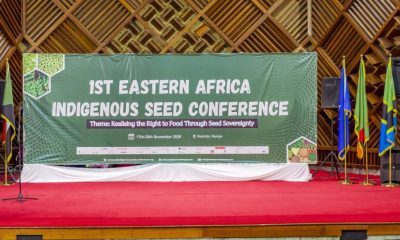
The four-day conference, held under the theme “Realizing the Right to Food Through Seed Sovereignty,” brought together senior policymakers, lawmakers, researchers and smallholder farmers from across Africa to discuss the role of indigenous seeds in achieving food and nutritional security.

Daniel Wanjama, executive director of the Seed Savers Network, said the conference has sparked renewed momentum toward placing indigenous seeds at the center of Africa’s food systems transformation.

Wanjama said about 80 percent of the seeds African smallholder farmers use come from farmer-managed systems, most of which are indigenous varieties. He underscored the need to strengthen their conservation through legislation, public awareness and agricultural policy reform.

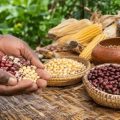
Key themes discussed during the conference included promoting farmer-managed seed banks, diversifying native crops to boost resilience and nutritional security, advancing gender equality and inclusivity, and supporting community-based seed enterprises.

Francoise Uwumukiza, a member of the East African Legislative Assembly from Rwanda, said regional lawmakers have rallied behind efforts to enact policies and legislation that promote the conservation of indigenous seeds as part of a broader food security and rural development agenda.

“We are pushing forward all the initiatives that focus on food systems transformation and indigenous seeds protection. These initiatives are part of an ambitious roadmap to ensure that we eradicate hunger in the region,” Uwumukiza said.

Francis Ngiri, a smallholder farmer from Kenya, said governments should scale up support for community seed banks and indigenous crops to cope with climate shocks, shrinking arable land, pests and market volatility.

Source: english.news.cn

Continue Reading

MEDIA FOR CHANGE NETWORK

Seed Sovereignty: East African Farmers Push for Laws to Protect Indigenous Seeds and Biodiversity
Published

on

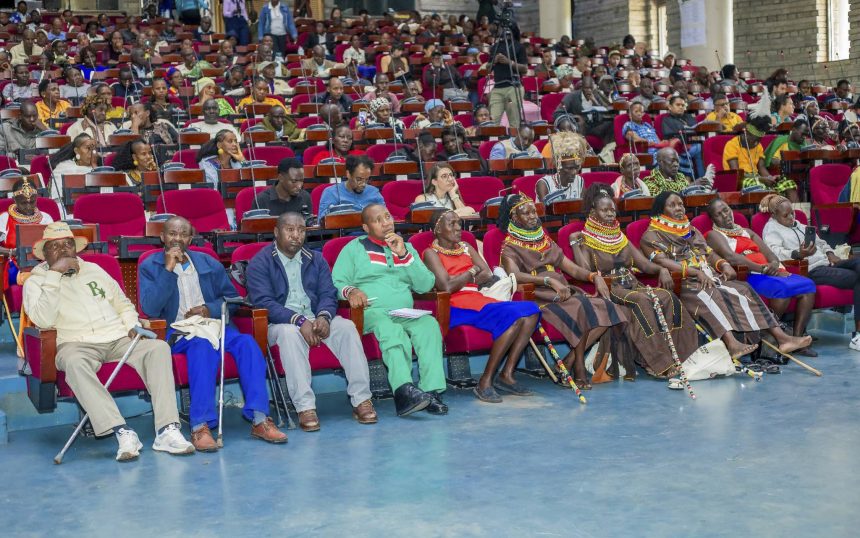
Nairobi-Stakeholders in farmer-managed systems across Africa meeting in Nairobi are pushing for strict legislation to protect indigenous seeds and safeguard traditional farming knowledge.

At the 1st Eastern Africa Indigenous Seeds Conference, farmers, researchers, policymakers, and civil society organisations from across Eastern Africa are calling for greater recognition and protection of farmer-managed seed systems against agricultural practices they say threaten traditional farming systems and biodiversity.

The four-day Conference, convened by Seed Savers Network, runs from November 17th to 20th, 2026, under the theme “Realising the Right to Food through Seed Sovereignty.”

The conference seeks to strengthen farmer-managed seed systems, promote agricultural biodiversity and advance farmers’ rights to save, exchange, use and improve indigenous seeds.

Speaking at the opening of the conference, Seed Savers Network Director Dr Daniel Wanjama warned that the lack of farmer-managed system-friendly laws not only exposes the farmer but also puts nations at risk of hunger.

“When we have 80% of food consumed being produced by millions of smallholder farmers, we cannot afford to have laws and policies that fail to protect such a critical group of people within the food value chain,” said Wanjama.

Wanjama cited Kenya, where he said a lack of farmer-managed system policies has seen the country lose 30% of its indigenous seed and plant varieties in the past 20 years.

Beatrice Wangui, a smallholder farmer and indigenous seed custodian, said protecting traditional seed varieties was essential to preserving Africa’s agricultural heritage and ensuring farmers retained control over what they grow.

She noted that indigenous seeds, passed down through generations, were adapted to local environmental conditions and offered farmers an important alternative as climate change increasingly disrupted agricultural production.

“These seeds are part of our heritage. Our parents and grandparents preserved them, not because they had no alternatives, but because they understood their value. Today, we are being pushed towards commercial seeds, yet we must not lose the freedom to save, replant and share the seeds that have sustained our communities for generations,” she said.

Katrin Voss-Rosa, Director of Luxemburg Foundation East Africa, argued that industrial agriculture was not benefiting the smallholder farmer.

She called on the donor community to shift focus from industrial food production funding and instead channel it to organic farming, which she says produces healthier food.

Van-Rosa warned that over-reliance on seeds susceptible to pest attacks and on fertilisers that affect soil health was not helping Africa’s food situation.

“We cannot be food secure and sovereign when we keep the indigenous farmer out of the equation,’’ she said.

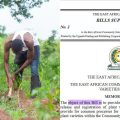
The conference comes at a critical time, as the East African Legislative Assembly is expected to debate the East African Community Seed and Plant Varieties Bill, 2025, which seeks to harmonise seed registration, certification, marketing, and plant breeders’ rights across the region.

However, farmer organisations and civil society groups have raised concerns that the proposed regional legislation could undermine farmer-managed seed systems if it fails to recognise indigenous varieties and traditional seed-sharing practices adequately.

EALA MP David Ole Sankok said the regional legislature was committed to passing the proposed Bill to protect local seed varieties.

He warned that East Africa cannot afford to continue relying on exotic seeds, which he says has turned Africa into a net importer of food.

“We have four seed companies controlling almost 50% of the global seed market. This exposes the continent to the threat of biological warfare’’ said Sankok.

The conference is also expected to discuss the role of community seed banks in ensuring access to locally adapted varieties, preserving indigenous knowledge and helping communities recover from climate-related shocks.

Beyond food security, the conference will explore the conservation of indigenous livestock breeds, tree seeds and underutilised crops as important components of agricultural biodiversity.

Another expected outcome of the conference will be the establishment of a regional community of practice bringing together farmers, researchers, seed custodians, civil society organisations and policymakers to share evidence, strengthen partnerships and coordinate action beyond the conference.

According to the organisers, the initiative will provide a sustained platform for regional collaboration and ensure that the concerns and experiences of farming communities inform future agricultural policies.

Source: panafricanvisions.com

Continue Reading

MEDIA FOR CHANGE NETWORK

African women will present research findings on indigenous seeds, nutrition, and climate resilience in Nairobi, Kenya.
Published

on

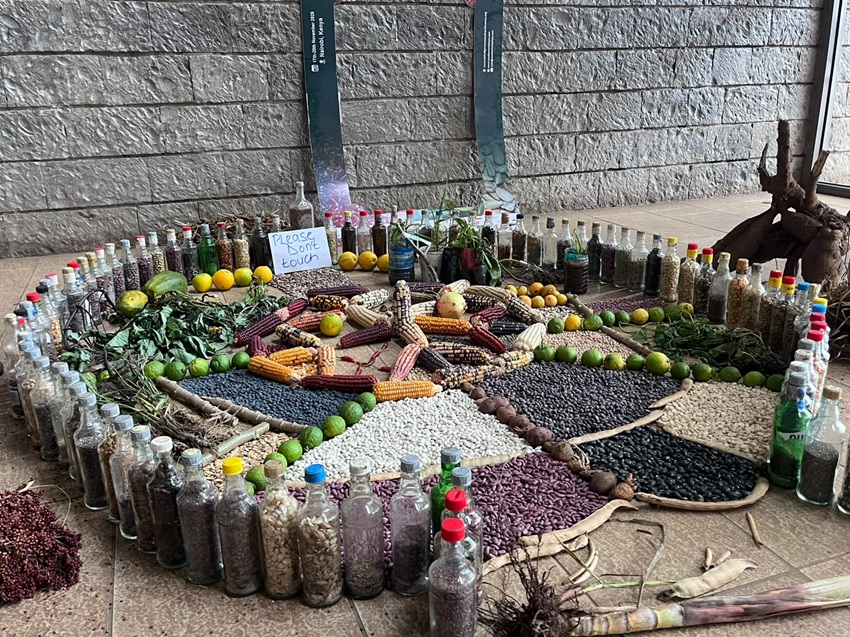
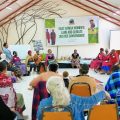
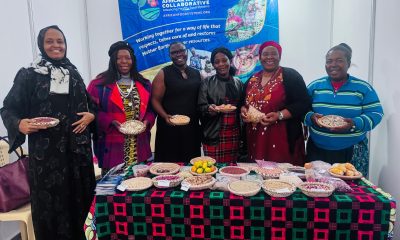
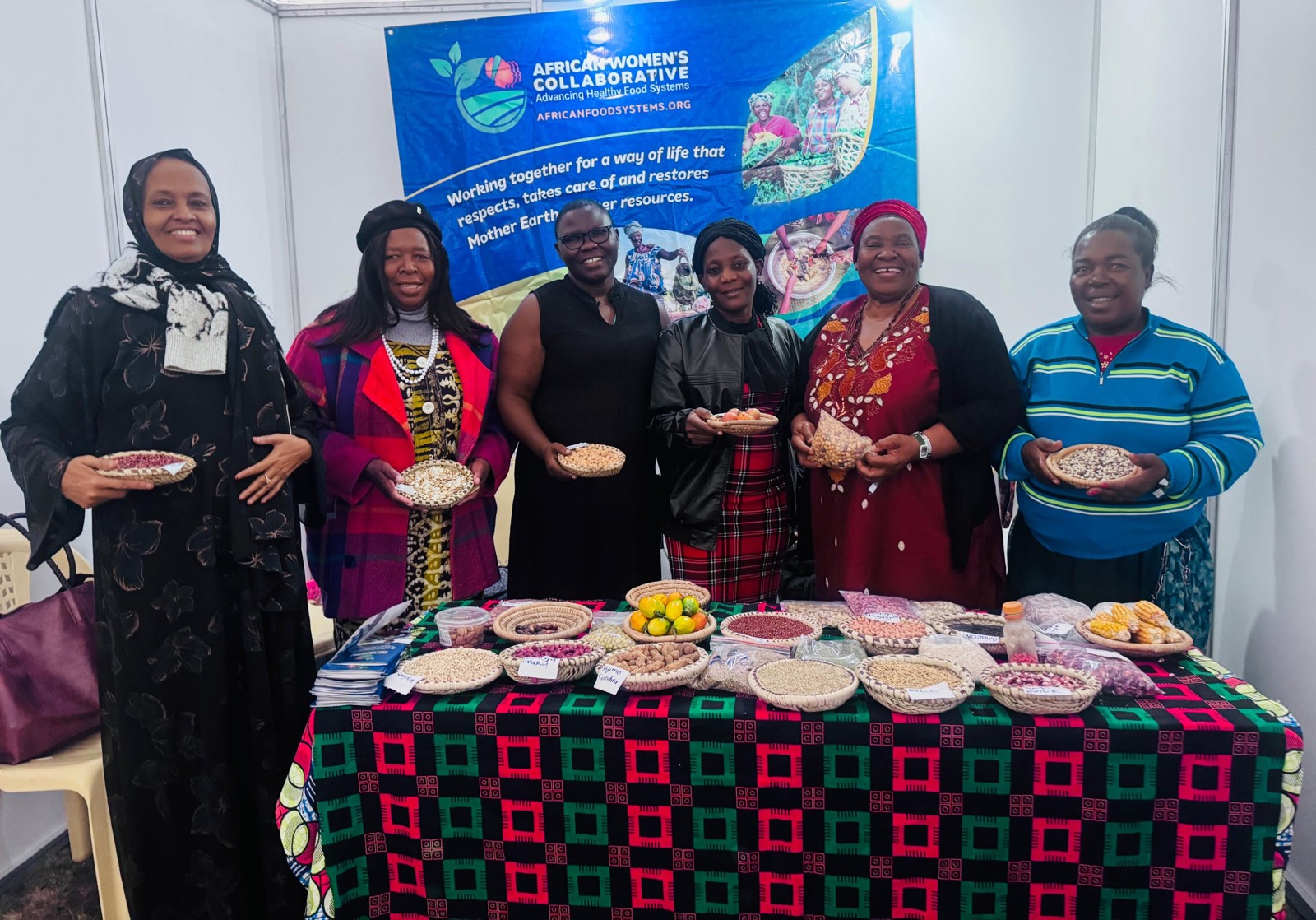
Farmers from 9 African countries who have champiioned the conversation on food and nutrition explain the nutritional benefits of the crops that they grow in their communities at their exhibition stall in Nairobi

By the Witness Radio Team.

Today, Thursday, November 19, the African Women’s Collaborative for Healthy Food Systems will present findings from its farmer-led research on indigenous seeds, African foods, and climate-resilient crops. This will take place during a side event at the First Eastern Africa Indigenous Seed Conference in Nairobi, Kenya.

The event, titled Indigenous Seeds, Nutrition and Resilience: Findings and Recommendations from Farmer-Led Research, will take place from 11:00 am to 12:30 pm at the Catholic University of Eastern Africa in Nairobi.

For those unable to attend in person, Witness Radio will broadcast the event live on its radio platform and social media channels, including YouTube.

The side event will present key findings and recommendations from two research reports: Empirical Study on Nutritional African Foods and Nutritional Assessment of Ten Climate-Resilient Food Crops.

This research documents the nutritional, cultural, economic, and agroecological value of local African foods. It shows how these foods support communities, preserve cultural knowledge, sustain rural livelihoods, and strengthen farming systems suited to their environments.

The event will facilitate discussion on how indigenous foods and climate-resilient crops can strengthen diverse food systems while recognizing the knowledge and practices of farming communities, particularly women who are key stewards of local foods and seeds.

Participants will review the research findings, examine the reports, and collaborate on strategies to support diverse and nutritious food systems resilient to climate challenges.

The African Women’s Collaborative for Healthy Food Systems is a Pan-African initiative that brings together peasant and indigenous women leaders and their organizations. Since 2017, the Collaborative has supported rural and indigenous women in shaping Africa’s food systems.

The Collaborative advocates for women’s rights and recognizes their contributions to food production, seed conservation, agroecology, and promoting nutritious local foods. It acknowledges women farmers as both producers and guardians of indigenous seeds and ancestral knowledge.

Through its Nutritional African Foods Initiative, the Collaborative promotes knowledge about foods grown by African rural women, who use agroecological methods and local resources to feed their communities.

The Nairobi side event brings together farmers, researchers, seed custodians, policymakers, and civil society organizations from Eastern Africa for the inaugural Eastern Africa Indigenous Seed Conference, held from November 17 to 20.

With the theme Realizing the Right to Food through Seed Sovereignty, the conference aims to empower farmer-managed seed systems and highlight farmers’ role in conserving, selecting, saving, exchanging, and using indigenous seeds.

Seed Savers Network organizes this gathering, providing a regional platform to share experiences, address policy challenges, and build alliances to protect indigenous seeds and agricultural biodiversity.

The Collaborative’s side event will contribute to these discussions by highlighting the connections between indigenous seeds, women’s knowledge, nutrition, and the resilience of local food systems.

The event will be broadcast live on Witness Radio and social media platforms on Thursday, November 19, from 11:00 am to 12:30 pm (East Africa Time).

Continue Reading

Resource Center

Legal Framework

READ BY CATEGORY

Facebook

Newsletter

Subscribe to Witness Radio's news and report updates


Trending

Subscribe to Witness Radio's news and report updates