Statement on the World Environmental Day, 2026.
Land-based investments in Uganda are weakening the country’s ecological resilience.
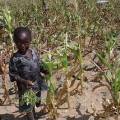
Today, June 5th, 2026, Uganda is entering another season of intensifying climate stress. The Uganda National Meteorological Authority has recently forecast a warmer-than-normal, drier-than-normal period from June to August, with near-normal to below-normal rainfall and persistently higher-than-average temperatures. These conditions are expected to severely disrupt agriculture, water availability, food security, and rural livelihoods.
As the world marks World Environment Day on June 5th, Witness Radio raises alarm over the accelerating ecological breakdown driven by large-scale land-based investments, many of which are approved and facilitated by state institutions.
Across the country, forests, wetlands, and customary lands are being systematically reallocated to investors for commercial agriculture, carbon offset schemes, extractive industries, industrial tree plantations, infrastructure development, and oil-related projects. These are often presented as pathways to “development” and “climate solutions,” yet in practice, they are deepening environmental destruction, land dispossession, and social inequality.
Under so-called climate-smart agriculture and carbon trading initiatives, small-scale farmers are being pushed away from food production and encouraged to convert their land into monoculture tree plantations. In many cases, communities are promised financial stability and climate resilience, only to find themselves trapped in exploitative schemes that reduce food sovereignty and increase vulnerability.
According to the Land Matrix, an independent global land monitoring initiative, investors have acquired more than 370,000 hectares of land in Uganda through large-scale land deals.
In Mubende, for example, forest reserves such as the Namwasa Forest Reserve were handed over to a UK-based investor, who subsequently established eucalyptus and pine plantations. Witness Radio has documented several reforestation initiatives that have transformed natural forests into profit-driven tree plantations. Experts have repeatedly warned that such species degrade soil quality, reduce water retention, and undermine ecological diversity, yet these concerns continue to be ignored in favor of investment interests.
Similarly, large-scale agricultural expansion projects have resulted in widespread tree cover loss, with forests cleared for commercial farming. In Hoima, the expansion of sugarcane plantations has further intensified pressure on land and ecosystems, often at the expense of local food systems and community survival.
The East African Crude Oil Pipeline (EACOP) has also traversed ecologically sensitive landscapes, raising serious concerns from environmental experts and affected communities. Despite repeated warnings, ecological risks remain subordinated to investment timelines and political priorities.
What is emerging is a consistent pattern in which land and ecosystems are treated primarily as investment assets rather than as living systems that sustain life. This has led to:
- Widespread deforestation and biodiversity loss through land conversion for plantations, agribusiness, mining, and infrastructure projects.
- Forced displacement of communities undermines ancestral land tenure systems, cultural heritage, and local livelihoods.
- Increased climate vulnerability, as degraded ecosystems can no longer shield communities against droughts, floods, and erratic weather patterns.
- Water stress and soil exhaustion are weakening long-term agricultural productivity and ecosystem stability.
- Criminalization and intimidation of environmental defenders, who face threats, arrests, and legal harassment for resisting harmful projects.
Rather than strengthening environmental protection, current investment pathways are actively weakening Uganda’s ecological resilience and exposing rural communities to deeper climate and social shocks.
Witness Radio Uganda Executive Director Jeff Wokulira Ssebaggala warns. “Uganda is facing a silent but accelerating ecological emergency. What is being promoted as development is too often the systematic conversion of forests, wetlands, and community lands into investment zones that weaken both people and nature. If we continue on this path, we are not just losing biodiversity but also undermining the very foundation of rural survival and climate resilience. Real environmental protection must begin with justice for communities and respect for the ecosystems that sustain them.”
On this World Environment Day, Witness Radio Uganda calls for urgent structural change:
- Immediately halt the allocation of forests, wetlands, and ecologically sensitive ecosystems to private investors.
- Strengthen independent environmental governance, free from political and corporate influence, in all investment approval and monitoring processes.
- Recognize and enforce customary and community land rights as central to environmental protection and climate resilience.
- Ensure meaningful participation and uphold Free, Prior and Informed Consent (FPIC) for all affected communities before any project approval.
- End the criminalization of environmental and land rights defenders, and guarantee their protection as key actors in safeguarding public interest and ecological integrity.