Connect with us

MEDIA FOR CHANGE NETWORK

Africa adopts the Africa Climate Innovation Compact (ACIC) Declaration to drive the continent towards innovative climate solutions.

Published

on

By Witness Radio team.

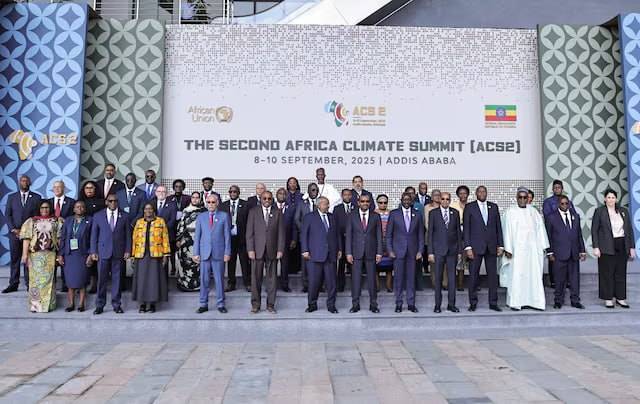
Addis Ababa, Ethiopia – Africa has ushered in a new era of climate leadership with the adoption of the historic African Leaders’ Addis Ababa Declaration on Climate Change and Call to Action at the conclusion of the Second African Climate Summit (ACS2) on Wednesday, 10th. This landmark agreement not only redefines Africa’s role in the global climate debate but also showcases the continent’s unity, determination, and potential to drive innovation, justice, and sustainable solutions.

Over 25,000 people attended the three-day Summit that ran from 8th to 10th of September, and was organized by the Federal Democratic Republic of Ethiopia in partnership with the African Union. Those in attendance included heads of state, ministers, representatives from civil society, the private sector, indigenous leaders, young people, and scholars. The Summit concluded with ambitious pledges aimed at positioning Africa at the forefront of the global climate economy, under the theme “Accelerating Global Climate Solutions: Financing for Africa’s Resilient and Green Development.”

During the Declaration, the Africa Climate Innovation Compact (ACIC) was launched, headed by Ethiopian Prime Minister Abiy Ahmed. The ACIC, a key component of the Addis Ababa Declaration, is a collaborative platform that aims to foster the development and implementation of innovative climate solutions across Africa. By 2030, the Compact hopes to deliver 1,000 African-led climate solutions in vital areas like energy, agriculture, water, transportation, and resilience, while also raising $50 billion a year in catalytic finance. Leaders underlined that money for adaptation needs to be viewed as a legal duty of the developed world, not as charity, and should be provided in grants rather than loans that might make Africa’s debt problem worse.

The Addis Ababa Declaration also underscores the importance of scaling up existing African initiatives, including the African Union Great Green Wall, the African Forest Landscape Restoration Initiative, and Ethiopia’s Green Legacy. These initiatives, rooted in Africa’s indigenous solutions, demonstrate that the continent already possesses the tools to transform vulnerability into resilience, a fact that should fill us all with pride and optimism.

Partners and financial institutions united behind Africa’s agenda. In an effort to channel green bonds and creative instruments tailored to Africa’s realities, the African Development Bank announced the operationalization of the African Climate Change Fund. This fund will provide financial support for climate adaptation and mitigation projects across the continent. At the same time, the Africa Finance Corporation, AfDB, Afreximbank, and Africa50 signed a framework for cooperation to realise the $100 billion Africa Green Industrialization Initiative, which aims to revolutionize industrial growth and renewable energy on the continent. These partnerships and financial commitments are crucial in supporting Africa’s transition to a green economy.

Furthermore, the Addis Ababa Declaration received significant backing from donor nations. Italy reaffirmed its $4.2 billion Italian Climate Fund, with 70% earmarked for Africa, while Denmark committed $79 million for agricultural transformation. These substantial financial commitments should reassure the continent that the international community has confidence in Africa’s climate initiatives.

Other aspects in the Declaration emphasized the continent’s goal of bridging the resilience and energy gaps. Within the next ten years, the Mission 300 Agenda seeks to give 900 million Africans access to clean cooking solutions and 300 million to modern energy. To climate-proof Africa’s cities, infrastructure, and food systems, the second phase of the Africa Adaptation Acceleration Program (AAAP 2.0) was announced, with a target of $50 billion by 2030. To ensure that Africa’s cobalt, lithium, and rare earth resources support local industrialization, job creation, and economic transformation, in addition to contributing to global clean energy supply chains, leaders have also advanced a Green Minerals Strategy.

The moral position of the Addis Ababa Declaration is equally essential. Leaders emphasized how Africa bears a disproportionate amount of the consequences of climate change despite contributing the least to global emissions. They contended that this gives the continent a special moral right to demand justice internationally. Ahead of COP30 in Belém, Brazil, the Declaration embodies a unified African voice by prioritizing innovation, nature-based solutions, and equitable financing.

Delegates described the Addis Ababa gathering as a demonstration of Africa’s ability to convene, lead, and deliver solutions that resonate beyond its borders. Over 240 side events, 43 exhibitions, and 23 national pavilions showcased Africa’s technological innovations, policy frameworks, and community-driven solutions, reinforcing the idea that the continent is ready to lead.

The government of Ethiopia and the African Union Commission have pledged to shepherd the implementation of the Addis Ababa Declaration, ensuring that the commitments made at ACS2 translate into tangible results for communities across the continent.

Continue Reading

MEDIA FOR CHANGE NETWORK

Seed Sovereignty: East African Farmers Push for Laws to Protect Indigenous Seeds and Biodiversity
Published

on

Nairobi-Stakeholders in farmer-managed systems across Africa meeting in Nairobi are pushing for strict legislation to protect indigenous seeds and safeguard traditional farming knowledge.

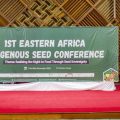
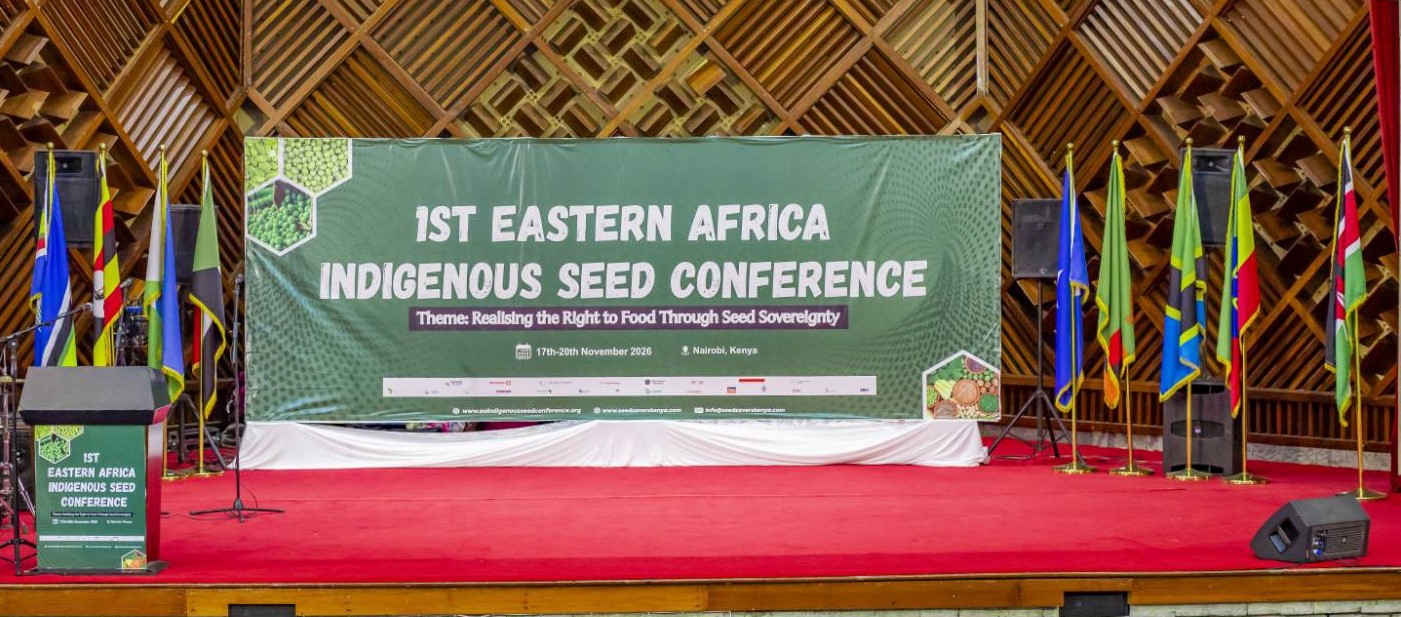
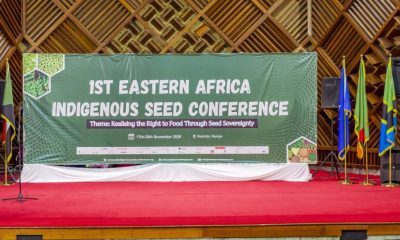
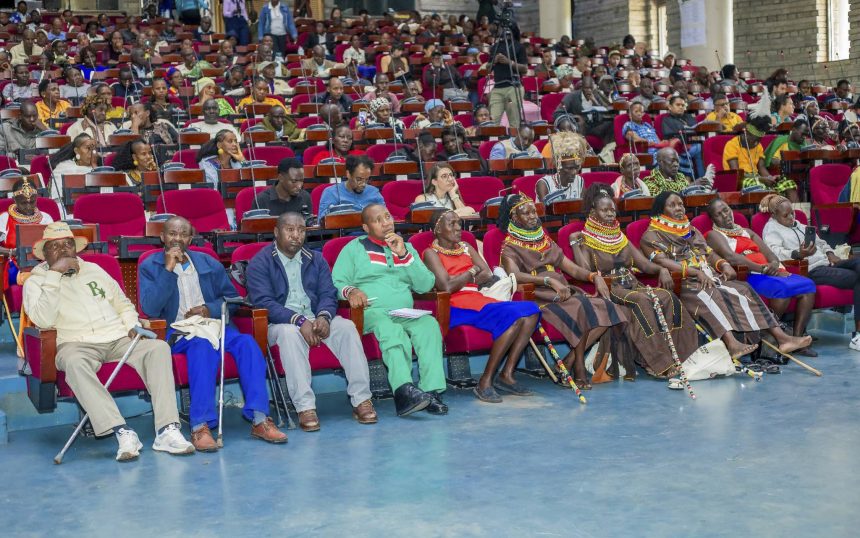
At the 1st Eastern Africa Indigenous Seeds Conference, farmers, researchers, policymakers, and civil society organisations from across Eastern Africa are calling for greater recognition and protection of farmer-managed seed systems against agricultural practices they say threaten traditional farming systems and biodiversity.

The four-day Conference, convened by Seed Savers Network, runs from November 17th to 20th, 2026, under the theme “Realising the Right to Food through Seed Sovereignty.”

The conference seeks to strengthen farmer-managed seed systems, promote agricultural biodiversity and advance farmers’ rights to save, exchange, use and improve indigenous seeds.

Speaking at the opening of the conference, Seed Savers Network Director Dr Daniel Wanjama warned that the lack of farmer-managed system-friendly laws not only exposes the farmer but also puts nations at risk of hunger.

“When we have 80% of food consumed being produced by millions of smallholder farmers, we cannot afford to have laws and policies that fail to protect such a critical group of people within the food value chain,” said Wanjama.

Wanjama cited Kenya, where he said a lack of farmer-managed system policies has seen the country lose 30% of its indigenous seed and plant varieties in the past 20 years.

Beatrice Wangui, a smallholder farmer and indigenous seed custodian, said protecting traditional seed varieties was essential to preserving Africa’s agricultural heritage and ensuring farmers retained control over what they grow.

She noted that indigenous seeds, passed down through generations, were adapted to local environmental conditions and offered farmers an important alternative as climate change increasingly disrupted agricultural production.

“These seeds are part of our heritage. Our parents and grandparents preserved them, not because they had no alternatives, but because they understood their value. Today, we are being pushed towards commercial seeds, yet we must not lose the freedom to save, replant and share the seeds that have sustained our communities for generations,” she said.

Katrin Voss-Rosa, Director of Luxemburg Foundation East Africa, argued that industrial agriculture was not benefiting the smallholder farmer.

She called on the donor community to shift focus from industrial food production funding and instead channel it to organic farming, which she says produces healthier food.

Van-Rosa warned that over-reliance on seeds susceptible to pest attacks and on fertilisers that affect soil health was not helping Africa’s food situation.

“We cannot be food secure and sovereign when we keep the indigenous farmer out of the equation,’’ she said.

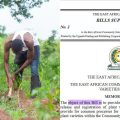
The conference comes at a critical time, as the East African Legislative Assembly is expected to debate the East African Community Seed and Plant Varieties Bill, 2025, which seeks to harmonise seed registration, certification, marketing, and plant breeders’ rights across the region.

However, farmer organisations and civil society groups have raised concerns that the proposed regional legislation could undermine farmer-managed seed systems if it fails to recognise indigenous varieties and traditional seed-sharing practices adequately.

EALA MP David Ole Sankok said the regional legislature was committed to passing the proposed Bill to protect local seed varieties.

He warned that East Africa cannot afford to continue relying on exotic seeds, which he says has turned Africa into a net importer of food.

“We have four seed companies controlling almost 50% of the global seed market. This exposes the continent to the threat of biological warfare’’ said Sankok.

The conference is also expected to discuss the role of community seed banks in ensuring access to locally adapted varieties, preserving indigenous knowledge and helping communities recover from climate-related shocks.

Beyond food security, the conference will explore the conservation of indigenous livestock breeds, tree seeds and underutilised crops as important components of agricultural biodiversity.

Another expected outcome of the conference will be the establishment of a regional community of practice bringing together farmers, researchers, seed custodians, civil society organisations and policymakers to share evidence, strengthen partnerships and coordinate action beyond the conference.

According to the organisers, the initiative will provide a sustained platform for regional collaboration and ensure that the concerns and experiences of farming communities inform future agricultural policies.

Source: panafricanvisions.com

Continue Reading

MEDIA FOR CHANGE NETWORK

African women will present research findings on indigenous seeds, nutrition, and climate resilience in Nairobi, Kenya.

Published

on

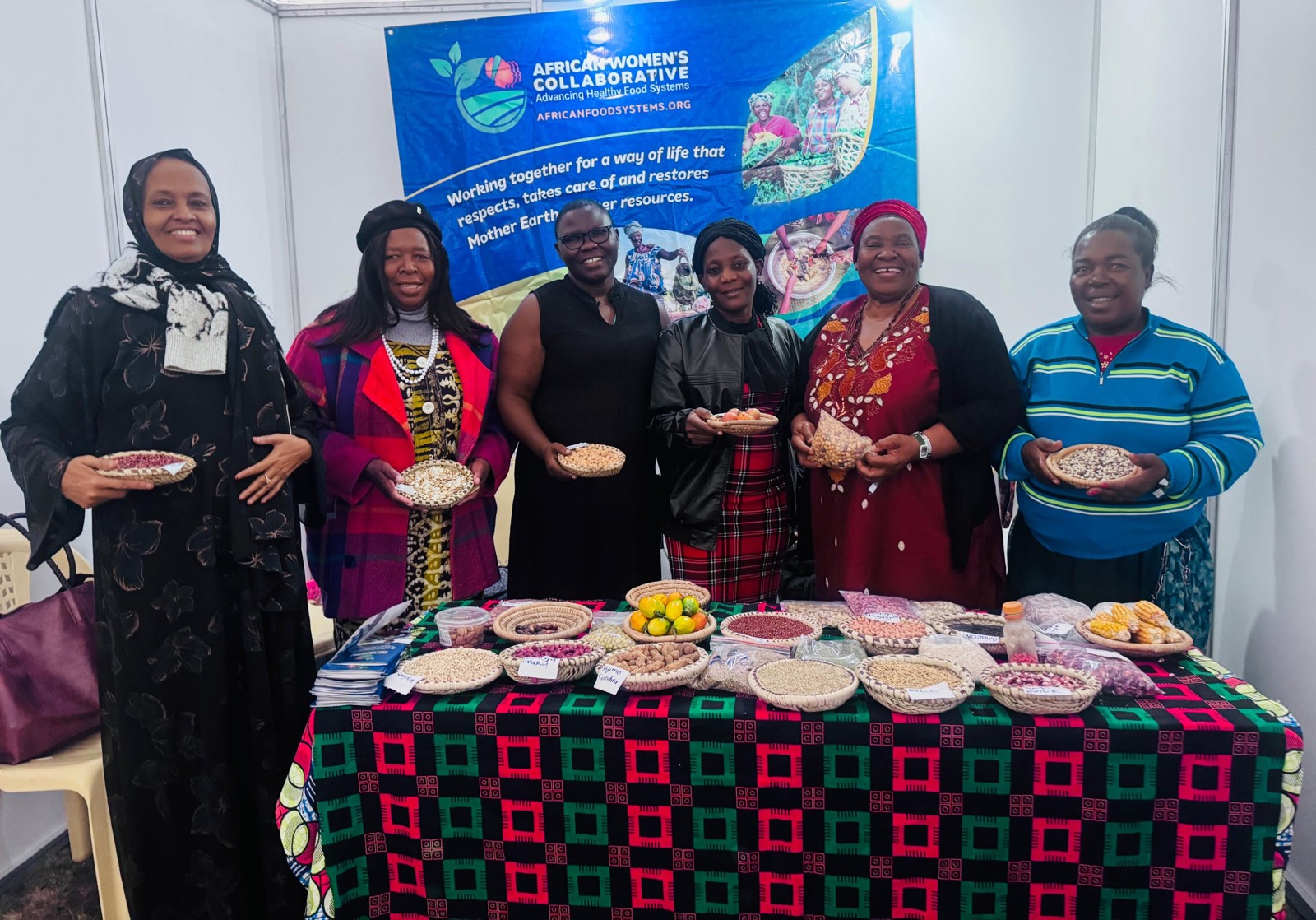
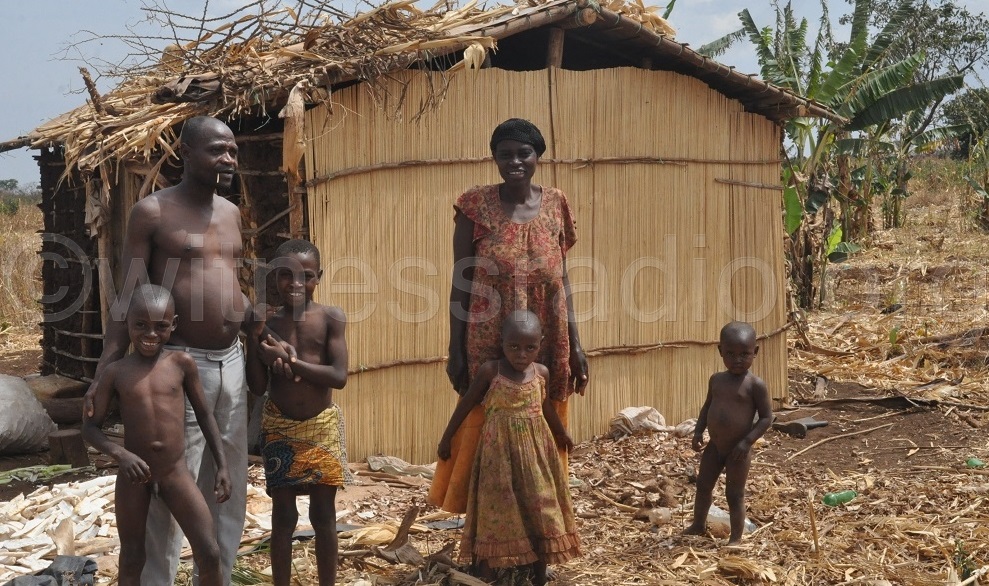
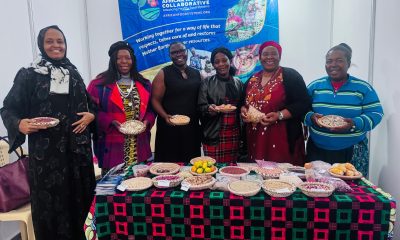
Farmers from 9 African countries who have champiioned the conversation on food and nutrition explain the nutritional benefits of the crops that they grow in their communities at their exhibition stall in Nairobi

By the Witness Radio Team.

Today, Thursday, November 19, the African Women’s Collaborative for Healthy Food Systems will present findings from its farmer-led research on indigenous seeds, African foods, and climate-resilient crops. This will take place during a side event at the First Eastern Africa Indigenous Seed Conference in Nairobi, Kenya.

The event, titled Indigenous Seeds, Nutrition and Resilience: Findings and Recommendations from Farmer-Led Research, will take place from 11:00 am to 12:30 pm at the Catholic University of Eastern Africa in Nairobi.

For those unable to attend in person, Witness Radio will broadcast the event live on its radio platform and social media channels, including YouTube.

The side event will present key findings and recommendations from two research reports: Empirical Study on Nutritional African Foods and Nutritional Assessment of Ten Climate-Resilient Food Crops.

This research documents the nutritional, cultural, economic, and agroecological value of local African foods. It shows how these foods support communities, preserve cultural knowledge, sustain rural livelihoods, and strengthen farming systems suited to their environments.

The event will facilitate discussion on how indigenous foods and climate-resilient crops can strengthen diverse food systems while recognizing the knowledge and practices of farming communities, particularly women who are key stewards of local foods and seeds.

Participants will review the research findings, examine the reports, and collaborate on strategies to support diverse and nutritious food systems resilient to climate challenges.

The African Women’s Collaborative for Healthy Food Systems is a Pan-African initiative that brings together peasant and indigenous women leaders and their organizations. Since 2017, the Collaborative has supported rural and indigenous women in shaping Africa’s food systems.

The Collaborative advocates for women’s rights and recognizes their contributions to food production, seed conservation, agroecology, and promoting nutritious local foods. It acknowledges women farmers as both producers and guardians of indigenous seeds and ancestral knowledge.

Through its Nutritional African Foods Initiative, the Collaborative promotes knowledge about foods grown by African rural women, who use agroecological methods and local resources to feed their communities.

The Nairobi side event brings together farmers, researchers, seed custodians, policymakers, and civil society organizations from Eastern Africa for the inaugural Eastern Africa Indigenous Seed Conference, held from November 17 to 20.

With the theme Realizing the Right to Food through Seed Sovereignty, the conference aims to empower farmer-managed seed systems and highlight farmers’ role in conserving, selecting, saving, exchanging, and using indigenous seeds.

Seed Savers Network organizes this gathering, providing a regional platform to share experiences, address policy challenges, and build alliances to protect indigenous seeds and agricultural biodiversity.

The Collaborative’s side event will contribute to these discussions by highlighting the connections between indigenous seeds, women’s knowledge, nutrition, and the resilience of local food systems.

The event will be broadcast live on Witness Radio and social media platforms on Thursday, November 19, from 11:00 am to 12:30 pm (East Africa Time).

Continue Reading

MEDIA FOR CHANGE NETWORK

Farmers’ seed systems take centre stage as the first Eastern African Indigenous Seed Conference opens in Kenya.
Published

on

By Witness Radio team.

Nairobi, Kenya: Farmers, indigenous communities, researchers, policymakers, and seed-saving practitioners from across Africa and beyond have gathered in Nairobi for the first Eastern African Indigenous Seed Conference, calling for greater recognition and support for farmer-managed seed systems.

The four-day conference, which opened today, November 17, at the Catholic University of Eastern Africa, seeks to strengthen indigenous seed systems, promote seed sovereignty and create space for farmers to influence policies governing seeds and agriculture.

Organized by Seed Savers Network (SSN) and its partners, the gathering comes amid growing concerns over the future of indigenous seeds, local livestock breeds and traditional knowledge systems that communities have relied on for generations.

Opening the conference, Mr. Daniel Wanjama, the Executive Director of Seed Savers Network, said farmers remain central to the region’s seed systems, despite receiving limited recognition in agricultural policies and government support programs.

He said an estimated 80 per cent of the seeds used in the region come from farmers themselves, a contribution he said should be reflected in agricultural policies and investment priorities.

“80 per cent. It means if we cannot have indigenous seeds as we use, it means we cannot have food security. We cannot feed ourselves unless we have indigenous seeds,” Wanjama said.

He argued that governments and development organizations have concentrated much of their attention on the commercial seed sector while overlooking the contribution of farmers who save, exchange and replant seeds within their communities.

According to Wanjama, this has created a disconnect between agricultural policies, government support and the actual practices through which farmers access planting materials.

He also warned that agricultural biodiversity in Africa faces significant threats, arguing that protecting farmer-managed seed systems is important for maintaining the diversity needed to respond to climate change.

“We are facing climate change, and the only way we can survive climate change is through this agricultural biodiversity. Therefore, we cannot afford to lose it because if we lose it, we also lose our life,” he said.

Mr. Wanjama said the conference should provide an opportunity for farmers and organizations across the continent to strengthen their cooperation, exchange knowledge and jointly advocate for policies that recognize indigenous seeds.

He also called for greater farmer participation in policy discussions, saying previous conferences and discussions have not adequately reflected farmers’ experiences and concerns.

He said organizers wanted farmers to form a significant part of the conference and take an active role in discussions, rather than simply attend sessions led by experts and policymakers.

The conference is also taking place against the backdrop of ongoing debates over seed laws and farmers’ rights in Kenya, and East Africa as a region.

Mr. Francis Ngiri, a Kenyan farmer attending the conference, said restrictions on the sharing, exchange and sale of indigenous seeds remain a major concern for smallholder farmers.

In 2025, Ngiri and other farmers won a court case challenging provisions of Kenya’s 2012 Seed and Plant Varieties Act, which restrict farmers from saving, exchanging and sharing seeds. However, the government announced plans to appeal the ruling, arguing that it weakened key provisions of the law.

“We have formally launched an appeal in the Court of Appeal to contest this judgment and restore the legal backing required for strict enforcement of seed quality,” Simon Maina, head of Seed Certification and Plant Variety Protection at the Kenya Plant Health Inspectorate Service (KEPHIS), told The Star in an article published on November 4.

But Ngiri hopes the conference will help strengthen farmers’ efforts to defend their seed-saving practices and push for greater government recognition of community seed banks.

“The government does not support indigenous seed saving. They don’t recognize the seed banks, and we want the conference to tackle that,” he said.

He argued that farmers should be allowed to sell seeds they have saved, provided they receive appropriate training in seed selection and quality management.

“Unless farmers can sell seeds, that is the only time farmers will have seed access. And when they have seed access, they can now have biodiversity. From that, we can have food security,” he said.

Beyond the policy discussions, the conference is also bringing together organizations working on agricultural biodiversity, landscape restoration, agroecology and community-led seed conservation.

Mrs. Catherine Muturi, the Kenya Country Director at Landscape Alliance and Regional Convener for East Africa, said farmers and local communities play an important role in conserving biodiversity, maintaining traditional knowledge and ensuring access to planting materials.

She said efforts to restore landscapes should also recognize the importance of native tree seeds and the communities that conserve them.

“Farmers and local communities are not just beneficiaries of restoration efforts. They are important actors in conserving, managing, and supplying tree seed sources. Their knowledge, participation and leadership must be recognised and strengthened,” Muturi said.

Continue Reading

Resource Center

Legal Framework

READ BY CATEGORY

Facebook

Newsletter

Subscribe to Witness Radio's news and report updates


Trending

Subscribe to Witness Radio's news and report updates