MEDIA FOR CHANGE NETWORK
Alert: Land degradation is emerging as a pressing threat to global security.
Published
2 months agoon

Seated is former President of Finland and UNCCD Land Ambassador Tarja Halonen. Standing from left are BSSS President Prof. Paul Hallett, BSSS Executive Director Andrew Morris, and UNCCD CSO Panel Representative Sopiko Babalashvili.
By Witness Radio and British Society of Soil Science (BSSS) teams.
As land degradation spreads globally, its impacts reach beyond the environment, affecting food security, livelihoods, water access, migration, and political stability. The health of our land is becoming a central pillar of global security.
For decades, international security has been framed by borders, military power, and political conflict. Beneath these visible forces lies a quieter foundation: the land itself, which grows our food, supports livelihoods, stores water, and sustains communities.
As land suffers from unsustainable use, drought, and climate pressures, the fallout spreads beyond environmental harm into the economic and social fabric that determines whether communities remain safe and stable.
This connection was brought into sharp focus at the 17th Conference of the Parties to the United Nations Convention to Combat Desertification, UNCCD COP17, held in Ulaanbaatar, Mongolia. Governments, scientists, Indigenous peoples, pastoralists, civil society organizations, and young people gathered under the theme “Restoring Land, Restoring Hope.”
Though the spotlight was on desertification, drought, and land degradation, participants voiced concerns about a broader crisis involving food systems, water resources, livelihoods, migration, and community stability.
For Rico Rau, Global Focal Point of the UNCCD Youth Caucus, the conventional understanding of security does not capture these realities because access to food and water is fundamental to human survival.
“Security is often defined as war, weapons and conflict,” Rau says, arguing that the ability of societies to provide food and water should be considered part of the same conversation.
His perspective includes land degradation in a broader definition of security, showing how the slow unraveling of natural systems erodes the economic and social bedrock supporting stability.
The consequences are already unfolding in regions where environmental decline collides with poverty, climate stress, and fierce competition for natural resources.
Hindou Oumarou Ibrahim, a Chadian environmental activist, geographer, and advocate for Indigenous peoples, points to the Lake Chad region as an example of how ecosystem changes can affect communities whose livelihoods depend directly on land and water.
Lake Chad, which covered roughly 25,000 square kilometers around 1960, has dramatically shrunk. However, the lake fluctuates significantly with rainfall and seasonal hydrological conditions.
Ibrahim says pressure on water and other natural resources has increased competition between communities and countries sharing the basin. At the same time, landscape degradation represents a deeper loss for Indigenous communities whose cultures and livelihoods are tied to the ecosystem.
“Desertification is not only about the land,” Ibrahim says, describing it as a threat to people and the places they call home. “When ecosystems deteriorate, communities can lose access to farming areas, grazing land, water and other resources, creating economic pressures that can eventually contribute to competition, displacement and conflict.” Ibrahim adds.
The link between environmental decline and insecurity does not mean every drought or drop in soil fertility sparks conflict. Instead, ongoing degradation strips away economic and ecological shields that help communities weather storms, leaving them exposed when drought, hunger, poverty, or political turmoil strike together.
This reality hits hardest where farming and livestock underpin family incomes and food supplies. As fertile land dwindles, farmers face shrinking harvests and incomes, while pastoralists must travel farther for pasture and water, increasing pressure on neighboring communities and traditional grazing paths.
The world’s reliance on productive land cannot be overstated, especially as swelling populations and climate change heap even more strain on fragile food systems.
Dr. Karen Daly, a soil scientist and environmental soils and land-use researcher, says the role of soil is increasingly being understood as extending far beyond supporting crop production. She says scientists are paying greater attention to its ability to regulate water, support biodiversity, store carbon, and sustain essential ecosystem functions.
“Land is where food is grown. Healthy soils retain and filter water, support vegetation, and contribute to agricultural resilience. In contrast, degraded soils become less capable of these functions when communities face more frequent climate stresses,” she says.
Figures from COP17 showed that more than 95 percent of food depends on productive land and over a third of the world’s land is degraded. Another estimate cited about 3.2 billion people affected by land degradation.
These numbers reveal why land degradation is not just an environmental issue, but a challenge that reaches deep into the economic and social well-being of entire populations.
A degraded landscape may start as an environmental concern, then become an agricultural crisis, a threat to livelihoods, and finally a social or political emergency when communities can no longer survive on dwindling resources.
Tarja Halonen, former President of Finland and a UNCCD Land Ambassador, connects these environmental pressures to the wider issue of migration and human security.
She acknowledges movement has always been part of human history. Still, she argues people should not be forced from their homes when degraded environmental conditions make it impossible to maintain livelihoods.
Her view expands land restoration beyond environmental protection. Reviving degraded land helps communities keep food on the table, safeguard natural resources, and hold onto places their families have called home for generations.
The link between land and migration is crucial where environmental stress meets poverty, conflict, and limited economic prospects. Land degradation may not be the only reason people leave, but it can tip the balance and drive vulnerable communities to move.
Restoring degraded land also means asking who holds control and whether those who rely on it feel secure enough to invest in its future.
Juliane Wiesenhütter, Team Leader at GIZ, argues that land rights are fundamental to sustainable land management because farmers and communities are less likely to invest long-term in conservation when they are uncertain about future land access.
“If we want people to invest also in land and care for the land they depend on, they need secure rights. So, this is also a very cross-cutting aspect in our work. And also, here at the conference, we have a land tenure decision. Land rights are therefore not a side issue. They are a fundamental part of sustainable land and natural resource management,” she said.
Her perspective puts land governance on equal footing with soil science and environmental policy, making it a cornerstone of true restoration.
These global challenges hit home in Uganda, where land is the heartbeat of agriculture, rural life, investment, and food security. Restoration efforts that focus only on technical fixes and ignore tenure security, land access, and community voices risk missing the realities of those who care for these landscapes.
Land rights can determine whether restoration becomes a long-term investment or a short-lived project. “Where communities have secure rights and control over their resources, they have greater incentive to protect soils, manage vegetation, invest in sustainable agriculture, and maintain ecological functions their livelihoods depend on.”
The discussions at COP17 challenged the idea that solutions to land degradation must come mainly from governments and scientists. Indigenous peoples and local communities carry generations of wisdom about soils, plants, water, seasons, and ecosystems. Many participants insisted modern restoration must include this knowledge.
Ibrahim described traditional ecological knowledge within her own community, including the importance of particular trees and plants in maintaining ecosystems and restoring degraded lands. She contends that true restoration is about more than counting trees; the choice of species, the state of the land, and the intricate ties among ecosystem elements all shape whether restoration will last.
“We should involve the local communities because we are the guardians of the land. You cannot talk about our home without us. We are the ones who know how to protect it, how to restore it.” She added.
For communities whose lives, cultures, and identities are rooted in specific landscapes, participation goes beyond a seat at international conferences. It is about whether those most affected by environmental choices have a real voice in shaping solutions. “So, if you want a full solution, our voices must be at the tables,” she added.
This principle also applies to pastoralists, whose stewardship of rangelands drew new attention at COP17. Rangelands cover vast areas and sustain hundreds of millions. Pastoralists’ mobility lets livestock adapt to shifting conditions and allows the land time to recover.
Mariana Kapowich-Solomon, a soil scientist and land-degradation expert who has worked with FAO and UNDP, argues scientific knowledge has little value if it remains distant from people experiencing land degradation.
“Science has to touch the ground,” she says, emphasizing the need for research to reach farmers and communities and respond to each country’s conditions and priorities.
In her view, science should point to practical solutions people can use, not drift from the gritty realities of degraded landscapes.
Andrew Morris, Executive Director of the BSSS and the Western European Civil Society Organization (CSO) panel representative of the UNCCD, says COP17 marked growing recognition of soils and land restoration as strategic priorities, rather than issues confined to the environmental agenda, adding that one of the most important developments was the stronger integration of scientific evidence into policy discussions.
“This is essential, if we’re going to get sensible policies and create lasting change.” Morris said, describing the development “as a sign that the global conversation around land is becoming more mature, more ambitious and more action-oriented.”
“The community that came together at COP was amazing,” he says. “It was a real mix of cultures, religions, and ethnicities that, in the main, put aside domestic politics, ideals of nationhood and memories of previous disagreements to unite and deliver a clear and sober voice that resonates globally. We are in this together; we have the solutions, we need to unite and be given the vehicle and opportunity to enact lasting change,” he says.
As land degradation collides with climate stress, poverty, hunger, and migration, the health of our planet’s land is taking center stage in the global security conversation.
This article was produced through a partnership between Witness Radio and the British Society of Soil Science (BSSS), based on voices and recordings from the BSSS Soil Matters podcast recorded during the UNCCD COP17 in Ulaanbaatar, Mongolia.
Learn more about the British Society of Soil Science: soils.org.uk
Related posts:

UNCCD COP17 kicks off in Mongolia, drawing nations together to tackle urgent issues of land, drought, and food security.
COP16 in Riyadh: World Leaders Commit $12.15B to Combat Land Degradation and Drought

UNCCD COP16: NGOs issue a stark warning and call for urgent actions to deal with the escalating threats of desertification, land degradation, and drought.

Civil society groups at UNCCD COP17 are calling for urgent action on land rights, drought, and vital funding.

You may like
MEDIA FOR CHANGE NETWORK
Eastern Africa seed conference ends with calls for food security
Published
2 days agoon
November 23, 2026
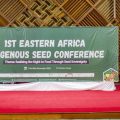
The first Eastern Africa Indigenous Seed Conference concluded Friday in Nairobi, the Kenyan capital, with delegates calling for greater efforts to harness the diversity of Africa’s indigenous food crops to combat hunger and malnutrition.
The four-day conference, held under the theme “Realizing the Right to Food Through Seed Sovereignty,” brought together senior policymakers, lawmakers, researchers and smallholder farmers from across Africa to discuss the role of indigenous seeds in achieving food and nutritional security.
Daniel Wanjama, executive director of the Seed Savers Network, said the conference has sparked renewed momentum toward placing indigenous seeds at the center of Africa’s food systems transformation.
Wanjama said about 80 percent of the seeds African smallholder farmers use come from farmer-managed systems, most of which are indigenous varieties. He underscored the need to strengthen their conservation through legislation, public awareness and agricultural policy reform.
Key themes discussed during the conference included promoting farmer-managed seed banks, diversifying native crops to boost resilience and nutritional security, advancing gender equality and inclusivity, and supporting community-based seed enterprises.
Francoise Uwumukiza, a member of the East African Legislative Assembly from Rwanda, said regional lawmakers have rallied behind efforts to enact policies and legislation that promote the conservation of indigenous seeds as part of a broader food security and rural development agenda.
“We are pushing forward all the initiatives that focus on food systems transformation and indigenous seeds protection. These initiatives are part of an ambitious roadmap to ensure that we eradicate hunger in the region,” Uwumukiza said.
Francis Ngiri, a smallholder farmer from Kenya, said governments should scale up support for community seed banks and indigenous crops to cope with climate shocks, shrinking arable land, pests and market volatility.
Source: english.news.cn
Related posts:

1st Eastern Africa Indigenous seed conference 2026
Smallholder farmers and civil society organizations have launched a dynamic media campaign for the inaugural Eastern Africa Indigenous Seed Conference, inviting more smallholder farmers to join the agroecology movement.

1st Eastern Africa Indigenous Seed Conference 2026 | EA-ISC Nairobi
The Indigenous Seeds movement in East Africa is convening in Kenya, with the potential to reshape the region’s food systems.
MEDIA FOR CHANGE NETWORK
Seed Sovereignty: East African Farmers Push for Laws to Protect Indigenous Seeds and Biodiversity
Published
5 days agoon
November 20, 2026
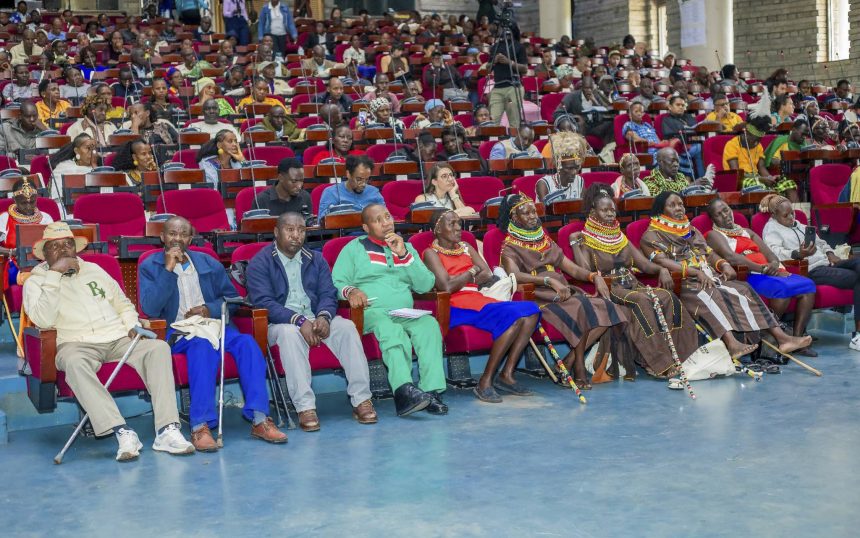
Nairobi-Stakeholders in farmer-managed systems across Africa meeting in Nairobi are pushing for strict legislation to protect indigenous seeds and safeguard traditional farming knowledge.
At the 1st Eastern Africa Indigenous Seeds Conference, farmers, researchers, policymakers, and civil society organisations from across Eastern Africa are calling for greater recognition and protection of farmer-managed seed systems against agricultural practices they say threaten traditional farming systems and biodiversity.
The four-day Conference, convened by Seed Savers Network, runs from November 17th to 20th, 2026, under the theme “Realising the Right to Food through Seed Sovereignty.”
The conference seeks to strengthen farmer-managed seed systems, promote agricultural biodiversity and advance farmers’ rights to save, exchange, use and improve indigenous seeds.
Speaking at the opening of the conference, Seed Savers Network Director Dr Daniel Wanjama warned that the lack of farmer-managed system-friendly laws not only exposes the farmer but also puts nations at risk of hunger.
“When we have 80% of food consumed being produced by millions of smallholder farmers, we cannot afford to have laws and policies that fail to protect such a critical group of people within the food value chain,” said Wanjama.
Wanjama cited Kenya, where he said a lack of farmer-managed system policies has seen the country lose 30% of its indigenous seed and plant varieties in the past 20 years.
Beatrice Wangui, a smallholder farmer and indigenous seed custodian, said protecting traditional seed varieties was essential to preserving Africa’s agricultural heritage and ensuring farmers retained control over what they grow.
She noted that indigenous seeds, passed down through generations, were adapted to local environmental conditions and offered farmers an important alternative as climate change increasingly disrupted agricultural production.
“These seeds are part of our heritage. Our parents and grandparents preserved them, not because they had no alternatives, but because they understood their value. Today, we are being pushed towards commercial seeds, yet we must not lose the freedom to save, replant and share the seeds that have sustained our communities for generations,” she said.
Katrin Voss-Rosa, Director of Luxemburg Foundation East Africa, argued that industrial agriculture was not benefiting the smallholder farmer.
She called on the donor community to shift focus from industrial food production funding and instead channel it to organic farming, which she says produces healthier food.
Van-Rosa warned that over-reliance on seeds susceptible to pest attacks and on fertilisers that affect soil health was not helping Africa’s food situation.
“We cannot be food secure and sovereign when we keep the indigenous farmer out of the equation,’’ she said.

The conference comes at a critical time, as the East African Legislative Assembly is expected to debate the East African Community Seed and Plant Varieties Bill, 2025, which seeks to harmonise seed registration, certification, marketing, and plant breeders’ rights across the region.
However, farmer organisations and civil society groups have raised concerns that the proposed regional legislation could undermine farmer-managed seed systems if it fails to recognise indigenous varieties and traditional seed-sharing practices adequately.
EALA MP David Ole Sankok said the regional legislature was committed to passing the proposed Bill to protect local seed varieties.
He warned that East Africa cannot afford to continue relying on exotic seeds, which he says has turned Africa into a net importer of food.
“We have four seed companies controlling almost 50% of the global seed market. This exposes the continent to the threat of biological warfare’’ said Sankok.
The conference is also expected to discuss the role of community seed banks in ensuring access to locally adapted varieties, preserving indigenous knowledge and helping communities recover from climate-related shocks.
Beyond food security, the conference will explore the conservation of indigenous livestock breeds, tree seeds and underutilised crops as important components of agricultural biodiversity.
Another expected outcome of the conference will be the establishment of a regional community of practice bringing together farmers, researchers, seed custodians, civil society organisations and policymakers to share evidence, strengthen partnerships and coordinate action beyond the conference.
According to the organisers, the initiative will provide a sustained platform for regional collaboration and ensure that the concerns and experiences of farming communities inform future agricultural policies.
Source: panafricanvisions.com
Related posts:
Farmers’ seed systems take centre stage as the first Eastern African Indigenous Seed Conference opens in Kenya.
The Indigenous Seeds movement in East Africa is convening in Kenya, with the potential to reshape the region’s food systems.
The African Union recognizes farmers’ vital seed rights, yet national laws can still get in the way, creating hurdles for those who depend on these traditions.
Smallholder farmers and civil society organizations have launched a dynamic media campaign for the inaugural Eastern Africa Indigenous Seed Conference, inviting more smallholder farmers to join the agroecology movement.
MEDIA FOR CHANGE NETWORK
African women will present research findings on indigenous seeds, nutrition, and climate resilience in Nairobi, Kenya.
Published
6 days agoon
November 19, 2026
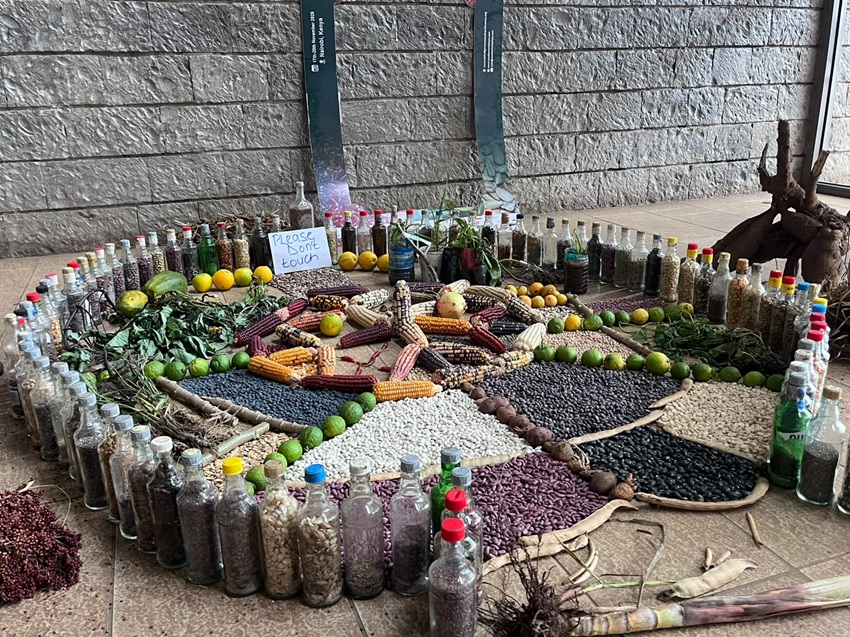
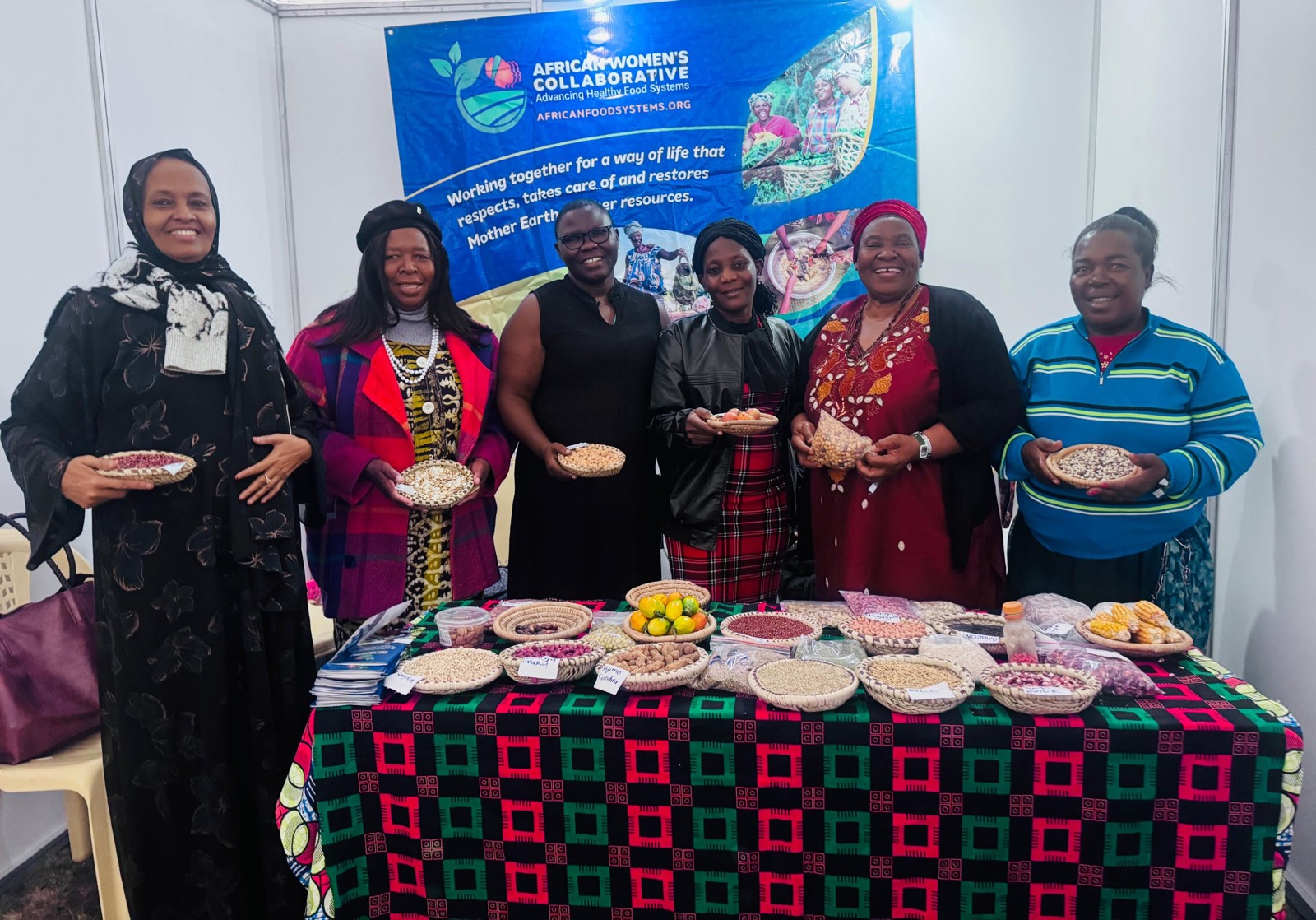
Farmers from 9 African countries who have champiioned the conversation on food and nutrition explain the nutritional benefits of the crops that they grow in their communities at their exhibition stall in Nairobi
By the Witness Radio Team.
Today, Thursday, November 19, the African Women’s Collaborative for Healthy Food Systems will present findings from its farmer-led research on indigenous seeds, African foods, and climate-resilient crops. This will take place during a side event at the First Eastern Africa Indigenous Seed Conference in Nairobi, Kenya.
The event, titled Indigenous Seeds, Nutrition and Resilience: Findings and Recommendations from Farmer-Led Research, will take place from 11:00 am to 12:30 pm at the Catholic University of Eastern Africa in Nairobi.
For those unable to attend in person, Witness Radio will broadcast the event live on its radio platform and social media channels, including YouTube.
The side event will present key findings and recommendations from two research reports: Empirical Study on Nutritional African Foods and Nutritional Assessment of Ten Climate-Resilient Food Crops.
This research documents the nutritional, cultural, economic, and agroecological value of local African foods. It shows how these foods support communities, preserve cultural knowledge, sustain rural livelihoods, and strengthen farming systems suited to their environments.
The event will facilitate discussion on how indigenous foods and climate-resilient crops can strengthen diverse food systems while recognizing the knowledge and practices of farming communities, particularly women who are key stewards of local foods and seeds.
Participants will review the research findings, examine the reports, and collaborate on strategies to support diverse and nutritious food systems resilient to climate challenges.
The African Women’s Collaborative for Healthy Food Systems is a Pan-African initiative that brings together peasant and indigenous women leaders and their organizations. Since 2017, the Collaborative has supported rural and indigenous women in shaping Africa’s food systems.
The Collaborative advocates for women’s rights and recognizes their contributions to food production, seed conservation, agroecology, and promoting nutritious local foods. It acknowledges women farmers as both producers and guardians of indigenous seeds and ancestral knowledge.
Through its Nutritional African Foods Initiative, the Collaborative promotes knowledge about foods grown by African rural women, who use agroecological methods and local resources to feed their communities.
The Nairobi side event brings together farmers, researchers, seed custodians, policymakers, and civil society organizations from Eastern Africa for the inaugural Eastern Africa Indigenous Seed Conference, held from November 17 to 20.
With the theme Realizing the Right to Food through Seed Sovereignty, the conference aims to empower farmer-managed seed systems and highlight farmers’ role in conserving, selecting, saving, exchanging, and using indigenous seeds.
Seed Savers Network organizes this gathering, providing a regional platform to share experiences, address policy challenges, and build alliances to protect indigenous seeds and agricultural biodiversity.
The Collaborative’s side event will contribute to these discussions by highlighting the connections between indigenous seeds, women’s knowledge, nutrition, and the resilience of local food systems.
The event will be broadcast live on Witness Radio and social media platforms on Thursday, November 19, from 11:00 am to 12:30 pm (East Africa Time).
Related posts:

Farmers’ seed systems take centre stage as the first Eastern African Indigenous Seed Conference opens in Kenya.
1st Eastern Africa Indigenous Seed Conference 2026 | EA-ISC Nairobi
East African women unite and meet in Nairobi to develop strategies to protect communal tenure systems and collectively resist false climate solutions.
Witness Radio and Seed Savers Network are partnering to produce radio content to save indigenous seeds in Africa.
Eastern Africa seed conference ends with calls for food security
Seed Sovereignty: East African Farmers Push for Laws to Protect Indigenous Seeds and Biodiversity
African women will present research findings on indigenous seeds, nutrition, and climate resilience in Nairobi, Kenya.
Farmers’ seed systems take centre stage as the first Eastern African Indigenous Seed Conference opens in Kenya.
Kiryandongo district, a notorious hotspot for land grabs in Uganda: A bitter land dispute spanning 22 years has left residents landless and food-insecure, while the investor anxiously guards his investment.
A coalition of 625 African faith leaders will gather, united in their call for reparations in response to what they describe as the failure of a Gates-backed agricultural model.
African faith leaders are raising their voices for reparations as AGRA’s 20-year legacy faces intense scrutiny.
From grassroots action to policy transformation: How local environmental solutions spark enduring change.
Innovative Finance from Canada projects positive impact on local communities.
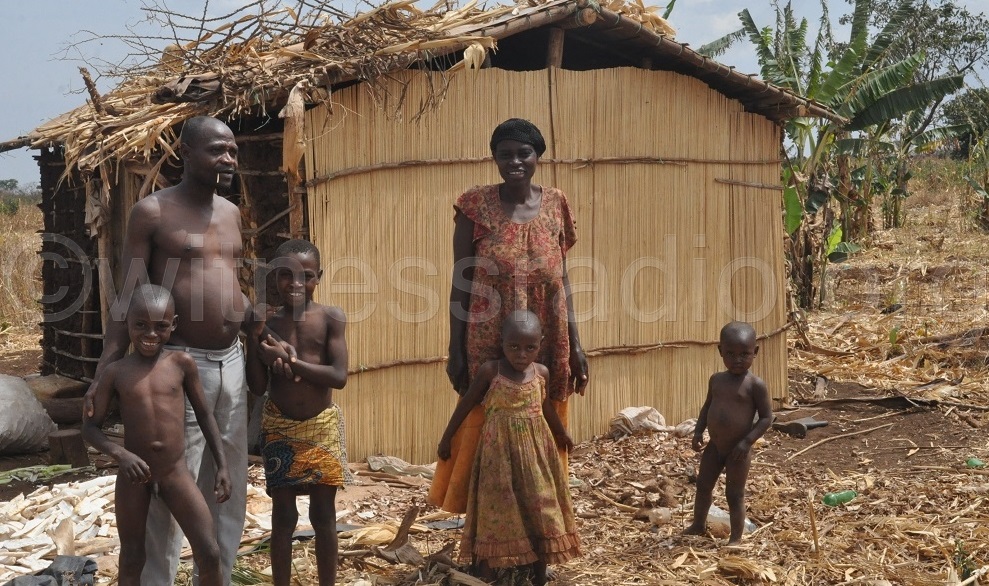
Over 5000 Indigenous Communities evicted in Kiryandongo District

Petition To Land Inquiry Commission Over Human Rights In Kiryandongo District

Invisible victims of Uganda Land Grabs
Resource Center
- CAN AFRICAN FOOD SYSTEMS THRIVE WITHOUT CHEMICAL FERTILISERS
- Land And Environment Rights In Uganda Experiences From Karamoja And Mid Western Sub Regions
- REPARATORY AND CLIMATE JUSTICE MUST BE AT THE CORE OF COP30, SAY GLOBAL LEADERS AND MOVEMENTS
- LAND GRABS AT GUNPOINT REPORT IN KIRYANDONGO DISTRICT
- THOSE OIL LIARS! THEY DESTROYED MY BUSINESS!
- RESEARCH BRIEF -TOURISM POTENTIAL OF GREATER MASAKA -MARCH 2025
- The Mouila Declaration of the Informal Alliance against the Expansion of Industrial Monocultures
- FORCED LAND EVICTIONS IN UGANDA TRENDS RIGHTS OF DEFENDERS IMPACT AND CALL FOR ACTION
Legal Framework
READ BY CATEGORY
Newsletter
Trending
-
FARM NEWS1 week agoDrought leaves Bulambuli families struggling for food
-
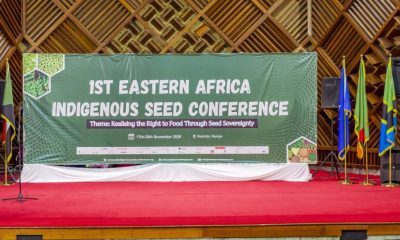
MEDIA FOR CHANGE NETWORK1 week agoFarmers’ seed systems take centre stage as the first Eastern African Indigenous Seed Conference opens in Kenya.
-
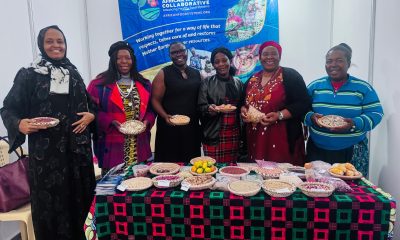
MEDIA FOR CHANGE NETWORK6 days agoAfrican women will present research findings on indigenous seeds, nutrition, and climate resilience in Nairobi, Kenya.
-
MEDIA FOR CHANGE NETWORK5 days agoSeed Sovereignty: East African Farmers Push for Laws to Protect Indigenous Seeds and Biodiversity
-
MEDIA FOR CHANGE NETWORK2 days agoEastern Africa seed conference ends with calls for food security