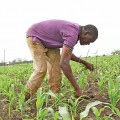
Once-green gardens in Bulambuli District, Bugisu Sub-region, have turned into scenes of despair as prolonged dry spells destroy crops, leaving thousands of farming households struggling to find food.
In the district’s lower-lying sub-counties, including Bwikhonge, Bunambutye, Bumufuni and Nabongo, farmers said they have suffered two consecutive seasons of poor harvests after rains failed to sustain their crops.
Households that previously harvested between 15 and 20 bags of maize and five to 10 bags of beans from an acre are now counting losses. Some have harvested as little as half a bag of maize per acre, while others have managed only about 10 kilogrammes of beans.
Other crops affected include sunflower, soya beans, cassava, bananas and rice, which are important sources of food and income for rural households.
The poor harvests have triggered food shortages, pushed up prices and left families struggling to meet basic needs, with women, children and elderly people bearing the greatest burden.
Mr Ronald Wakoko, the LCII chairperson of Buwabwala Parish in Buyaka Village, Bwikhonge Sub-county, said several families can no longer afford decent meals because they have little produce to sell or consume.
“Families are hardly getting what to eat because they have not harvested in two seasons and the prices of foodstuffs are high. For instance, a kilogramme of beans now costs Shs6,000, while a kilogramme of maize flour goes for Shs3,000,” he told Daily Monitor on Saturday.
He said the food shortage has also strained family relationships, with some men abandoning their households after failing to provide for their families.
“The situation has increased theft and domestic violence. The government should intervene,” he said.
Ms Harriet Wasike, a 72-year-old resident, said the situation has become difficult. Standing in her garden in Bunamono Village, Bwikhonge Sub-county, Ms Wasike said she harvested only three kilogrammes of beans and 50 kilogrammes of maize from her one-acre garden during the first season.
“We used to eat at least two times a day, but now we struggle and, if we are lucky, we survive on one meal a day. Other days we only live on porridge. We cannot continue like this,” she said.
Ms Janet Nandutu, another resident, warned that prolonged food shortages could affect children’s health, growth and performance in school.
“Poor access to food threatens the health and growth of our children and their ability to concentrate in schools,” she added.
In Nabongo Trading Centre, residents are also concerned about the nutritional consequences of the failed harvests.
Mr Robert Wanyoro said some households are struggling to provide balanced meals, raising fears of increasing malnutrition among children.
The ruling National Resistance Movement party’s Chairperson for Bulambuli District, Mr Paul Kimamati, said the drought affected more than 10 sub-counties, particularly those in the lower parts of the district.
He explained that the first planting season, which begins around January, received inadequate rainfall, leaving farmers with extremely poor yields.
“Right from the first season, it drizzled. People planted, but the harvests were extremely poor. A peasant farmer would harvest one bag of maize and 10 kilogrammes of beans from an acre, which has been producing about 15 to 20 bags of maize and five or more bags of beans,” he said.
Mr Kimamati said several farmers, hoping the second season would bring better rains, planted again using the little seed they had saved from previous harvests.
However, the rains remained inadequate, resulting in another failed season and leaving households with little food or seed for the next planting period.
He called on government to assess the extent of the losses and provide assistance to the most affected families.
“I am appealing to government to send a team to evaluate the losses these people have encountered and the challenges they are going through, as is being done in other areas where people affected by landslides are being rescued,” he said.
Mr Kimamati said women, children and elderly people were particularly vulnerable, adding that some men had abandoned their families after failing to provide for them. “When women are affected, it means the younger children are also affected because the women cannot afford meals for their children,” he said.
Mr Alex Wataka, an agricultural officer in Bulambuli District, said assessments by the district indicated that crop failure was estimated at about 90 percent in the affected communities. He attributed the poor harvests partly to declining soil fertility and inadequate use of fertilisers, saying these factors have compounded the effects of unreliable rainfall.
“We are asking government to come up with a permanent solution of setting up an irrigation scheme with smaller water pumps so that people can use irrigation to grow their crops,” he said.
Bulambuli District Production Officer Alfred Tsekeli acknowledged the food security challenges, saying the district was advising farmers to adopt improved farming methods to minimise losses arising from increasingly unpredictable weather conditions.